𝗪𝗵𝗮𝘁 𝗮𝗿𝗲 𝗜𝗻𝗱𝘂𝘀𝘁𝗿𝗶𝗮𝗹 𝗦𝗮𝗳𝗲𝘁𝘆 𝗘𝗾𝘂𝗶𝗽𝗺𝗲𝗻𝘁?
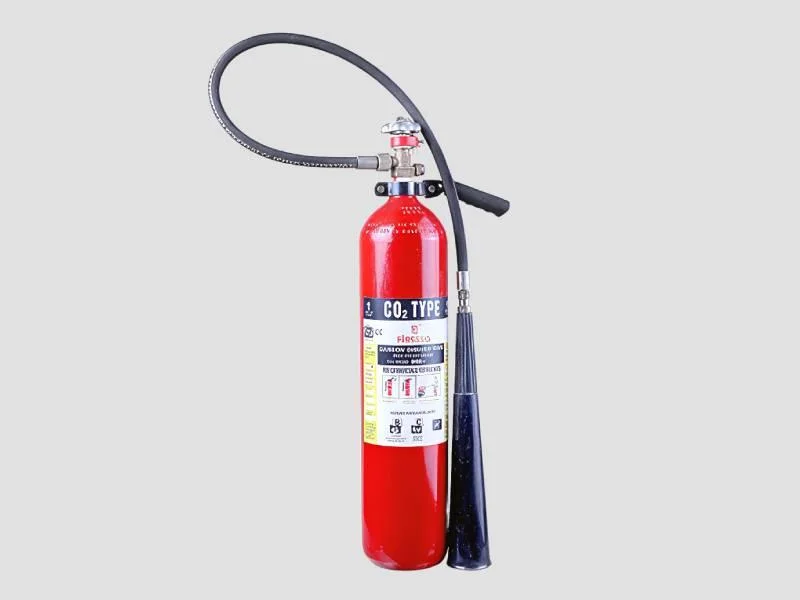
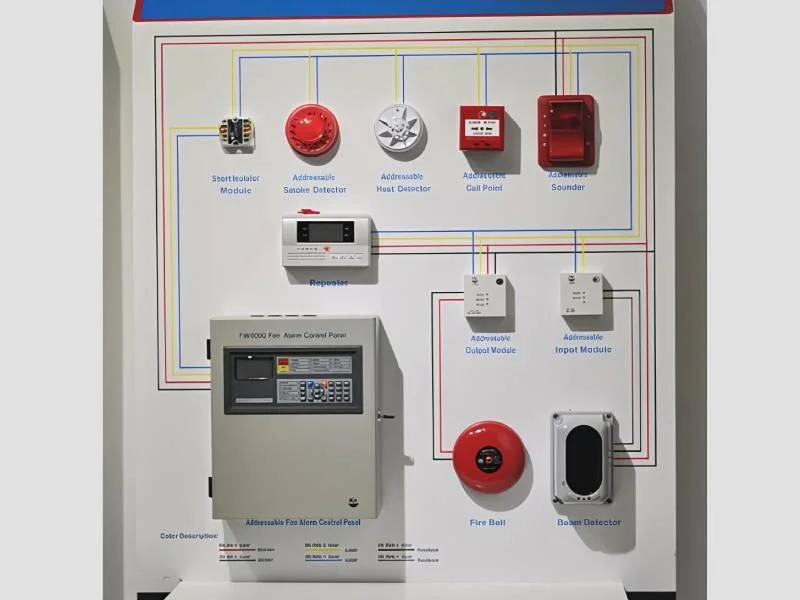
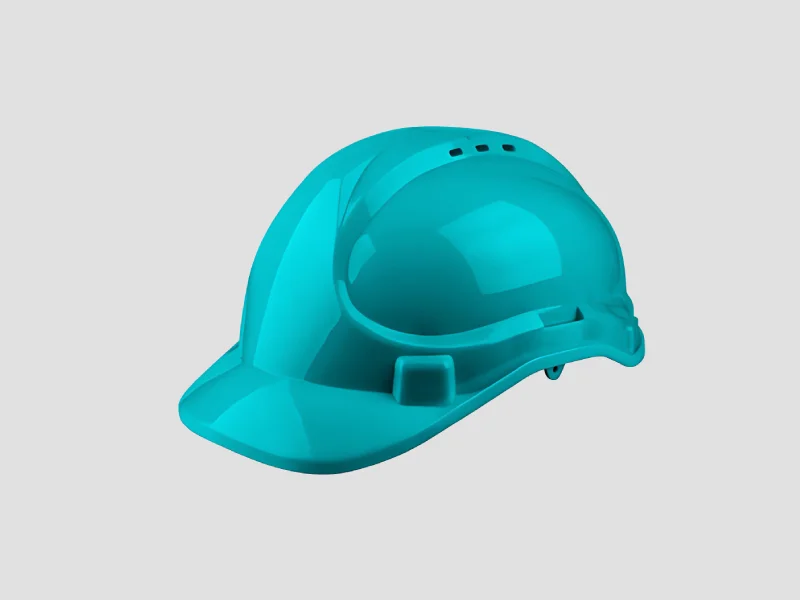
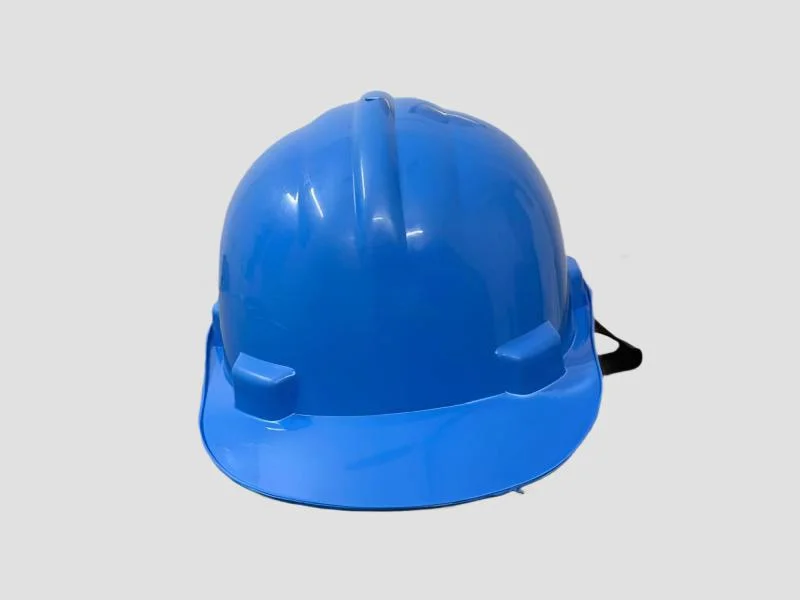
Industrial safety equipment refers to a wide range of products designed to protect workers from potential hazards in various industrial environments. These products include personal protective equipment (PPE) such as helmets, gloves, goggles, and respiratory protection. In addition, it encompasses safety devices like guards, barriers, and warning signs that help mitigate risks associated with machinery and hazardous materials.
The primary uses of industrial safety equipment span several industries, including manufacturing, construction, oil and gas, and healthcare. Businesses implement these safety measures to comply with regulations, reduce workplace accidents, and enhance employee well-being. By investing in safety equipment, companies not only protect their workforce but also minimize costs related to injuries and downtime.
The relevance of industrial safety equipment in today's market is underscored by increasing regulatory requirements and a growing emphasis on workplace safety. Industries are under pressure to maintain high safety standards, making effective safety equipment essential for operational success. As a result, the market for industrial safety equipment continues to expand, driven by innovations and the need for compliance with stringent safety regulations.
𝗞𝗲𝘆 𝗙𝗲𝗮𝘁𝘂𝗿𝗲𝘀 𝗮𝗻𝗱 𝗦𝗽𝗲𝗰𝗶𝗳𝗶𝗰𝗮𝘁𝗶𝗼𝗻𝘀
When selecting industrial safety equipment, it is important to understand its key features and specifications. These specifications ensure that the equipment meets safety standards and is fit for purpose in various environments.
Key specifications include:
1. Material Durability
- High-quality materials like Kevlar, nylon, and polycarbonate are often used.
- The durability rating reflects resistance to wear, tear, and environmental factors.
2. Protection Levels
- Equipment is categorized based on the level of protection it offers, such as ANSI ratings for impact protection.
- Different levels protect against specific hazards, such as chemical splashes or electrical arcs.
3. Comfort and Fit
- Proper sizing and ergonomic design are crucial for user comfort.
- Features like adjustable straps and breathable materials enhance wearability.
4. Compliance Standards
- Equipment must meet relevant safety standards such as CE and ISO certifications.
- Ensures that products are tested for quality and reliability.
5. Visibility Features
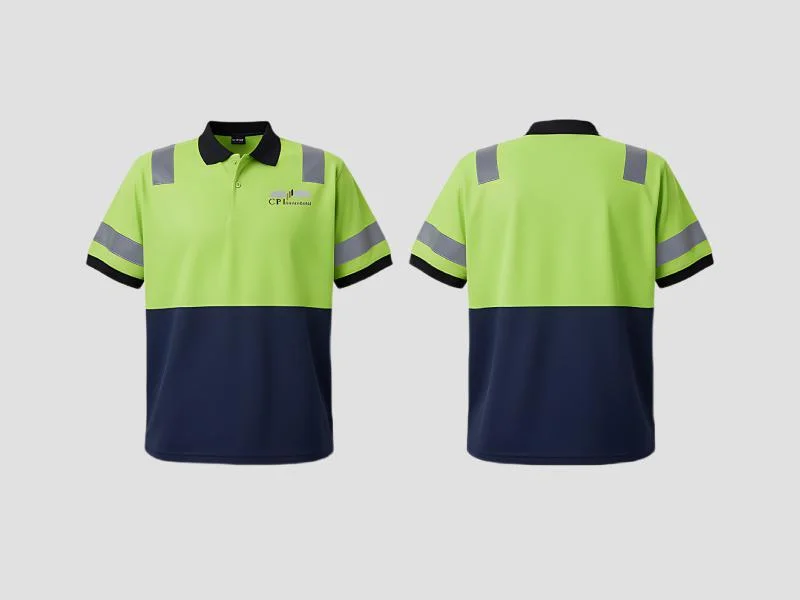
- High-visibility colors and reflective materials increase safety in low-light conditions.
- Essential for workers in transportation and construction roles.
6. Maintenance Requirements
- Some equipment requires regular inspections and maintenance to ensure effectiveness.
- Clear guidelines for cleaning and care should be provided.
7. Customization Options
- Many suppliers offer customization in terms of size, color, and branding.
- This allows businesses to tailor equipment to their specific needs.
8. Warranty and Support
- Warranty periods vary and can indicate product quality.
- Supplier support for replacement parts and repairs is crucial for ongoing safety.
Understanding these specifications helps businesses make informed decisions when purchasing industrial safety equipment.
𝗖𝗼𝗺𝗺𝗼𝗻 𝗔𝗽𝗽𝗹𝗶𝗰𝗮𝘁𝗶𝗼𝗻𝘀 𝗮𝗻𝗱 𝗨𝘀𝗲 𝗖𝗮𝘀𝗲𝘀
Industrial safety equipment is utilized across various industries to enhance worker safety and compliance.
1. Manufacturing: In manufacturing plants, safety equipment such as gloves, helmets, and goggles protect workers from mechanical hazards and exposure to harmful substances.
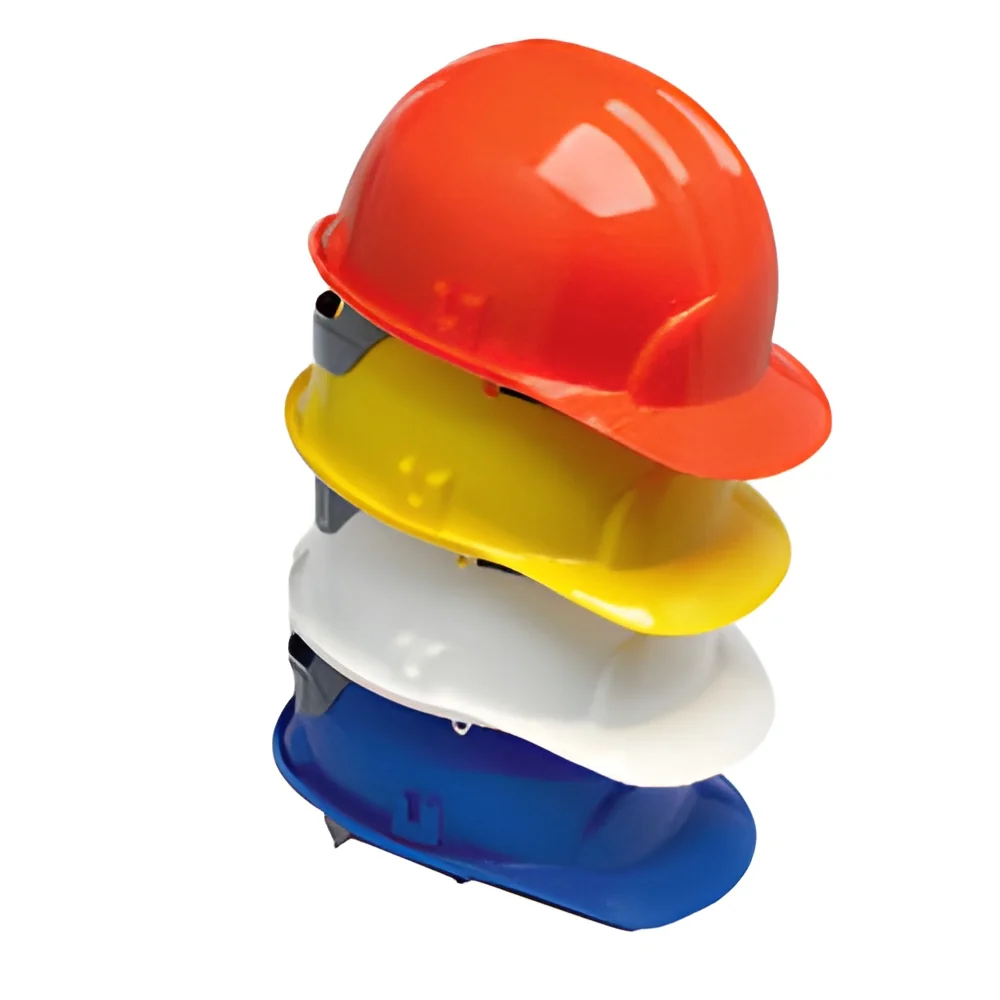
2. Construction: On construction sites, hard hats, safety harnesses, and high-visibility vests are essential to prevent accidents and ensure that workers are easily seen.
3. Oil and Gas: Workers in the oil and gas industry rely on specialized PPE to protect against chemical exposure and extreme environmental conditions.
4. Healthcare: In healthcare settings, safety equipment such as masks, gloves, and face shields is critical for infection control and protecting both healthcare workers and patients.
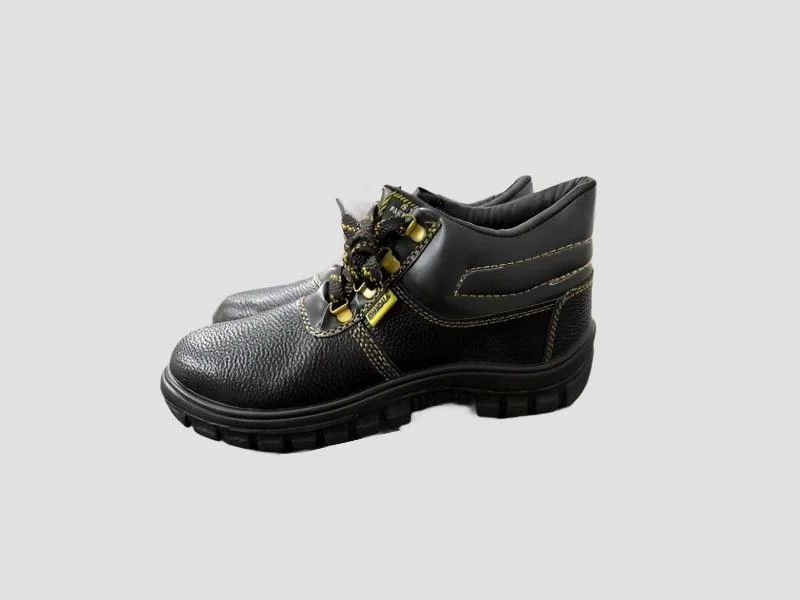
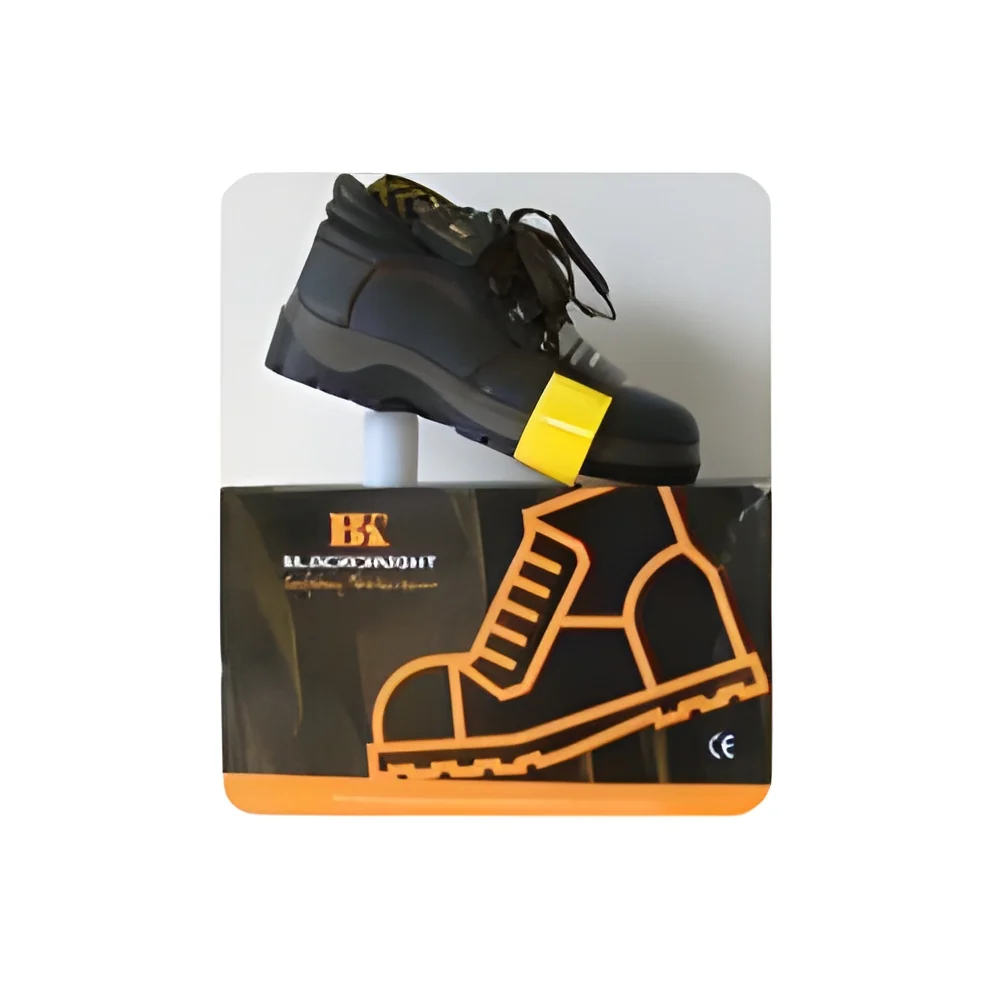
5. Warehousing: Safety shoes and ergonomic lifting equipment are vital in warehouse environments to prevent injuries related to lifting and falling objects.
6. Agriculture: Farmers use protective gear to handle pesticides and operate machinery safely, minimizing exposure to hazardous materials.
7. Mining: Miners require heavy-duty helmets and respiratory protection to ensure safety from dust and falling debris in underground operations.
𝗣𝗿𝗼𝗱𝘂𝗰𝘁 𝗩𝗮𝗿𝗶𝗮𝗻𝘁𝘀 𝗮𝗻𝗱 𝗦𝘂𝗯𝗰𝗮𝘁𝗲𝗴𝗼𝗿𝗶𝗲𝘀
Industrial safety equipment encompasses a diverse range of products tailored for different applications and environments. This diversity ensures that businesses can find the right protection suited to their specific needs.
Personal Protective Equipment (PPE)
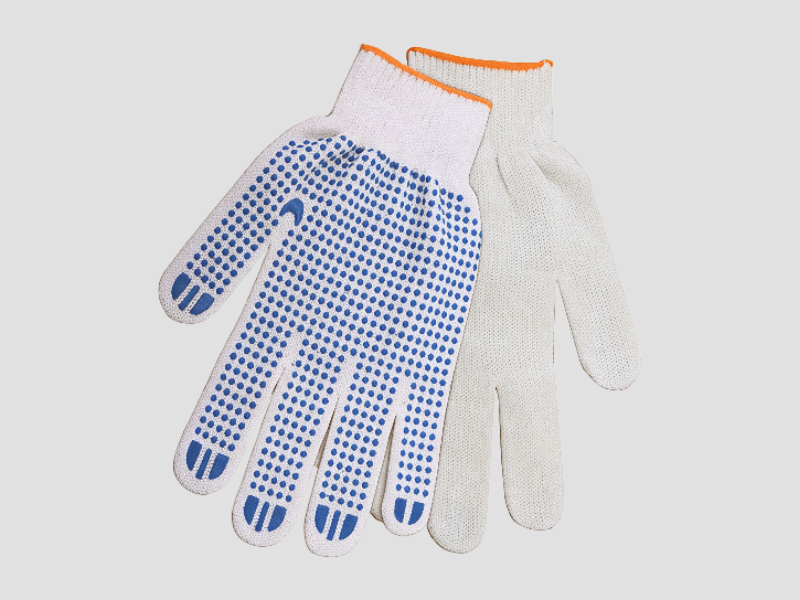
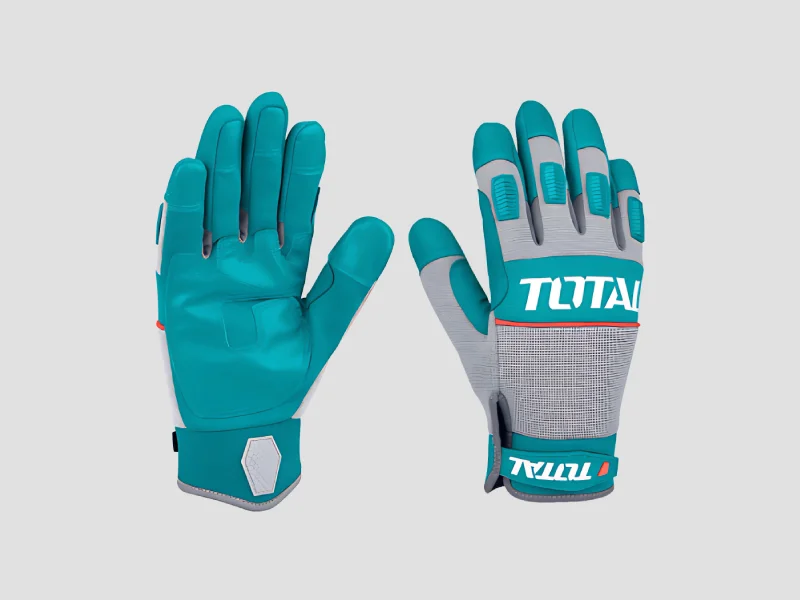
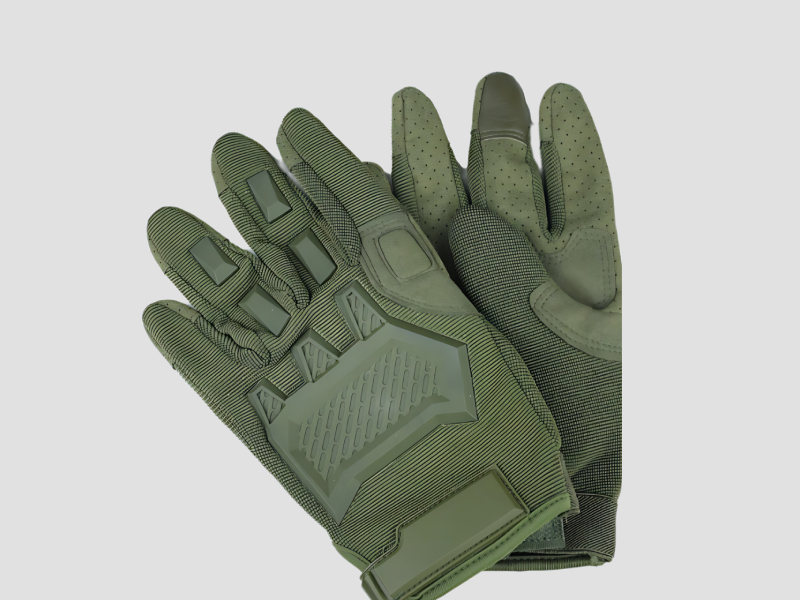
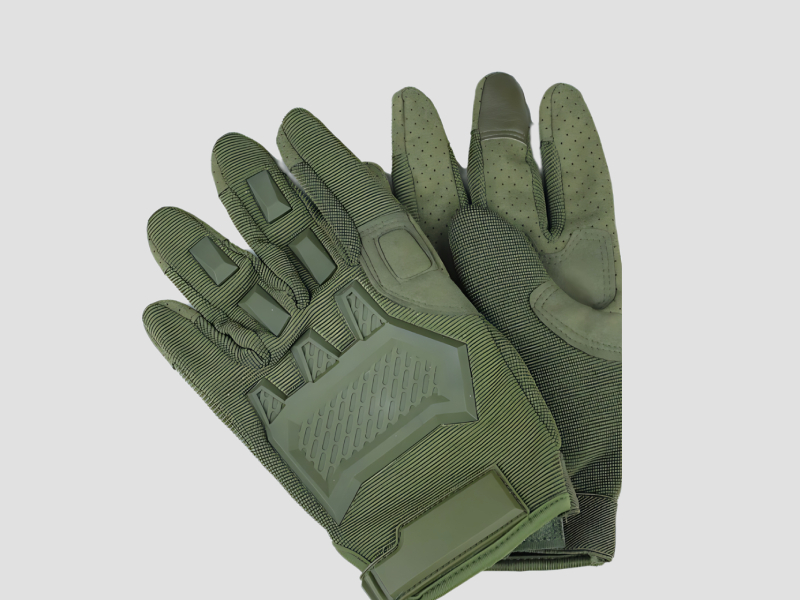
PPE includes items such as helmets, gloves, goggles, and respiratory protection. These products are designed to safeguard workers against various hazards, from physical injuries to chemical exposure.
Safety Signage and Barriers
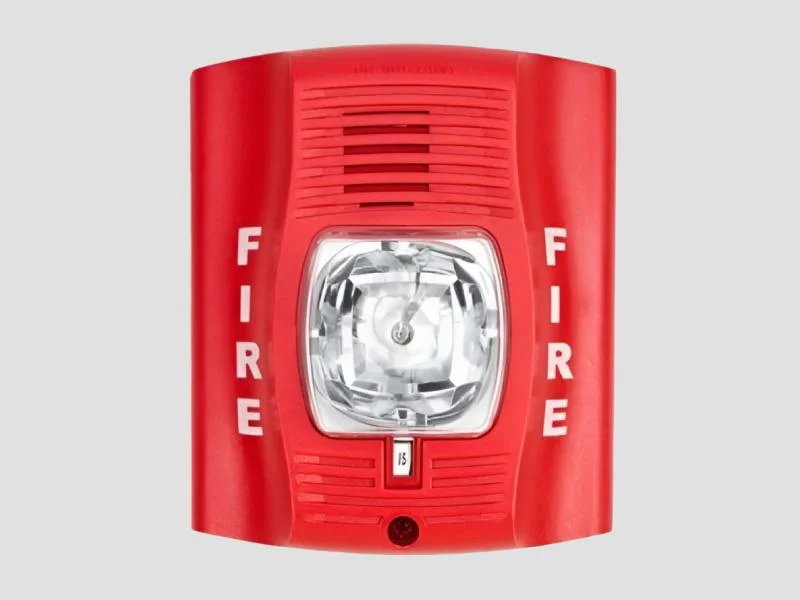
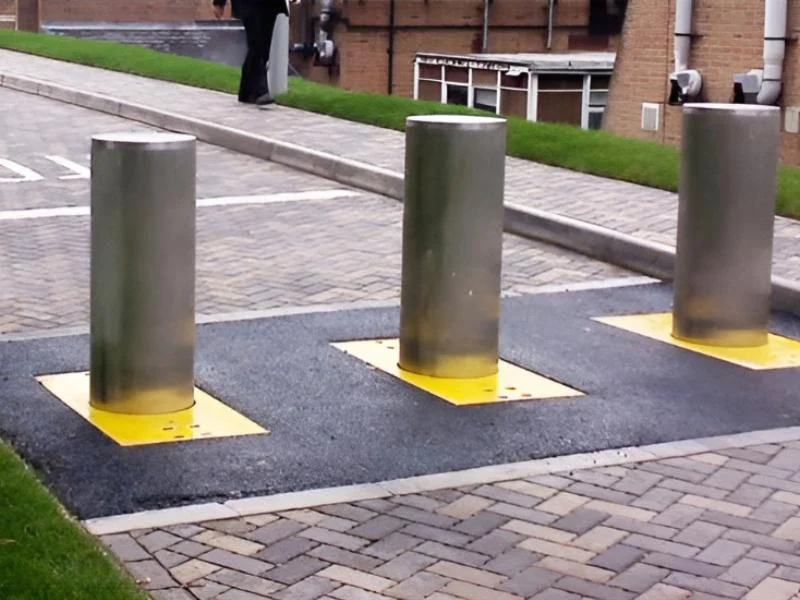
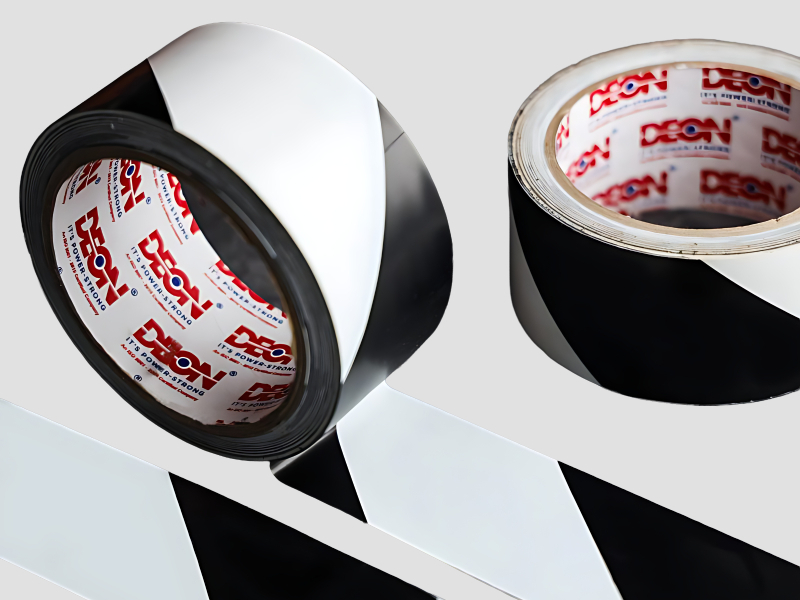
Safety signs and barriers are crucial for alerting workers to hazards and guiding behavior in industrial settings. They help prevent accidents by clearly marking dangerous areas and providing essential safety information.
Hearing Protection
Hearing protection devices, such as earplugs and earmuffs, are designed for environments with high noise levels. They help prevent hearing loss and ensure compliance with occupational safety standards.
Fall Protection Systems
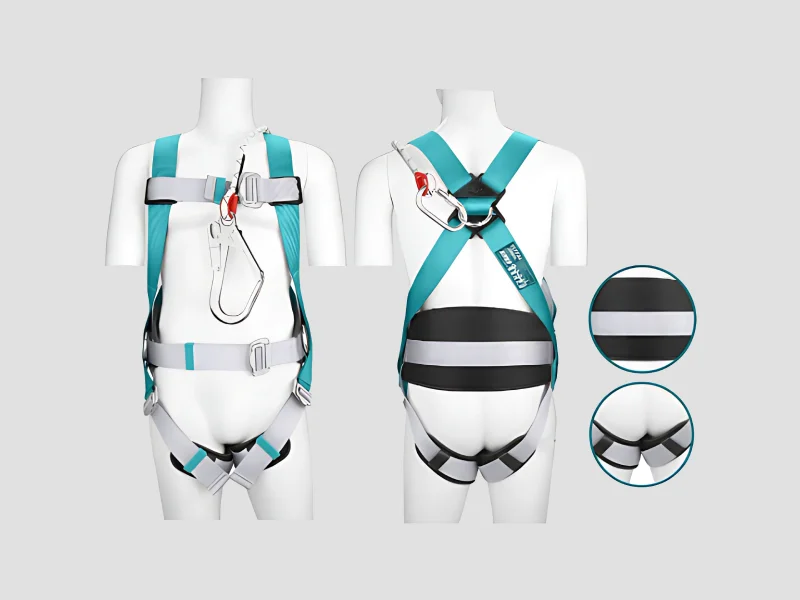
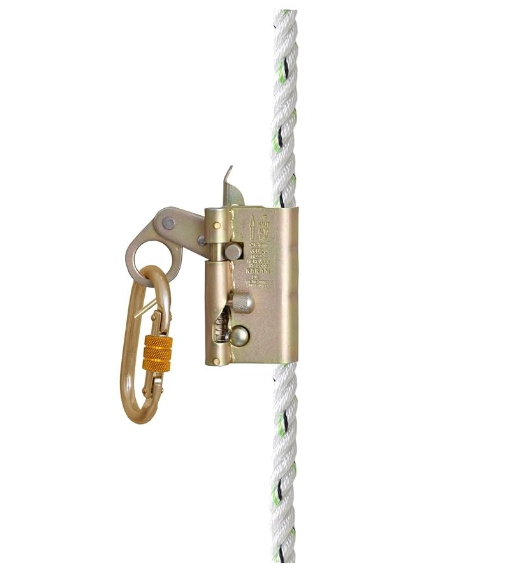
These systems include harnesses, lanyards, and anchor points designed to prevent falls in construction and maintenance work. They are essential for any job that involves working at height.
𝗕𝗲𝗻𝗲𝗳𝗶𝘁𝘀 𝗮𝗻𝗱 𝗔𝗱𝘃𝗮𝗻𝘁𝗮𝗴𝗲𝘀
Investing in industrial safety equipment offers numerous benefits to businesses and employees alike.
1. Enhanced Worker Safety: Proper safety equipment significantly reduces the risk of injuries and fatalities in hazardous work environments.
2. Regulatory Compliance: Using safety equipment helps businesses comply with local and international safety regulations, avoiding penalties and legal issues.
3. Increased Productivity: A safer work environment leads to fewer accidents and disruptions, allowing employees to focus on their tasks without fear.
4. Improved Employee Morale: Providing safety equipment demonstrates a company's commitment to employee well-being, boosting morale and job satisfaction.
5. Cost Savings: Reducing accidents and injuries lowers insurance premiums and medical costs, resulting in overall financial savings for the organization.
6. Better Reputation: Companies known for prioritizing safety are more likely to attract and retain talent, as well as gain trust from clients and partners.
𝗕𝘂𝘆𝗶𝗻𝗴 𝗚𝘂𝗶𝗱𝗲 𝗳𝗼𝗿 𝗕𝟮𝗕 𝗕𝘂𝘆𝗲𝗿𝘀
When sourcing industrial safety equipment, B2B buyers should consider several important factors to ensure they make the right choices.
1. Quality Assessment: Evaluate the quality of materials and manufacturing processes. Look for products that meet industry standards and have positive reviews from other buyers.
2. Supplier Verification: Vet suppliers by checking their certifications, industry reputation, and customer service track record. A reliable supplier is crucial for ongoing support.
3. Pricing and MOQ: Understand the pricing structure and any minimum order quantities (MOQ) required. This helps in budgeting and negotiating with suppliers.
4. Delivery and Lead Times: Assess the supplier's ability to meet delivery timelines, especially if the equipment is needed urgently. Confirm logistics arrangements to avoid delays.
5. Compliance Requirements: Ensure that the equipment meets all relevant safety regulations and certifications. This is vital for legal compliance and worker safety.
𝗖𝗼𝗺𝗽𝗹𝗶𝗮𝗻𝗰𝗲 𝗮𝗻𝗱 𝗖𝗲𝗿𝘁𝗶𝗳𝗶𝗰𝗮𝘁𝗶𝗼𝗻𝘀
Compliance with safety standards and certifications is essential for industrial safety equipment. Relevant quality standards, such as ISO 9001, ensure that products meet international quality management principles. Certifications like CE indicate that the equipment complies with European health, safety, and environmental protection standards.
Industry certifications ensure that the equipment is tested and validated for safety and effectiveness. Regular testing requirements help maintain high safety standards in the workplace. Additionally, regional compliance considerations may vary, so it is important for businesses to understand the specific regulations that apply to their location.
𝗪𝗵𝘆 𝗦𝗼𝘂𝗿𝗰𝗲 𝗜𝗻𝗱𝘂𝘀𝘁𝗿𝗶𝗮𝗹 𝗦𝗮𝗳𝗲𝘁𝘆 𝗘𝗾𝘂𝗶𝗽𝗺𝗲𝗻𝘁 𝗳𝗿𝗼𝗺 𝗣𝗲𝗽𝗮𝗴𝗼𝗿𝗮?
Pepagora provides a trusted platform for sourcing industrial safety equipment, offering several key advantages to buyers.
Verified Supplier Network: Pepagora has established a network of verified suppliers, ensuring that buyers can trust the quality and reliability of the products offered. This reduces the risk of purchasing substandard equipment.
Streamlined RFQ Process: The platform simplifies the request for quotation (RFQ) process, allowing buyers to quickly compare options and make informed decisions. This efficiency saves time and effort in sourcing.
Trade Assurance and Support: Pepagora offers trade assurance, providing buyers with protection and support throughout the purchasing process. This assurance helps mitigate risks associated with online transactions.
Regional Coverage: With a strong presence in India, the GCC, and Southeast Asia, Pepagora ensures that businesses in these regions have access to a wide range of industrial safety equipment tailored to their specific needs and regulations.

 IN
IN