What are Toxic Gas Sensors?
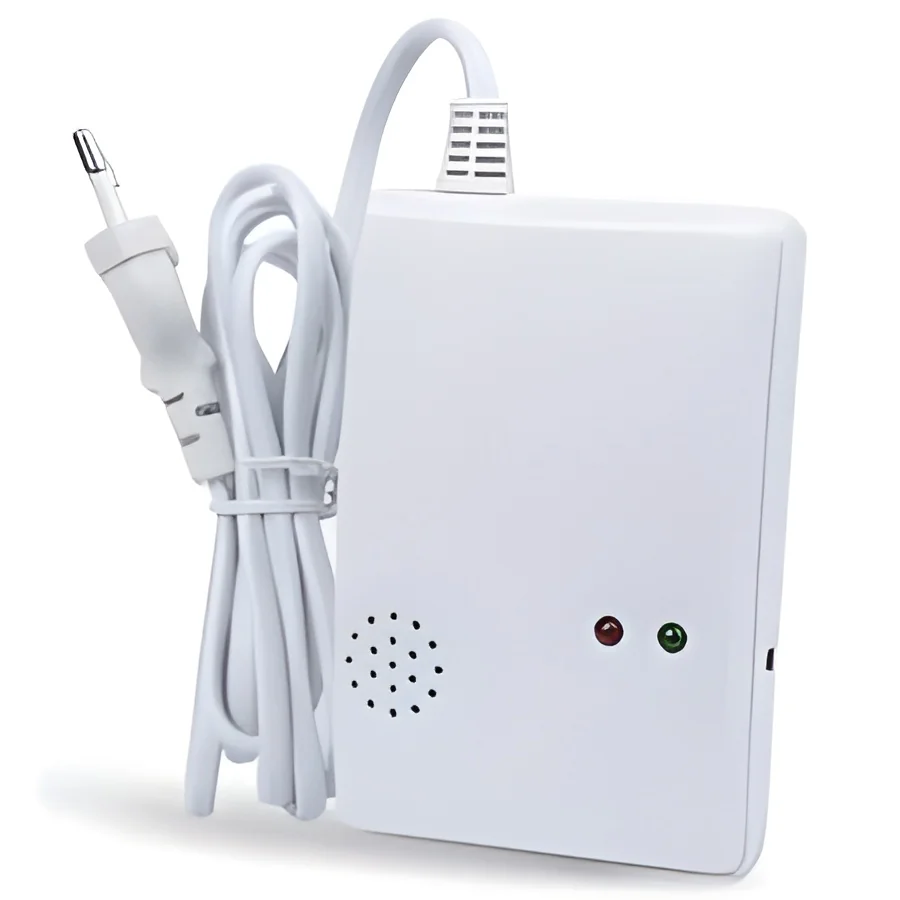
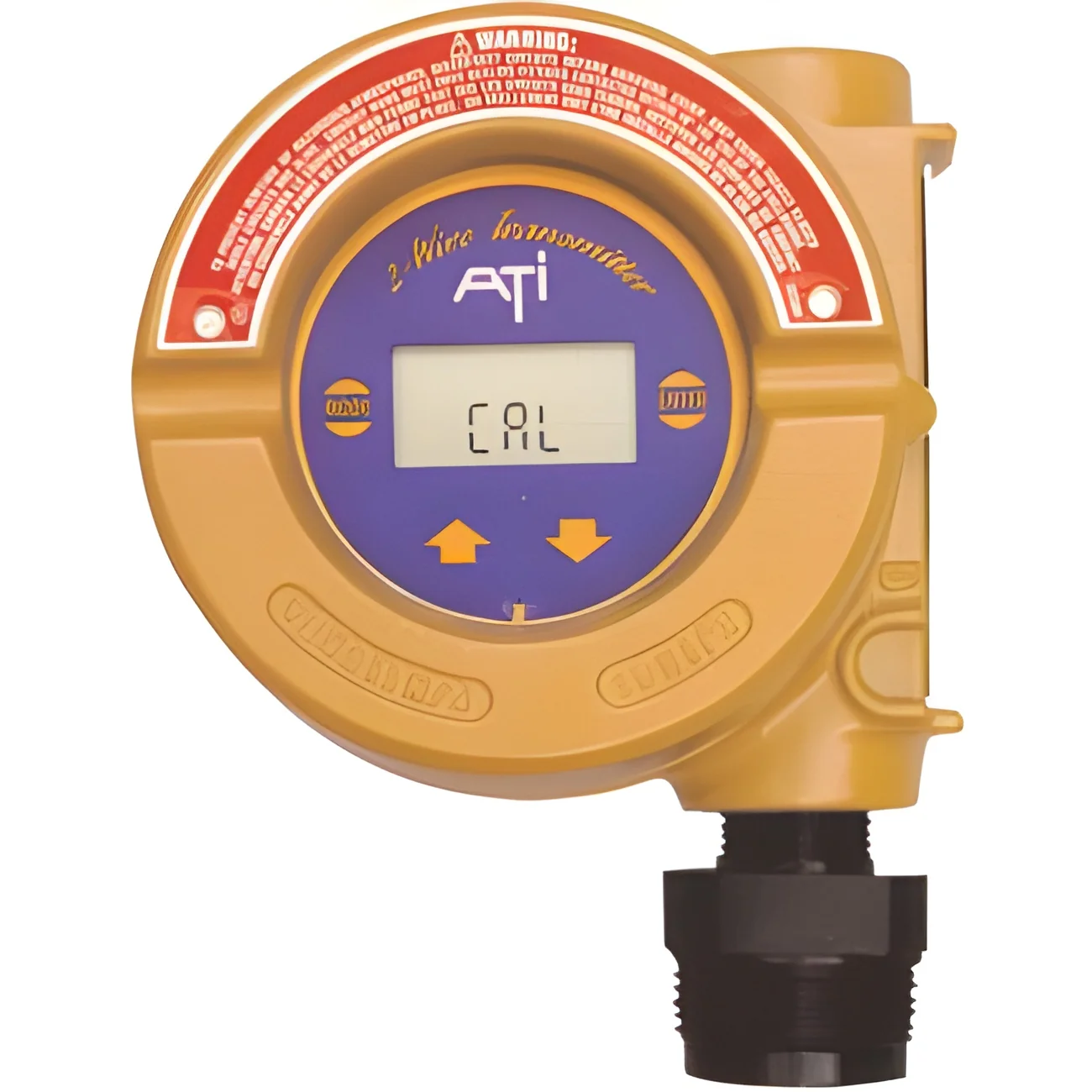
Toxic gas sensors are specialized devices designed to detect and measure the concentration of harmful gases in various environments. These sensors play a crucial role in ensuring safety and compliance in industrial settings by monitoring air quality and alerting personnel to hazardous conditions. They utilize advanced technology to provide real-time data on toxic gas levels, enabling rapid response to potential threats.
The primary uses of toxic gas sensors span several industries, including manufacturing, oil and gas, chemical processing, and environmental monitoring. They are essential for maintaining workplace safety, protecting employees from exposure to dangerous gases, and ensuring compliance with health and safety regulations. Their ability to detect gases such as carbon monoxide, hydrogen sulfide, and volatile organic compounds makes them invaluable in safeguarding both human health and the environment.
In today's market, the demand for toxic gas sensors is driven by increased awareness of safety standards and regulatory requirements. As industries evolve and expand, the need for reliable gas detection solutions continues to grow. This presents significant opportunities for businesses that prioritize safety and adhere to industry regulations, fostering a culture of safety and responsibility within their operations.
Key Features and Specifications
Toxic gas sensors come equipped with a variety of features that enhance their performance and reliability in detecting dangerous gases. Understanding these key specifications is critical for selecting the right sensor for specific applications.
Key specifications include:
1. Detection Range
- The range within which the sensor can accurately measure gas concentrations.
- Typically spans from parts per million (ppm) to percentage levels (%).
2. Response Time
- The time taken by the sensor to detect a gas leak and provide an alert.
- Usually ranges from a few seconds to a minute, depending on the sensor type.
3. Calibration Requirements
- Information on how often the sensor needs to be calibrated for accurate readings.
- Calibration intervals can vary based on usage and environmental conditions.
4. Power Supply
- The method of powering the sensor, which can be battery-operated or wired.
- Battery life and power consumption are important considerations for continuous monitoring.
5. Operating Temperature Range
- The temperature range within which the sensor can function effectively.
- Typically varies from -20 to +50 degrees Celsius, although specific ranges may differ.
6. Humidity Tolerance
- The level of humidity the sensor can withstand while maintaining accuracy.
- Often specified as a percentage of relative humidity.
7. Communication Protocols
- The methods through which the sensor transmits data, such as analog or digital outputs.
- Common protocols include Modbus, RS485, and wireless options.
8. Certification Standards
- Indicates compliance with safety and industry standards, such as CE certification.
- Ensures reliability and safety in operational environments.
In summary, understanding the key features and specifications of toxic gas sensors is essential for selecting the right product that meets specific industrial needs while ensuring safety and compliance.
Common Applications and Use Cases
Toxic gas sensors find applications across a wide range of industries, each with specific requirements and challenges.
1. Manufacturing: In manufacturing facilities, these sensors are critical for monitoring air quality in production areas where toxic gases may be emitted. They help prevent harmful exposure to employees and ensure compliance with occupational safety regulations.
2. Oil and Gas: In the oil and gas sector, toxic gas sensors are vital for detecting leaks in pipelines and processing plants. They contribute to safety measures by alerting personnel to the presence of flammable or toxic gases.
3. Chemical Processing: Facilities that handle chemicals rely on toxic gas sensors to monitor emissions and prevent accidents. These sensors help maintain safe operational conditions and protect workers from hazardous exposures.
4. Wastewater Treatment: In wastewater treatment plants, toxic gas sensors are used to detect harmful gases produced during the treatment process. They ensure that workers are alerted to potential dangers, enhancing overall safety.
5. Environmental Monitoring: These sensors play a key role in environmental monitoring, allowing for the detection of toxic gases in outdoor air. This helps organizations comply with environmental regulations and address public health concerns.
6. Laboratories: In research and laboratory settings, toxic gas sensors are essential for monitoring air quality and ensuring a safe working environment. They provide real-time data to researchers and laboratory personnel.
7. Fire Safety: Toxic gas sensors are used in fire safety systems to detect gases that may indicate combustion or fire hazards. Their early detection capabilities can save lives and property.
Product Variants and Subcategories
Toxic gas sensors come in various forms to cater to different applications and environments. Each variant is designed with specific features that enhance its functionality.
Portable Toxic Gas Sensors
These handheld devices are designed for personal safety and field use. They are lightweight and battery-operated, allowing for easy transport. Portable sensors are commonly used in emergency response situations or routine checks in hazardous areas.
Fixed Gas Monitoring Systems
Fixed systems are installed in specific locations to provide continuous monitoring of gas levels. They are ideal for industrial settings where constant surveillance is required. These systems often include alarms and data logging capabilities for comprehensive monitoring.
Multi-Gas Detectors
These sensors can detect multiple gases simultaneously, making them versatile for various applications. Multi-gas detectors are particularly useful in environments where different toxic gases may be present, providing a broader safety net.
Wireless Gas Detection Systems
These systems utilize wireless technology to transmit data to a central monitoring station. They offer flexibility in installation and can be integrated into existing safety systems. Wireless systems are increasingly popular in modern industrial applications.
Benefits and Advantages
Implementing toxic gas sensors in industrial operations offers numerous benefits that enhance safety and compliance.
1. Enhanced Safety: Toxic gas sensors provide early detection of harmful gases, allowing for quick responses that can save lives and prevent accidents.
2. Regulatory Compliance: These sensors help businesses comply with health and safety regulations, reducing the risk of costly fines and legal issues.
3. Improved Operational Efficiency: By monitoring gas levels continuously, companies can optimize processes and reduce downtime caused by hazardous incidents.
4. Real-Time Monitoring: Continuous monitoring allows for immediate awareness of gas concentrations, enabling prompt action in case of leaks.
5. Data Logging Capabilities: Many sensors come equipped with data logging features that allow businesses to track gas levels over time, aiding in analysis and reporting.
6. Peace of Mind: Knowing that there are reliable systems in place to detect toxic gases provides peace of mind to employees and management alike.
Buying Guide for B2B Buyers
When sourcing toxic gas sensors, it is essential for buyers to consider several key factors to ensure they select the right products for their needs.
1. Quality Assessment: Evaluate the quality of the sensors by checking for certifications and standards compliance. Look for products that meet industry-specific requirements to ensure reliability and accuracy.
2. Supplier Verification: Vet suppliers thoroughly to ensure they have a proven track record in providing high-quality gas detection products. Consider their reputation in the market and seek reviews from other businesses.
3. Pricing and MOQ: Understand the pricing structure and minimum order quantities offered by suppliers. This can vary widely and should align with your budget and operational requirements.
4. Delivery and Lead Times: Inquire about delivery schedules and lead times to ensure that the sensors can be supplied when needed. Reliable logistics are crucial for maintaining safety protocols.
5. Compliance Requirements: Familiarize yourself with any regulatory requirements that apply to gas detection in your industry. Ensure that the sensors you choose meet these standards.
Compliance and Certifications
Compliance and certification are critical aspects of toxic gas sensors. These devices must adhere to various quality standards to ensure reliability and safety in operation.
ISO 9001 is a widely recognized standard that emphasizes quality management systems. Manufacturers of toxic gas sensors often seek this certification to demonstrate their commitment to quality and continuous improvement.
CE certification is another important factor, particularly for products sold in European markets. It indicates that the product meets essential safety and health requirements defined by the European Union.
Additionally, compliance with safety and testing requirements is crucial. This may involve rigorous testing protocols to ensure that the sensors function correctly under various conditions.
Businesses must also consider regional compliance requirements, which can vary widely depending on local regulations. Understanding these requirements is essential for manufacturers and users of toxic gas sensors to ensure safety and adherence to laws.
Why Source Toxic Gas Sensors from Pepagora?
Pepagora provides a trusted platform for sourcing toxic gas sensors, offering several key advantages that set it apart in the marketplace.
Verified Supplier Network: Pepagora connects buyers with a network of verified suppliers who specialize in gas detection products. This network ensures that buyers can access high-quality sensors that meet industry standards.
Streamlined RFQ Process: The request for quotation (RFQ) process at Pepagora is designed to be efficient and straightforward. Buyers can easily compare quotes from multiple suppliers, enabling informed decision-making.
Trade Assurance and Support: Pepagora offers trade assurance features that protect buyers throughout the purchasing process. This includes support for any concerns or issues that may arise, ensuring a smooth transaction.
Regional Coverage: With a strong presence in regions such as India, the Gulf Cooperation Council (GCC), and Southeast Asia, Pepagora provides extensive geographic coverage. This allows buyers to source products locally, reducing shipping times and costs.
In summary, sourcing toxic gas sensors from Pepagora ensures access to quality products, competitive pricing, and robust support, making it an ideal choice for businesses focused on safety and compliance.

 IN
IN