What are Fire Alarm Systems?
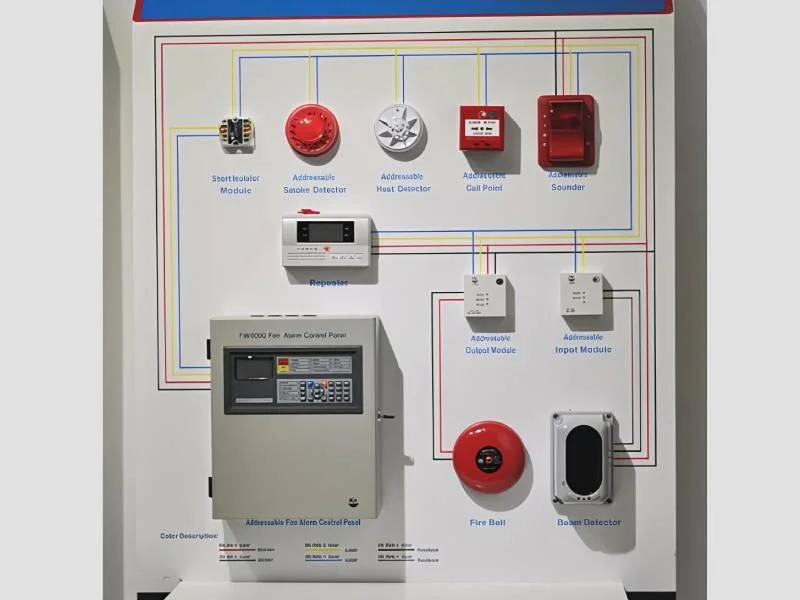
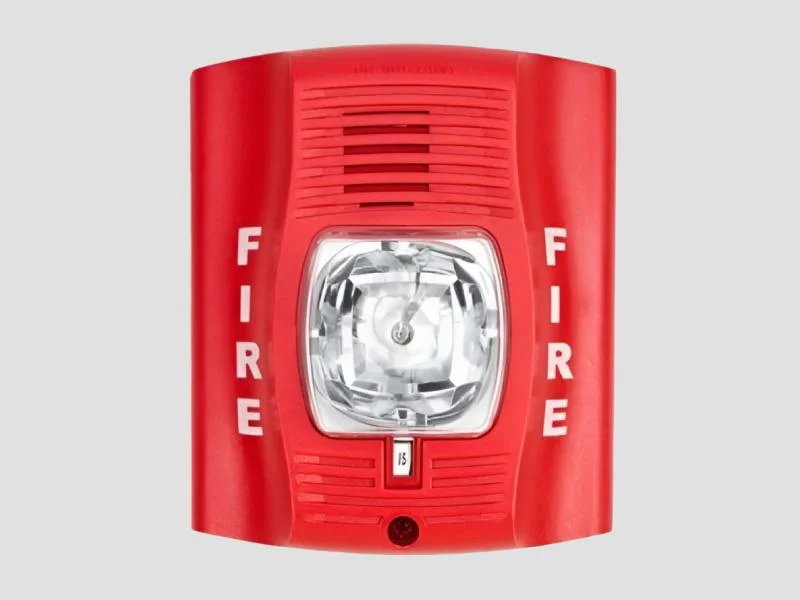
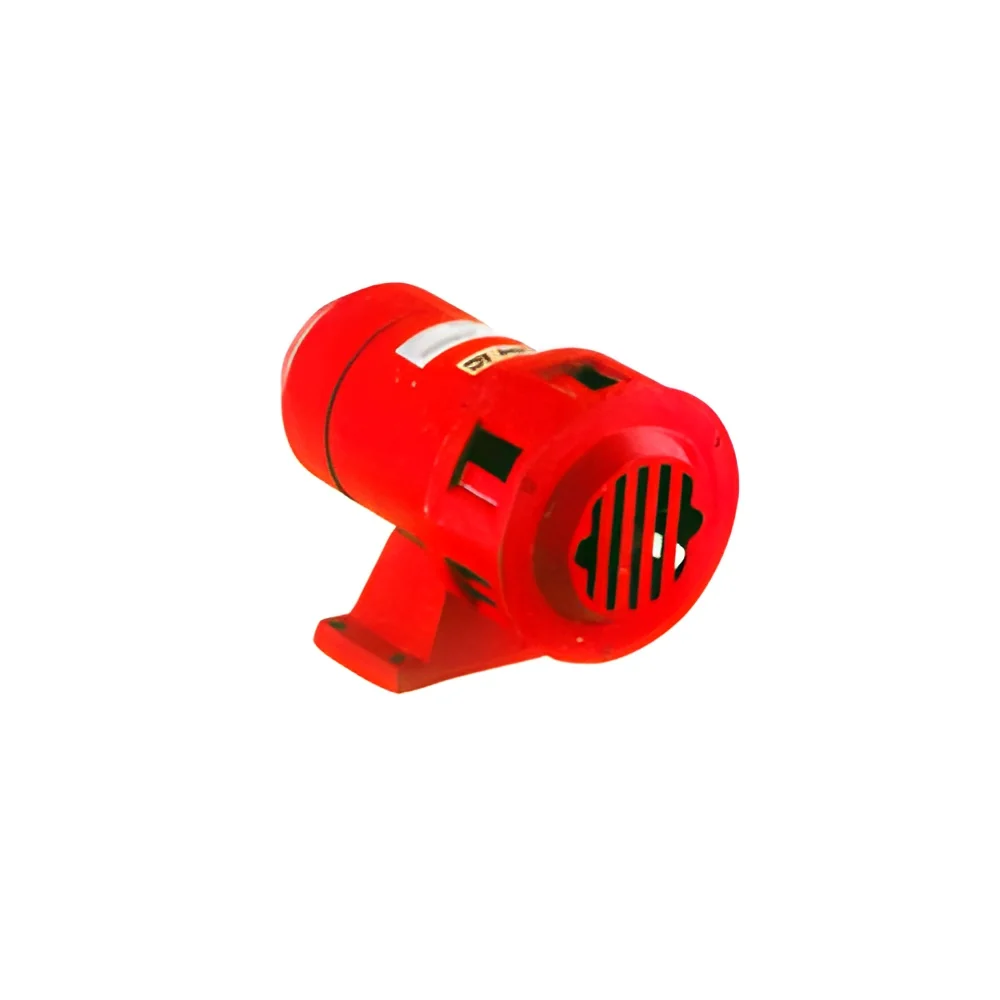
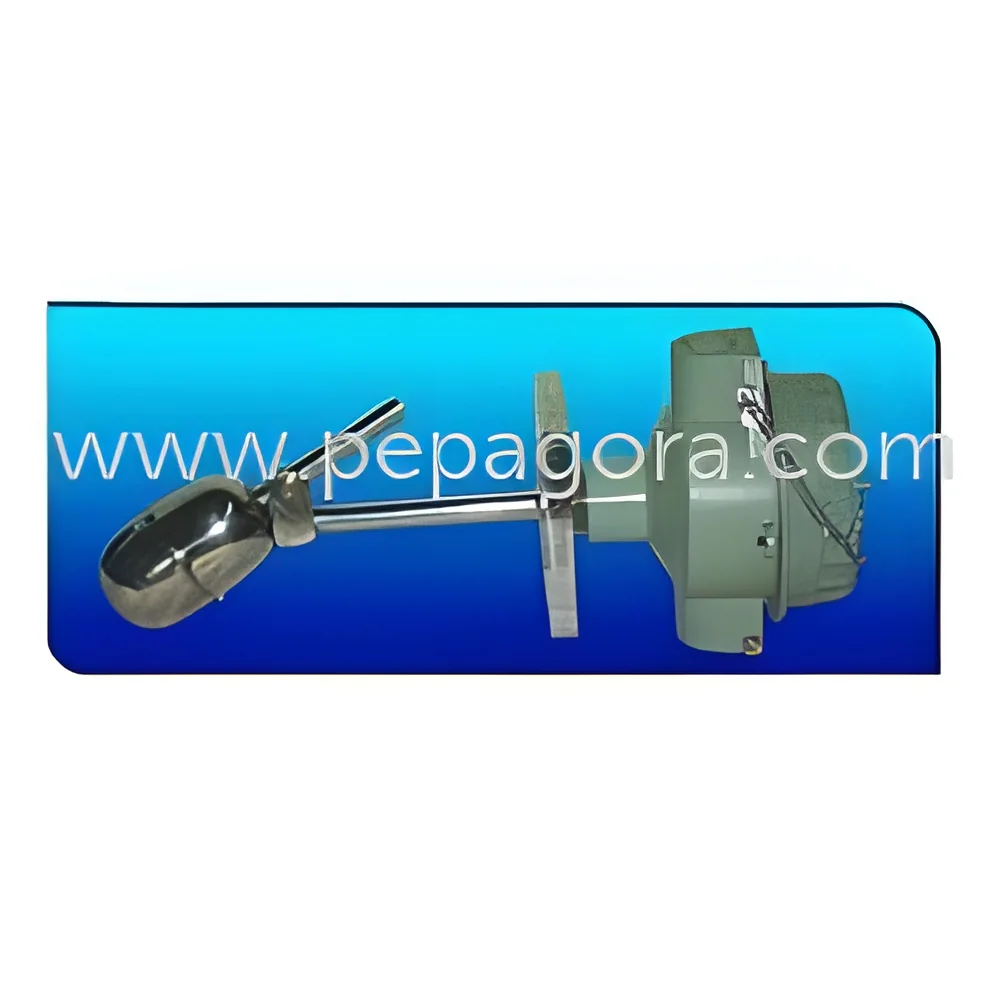
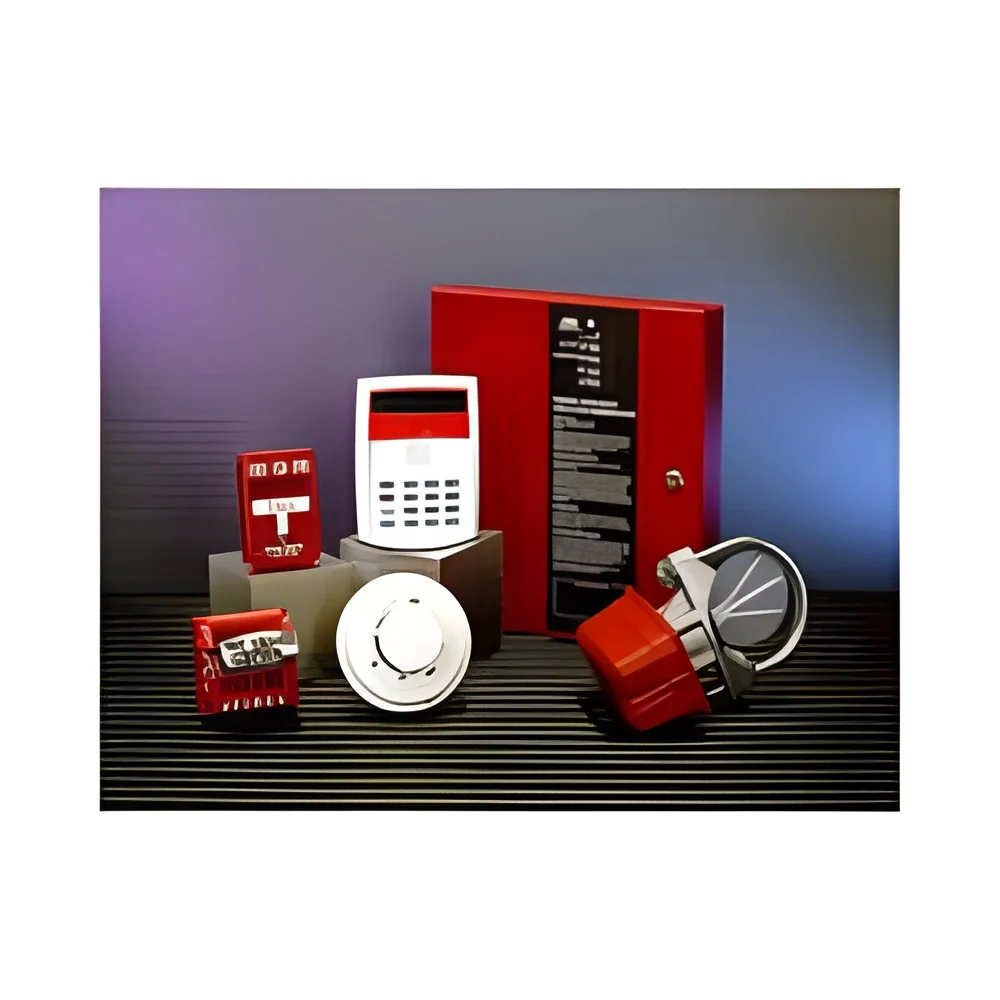
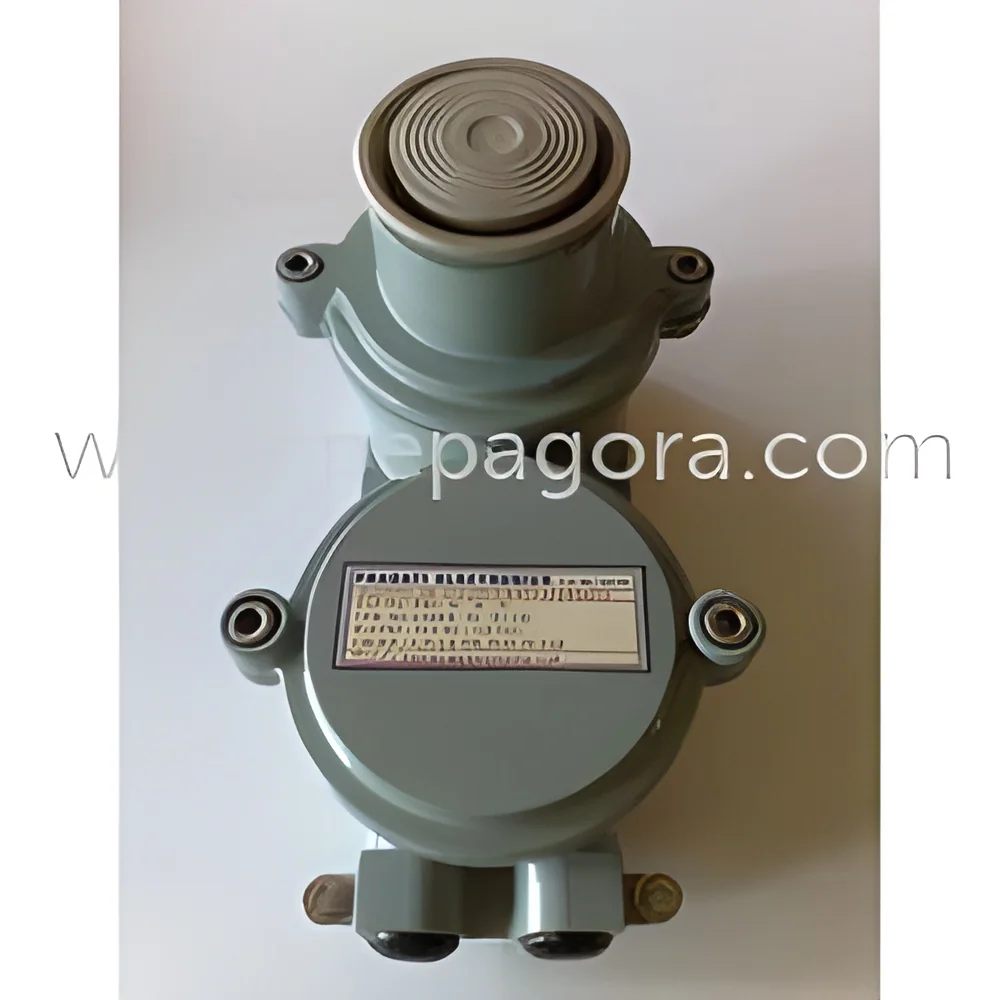
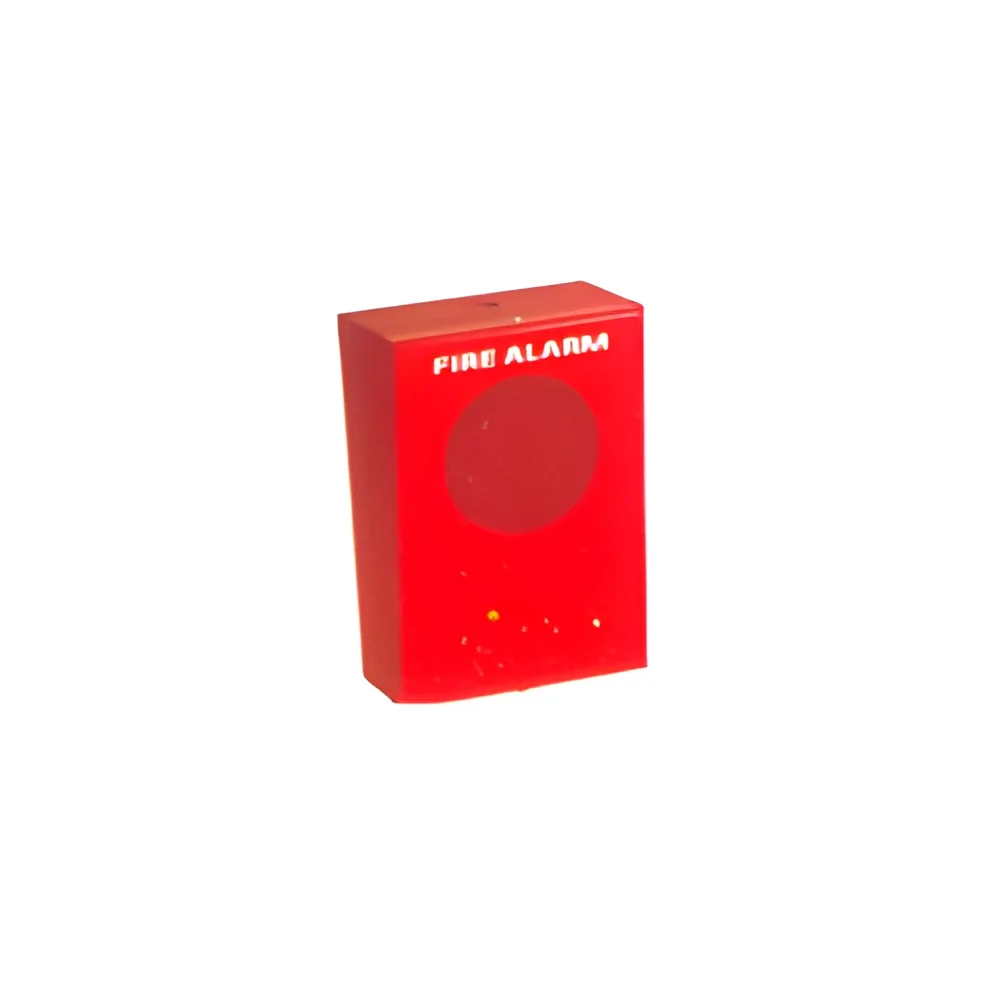
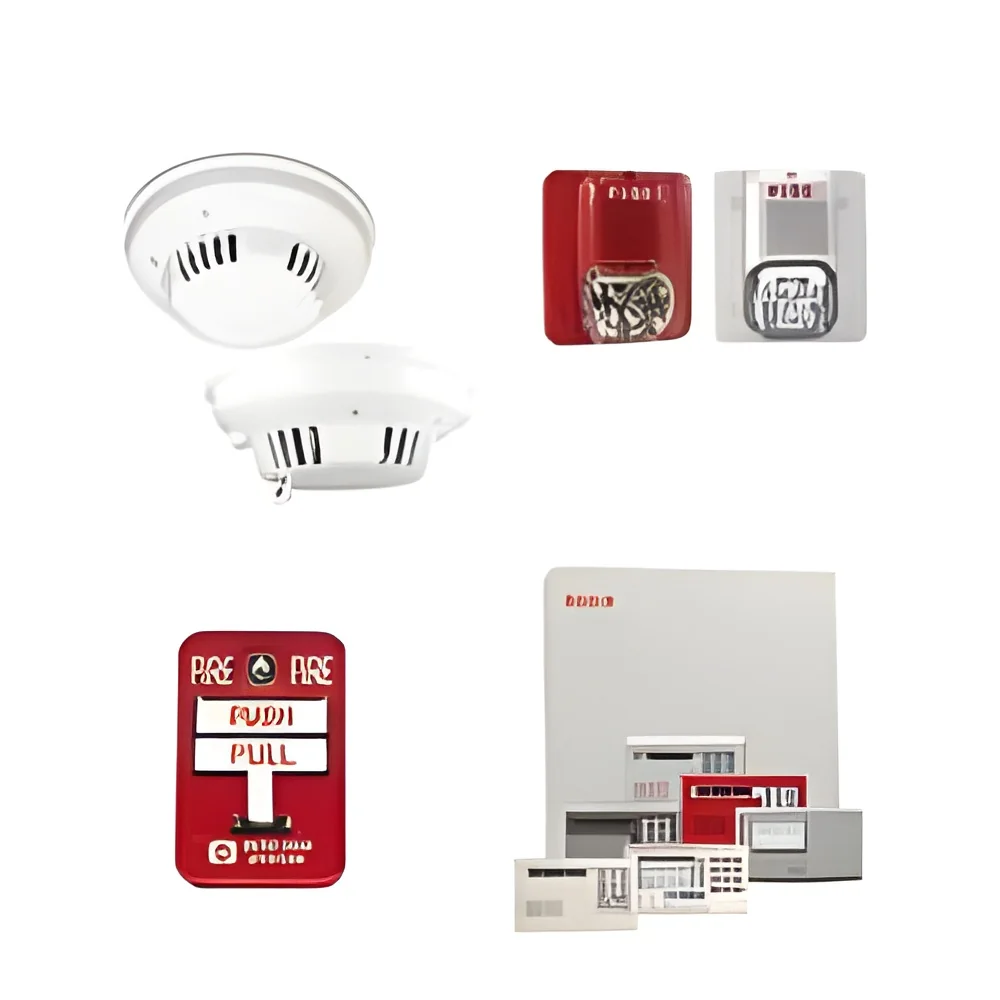
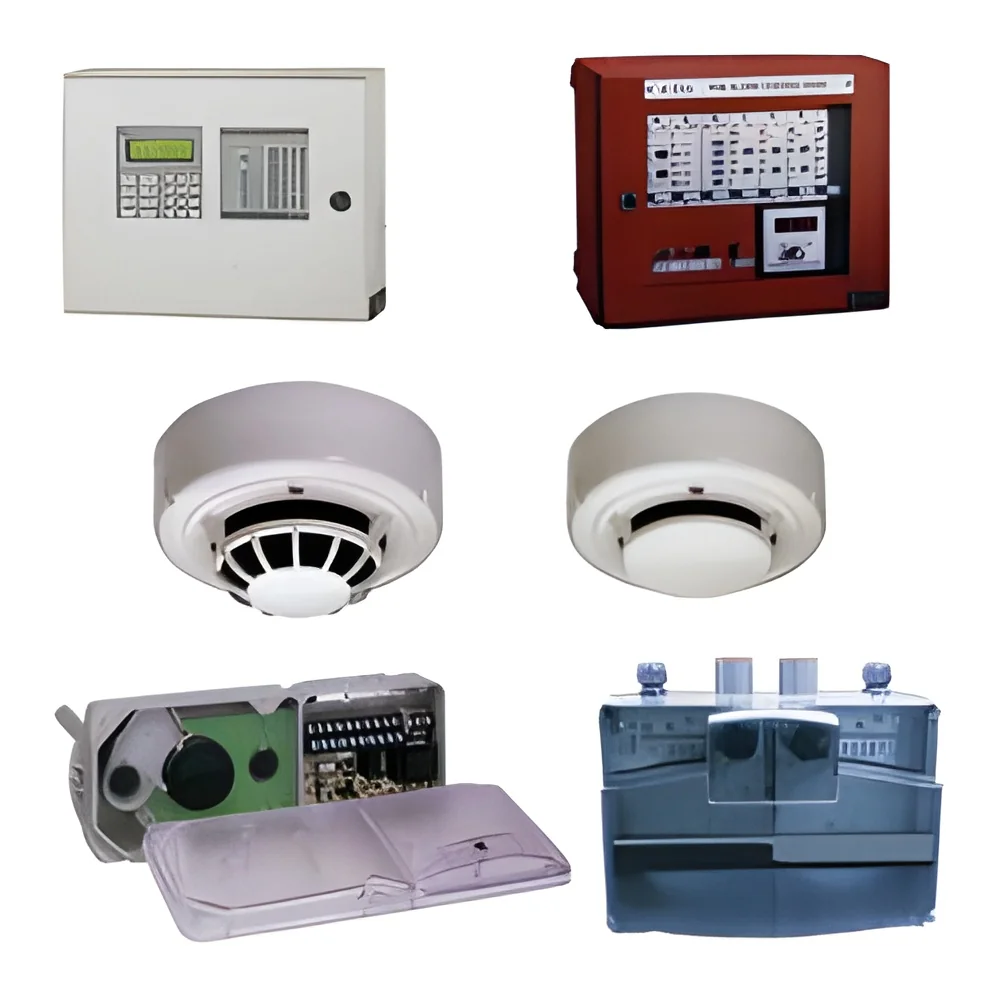
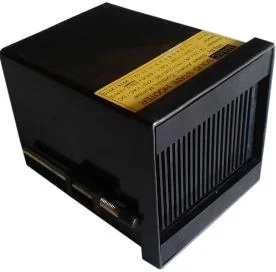
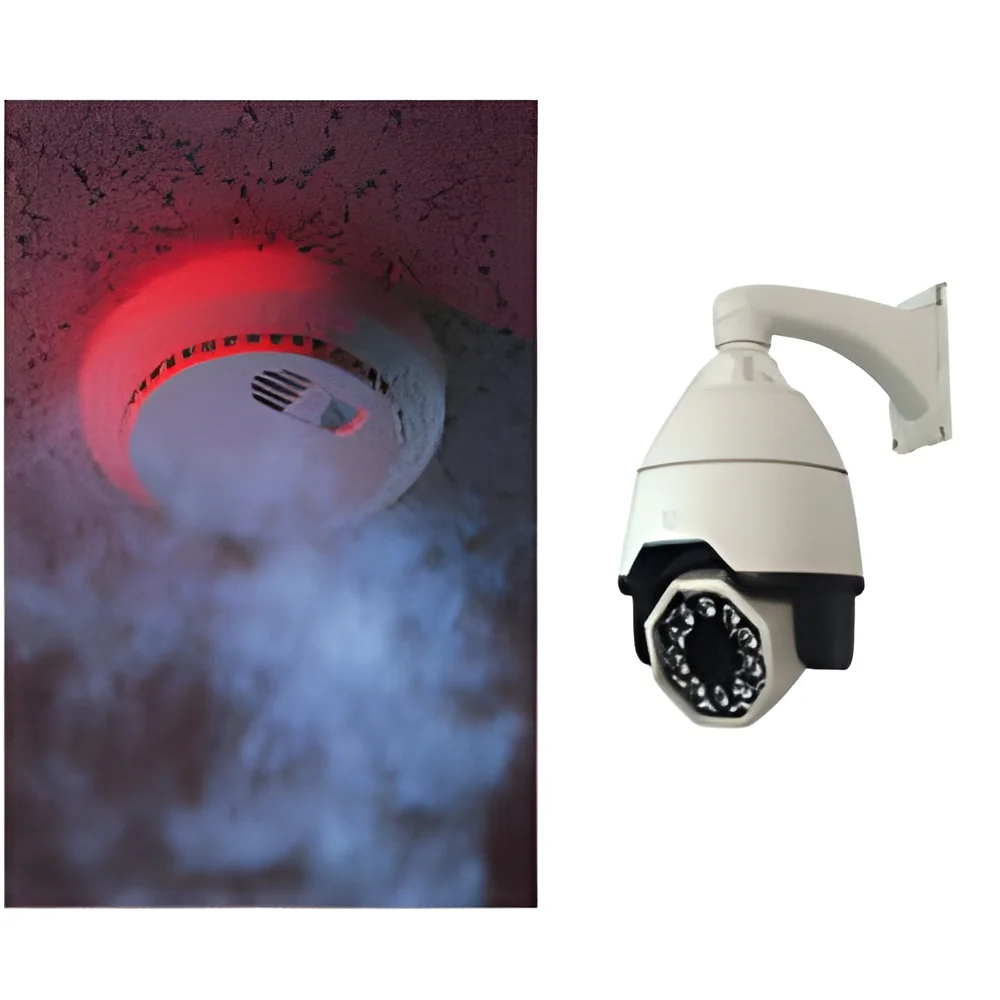
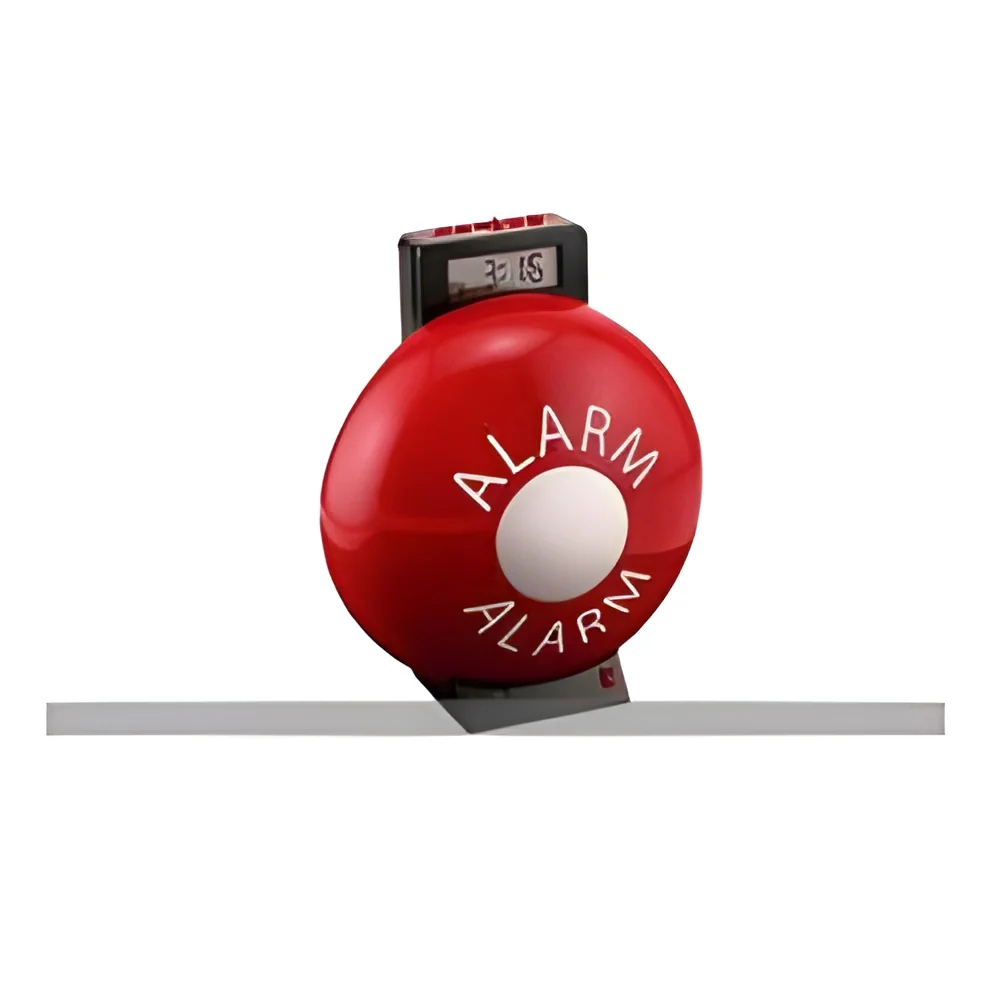
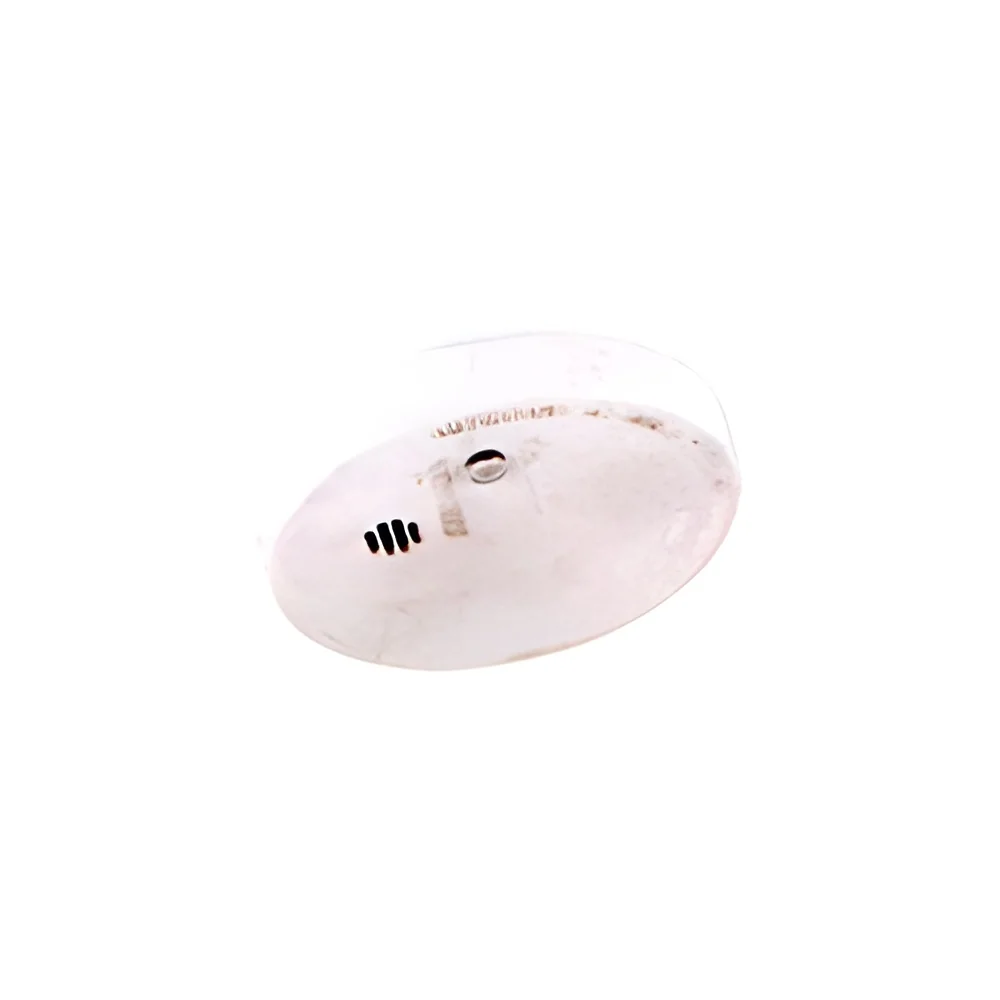
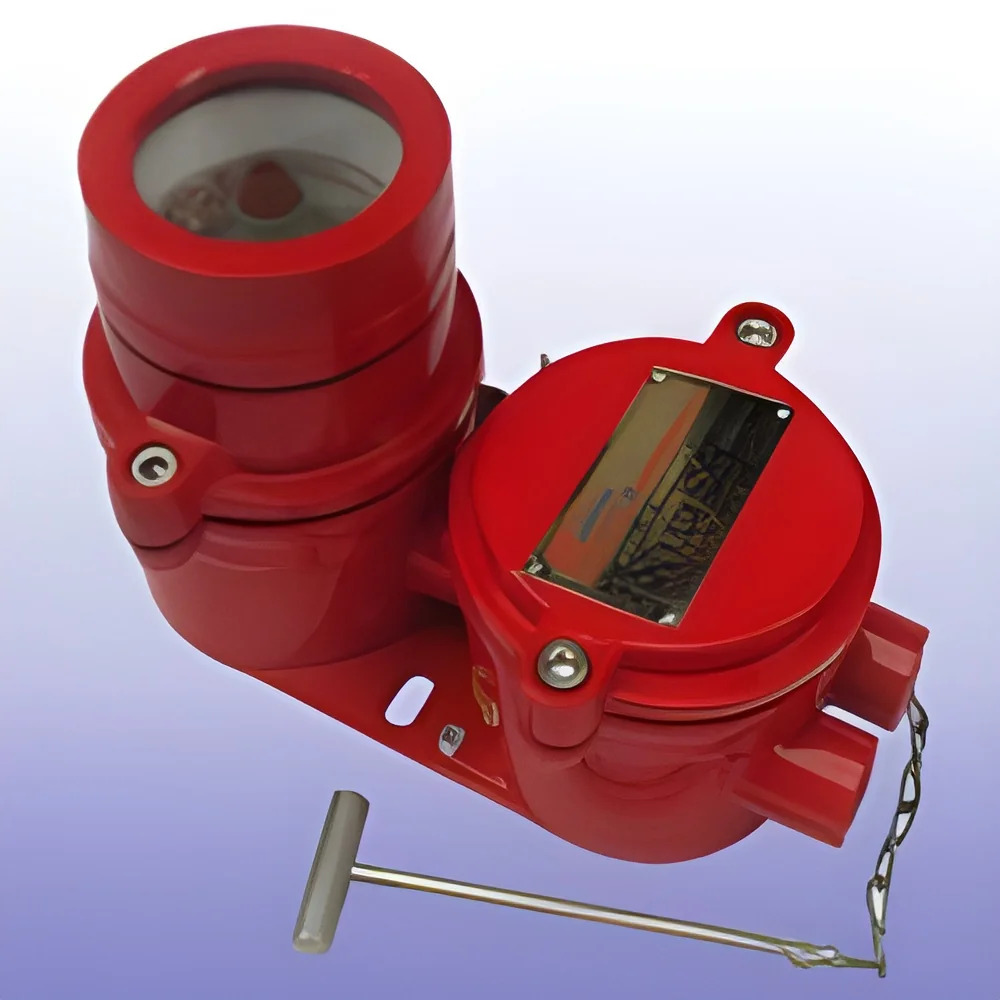
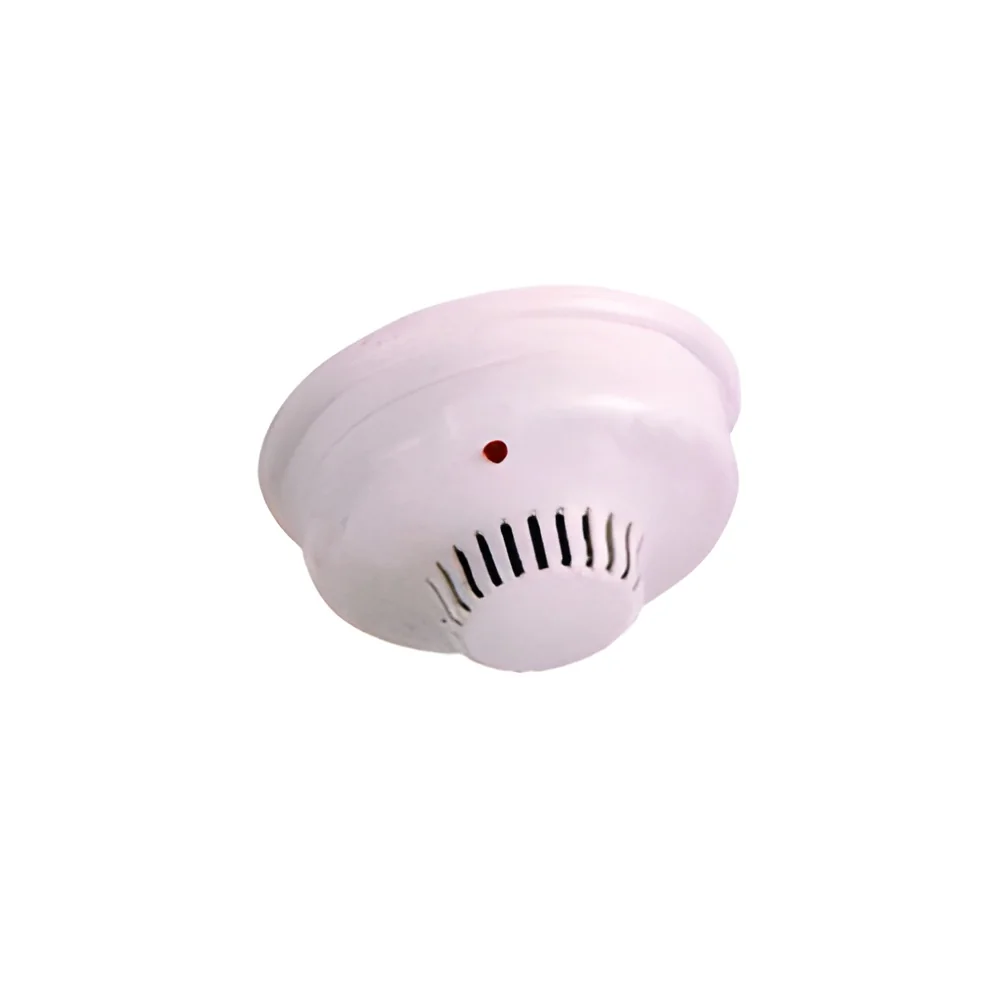
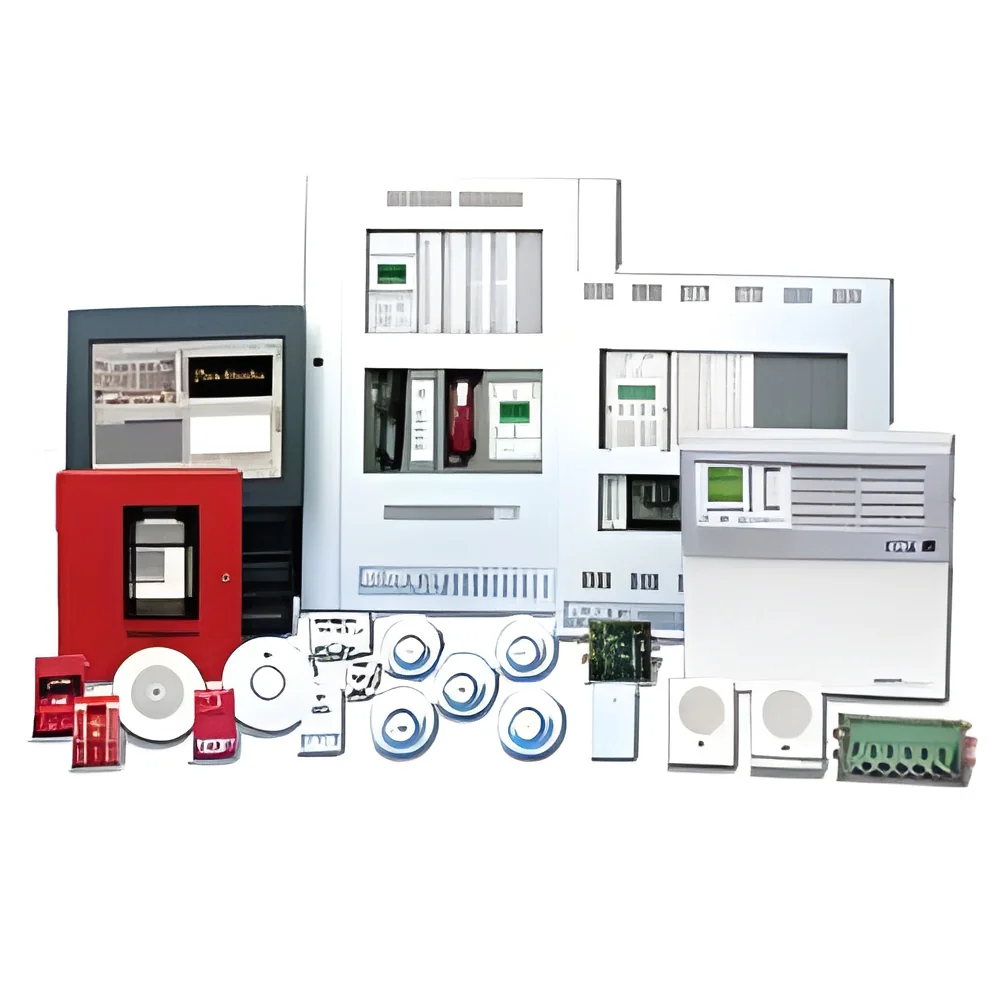
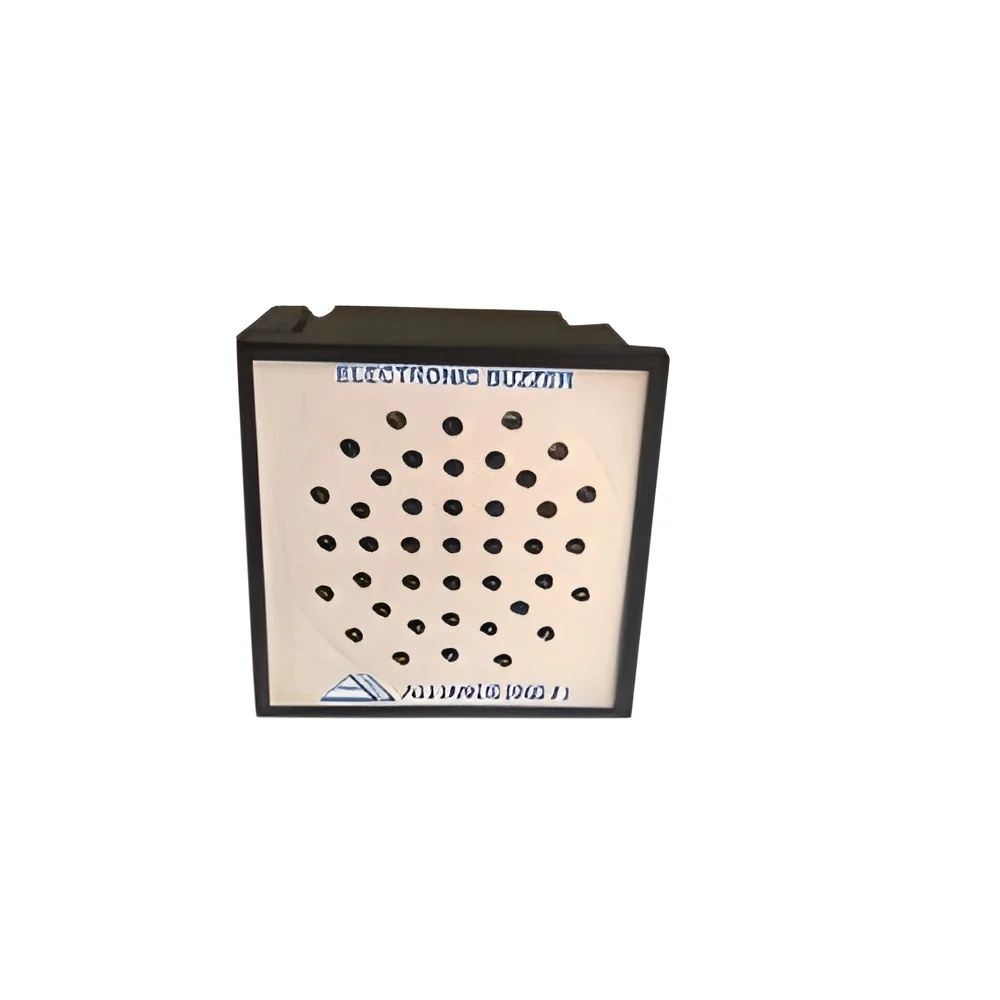
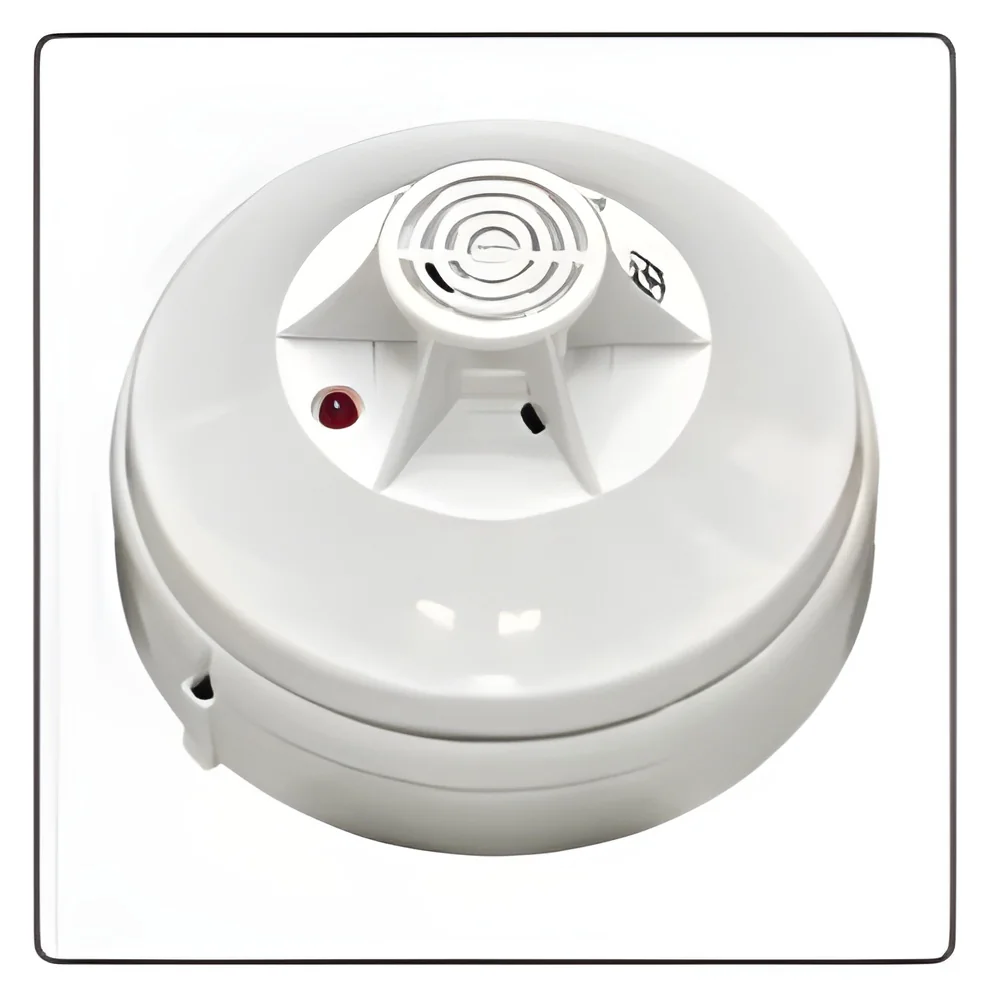
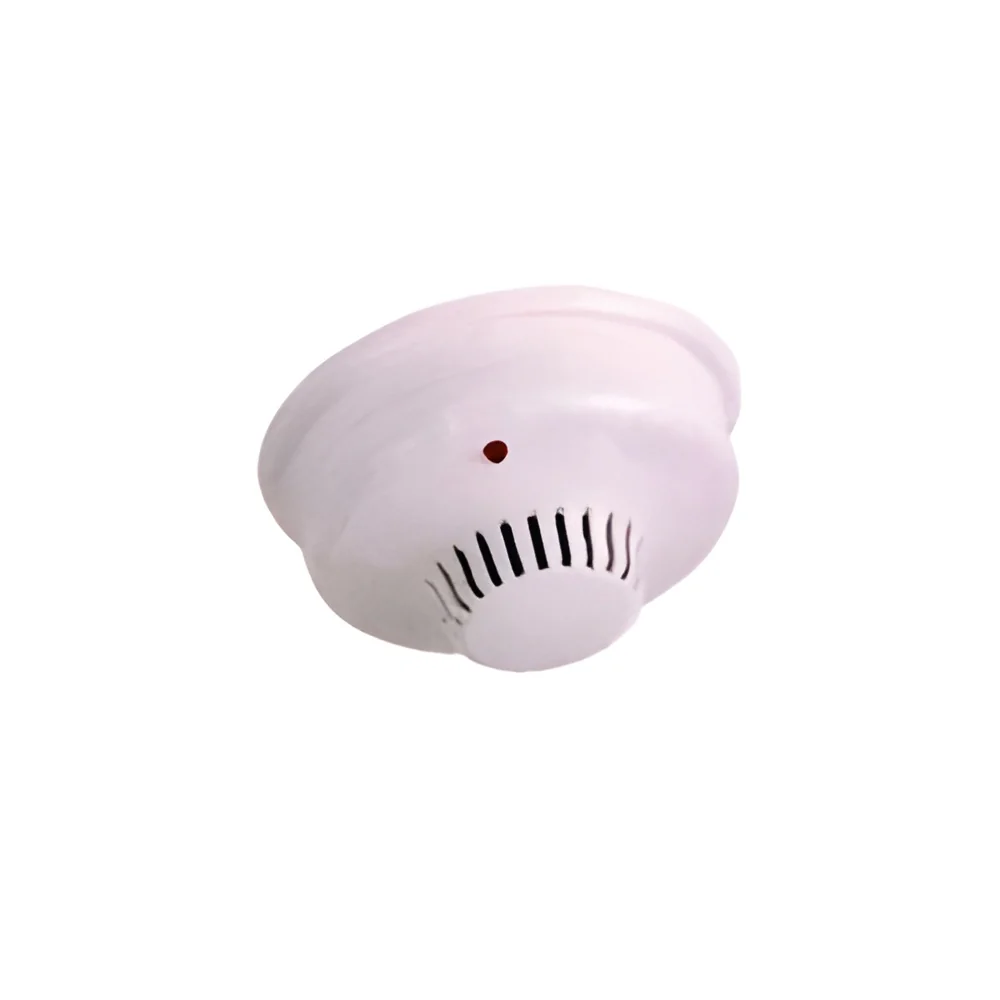
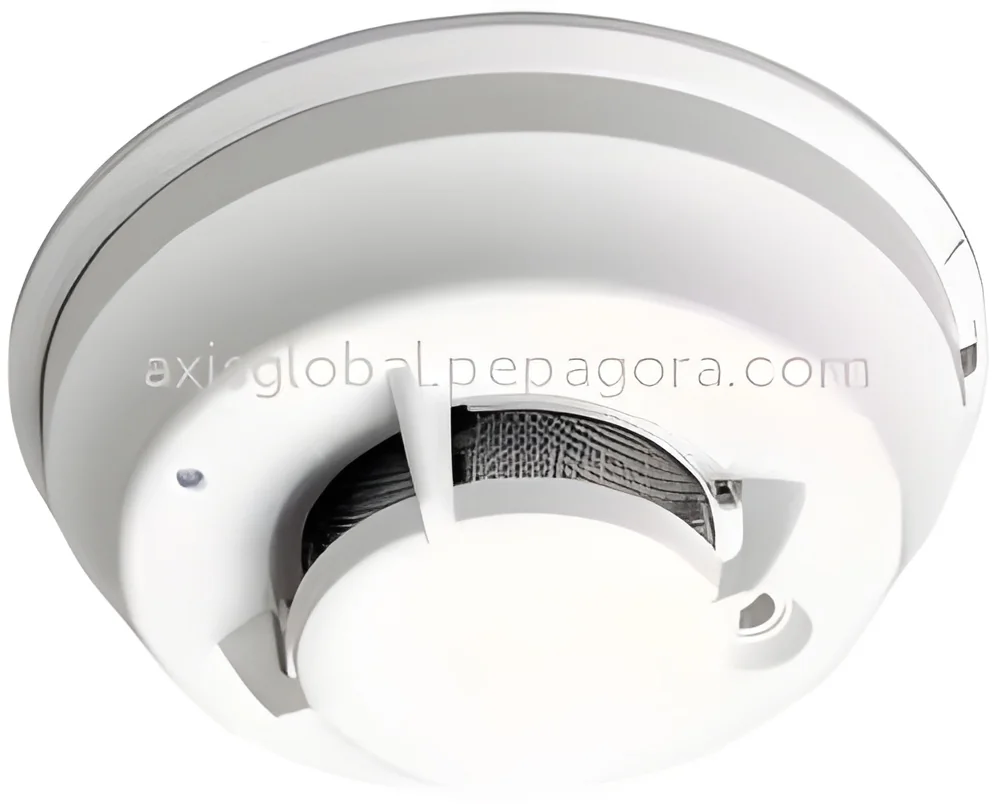
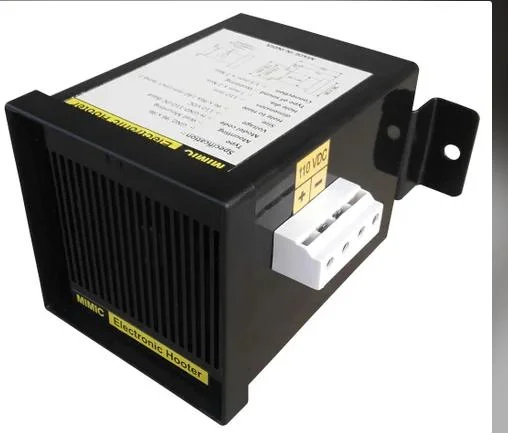
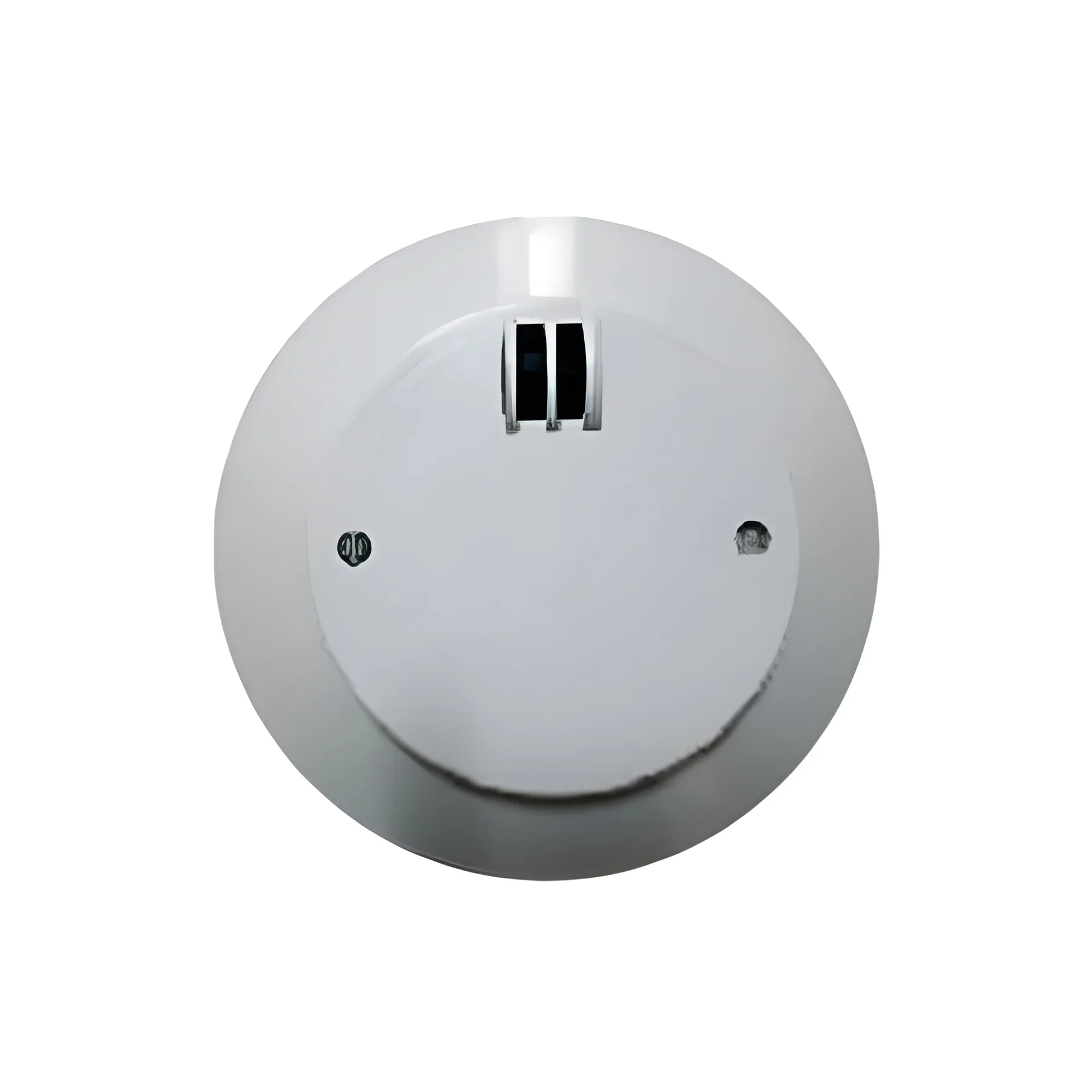
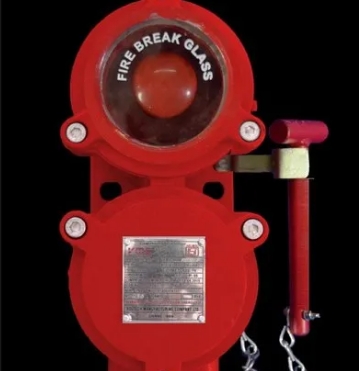
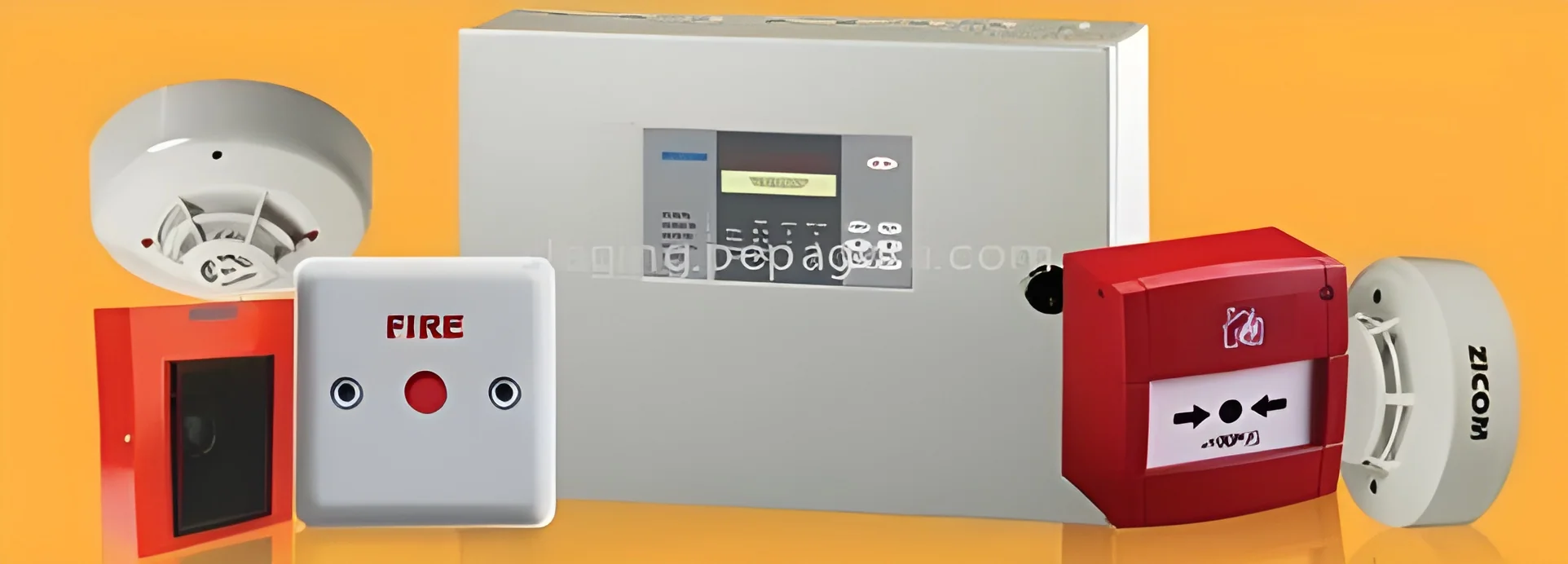
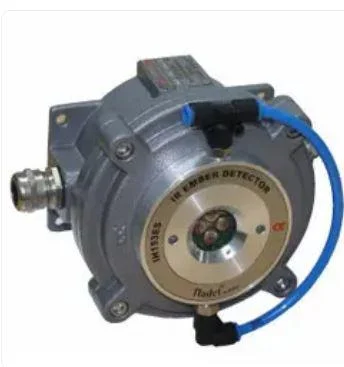
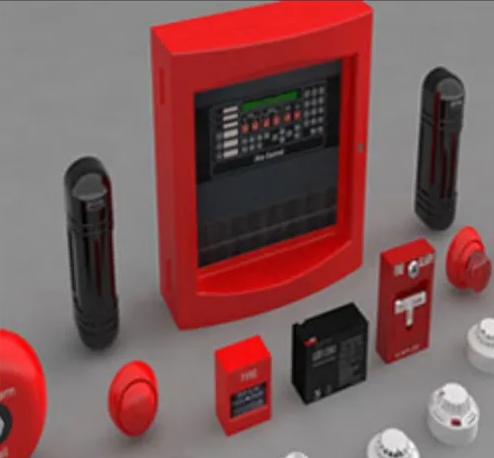
Fire alarm systems are essential safety mechanisms designed to detect and alert occupants of a building in the event of a fire. These systems consist of various components, including smoke detectors, heat sensors, alarm panels, and notification devices. When a fire is detected, the system triggers alarms, which can be audible or visual, ensuring that occupants can evacuate safely and alert emergency services.
Fire alarm systems are primarily used in commercial, industrial, and institutional settings, protecting people and property from fire hazards. They are crucial in environments such as offices, manufacturing plants, hospitals, and educational institutions. These systems not only help save lives but also minimize property damage, thereby reducing potential financial losses for businesses.
In today's market, fire alarm systems are increasingly viewed as a necessary investment for compliance with safety regulations. Many industries are adopting advanced technologies, such as smart systems that integrate with other building management solutions. As fire safety regulations become more stringent globally, the demand for reliable fire alarm systems continues to grow.
Key Features and Specifications
Fire alarm systems come with various features and technical specifications that enhance their effectiveness and reliability. Understanding these specifications is crucial for businesses looking to implement these systems.
Key specifications include:
1. Detection Method
- Includes smoke detectors, heat detectors, and multi-sensor detectors.
- Provides early warning based on the specific type of fire threat.
2. Alarm Notification
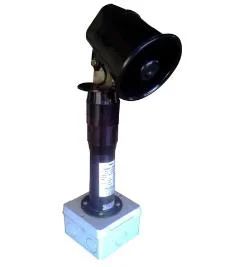
- Audible alarms, visual alarms, and messaging systems.
- Ensures effective communication during emergencies.
3. Control Panel Type
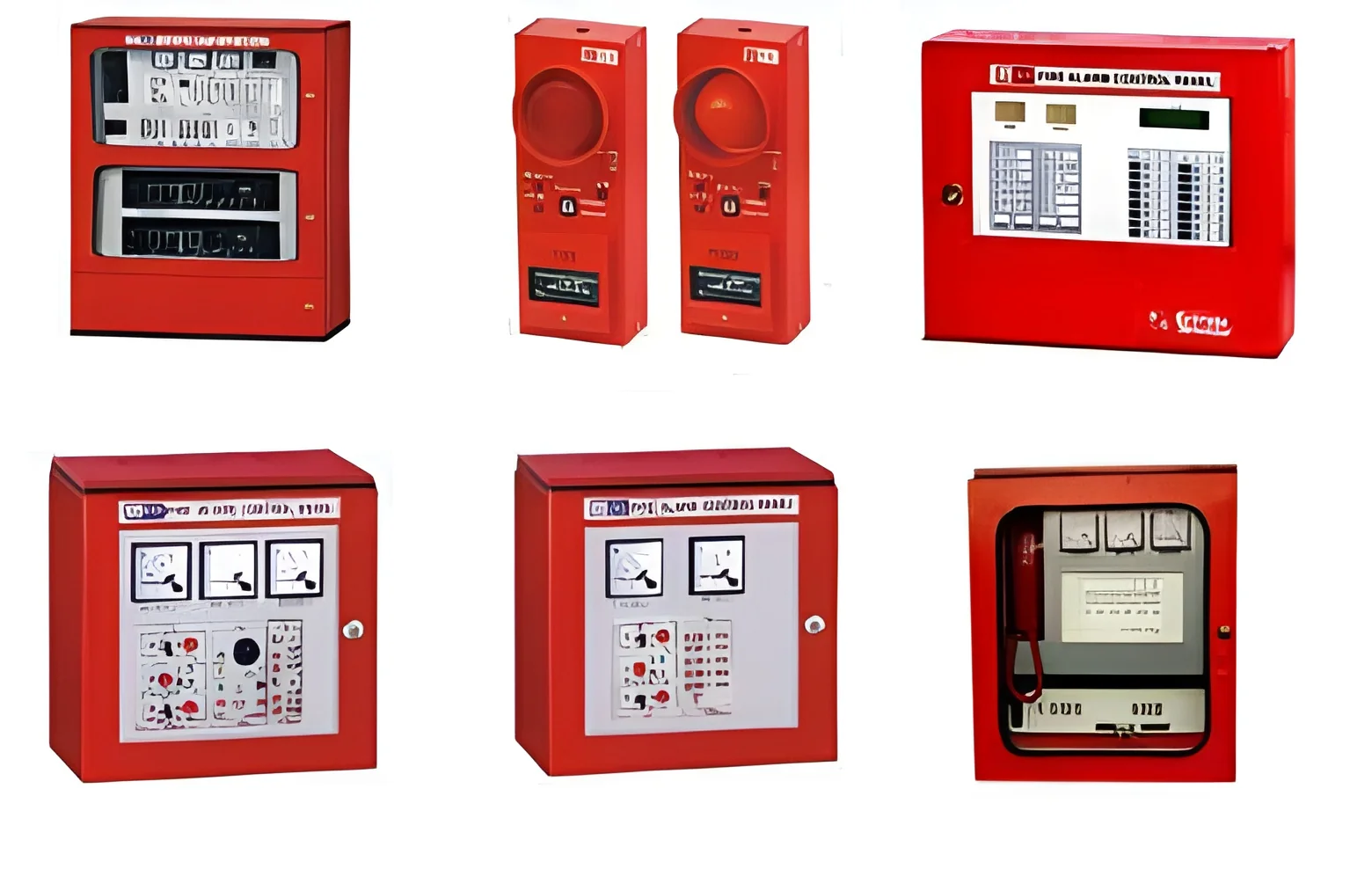
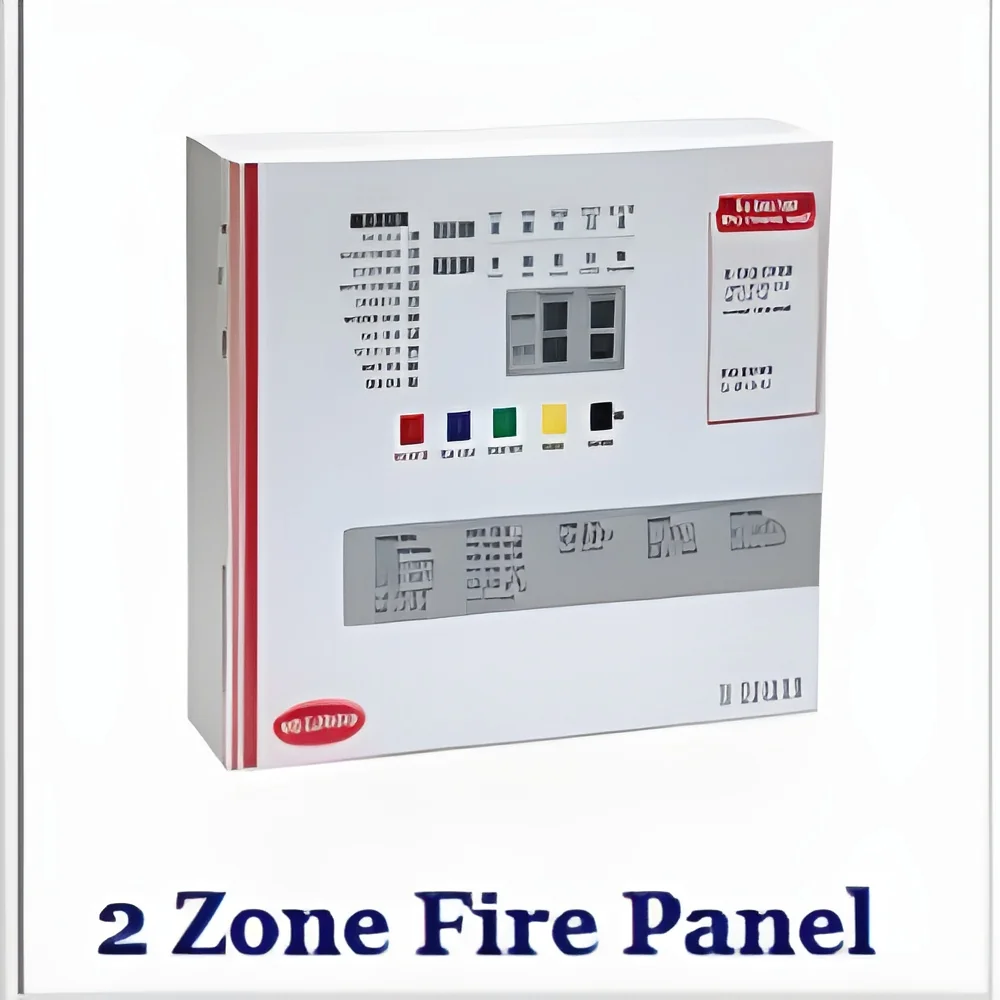
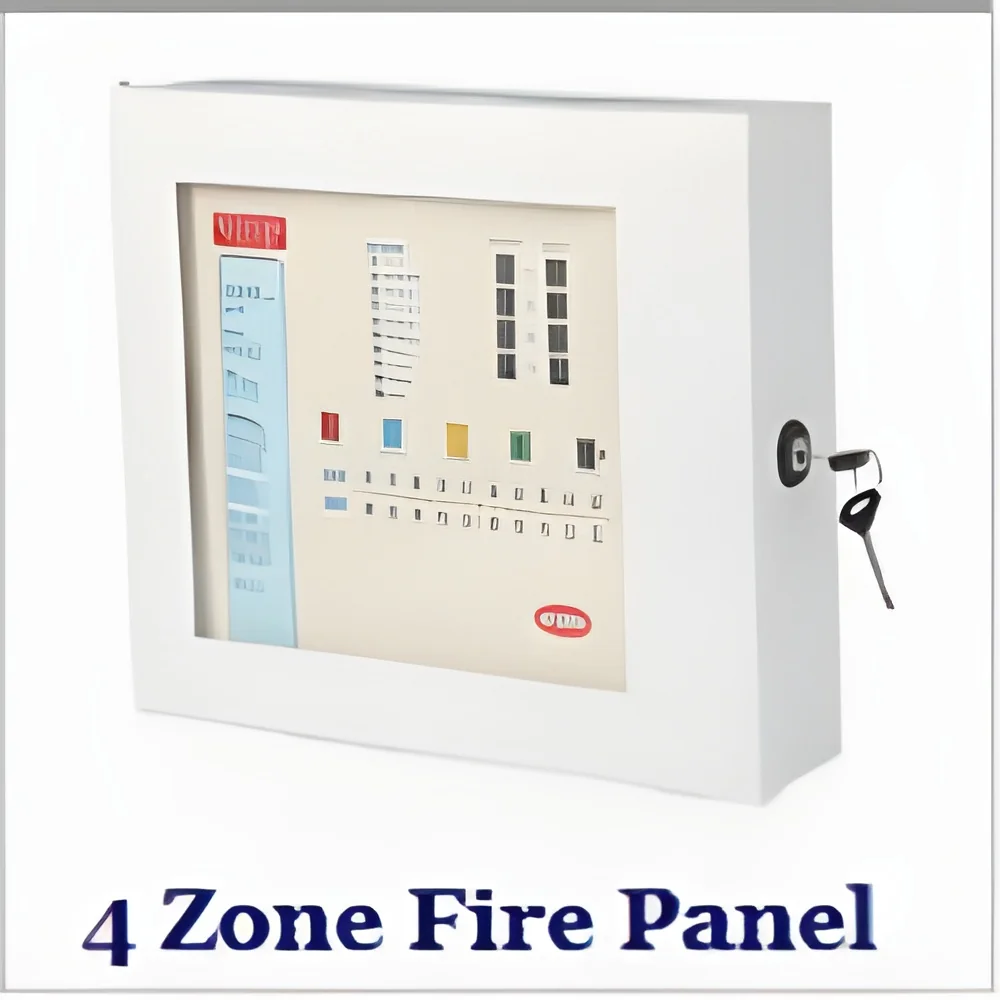
- Addressable or conventional control panels.
- Offers features like zone identification and system monitoring.
4. Power Supply
- AC power with battery backup options.
- Ensures functionality during power outages.
5. Sensitivity Levels
- Adjustable sensitivity settings for detectors.
- Allows customization based on the environment.
6. Connectivity Options
- Wired or wireless systems available.
- Enhances installation flexibility and system integration.
7. Maintenance Indicators
- Alerts for system malfunctions or required maintenance.
- Ensures consistent operational readiness.
8. Compliance Standards
- Meets industry certifications such as CE.
- Ensures adherence to safety regulations.
In summary, the key features and specifications of fire alarm systems play a pivotal role in ensuring effective fire detection and response, ultimately safeguarding lives and property.
Common Applications and Use Cases
Fire alarm systems are applicable across various industries, providing essential safety in diverse environments.
1. Commercial Offices: In office buildings, fire alarm systems ensure employee safety and compliance with local fire codes. They facilitate timely evacuations and alert emergency services.
2. Manufacturing Facilities: These systems are critical in factories where flammable materials are present. They help in early detection, minimizing risks and potential damages.
3. Healthcare Institutions: Hospitals and clinics require reliable fire alarm systems to protect patients and staff. Quick response capabilities are vital in these settings.
4. Educational Institutions: Schools and universities utilize fire alarm systems to ensure student safety. These systems are essential for evacuating large groups effectively.
5. Retail Spaces: Fire alarms in retail settings protect both customers and inventory. They are crucial in shopping malls where quick alerts can prevent widespread damage.
6. Warehouses and Storage Facilities: Fire alarm systems in warehouses are necessary for safeguarding stored goods. Their early detection capabilities can significantly reduce fire-related losses.
7. Hospitality Industry: Hotels and resorts implement fire alarm systems to ensure guest safety and meet regulatory standards, providing peace of mind to visitors.
Product Variants and Subcategories
Fire alarm systems encompass a range of variants designed to meet specific needs and applications. Each variant offers distinct features tailored for various environments.
Conventional Fire Alarm Systems: These systems utilize a simple setup with basic components. They are ideal for smaller buildings and provide reliable detection and notification.
Addressable Fire Alarm Systems: These advanced systems allow for greater control and monitoring. They can identify the exact location of a fire, making them suitable for larger and more complex facilities.
Wireless Fire Alarm Systems: Offering installation flexibility, these systems do not require extensive wiring. They are ideal for retrofitting in existing buildings or for temporary setups.
Integrated Fire Alarm Systems: These systems combine fire detection with other safety systems, such as security and building management systems, providing a comprehensive safety solution.
Benefits and Advantages
Implementing fire alarm systems offers numerous advantages for businesses and organizations. These systems are not merely a requirement but also provide significant benefits.
1. Enhanced Safety: Fire alarm systems are critical for ensuring the safety of occupants, reducing the risk of injury or fatalities during a fire incident.
2. Property Protection: Early detection minimizes property damage, preserving valuable assets and reducing potential financial losses.
3. Regulatory Compliance: Fire alarm systems help organizations meet local safety regulations, avoiding potential fines and legal issues.
4. Peace of Mind: Knowing that a reliable fire alarm system is in place provides reassurance to employees and customers, fostering a safer environment.
5. Insurance Benefits: Many insurance providers offer lower premiums for businesses with fire alarm systems, reflecting the reduced risk of fire-related incidents.
6. Increased Property Value: Properties equipped with advanced fire alarm systems are often more attractive to buyers or tenants, enhancing overall market value.
Buying Guide for B2B Buyers
When sourcing fire alarm systems, businesses should consider several important factors to ensure they select the right system for their needs.
1. Quality Assessment: Evaluate the quality of components and technology used in the fire alarm system. Look for reputable manufacturers and positive reviews from other businesses.
2. Supplier Verification: Vet suppliers thoroughly to ensure they are reliable and offer quality products. Check for certifications and industry experience to gauge their credibility.
3. Pricing and MOQ: Consider the cost of the fire alarm systems and the minimum order quantity (MOQ). Ensure that pricing aligns with your budget while maintaining quality standards.
4. Delivery and Lead Times: Understand the logistics involved in delivery. Ensure that lead times fit your project timelines, and confirm that the supplier can meet these requirements.
5. Compliance Requirements: Familiarize yourself with local regulations and compliance standards relevant to fire safety. Ensure the selected system meets these criteria to avoid legal complications.
Compliance and Certifications
Fire alarm systems are subject to various quality standards and certifications that ensure their safety and reliability. Meeting these standards is crucial for manufacturers and suppliers.
Relevant quality standards include ISO 9001, which outlines criteria for a quality management system. Adhering to this standard ensures consistent product quality and customer satisfaction.
Industry certifications such as CE indicate compliance with European safety standards, providing assurance of the product's reliability and performance.
Safety and testing requirements are essential for fire alarm systems. Regular testing ensures that systems function correctly and can effectively respond to fire incidents.
Regional compliance considerations vary by location. Businesses must ensure that their fire alarm systems meet local fire safety regulations to maintain operational integrity.
Why Source Fire Alarm Systems from Pepagora?
Pepagora provides a trusted platform for sourcing fire alarm systems, offering several key advantages that benefit B2B buyers.
Verified Supplier Network: Pepagora connects buyers with a network of verified suppliers, ensuring that all products meet high quality and safety standards. This verification process reduces risks associated with sourcing.
Streamlined RFQ Process: The platform facilitates a streamlined Request for Quotation (RFQ) process, allowing buyers to compare options quickly and efficiently. This feature saves time and helps in making informed purchasing decisions.
Trade Assurance and Support: Pepagora offers trade assurance to protect buyers during transactions, providing peace of mind and support throughout the procurement process. This feature ensures that buyers receive the products they expect.
Regional Coverage: Pepagora has a strong presence in regions such as India, the Gulf Cooperation Council (GCC), and Southeast Asia. This geographic reach allows buyers to source products locally while benefiting from competitive pricing and quality assurance.

 IN
IN