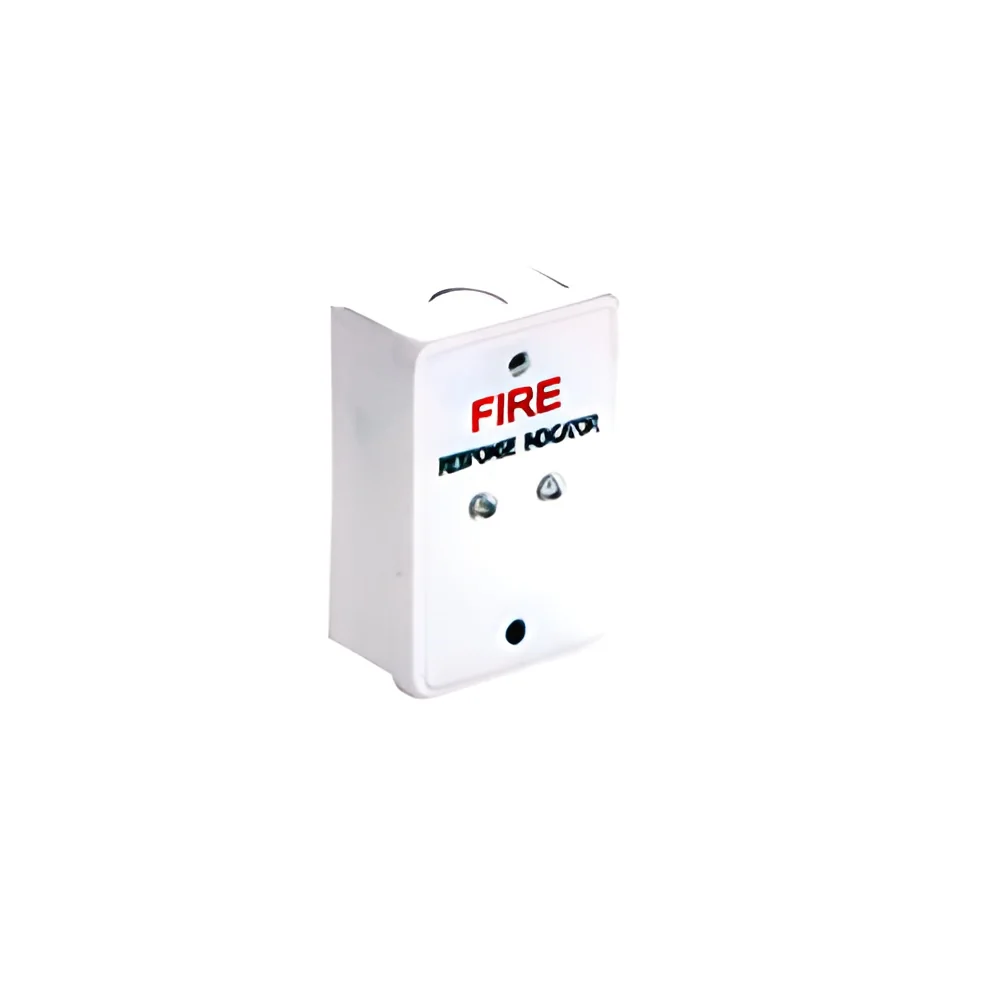
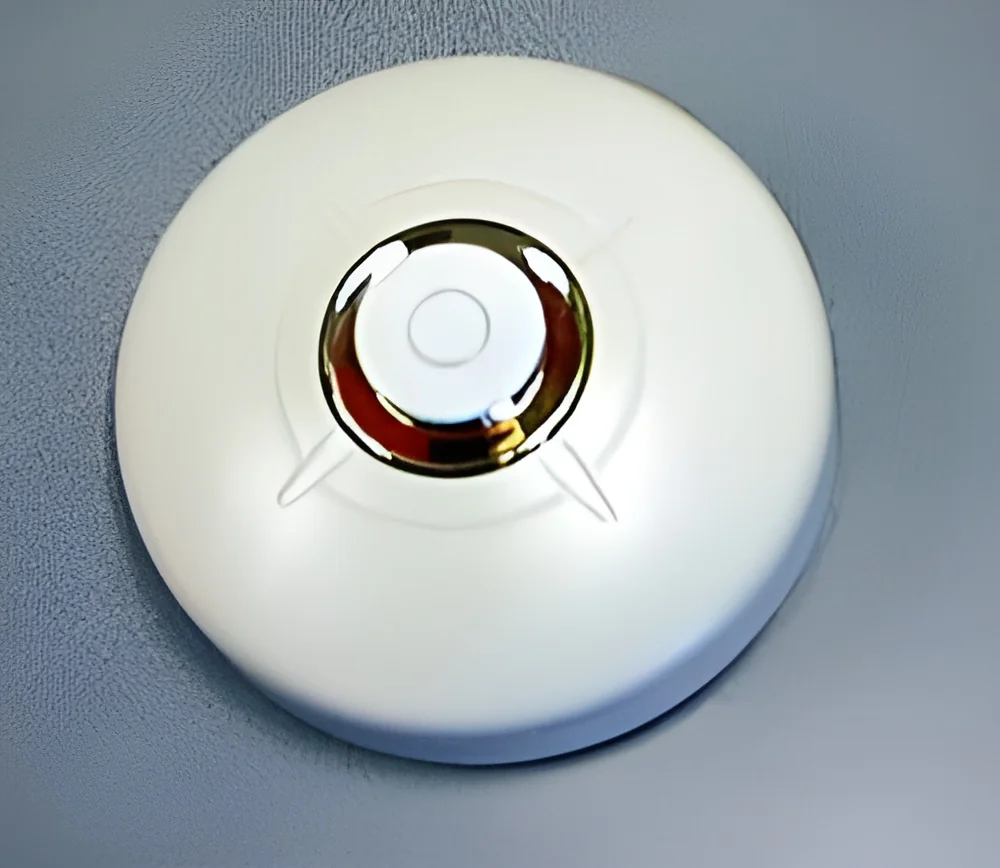
𝗪𝗵𝗮𝘁 𝗮𝗿𝗲 𝗦𝗺𝗼𝗸𝗲 𝗗𝗲𝘁𝗲𝗰𝘁𝗼𝗿𝘀 & 𝗛𝗲𝗮𝘁 𝗦𝗲𝗻𝘀𝗼𝗿𝘀?
Smoke detectors and heat sensors are critical safety devices designed to detect the presence of smoke or excessive heat in an environment. Smoke detectors primarily sense smoke particles, triggered by combustion, while heat sensors respond to increases in temperature, signaling potential fire hazards. Both types of devices serve as essential components in fire safety systems, providing early warning to mitigate the risks associated with fire incidents.
These devices are widely used across various sectors, including commercial buildings, industrial facilities, and residential properties. Businesses leverage smoke detectors and heat sensors to protect assets, ensure employee safety, and comply with fire safety regulations. With the increasing emphasis on workplace safety and the need for reliable fire protection systems, the demand for advanced smoke detectors and heat sensors continues to grow in the market.
In the context of industry relevance, the global market for fire safety equipment, including smoke detectors and heat sensors, is expanding. This growth is driven by rising safety awareness, stringent regulations, and the advancement of technology in detection systems. As businesses prioritize fire safety protocols, investing in high-quality smoke detectors and heat sensors has become a standard practice for ensuring a secure environment.
𝗞𝗲𝘆 𝗙𝗲𝗮𝘁𝘂𝗿𝗲𝘀 𝗮𝗻𝗱 𝗦𝗽𝗲𝗰𝗶𝗳𝗶𝗰𝗮𝘁𝗶𝗼𝗻𝘀
Smoke detectors and heat sensors come equipped with various features designed to enhance their functionality and reliability. When choosing these devices, it is important to understand their key specifications to ensure they meet specific safety needs.
Key specifications include:
1. Detection Technology
- Photoelectric or ionization for smoke detection
- Thermal or fixed temperature for heat sensors
2. Sensitivity Levels
- Adjustable sensitivity settings for smoke detection
- Temperature thresholds for heat activation
3. Alarm Type
- Loud sound alarms for immediate alerts
- Visual indicators for added safety
4. Power Source
- Battery-operated or hardwired options
- Backup power features for reliability
5. Connectivity
- Wired or wireless connectivity for integration with security systems
- Smart technology compatibility for remote monitoring
6. Installation Type
- Ceiling-mounted or wall-mounted designs
- Easy installation procedures for various environments
7. Maintenance Requirements
- Dust resistance and easy cleaning
- Regular testing recommendations
8. Certifications
- Compliance with CE and local safety standards
- Quality assurance through relevant industry certifications
These specifications ensure that users can select the right smoke detectors and heat sensors for their specific applications, enhancing fire safety measures.
𝗖𝗼𝗺𝗺𝗼𝗻 𝗔𝗽𝗽𝗹𝗶𝗰𝗮𝘁𝗶𝗼𝗻𝘀 𝗮𝗻𝗱 𝗨𝘀𝗲 𝗖𝗮𝘀𝗲𝘀
Smoke detectors and heat sensors are essential in numerous industries, serving a variety of applications.
1. Commercial Buildings: In offices and retail spaces, these devices are crucial for protecting employees and customers from fire hazards. They provide early detection, allowing for quick evacuation and response.
2. Industrial Facilities: Manufacturing plants and warehouses utilize smoke detectors and heat sensors to safeguard equipment and personnel. Their early warning systems help prevent costly damages and ensure compliance with safety regulations.
3. Residential Properties: Homeowners install smoke detectors and heat sensors to protect their families and property. These devices are vital for alerting residents to fires, particularly during the night when they are less aware.
4. Healthcare Facilities: Hospitals and clinics require reliable fire detection systems. Smoke detectors and heat sensors help maintain safety for patients and staff, ensuring prompt action in case of emergencies.
5. Educational Institutions: Schools and universities prioritize safety by implementing smoke detectors and heat sensors throughout their premises. These devices help ensure a secure environment for students and faculty.
6. Hospitality Industry: Hotels and restaurants use fire detection systems to protect guests and staff. Smoke detectors and heat sensors are crucial for maintaining safety standards and providing peace of mind.
7. Transportation: Airports and train stations utilize smoke detectors and heat sensors to enhance safety in high-traffic areas. They play a vital role in emergency response readiness.
𝗣𝗿𝗼𝗱𝘂𝗰𝘁 𝗩𝗮𝗿𝗶𝗮𝗻𝘁𝘀 𝗮𝗻𝗱 𝗦𝘂𝗯𝗰𝗮𝘁𝗲𝗴𝗼𝗿𝗶𝗲𝘀
Smoke detectors and heat sensors are available in various designs and functionalities, catering to different needs.
Standard Smoke Detectors: These are the most common type, designed to detect smoke particulates from various sources. They are suitable for general applications in residential and commercial spaces.
Smart Smoke Detectors: These advanced models offer connectivity features, allowing users to monitor smoke levels remotely via mobile applications. They provide additional safety measures and alerts.
Heat Sensors: These sensors focus on temperature detection, useful in environments where smoke detectors might cause false alarms. They are ideal for kitchens, garages, and industrial applications.
Combination Detectors: These devices integrate both smoke and heat detection technologies, offering comprehensive protection in a single unit. They are suitable for comprehensive safety solutions.
𝗕𝗲𝗻𝗲𝗳𝗶𝘁𝘀 𝗮𝗻𝗱 𝗔𝗱𝘃𝗮𝗻𝘁𝗮𝗴𝗲𝘀
Investing in smoke detectors and heat sensors provides numerous advantages for businesses and property owners.
1. Enhanced Safety: These devices significantly reduce the risk of injury or loss of life by providing early warning of fire hazards.
2. Property Protection: Smoke detectors and heat sensors help protect valuable assets by allowing for quick response to potential fires, thereby minimizing damage.
3. Compliance Assurance: Installing these devices ensures compliance with safety regulations and standards, reducing legal liabilities.
4. Insurance Benefits: Many insurance companies offer discounts for properties equipped with reliable fire detection systems, leading to cost savings.
5. Peace of Mind: Knowing that effective fire detection measures are in place provides reassurance to employees, customers, and residents.
6. Increased Efficiency: Modern smoke detectors and heat sensors often include advanced features that enhance their reliability and performance, contributing to overall safety efficiency.
𝗕𝘂𝘆𝗶𝗻𝗴 𝗚𝘂𝗶𝗱𝗲 𝗳𝗼𝗿 𝗕𝟮𝗕 𝗕𝘂𝘆𝗲𝗿𝘀
When sourcing smoke detectors and heat sensors, several key factors should be considered to ensure the best selection for business needs.
1. Quality Assessment: Evaluate the quality of the devices based on industry standards and certifications. Look for products that have been tested for reliability and durability.
2. Supplier Verification: Vet potential suppliers to ensure they are reputable and provide high-quality products. Check for customer reviews and industry reputation.
3. Pricing and MOQ: Understand the pricing structure and minimum order quantities (MOQ) required by suppliers. This helps in budgeting and ensuring the best value for procurement.
4. Delivery and Lead Times: Consider logistics and delivery timelines when planning for installation. Ensure suppliers can meet your deadlines to avoid project delays.
5. Compliance Requirements: Be aware of the local regulations and compliance standards that apply to fire safety equipment. This ensures that your installations meet all necessary legal requirements.
𝗖𝗼𝗺𝗽𝗹𝗶𝗮𝗻𝗰𝗲 𝗮𝗻𝗱 𝗖𝗲𝗿𝘁𝗶𝗳𝗶𝗰𝗮𝘁𝗶𝗼𝗻𝘀
Compliance and certification are crucial for smoke detectors and heat sensors to ensure they meet safety standards. Relevant quality standards include ISO 9001, which indicates a commitment to quality management systems.
Industry certifications such as CE ensure that the products meet European safety, health, and environmental protection standards. These certifications are vital for validating the performance and reliability of the devices.
Safety and testing requirements typically involve rigorous evaluation processes to ensure the devices function correctly under various conditions. This includes testing for alarm sensitivity, response time, and durability.
Regionally, compliance considerations may differ based on local regulations. It is essential for buyers to understand these requirements to ensure their fire detection systems are compliant and effective.
𝗪𝗵𝘆 𝗦𝗼𝘂𝗿𝗰𝗲 𝗦𝗺𝗼𝗸𝗲 𝗗𝗲𝘁𝗲𝗰𝘁𝗼𝗿𝘀 & 𝗛𝗲𝗮𝘁 𝗦𝗲𝗻𝘀𝗼𝗿𝘀 𝗳𝗿𝗼𝗺 𝗣𝗲𝗽𝗮𝗴𝗼𝗿𝗮?
Pepagora provides a trusted platform for sourcing smoke detectors and heat sensors, offering several key advantages for B2B buyers.
Verified Supplier Network: Pepagora ensures that all suppliers in its network are thoroughly vetted for quality and reliability. This gives buyers confidence in the products they are sourcing.
Streamlined RFQ Process: The request for quotation (RFQ) process is designed for efficiency, allowing buyers to quickly obtain quotes from multiple suppliers. This saves time and simplifies procurement.
Trade Assurance and Support: Buyers are protected through trade assurance measures, ensuring that their transactions are secure. Pepagora offers support throughout the purchasing process, providing peace of mind.
Regional Coverage: With a focus on regions like India, the GCC, and Southeast Asia, Pepagora connects buyers with local suppliers, enhancing accessibility and reducing shipping times. This regional focus ensures buyers can find the right products tailored to their market needs.

 IN
IN