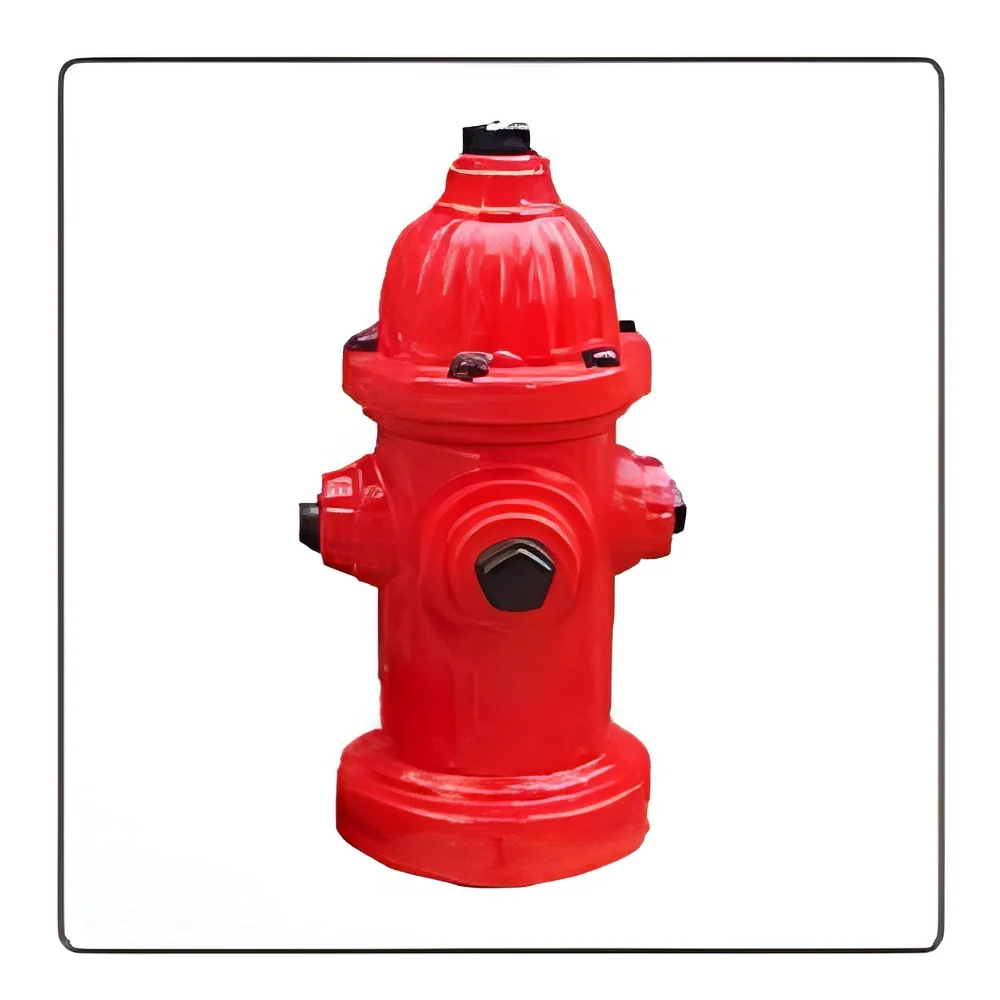
What are Fire Hydrant Systems?
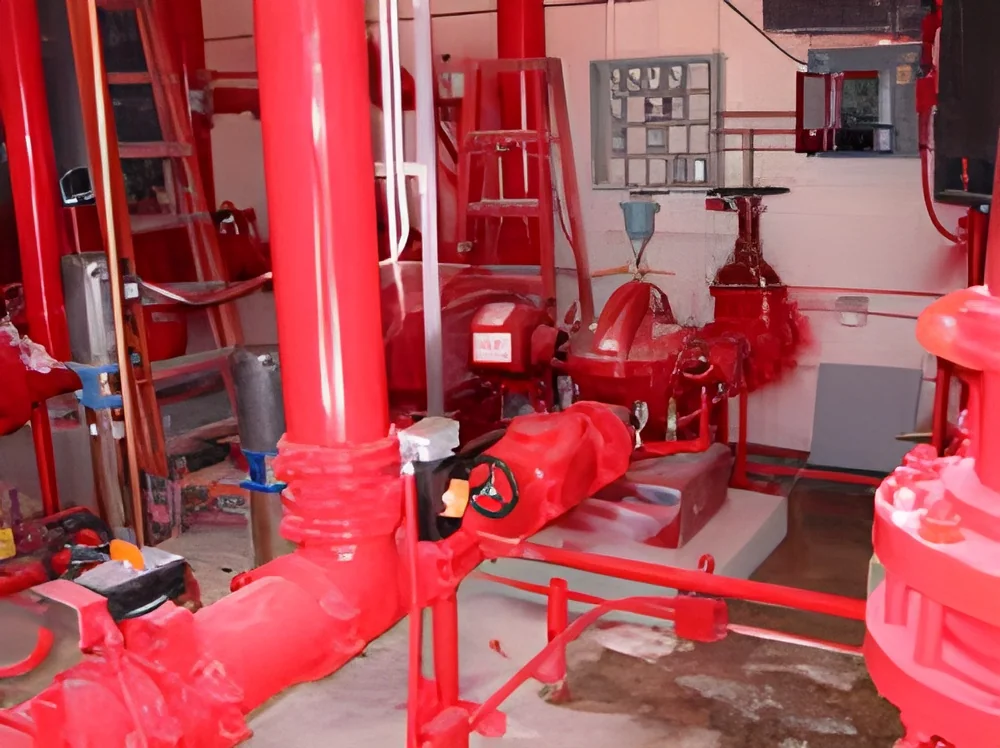
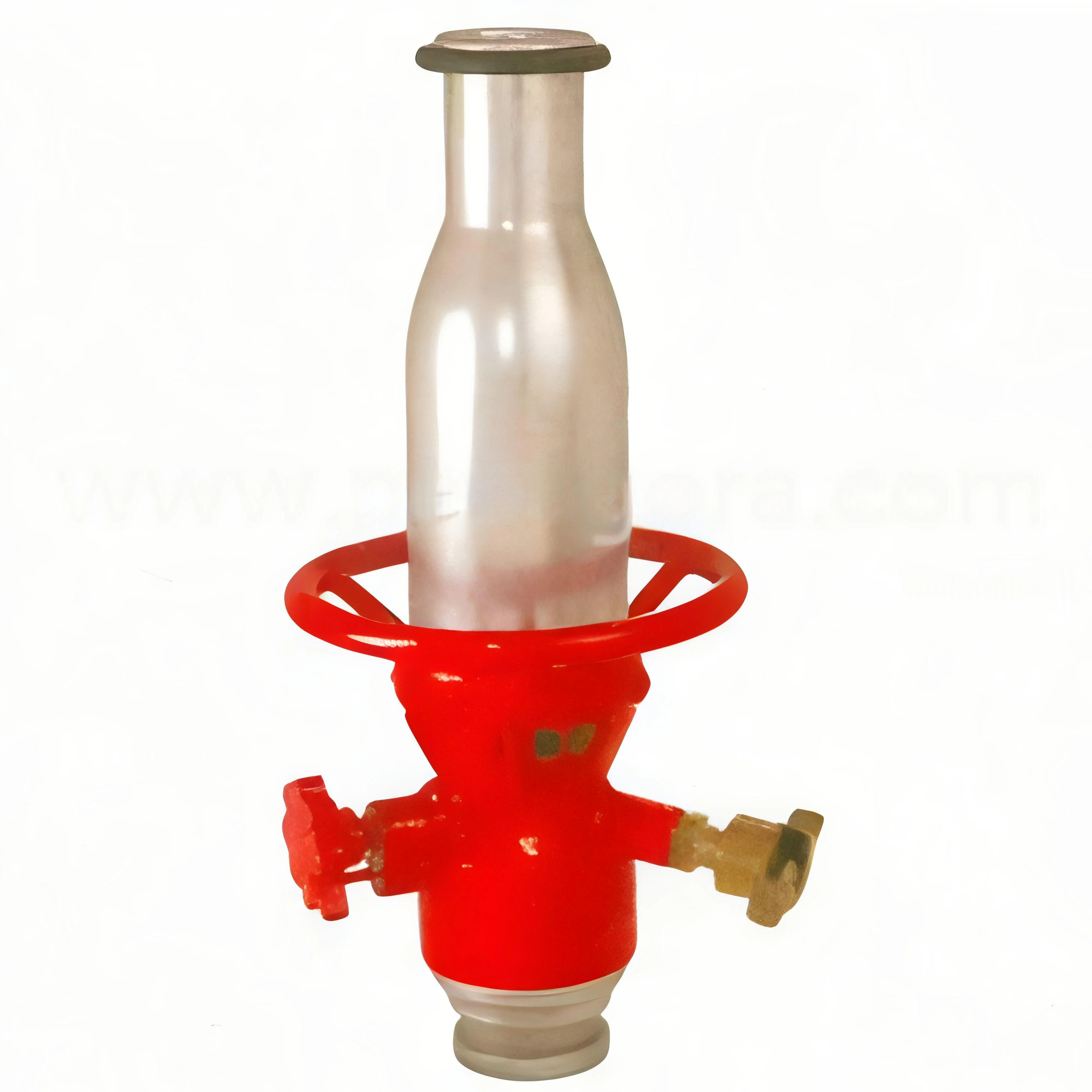
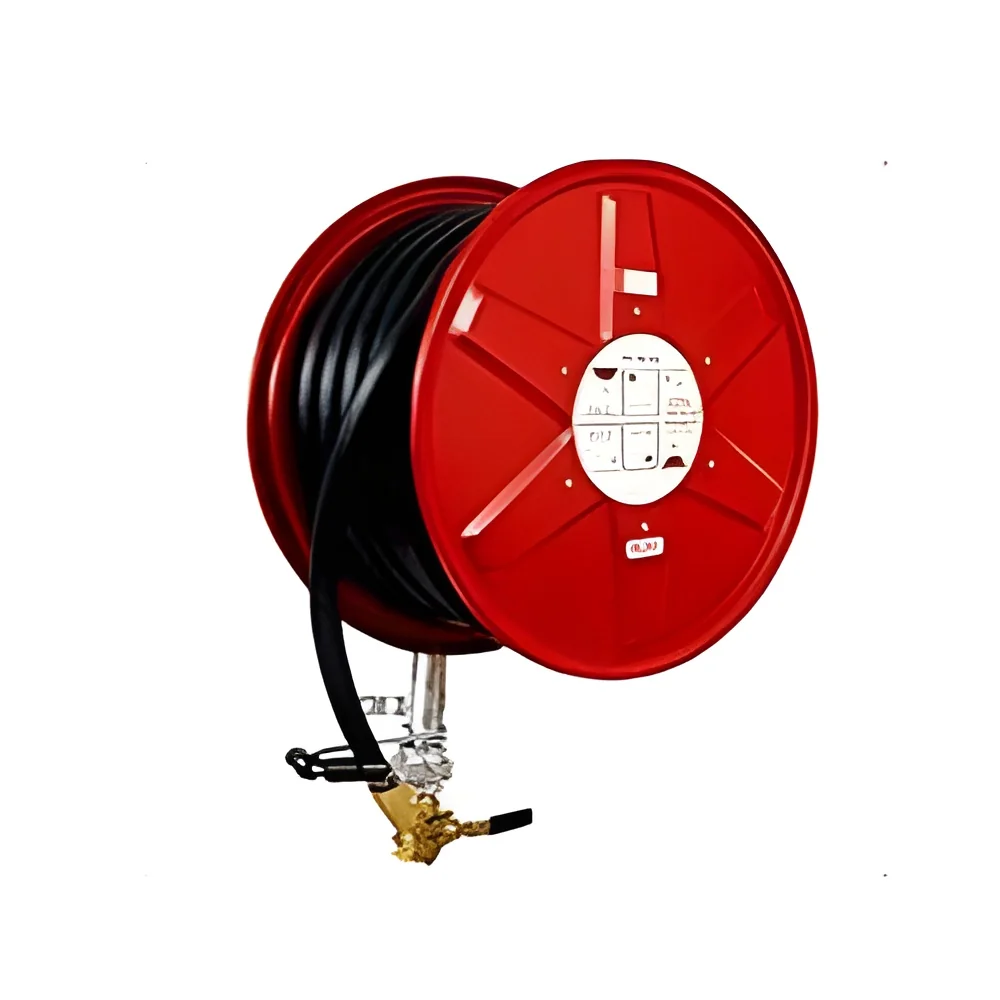
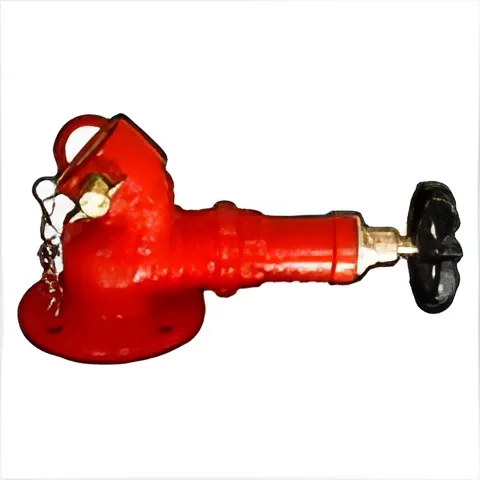
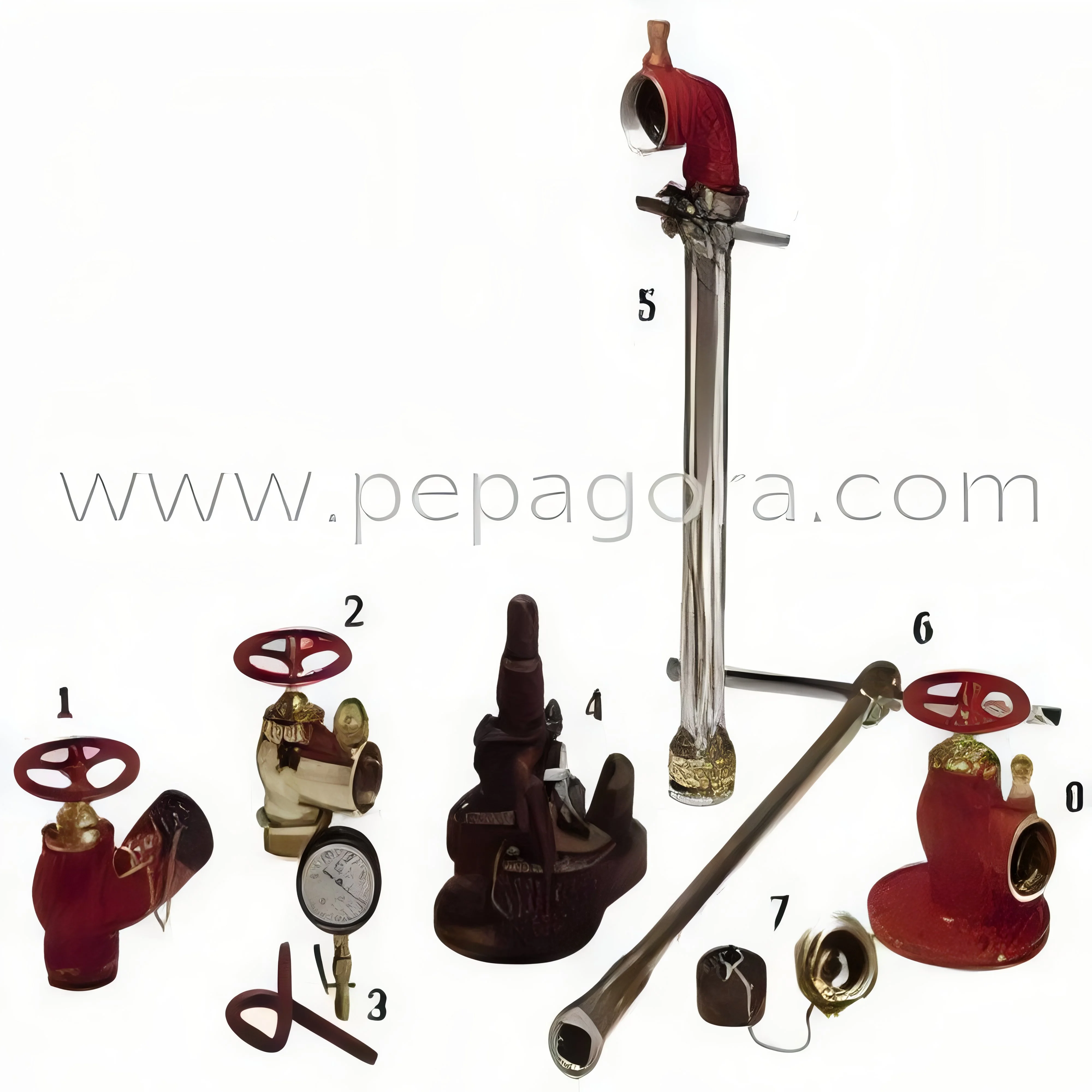
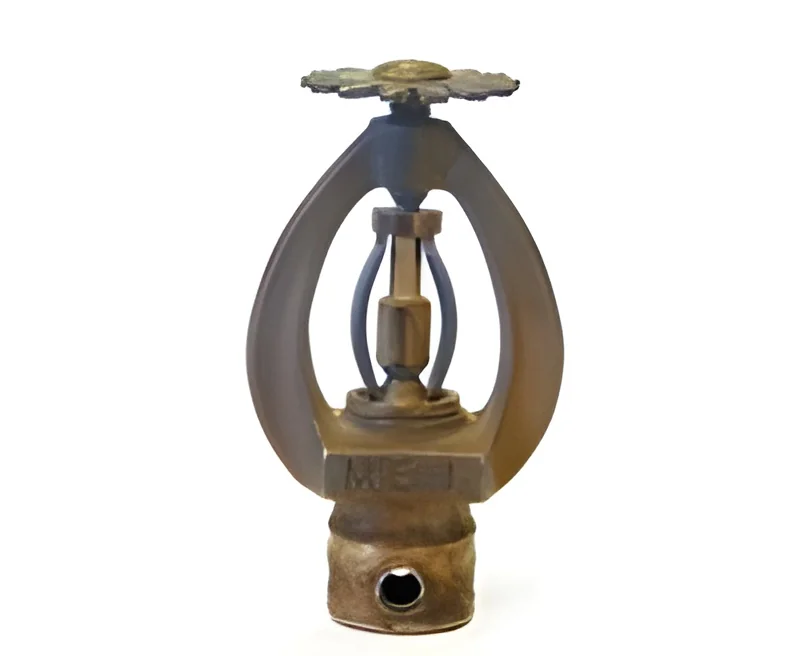
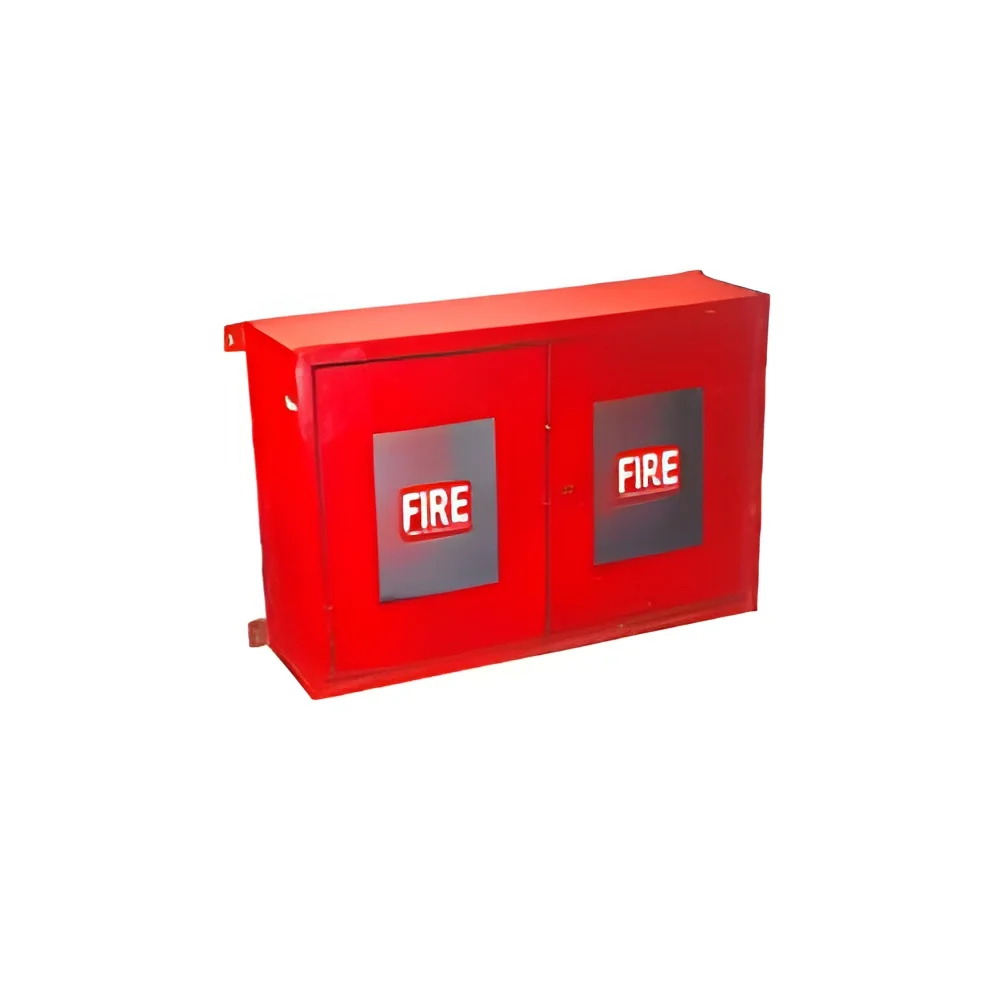
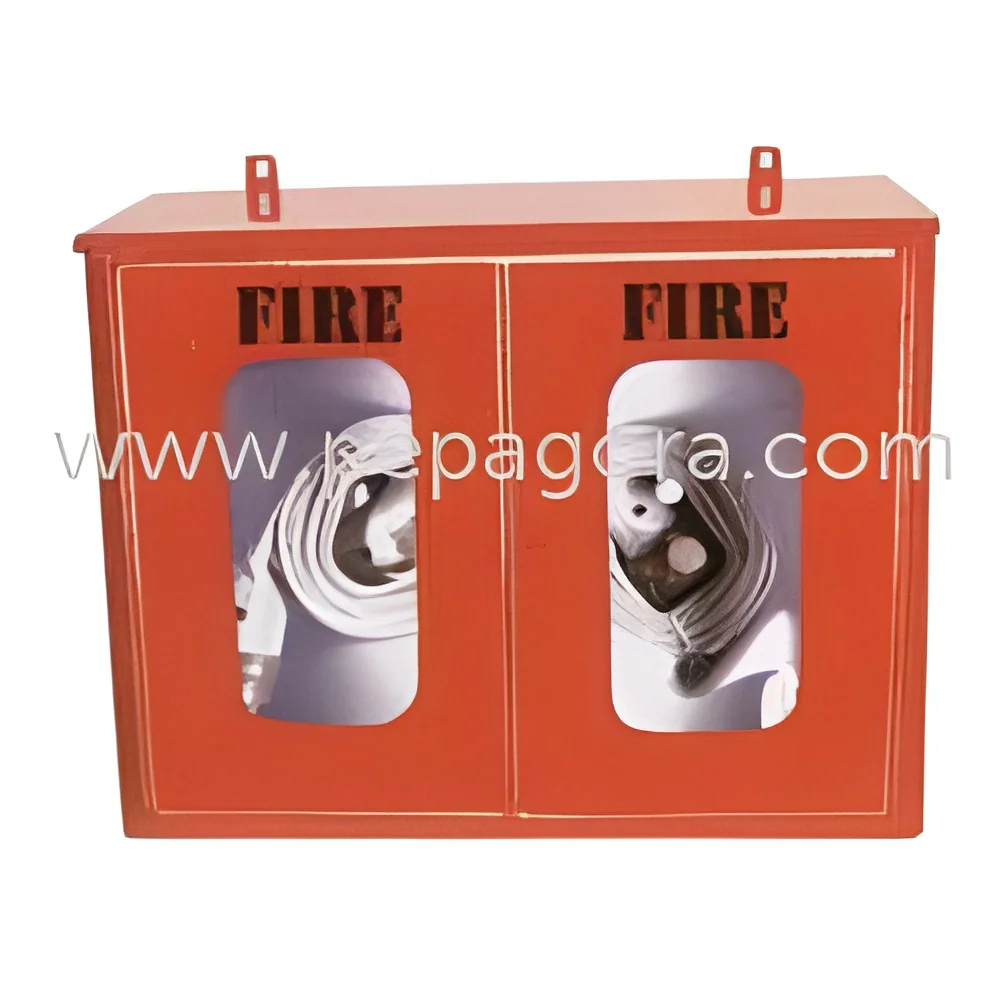
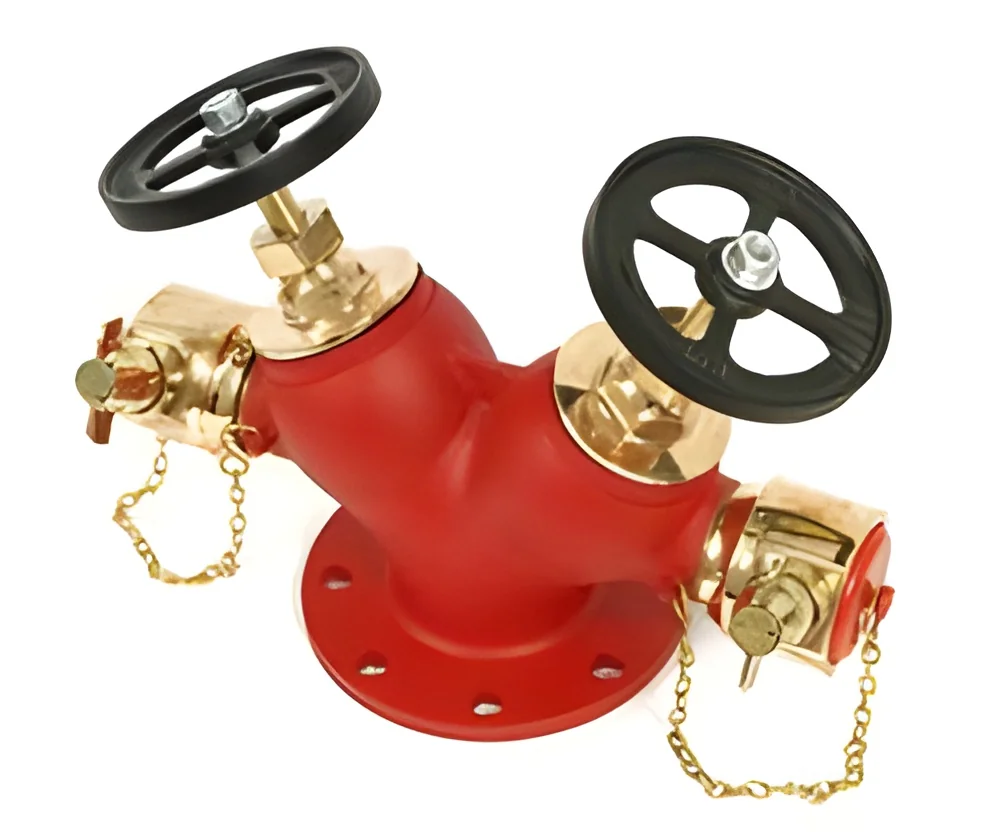
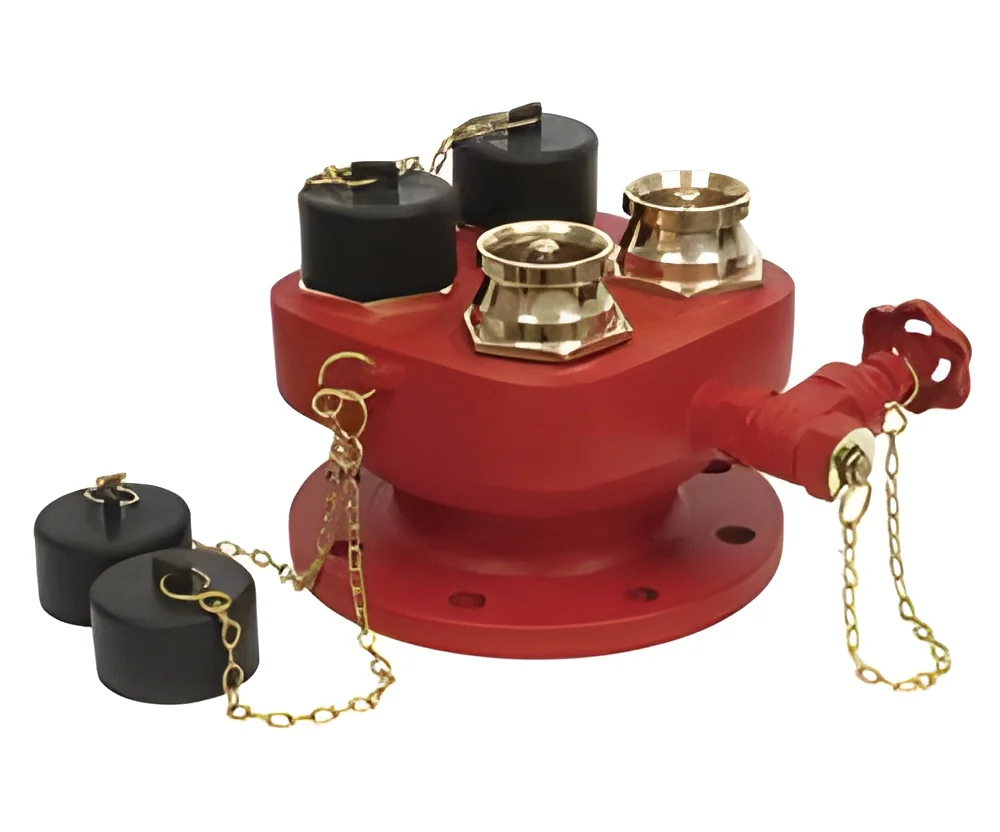
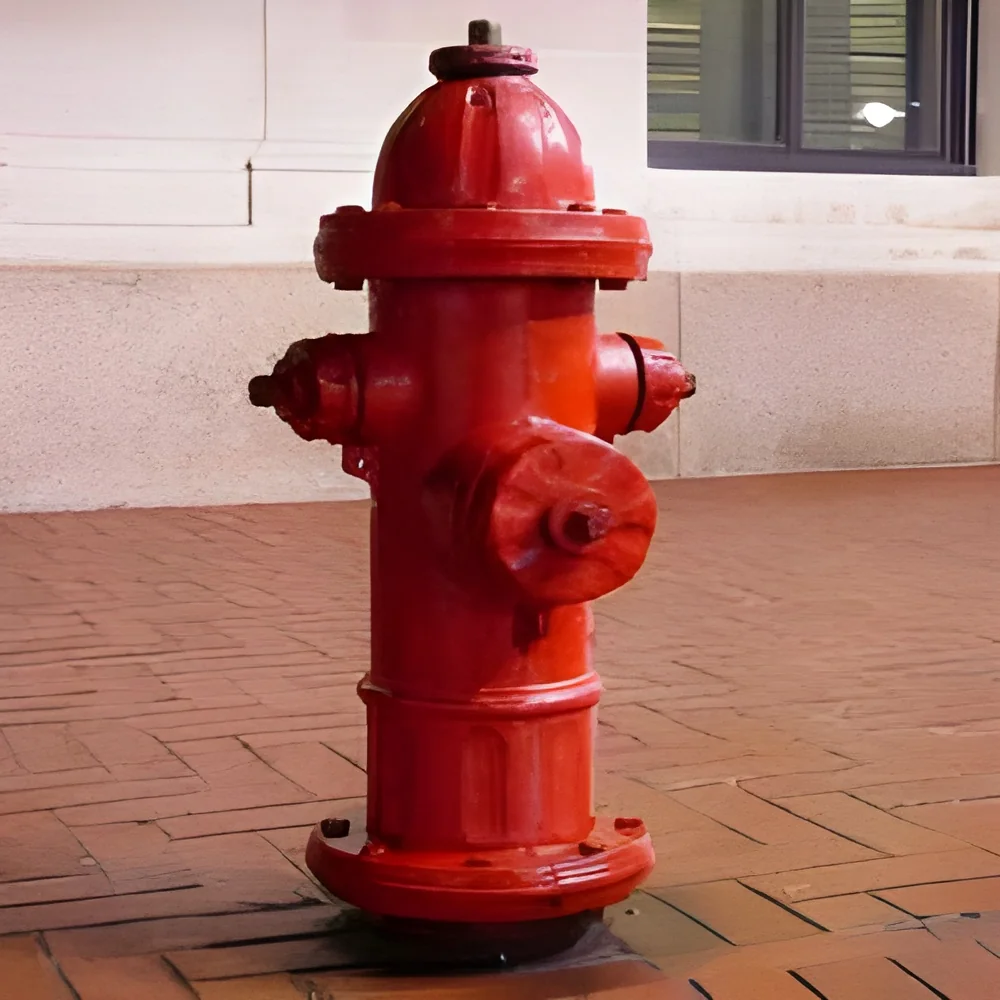
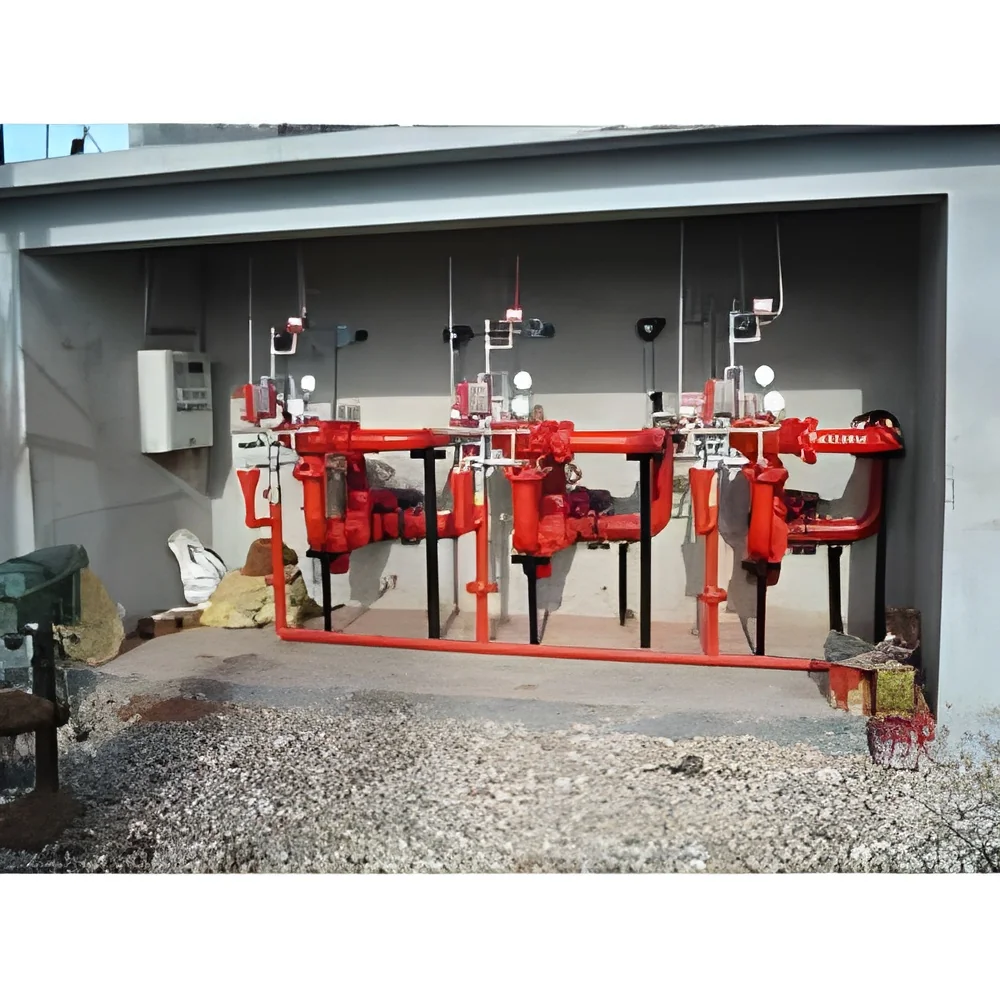
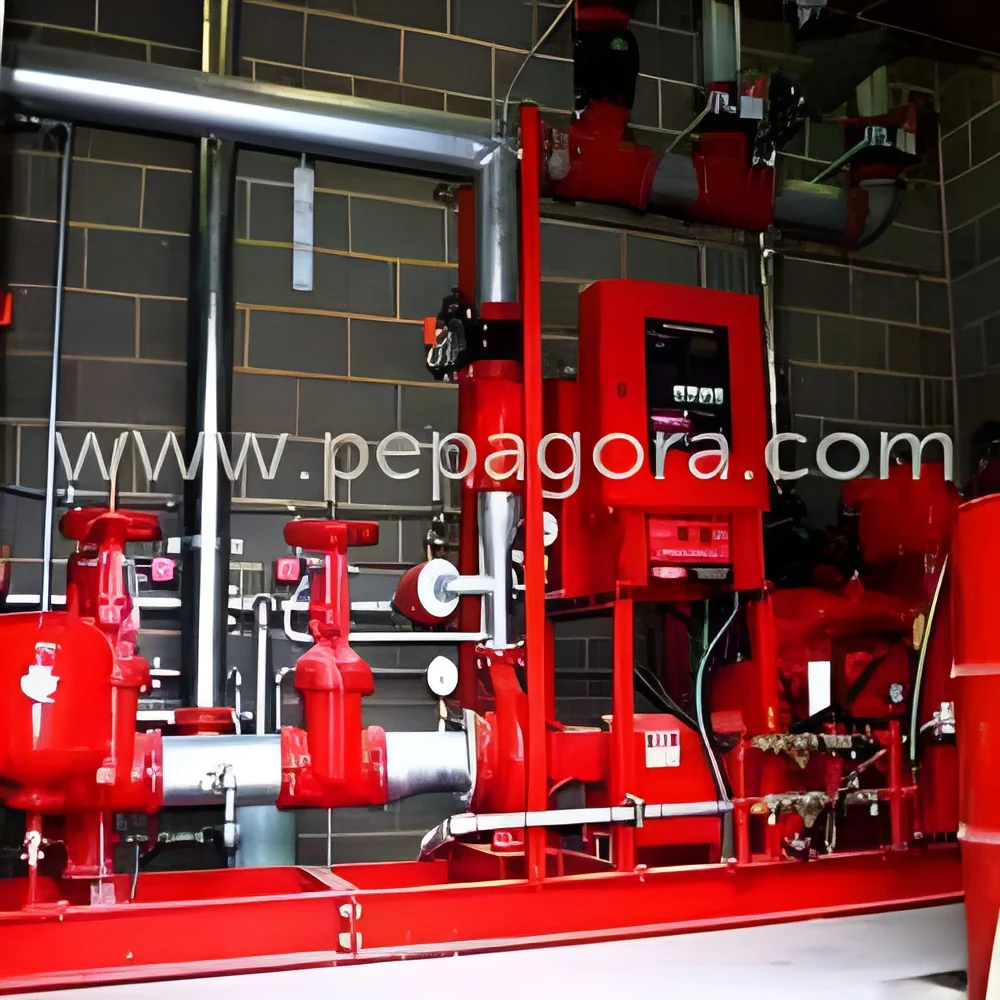
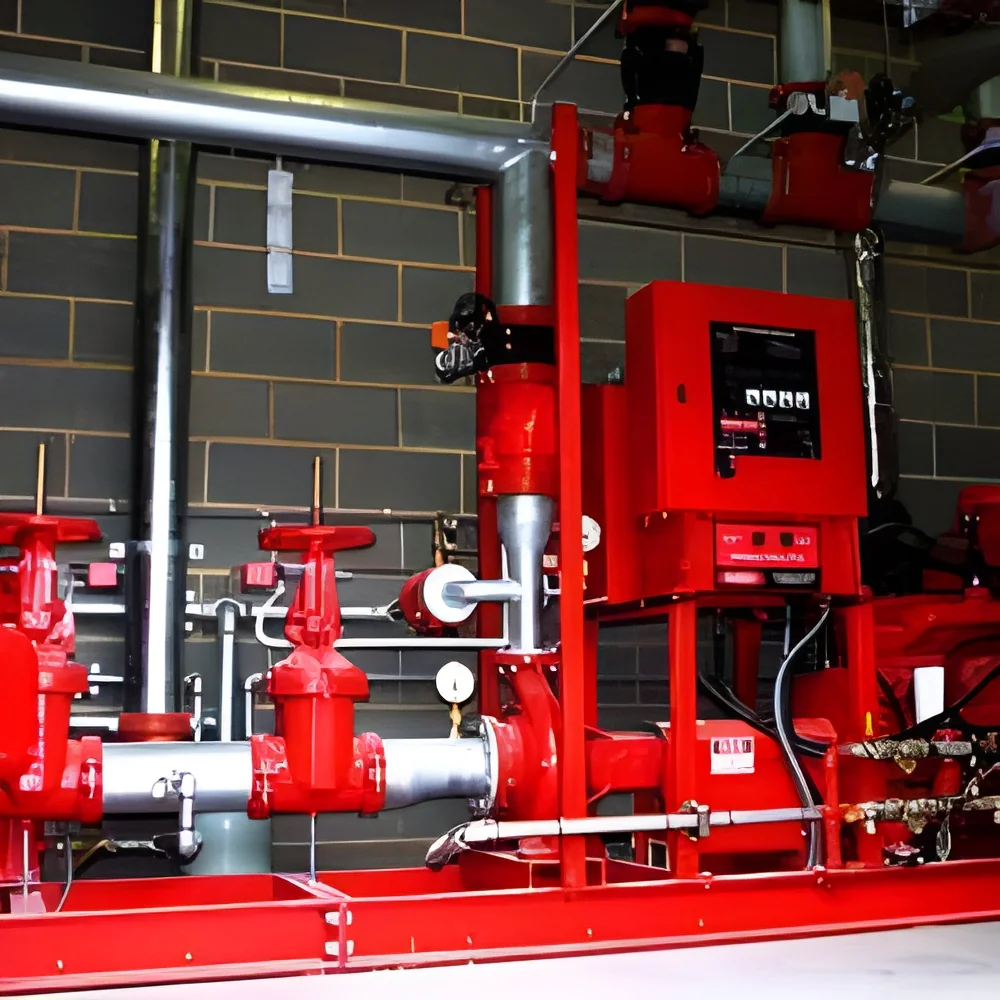
Fire hydrant systems are essential components of municipal and industrial fire protection infrastructure. They are designed to provide a reliable and immediate source of water for firefighting efforts. Typically found in urban areas, these systems consist of a network of pipes, valves, and hydrants strategically located to ensure rapid access to water during emergencies. Fire hydrants can be operated by trained firefighters or authorized personnel, allowing for quick and effective responses to fire incidents.
The primary use of fire hydrant systems is to control and extinguish fires. They play a critical role in safeguarding lives and property from fire damage. These systems are widely utilized in various business applications, including commercial buildings, industrial sites, and residential areas. In addition to fire suppression, hydrant systems can also be part of a larger emergency response strategy, ensuring that firefighters have the necessary resources to tackle fires efficiently. The increasing focus on safety regulations and fire prevention measures highlights the relevance of fire hydrant systems in today’s market.
Key Features and Specifications
Fire hydrant systems come with several key features and specifications that ensure their effectiveness and reliability. These systems are designed to meet various operational requirements and comply with safety standards.
Key specifications include:
1. Flow Rate
- This specification indicates the amount of water that can be delivered per minute.
- Typical parameters range from 500 to 1500 gallons per minute.
2. Pressure Rating
- The pressure rating determines the water pressure at which the hydrant operates.
- Standard ratings are usually between 20 to 150 psi.
3. Material Construction
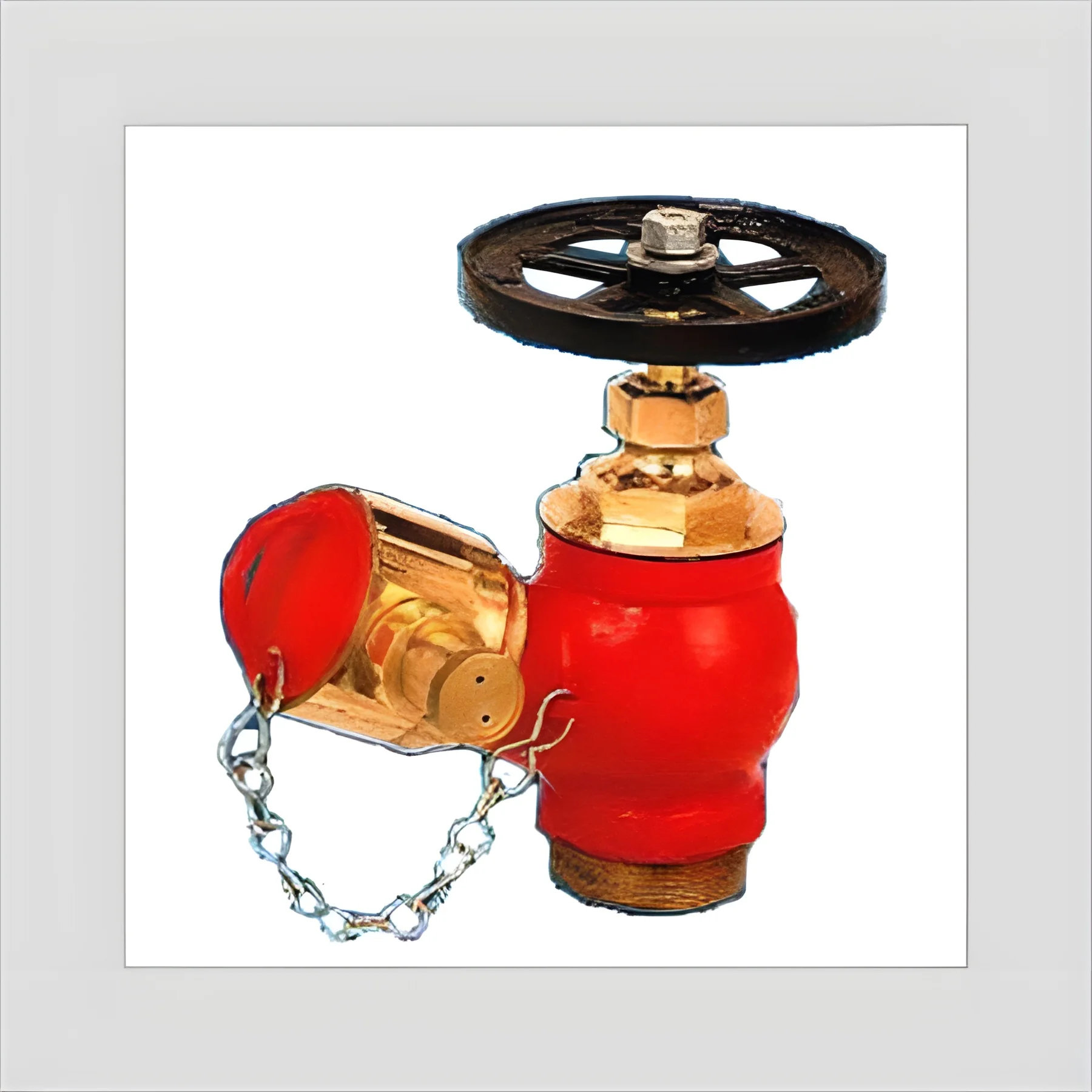
- Fire hydrants are made from durable materials like ductile iron or brass.
- These materials are resistant to corrosion and can withstand extreme conditions.
4. Valve Type
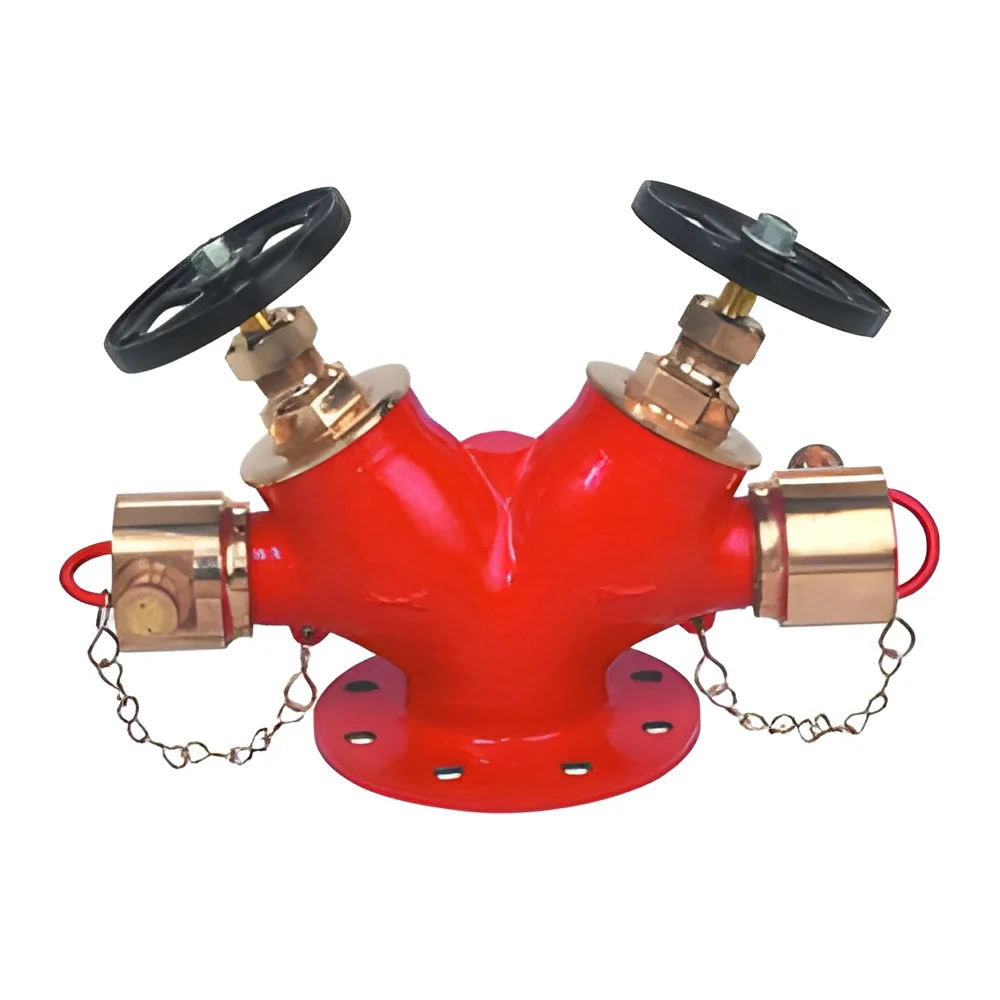
- Various valve types, such as compression or gate valves, are used in hydrant systems.
- The choice of valve affects water flow control and maintenance.
5. Connection Size
- Hydrant connection sizes typically range from 2.5 inches to 4.5 inches.
- This size is crucial for compatibility with firefighting equipment.
6. Color Coding
- Hydrants are often color-coded to indicate flow rates and pressure levels.
- This visual identification helps firefighters assess water availability quickly.
7. Accessibility Features
- Some hydrants come with features that allow for easier operation.
- This includes extended operating levers or anti-tamper mechanisms.
8. Maintenance Requirements
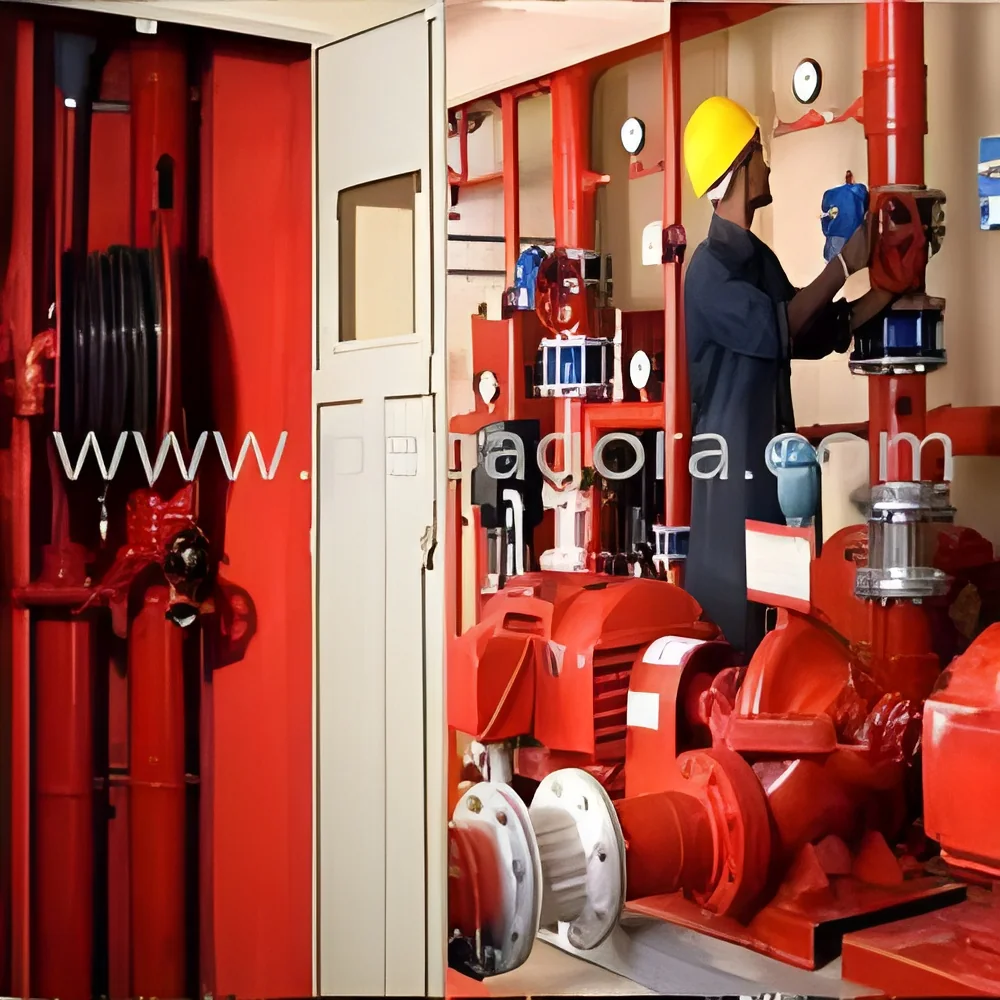
- Regular maintenance is essential for optimal performance.
- Specifications may include recommended testing intervals and service procedures.
In summary, understanding these specifications is vital for selecting the right fire hydrant system that meets operational needs and safety standards.
Common Applications and Use Cases
Fire hydrant systems serve various industries, providing critical fire protection and safety measures.
1. Municipal Services: Local governments utilize fire hydrant systems in urban areas to ensure rapid access to water for fire departments during emergencies.
2. Industrial Facilities: Factories and warehouses rely on hydrant systems to protect against potential fire hazards associated with manufacturing processes.
3. Commercial Buildings: Shopping malls, offices, and hotels implement fire hydrant systems as part of their fire safety protocols to safeguard occupants and property.
4. Residential Areas: Housing developments are equipped with hydrant systems to enhance fire safety in communities, providing quick access to water for firefighting.
5. Educational Institutions: Schools and universities install hydrant systems to ensure the safety of students and staff in case of fire incidents.
6. Healthcare Facilities: Hospitals and clinics prioritize fire hydrant systems to protect sensitive areas and ensure quick response in emergencies.
7. Transportation Hubs: Airports and train stations require efficient fire hydrant systems to manage fire risks in busy transit areas.
Product Variants and Subcategories
Fire hydrant systems come in various configurations to accommodate different needs and specifications.
Standard Fire Hydrant
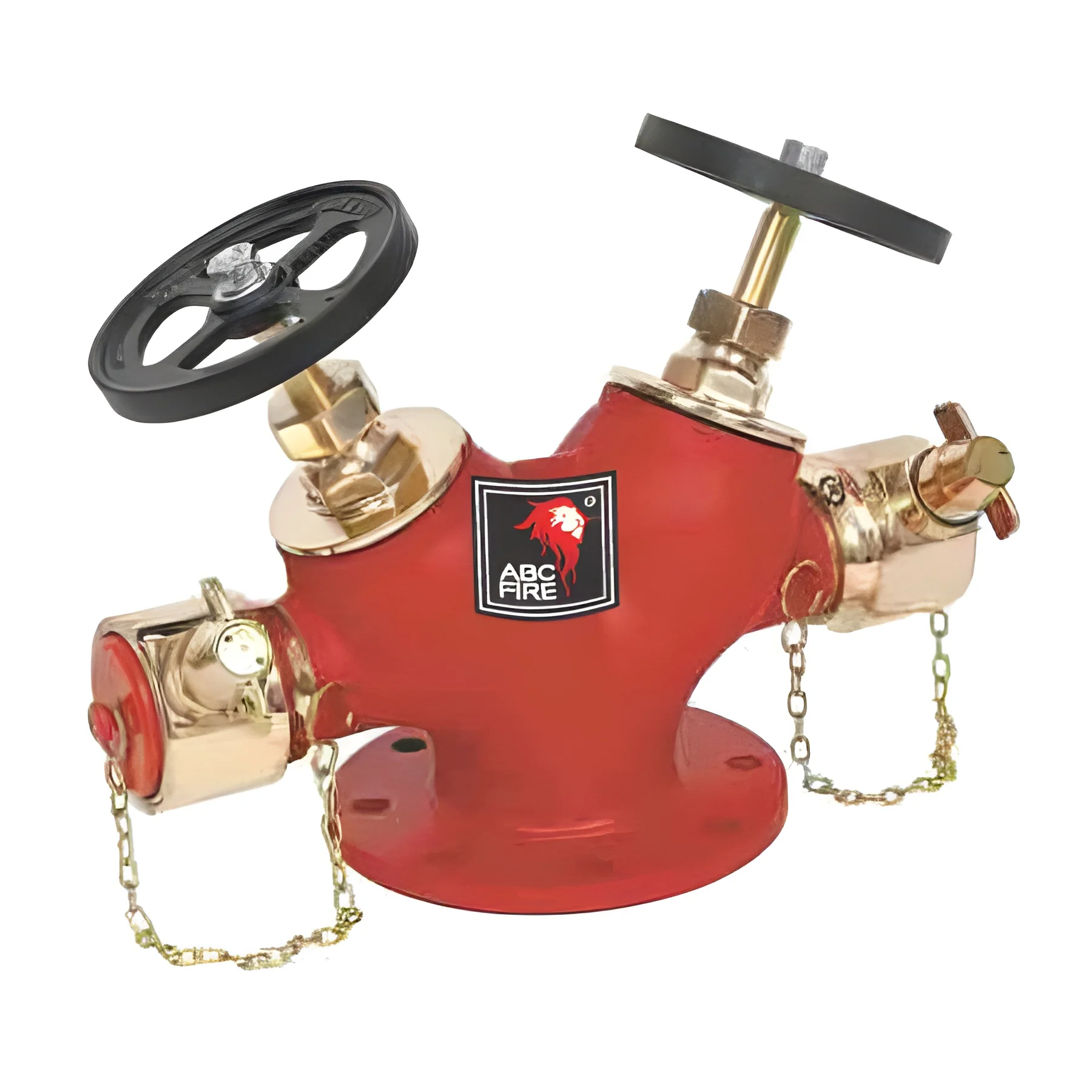
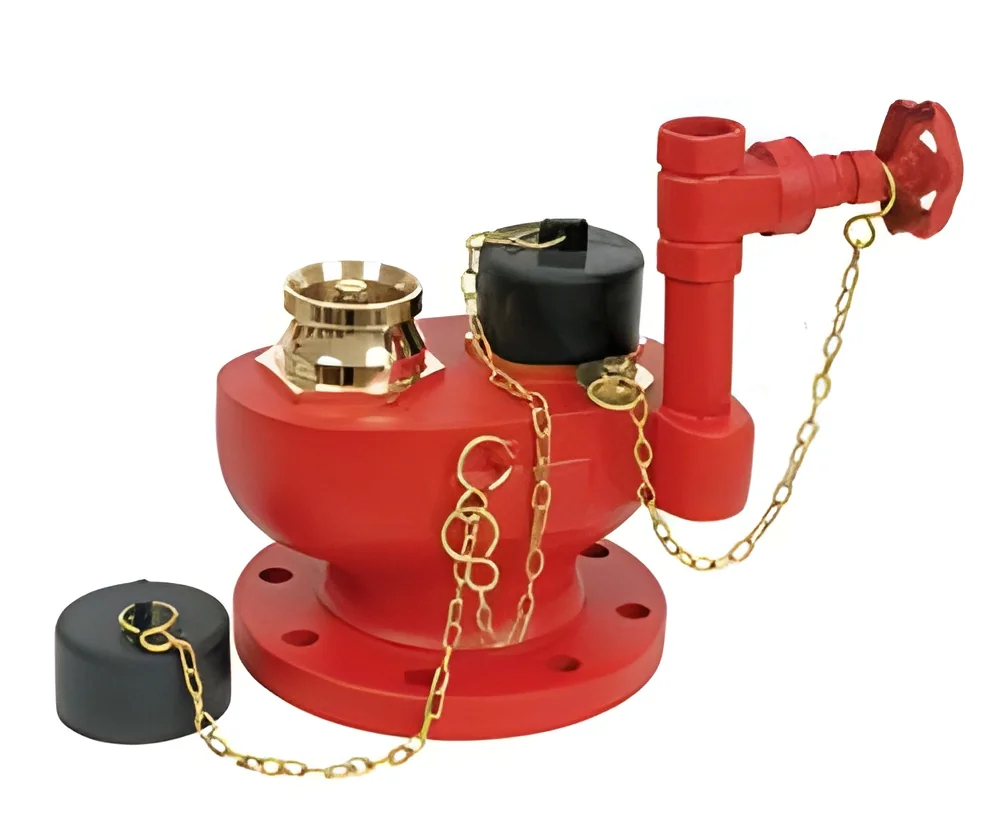
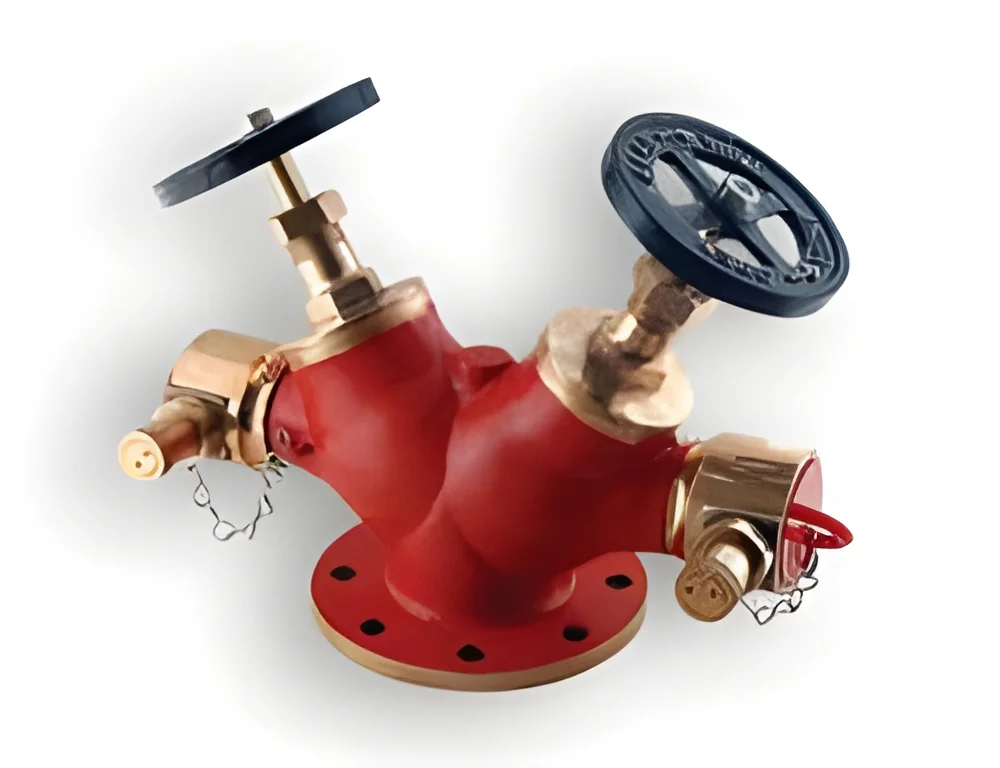
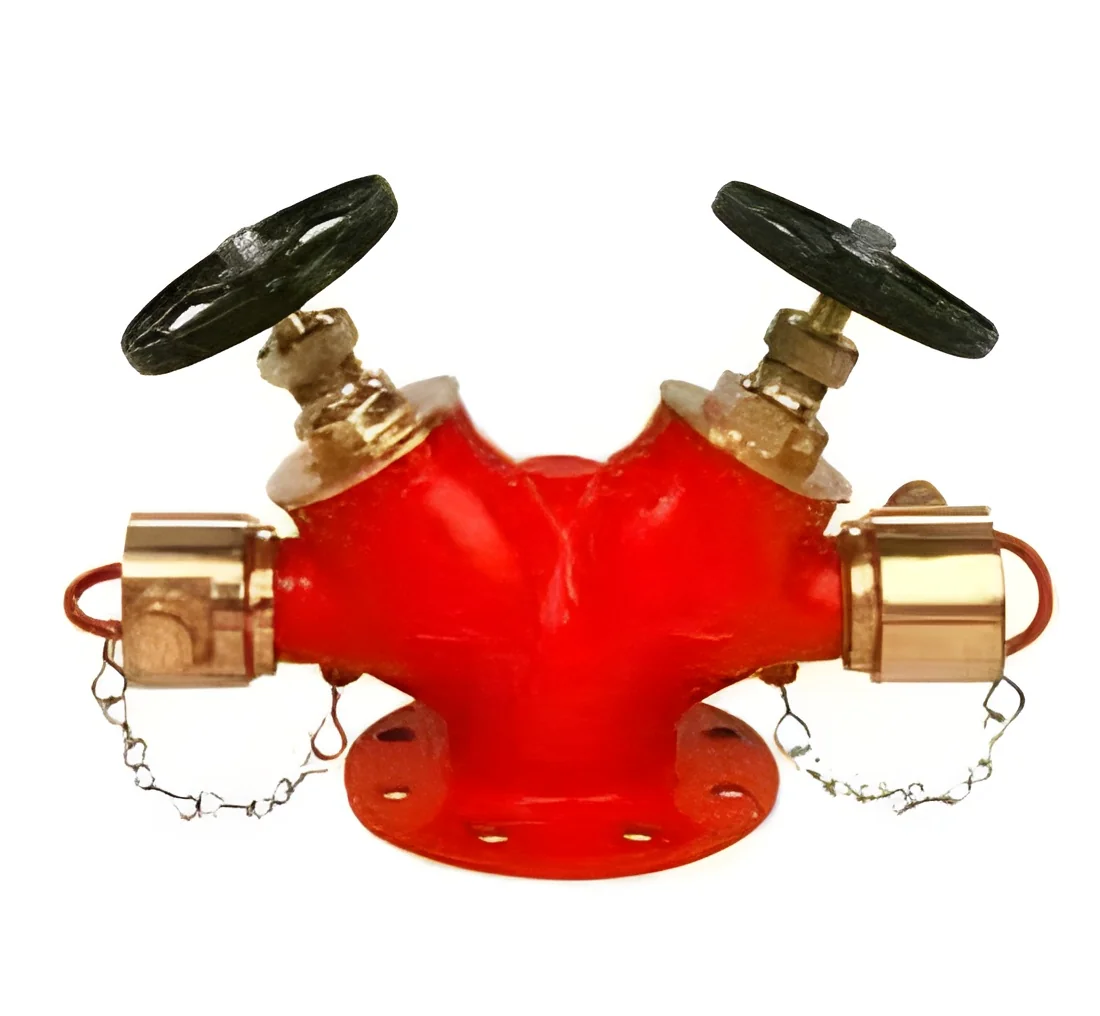
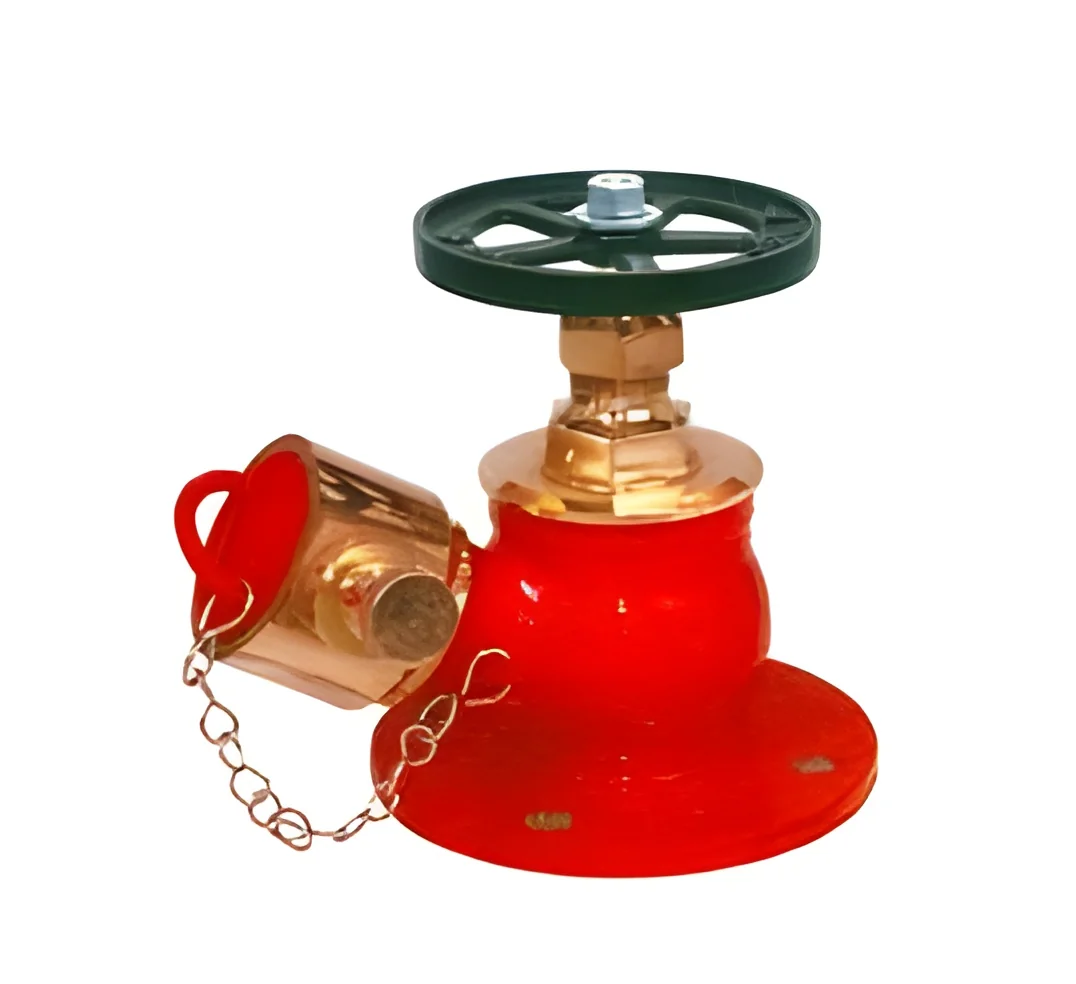
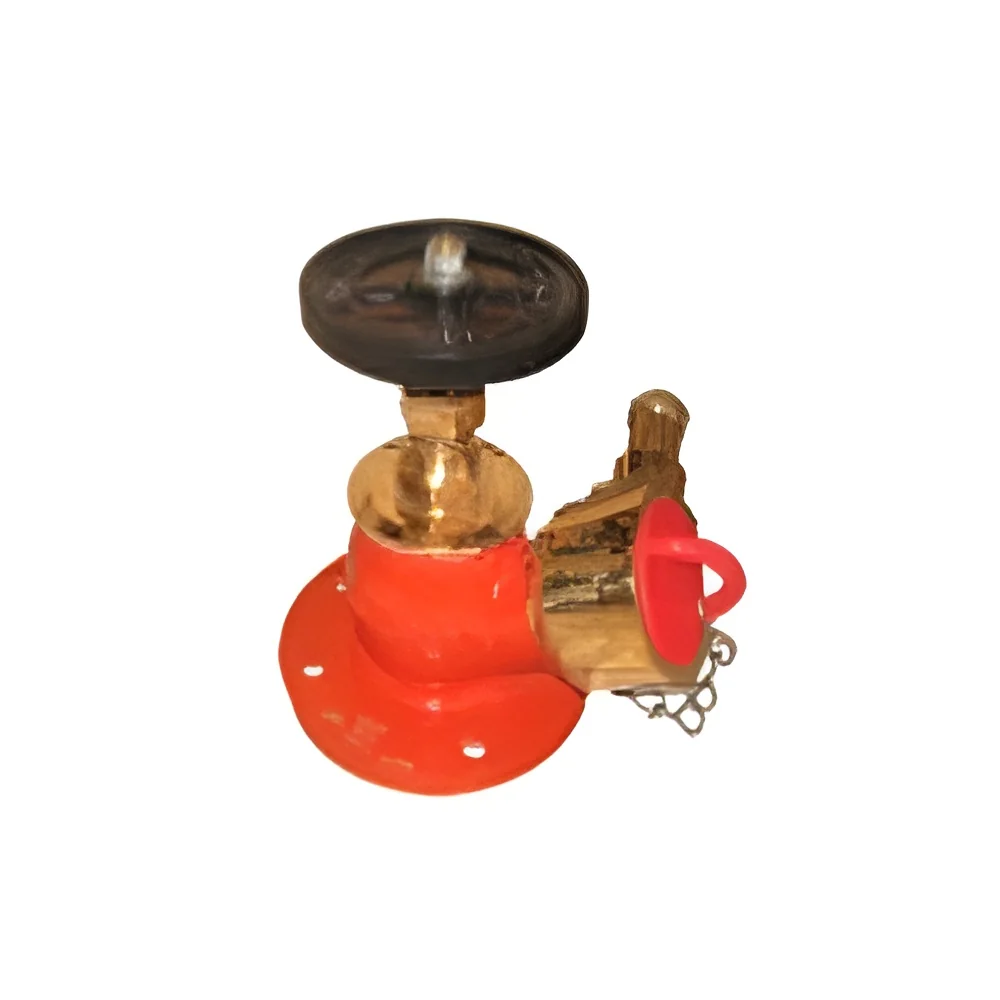
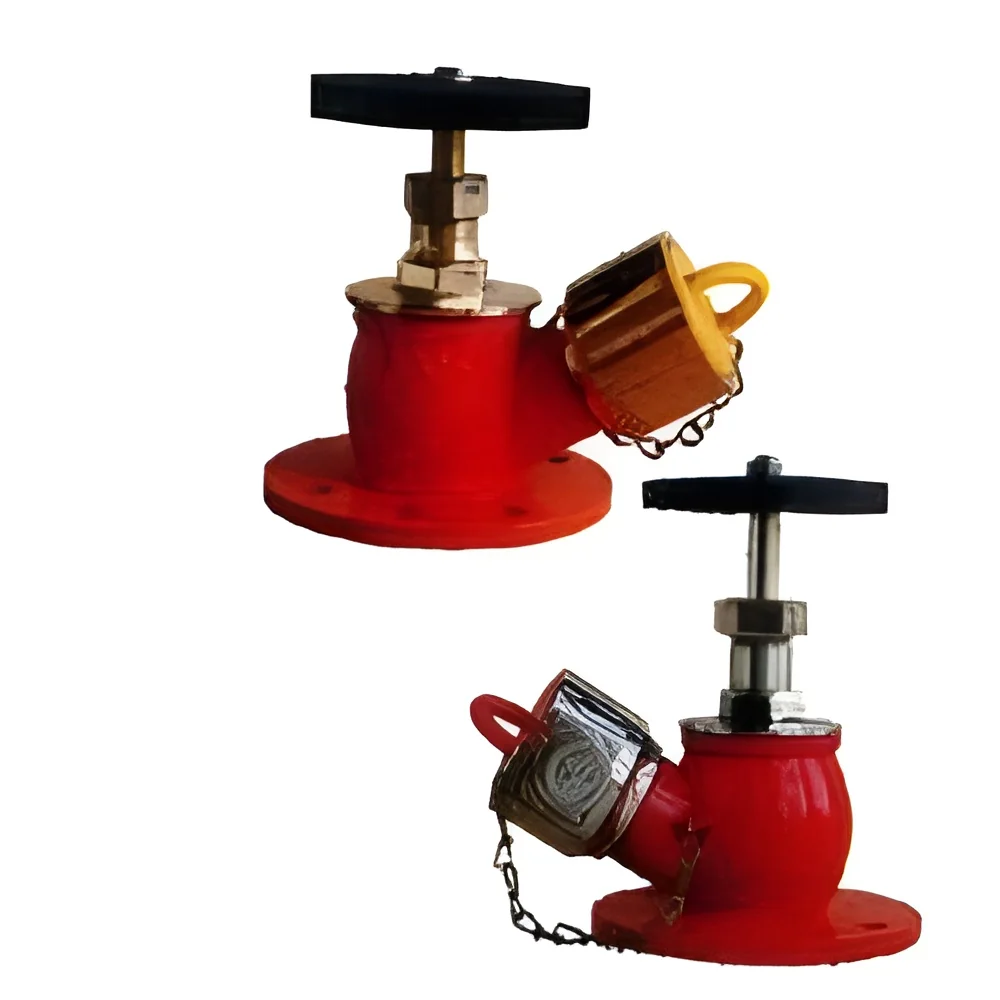
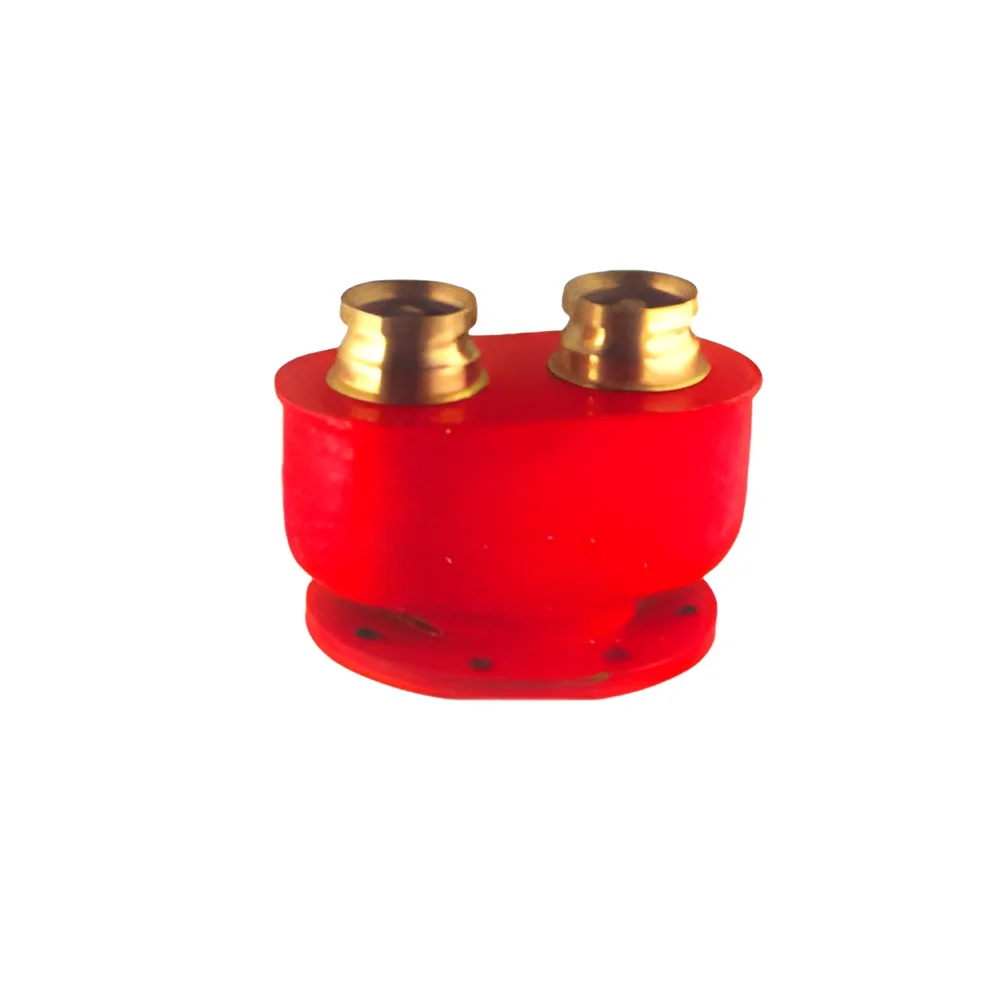
This variant is designed for typical municipal fire protection. It features a robust construction and is equipped with a single or dual outlet for fire hoses.
Dry Barrel Hydrant
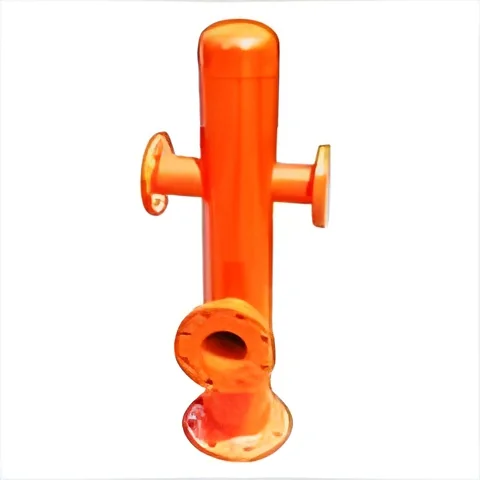
This variant is ideal for areas where freezing temperatures are a concern. It allows water to drain from the barrel when not in use, preventing ice formation.
Wet Barrel Hydrant
Used primarily in warm climates, this hydrant maintains water in the barrel at all times, allowing for immediate use without draining.
Post Indicator Valve Hydrant
This specialized variant includes an indicator that signifies whether the valve is open or closed, enhancing operational efficiency for firefighting personnel.
Benefits and Advantages
Fire hydrant systems offer numerous benefits that are essential for effective fire management.
1. Immediate Access to Water: Fire hydrants provide a quick and reliable water source, crucial for timely firefighting efforts.
2. Enhanced Safety: The presence of hydrants significantly improves safety for buildings and communities by minimizing fire damage.
3. Compliance with Regulations: Fire hydrant systems help organizations meet local fire safety codes and regulations, ensuring legal compliance.
4. Cost-Effective Solution: Investing in hydrant systems can be more economical in the long run compared to other fire suppression methods.
5. Easy Maintenance: Many hydrant systems are designed for straightforward maintenance, ensuring they remain functional and reliable.
6. Increased Property Value: Properties with adequate fire protection measures, including hydrant systems, often see enhanced market value due to reduced risk.
Buying Guide for B2B Buyers
When sourcing fire hydrant systems, it is important to consider several factors to ensure the best choice for your needs.
1. Quality Assessment: Evaluate the quality of materials and construction. Look for certifications and industry standards that verify reliability and performance.
2. Supplier Verification: Vet suppliers to confirm their reputation and history in providing fire safety equipment. Check for customer reviews and past projects.
3. Pricing and MOQ: Understand the pricing structure and minimum order quantities from suppliers. This helps in budgeting and ensuring you meet your requirements.
4. Delivery and Lead Times: Inquire about delivery times and logistics to ensure timely installation. This is crucial for compliance with project timelines.
5. Compliance Requirements: Familiarize yourself with local regulations concerning fire safety and ensure that the hydrants meet these compliance standards.
Compliance and Certifications
Fire hydrant systems must adhere to various quality standards and regulations to ensure safety and reliability. Key standards include ISO 9001, which emphasizes quality management systems and consistent product quality. Additionally, certifications such as CE indicate compliance with European safety standards, ensuring that hydrants meet required performance criteria.
Safety and testing requirements are also critical. Hydrants must undergo rigorous testing to confirm their performance under various conditions. This includes pressure testing to ensure they can withstand operational demands.
Regional compliance considerations are important as well. Different regions may have specific regulations regarding fire safety equipment. Ensuring that hydrant systems comply with these local standards protects users and first responders.
Why Source Fire Hydrant Systems from Pepagora?
Pepagora provides a trusted platform for sourcing fire hydrant systems, offering several key advantages for buyers.
Verified Supplier Network: Pepagora has a robust network of verified suppliers, ensuring that buyers have access to reputable manufacturers and distributors. This verification process helps mitigate risks associated with sourcing.
Streamlined RFQ Process: The platform simplifies the request for quotation (RFQ) process, allowing buyers to compare prices and specifications easily. This efficiency saves time and enhances decision-making.
Trade Assurance and Support: Pepagora offers trade assurance that protects buyers throughout the purchasing process. This includes support for resolving any issues that may arise, ensuring a smooth transaction.
Regional Coverage: With a strong presence in India, the GCC, and Southeast Asia, Pepagora provides extensive regional coverage. This geographic reach enables buyers to access local suppliers and services that meet their specific needs.
In summary, sourcing fire hydrant systems from Pepagora ensures a reliable and efficient purchasing experience, backed by a network of verified suppliers and comprehensive support.

 IN
IN