What are Barrier Systems & Bollards?
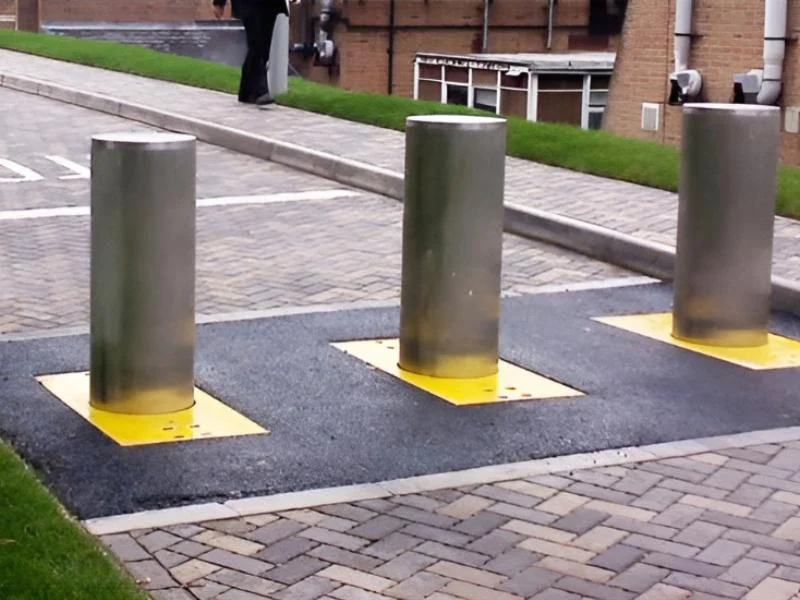
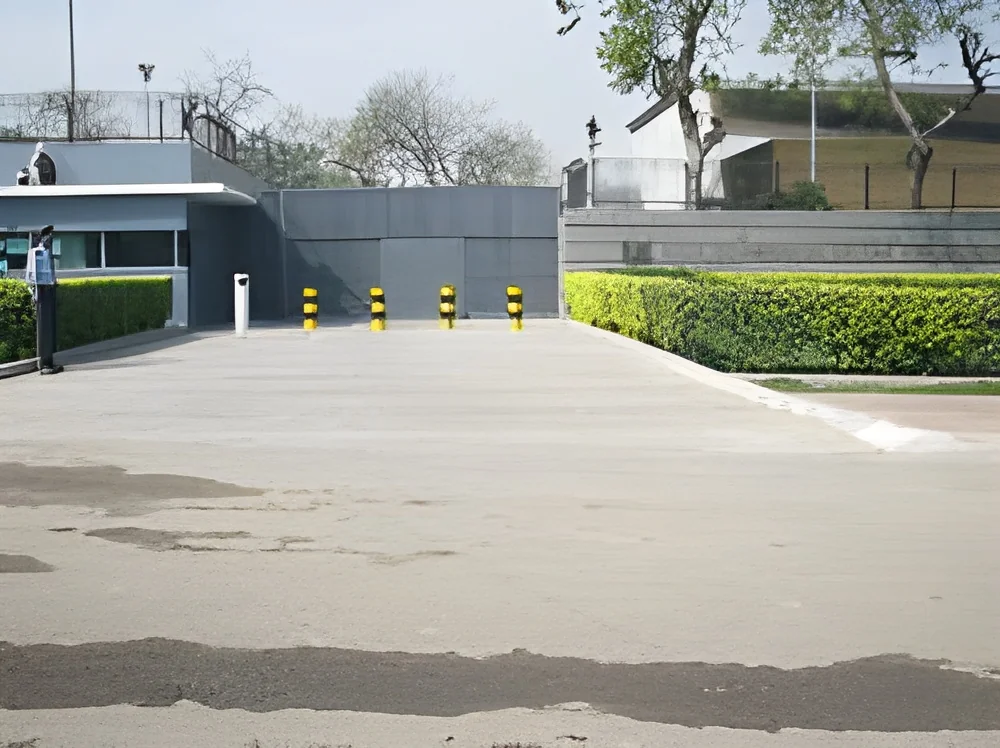
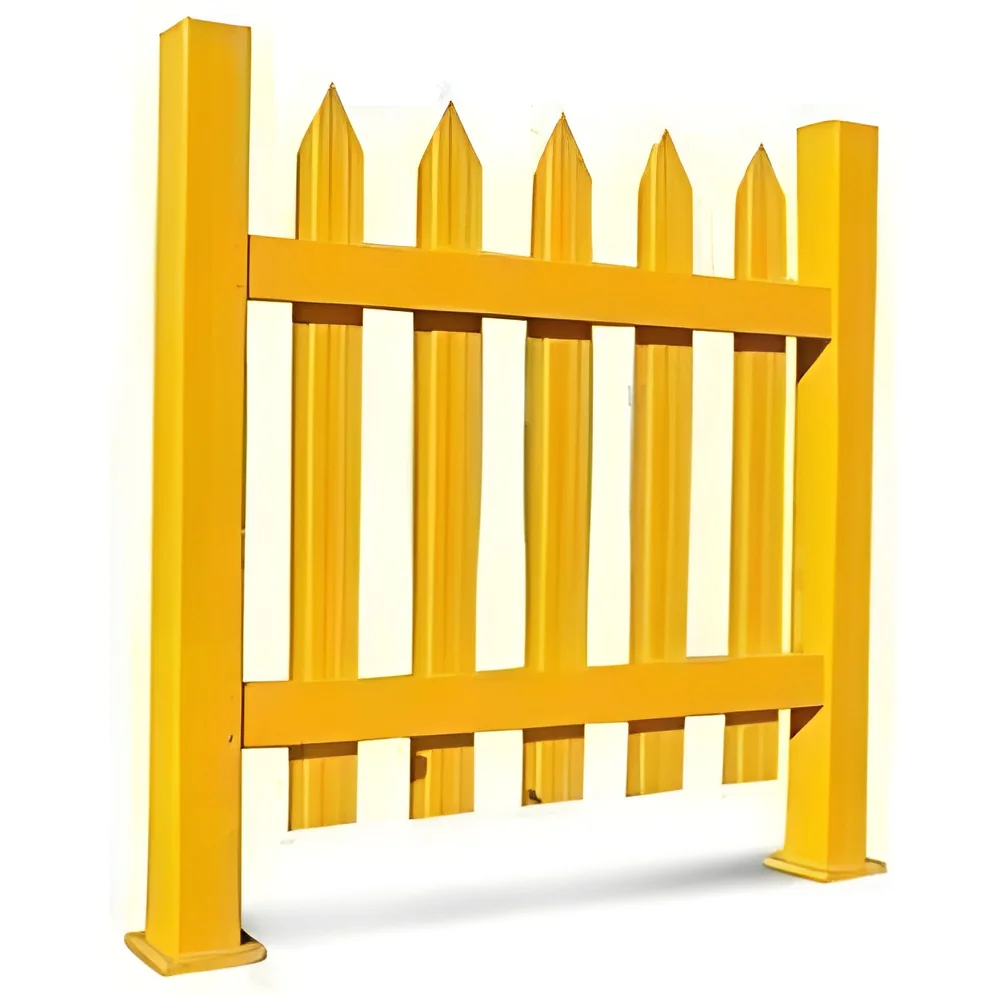
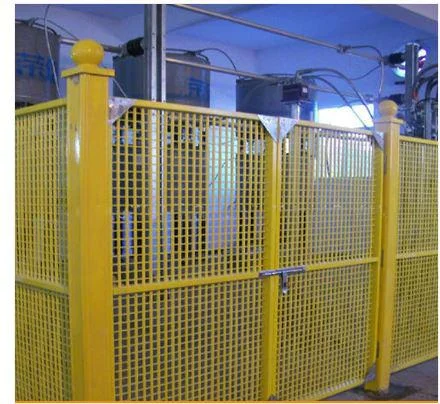
Barrier systems and bollards are essential safety features designed to control vehicle access and protect infrastructure in various settings. Barrier systems can include a range of physical barriers such as gates, fences, and retractable bollards. Bollards are short, sturdy posts that serve to delineate boundaries, guide traffic, and prevent unauthorized vehicle access. They are often made from durable materials such as steel or concrete to withstand impact.
The primary uses of these systems are found in urban environments, commercial properties, and industrial sites. They are commonly employed to protect pedestrian areas, secure buildings, and ensure the safety of both people and property. Businesses use barrier systems and bollards to manage traffic flow, enhance security, and mitigate risks associated with vehicle collisions.
With the rising concerns over security and safety in various industries, the demand for effective barrier systems and bollards has grown significantly. They play a crucial role in urban planning, facility management, and public safety initiatives. As cities and businesses prioritize safety measures, the market for these products continues to expand, leading to innovations in design and functionality.
Key Features and Specifications
Barrier systems and bollards come equipped with a variety of features that enhance their functionality and effectiveness. Understanding these specifications is crucial for selecting the right products for specific needs.
Key specifications include:
1. Material Composition
- Often constructed from steel, concrete, or composite materials.
- Offers durability and resistance to weather and impact.
2. Height Options
- Available in various heights, typically ranging from 0.9 meters to 1.5 meters.
- Suitable for different applications based on security needs.
3. Impact Resistance
- Rated for specific impact levels, often between 10,000 to 15,000 pounds.
- Ensures adequate protection against vehicle collisions.
4. Mounting Types
- Can be surface-mounted, embedded, or removable.
- Provides flexibility based on site requirements.
5. Aesthetic Options
- Available in various finishes and colors.
- Allows for integration with surrounding architecture.
6. Automation Features
- Some systems include retractable or automatic bollards.
- Enhances convenience for controlled access points.
7. Compliance Standards
- Many products meet international safety standards such as CE certification.
- Ensures reliability and safety in usage.
8. Weather Resistance
- Designed to withstand various climatic conditions.
- Ensures longevity in outdoor environments.
In summary, barrier systems and bollards are versatile products equipped with a range of features suited for different applications and environments.
Common Applications and Use Cases
Barrier systems and bollards are utilized across multiple industries, addressing diverse safety and traffic management needs.
1. Transportation Hubs: Airports and train stations use bollards to direct passenger flow and secure sensitive areas from unauthorized vehicle access.
2. Retail Environments: Shopping centers implement barrier systems to protect outdoor spaces, ensuring safety for pedestrians and managing vehicular traffic.
3. Industrial Sites: Warehouses and factories use robust bollards to shield critical infrastructure and prevent accidents related to heavy machinery.
4. Public Spaces: Parks and plazas employ barriers to create safe pedestrian zones, preventing vehicles from encroaching on walkways.
5. Event Venues: Concerts and festivals utilize temporary barriers to control crowd movement and ensure safety during large gatherings.
6. Government Buildings: Offices and public buildings employ bollards as a security measure to deter potential threats and manage vehicle entry.
7. Educational Institutions: Schools and universities utilize barrier systems to create safe environments for students and staff while managing traffic flow.
Product Variants and Subcategories
Barrier systems and bollards come in various designs, each tailored to specific needs and environments.
Fixed Bollards: These are permanently installed posts that provide a sturdy barrier to prevent vehicle access. They are ideal for protecting infrastructure and guiding traffic in high-risk areas.
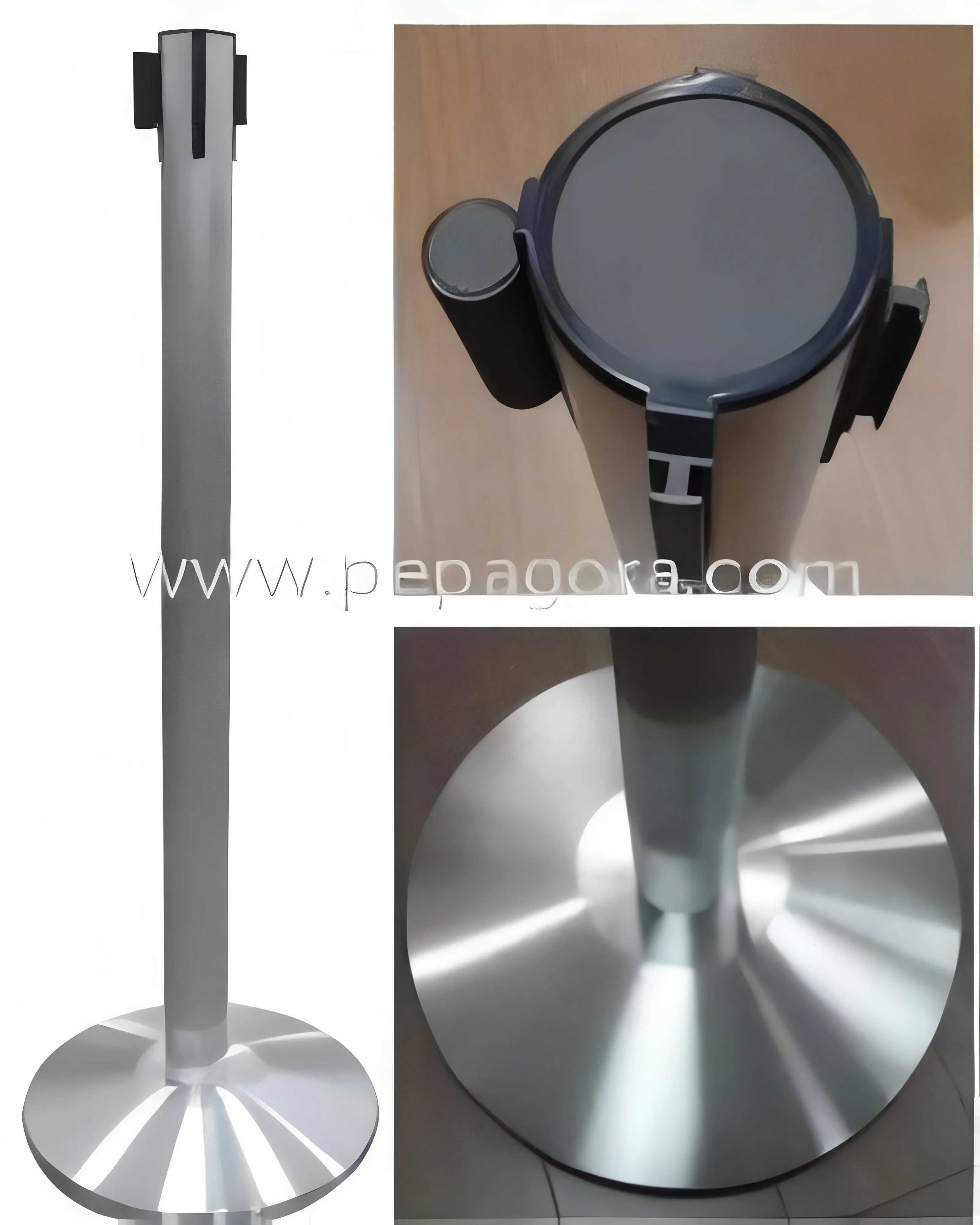
Retractable Bollards: These bollards can be raised or lowered as needed, allowing for controlled access to restricted areas. They are beneficial in locations with variable traffic demands.
Decorative Bollards: Designed to enhance aesthetic appeal, these bollards combine functionality with style. They are commonly used in urban design and landscaping projects.
Traffic Control Barriers: These systems are designed for dynamic traffic management, often featuring adjustable heights and widths to accommodate different vehicle types.
Benefits and Advantages
Investing in barrier systems and bollards offers numerous advantages for businesses and organizations.
Key benefits include:
1. Enhanced Safety: By controlling vehicle access, these systems significantly reduce the risk of accidents and injuries.
2. Improved Traffic Management: Barriers guide vehicular movement, ensuring efficient traffic flow in busy areas.
3. Increased Security: Bollards act as a deterrent to unauthorized vehicle entry, protecting valuable assets and people.
4. Customization Options: Many products can be tailored to fit specific design and functional requirements, ensuring they meet individual needs.
5. Durability and Longevity: High-quality materials ensure that barrier systems and bollards withstand harsh weather and heavy use.
6. Compliance with Regulations: Many systems adhere to safety standards and regulations, providing peace of mind to users.
Buying Guide for B2B Buyers
When sourcing barrier systems and bollards, it is essential to consider several factors to ensure a suitable purchase.
1. Quality Assessment: Evaluate the materials and construction quality. Look for products that meet recognized standards to ensure durability and effectiveness.
2. Supplier Verification: Research potential suppliers to confirm their reputation and reliability. Consider their experience in the industry and customer reviews.
3. Pricing and MOQ: Compare pricing across different suppliers, and be aware of minimum order quantities that may apply. Balance cost with quality to find the best value.
4. Delivery and Lead Times: Confirm logistics and expected delivery times. Ensure that suppliers can meet your project deadlines without compromising quality.
5. Compliance Requirements: Verify that the products adhere to local regulations and safety standards. This compliance is critical for liability and operational effectiveness.
Compliance and Certifications
Barrier systems and bollards must adhere to various quality standards and certifications to ensure their reliability and safety in use. Common quality standards include ISO 9001, which focuses on quality management systems, ensuring consistent product quality and customer satisfaction.
In addition to ISO standards, many products are certified with CE marking, indicating compliance with European safety, health, and environmental requirements. This certification assures buyers that the products meet rigorous testing and safety standards.
Safety and testing requirements also play a crucial role in the manufacturing process of barrier systems and bollards. Products should undergo impact testing and other evaluations to ensure they can withstand expected forces in real-world applications.
Furthermore, buyers should consider regional compliance requirements, as different areas may have specific regulations regarding the use and installation of barrier systems and bollards. Understanding these regulations is vital for ensuring compliance and avoiding potential liabilities.
Why Source Barrier Systems & Bollards from Pepagora?
Pepagora provides a trusted platform for sourcing barrier systems and bollards, offering numerous advantages to buyers.
Verified Supplier Network: Pepagora connects buyers with a network of verified suppliers, ensuring that businesses can source high-quality products with confidence. The platform conducts thorough checks to validate supplier credentials, reducing the risk of substandard purchases.
Streamlined RFQ Process: The request for quotation (RFQ) process on Pepagora is designed for efficiency, allowing buyers to submit their requirements easily and receive competitive quotes from multiple suppliers. This convenience helps businesses make informed purchasing decisions quickly.
Trade Assurance and Support: Buyers can benefit from trade assurance programs that offer protection during transactions. Pepagora provides support to address any concerns or issues that may arise, ensuring a smoother purchasing experience.
Regional Coverage: With a focus on markets in India, the GCC, and Southeast Asia, Pepagora has a broad geographic reach. This regional presence enables buyers to access a diverse range of products and suppliers, catering to specific local needs and preferences.

 IN
IN