𝗪𝗵𝗮𝘁 𝗮𝗿𝗲 𝗧𝗿𝗶𝗽𝗼𝗱 & 𝗪𝗶𝗻𝗰𝗵 𝗦𝘆𝘀𝘁𝗲𝗺𝘀?
Tripod and winch systems are essential tools used for lifting, lowering, and supporting heavy loads in various industrial applications. These systems typically consist of a tripod structure that provides stability and a winch mechanism that facilitates the movement of materials. The design allows for easy setup and operation, making them suitable for both temporary and permanent installations.
These systems find primary use in industries such as construction, telecommunications, and utilities. They are commonly employed for tasks like lifting equipment to elevated work areas, hoisting materials during construction projects, and supporting overhead lines in telecommunications and electrical installations. The versatility and reliability of tripod and winch systems make them vital in ensuring safety and efficiency in operations.
In the current market, tripod and winch systems are highly relevant due to the increasing demand for lifting solutions in various sectors. As industries grow and evolve, the need for robust and adaptable lifting equipment continues to rise. Businesses are increasingly adopting these systems to enhance productivity and ensure compliance with safety regulations.
𝗞𝗲𝘆 𝗙𝗲𝗮𝘁𝘂𝗿𝗲𝘀 𝗮𝗻𝗱 𝗦𝗽𝗲𝗰𝗶𝗳𝗶𝗰𝗮𝘁𝗶𝗼𝗻𝘀
Tripod and winch systems come equipped with a range of features that enhance their functionality and user-friendliness. These specifications are crucial for ensuring that the systems perform effectively in demanding environments.
Key specifications include:
1. Load Capacity
- Tripod systems can support varying load capacities depending on design, typically ranging from 1,000 to 5,000 pounds.
2. Height Adjustment
- Many systems offer adjustable heights, allowing users to set the tripod to the desired elevation, commonly between 8 to 12 feet.
3. Winch Mechanism
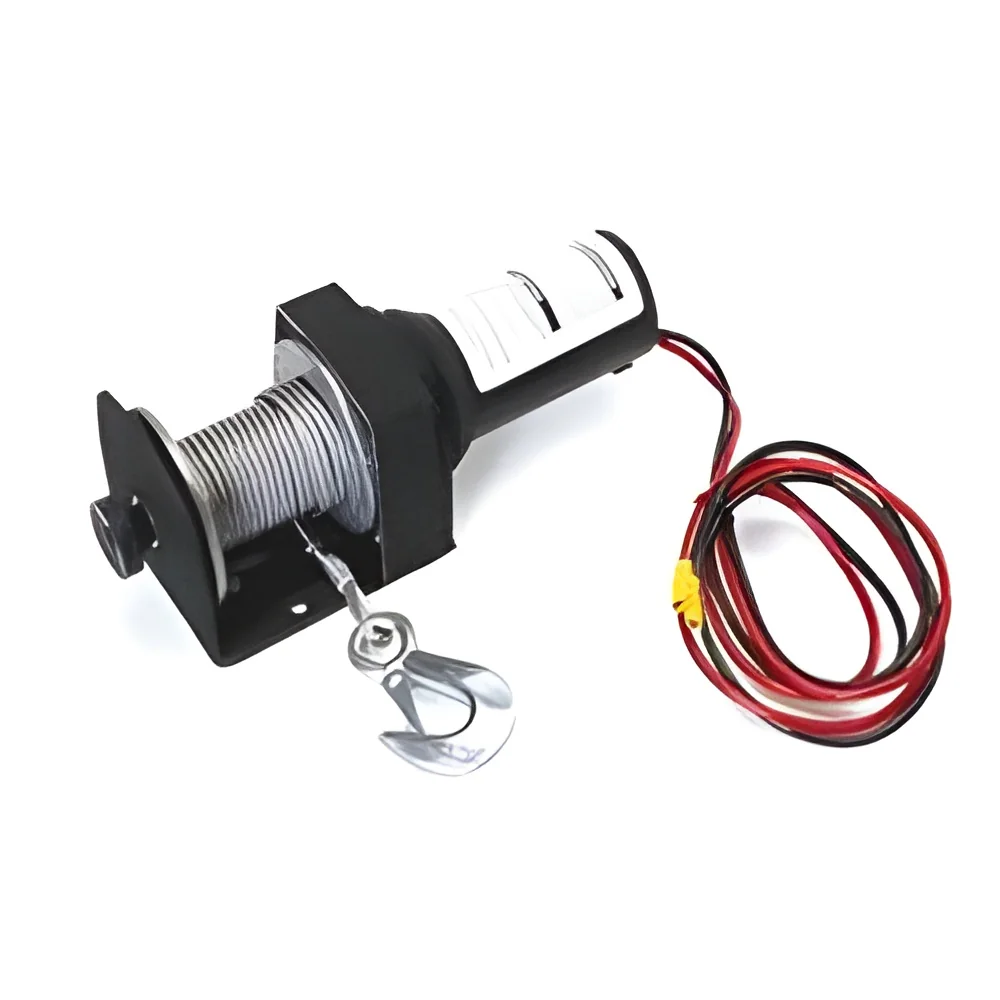
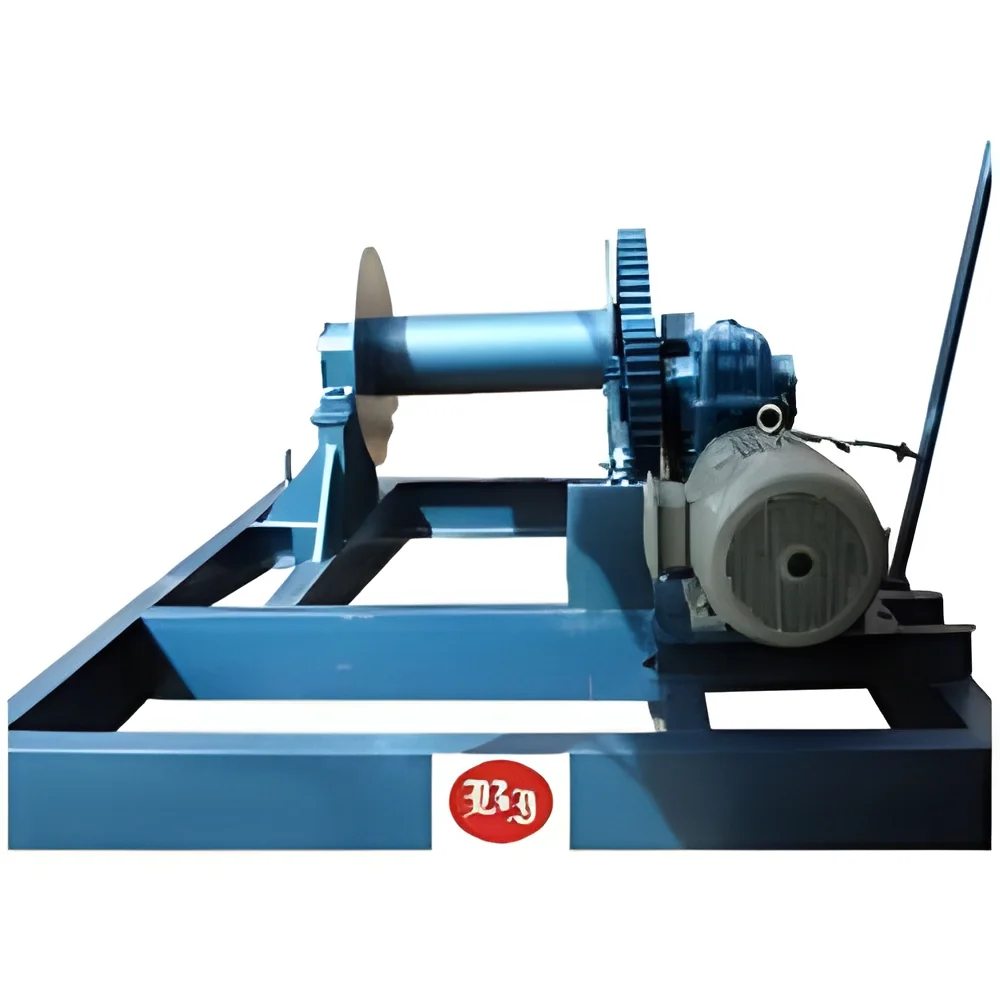
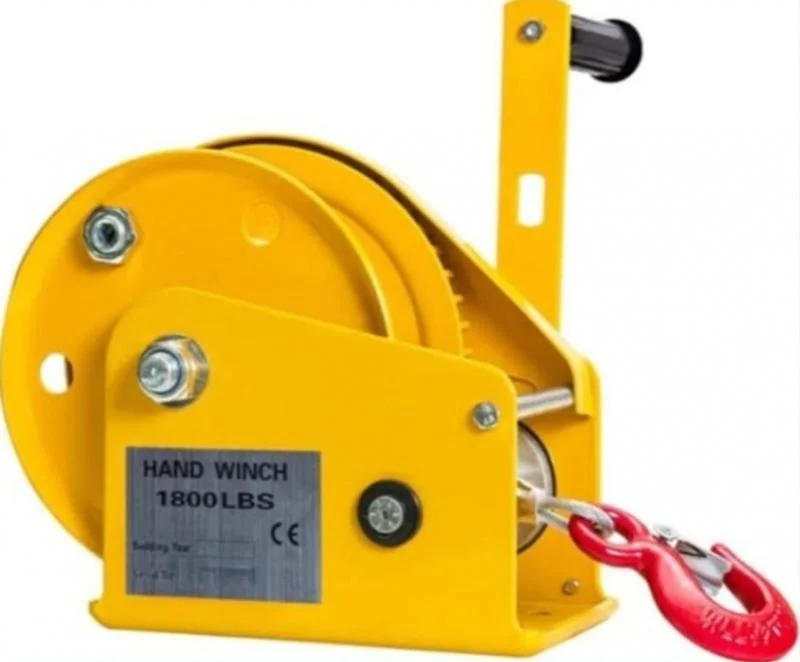
- The winch is often operated manually or electrically, with gear ratios designed to maximize lifting efficiency.
4. Material Composition
- Tripods are typically constructed from aluminum or steel, providing durability and resistance to corrosion.
5. Stability Features
- Systems often include safety features like locking pins and stabilizing legs to ensure proper support during operation.
6. Portability
- Lightweight designs and collapsible structures allow for easy transport and setup in various locations.
7. Compliance Standards
- Many systems adhere to industry standards, including CE certification, ensuring safety and reliability.
These features collectively contribute to the overall effectiveness and safety of tripod and winch systems, making them a preferred choice in many industrial applications.
𝗖𝗼𝗺𝗺𝗼𝗻 𝗔𝗽𝗽𝗹𝗶𝗰𝗮𝘁𝗶𝗼𝗻𝘀 𝗮𝗻𝗱 𝗨𝘀𝗲 𝗖𝗮𝘀𝗲𝘀
Tripod and winch systems are widely utilized across various industries, catering to specific lifting and support needs.
1. Construction: In construction, these systems are used for hoisting materials and equipment to higher levels. They facilitate tasks such as lifting beams and trusses during building projects.
2. Telecommunications: In the telecommunications sector, tripod and winch systems support the installation and maintenance of overhead cables. They provide stability while lifting equipment to access elevated lines.
3. Utilities: Utility companies employ these systems for tasks such as lifting transformers and other heavy equipment. They are crucial for ensuring safe installation and maintenance of electrical infrastructure.
4. Oil and Gas: In the oil and gas industry, tripod and winch systems assist in rigging and lifting operations on drilling sites, ensuring the safe handling of heavy machinery.
5. Emergency Services: These systems are also used by emergency services for rescue operations. They provide a reliable means to lift and lower individuals in need of assistance.
6. Manufacturing: In manufacturing settings, tripod and winch systems are utilized for moving heavy parts and machinery, enhancing operational efficiency.
𝗣𝗿𝗼𝗱𝘂𝗰𝘁 𝗩𝗮𝗿𝗶𝗮𝗻𝘁𝘀 𝗮𝗻𝗱 𝗦𝘂𝗯𝗰𝗮𝘁𝗲𝗴𝗼𝗿𝗶𝗲𝘀
Tripod and winch systems come in various designs to cater to different needs and applications. Each variant offers unique features tailored to specific use cases.
Lightweight Tripod Systems
These systems are designed for portability and ease of use. They are ideal for tasks requiring quick setup and takedown, such as in event staging or temporary installations.
Heavy-Duty Tripod Systems
Constructed from robust materials, these systems support higher load capacities and are suitable for industrial applications. They are commonly used in construction and heavy lifting scenarios.
Electric Winch Systems
Equipped with electric winches, these systems provide enhanced lifting power and efficiency. They are ideal for applications requiring frequent lifting and lowering of heavy loads.
Manual Winch Systems
These systems rely on manual labor for operation, making them suitable for locations where electric power is unavailable. They are often used in remote areas for various lifting tasks.
𝗕𝗲𝗻𝗲𝗳𝗶𝘁𝘀 𝗮𝗻𝗱 𝗔𝗱𝘃𝗮𝗻𝘁𝗮𝗴𝗲𝘀
Tripod and winch systems offer several benefits that make them a valuable asset in industrial applications.
1. Enhanced Safety: These systems are designed with safety features that minimize the risk of accidents during lifting operations.
2. Versatility: Tripod and winch systems can be used in various industries, providing solutions for diverse lifting needs.
3. Improved Efficiency: The ability to lift and lower heavy loads quickly enhances overall operational efficiency.
4. Easy Setup: The design of these systems allows for quick and straightforward assembly, saving time during setup.
5. Portability: Many tripod and winch systems are lightweight and easy to transport, making them ideal for use in multiple locations.
6. Compliance Assurance: Systems that meet industry standards offer peace of mind regarding safety and reliability.
𝗕𝘂𝘆𝗶𝗻𝗴 𝗚𝘂𝗶𝗱𝗲 𝗳𝗼𝗿 𝗕𝟮𝗕 𝗕𝘂𝘆𝗲𝗿𝘀
When considering the purchase of tripod and winch systems, it is essential to evaluate several key factors to ensure the right choice.
1. Quality Assessment: Look for systems made from durable materials and check for compliance with industry standards. Quality assurance is critical for long-term performance.
2. Supplier Verification: Vet potential suppliers by checking their reliability and reputation in the market. Ensure they have a track record of providing quality products.
3. Pricing and MOQ: Consider the cost of the systems and the minimum order quantity. Ensure the pricing aligns with your budget while meeting quality requirements.
4. Delivery and Lead Times: Evaluate logistics and delivery options. Understand lead times to ensure timely availability of the systems for your projects.
5. Compliance Requirements: Ensure that the systems meet any necessary regulatory standards specific to your industry and region.
𝗖𝗼𝗺𝗽𝗹𝗶𝗮𝗻𝗰𝗲 𝗮𝗻𝗱 𝗖𝗲𝗿𝘁𝗶𝗳𝗶𝗰𝗮𝘁𝗶𝗼𝗻𝘀
Tripod and winch systems must adhere to various compliance and certification standards to ensure safety and reliability. Relevant quality standards include ISO 9001, which outlines requirements for a quality management system. This standard ensures that products consistently meet customer and regulatory requirements.
Additionally, industry certifications such as CE indicate that the products meet European safety standards. Compliance with these standards is essential for gaining market access and ensuring product safety.
Safety and testing requirements are also critical in the development of these systems. Regular inspections and testing help manufacturers ensure that the equipment operates safely under specified conditions. Furthermore, regional compliance considerations must be taken into account, as different areas may have varying regulations that affect product design and functionality.
𝗪𝗵𝘆 𝗦𝗼𝘂𝗿𝗰𝗲 𝗧𝗿𝗶𝗽𝗼𝗱 & 𝗪𝗶𝗻𝗰𝗵 𝗦𝘆𝘀𝘁𝗲𝗺𝘀 𝗳𝗿𝗼𝗺 𝗣𝗲𝗽𝗮𝗴𝗼𝗿𝗮?
Pepagora provides an excellent platform for sourcing tripod and winch systems, offering several key advantages to B2B buyers.
Verified Supplier Network: Pepagora ensures that all suppliers are thoroughly vetted, providing buyers with confidence in the quality and reliability of the products offered. This network fosters trust and transparency in the sourcing process.
Streamlined RFQ Process: The request for quotation process on Pepagora is designed for efficiency. Buyers can easily compare offers from multiple suppliers, helping them make informed decisions that align with their project needs and budget.
Trade Assurance and Support: Pepagora prioritizes buyer protection through trade assurance programs. This support ensures that buyers receive quality products and can address any issues that may arise during the transaction.
Regional Coverage: With a strong presence in India, the GCC, and Southeast Asia, Pepagora caters to a wide geographic area. This broad coverage allows buyers from various regions to access quality tripod and winch systems tailored to their specific needs.

 IN
IN