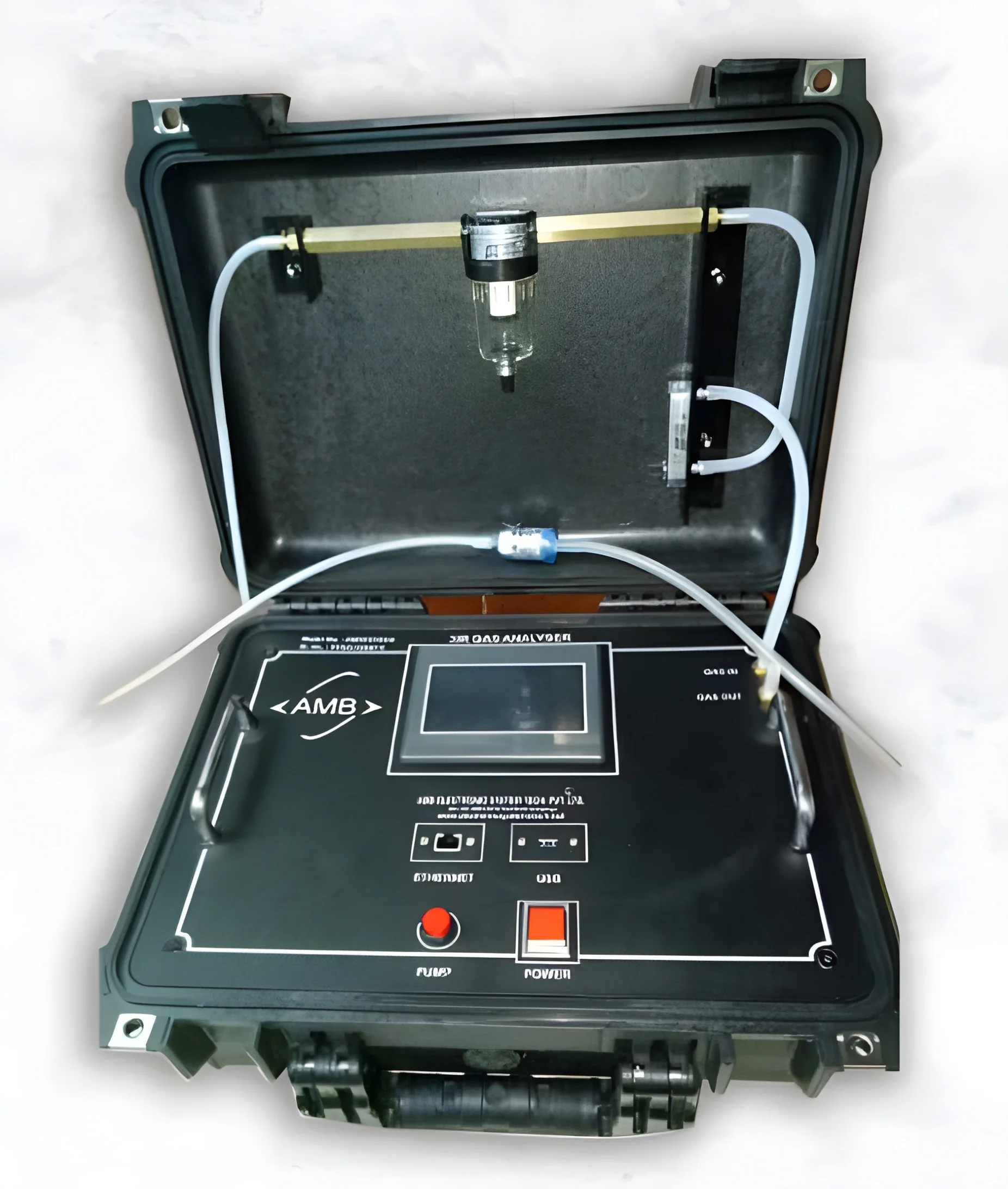
𝗪𝗵𝗮𝘁 𝗮𝗿𝗲 𝗠𝘂𝗹𝘁𝗶-𝗚𝗮𝘀 𝗠𝗼𝗻𝗶𝘁𝗼𝗿𝘀?
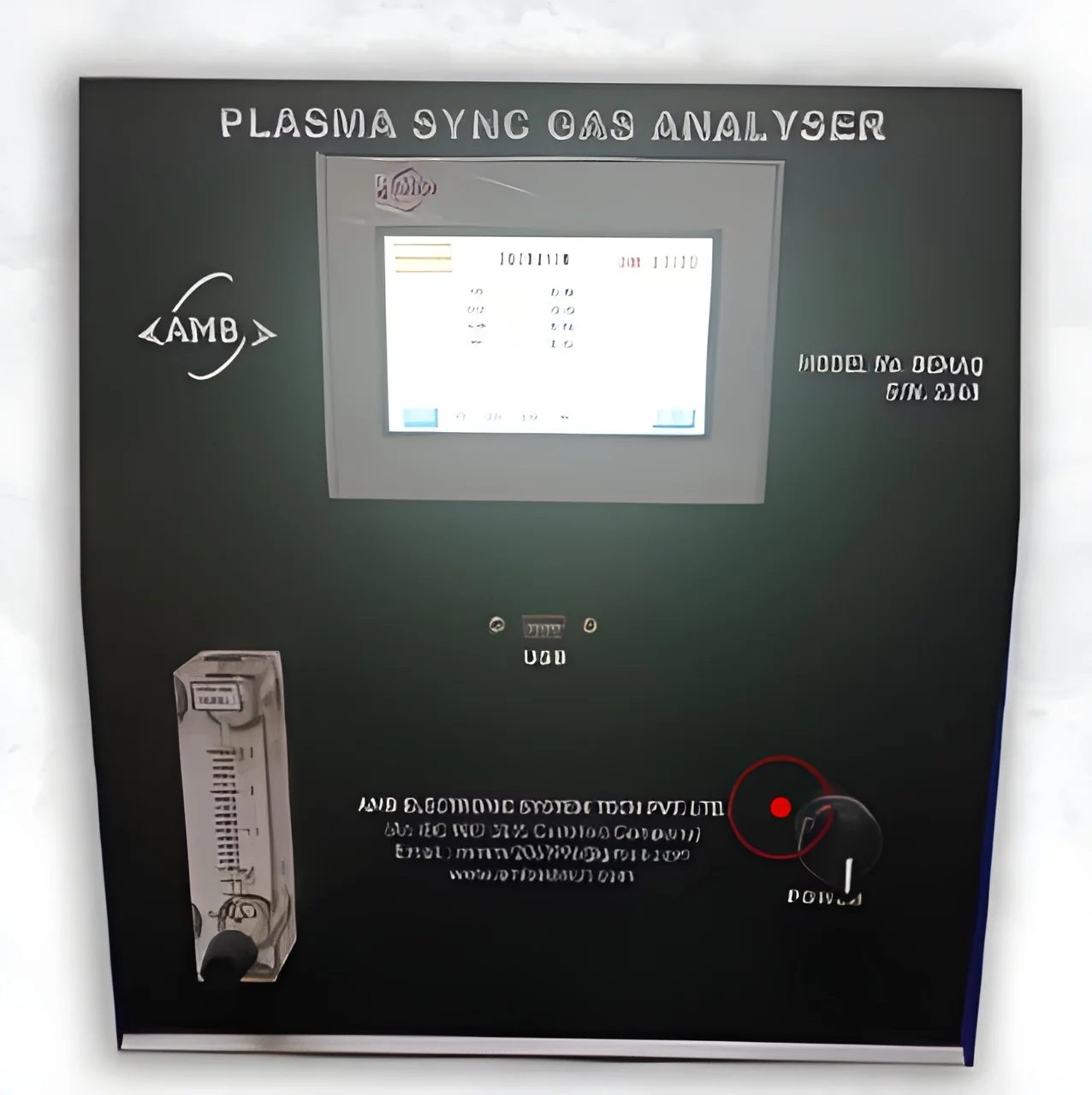
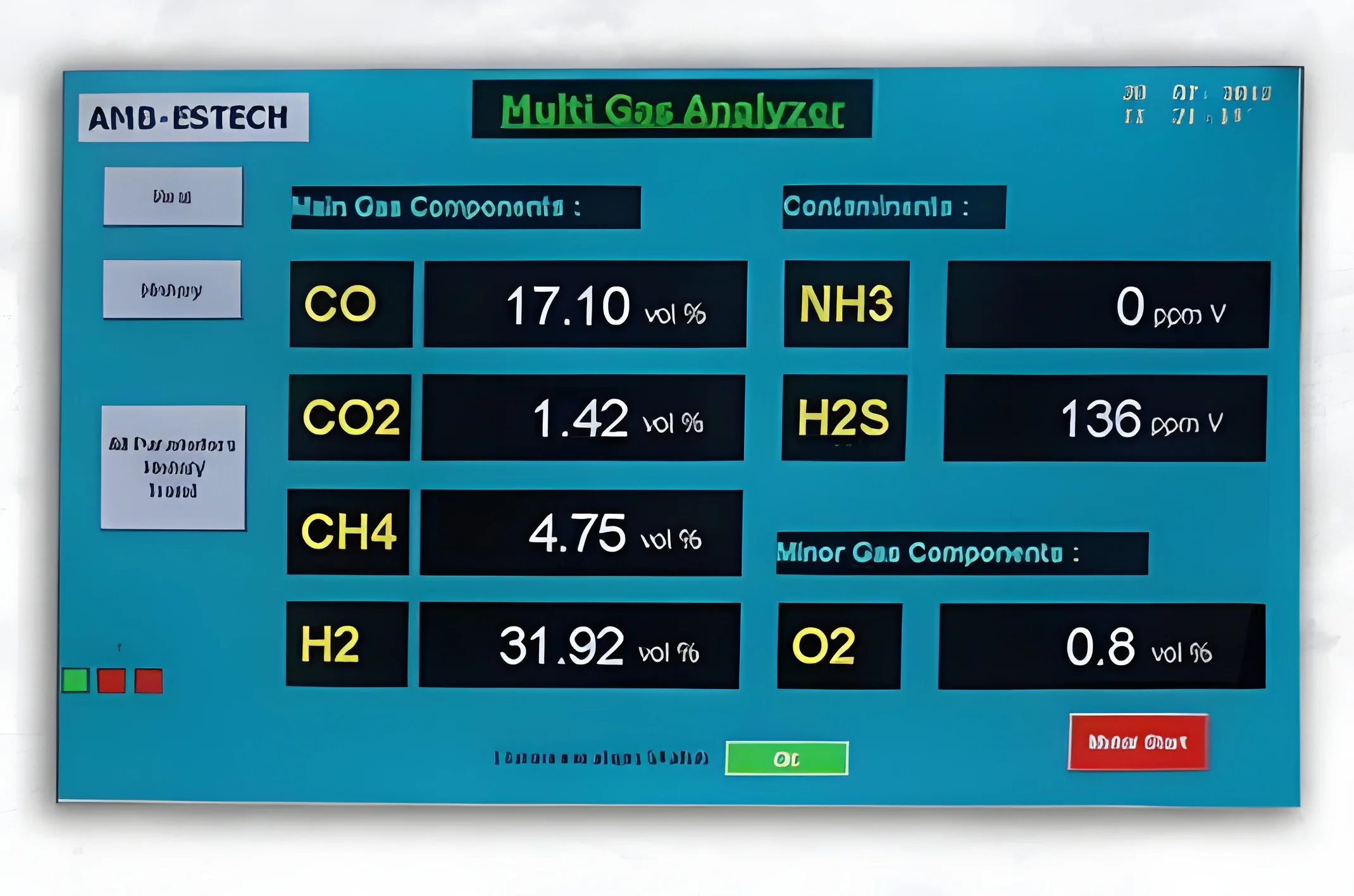
Multi-Gas Monitors are essential devices designed to detect and measure various gases in the environment, ensuring safety and compliance in a range of industrial applications. These monitors can detect multiple gases simultaneously, including toxic and combustible gases, providing real-time data that is crucial for workplace safety. Equipped with advanced sensors, Multi-Gas Monitors help to prevent hazardous situations by alerting users to dangerous gas levels.
The primary uses of Multi-Gas Monitors span numerous industries, including oil and gas, construction, mining, and chemical manufacturing. In these settings, workers may be exposed to harmful gases, making early detection vital. Businesses utilize these monitors to enhance safety protocols, comply with regulations, and protect their workforce. The increasing focus on safety and environmental standards enhances the market relevance of Multi-Gas Monitors, which are becoming indispensable tools in managing workplace hazards.
𝗞𝗲𝘆 𝗙𝗲𝗮𝘁𝘂𝗿𝗲𝘀 𝗮𝗻𝗱 𝗦𝗽𝗲𝗰𝗶𝗳𝗶𝗰𝗮𝘁𝗶𝗼𝗻𝘀
Multi-Gas Monitors come with a variety of features and specifications that enhance their functionality and usability. These features ensure that users can rely on the monitors for accurate readings and effective safety management.
Key specifications include:
1. Detection Range
- Monitors can detect gases within specified concentration ranges.
- Typical ranges vary based on the gas type but are often in parts per million (ppm) or lower explosive limits (LEL).
2. Sensor Types
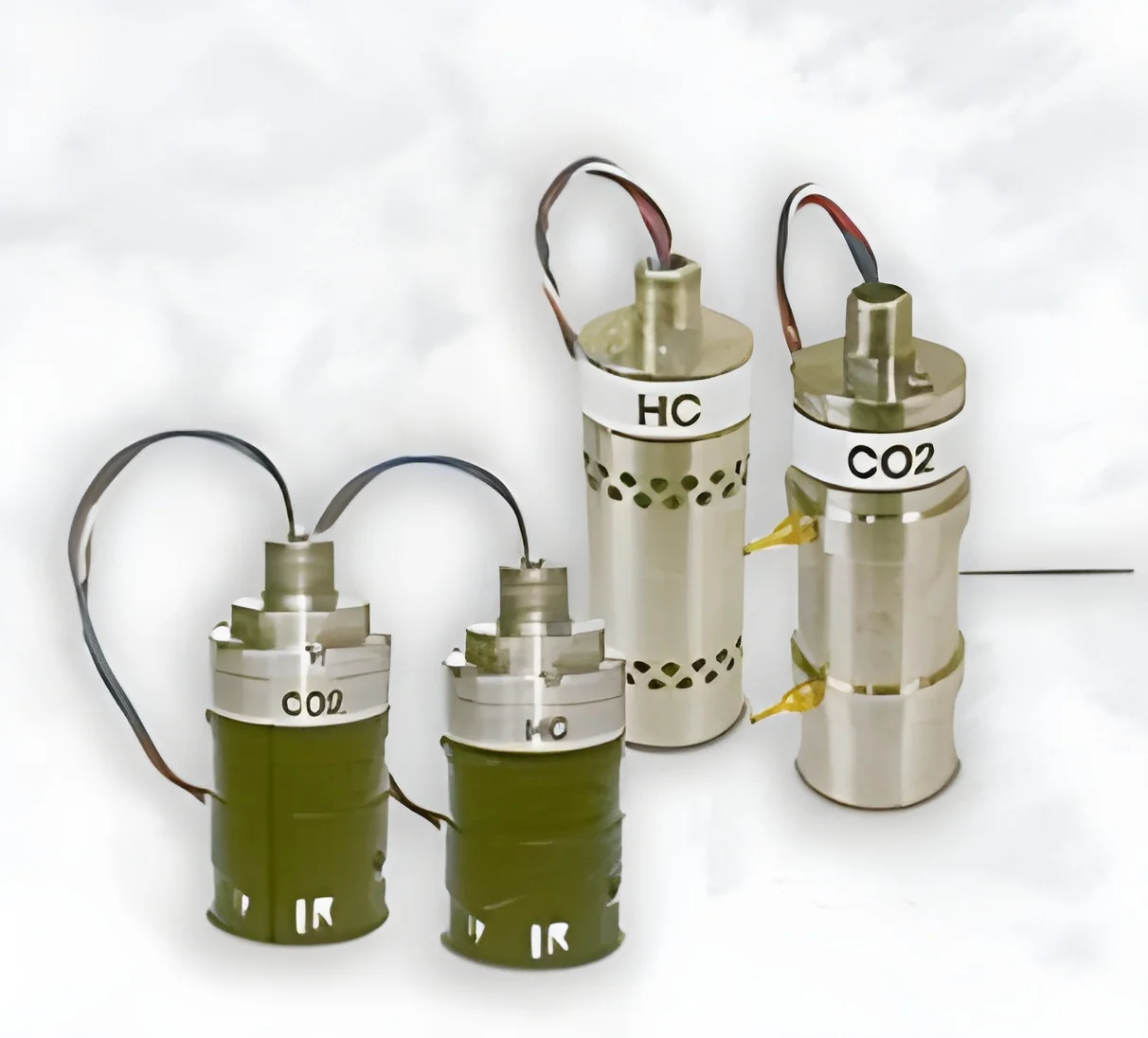
- Various sensor technologies are used, including electrochemical, catalytic, and infrared sensors.
- Each sensor type is optimized for specific gases, ensuring accurate detection.
3. Battery Life
- Multi-Gas Monitors typically have a battery life that varies depending on usage.
- Standard operational times range from 8 to 24 hours on a single charge.
4. Display Type
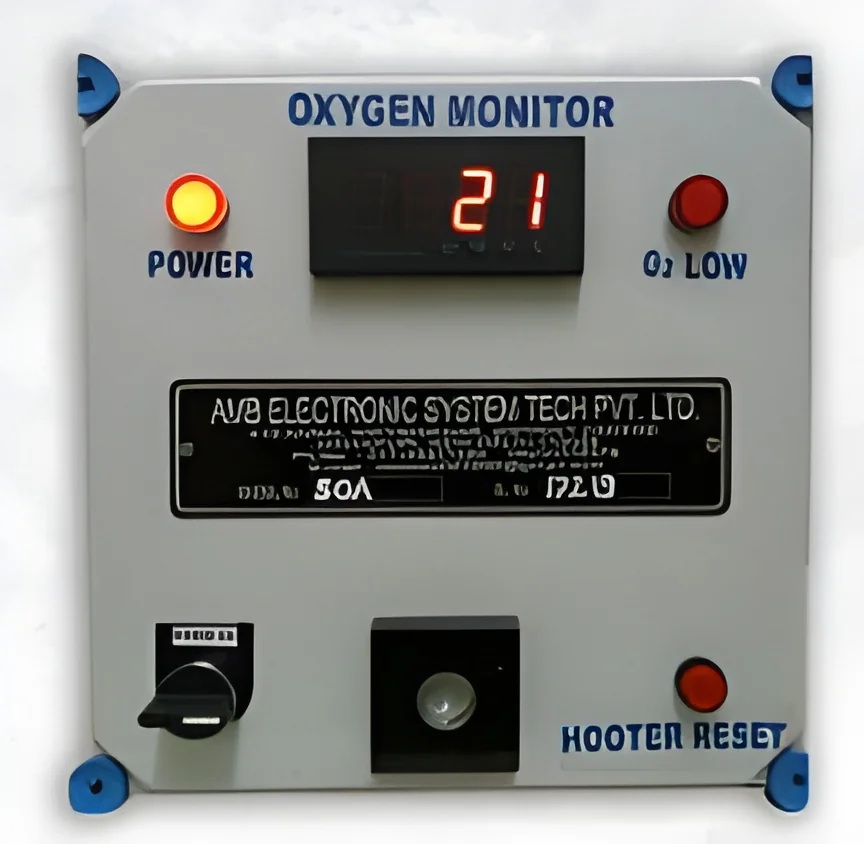
- Digital displays provide real-time readings and alarms.
- Some monitors feature backlit screens for visibility in low-light conditions.
5. Weight and Portability
- Lightweight designs facilitate easy carrying and use in field applications.
- Typical weights range from 0.5 to 2.5 kilograms.
6. Alarms and Notifications
- Audible and visual alarms alert users to dangerous gas levels.
- Some models include vibration alerts for high-risk environments.
7. Data Logging
- Many monitors have built-in data logging capabilities for tracking gas exposure over time.
- Users can analyze historical data for compliance and safety assessments.
8. Calibration and Maintenance
- Regular calibration is required to ensure accuracy, with some models offering automatic calibration features.
- Maintenance schedules vary but are critical for optimal performance.
In summary, the features and specifications of Multi-Gas Monitors make them essential tools for maintaining safety in hazardous environments.
𝗖𝗼𝗺𝗺𝗼𝗻 𝗔𝗽𝗽𝗹𝗶𝗰𝗮𝘁𝗶𝗼𝗻𝘀 𝗮𝗻𝗱 𝗨𝘀𝗲 𝗖𝗮𝘀𝗲𝘀
Multi-Gas Monitors find utility across various sectors, each with specific applications that highlight their importance.
1. Oil and Gas: These monitors are crucial in detecting gases like methane and hydrogen sulfide, which can pose significant safety risks during extraction and processing.
2. Construction: In construction sites, Multi-Gas Monitors are used to ensure safe working conditions in confined spaces, where gas accumulation can occur.
3. Mining: Underground mining operations utilize these monitors to detect hazardous gases, ensuring worker safety and compliance with regulations.
4. Chemical Manufacturing: Facilities handling volatile chemicals benefit from Multi-Gas Monitors to detect leaks and prevent potential disasters.
5. Wastewater Treatment: In wastewater facilities, these devices monitor for harmful gases like ammonia and methane, protecting workers and the environment.
6. Firefighting: Fire departments use Multi-Gas Monitors to assess risks in smoke-filled environments, ensuring the safety of firefighters.
7. Agriculture: In agricultural settings, these monitors can detect gases produced by fertilizers and pesticides, helping to manage safe application and storage.
𝗣𝗿𝗼𝗱𝘂𝗰𝘁 𝗩𝗮𝗿𝗶𝗮𝗻𝘁𝘀 𝗮𝗻𝗱 𝗦𝘂𝗯𝗰𝗮𝘁𝗲𝗴𝗼𝗿𝗶𝗲𝘀
Multi-Gas Monitors are available in several variants, each designed to meet specific operational needs.
Portable Multi-Gas Monitors: These handheld devices are ideal for field use. They are lightweight, easy to carry, and designed for real-time monitoring of multiple gases, making them suitable for various outdoor applications.
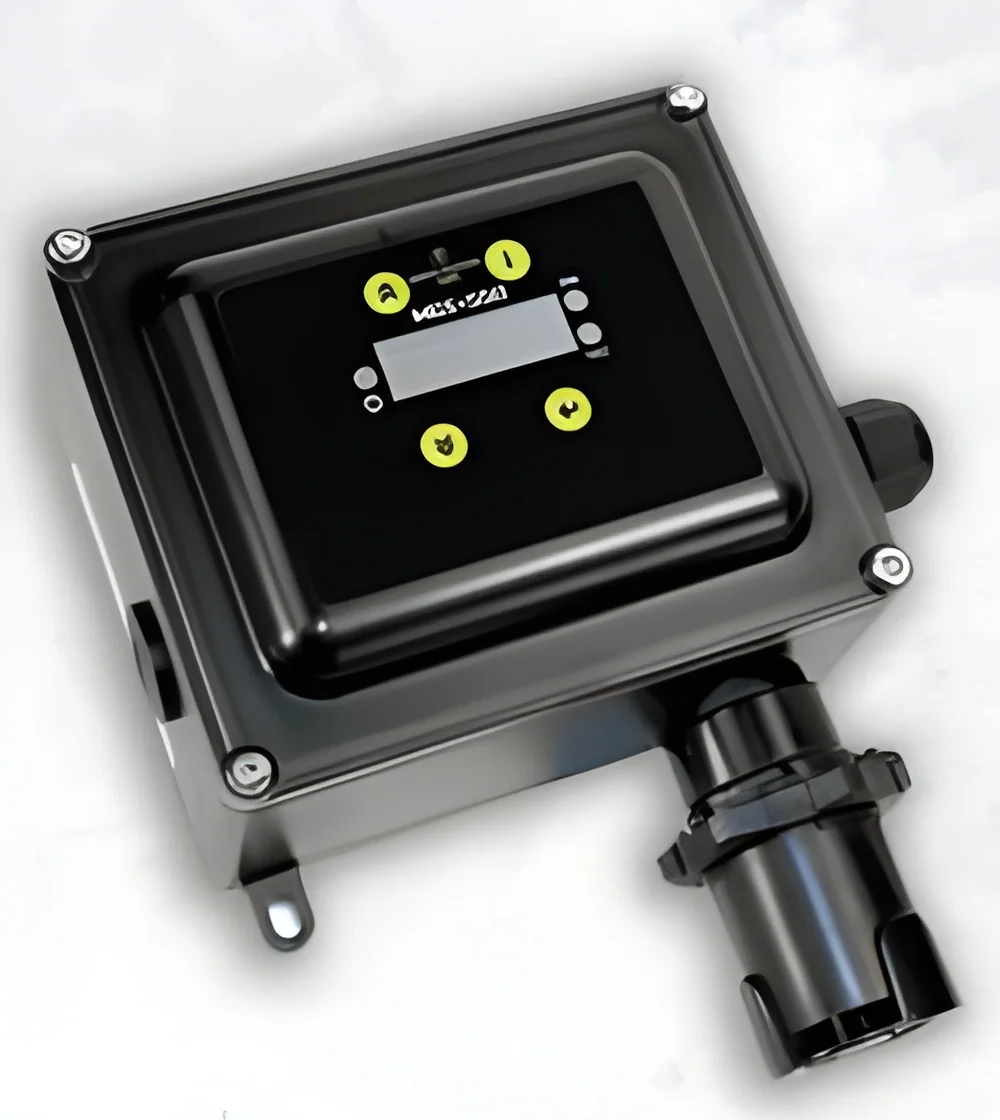
Fixed Multi-Gas Monitors: Installed in specific locations, these monitors provide continuous gas monitoring in industrial settings. They are typically used in environments where constant surveillance is essential for safety.
Multi-Gas Monitors with Pump: Equipped with a sample pump, these monitors can draw air from remote locations, allowing for gas detection in hard-to-reach areas, such as confined spaces.
𝗕𝗲𝗻𝗲𝗳𝗶𝘁𝘀 𝗮𝗻𝗱 𝗔𝗱𝘃𝗮𝗻𝘁𝗮𝗴𝗲𝘀
Multi-Gas Monitors offer numerous benefits that enhance workplace safety and compliance.
1. Enhanced Safety: By providing real-time data on gas levels, these monitors help prevent accidents and protect workers from hazardous exposures.
2. Regulatory Compliance: Utilizing Multi-Gas Monitors helps businesses comply with health and safety regulations, reducing the risk of fines and legal issues.
3. Increased Productivity: By ensuring a safe working environment, these monitors contribute to improved employee morale and productivity.
4. Versatile Applications: Their adaptability makes Multi-Gas Monitors suitable for various industries, ensuring broad usability across different environments.
5. Cost-Effective: Investing in Multi-Gas Monitors can save companies money in the long term by preventing accidents and associated costs.
6. Easy Integration: Many models can be easily integrated into existing safety systems, enhancing overall workplace safety protocols.
𝗕𝘂𝘆𝗶𝗻𝗴 𝗚𝘂𝗶𝗱𝗲 𝗳𝗼𝗿 𝗕𝟮𝗕 𝗕𝘂𝘆𝗲𝗿𝘀
When sourcing Multi-Gas Monitors, it is essential to consider several factors to ensure the best choice for your business needs.
1. Quality Assessment: Evaluate the monitor's build quality and performance. Look for devices that meet recognized industry standards and have a proven reliability track record.
2. Supplier Verification: Research and vet suppliers to ensure they offer quality products and reliable customer service. Check for reviews, certifications, and industry reputation.
3. Pricing and MOQ: Understand the pricing structure and minimum order quantities (MOQ) offered by suppliers. This will help in budgeting and planning purchases effectively.
4. Delivery and Lead Times: Consider the logistics involved in acquiring Multi-Gas Monitors. Ensure that suppliers can meet your delivery expectations and lead times.
5. Compliance Requirements: Verify that the monitors comply with relevant safety standards and regulations in your industry. This is crucial for ensuring legal and operational compliance.
𝗖𝗼𝗺𝗽𝗹𝗶𝗮𝗻𝗰𝗲 𝗮𝗻𝗱 𝗖𝗲𝗿𝘁𝗶𝗳𝗶𝗰𝗮𝘁𝗶𝗼𝗻𝘀
Multi-Gas Monitors must adhere to several compliance and certification standards to guarantee their safety and effectiveness.
Quality standards such as ISO 9001 ensure that manufacturers maintain high-quality management systems throughout production. This standard emphasizes continuous improvement and customer satisfaction.
Industry certifications like CE and UL indicate that the products meet specific safety and performance criteria. CE marking is particularly relevant in European markets, while UL certification is recognized in North America.
Safety and testing requirements are crucial, as these monitors must undergo rigorous evaluations to ensure they function correctly in detecting hazardous gases. Compliance with regional standards is also essential, as regulations may vary significantly across different geographic areas.
𝗪𝗵𝘆 𝗦𝗼𝘂𝗿𝗰𝗲 𝗠𝘂𝗹𝘁𝗶-𝗚𝗮𝘀 𝗠𝗼𝗻𝗶𝘁𝗼𝗿𝘀 𝗳𝗿𝗼𝗺 𝗣𝗲𝗽𝗮𝗴𝗼𝗿𝗮?
Pepagora provides a trusted platform for sourcing Multi-Gas Monitors, offering several key advantages that set it apart from competitors.
Verified Supplier Network: Pepagora has established a reliable network of verified suppliers, ensuring that buyers can access high-quality products with confidence. This verification process helps mitigate risks associated with purchasing.
Streamlined RFQ Process: The request for quotation (RFQ) process on Pepagora is designed to be user-friendly, allowing buyers to easily compare options and receive competitive pricing from multiple suppliers.
Trade Assurance and Support: Pepagora offers trade assurance programs that protect buyers throughout the purchasing process. This support helps ensure a smooth transaction and provides peace of mind.
Regional Coverage: With a focus on expanding its geographic reach, Pepagora serves markets across India, the GCC, and Southeast Asia. This broad coverage allows businesses in various regions to access reliable Multi-Gas Monitors tailored to their needs.

 IN
IN