What are Rubber Insulating Gloves & Mats?
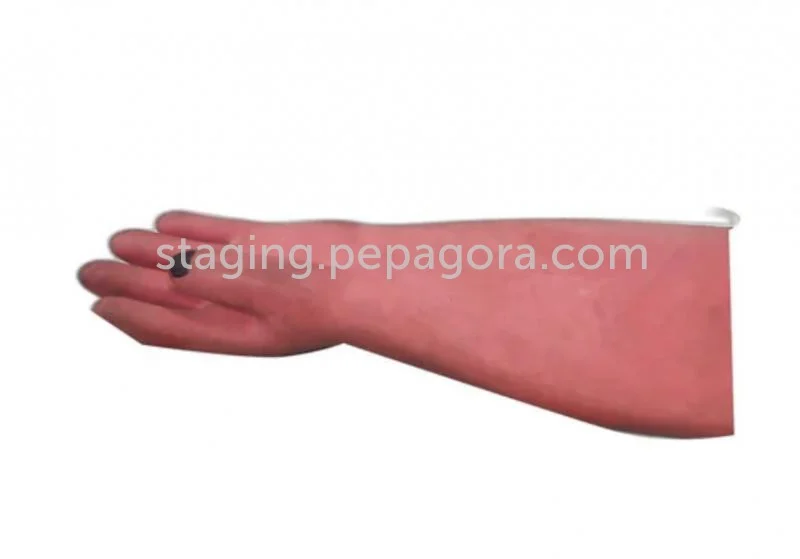
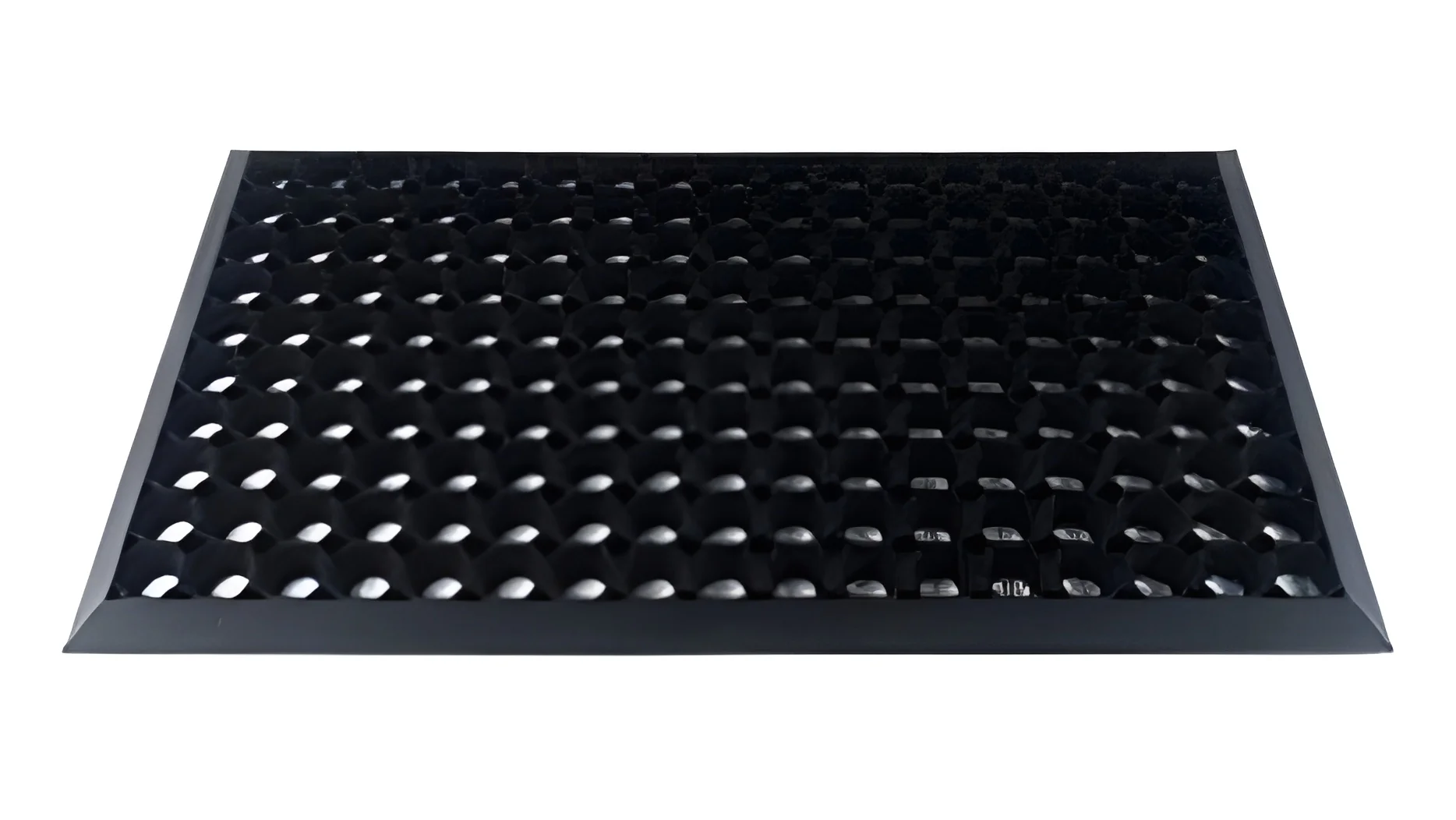
Rubber insulating gloves and mats are essential safety products designed to protect workers from electrical hazards. These items are constructed from high-quality rubber compounds that provide insulation against electrical currents. The gloves are worn to ensure that personnel can handle live electrical components safely, while mats are used to create a protective barrier on the ground, preventing electrical shocks during maintenance or repair work.
The primary uses of rubber insulating gloves and mats are found in various industries where electrical work is prevalent. Electricians, maintenance workers, and utility personnel frequently use these products to safeguard themselves from potential electrical hazards. Businesses in sectors such as construction, manufacturing, and energy rely on these safety items to comply with regulations and ensure the safety of their workforce.
In today's market, the relevance of rubber insulating gloves and mats is paramount due to increasing safety standards and regulations. Industries are continually seeking products that not only meet compliance requirements but also enhance worker safety. As a response to these demands, manufacturers are innovating and improving their offerings to ensure that they provide reliable protection against electrical risks.
Key Features and Specifications
Rubber insulating gloves and mats come with a variety of features and specifications that make them suitable for a range of applications. These specifications highlight their effectiveness and reliability in protecting users from electrical hazards.
Key specifications include:
1. Voltage Rating
- Gloves are available in various voltage ratings to protect against different levels of electrical current.
- Typical ratings include 1,000 volts, 5,000 volts, and 10,000 volts.
2. Material Composition
- Made from high-grade rubber compounds that provide excellent insulation properties.
- Materials may include natural rubber or synthetic blends for enhanced durability.
3. Thickness
- The thickness of gloves and mats can vary, impacting their protective capabilities.
- Common thickness ranges are between 0.8 mm to 2.5 mm.
4. Size Options
- Gloves are available in multiple sizes to ensure a proper fit for users.
- Common size ranges include small, medium, large, and extra-large.
5. Surface Texture
- Gloves may feature textured surfaces for improved grip and dexterity.
- Mats often have non-slip surfaces to enhance stability.
6. Compliance Standards
- Products meet various safety standards such as CE and UL certifications.
- Compliance with industry standards ensures reliability and safety.
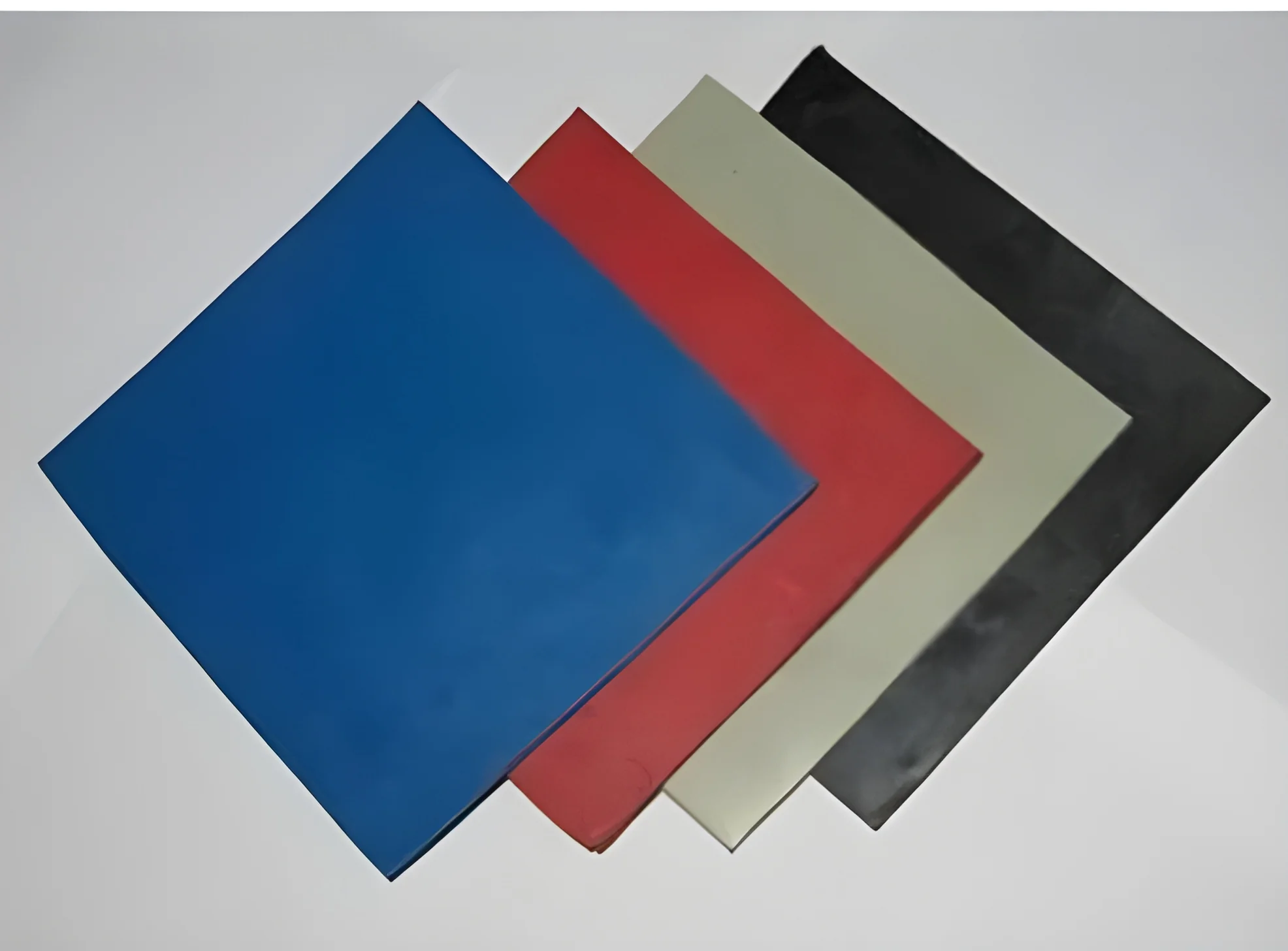
7. Color Coding
- Gloves often come in color-coded designs to signify different voltage ratings.
- Mats may also be color-coded for quick identification of their intended use.
8. Temperature Resistance
- Gloves and mats are designed to withstand a range of temperatures.
- Specifications may indicate safe operating temperature ranges.
In summary, the features and specifications of rubber insulating gloves and mats play a critical role in their effectiveness and suitability for various industrial applications. By understanding these attributes, businesses can make informed decisions when selecting safety products.
Common Applications and Use Cases
Rubber insulating gloves and mats find usage across numerous industries where electrical safety is a concern.
1. Electrical Utilities: Workers in electrical utilities use these products to prevent electrical shocks while repairing or maintaining power lines and substations.
2. Construction: Electricians and construction workers rely on insulating gloves and mats to ensure safety while working with wiring and electrical systems in buildings.
3. Manufacturing: In manufacturing environments, personnel handling electrical equipment depend on these safety items to mitigate risks associated with machinery maintenance.
4. Telecommunications: Field technicians use rubber insulating products while installing and repairing telecommunications infrastructure, ensuring protection from electrical hazards.
5. Aerospace: Workers in the aerospace industry utilize these products to safely work on electrical systems within aircraft, safeguarding against potential electrical failures.
6. Automotive: Automotive technicians wear insulating gloves when working on electric vehicles or hybrid systems, ensuring their safety during repairs.
7. Mining: In mining operations, employees use rubber insulating mats to provide a safe working environment in areas where electrical equipment is present.
Product Variants and Subcategories
Rubber insulating gloves and mats come in various variants to cater to different industrial needs.
High Voltage Gloves: These gloves are designed for use in high voltage situations, providing superior protection against electrical hazards. They are often thicker and made from specialized rubber to withstand higher currents.
Electrician Gloves: Tailored for electricians, these gloves offer a balance of flexibility and protection, allowing for dexterous handling of tools and wiring while maintaining safety standards.
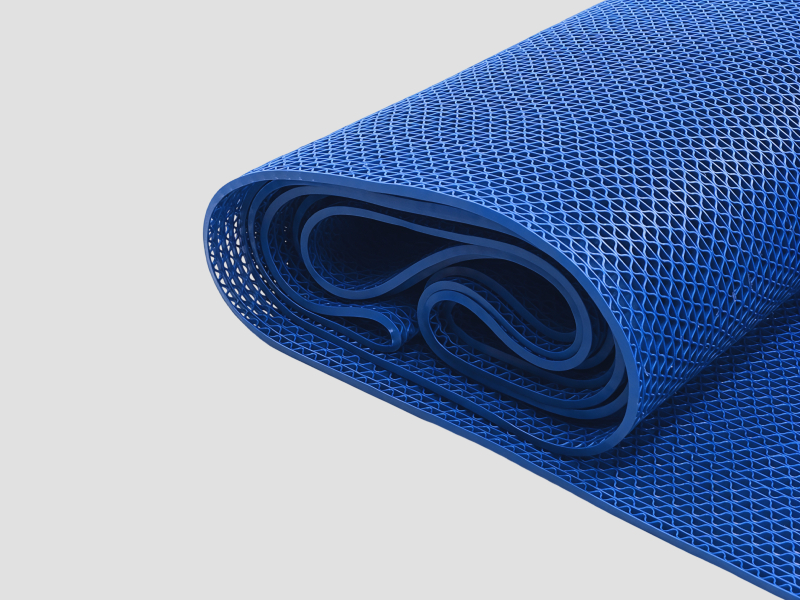
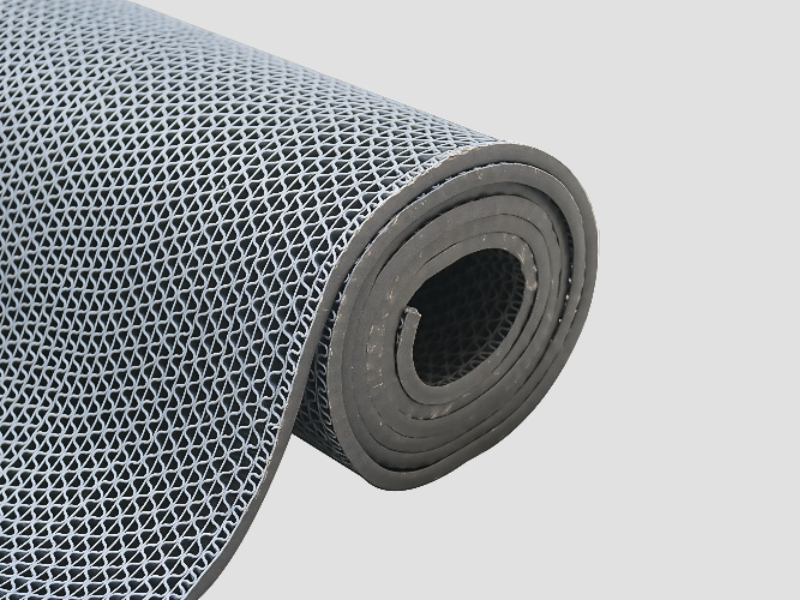
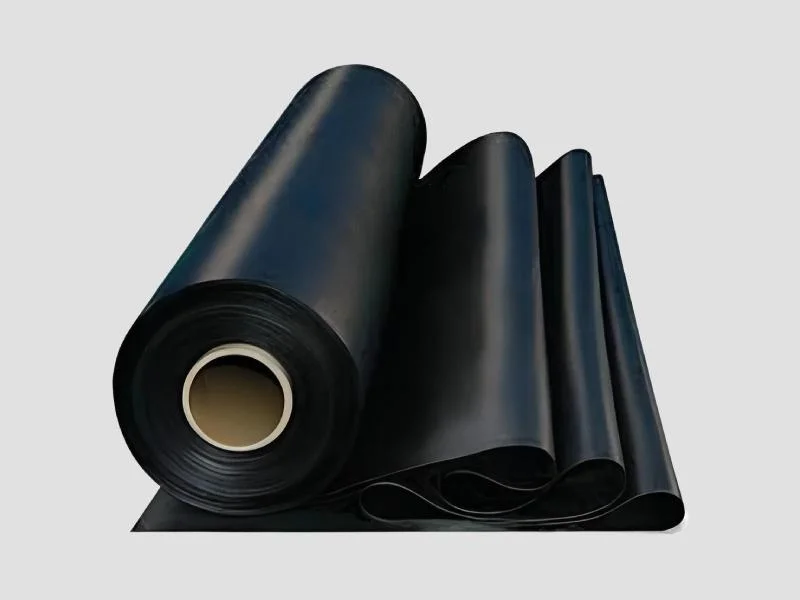
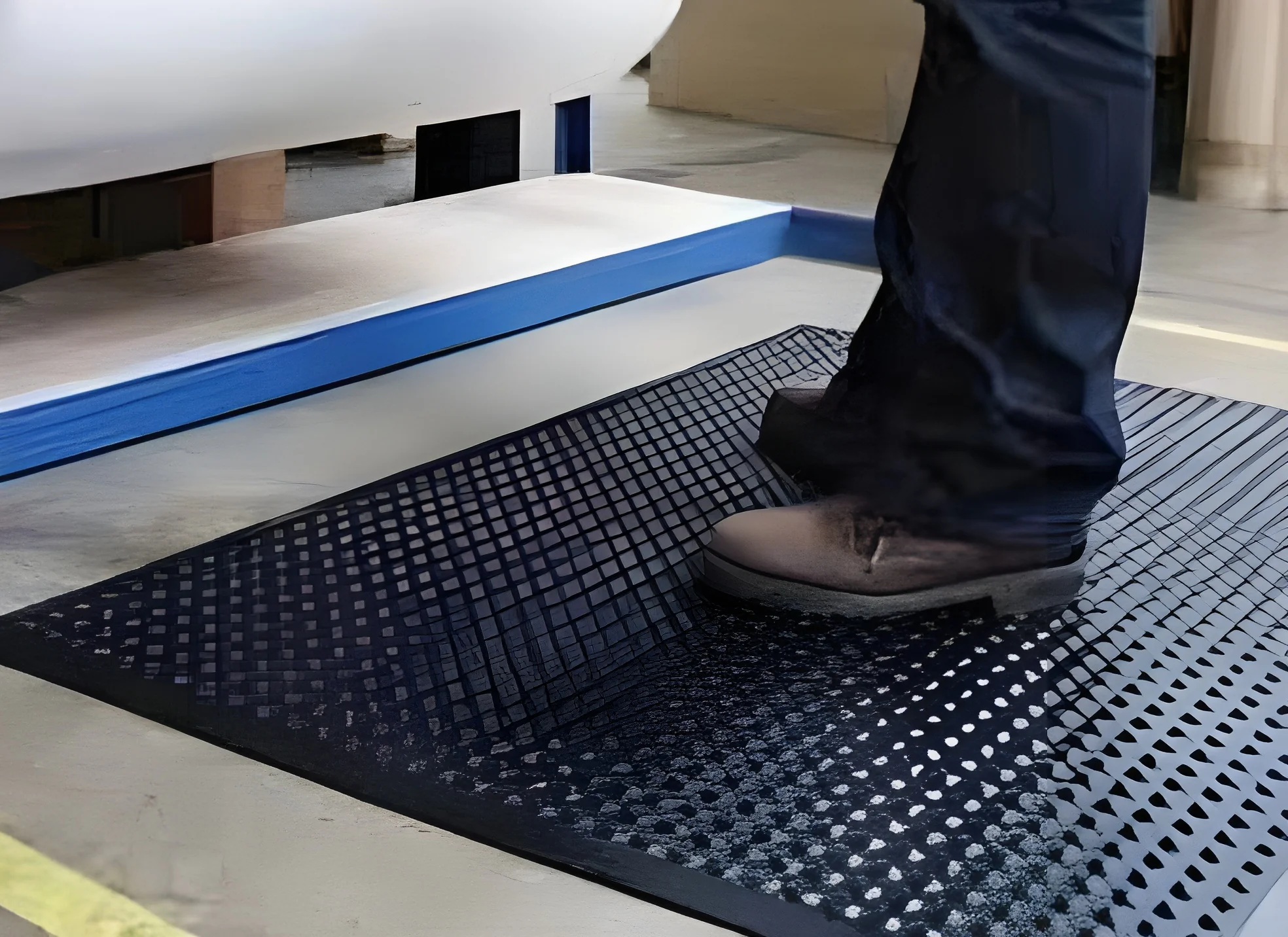
Insulating Mats: These mats are used on the ground to provide an additional layer of safety for workers. They are available in various sizes and voltage ratings to suit different applications.
Benefits and Advantages
Rubber insulating gloves and mats offer numerous benefits for businesses and their employees.
1. Enhanced Safety: These products significantly reduce the risk of electrical shocks, providing a safer working environment for employees.
2. Compliance Assurance: Using certified gloves and mats helps businesses comply with safety regulations and standards, minimizing legal risks.
3. Durability: Made from high-quality materials, these products are designed to withstand wear and tear, ensuring long-lasting use.
4. Improved Productivity: By ensuring worker safety, businesses can reduce downtime caused by accidents, leading to improved overall productivity.
5. Versatility: Rubber insulating gloves and mats are suitable for various industries, making them a versatile choice for safety equipment.
6. Cost-Effectiveness: Investing in high-quality insulating gloves and mats can lead to fewer workplace accidents, ultimately saving costs related to injuries and compliance fines.
Buying Guide for B2B Buyers
When sourcing rubber insulating gloves and mats, B2B buyers should consider several important factors to ensure they make the right choice.
1. Quality Assessment: Look for products that meet recognized safety standards and certifications. Assessing the quality of materials and construction is crucial for effective protection.
2. Supplier Verification: Vet potential suppliers to ensure they have a good reputation and are known for providing high-quality safety products. Check for customer reviews and industry credentials.
3. Pricing and MOQ: Understand the pricing structure and minimum order quantities. Compare costs among suppliers while considering the quality of products offered.
4. Delivery and Lead Times: Discuss logistics with suppliers to determine delivery schedules and lead times. Timely delivery is essential for maintaining safety stock.
5. Compliance Requirements: Ensure that the products sourced comply with relevant industry safety regulations. Understanding regional compliance considerations is also vital for avoiding legal issues.
Compliance and Certifications
Rubber insulating gloves and mats are subject to various quality standards and certifications that ensure their effectiveness and safety in industrial applications.
Products often comply with ISO 9001, which emphasizes quality management systems and product consistency. This certification assures buyers of the reliability and quality of the products they purchase.
In addition to ISO standards, industry certifications such as CE and UL confirm that rubber insulating gloves and mats meet specific safety requirements. These certifications are critical for businesses aiming to maintain compliance with safety regulations.
Safety and testing requirements also play a significant role in the manufacturing of these products. Regular testing ensures that gloves and mats perform as intended, providing adequate protection against electrical hazards.
Finally, regional compliance considerations are essential, as different countries may have unique safety regulations. Understanding these differences helps businesses ensure that they are sourcing compliant products.
Why Source Rubber Insulating Gloves & Mats from Pepagora?
Pepagora offers a trusted platform for businesses seeking to source high-quality rubber insulating gloves and mats, providing several key advantages.
Verified Supplier Network: Pepagora has established a robust network of verified suppliers, ensuring that buyers have access to reliable products from reputable manufacturers. This network helps mitigate risks associated with sourcing.
Streamlined RFQ Process: The platform enables a smooth request for quotation (RFQ) process, allowing buyers to easily compare offers and make informed decisions based on price and quality.
Trade Assurance and Support: Pepagora offers trade assurance to protect buyers throughout the sourcing process. This includes support for resolving issues and ensuring that products meet specified requirements.
Regional Coverage: With a broad geographic reach that includes India, the GCC, and Southeast Asia, Pepagora caters to businesses across diverse markets, making it easier for buyers to find the right products for their needs.

 IN
IN