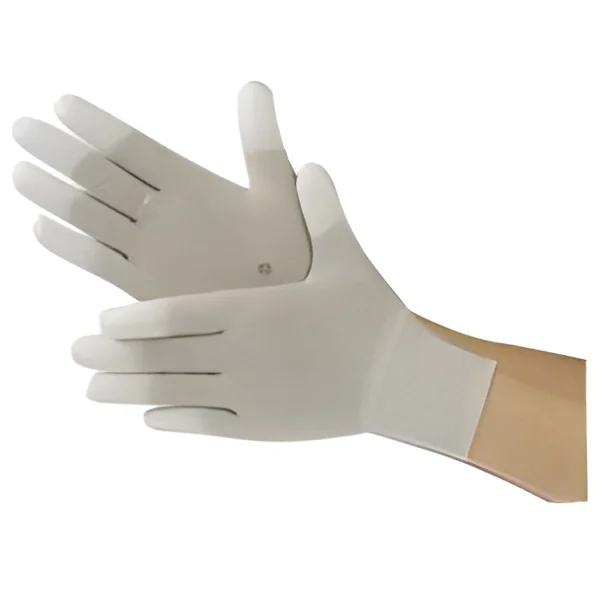
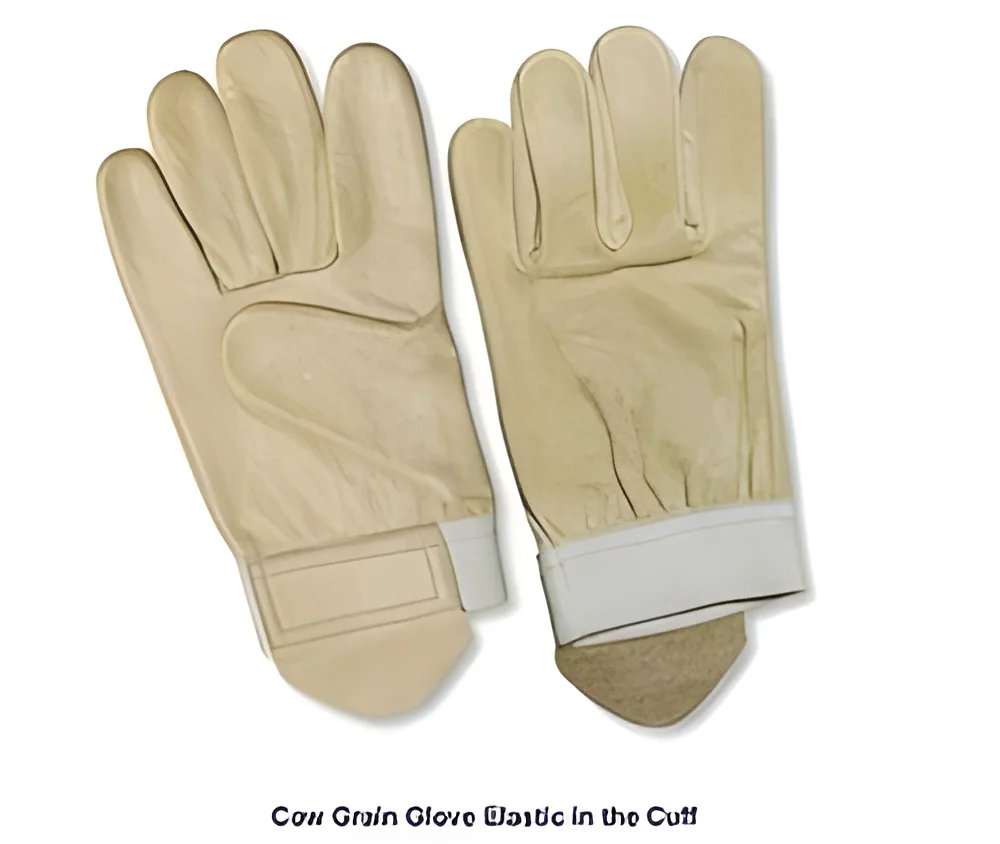
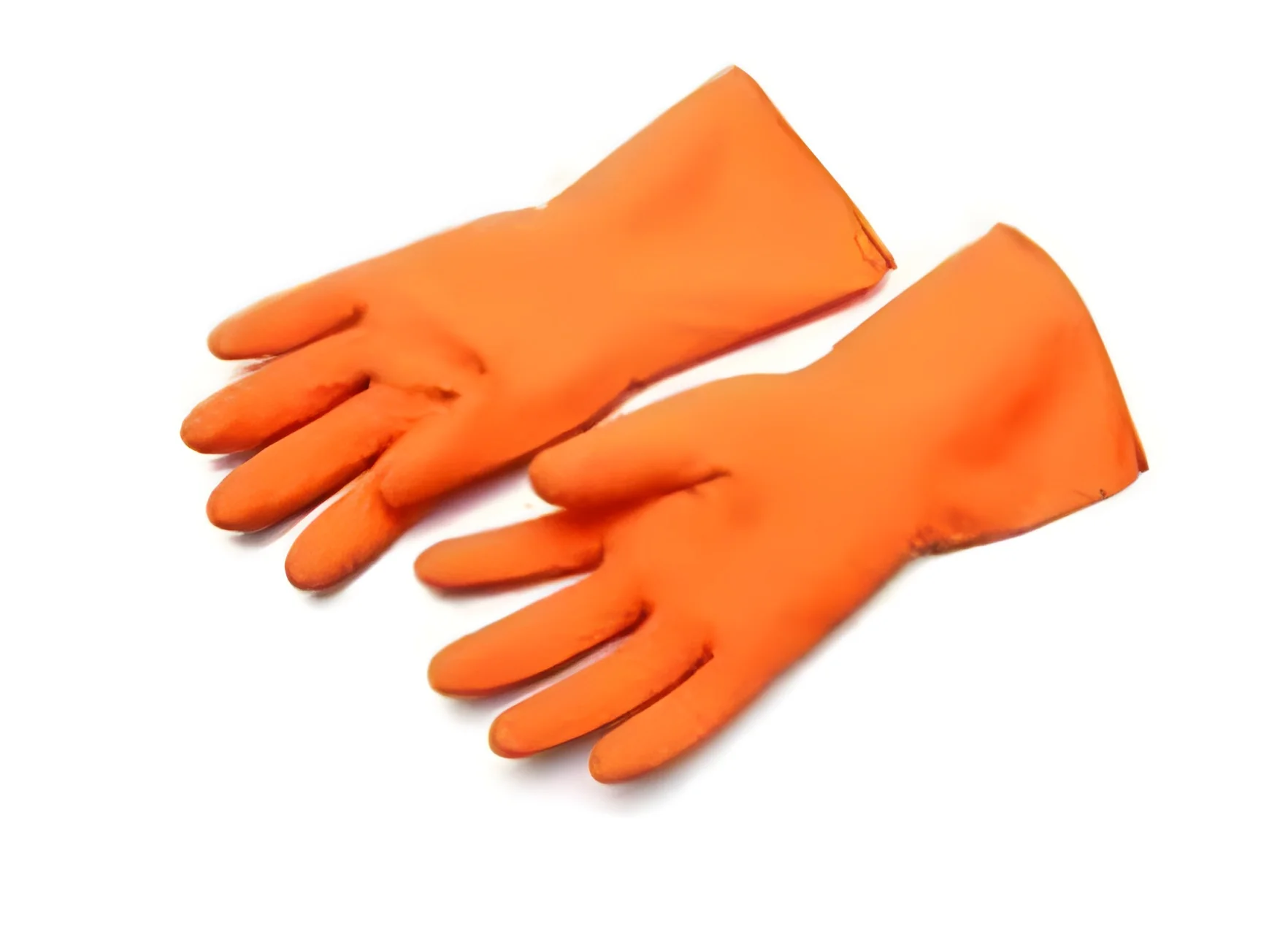
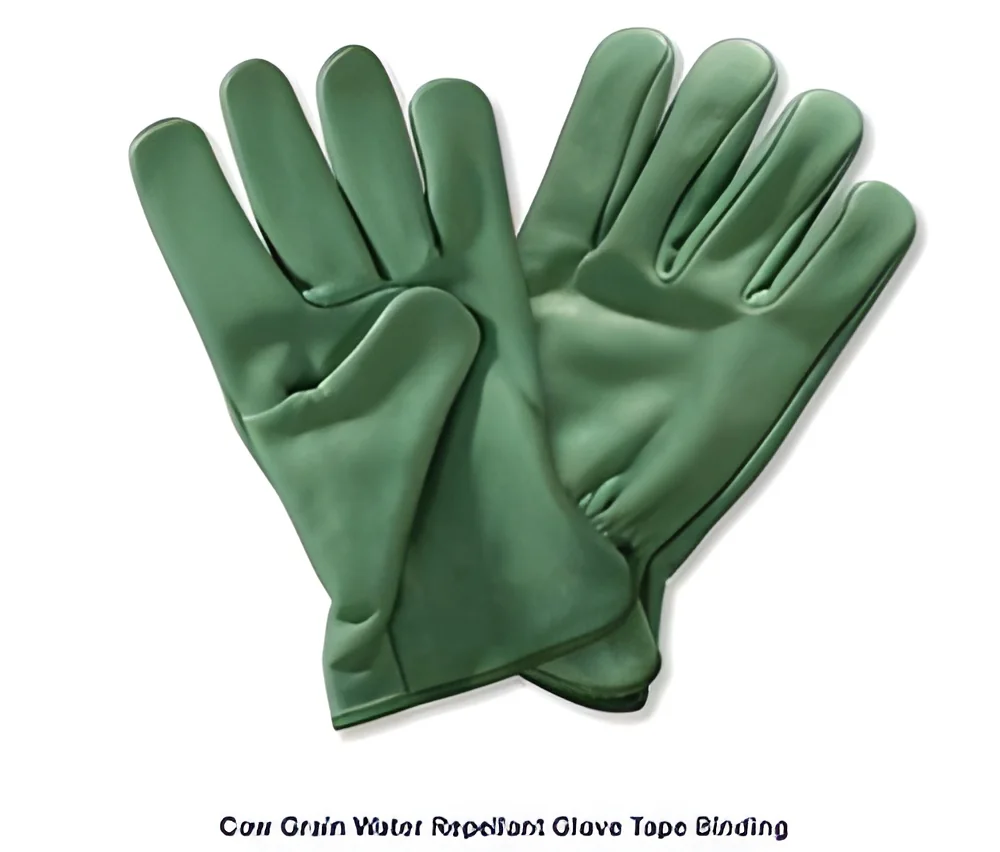
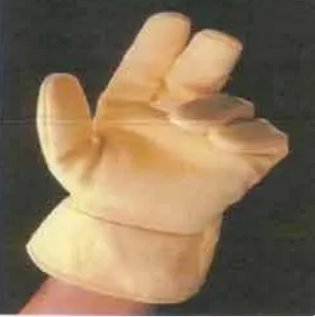
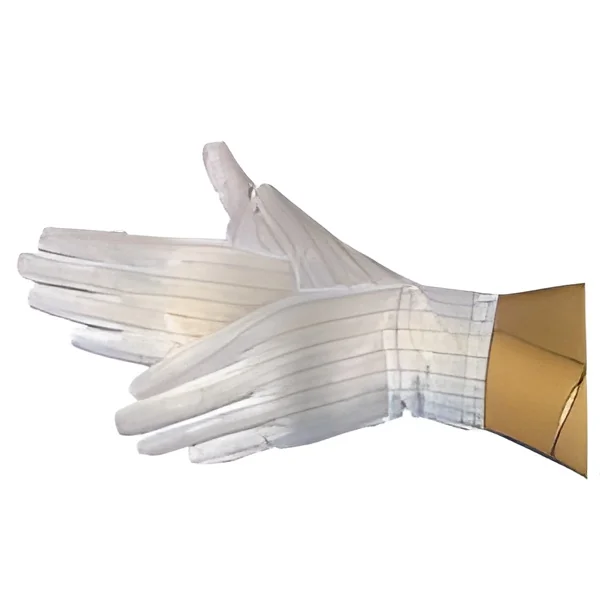
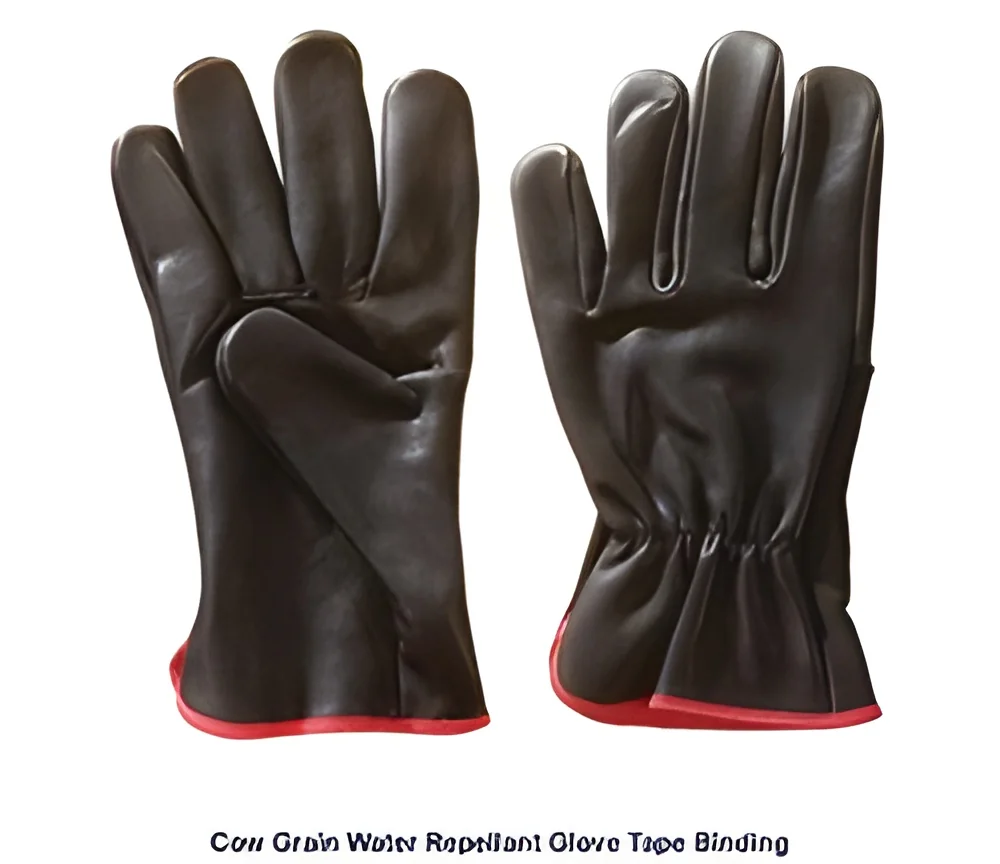
What are Safety Gloves (Cut Resistant, Chemical, Heat)?
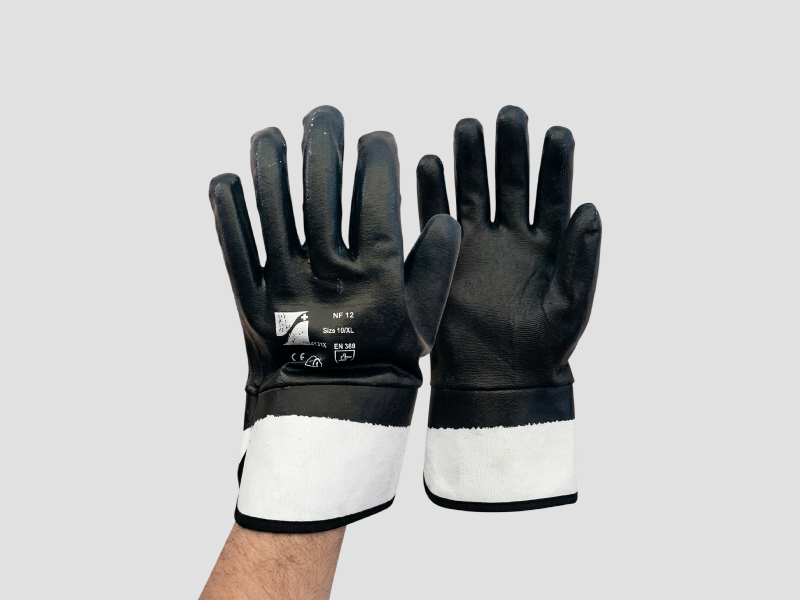
Safety gloves are essential personal protective equipment designed to safeguard hands from various hazards in the workplace. These gloves are categorized into three main types: cut resistant, chemical, and heat-resistant. Cut-resistant gloves protect against cuts and lacerations, chemical gloves offer protection from hazardous substances, and heat-resistant gloves are designed to withstand high temperatures. Each type features specific materials and construction that enhance their protective capabilities.
The primary uses of safety gloves span multiple industries, including manufacturing, construction, food processing, and chemical handling. In manufacturing settings, cut-resistant gloves help prevent injuries while handling sharp objects. Chemical gloves are crucial in laboratories and chemical plants to prevent skin exposure to harmful substances. Heat-resistant gloves are commonly used in welding and metalworking environments to protect workers from burns. The relevance of these gloves in various industries highlights their importance in ensuring employee safety and compliance with workplace regulations.
𝗞𝗲𝘆 𝗙𝗲𝗮𝘁𝘂𝗿𝗲𝘀 𝗮𝗻𝗱 𝗦𝗽𝗲𝗰𝗶𝗳𝗶𝗰𝗮𝘁𝗶𝗼𝗻𝘀
Safety gloves are designed with features that cater to specific protection needs. Understanding these specifications is vital for selecting the right gloves for your business applications.
Key specifications include:
1. Cut Resistance Level
- Measured using the EN 388 standard.
- Levels range from A (lowest) to F (highest) indicating the glove's ability to withstand cuts.
2. Chemical Resistance
- Evaluated based on the types of chemicals the glove can protect against.
- Gloves are often rated for specific chemicals, allowing users to choose based on their needs.
3. Heat Resistance
- Classified by the maximum temperature the glove can withstand.
- Generally, gloves are rated for specific temperature ranges, ensuring safety in high-heat environments.
4. Dexterity
- Refers to the glove's ability to allow fine motor skills.
- Important for tasks requiring precision.
5. Grip
- Enhanced through textured surfaces or specific materials.
- Essential for handling objects securely.
6. Comfort and Fit
- Includes factors like breathability and flexibility.
- Affects how long gloves can be worn comfortably.
7. Material Composition
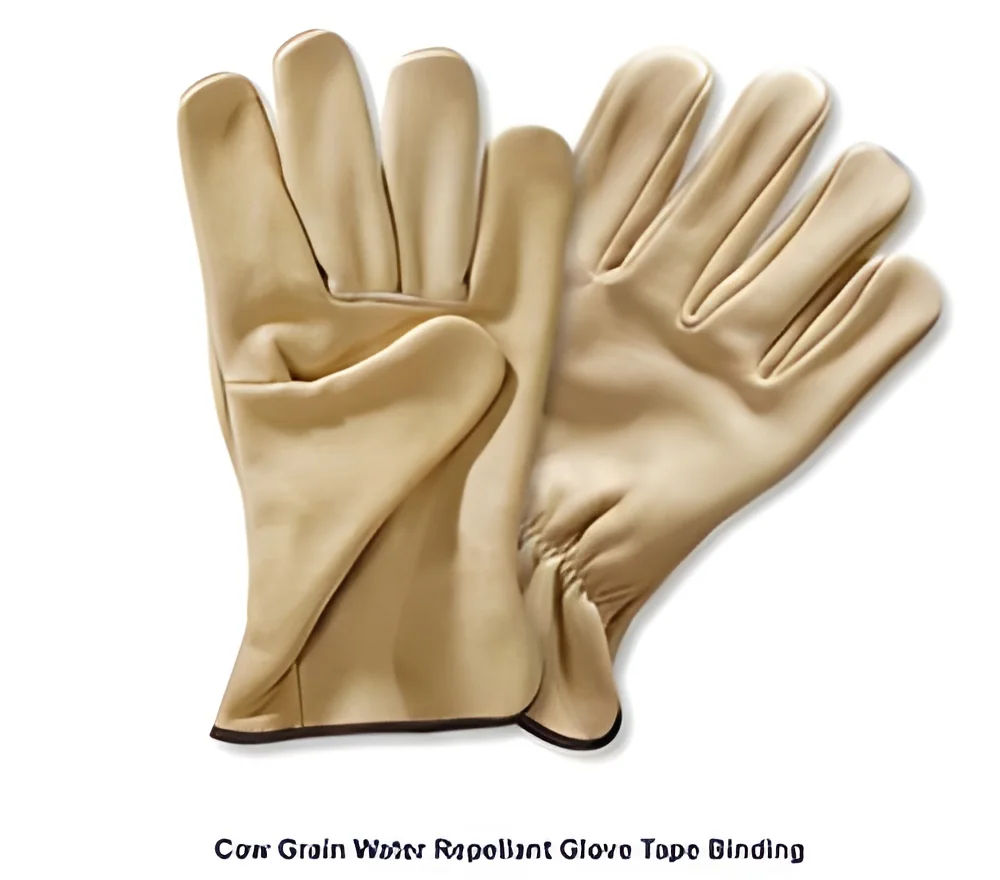
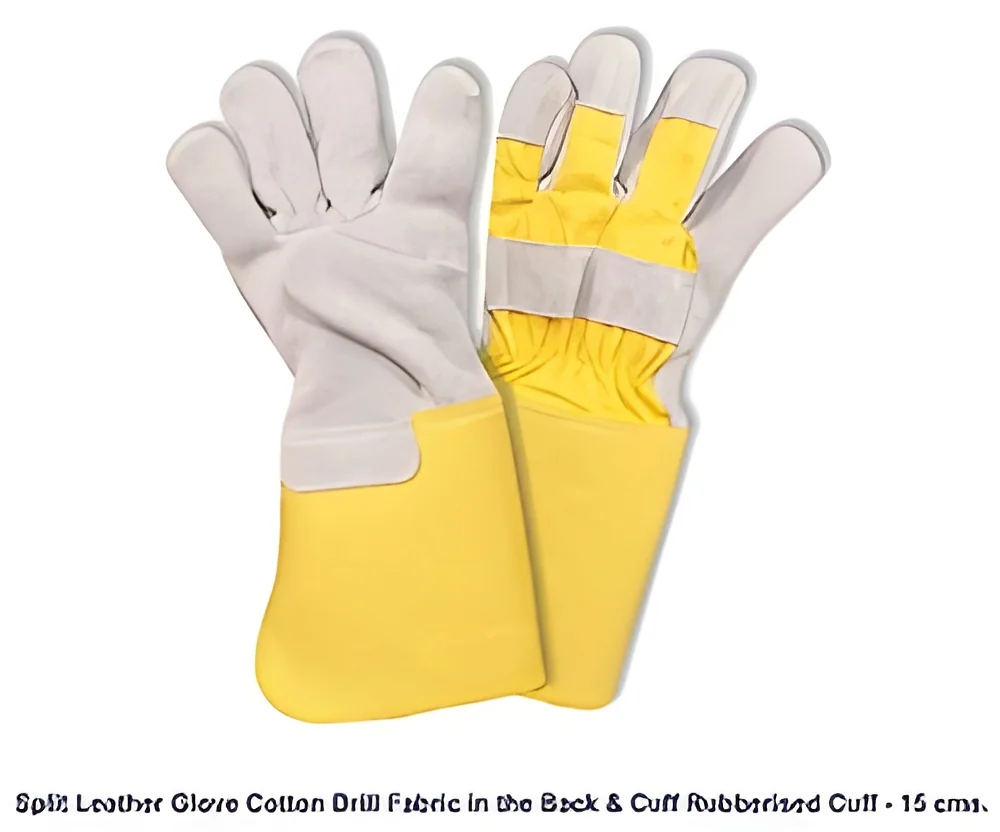
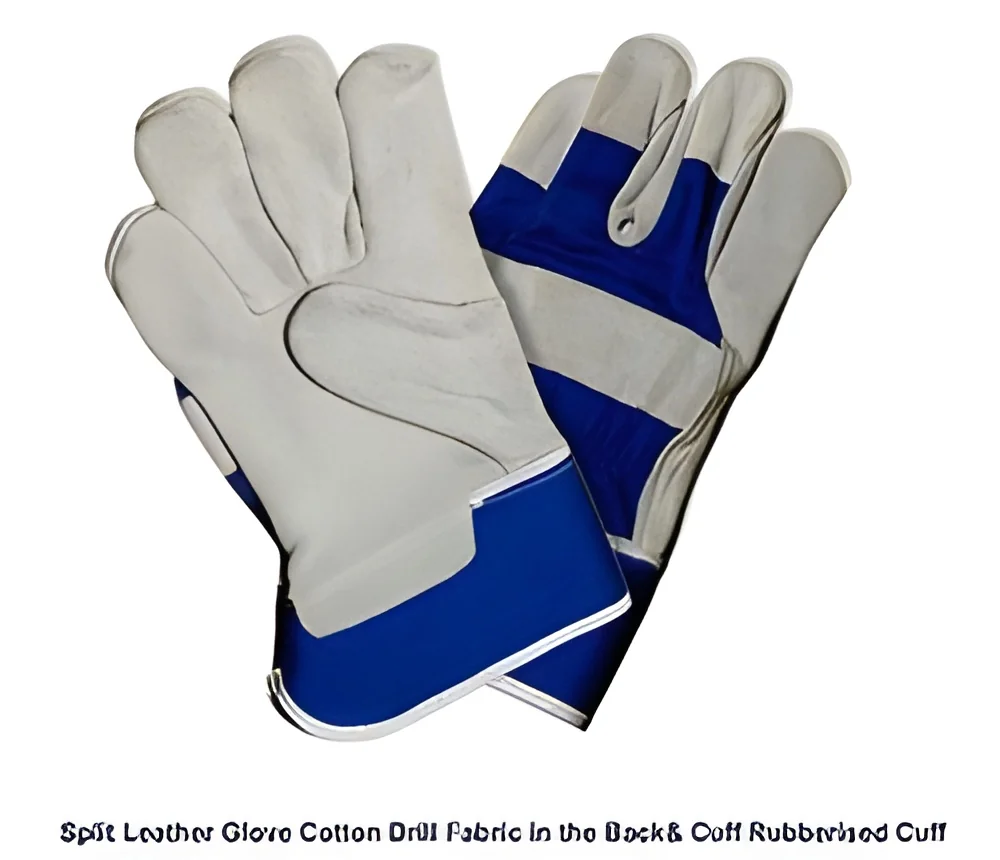
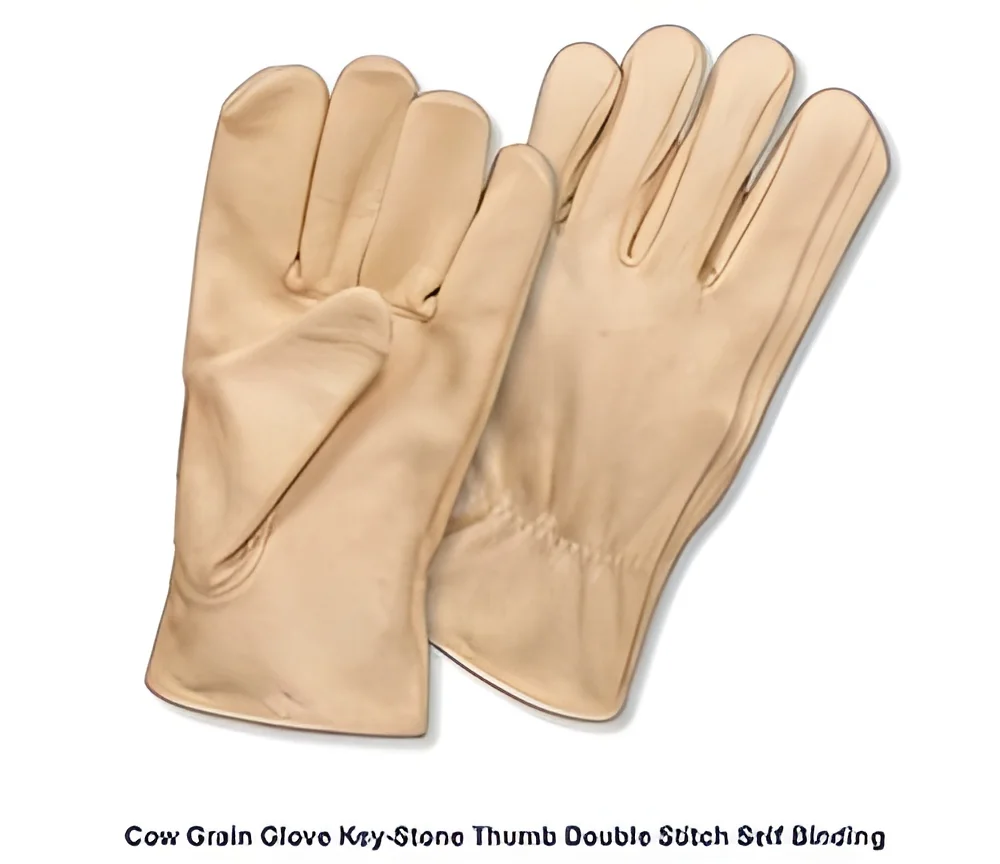
- Common materials include Kevlar, nitrile, latex, and leather.
- Each material offers different levels of protection and comfort.
8. Compliance and Certifications
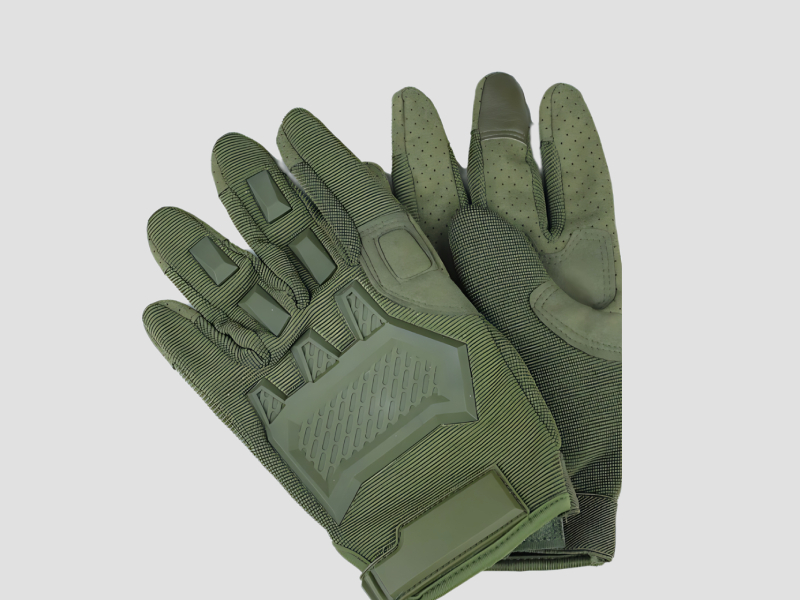
- Gloves may meet certain regulatory standards like CE certification.
- Ensures products are tested for safety and performance.
In summary, understanding these key features and specifications helps businesses select the appropriate safety gloves for their specific operational needs.
𝗖𝗼𝗺𝗺𝗼𝗻 𝗔𝗽𝗽𝗹𝗶𝗰𝗮𝘁𝗶𝗼𝗻𝘀 𝗮𝗻𝗱 𝗨𝘀𝗲 𝗖𝗮𝘀𝗲𝘀
Safety gloves find application across various industries, providing essential protection for workers.
1. Manufacturing: In manufacturing, cut-resistant gloves protect workers from sharp edges when handling materials and machinery.
2. Chemical Processing: Chemical gloves are vital in chemical processing plants to prevent skin contact with hazardous chemicals.
3. Food Industry: In food processing, cut-resistant gloves help maintain hygiene while ensuring safety from cuts when handling knives and sharp tools.
4. Construction: Heat-resistant gloves are commonly used in construction sites to protect workers from burns when handling hot materials.
5. Automotive: In the automotive industry, gloves are used to safeguard against both chemical exposure and cuts while working on vehicles.
6. Oil and Gas: Workers in the oil and gas sector use specialized gloves to protect against chemical spills and high temperatures.
7. Healthcare: In healthcare, gloves are essential for safeguarding against infection and contamination, particularly in laboratories.
𝗣𝗿𝗼𝗱𝘂𝗰𝘁 𝗩𝗮𝗿𝗶𝗮𝗻𝘁𝘀 𝗮𝗻𝗱 𝗦𝘂𝗯𝗰𝗮𝘁𝗲𝗴𝗼𝗿𝗶𝗲𝘀
Safety gloves are available in various types to meet different safety requirements.
Cut Resistant Gloves
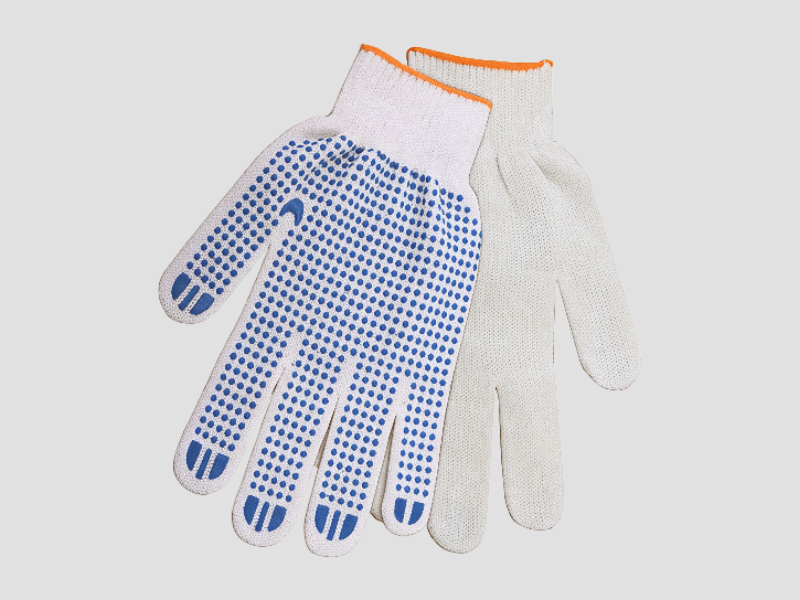
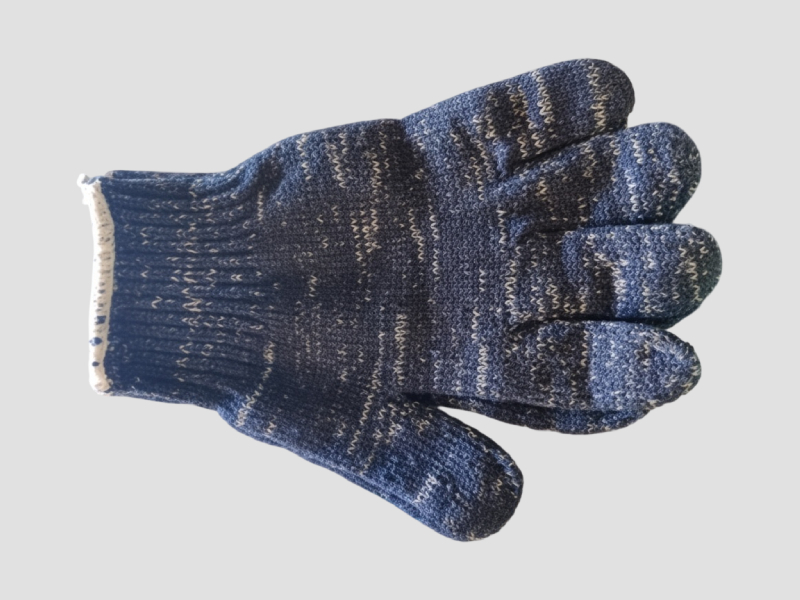
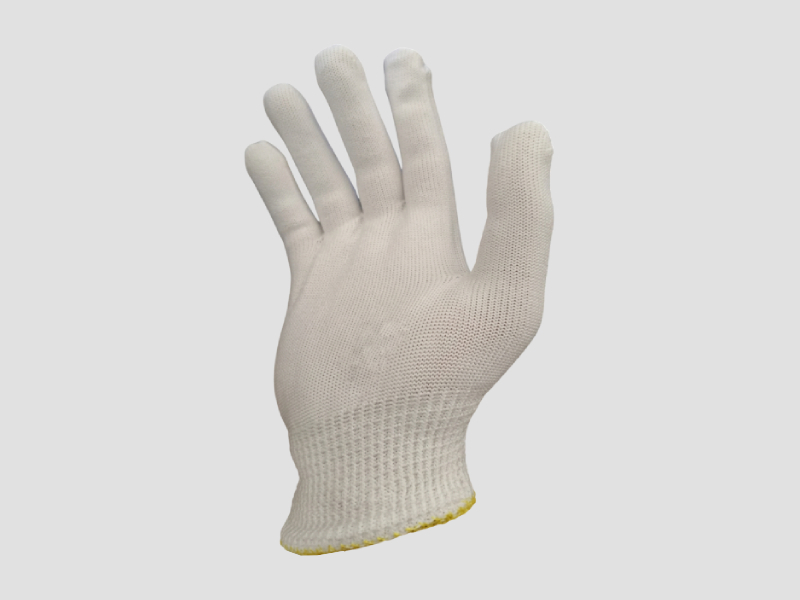
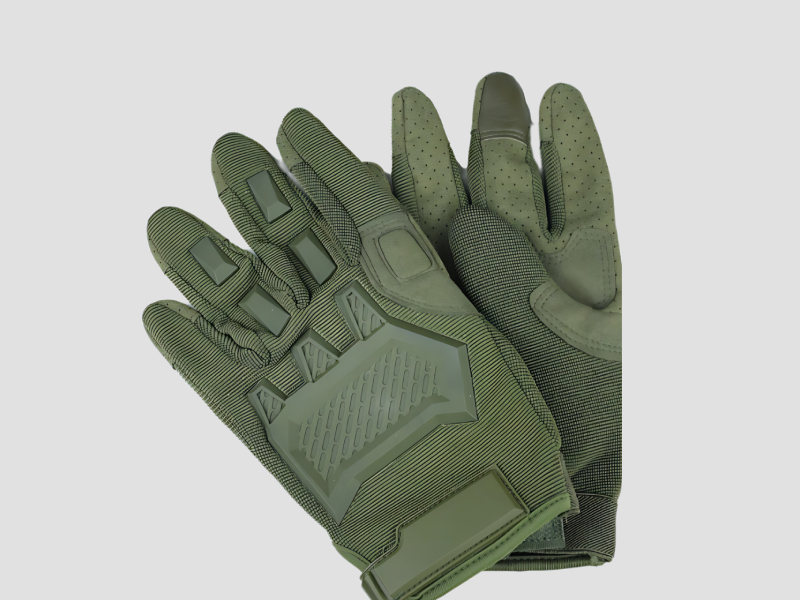
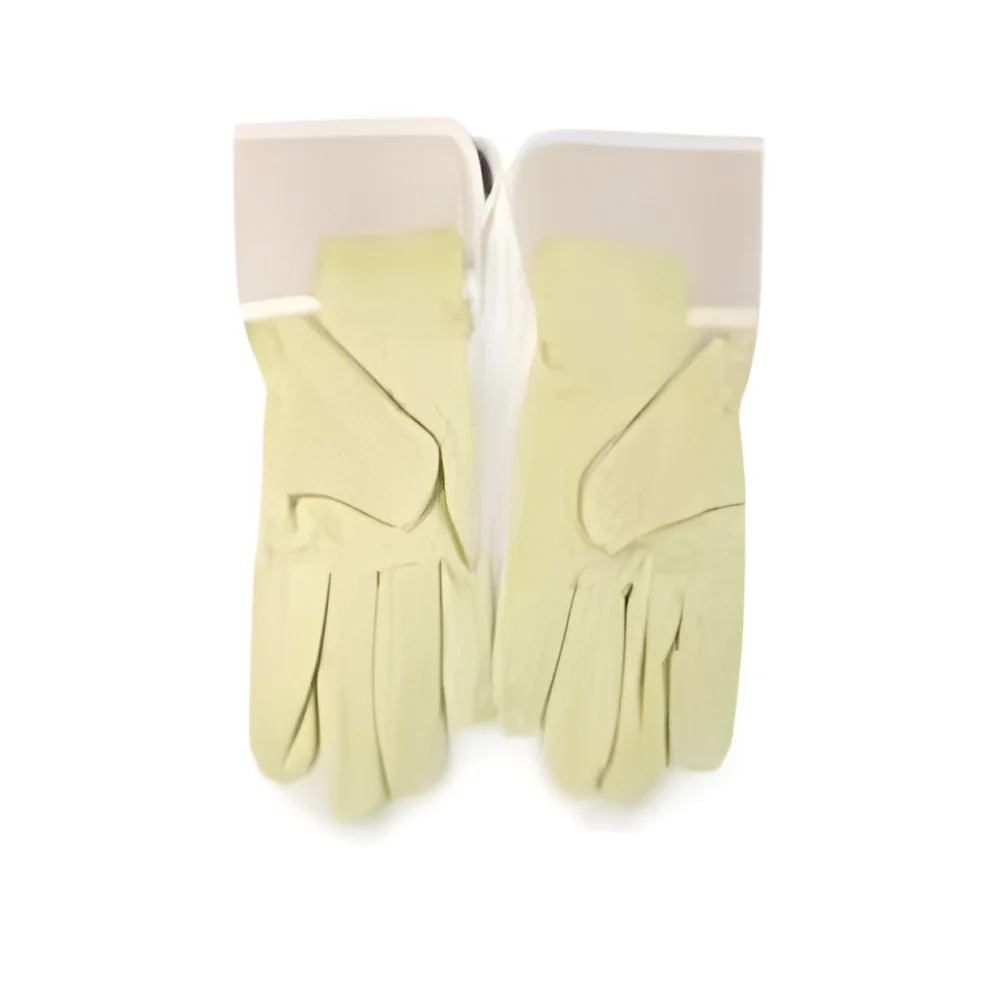
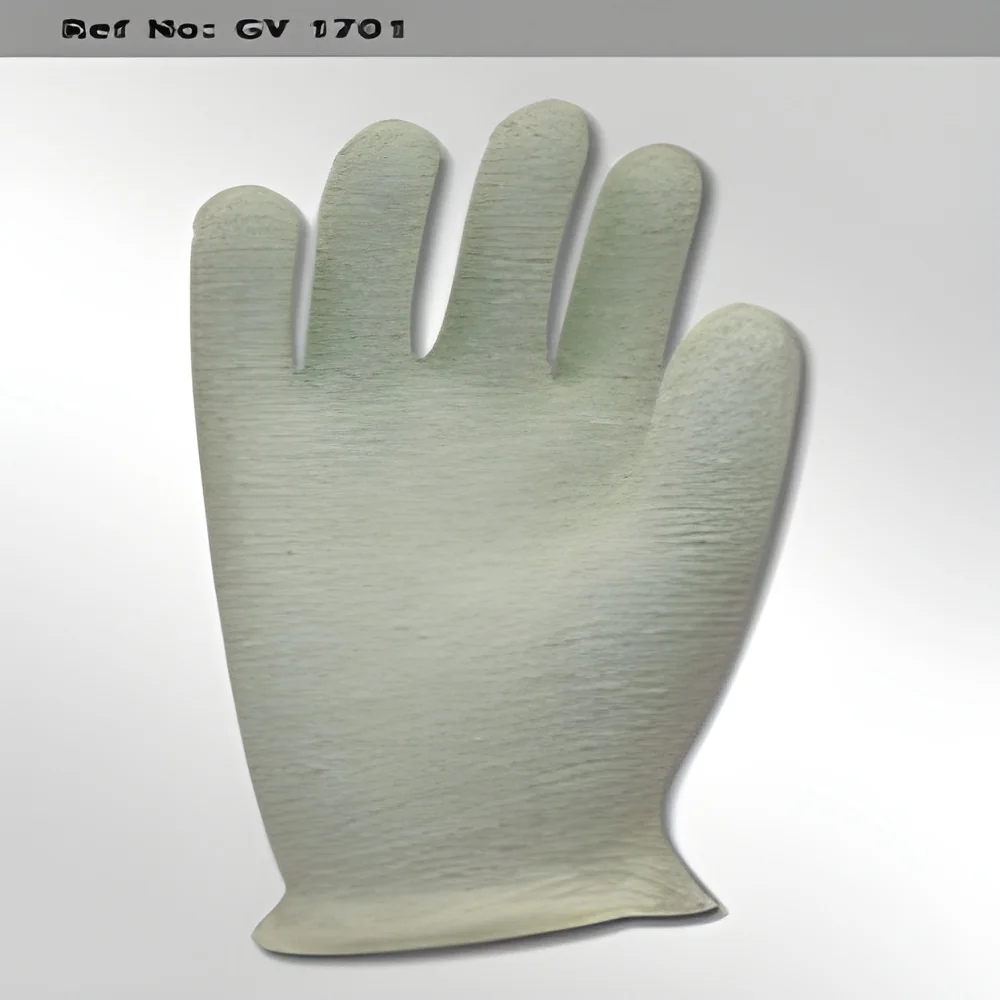
These gloves are designed to protect against cuts and abrasions. They are made from materials like Kevlar and steel fibers, providing high resistance to sharp objects. Ideal for assembly lines, glass handling, and metal stamping.
Chemical Resistant Gloves
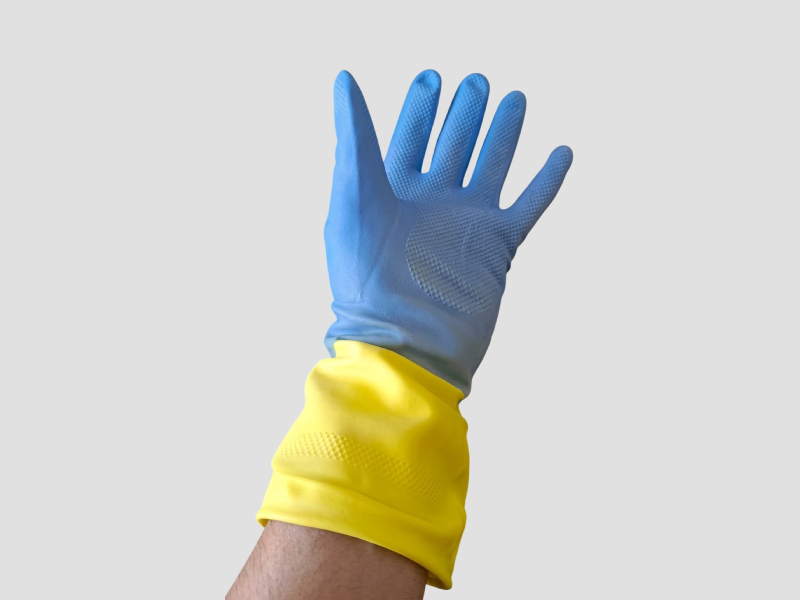
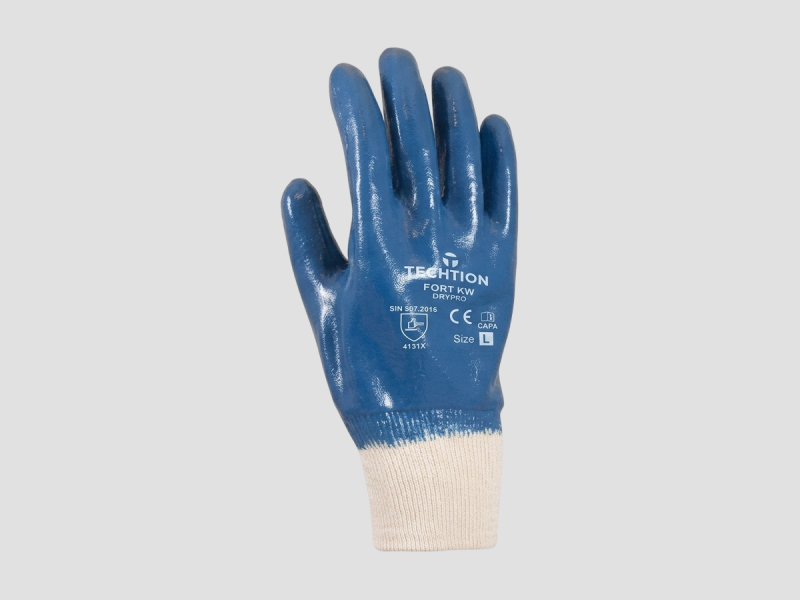
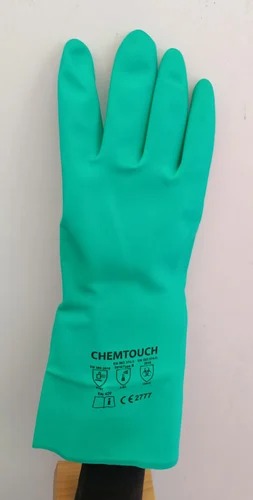
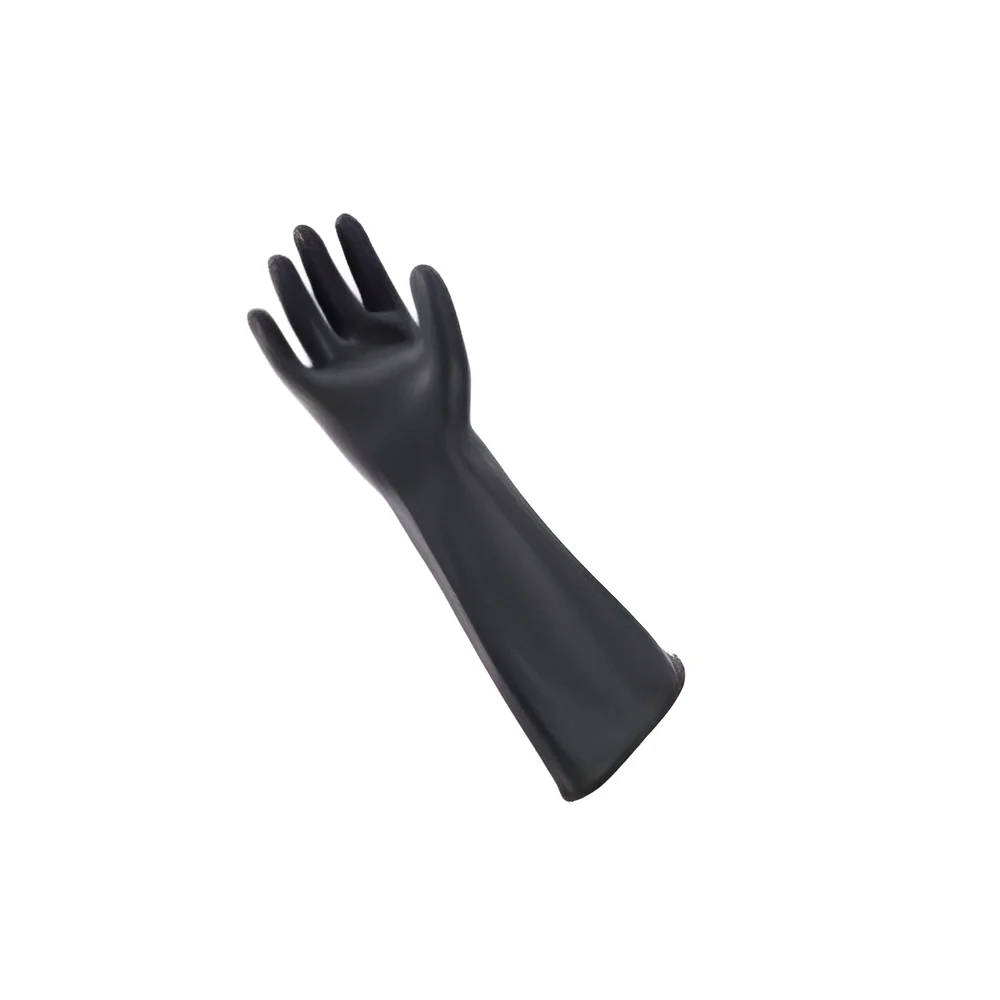
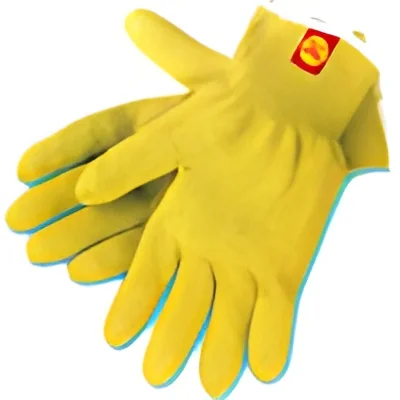
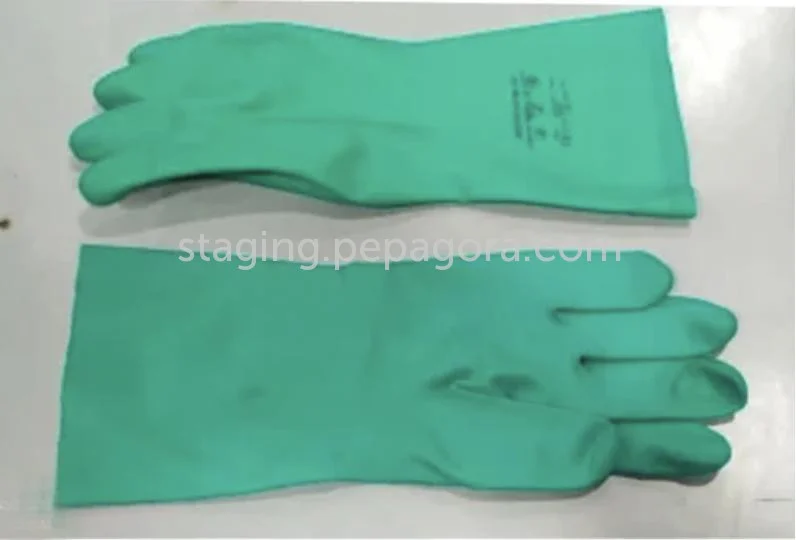
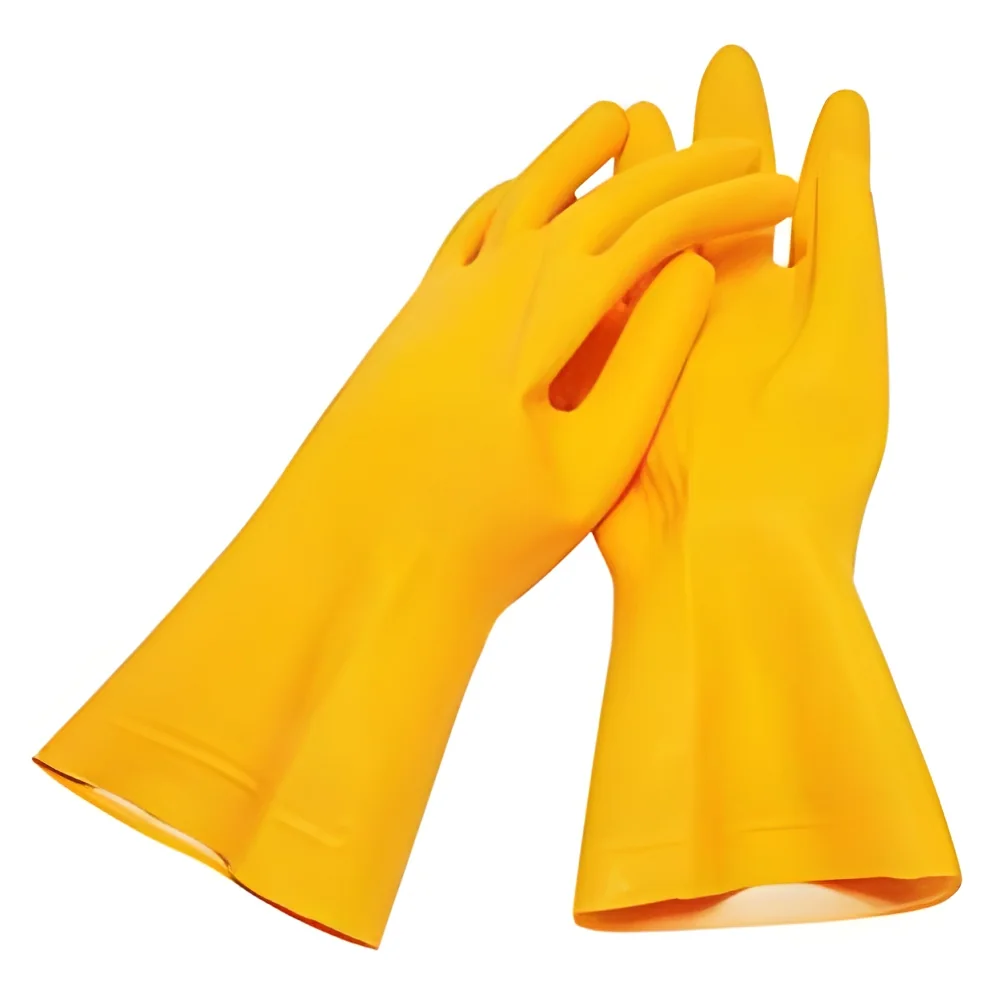
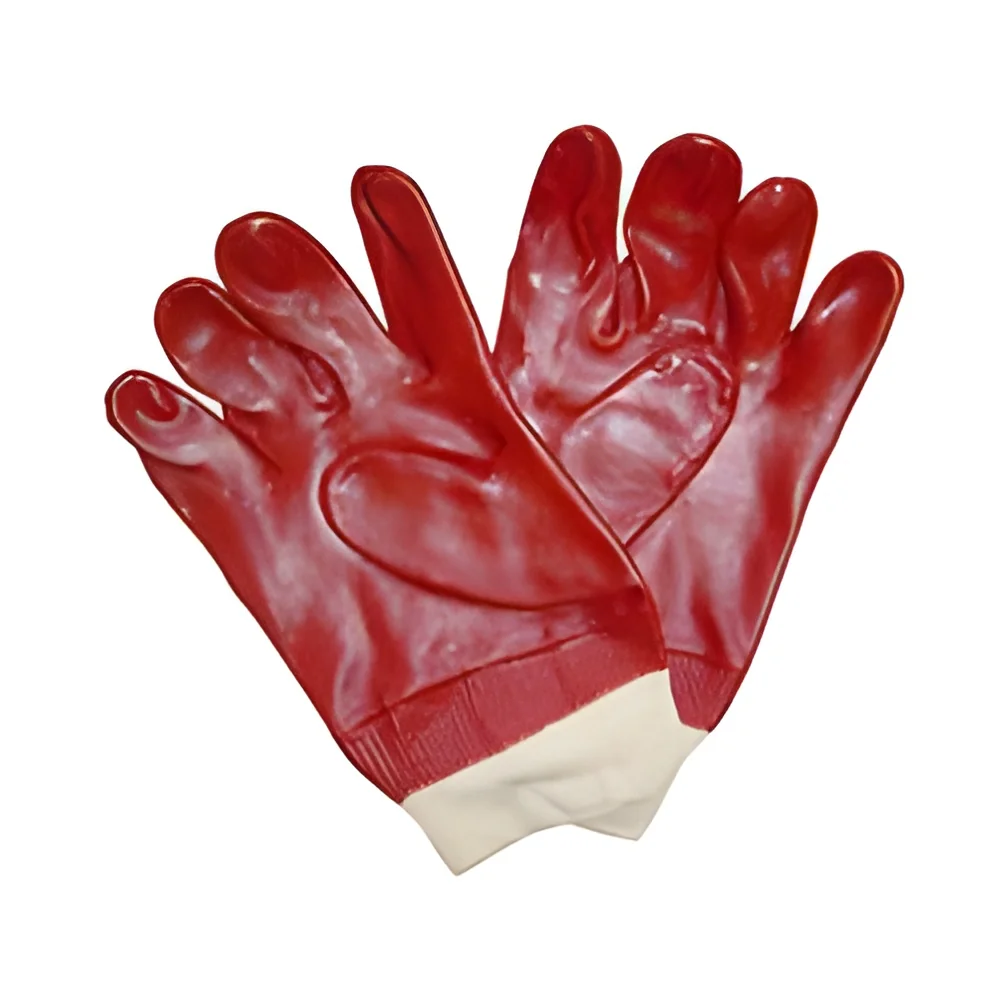
These gloves are made from materials that resist penetration by hazardous chemicals. Commonly used in laboratories, chemical plants, and industries handling corrosive substances, they provide essential protection against chemical burns.
Heat Resistant Gloves
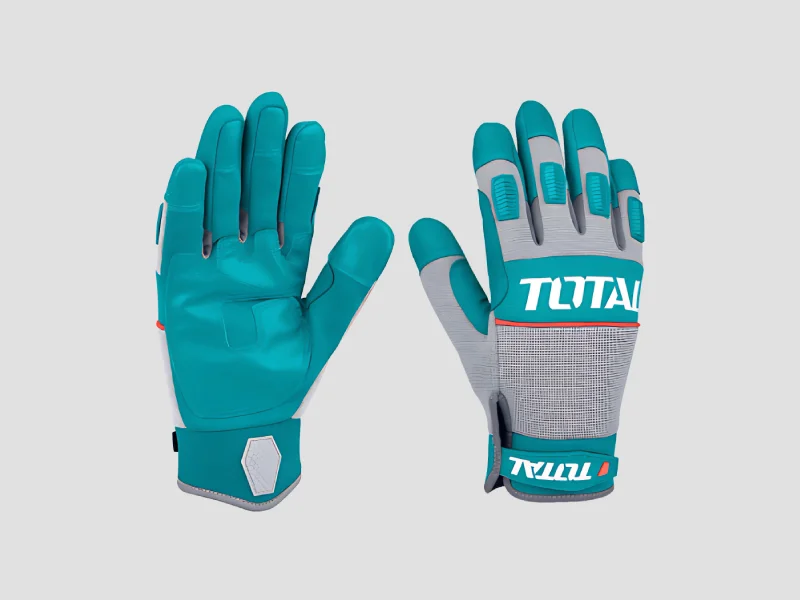
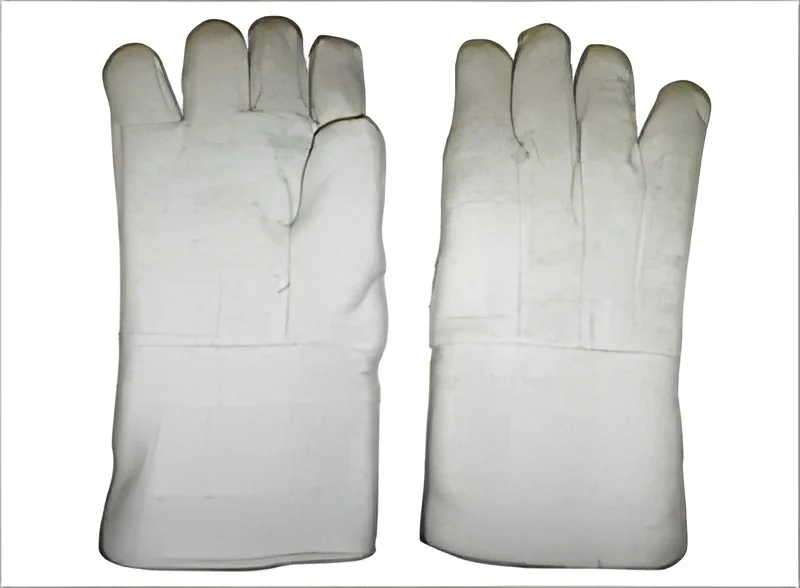
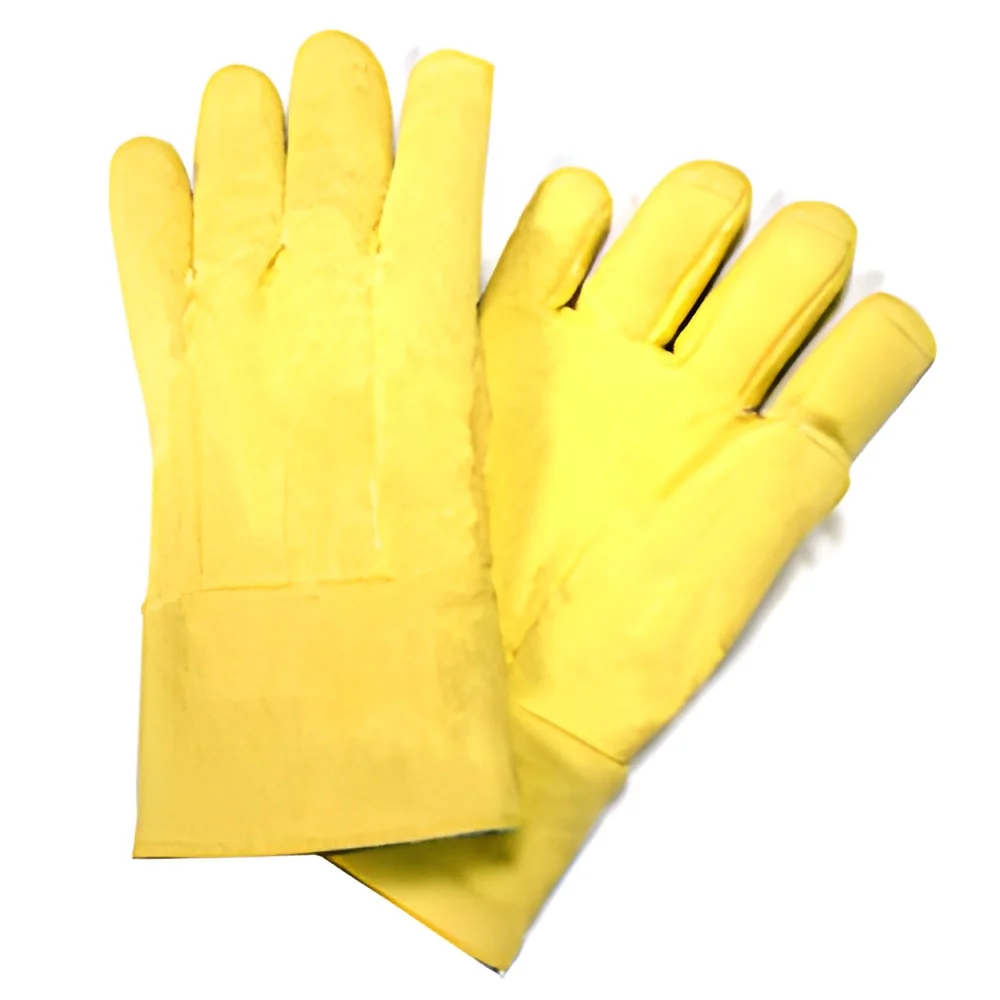
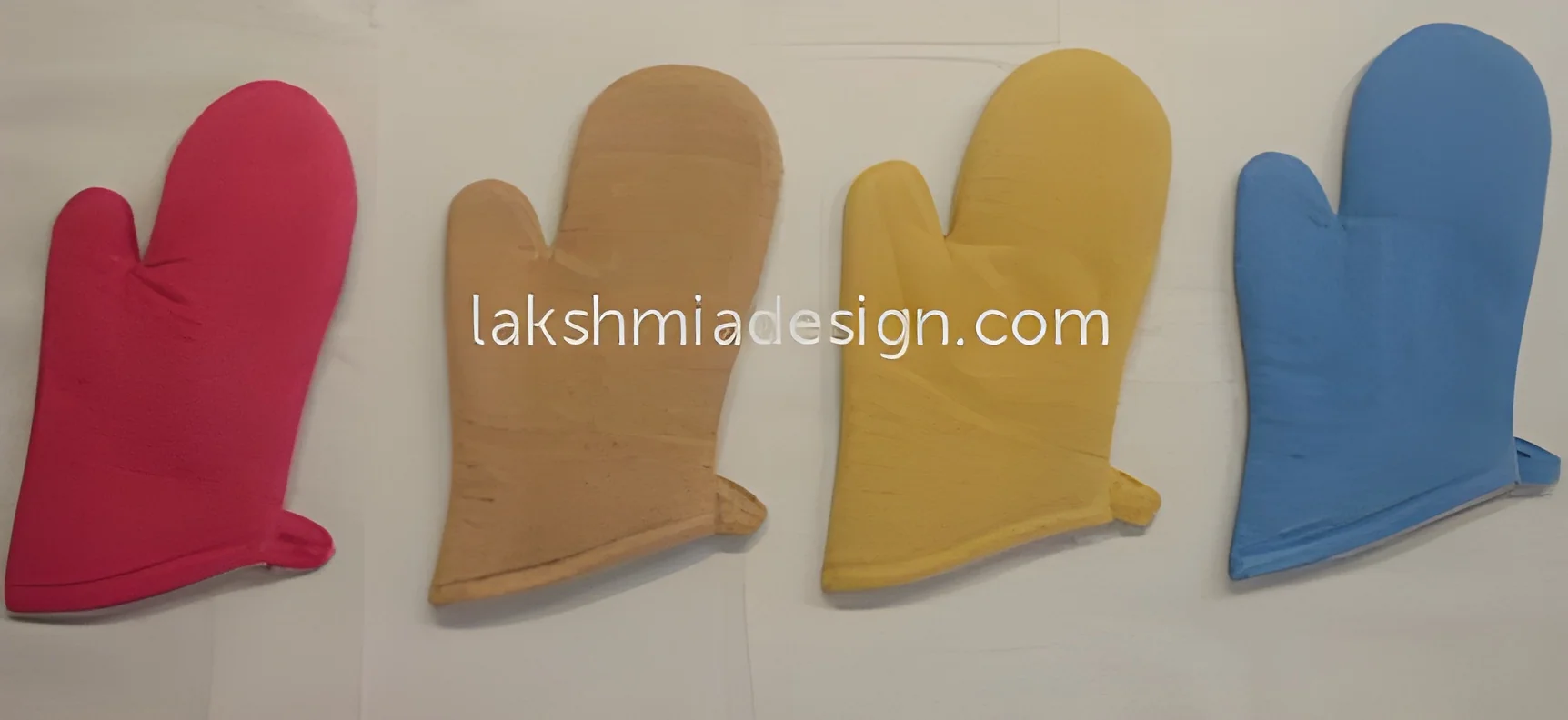
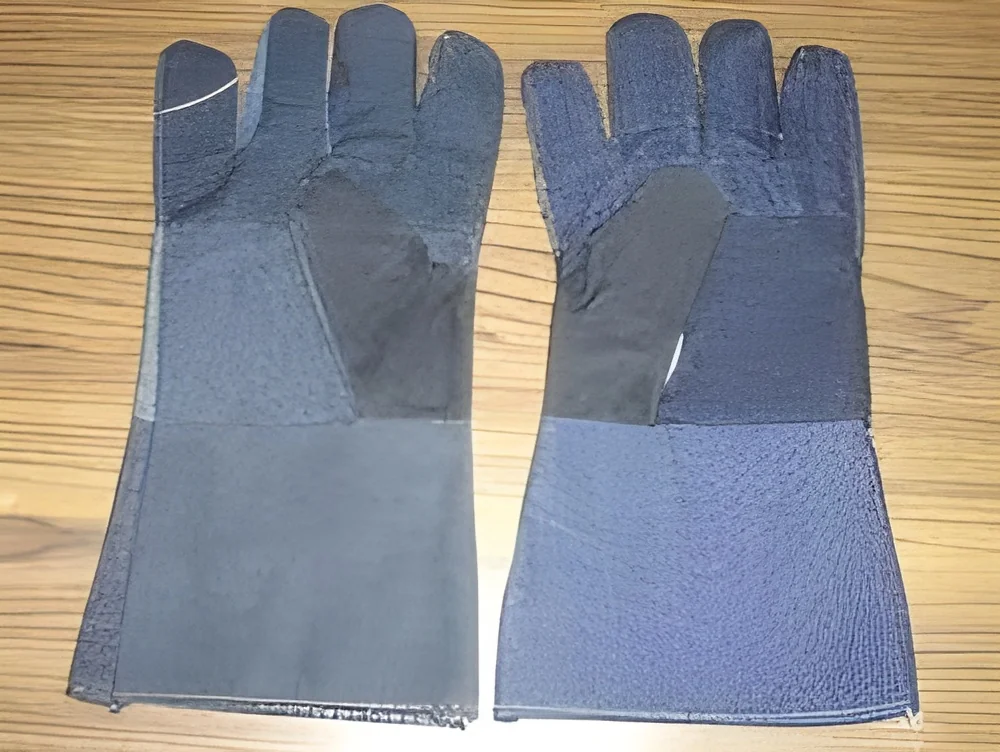
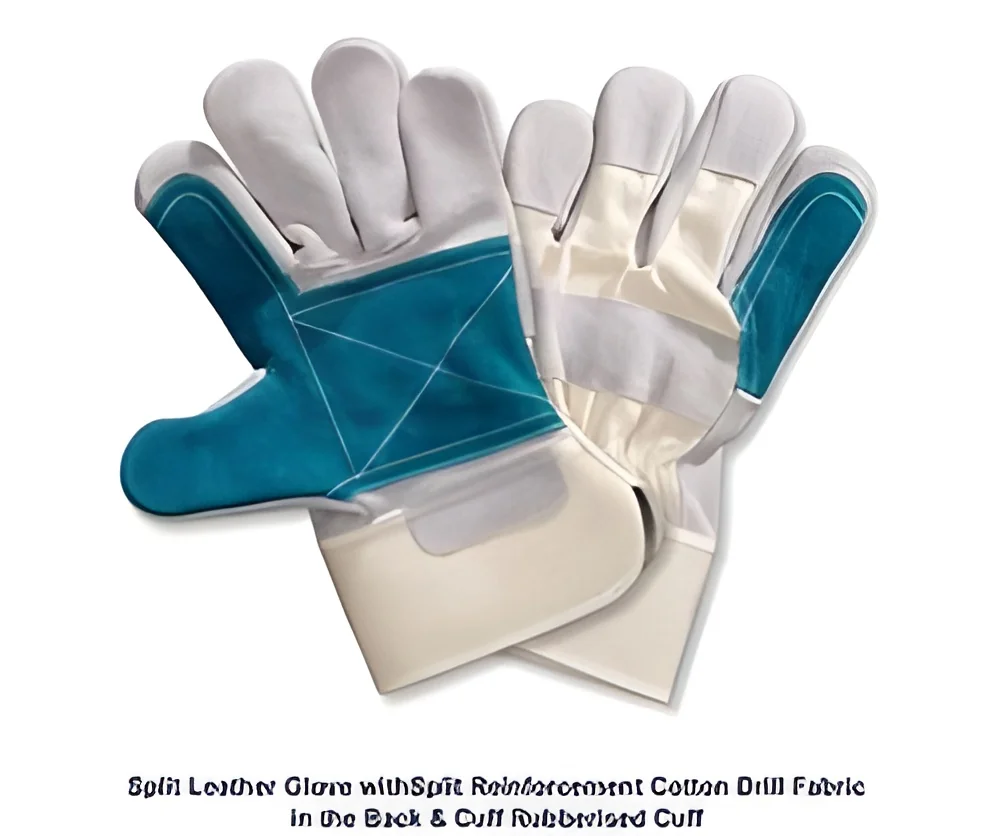
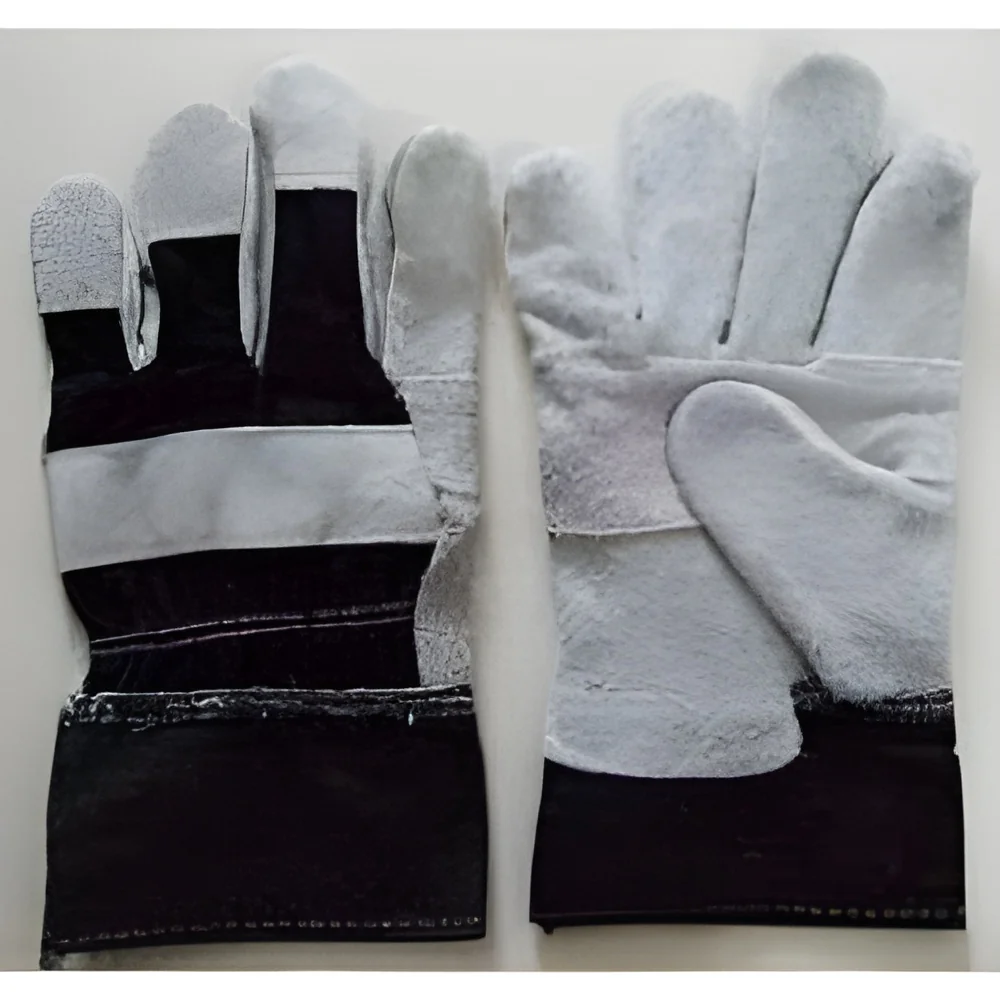
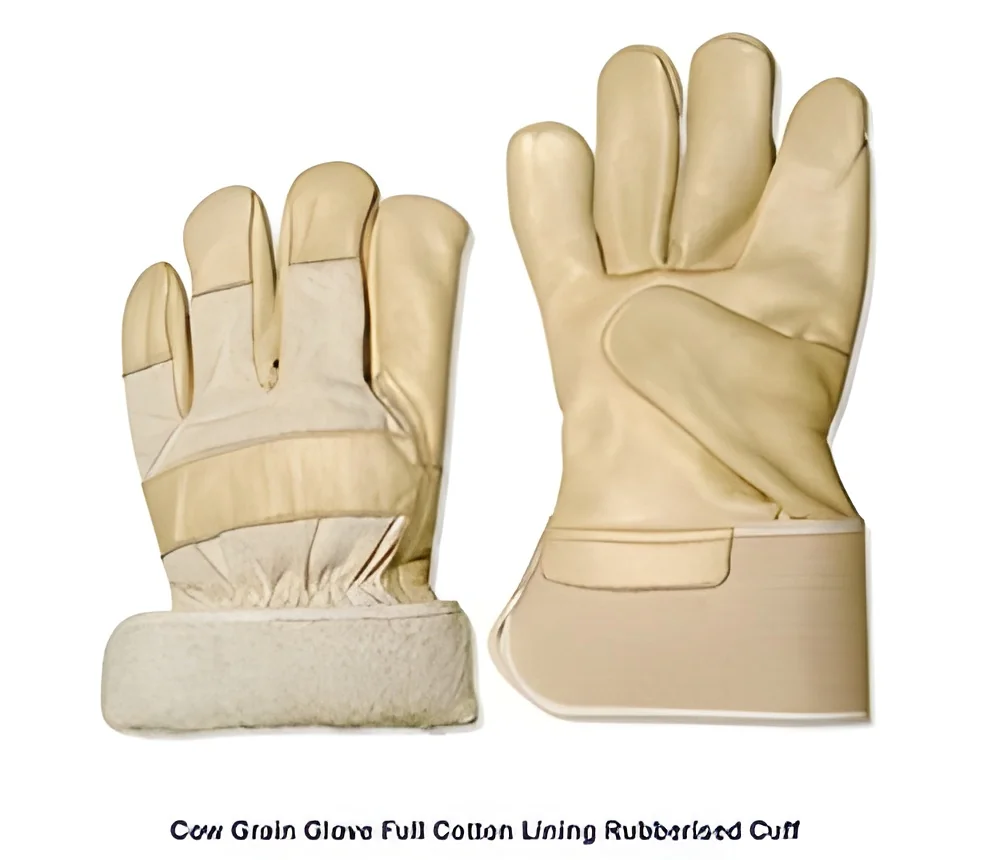
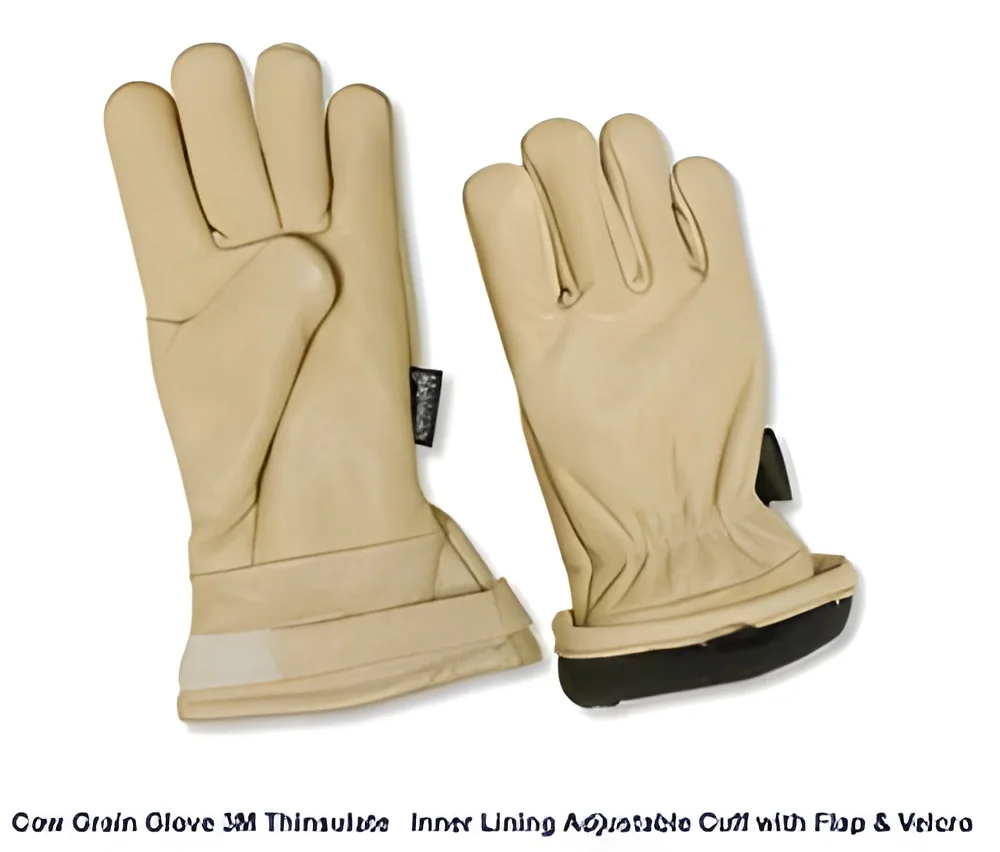
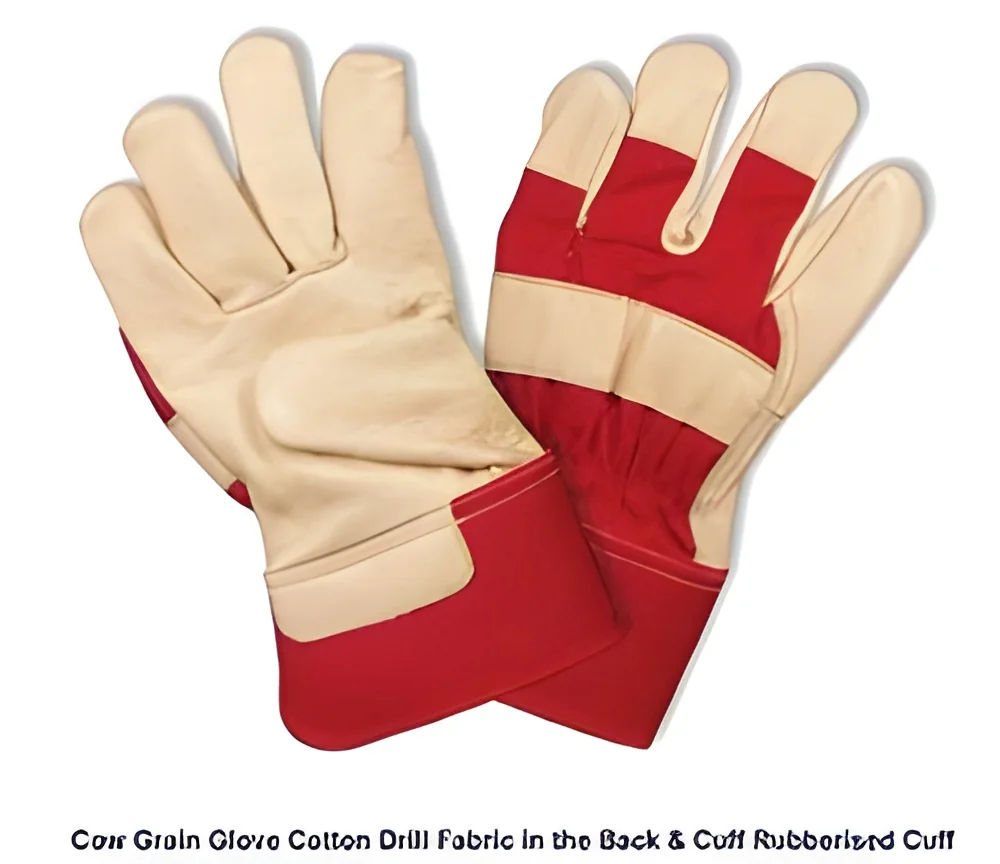
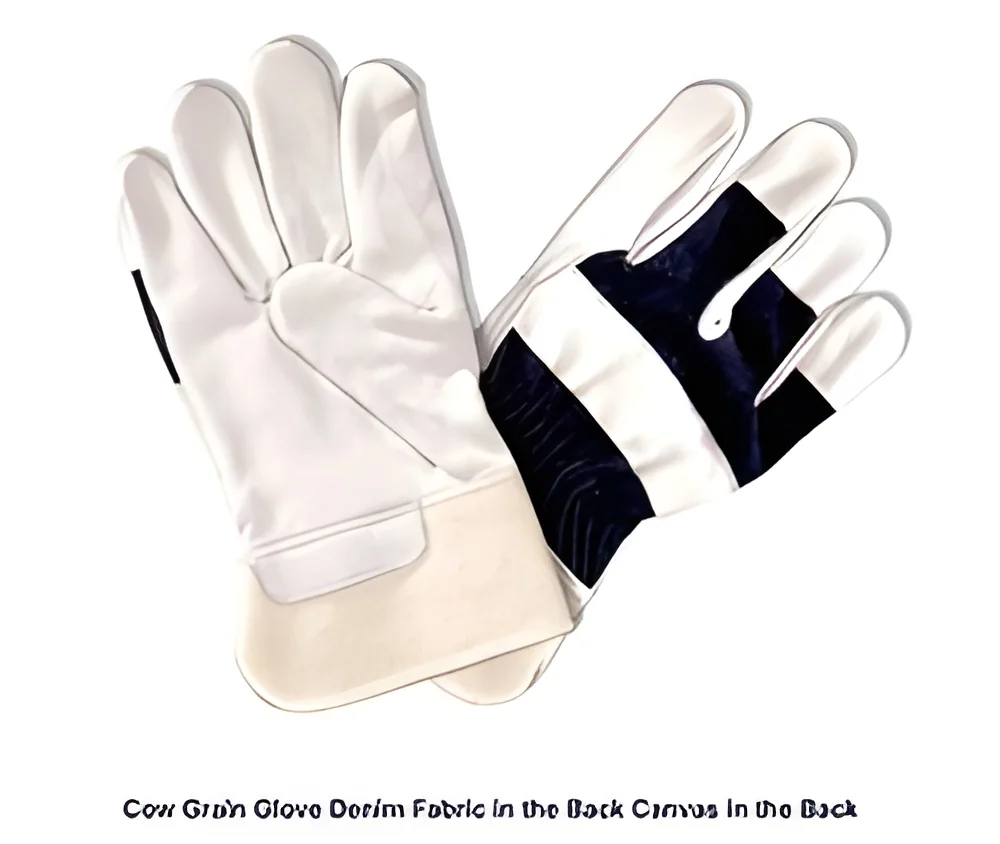
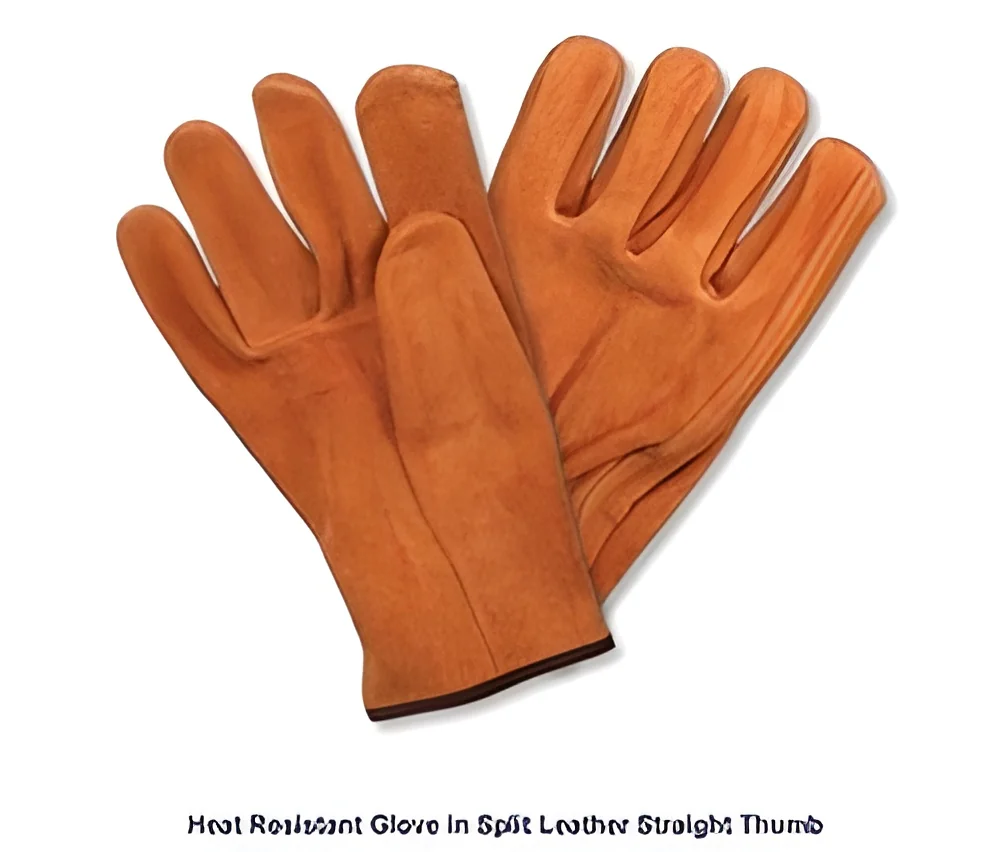
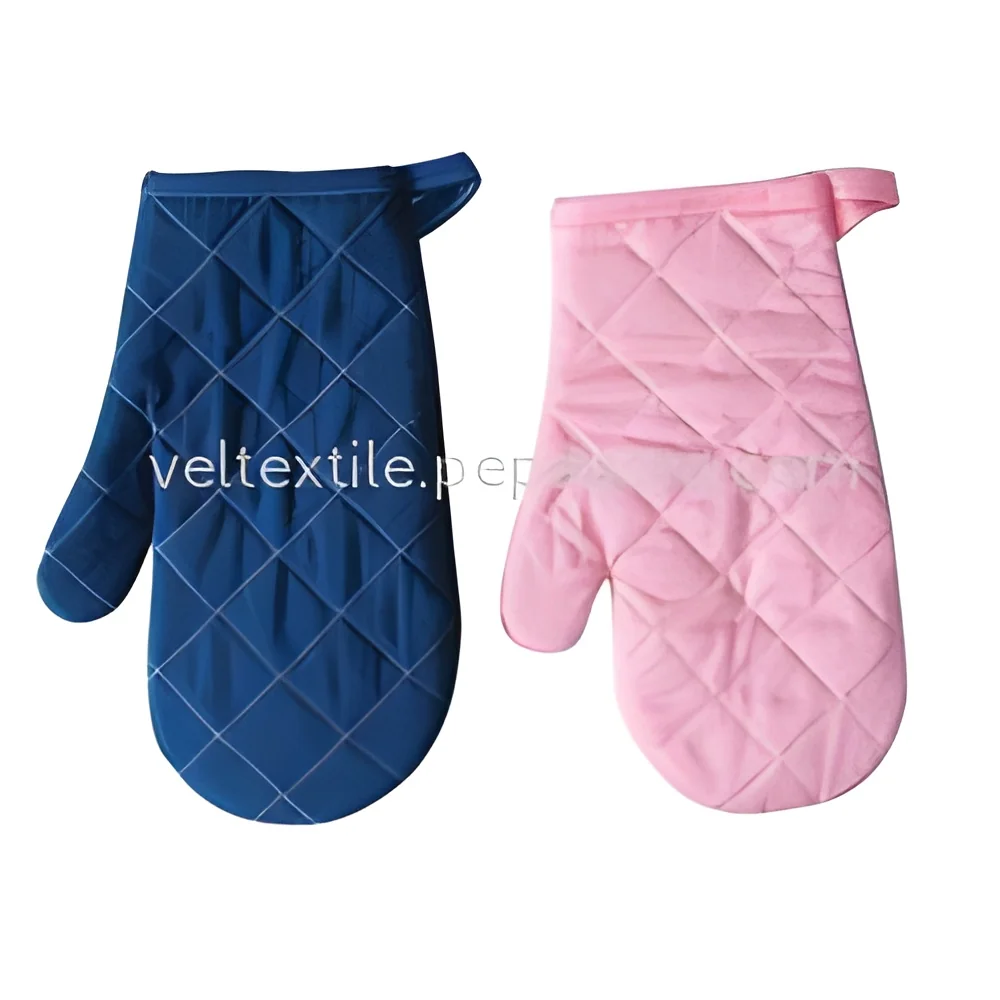
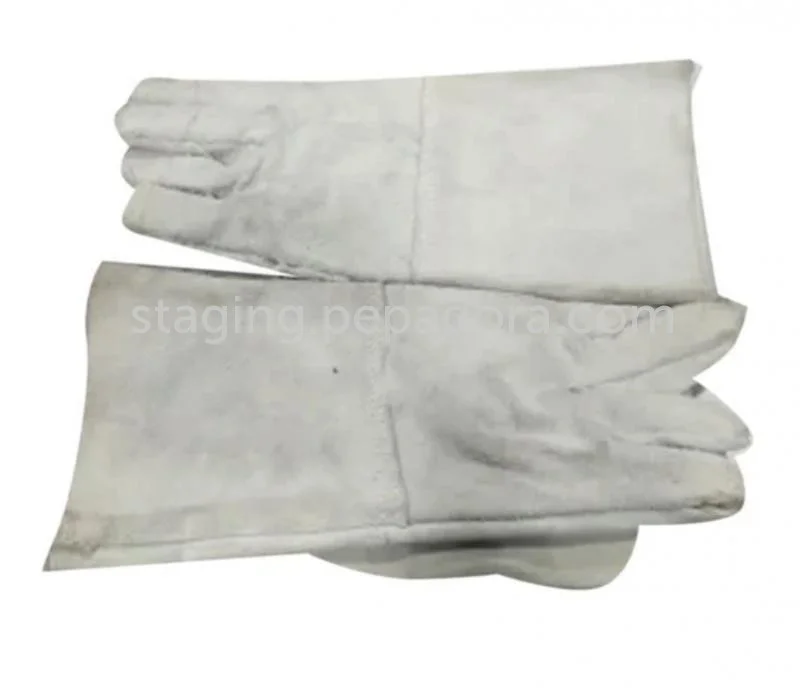
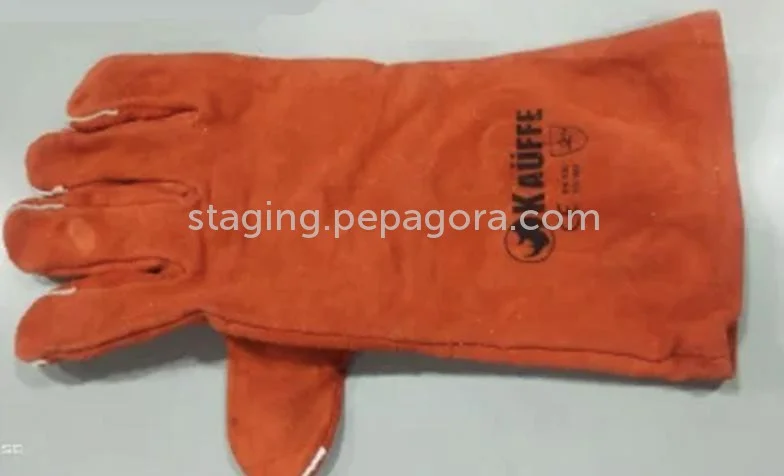
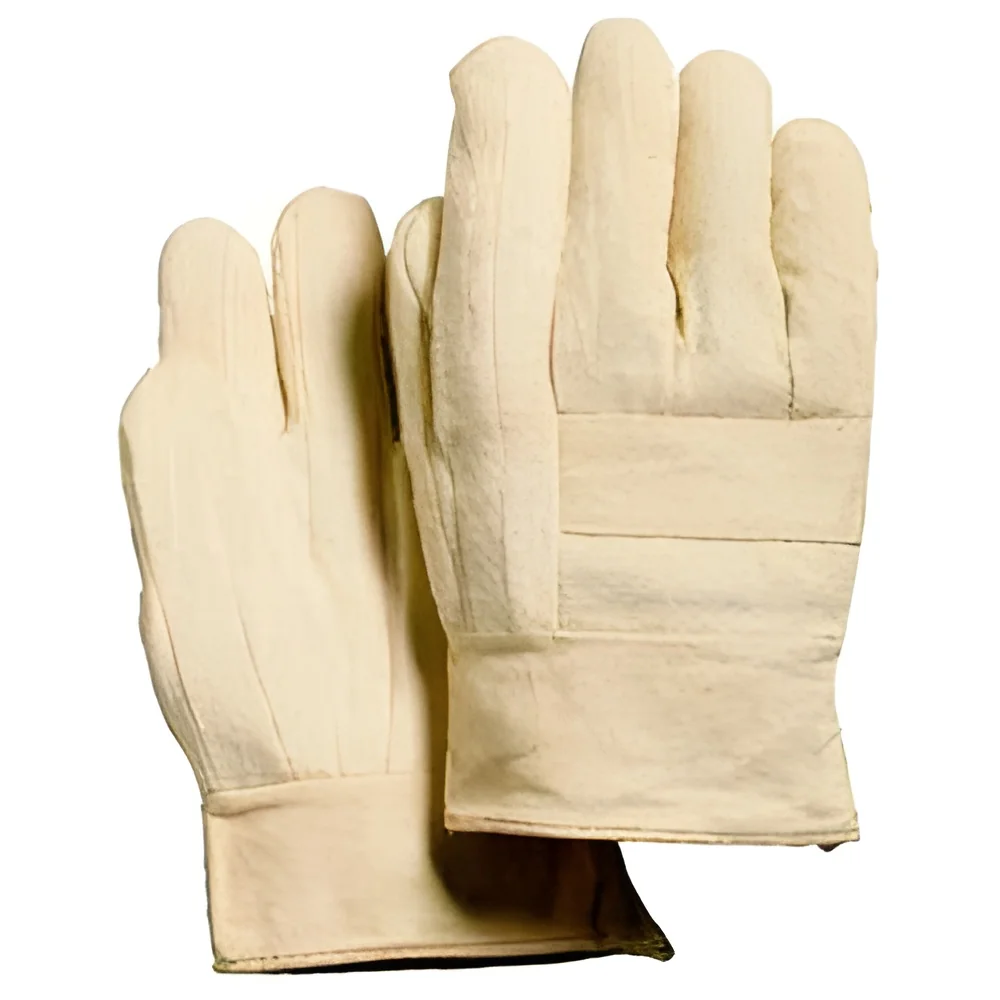
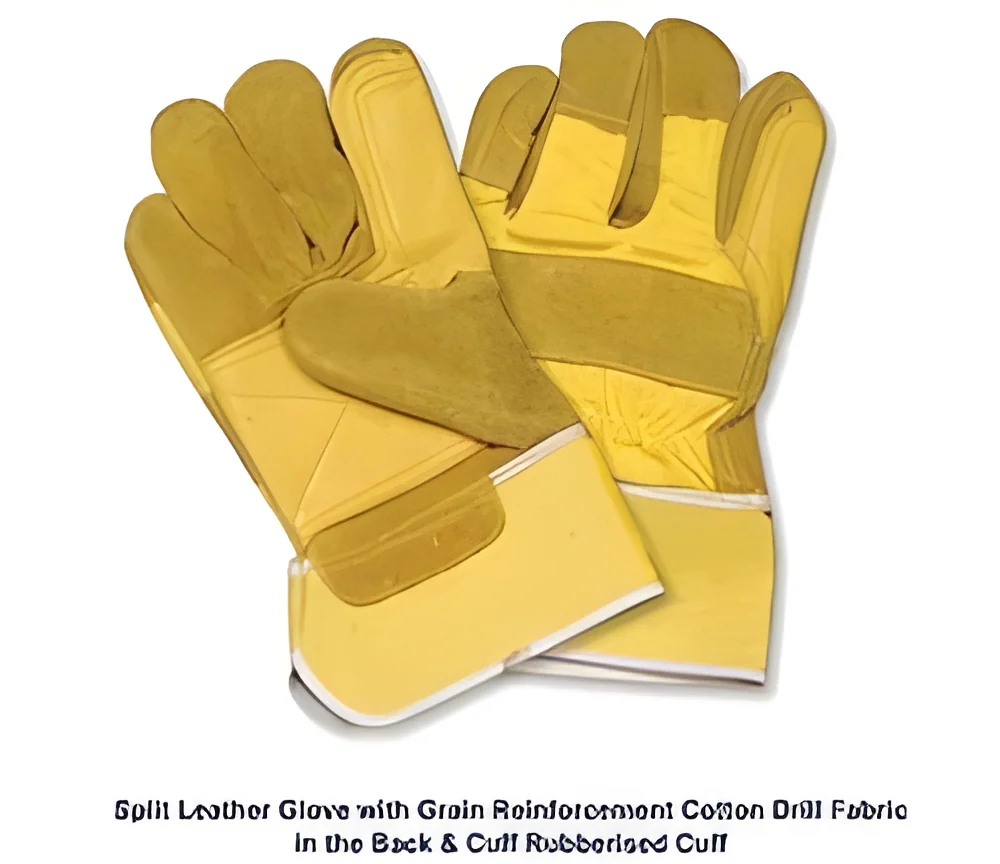
Designed to withstand high temperatures, these gloves are crucial in welding, metalworking, and cooking applications. Made from materials like leather and specialized fabrics, they prevent burns and thermal injuries.
𝗕𝗲𝗻𝗲𝗳𝗶𝘁𝘀 𝗮𝗻𝗱 𝗔𝗱𝘃𝗮𝗻𝘁𝗮𝗴𝗲𝘀
Using safety gloves offers numerous benefits to businesses and workers alike.
1. Enhanced Safety: Safety gloves significantly reduce the risk of hand injuries, ensuring a safer working environment.
2. Compliance with Regulations: Wearing appropriate gloves helps businesses comply with workplace safety regulations and standards.
3. Improved Productivity: When workers feel safe, they tend to perform their tasks more efficiently, contributing to overall productivity.
4. Versatility: Different types of safety gloves cater to a wide range of industries and applications, making them versatile tools for protection.
5. Cost Savings: By preventing injuries, businesses can save on medical expenses and reduce downtime associated with workplace accidents.
6. Increased Worker Confidence: Providing safety gloves fosters a culture of safety, boosting employee morale and confidence in their work environment.
𝗕𝘂𝘆𝗶𝗻𝗴 𝗚𝘂𝗶𝗱𝗲 𝗳𝗼𝗿 𝗕𝟮𝗕 𝗕𝘂𝘆𝗲𝗿𝘀
When sourcing safety gloves, B2B buyers should consider several key factors to ensure they make informed decisions.
1. Quality Assessment: Evaluate the quality of the gloves based on materials, certifications, and user reviews. High-quality gloves ensure better protection and durability.
2. Supplier Verification: Vet potential suppliers by checking their certifications, reputation, and customer feedback. This helps ensure reliability and product quality.
3. Pricing and MOQ: Consider the pricing structures and minimum order quantities (MOQ) set by suppliers. Balance cost with the required quality and features.
4. Delivery and Lead Times: Assess the suppliers' logistics capabilities to understand delivery timelines. Timely delivery is crucial for maintaining inventory levels.
5. Compliance Requirements: Ensure that the gloves meet industry-specific compliance standards. This is vital for legal and safety considerations in the workplace.
𝗖𝗼𝗺𝗽𝗹𝗶𝗮𝗻𝗰𝗲 𝗮𝗻𝗱 𝗖𝗲𝗿𝘁𝗶𝗳𝗶𝗰𝗮𝘁𝗶𝗼𝗻𝘀
Safety gloves must adhere to various quality standards and certifications to ensure their effectiveness and safety. Common standards include ISO 9001, which focuses on quality management systems, and HACCP, which is crucial for food safety.
Industry certifications, such as CE marking, indicate that the gloves meet European safety standards. This certification assures users that the gloves have undergone rigorous testing and are deemed safe for use in their respective environments.
Safety and testing requirements vary by type of glove. For instance, cut-resistant gloves must pass specific tests to determine their cut resistance levels. Regional compliance considerations also play a significant role, as safety regulations may differ from one region to another.
Why Source Safety Gloves (Cut Resistant, Chemical, Heat) from Pepagora?
Pepagora offers a trusted platform for sourcing safety gloves, providing several key advantages for B2B buyers.
Verified Supplier Network: Pepagora has a comprehensive network of verified suppliers. Each supplier is vetted to ensure quality and reliability, giving buyers peace of mind when placing orders.
Streamlined RFQ Process: The platform features an efficient Request for Quotation (RFQ) system. Buyers can easily submit their requirements and receive competitive quotes from multiple suppliers, simplifying the sourcing process.
Trade Assurance and Support: Pepagora prioritizes buyer protection through trade assurance. This includes support for resolving disputes and ensuring that buyers receive their orders as agreed.
Regional Coverage: Pepagora extends its services across various regions, including India, the GCC, and Southeast Asia. This geographic reach ensures that businesses from different locations can access quality safety gloves tailored to their needs.