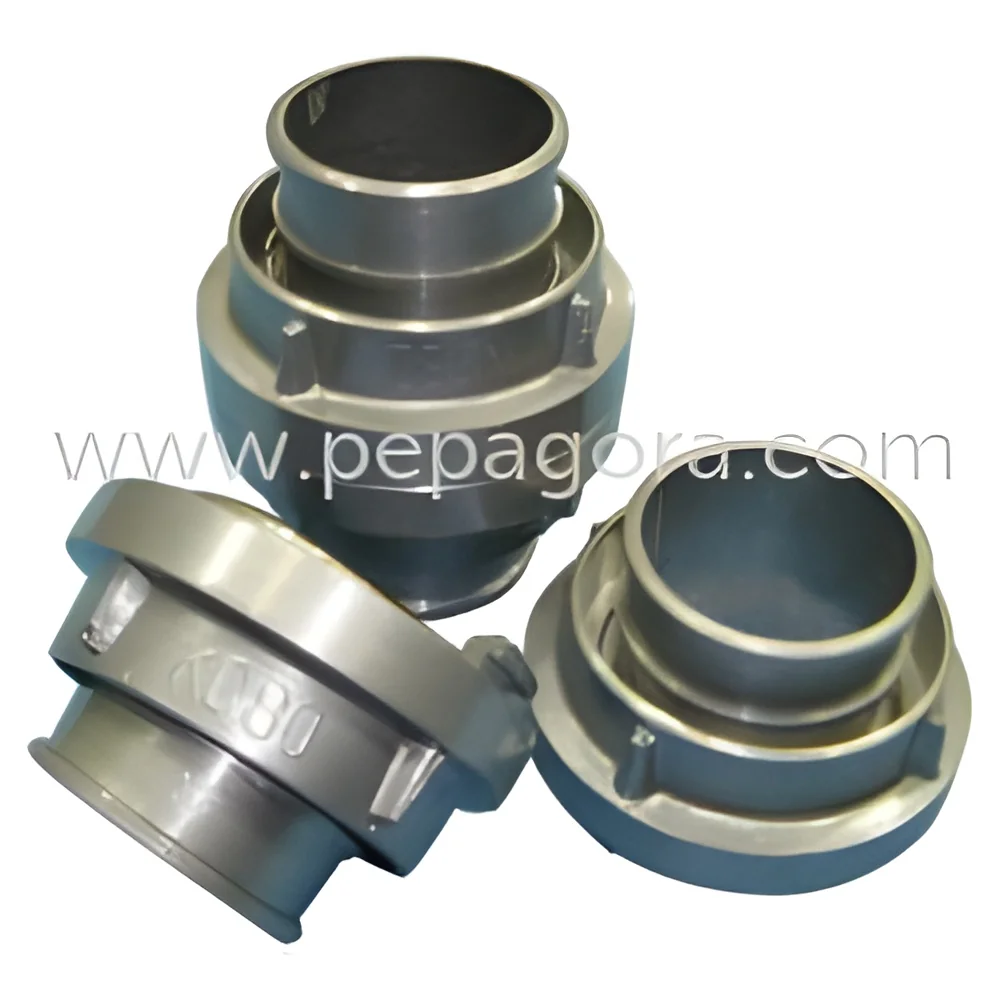
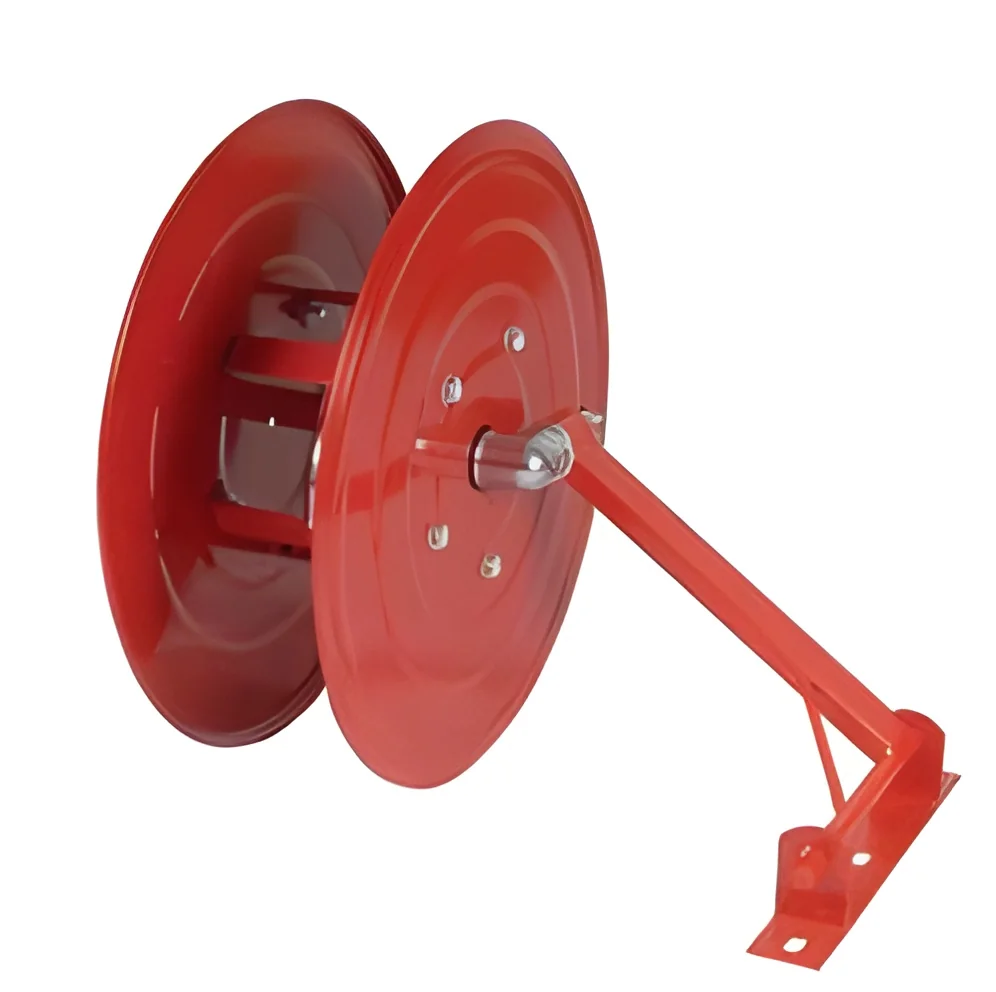
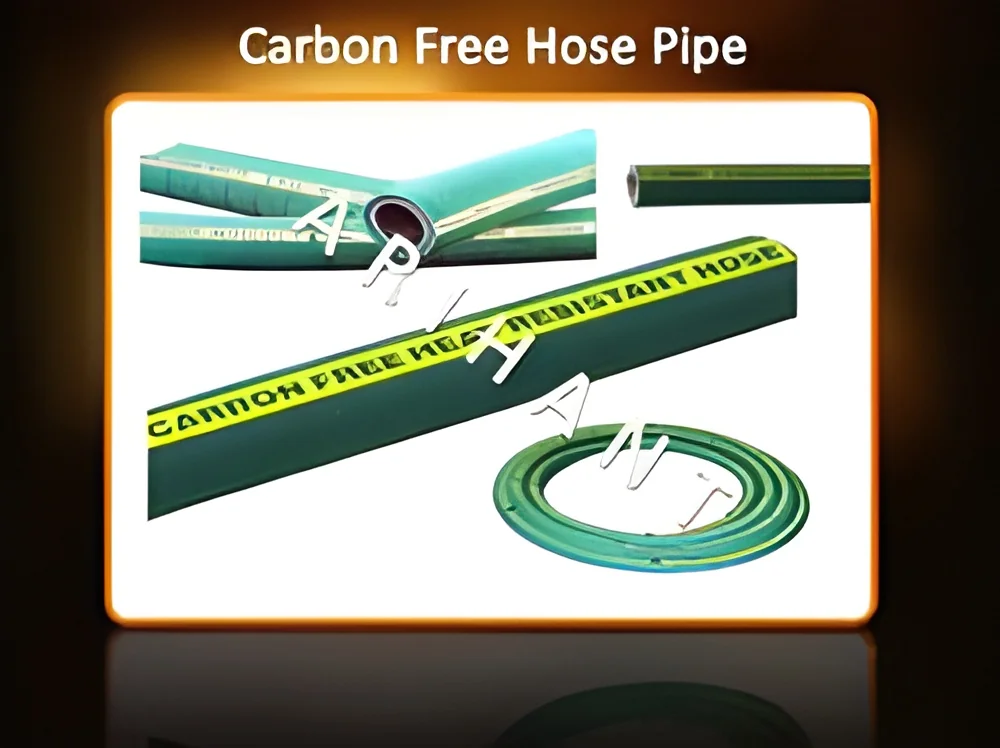
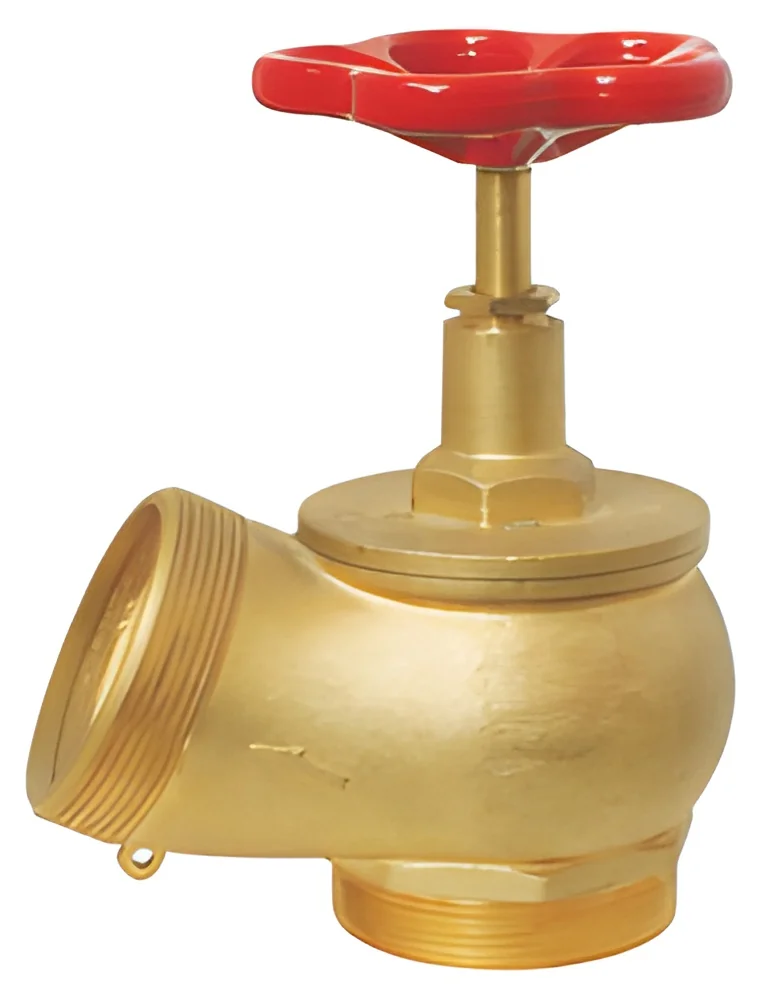
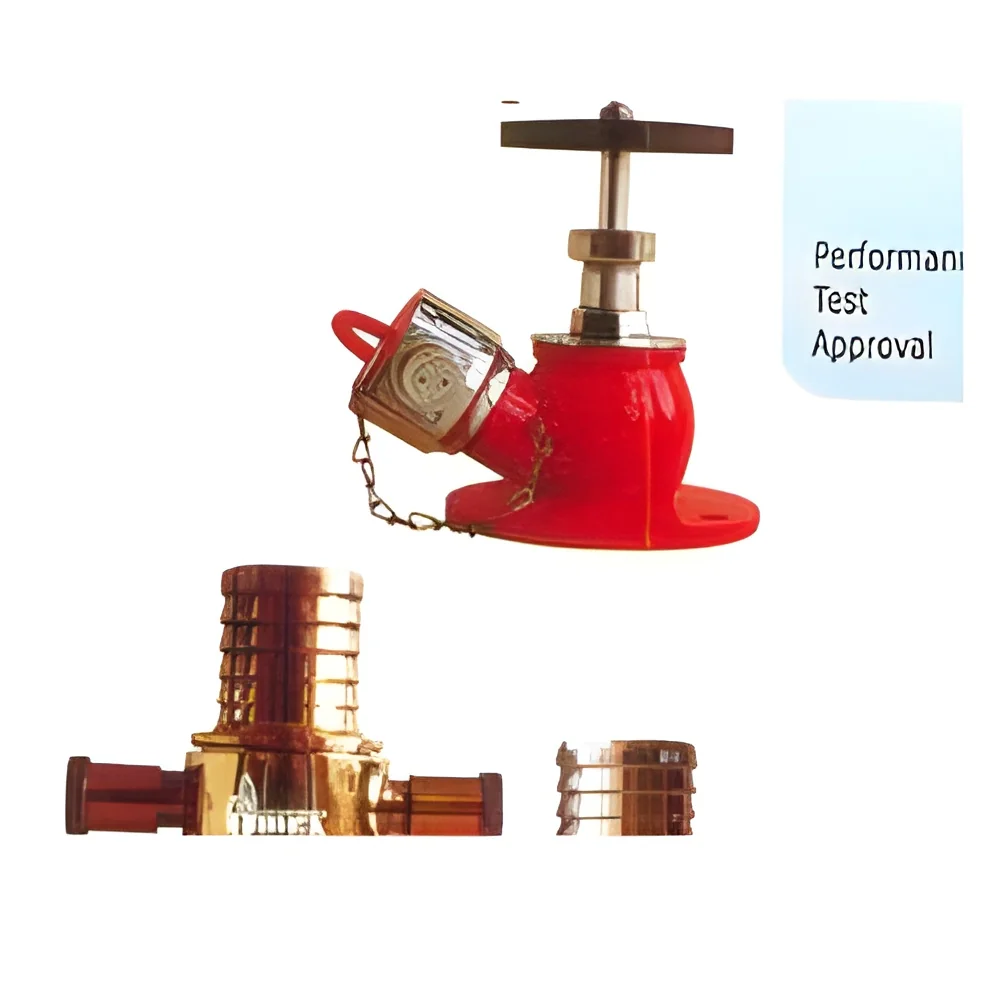
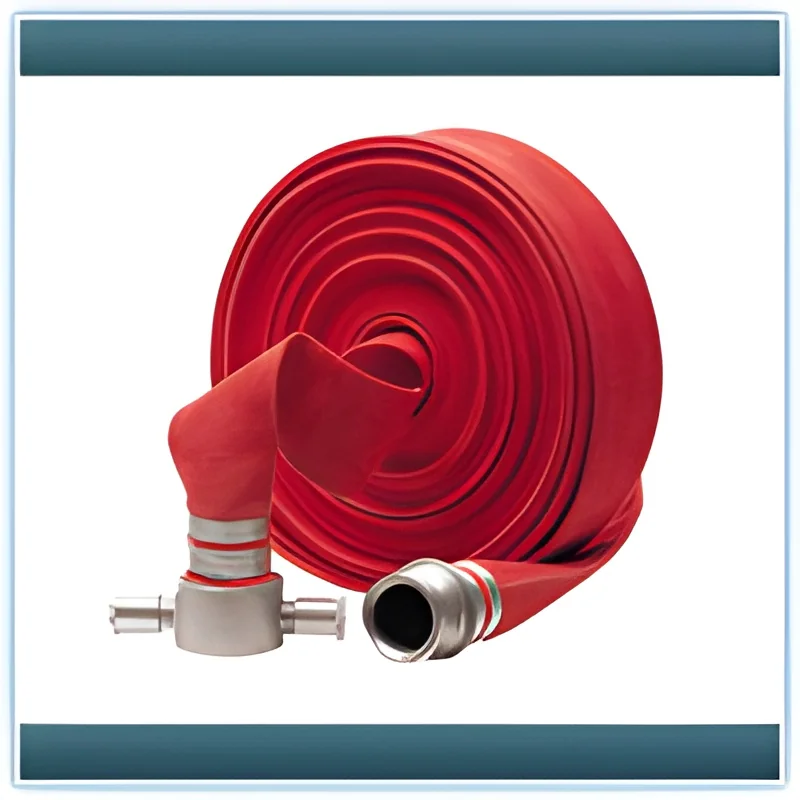
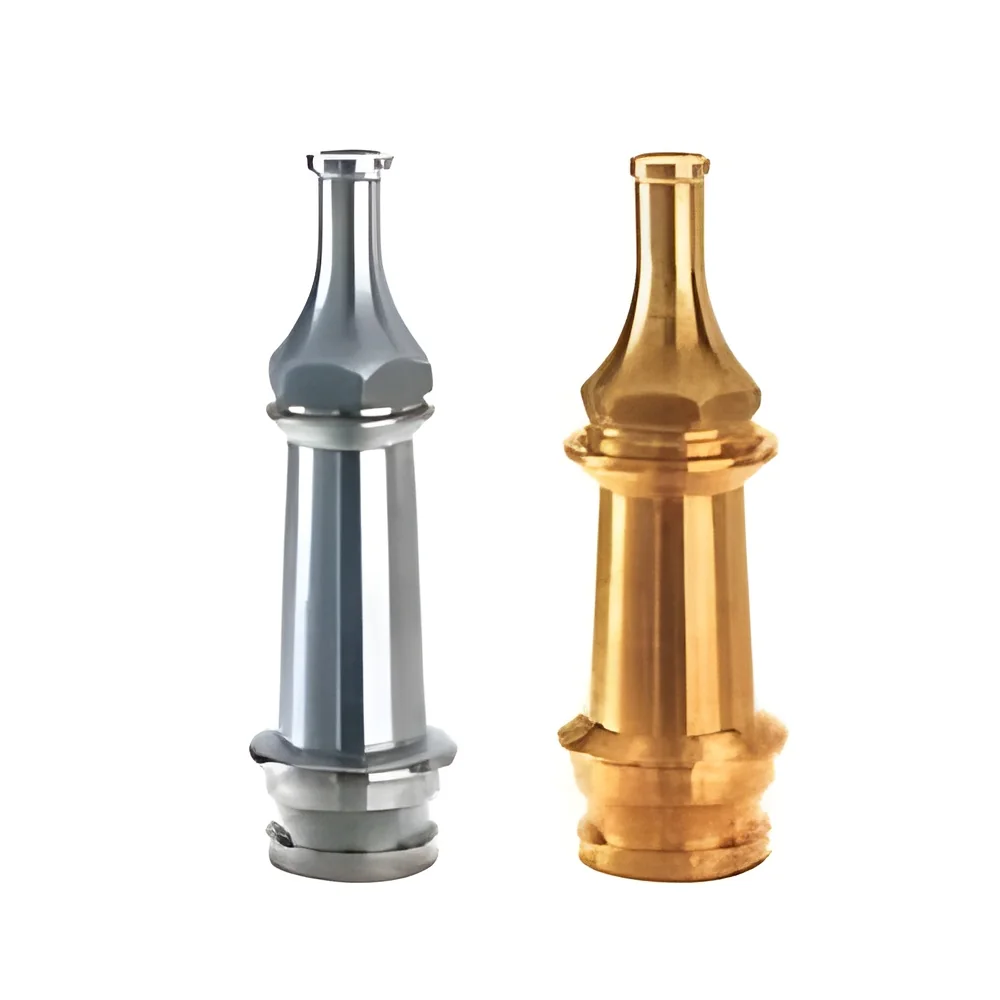
What are Fire Hoses & Nozzles?
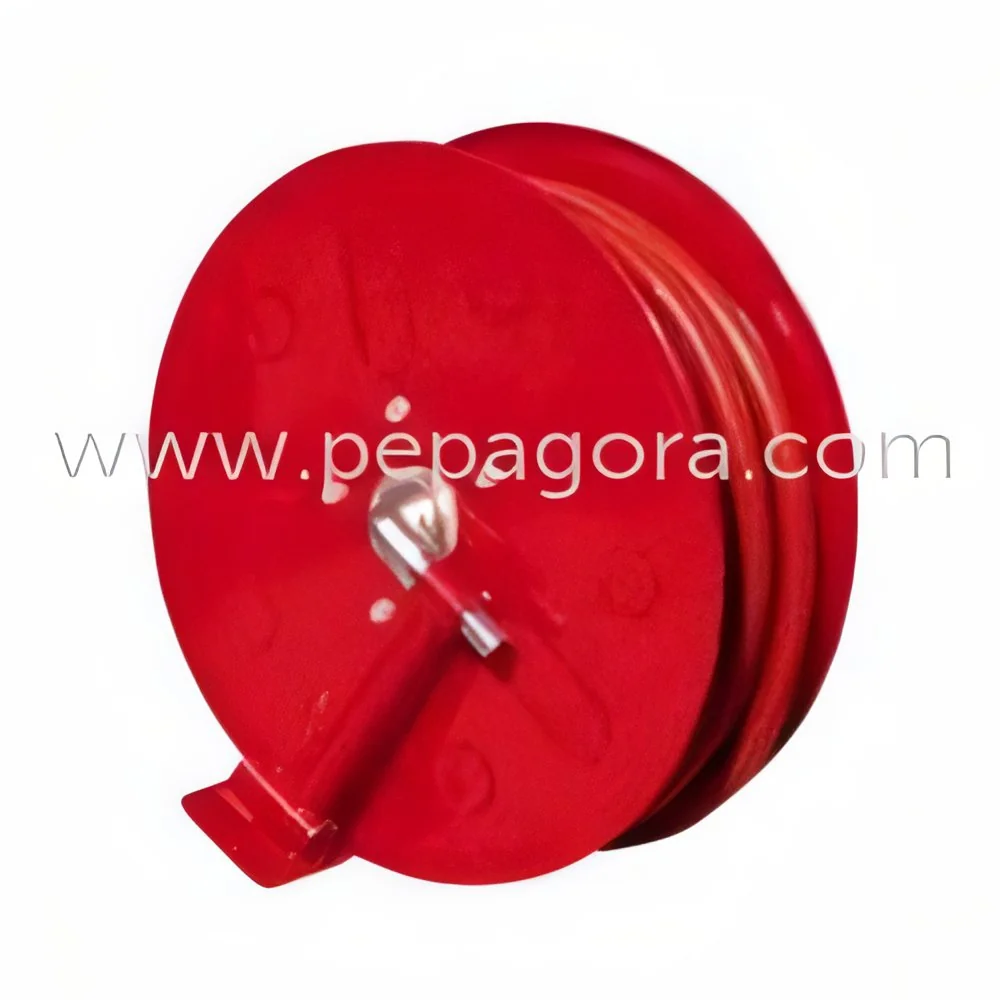
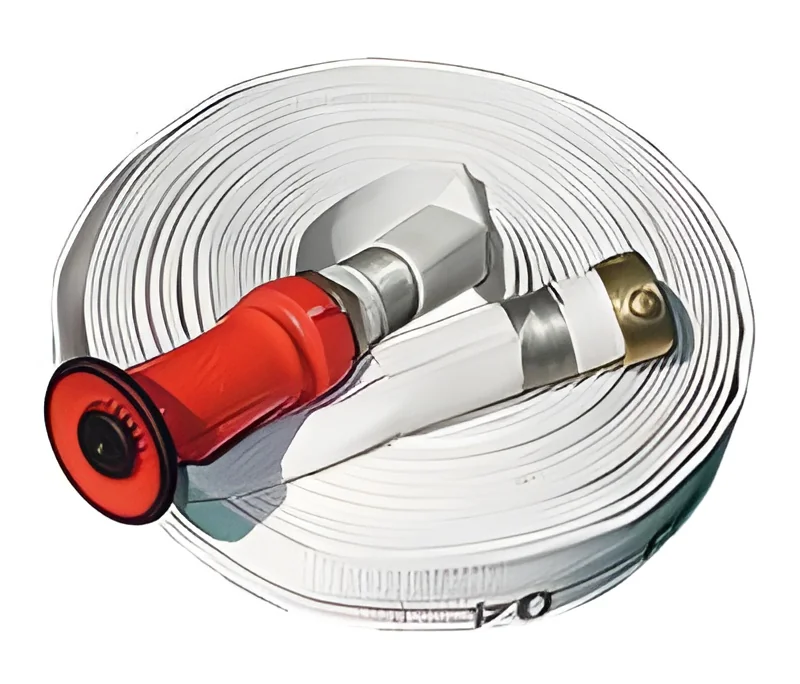
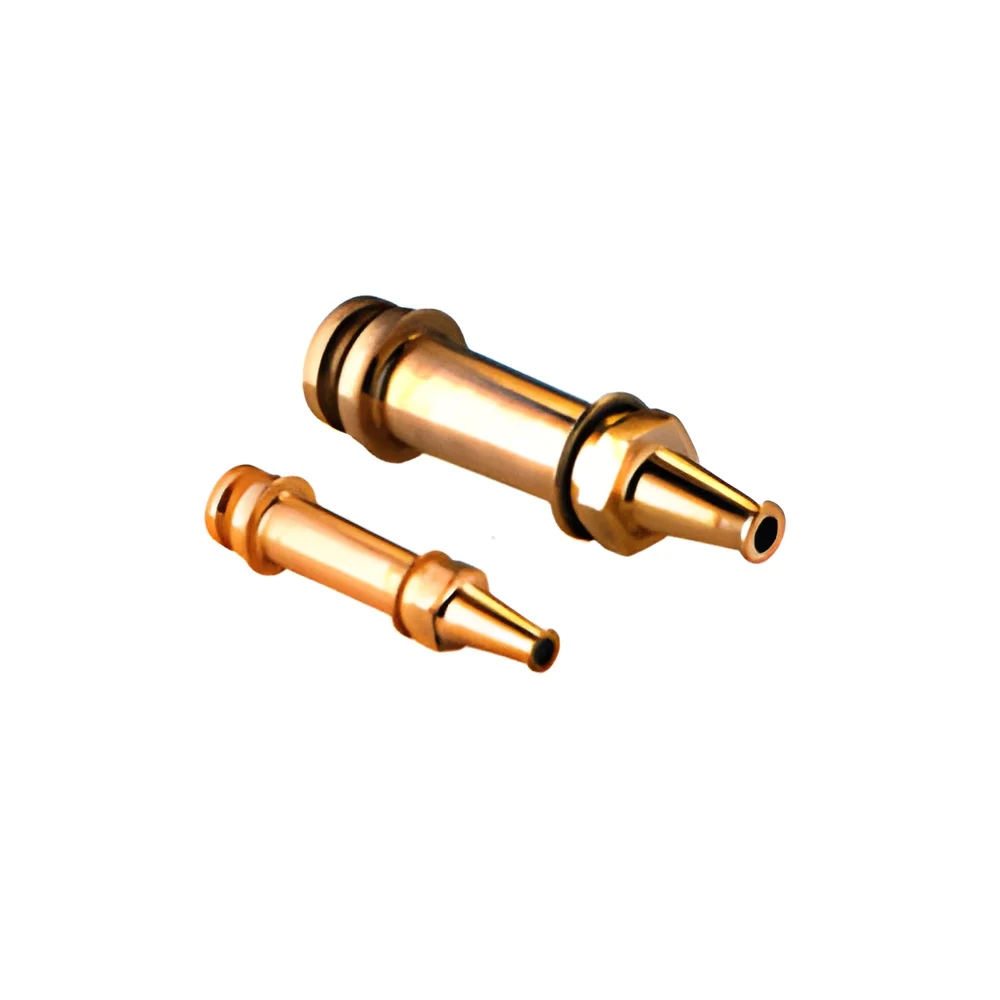
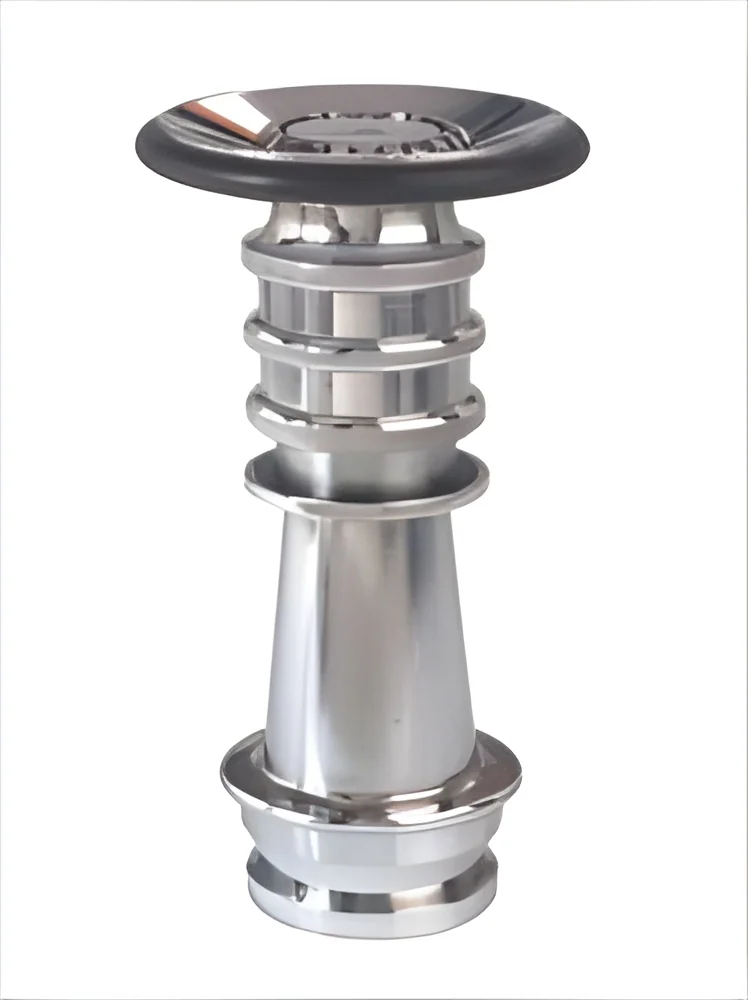
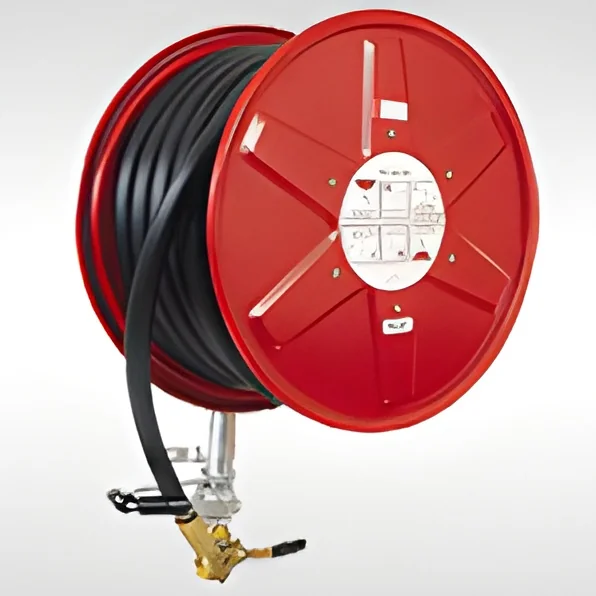
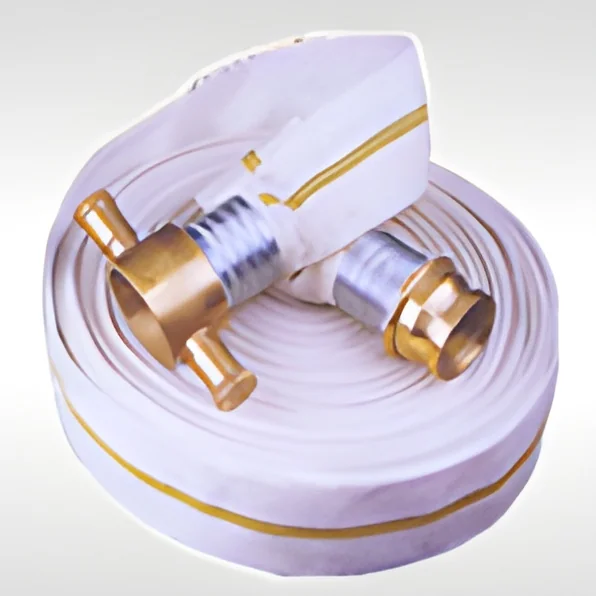
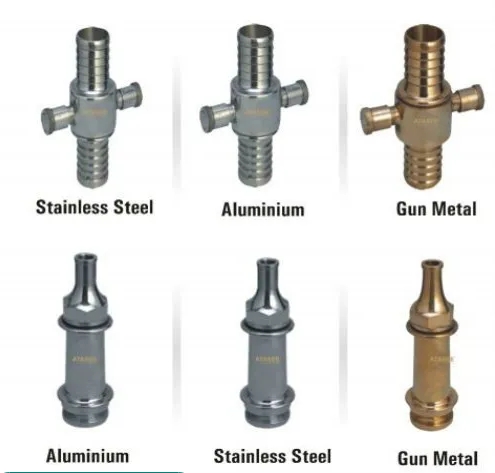
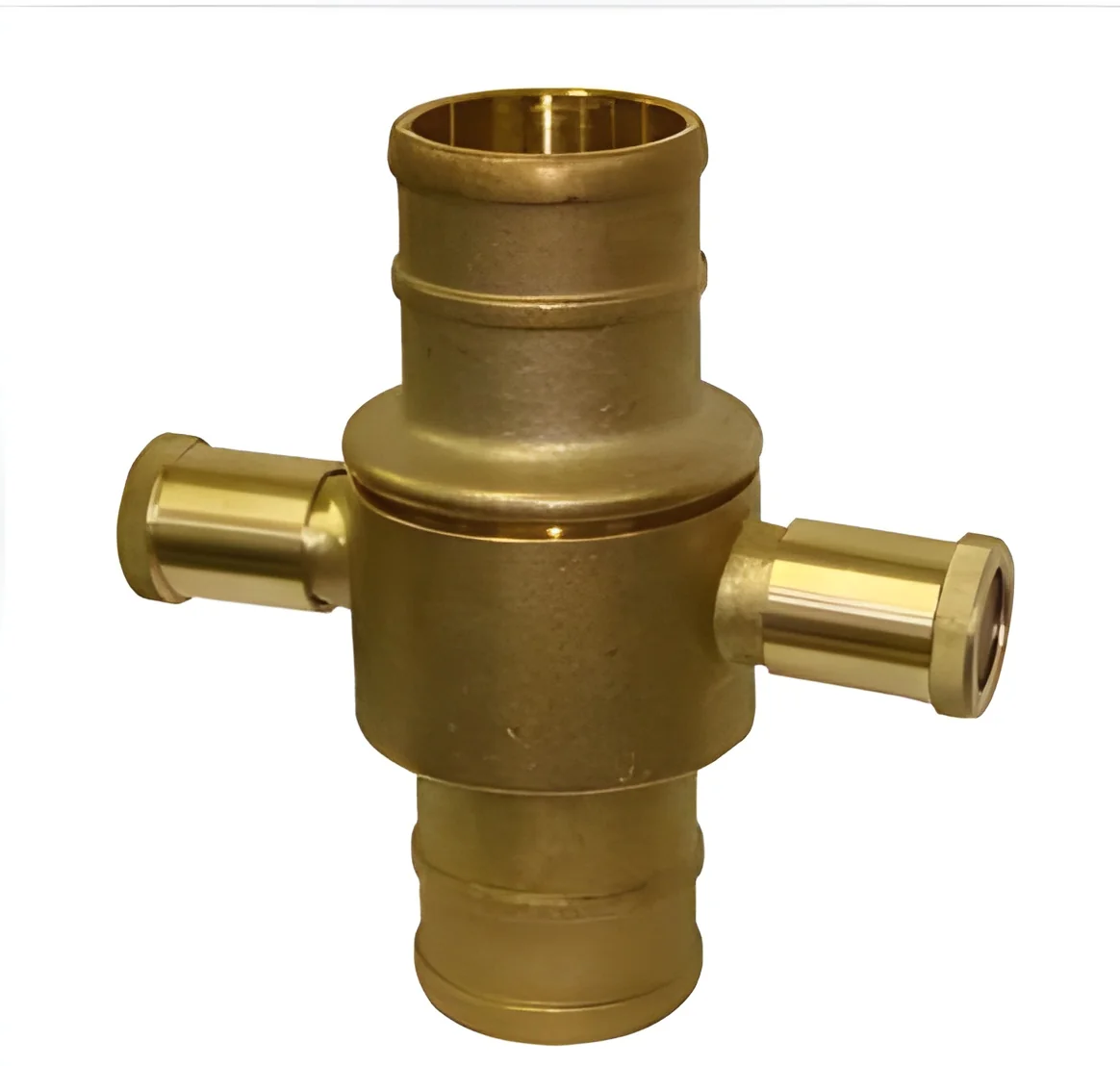
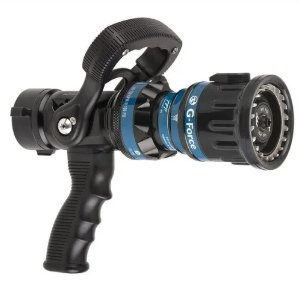
Fire hoses and nozzles are essential components in fire suppression systems. Fire hoses are flexible tubes designed to transport water or other firefighting agents to extinguish fires. They come in various diameters and lengths, tailored to meet specific firefighting needs. Nozzles are attached to the end of hoses and are responsible for controlling the flow and direction of the water or foam being discharged.
These products are primarily used in firefighting applications across various sectors, including commercial, industrial, and municipal environments. Fire hoses are critical for emergency response teams, allowing them to deliver water to fires quickly and efficiently. Nozzles enhance the effectiveness of water delivery by providing options for spray patterns and flow rates, which can be adjusted based on the fire's severity and the environment.
In today's market, fire hoses and nozzles are recognized for their importance in ensuring safety and compliance with fire regulations. As industries continue to prioritize safety and disaster preparedness, the demand for high-quality fire hoses and nozzles remains robust, driving innovation and the development of more advanced firefighting technologies.
Key Features and Specifications
Fire hoses and nozzles come with various features and specifications that make them suitable for different applications. Understanding these specifications helps buyers select the right products for their needs.
Key specifications include:
1. Hose Diameter
- Common diameters range from 1 inch to 5 inches.
- Larger diameters allow for increased water flow.
2. Hose Length
- Available in standard lengths of 50, 100, and 200 feet.
- Length can be customized depending on the application.
3. Working Pressure
- Typically rated between 100 to 300 psi.
- Ensures that hoses can withstand high-pressure water delivery.
4. Material Type
- Common materials include rubber, PVC, and synthetic blends.
- Durability and flexibility are key factors in material selection.
5. Nozzle Type
- Includes adjustable, fixed, and foam nozzles.
- Different types provide various spray patterns and flow control.
6. Temperature Resistance
- Designed to operate effectively in temperatures ranging from -20 to 150 degrees Fahrenheit.
- Important for firefighting in diverse environments.
7. Weight
- Varies based on diameter and material, typically ranging from 5 to 25 pounds.
- Weight impacts ease of handling and deployment.
8. Compliance Standards
- Compliant with industry standards such as CE certification.
- Ensures reliability and safety in firefighting applications.
In summary, understanding the key features and specifications of fire hoses and nozzles is crucial for selecting the right products for specific needs and ensuring their effectiveness in emergency situations.
Common Applications and Use Cases
Fire hoses and nozzles are utilized in various industries, each with unique applications that highlight their versatility.
1. Fire Departments: Fire hoses are standard equipment for firefighting teams, used to combat structural fires and wildfires. The ability to quickly deploy hoses and adjust nozzles is vital for effective fire suppression.
2. Industrial Facilities: Manufacturing plants use fire hoses to manage fire risks associated with machinery and flammable materials. Nozzles provide options for targeted application of firefighting agents in confined spaces.
3. Marine Operations: Ships and offshore platforms require robust fire hoses to ensure safety against onboard fires. Specialized nozzles are often used to combat fires in high-risk environments.
4. Warehouses: Fire hoses are essential for large storage spaces where flammable goods are present. Nozzles allow for flexible firefighting strategies, whether it is wide coverage or targeted attacks.
5. Construction Sites: Temporary fire protection measures are crucial in construction zones. Fire hoses provide quick access to water supplies, while nozzles help manage potential fire hazards.
6. Agriculture: Farms utilize fire hoses to protect crops and equipment from fire threats. Nozzles can be adjusted to manage water usage effectively during fire emergencies.
7. Hospitality: Hotels and resorts implement fire hose systems to ensure guest safety. Nozzles allow staff to respond rapidly to small fires before they escalate.
Product Variants and Subcategories
Fire hoses and nozzles come in diverse variants tailored to specific needs. This diversity allows businesses to choose the right equipment for their unique applications.
High-Pressure Fire Hoses
These hoses are designed for extreme pressure environments, suitable for industrial firefighting applications. They are made from durable materials that can withstand harsh conditions, ensuring reliable performance.
Foam Nozzles
Foam nozzles are specifically designed to mix water with foam concentrates, creating a firefighting solution ideal for flammable liquid fires. They are commonly used in petroleum and chemical industries where traditional water-based solutions may be ineffective.
Adjustable Spray Nozzles
These nozzles offer the versatility to change the spray pattern, allowing firefighters to adapt to different fire situations. They are ideal for use in both structural and wildland firefighting.
Lightweight Fire Hoses
These hoses are designed for ease of handling and rapid deployment, making them suitable for residential and small commercial applications. Their lightweight construction does not compromise durability.
Benefits and Advantages
Investing in quality fire hoses and nozzles offers numerous benefits for businesses and organizations.
1. Enhanced Safety: Reliable fire hoses and nozzles significantly improve safety by providing effective fire suppression capabilities.
2. Versatility: Various nozzles and hose types can be adapted for different firefighting needs, making them suitable for diverse environments.
3. Improved Efficiency: High-performance hoses and nozzles allow for faster response times and more effective firefighting strategies.
4. Cost-Effective: Durable materials and reliable performance reduce the need for frequent replacements, leading to long-term cost savings.
5. Compliance Assurance: Sourcing certified products ensures adherence to safety regulations, minimizing liability and risk.
6. Ease of Use: Lightweight and well-designed hoses and nozzles enhance usability for firefighters, allowing for quicker deployment and maneuverability.
Buying Guide for B2B Buyers
When sourcing fire hoses and nozzles, several factors should be considered to ensure the best purchasing decision.
1. Quality Assessment: Evaluate the materials and construction of fire hoses and nozzles. Look for certifications such as CE to guarantee compliance with industry standards.
2. Supplier Verification: Vet suppliers thoroughly by checking their reputation, customer reviews, and product offerings. A reliable supplier will offer verified products and support.
3. Pricing and MOQ: Understand the pricing structure and minimum order quantities. Assess whether bulk purchasing options are available to achieve cost efficiency.
4. Delivery and Lead Times: Confirm delivery schedules and lead times to ensure that products arrive when needed, especially in emergency situations.
5. Compliance Requirements: Stay informed about local regulations and compliance standards relevant to fire safety equipment. Ensure that products meet all necessary guidelines.
Compliance and Certifications
Fire hoses and nozzles must adhere to various compliance and certification standards to ensure safety and reliability. Relevant quality standards include ISO 9001, which focuses on quality management systems, ensuring consistent product quality.
Industry certifications such as CE demonstrate that products meet European safety, health, and environmental protection standards. Compliance with these regulations is crucial for manufacturers and suppliers to gain trust in the marketplace.
Additionally, fire hoses and nozzles must meet safety and testing requirements, which may include pressure testing and material durability assessments. Regional compliance considerations can vary, so it is essential for buyers to understand the specific requirements in their area.
Why Source Fire Hoses & Nozzles from Pepagora?
Pepagora provides a trusted platform for sourcing fire hoses and nozzles, offering several key advantages to buyers.
Verified Supplier Network: Pepagora connects businesses with a network of verified suppliers, ensuring that customers can access high-quality products with confidence. This network is built on thorough vetting processes to guarantee reliability.
Streamlined RFQ Process: The request for quotation (RFQ) process on Pepagora is designed for efficiency. Buyers can easily submit their requirements and receive competitive quotes from multiple suppliers, simplifying the purchasing process.
Trade Assurance and Support: Pepagora offers trade assurance and buyer protection, giving customers peace of mind when sourcing fire hoses and nozzles. This support helps mitigate risks associated with purchasing from new suppliers.
Regional Coverage: With a strong presence in India, the GCC, and Southeast Asia, Pepagora provides extensive regional coverage. This ensures that buyers can find the right products and suppliers tailored to their specific geographic needs.

 IN
IN