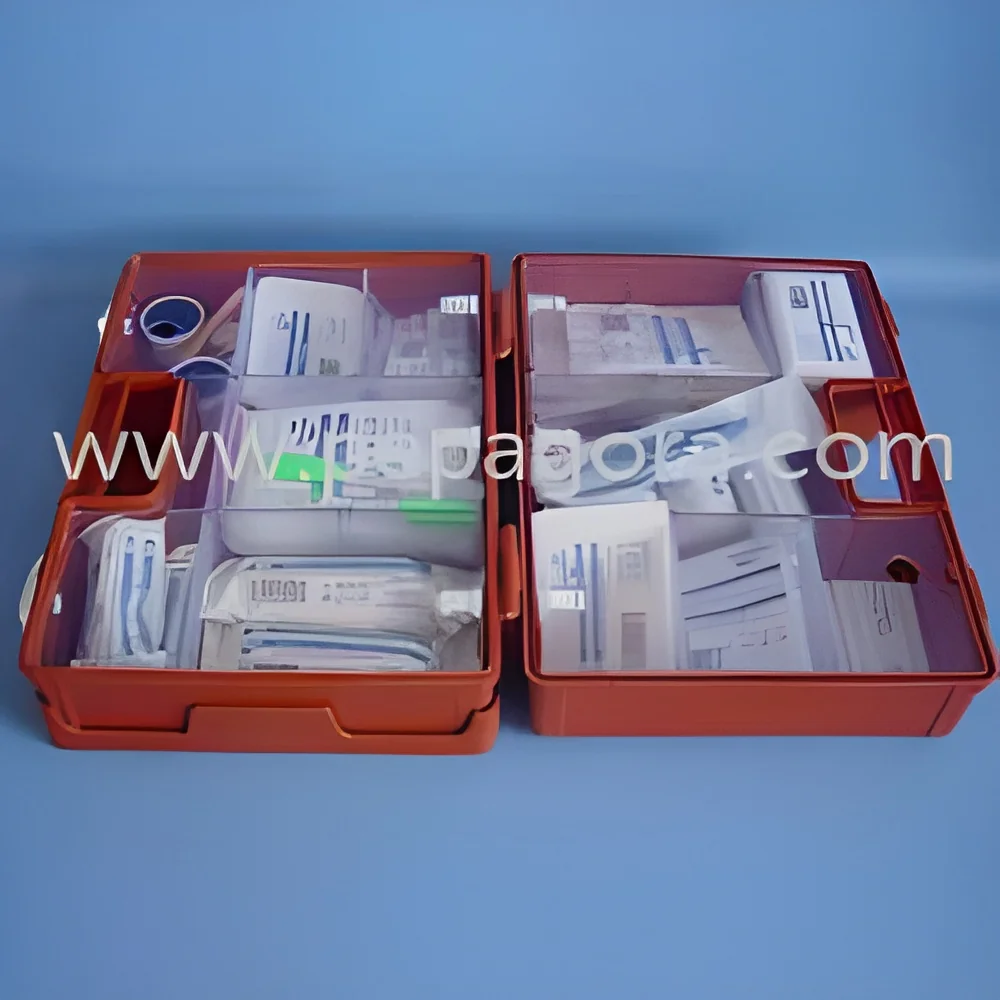
What are First Aid Kits?
First Aid Kits are essential safety equipment designed to provide immediate medical assistance in emergencies. These kits are stocked with various medical supplies and equipment to treat minor injuries, manage wounds, and provide first response care until professional help arrives. They are widely recognized for their role in promoting safety and preparedness in various environments.
The primary uses of First Aid Kits vary across different business applications, including workplaces, schools, and public venues. In industrial settings, these kits are crucial for addressing workplace accidents, while in offices, they serve as a precautionary measure for minor injuries. The significance of First Aid Kits extends beyond mere compliance; they are integral to ensuring employee safety and health, as well as enhancing overall workplace productivity.
In today's market context, the demand for comprehensive First Aid Kits is rising, driven by increased awareness of health and safety regulations. Industries are increasingly prioritizing workplace safety, prompting businesses to invest in high-quality First Aid Kits. This trend reflects a growing commitment to employee well-being and a proactive approach to emergency preparedness.
Key Features and Specifications
When assessing First Aid Kits, it is crucial to understand their key features and specifications. These kits vary in contents and organization, ensuring they meet specific needs based on the environment and potential risks.
Key specifications include:
1. Contents Variety
- A well-stocked First Aid Kit typically includes bandages, antiseptics, gauze, scissors, and gloves.
- Contents can vary based on the intended use, such as workplace, home, or travel kits.
2. Size and Portability
- First Aid Kits come in various sizes, from small portable kits to larger wall-mounted units.
- Portable kits are designed for easy transport, ideal for on-the-go needs.
3. Compliance with Standards
- Many First Aid Kits comply with local and international health and safety regulations.
- Compliance may include certifications such as CE, which indicates conformity with safety standards.
4. Durability
- Kits are often housed in robust, weather-resistant containers to withstand various environments.
- The materials used must protect contents from moisture and damage.
5. User Instructions
- Effective kits include clear instructions for use, ensuring that even untrained individuals can provide assistance.
- Instruction manuals may cover basic first aid procedures.
6. Customization Options
- Some suppliers offer customizable kits tailored to specific industry needs.
- Businesses can select items based on risks unique to their operations.
7. Shelf Life
- The contents of First Aid Kits have specific shelf lives, requiring regular inventory checks.
- Items with expiration dates should be replaced periodically to ensure readiness.
8. Accessibility
- Kits should be easily accessible in emergencies.
- Proper signage may be included to indicate the kit's location.
These features ensure that First Aid Kits are effective, reliable, and suitable for various applications.
Common Applications and Use Cases
First Aid Kits serve a diverse range of industries, each with unique requirements and applications.
1. Healthcare: In hospitals and clinics, First Aid Kits provide immediate assistance for minor injuries or emergencies, enabling swift care for patients.
2. Construction: On construction sites, First Aid Kits are vital for addressing injuries related to falls, cuts, and other accidents, ensuring worker safety.
3. Education: Schools and universities utilize First Aid Kits to manage injuries among students and staff, fostering a safe learning environment.
4. Hospitality: Hotels and restaurants keep First Aid Kits on hand to address guest injuries promptly, enhancing customer service and safety.
5. Manufacturing: Manufacturing facilities employ First Aid Kits to manage workplace injuries quickly, complying with health regulations and maintaining productivity.
6. Sports: Athletic organizations use specialized First Aid Kits tailored for sports injuries, providing immediate care during events and practices.
7. Transportation: Companies in the transportation sector equip vehicles with First Aid Kits to handle emergencies on the road, ensuring passenger safety.
Product Variants and Subcategories
First Aid Kits are available in various variants to cater to different needs and preferences.
Workplace First Aid Kit: This variant is designed specifically for industrial environments, containing supplies that address common workplace injuries such as cuts, burns, and sprains. It often includes items tailored to the specific hazards of the industry.
Home First Aid Kit: Ideal for domestic use, this kit typically includes basic supplies for treating minor injuries at home. It is compact, user-friendly, and suitable for families.
Travel First Aid Kit: This portable kit is designed for travelers, featuring lightweight and essential items to address injuries that may occur while away from home. It often includes items suitable for outdoor activities.
Sports First Aid Kit: Tailored for athletic environments, this kit contains supplies to manage sports-related injuries, such as sprains, strains, and cuts. It is often equipped with specific items like ice packs and elastic bandages.
Benefits and Advantages
Investing in First Aid Kits offers several key benefits for businesses and organizations.
1. Enhanced Safety: First Aid Kits promote a culture of safety by providing immediate access to medical supplies, reducing the severity of injuries.
2. Compliance with Regulations: Having First Aid Kits on-site helps organizations comply with health and safety regulations, minimizing legal risks.
3. Increased Employee Confidence: Employees feel more secure knowing that resources are available to address emergencies, fostering a positive work environment.
4. Quick Response Capability: First Aid Kits enable rapid responses to injuries, potentially preventing complications and ensuring timely care.
5. Cost-Effective Solution: Investing in First Aid Kits can reduce healthcare costs associated with workplace injuries by addressing issues promptly.
6. Improved Productivity: By minimizing downtime from injuries, First Aid Kits contribute to a more productive workforce.
Buying Guide for B2B Buyers
When sourcing First Aid Kits, B2B buyers should consider several critical factors to ensure they choose the right products.
1. Quality Assessment: Buyers should evaluate the quality of the items included in the kit, ensuring they meet industry standards and are suitable for the intended use.
2. Supplier Verification: It is essential to vet suppliers for reliability and reputation. This may involve checking references or certifications to ensure they provide high-quality products.
3. Pricing and MOQ: Understanding pricing structures and minimum order quantities (MOQ) is crucial for budgeting and ensuring that the purchase aligns with business needs.
4. Delivery and Lead Times: Buyers should inquire about logistics, including delivery times and shipping options, to ensure timely availability of the kits.
5. Compliance Requirements: Familiarity with local regulations regarding First Aid Kits helps ensure that the selected kits meet necessary compliance standards.
Compliance and Certifications
First Aid Kits must adhere to several quality standards and regulations to ensure safety and effectiveness. Important quality standards include ISO 9001, which emphasizes quality management systems, and HACCP, focused on food safety. Compliance with these standards is essential for maintaining high-quality products.
Industry certifications, such as CE marking, indicate that the First Aid Kits meet European safety, health, and environmental protection standards. This certification assures buyers of the product's reliability and safety.
Additionally, First Aid Kits must comply with safety and testing requirements to ensure their contents are effective and safe for use. Regular testing and quality checks are crucial to maintaining compliance.
Regional compliance considerations may vary based on local laws and regulations. It is essential for businesses to stay informed about the specific requirements in their region to ensure compliance and safety.
Why Source First Aid Kits from Pepagora?
Pepagora offers a trusted platform for sourcing First Aid Kits, providing several key advantages for buyers.
Verified Supplier Network: Pepagora has established a network of verified suppliers, ensuring that buyers can find high-quality First Aid Kits from reputable sources. This verification process helps mitigate risks associated with sourcing.
Streamlined RFQ Process: The platform simplifies the request for quotation (RFQ) process, allowing buyers to easily compare prices and specifications from multiple suppliers. This efficiency saves time and enhances decision-making.
Trade Assurance and Support: Pepagora provides trade assurance, protecting buyers' interests during transactions. This support fosters confidence in purchasing decisions and helps ensure satisfaction.
Regional Coverage: With extensive coverage in regions like India, the GCC, and Southeast Asia, Pepagora connects buyers with suppliers that can meet their specific needs and logistics requirements, facilitating smooth transactions.

 IN
IN