𝗪𝗵𝗮𝘁 𝗮𝗿𝗲 𝗩𝗼𝗹𝘁𝗮𝗴𝗲 𝗧𝗲𝘀𝘁𝗲𝗿𝘀?
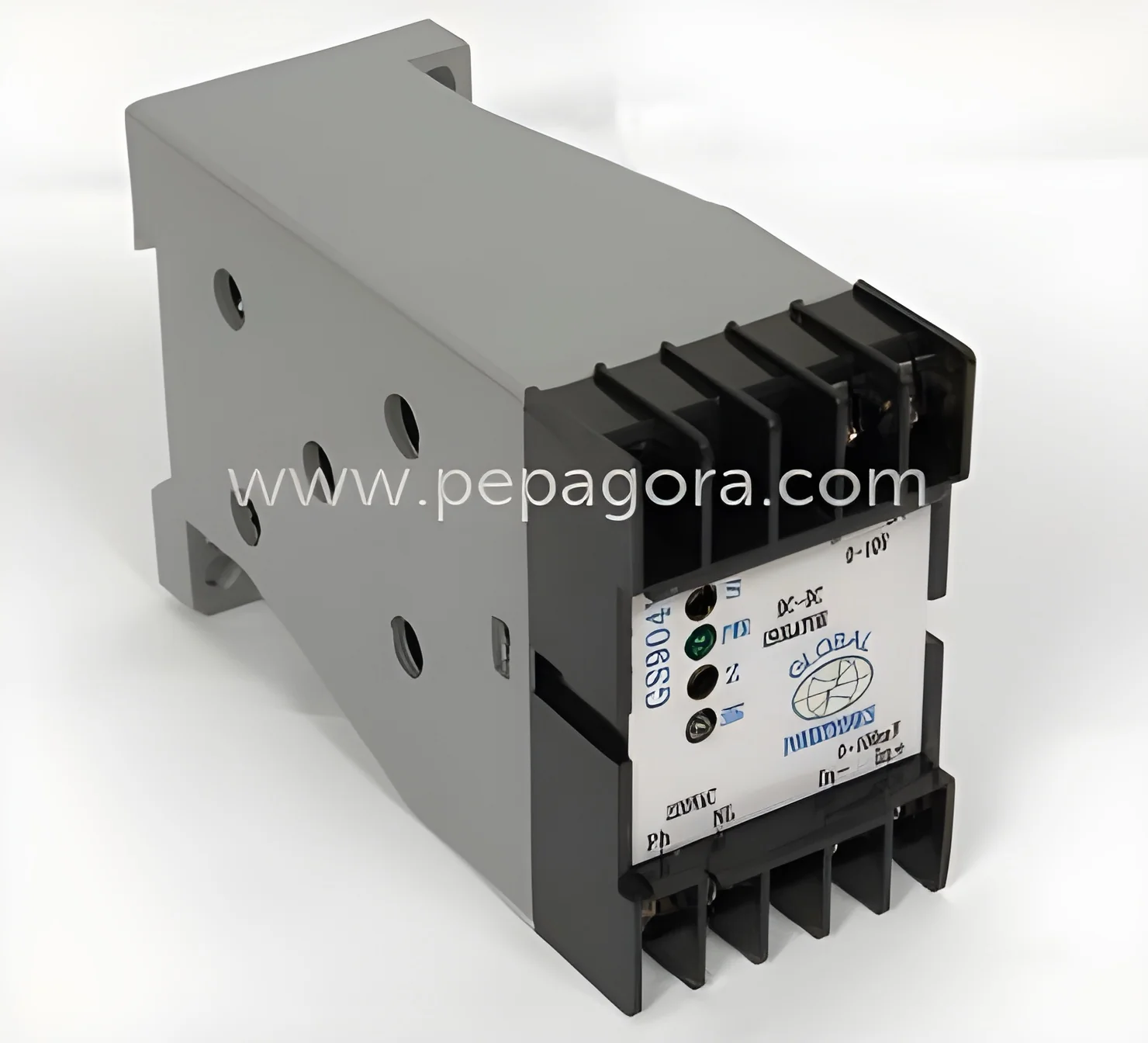
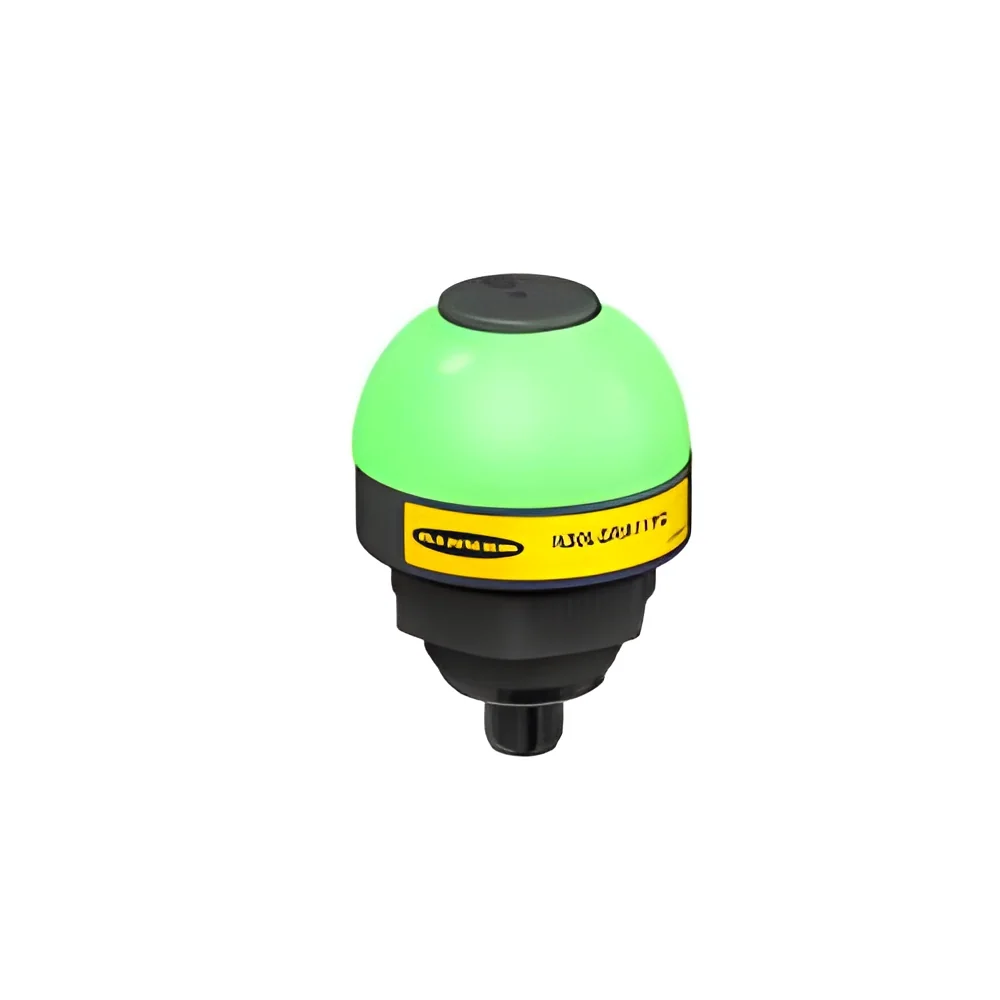
Voltage testers are essential electrical instruments used to determine the presence or absence of voltage in electrical circuits. These tools come in various forms, including simple test pens and more complex multimeters. Voltage testers operate by detecting electrical potential differences, ensuring that equipment and wiring are safe for maintenance or repair.
The primary application of voltage testers spans across various industries, including construction, manufacturing, and maintenance. They are crucial for electricians and technicians who need to verify that circuits are de-energized before performing work. Voltage testers help prevent electrical accidents and ensure compliance with safety regulations, making them indispensable tools in any electrical work environment.
In the current market, the demand for voltage testers is driven by the increasing emphasis on workplace safety and the growing complexity of electrical systems. As industries evolve, the need for reliable and accurate voltage testing equipment continues to rise, positioning voltage testers as vital assets in maintaining electrical integrity and safety.
𝗞𝗲𝘆 𝗙𝗲𝗮𝘁𝘂𝗿𝗲𝘀 𝗮𝗻𝗱 𝗦𝗽𝗲𝗰𝗶𝗳𝗶𝗰𝗮𝘁𝗶𝗼𝗻𝘀
Voltage testers are equipped with numerous features that enhance their functionality and reliability. When choosing a voltage tester, it is important to understand the key specifications that define its performance and suitability for specific applications.
Key specifications include:
1. Voltage Range
- Indicates the maximum voltage that the tester can measure.
- Common ranges include 0-600V or 0-1000V.
2. Detection Method
- Describes how the tester detects voltage presence.
- Options include non-contact and contact voltage detection.
3. Display Type
- Refers to the method of displaying voltage readings.
- Common types are analog and digital displays.
4. Safety Ratings
- Indicates the safety standards met by the tester.
- Look for categories such as CAT III or CAT IV for better protection.
5. Response Time
- The speed at which the tester indicates voltage presence.
- Typically ranges from a few milliseconds to seconds.
6. Power Source
- Describes how the tester is powered.
- Options include battery-operated and self-powered models.
7. Size and Weight
- Affects portability and ease of use.
- Compact designs are often preferred for fieldwork.
8. Additional Features
- May include backlights, audible alerts, and data logging capabilities.
In summary, understanding these features and specifications will help buyers select the most suitable voltage testers for their specific needs.
𝗖𝗼𝗺𝗺𝗼𝗻 𝗔𝗽𝗽𝗹𝗶𝗰𝗮𝘁𝗶𝗼𝗻𝘀 𝗮𝗻𝗱 𝗨𝘀𝗲 𝗖𝗮𝘀𝗲𝘀
Voltage testers find applications across various industries, ensuring safe electrical practices.
1. Construction: Voltage testers are used by electricians to check circuits before installation or maintenance work. They help verify that power is off, preventing accidents.
2. Manufacturing: In manufacturing facilities, voltage testers are essential for troubleshooting machinery. They help ensure that all equipment is safe to operate.
3. Electrical Maintenance: Maintenance personnel use voltage testers to routinely check electrical systems. This practice helps in identifying potential issues before they escalate into major failures.
4. Telecommunications: In the telecommunications sector, voltage testers are utilized to ensure signal integrity and power continuity in network infrastructure.
5. Automotive: Voltage testers are important in automotive repair shops for diagnosing electrical problems in vehicles, ensuring that systems operate correctly.
6. HVAC: Technicians in heating, ventilation, and air conditioning use voltage testers to check electrical components for proper function and safety.
7. Renewable Energy: In solar and wind energy sectors, voltage testers help ensure systems are safe and functioning properly during installation and maintenance.
𝗣𝗿𝗼𝗱𝘂𝗰𝘁 𝗩𝗮𝗿𝗶𝗮𝗻𝘁𝘀 𝗮𝗻𝗱 𝗦𝘂𝗯𝗰𝗮𝘁𝗲𝗴𝗼𝗿𝗶𝗲𝘀
Voltage testers come in a variety of models to cater to different needs. Understanding these variants can help businesses choose the right tool for their applications.
Non-Contact Voltage Tester
This variant detects voltage without direct contact with live wires. It is ideal for quick checks and enhances safety by allowing users to maintain a safe distance from live circuits.
Contact Voltage Tester
This type requires direct contact with the electrical source to measure voltage. It is often used for precise measurements and troubleshooting.
Multimeter
While primarily a voltage tester, a multimeter can measure other electrical parameters such as current and resistance. This versatility makes it a valuable tool in various applications.
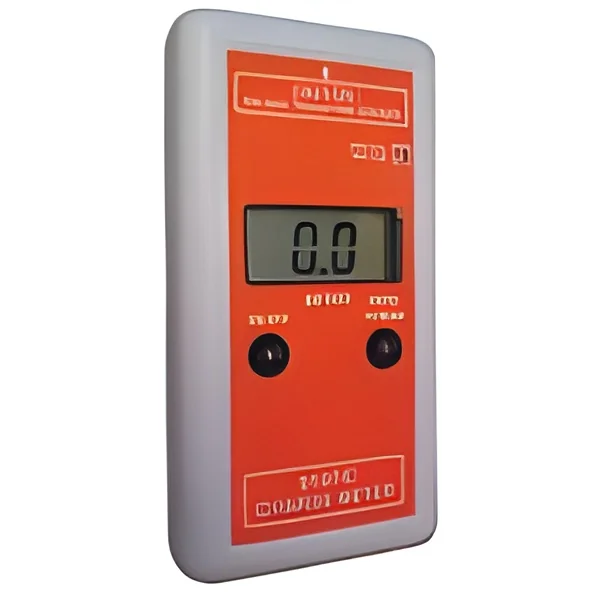
Digital Voltage Tester
This model features a digital display for clear reading of voltage levels. It often includes additional features such as data logging and backlighting for ease of use in low-light conditions.
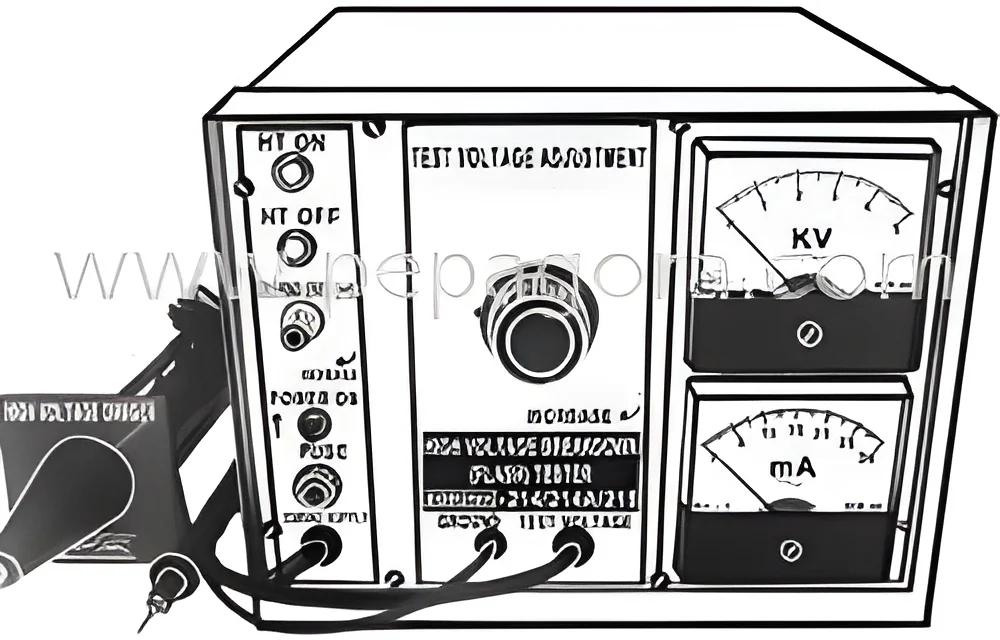
Analog Voltage Tester
Using a needle dial to indicate voltage, analog testers are simple and reliable. They are often favored for their robustness and ease of use in field applications.
𝗕𝗲𝗻𝗲𝗳𝗶𝘁𝘀 𝗮𝗻𝗱 𝗔𝗱𝘃𝗮𝗻𝘁𝗮𝗴𝗲𝘀
Investing in voltage testers offers numerous advantages for businesses.
1. Enhanced Safety: Voltage testers significantly reduce the risk of electrical accidents by ensuring circuits are de-energized before maintenance.
2. Increased Efficiency: Quick voltage checks allow technicians to diagnose issues faster, minimizing downtime and improving workflow.
3. Compliance Assurance: Using voltage testers helps businesses meet regulatory requirements, ensuring adherence to safety standards.
4. Versatility: Many voltage testers can measure multiple electrical parameters, making them useful in various applications beyond just voltage testing.
5. Cost-Effectiveness: Reliable voltage testers can prevent costly electrical failures by identifying issues early, ultimately saving money on repairs.
6. User-Friendly: Modern voltage testers often come with intuitive displays and features, making them easy to operate even for those with limited experience.
𝗕𝘂𝘆𝗶𝗻𝗴 𝗚𝘂𝗶𝗱𝗲 𝗳𝗼𝗿 𝗕𝟮𝗕 𝗕𝘂𝘆𝗲𝗿𝘀
When sourcing voltage testers, B2B buyers should consider several critical factors to ensure they select the right equipment.
1. Quality Assessment: Evaluate the build quality and reliability of the voltage testers. Look for products that meet industry standards and have positive reviews from users.
2. Supplier Verification: It is essential to vet suppliers thoroughly. Check their reputation, customer service history, and ability to provide post-sale support.
3. Pricing and MOQ: Compare prices across different suppliers while considering the minimum order quantity. Ensure the pricing aligns with your budget and anticipated usage.
4. Delivery and Lead Times: Discuss logistics with potential suppliers. Understand their delivery schedules to ensure you receive your voltage testers when needed.
5. Compliance Requirements: Be aware of any regulatory needs specific to your industry. Ensure that the voltage testers comply with necessary safety certifications.
𝗖𝗼𝗺𝗽𝗹𝗶𝗮𝗻𝗰𝗲 𝗮𝗻𝗱 𝗖𝗲𝗿𝘁𝗶𝗳𝗶𝗰𝗮𝘁𝗶𝗼𝗻𝘀
Voltage testers must adhere to various quality standards and certifications to ensure safety and reliability. Many manufacturers meet ISO 9001 standards, which focus on quality management systems and continuous improvement. Additionally, compliance with CE certification indicates that the products meet safety, health, and environmental protection requirements set by the European Union.
Safety and testing requirements are crucial in the design and manufacturing of voltage testers. They should be tested for electrical safety to prevent hazards during use. Furthermore, understanding regional compliance considerations is essential, as different countries may have specific regulations governing electrical testing equipment.
𝗪𝗵𝘆 𝗦𝗼𝘂𝗿𝗰𝗲 𝗩𝗼𝗹𝘁𝗮𝗴𝗲 𝗧𝗲𝘀𝘁𝗲𝗿𝘀 𝗳𝗿𝗼𝗺 𝗣𝗲𝗽𝗮𝗴𝗼𝗿𝗮?
Pepagora offers a reliable platform for sourcing voltage testers, providing several advantages for buyers.
Verified Supplier Network: Our platform connects you with verified suppliers who have undergone thorough vetting processes. This ensures you access high-quality products and trustworthy service.
Streamlined RFQ Process: Pepagora simplifies the quotation process, allowing buyers to submit requests for quotes easily. This efficiency helps you compare options and make informed purchasing decisions.
Trade Assurance and Support: We prioritize buyer protection, offering trade assurance that secures your transactions. Our support team is available to assist you throughout the procurement process.
Regional Coverage: Pepagora serves a wide geographic area, including India, the GCC, and Southeast Asia. This extensive reach ensures that businesses in these regions can access the voltage testers they need efficiently and effectively.

 IN
IN