What are Fall Arrest Systems?
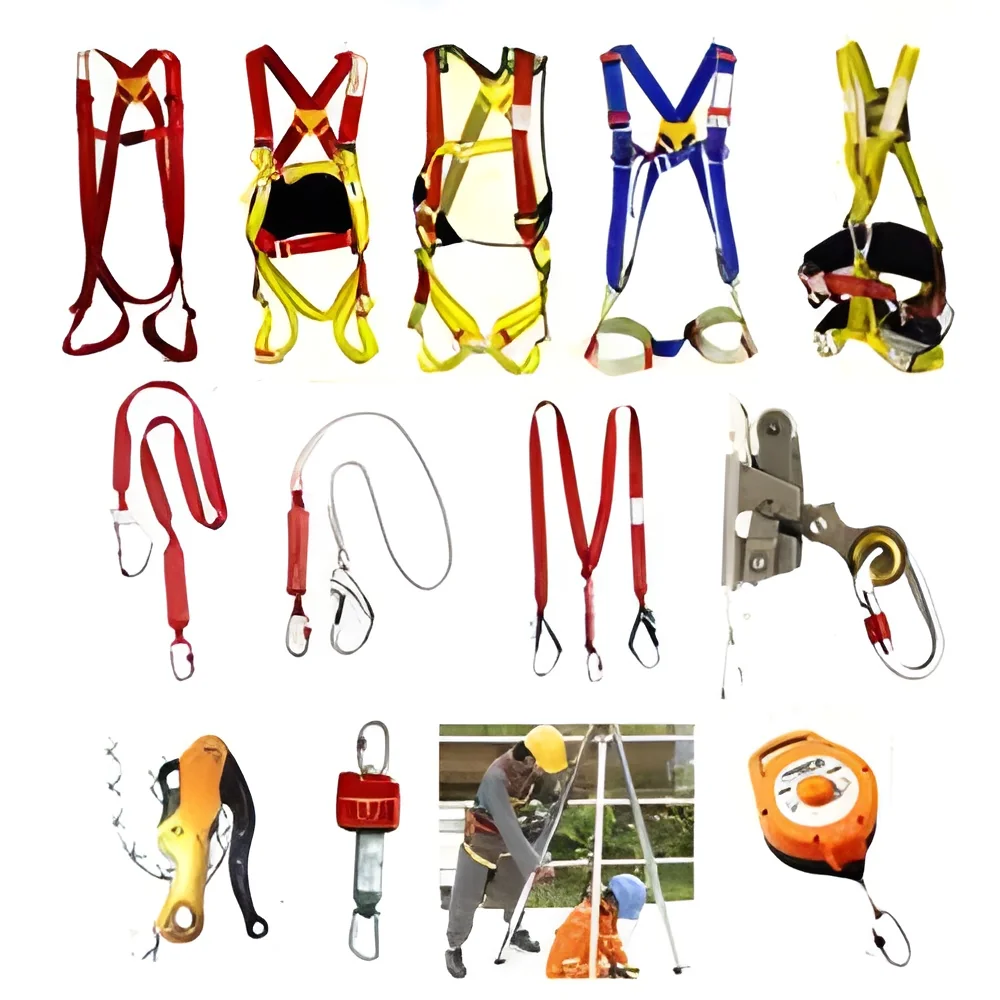
Fall arrest systems are safety equipment designed to prevent workers from falling during tasks performed at heights. These systems typically include components such as harnesses, lanyards, and anchorage points, which work together to secure a worker and minimize the risk of injury in the event of a fall. By using fall arrest systems, companies can protect their employees while ensuring compliance with safety regulations.
These systems are widely used across various industries, including construction, maintenance, and manufacturing. They are critical for operations involving scaffolding, roof work, or any activity where workers are at risk of falling. The implementation of fall arrest systems not only enhances worker safety but also helps organizations avoid costly accidents and potential legal liabilities. As safety standards evolve and workplace regulations become stricter, the demand for effective fall arrest systems continues to rise in the market.
Key Features and Specifications
Fall arrest systems come with various features aimed at ensuring maximum safety and efficiency. Understanding these specifications can aid businesses in selecting the right systems for their needs.
Key specifications include:
1. Type of Harness
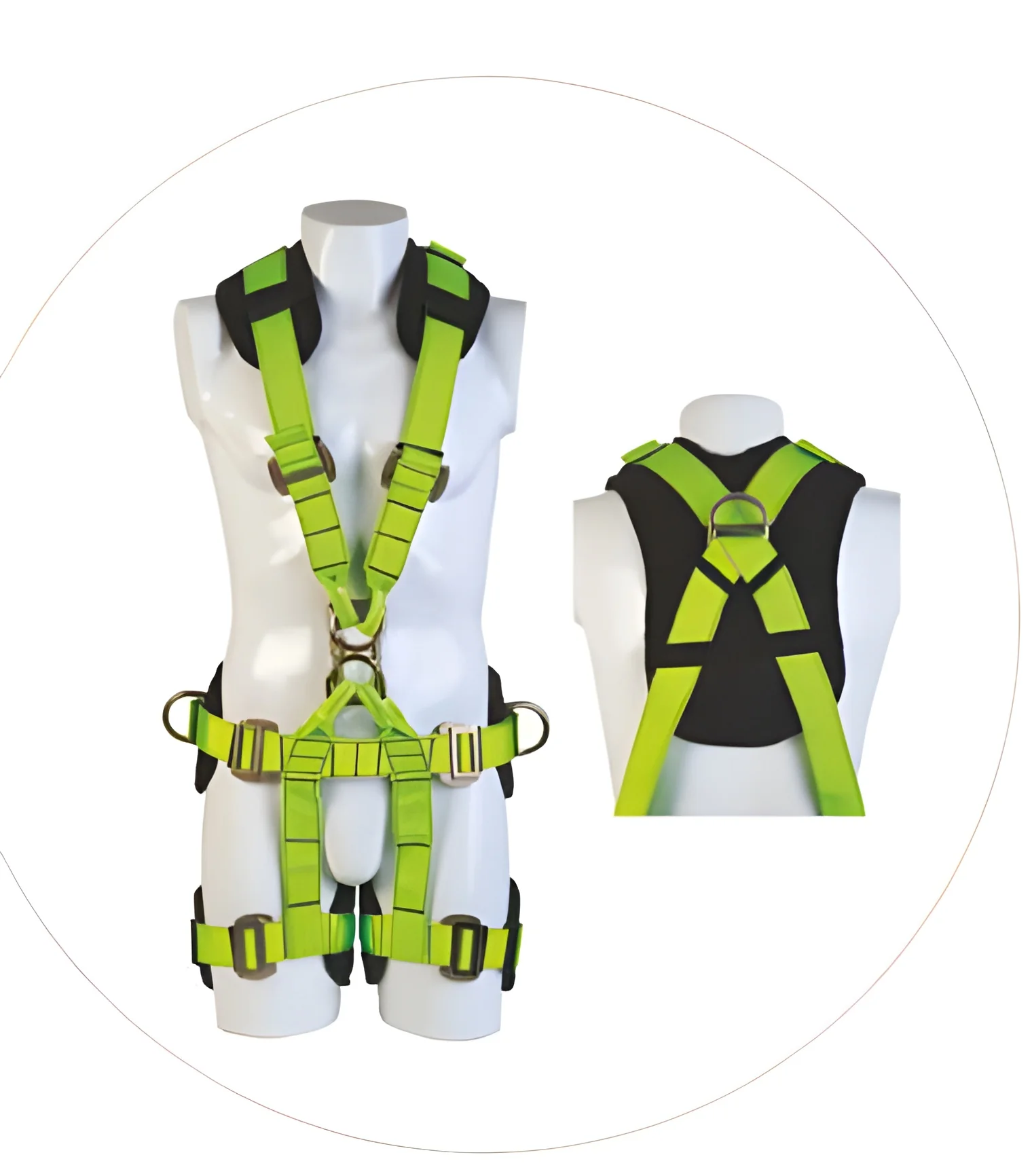
- Full-body harnesses are the most common type, providing support to the entire body.
- They are designed to distribute fall forces across the body to minimize injury.
2. Anchorage Points
- These are secure locations where the fall arrest system can be attached.
- They must meet specific load-bearing capacity requirements.
3. Lanyard Length
- Lanyards are available in different lengths to accommodate various work environments.
- They should be chosen based on the height of the work area and the potential fall distance.
4. Shock Absorption
- Most systems include shock-absorbing components to reduce the impact force during a fall.
- This feature is crucial for minimizing injury risk.
5. Weight Capacity
- Fall arrest systems are rated for specific weight limits.
- It is essential to select systems that can safely support the combined weight of the worker and any equipment.
6. Material Durability
- High-strength materials like nylon or polyester are commonly used for harnesses and lanyards.
- These materials resist wear and tear, ensuring longevity and reliability.
7. Compliance Standards
- Fall arrest systems must adhere to industry safety standards, such as CE certification.
- Compliance ensures the systems meet necessary safety and performance criteria.
In summary, understanding the key features and specifications of fall arrest systems is essential for selecting the right equipment to ensure safety and compliance in the workplace.
Common Applications and Use Cases
Fall arrest systems are essential tools in a variety of industries, ensuring worker safety during high-risk activities.
1. Construction: Workers on construction sites frequently use fall arrest systems when working on scaffolding or roofs. These systems help prevent injuries from falls, which are a leading cause of accidents in this industry.
2. Maintenance: In maintenance roles, workers often perform tasks on elevated platforms or ladders. Fall arrest systems provide the necessary safety measures when working at heights, ensuring that maintenance tasks are completed without incident.
3. Manufacturing: In manufacturing facilities, fall arrest systems are used when employees work near elevated machinery or platforms. These systems protect workers from falls while allowing for efficient operations.
4. Oil and Gas: Workers in the oil and gas sector often operate in elevated environments, such as drilling rigs. Fall arrest systems are critical in these settings to mitigate the risks associated with working at height.
5. Telecommunications: Technicians working on cell towers and radio masts rely on fall arrest systems to ensure their safety while performing maintenance and installation tasks high above ground.
6. Window Cleaning: Professional window cleaners utilize fall arrest systems to protect themselves when working on high-rise buildings. These systems enable safe access to elevated surfaces.
7. Transportation: Workers involved in the maintenance of transportation infrastructure, such as bridges and tunnels, often use fall arrest systems to ensure safety when performing elevated work.
Product Variants and Subcategories
Fall arrest systems come in several variants to cater to different applications and user requirements. Each variant is designed to provide optimal safety based on specific work environments and tasks.
Full-Body Harness
This variant is designed with straps that secure the entire body. It offers maximum support and is commonly used in construction and maintenance jobs. The full-body harness is equipped with various attachment points for lanyards and other safety devices.
Retractable Lifeline
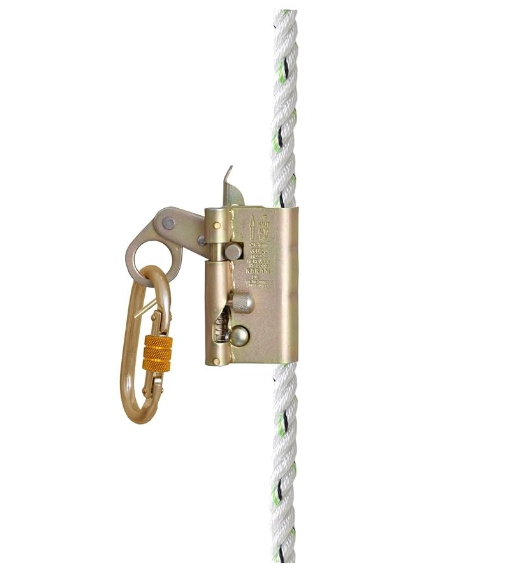
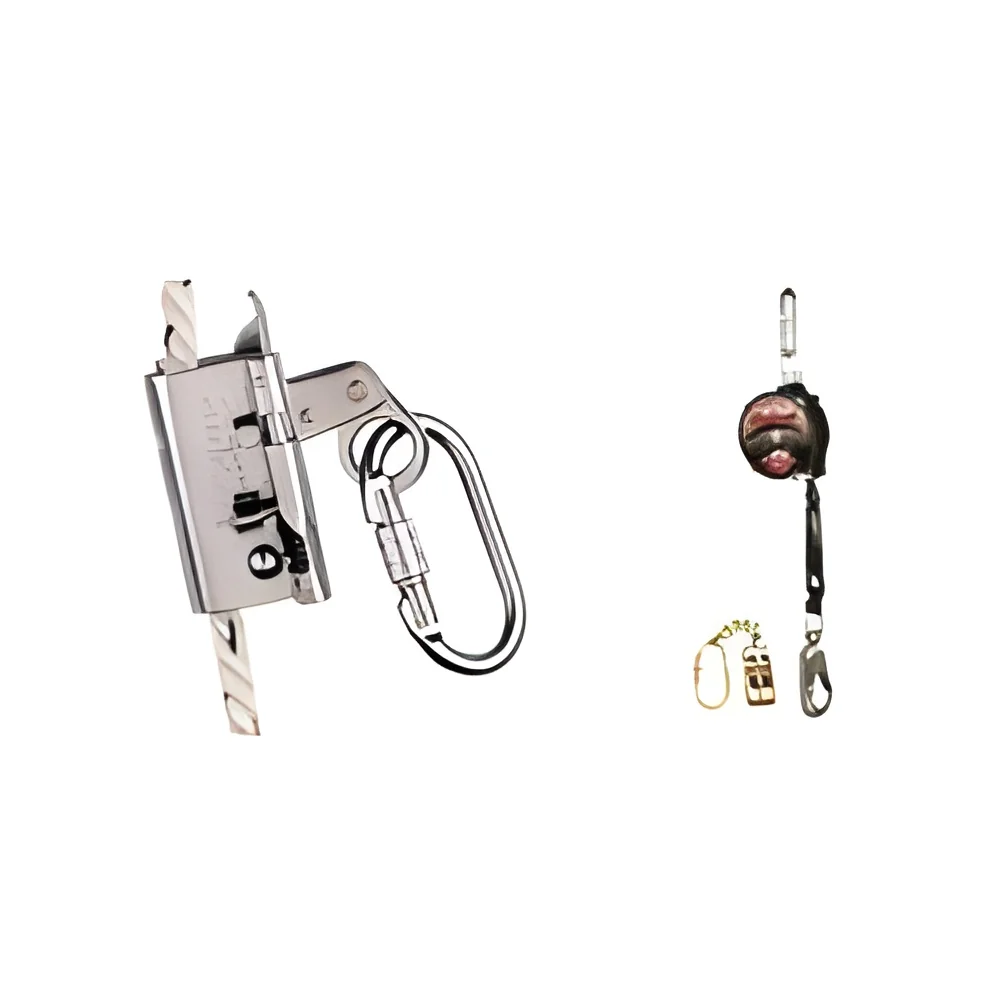
Retractable lifelines automatically adjust to the worker's movements, providing freedom of movement while maintaining safety. These systems are often used in industrial settings where workers need mobility without sacrificing security.
Shock-Absorbing Lanyard
This type of lanyard includes a built-in shock absorber that reduces the impact of a fall. Shock-absorbing lanyards are ideal for construction and maintenance applications where falls from heights are a risk.
Twin-Leg Lanyard
Twin-leg lanyards allow workers to remain attached to an anchor point while moving between locations. This system is particularly useful in construction and maintenance, where continuous protection is required.
Benefits and Advantages
Investing in fall arrest systems offers numerous benefits that enhance workplace safety and productivity.
1. Enhanced Worker Safety: Fall arrest systems significantly reduce the risk of injury or fatalities resulting from falls. This protection is vital for maintaining a safe work environment.
2. Compliance with Regulations: Using fall arrest systems helps businesses comply with occupational safety regulations, preventing legal issues related to workplace safety.
3. Increased Employee Confidence: When workers know they are protected by reliable safety systems, they can focus better on their tasks, leading to improved productivity.
4. Reduced Liability: By implementing effective fall protection measures, companies can lower their liability risks associated with accidents and injuries.
5. Cost-Effective Solution: Investing in fall arrest systems can ultimately save companies money by reducing the costs associated with workplace injuries, insurance claims, and regulatory fines.
6. Versatility: Fall arrest systems are designed for multiple applications across various industries, making them a flexible solution for businesses with diverse operational needs.
Buying Guide for B2B Buyers
When sourcing fall arrest systems, businesses should consider several important factors to ensure the right choice.
1. Quality Assessment: Evaluate the quality of materials and craftsmanship in fall arrest systems. Look for products that meet industry standards and have undergone rigorous testing.
2. Supplier Verification: It is crucial to vet suppliers thoroughly. Check for certifications and customer reviews to ensure they have a proven track record in providing reliable safety equipment.
3. Pricing and MOQ: Understand the pricing structure and minimum order quantities (MOQ) of fall arrest systems. This knowledge helps in budgeting and negotiating with suppliers.
4. Delivery and Lead Times: Consider logistics and delivery times when planning your purchase. Ensure that suppliers can meet your timelines to avoid disruptions in operations.
5. Compliance Requirements: Familiarize yourself with local and industry-specific compliance requirements for safety equipment. Ensure that the fall arrest systems you choose meet all necessary regulations.
Compliance and Certifications
Fall arrest systems are subject to various quality standards and certifications that ensure their effectiveness and safety. Compliance with ISO 9001 standards indicates that manufacturers adhere to quality management principles, ensuring consistent production of high-quality products.
Additionally, fall arrest systems often come with CE certification, signifying that they meet European safety standards. This certification is particularly important for businesses operating in regions where regulatory compliance is mandatory.
Safety and testing requirements also play a crucial role in the production of fall arrest systems. These products must undergo rigorous testing to verify their performance under real-world conditions, ensuring they can withstand the forces exerted during a fall.
Regional compliance considerations may vary, with different countries having specific regulations governing workplace safety equipment. It is essential for businesses to be aware of these regulations to ensure compliance and avoid potential penalties.
Why Source Fall Arrest Systems from Pepagora?
Pepagora provides a trusted platform for sourcing fall arrest systems, ensuring that businesses can find high-quality safety equipment with confidence. One of the key advantages of using Pepagora is its verified supplier network. Each supplier is thoroughly vetted to ensure that they meet industry standards for quality and reliability.
The platform also features a streamlined RFQ process, allowing buyers to easily request quotations from multiple suppliers. This system enhances transparency and helps businesses make informed purchasing decisions based on price and quality.
Furthermore, Pepagora offers trade assurance and support, providing buyers with protection during transactions. This feature builds trust and confidence in sourcing decisions, ensuring that businesses receive the products they need.
Finally, Pepagora's regional coverage spans India, the GCC, and Southeast Asia, making it easier for businesses in these areas to access fall arrest systems. This geographic reach enhances convenience and supports local industries in maintaining high safety standards.

 IN
IN