What are Ear Plugs & Ear Muffs?
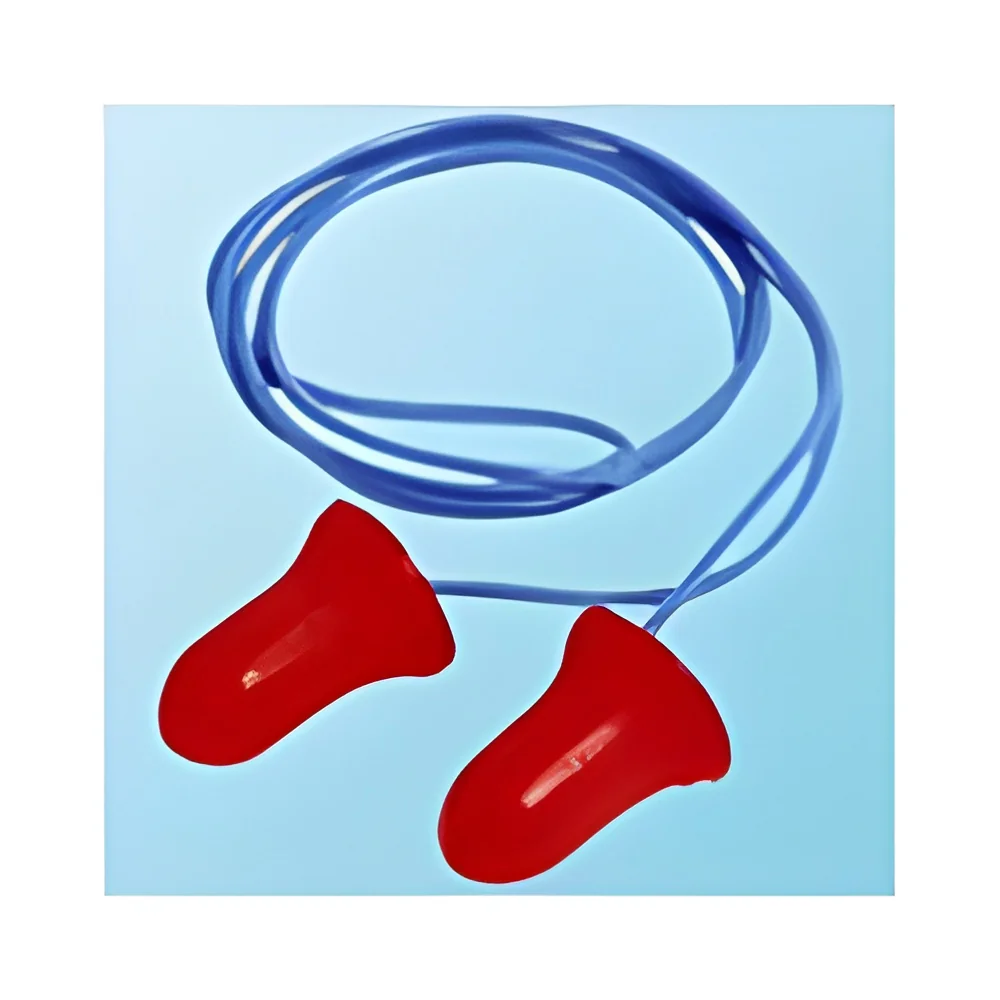
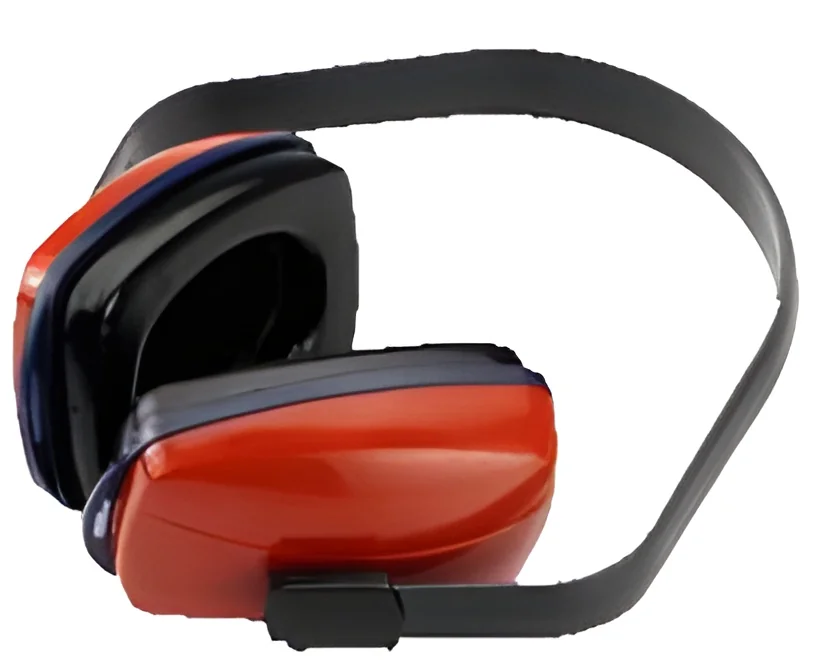
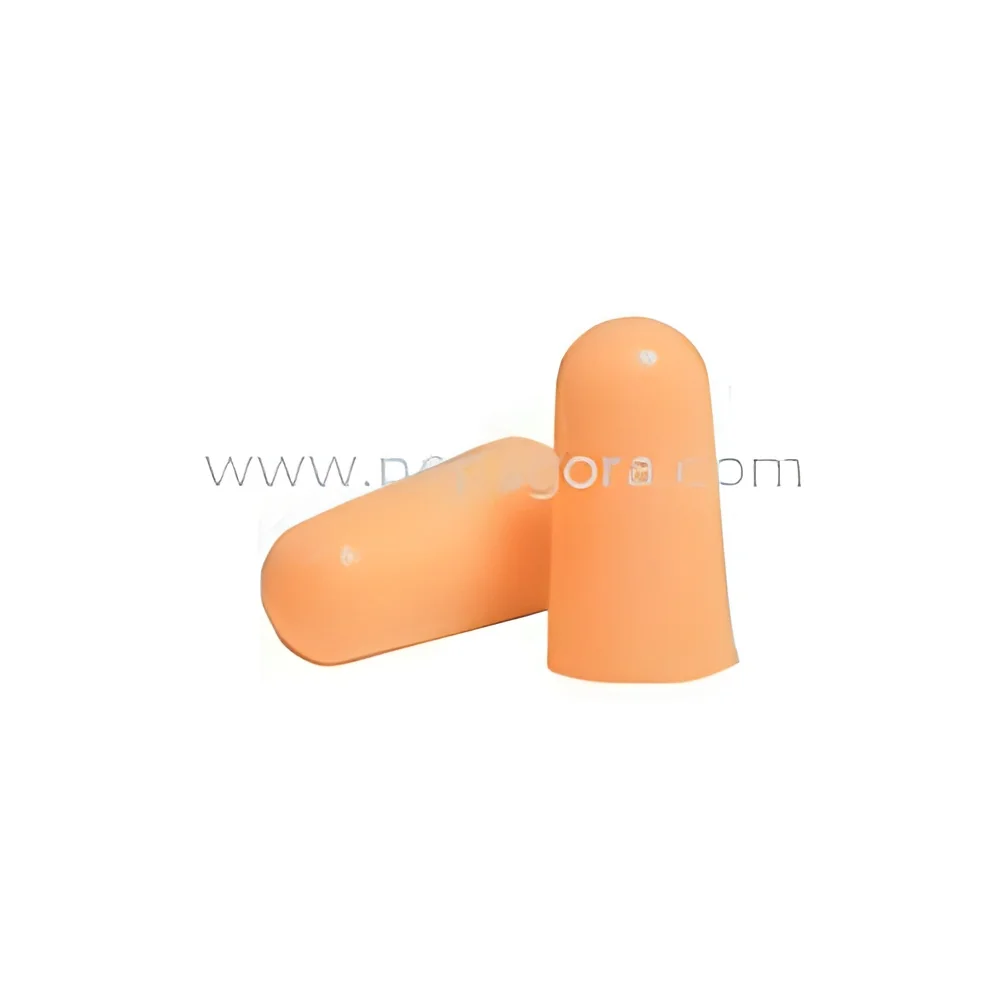
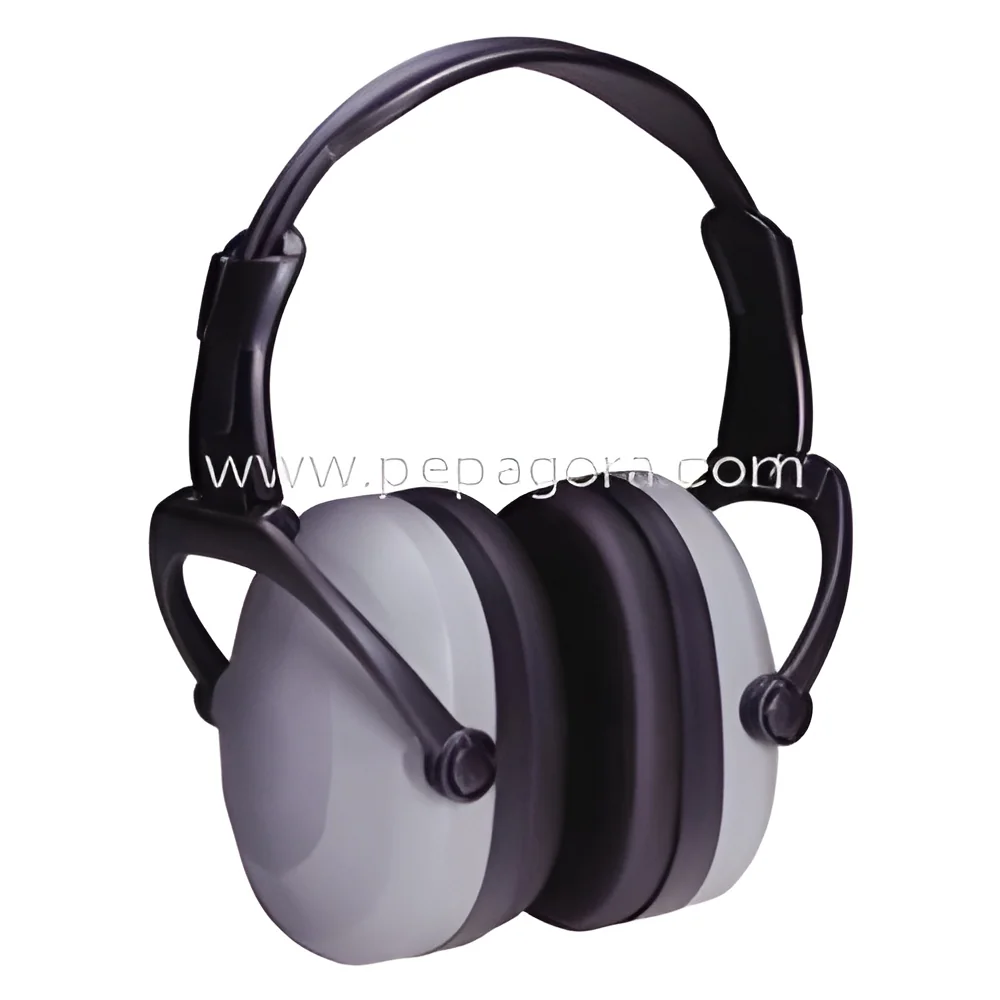
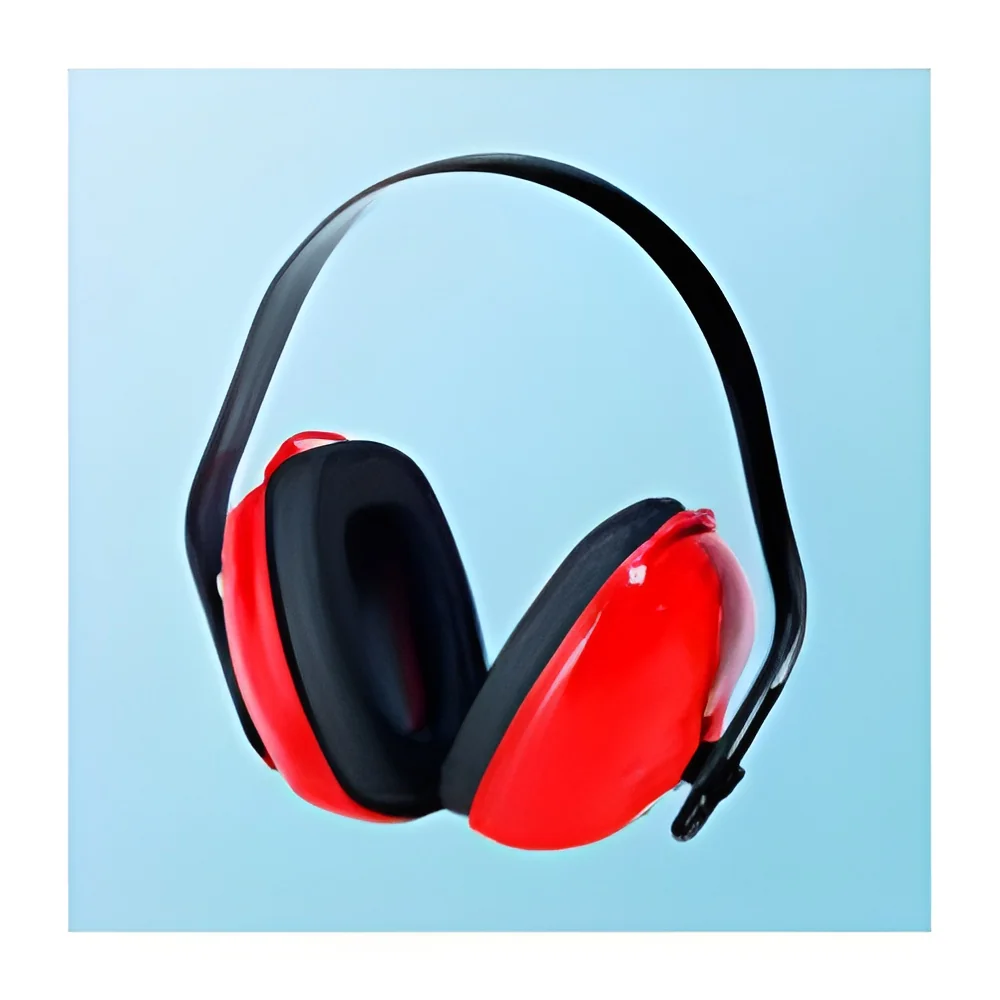
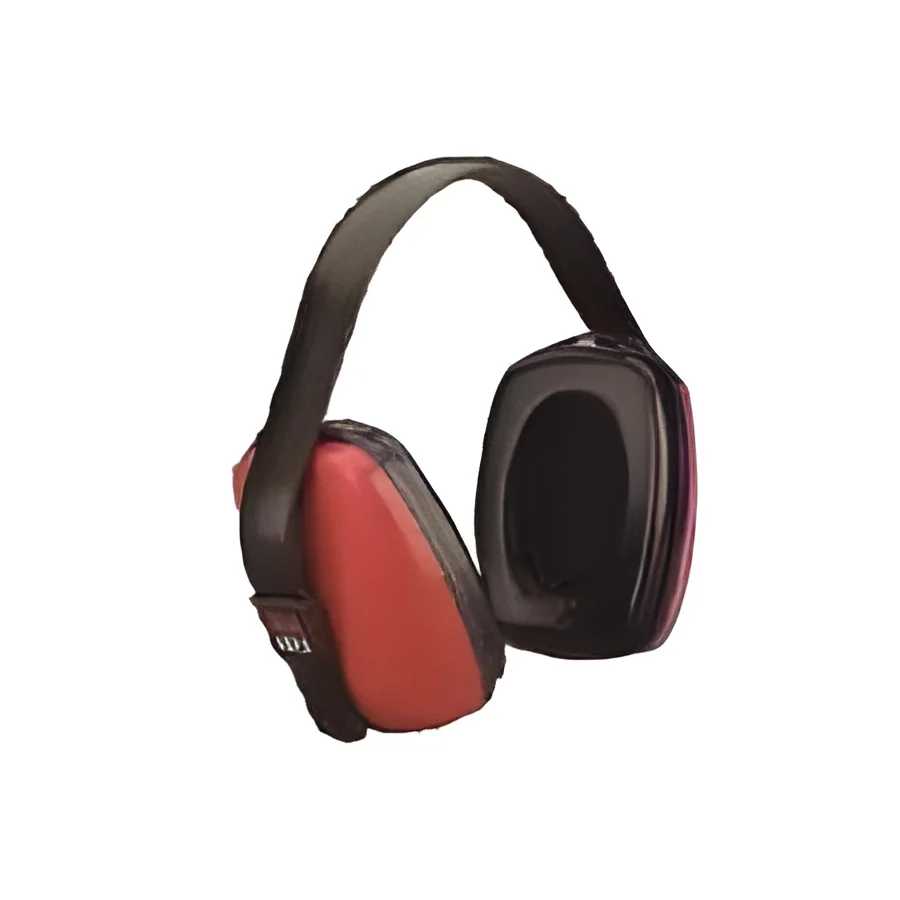
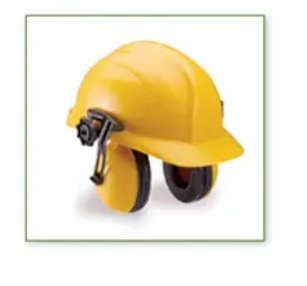
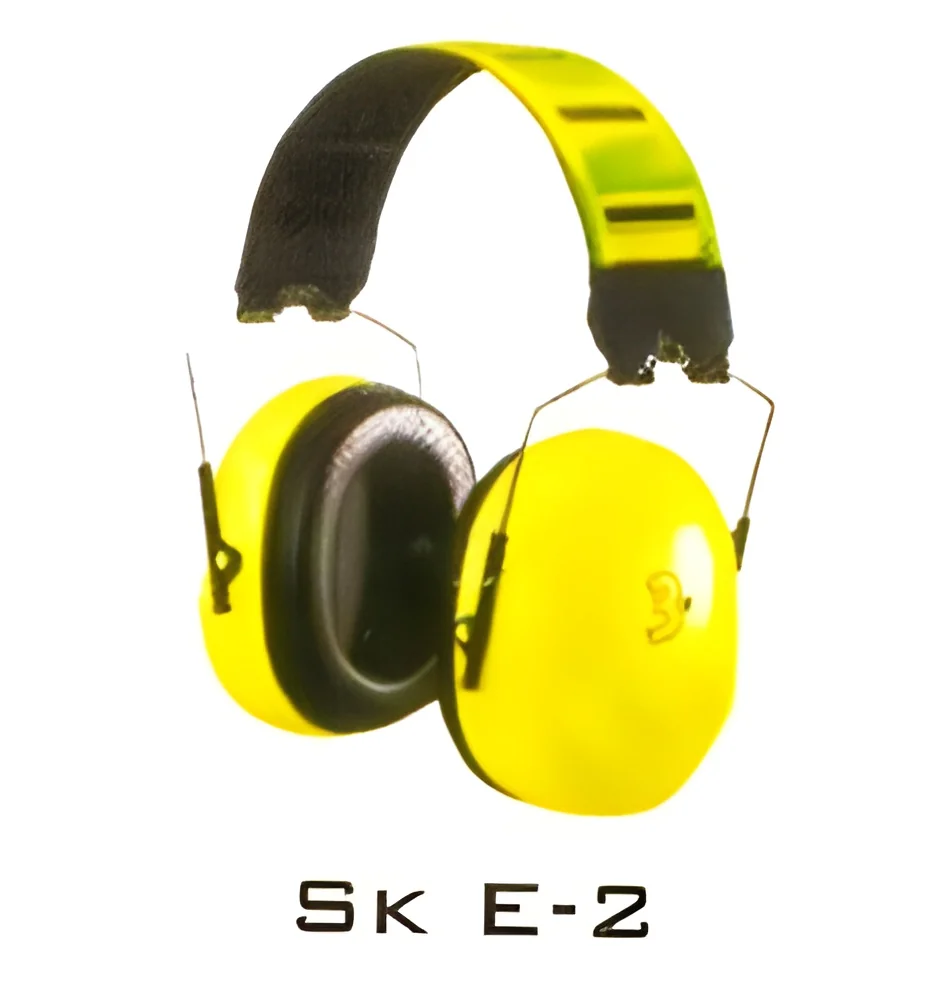
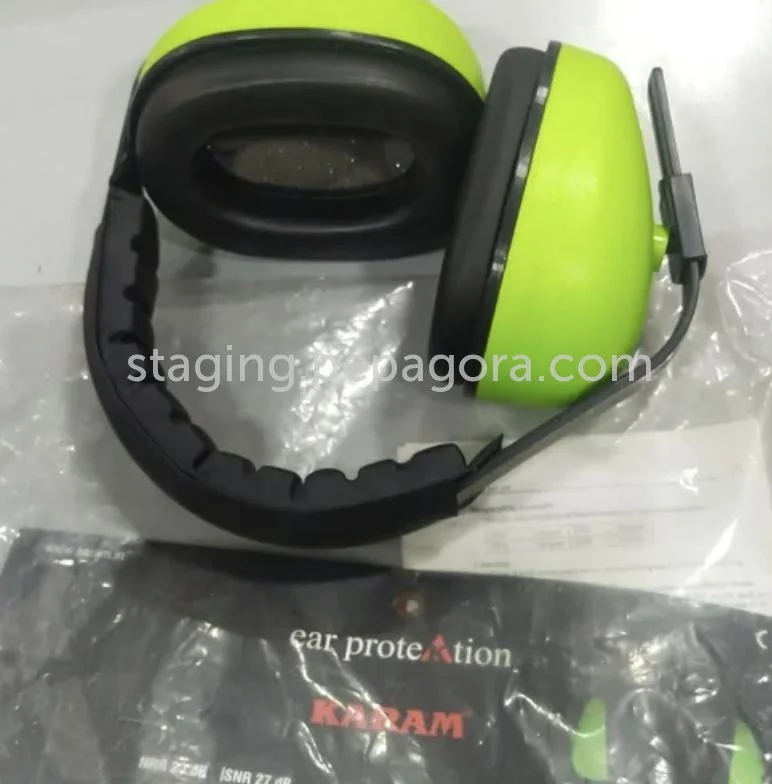
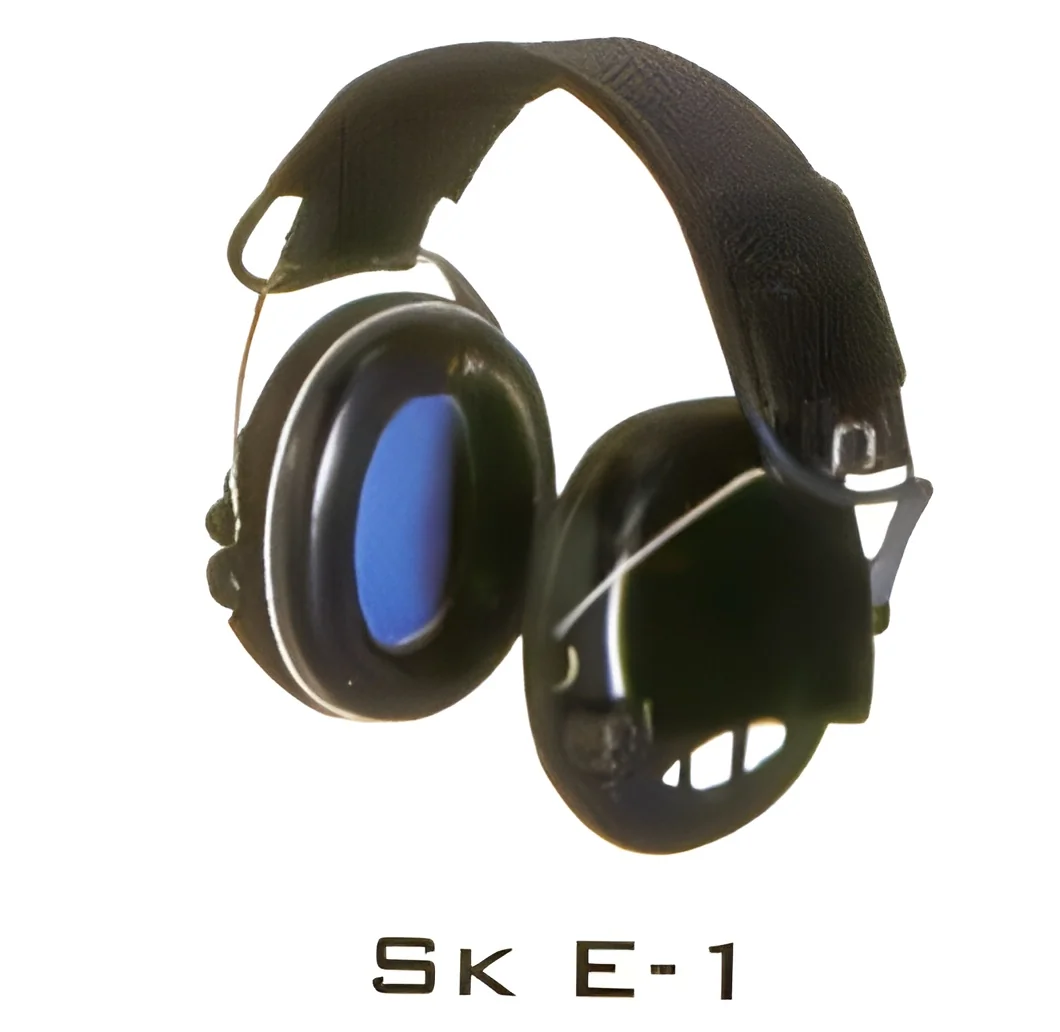
Ear plugs and ear muffs are protective devices designed to reduce noise exposure and enhance hearing safety in various environments. Ear plugs are small, often foam or silicone devices inserted into the ear canal. They work by creating a seal that blocks sound waves from entering the ear. On the other hand, ear muffs consist of a pair of cups that cover the entire ear, providing a barrier against loud noises. Both products are essential for individuals working in noisy industries or environments.
These products are primarily used in settings such as construction sites, manufacturing plants, and music venues, where noise levels can be harmful. Businesses in these sectors implement ear plugs and ear muffs to ensure compliance with health and safety regulations while safeguarding their employees' hearing. The application of these devices goes beyond occupational use; they can be found in recreational activities such as shooting, motor racing, and attending concerts.
In today's market, the demand for hearing protection is growing, driven by increasing awareness of noise-induced hearing loss. Industries are not only focused on compliance with safety standards but also on investing in high-quality ear protection solutions. As a result, ear plugs and ear muffs are becoming integral components of workplace safety programs across various sectors.
Key Features and Specifications
When selecting ear plugs and ear muffs, understanding their key features and specifications is crucial. These specifications determine the effectiveness, comfort, and overall suitability of the products for specific applications.
Key specifications include:
1. Noise Reduction Rating (NRR)
- This rating indicates the level of sound attenuation provided by the ear protection device.
- Typical NRR ranges from 15 to 35 decibels.
2. Material Composition
- Ear plugs are commonly made from foam, silicone, or wax, while ear muffs usually consist of plastic or metal with cushioned ear cups.
- Material affects comfort, durability, and noise isolation.
3. Comfort Fit
- Ear plugs should fit snugly without discomfort, and ear muffs should have adjustable headbands and soft ear cushions.
- A good fit ensures prolonged use without pain.
4. Size and Shape
- Ear plugs come in various sizes and shapes to accommodate different ear canal sizes.
- Ear muffs are available in various designs, including folding and non-folding types.
5. Use Case
- Some ear plugs are designed for single-use, while others can be reused and cleaned.
- Ear muffs may offer additional features such as electronic amplification for better communication.
6. Temperature Resistance
- Some ear protection products can withstand high temperatures, making them suitable for specific industries.
- This is particularly important in environments with extreme heat.
7. Compliance Standards
- Products should meet industry standards such as CE certification.
- Compliance ensures that the products meet safety and performance criteria.
8. Weight
- Ear muffs that are lightweight are preferable for long-term wear.
- Heavier models may cause fatigue over extended use.
In summary, selecting the right ear plugs and ear muffs involves considering various specifications that impact comfort, effectiveness, and usability in different environments.
Common Applications and Use Cases
Ear plugs and ear muffs serve a wide range of industries and applications. Their use is critical in environments where noise levels pose a risk to hearing health.
1. Construction: Workers on construction sites frequently encounter loud machinery and equipment noise, making ear plugs and muffs essential for safety.
2. Manufacturing: In factories, machinery can produce hazardous noise levels. Hearing protection is often a requirement to ensure worker safety and compliance.
3. Music and Entertainment: Musicians and audio engineers use ear protection to prevent hearing damage from loud sound systems during concerts and events.
4. Aviation: Ground crew and pilots rely on ear protection to mitigate noise exposure from aircraft engines and other equipment.
5. Military and Law Enforcement: Personnel in these sectors use ear protection to safeguard hearing while operating firearms and in combat situations.
6. Emergency Services: Firefighters and emergency responders often encounter high noise levels in emergency situations and benefit from proper hearing protection.
7. Agriculture: Workers on farms may be exposed to loud machinery and equipment, necessitating the use of ear plugs or muffs for safety.
Product Variants and Subcategories
The market for ear plugs and ear muffs includes various product variants tailored to specific needs and environments.
Disposable Ear Plugs: These are typically made from soft foam and designed for single-use. They are ideal for environments where hygiene is a concern, such as in medical facilities or during shared use.
Reusable Ear Plugs: Made from durable materials like silicone, these ear plugs can be cleaned and used multiple times. They are suitable for frequent users, such as musicians or industrial workers.
Electronic Ear Muffs: These advanced ear muffs feature built-in microphones that amplify low sounds while blocking harmful noise. They are popular among hunters and shooting enthusiasts for communication without sacrificing hearing protection.
Noise-Canceling Ear Muffs: These ear muffs use active noise cancellation technology to reduce ambient sounds. They are ideal for use in extremely loud environments, providing a higher level of hearing protection.
Custom-Fit Ear Plugs: These ear plugs are molded to the shape of the user's ear canal, offering a personalized fit. They are often used by individuals requiring long-term comfort and effective noise reduction.
Benefits and Advantages
Ear plugs and ear muffs offer numerous benefits that enhance safety and comfort in noisy environments.
1. Hearing Protection: The primary benefit is the prevention of noise-induced hearing loss, a common risk in loud work environments.
2. Comfort: Many products are designed for long-term wear, ensuring users can remain protected without discomfort.
3. Improved Focus: By reducing distracting noise, users can concentrate better, leading to increased productivity in work settings.
4. Versatility: Ear plugs and muffs can be used in various industries, from construction to entertainment, making them a universal safety solution.
5. Compliance with Regulations: Using appropriate ear protection helps companies meet occupational safety standards, reducing liability risks.
6. Cost-Effective: Investing in ear protection can save businesses from future healthcare costs related to hearing loss claims.
Buying Guide for B2B Buyers
When sourcing ear plugs and ear muffs, B2B buyers should take several factors into account to ensure they make informed purchasing decisions.
1. Quality Assessment: Evaluate the quality of ear protection products by looking for certifications and user reviews. High-quality materials and construction are essential for effective noise reduction.
2. Supplier Verification: Vet suppliers to ensure they are reputable and provide reliable products. Check for industry certifications and customer testimonials.
3. Pricing and MOQ: Understand the pricing structure and the minimum order quantity (MOQ) requirements. Compare prices among suppliers for the best value.
4. Delivery and Lead Times: Confirm delivery timelines and logistics to ensure timely receipt of products, especially for urgent needs.
5. Compliance Requirements: Ensure that the products comply with relevant safety standards and regulations in your region. This is crucial for maintaining workplace safety.
Compliance and Certifications
Ear plugs and ear muffs are subject to various compliance and certification requirements to ensure safety and effectiveness. Key quality standards include ISO 9001, which outlines a framework for quality management systems. This standard helps manufacturers maintain consistent quality in their products.
Industry certifications such as CE mark indicate that the products meet European safety, health, and environmental protection requirements. This certification is essential for products sold in Europe and demonstrates a commitment to quality and safety.
Additionally, ear plugs and ear muffs must adhere to safety and testing requirements that assess their noise reduction capabilities. These assessments ensure that the products provide adequate protection in different environments.
Regional compliance considerations may vary, and it's essential for manufacturers and suppliers to be aware of local regulations that govern noise protection products.
Why Source Ear Plugs & Ear Muffs from Pepagora?
Pepagora offers a trusted platform for sourcing ear plugs and ear muffs, providing significant advantages for B2B buyers.
Verified Supplier Network: Pepagora has a robust network of verified suppliers that ensures buyers connect with reputable manufacturers. This helps in obtaining quality products and reliable service.
Streamlined RFQ Process: The platform features a streamlined Request for Quotation (RFQ) system, allowing buyers to easily request quotes from multiple suppliers. This simplifies the procurement process and saves time.
Trade Assurance and Support: Buyers are protected through trade assurance policies that safeguard transactions, ensuring satisfaction with product quality and delivery.
Regional Coverage: Pepagora's geographic reach extends across India, the Gulf Cooperation Council, and Southeast Asia, making it a convenient choice for businesses looking to source ear protection solutions within these markets.

 IN
IN