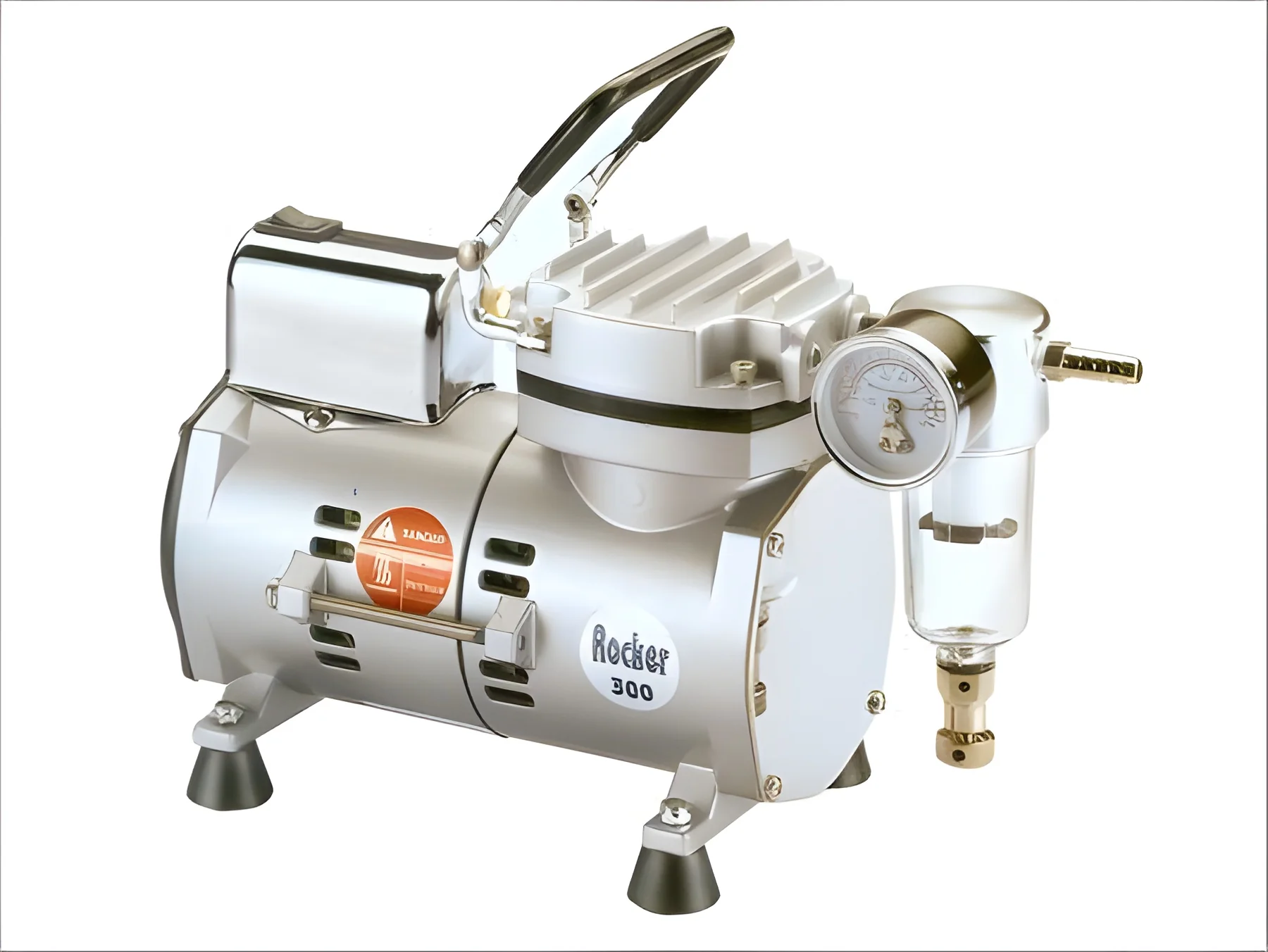
What are Gas Sampling Pumps?
Gas Sampling Pumps are specialized devices designed to collect gas samples from various environments for analysis and testing. These pumps operate by creating a negative pressure that draws gas into a sampling bag or container. The technology behind gas sampling pumps ensures that the sample collected is representative of the environment from which it was taken, making them crucial for accurate testing.
These pumps find primary applications across a range of industries, including environmental monitoring, industrial hygiene, and safety compliance. In sectors such as oil and gas, manufacturing, and waste management, gas sampling pumps are essential for measuring toxic or harmful gases, ensuring ambient air quality, and complying with regulations. The increasing focus on workplace safety and environmental standards has heightened the demand for these devices, making them a vital component in many industrial operations.
Gas sampling pumps are relevant in the market due to their role in supporting regulatory compliance and promoting workplace safety. As industries evolve and face stricter environmental regulations, the importance of reliable gas sampling equipment grows, leading to advancements in technology and design.
Key Features and Specifications
Gas Sampling Pumps come equipped with a variety of features that enhance their functionality and reliability. Understanding these specifications is crucial for selecting the right pump for specific applications.
Key specifications include:
1. Flow Rate
- This specification refers to the volume of gas sampled per unit of time.
- Typical flow rates range from a few milliliters per minute to several liters per minute.
2. Pressure Range
- This indicates the pressure levels within which the pump can operate effectively.
- Common pressure ranges are between 0 to 1 bar or higher, depending on the pump design.
3. Power Source
- Gas sampling pumps can be powered by batteries or via direct electrical connections.
- Battery-powered options provide portability, while electric options offer continuous use.
4. Sampling Volume
- This specifies the maximum volume of gas that can be collected in a single operation.
- Sampling volumes can vary widely, often from 1 liter to 100 liters or more.
5. Material Compatibility
- Pumps are constructed from materials that resist corrosion and chemical reactions.
- Common materials include stainless steel and various plastics.
6. Weight
- The weight of the pump affects portability and ease of use.
- Most portable models weigh between 1 to 5 kilograms.
7. Calibration Features
- Many pumps include built-in calibration to ensure accurate sampling.
- Calibration may be digital or manual, depending on the model.
8. User Interface
- A user-friendly interface is important for ease of operation.
- Features may include digital displays, buttons, and connectivity options.
In summary, selecting a gas sampling pump requires an understanding of these key specifications to ensure that the chosen device meets operational needs and regulatory requirements.
Common Applications and Use Cases
Gas Sampling Pumps are utilized in various industries for specific applications that require accurate gas measurement and analysis.
1. Environmental Monitoring: These pumps are used to assess air quality by sampling gases in urban and industrial environments. They help monitor pollutants and ensure compliance with environmental regulations.
2. Oil and Gas: In this sector, gas sampling pumps are critical for detecting hazardous gases during drilling and extraction processes. They ensure safety and compliance with health regulations.
3. Manufacturing: Gas sampling is essential in manufacturing facilities to detect emissions and ensure that air quality meets safety standards. Regular sampling helps in maintaining a safe working environment.
4. Laboratories: Research facilities utilize gas sampling pumps for precise gas analysis in experiments. They ensure that samples are collected accurately for research purposes.
5. Waste Management: In waste treatment plants, these pumps are essential for monitoring gas emissions from decomposing materials, helping to control odors and harmful emissions.
6. Pharmaceutical: In the pharmaceutical industry, gas sampling pumps are used for environment monitoring within production areas to prevent contamination and ensure product safety.
7. Automotive: Gas sampling pumps are employed in vehicle emissions testing to measure pollutants and ensure compliance with environmental regulations.
Product Variants and Subcategories
Gas Sampling Pumps are available in various configurations to suit different applications and environments. This diversity allows businesses to select pumps that best meet their specific needs.
Portable Gas Sampling Pumps
These variants are designed for easy transport, allowing users to collect samples from multiple locations. They are typically battery-operated and lightweight, making them ideal for fieldwork.
Stationary Gas Sampling Pumps
Stationary models are often used in fixed installations, providing continuous monitoring of gas levels in industrial settings. They are usually connected to a power source and can handle large volumes of gas.
Digital Gas Sampling Pumps
These advanced pumps come equipped with digital interfaces that provide real-time data on flow rates and concentrations. They often include features for data logging and remote monitoring.
Benefits and Advantages
Gas Sampling Pumps offer numerous benefits that contribute to safety and compliance in various industries.
1. Accuracy: These pumps ensure precise sampling, which is critical for reliable analysis and compliance with standards.
2. Portability: Many models are lightweight and battery-operated, allowing for easy transportation to different sampling locations.
3. Compliance: By providing accurate data on gas concentrations, these pumps help businesses meet regulatory requirements and avoid penalties.
4. Safety: They play a vital role in detecting harmful gases, ensuring the safety of workers and the environment.
5. Versatility: Gas sampling pumps can be used in a wide range of applications across different industries, making them a valuable tool.
6. User-Friendly: Many models feature intuitive interfaces that simplify operation, reducing the likelihood of user error.
Buying Guide for B2B Buyers
When sourcing Gas Sampling Pumps, several factors should be considered to ensure you make an informed decision.
1. Quality Assessment: Evaluate the quality of the pumps based on manufacturer reputation and compliance with industry standards. Look for products that have undergone rigorous testing to ensure reliability.
2. Supplier Verification: Vet potential suppliers by checking their credentials, customer reviews, and history in the market. A reliable supplier will provide necessary certifications and documentation.
3. Pricing and MOQ: Assess pricing structures and minimum order quantities. Ensure that the costs align with your budget while considering the quality of the product.
4. Delivery and Lead Times: Inquire about logistics, including delivery times and shipping options. Efficient delivery is crucial for maintaining operational timelines.
5. Compliance Requirements: Understand the regulatory landscape affecting your industry. Ensure that the gas sampling pumps meet all necessary compliance standards for safe operation.
Compliance and Certifications
Gas Sampling Pumps must adhere to various quality standards and certifications to ensure safety and reliability.
ISO 9001 is a widely recognized standard that outlines quality management principles. Manufacturers of gas sampling pumps often seek certification to demonstrate their commitment to consistent quality.
CE certification signifies that products meet European safety and environmental protection requirements. This certification is essential for products sold in European markets, ensuring compliance with applicable regulations.
Safety and testing requirements are critical for gas sampling pumps. These devices are often subject to rigorous testing to ensure they can safely handle the gases they are designed to sample.
Regional compliance considerations may vary based on location. It is essential for buyers to understand local regulations regarding gas sampling and ensure their equipment complies with these standards.
Why Source Gas Sampling Pumps from Pepagora?
Pepagora offers a trusted platform for sourcing Gas Sampling Pumps, providing several key advantages for B2B buyers.
Verified Supplier Network: Pepagora connects buyers with a network of verified suppliers, ensuring that all products meet high standards of quality and compliance. This network minimizes risks associated with sourcing.
Streamlined RFQ Process: The request for quotation (RFQ) process on Pepagora is designed to be user-friendly, allowing buyers to easily compare options and find the best pricing and features for their needs.
Trade Assurance and Support: Pepagora provides trade assurance to protect buyers from potential disputes. This support ensures that transactions are secure and that buyers can confidently purchase their required equipment.
Regional Coverage: With a broad geographic reach that includes India, the GCC, and Southeast Asia, Pepagora ensures that businesses can find suitable gas sampling pumps tailored to their local markets. This coverage enhances the convenience and efficiency of sourcing industrial products.

 IN
IN