What are Insulated Tools?
Insulated tools are specialized hand tools designed to protect users from electrical shock while working on or near live electrical circuits. These tools are made with non-conductive materials that provide an additional layer of safety for technicians and electricians. Insulated tools are essential in preventing accidents in environments where electrical hazards are present.
The primary use of insulated tools is found in electrical work, maintenance, and repair tasks. They are commonly used by electricians, utility workers, and maintenance personnel. These tools enable professionals to work safely on live electrical components, reducing the risk of electrocution and ensuring compliance with safety regulations. The relevance of insulated tools in various industries is underscored by their ability to enhance workplace safety and efficiency.
In the current market, the demand for insulated tools is driven by increasing safety standards and a growing emphasis on worker protection. Industries such as construction, manufacturing, and telecommunications rely heavily on these tools to minimize risks associated with electrical work. As a result, the insulated tools market is positioned for growth, with potential advancements in materials and technology further enhancing their effectiveness.
Key Features and Specifications
Insulated tools come with several important features and specifications that ensure user safety and performance. These tools are designed to meet industry standards and provide reliable protection against electrical hazards.
Key specifications include:
1. Insulation Rating
- Rated for use on live circuits up to specific voltages.
- Common ratings include 1000V for general use.
2. Material Composition
- Made from high-quality, non-conductive materials.
- Often includes rubber or plastic coatings for enhanced grip.
3. Tool Types
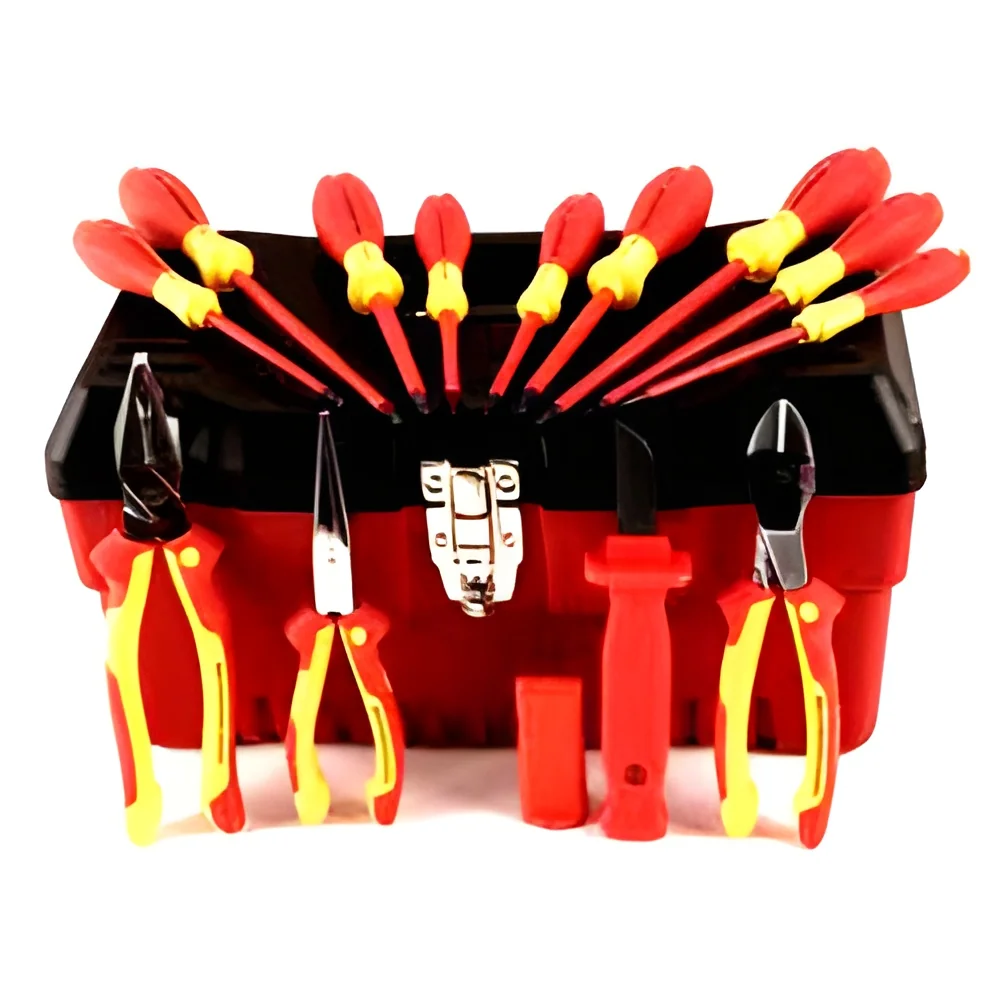
- Includes screwdrivers, pliers, wrenches, and more.
- Each type designed for specific electrical tasks.
4. Testing Standards
- Must comply with international safety standards such as IEC 60900.
- Regular testing is required to ensure ongoing safety and performance.
5. Ergonomic Design
- Designed for comfort and ease of use.
- Reduces hand fatigue during prolonged use.
6. Color Coding
- Often color-coded for easy identification.
- Helps in choosing the right tool quickly.
7. Temperature Resistance
- Built to withstand various temperature ranges.
- Ensures performance in diverse working conditions.
8. Weight Considerations
- Lightweight designs for ease of handling.
- Balances durability with user comfort.
These specifications highlight the importance of quality and safety in insulated tools, making them indispensable for professionals in electrical fields.
Common Applications and Use Cases
Insulated tools are utilized across various industries to enhance safety and efficiency.
1. Electrical Contractors: Electricians frequently use insulated tools during installation, repair, and maintenance of electrical systems, ensuring their safety when working near live wires.
2. Telecommunications: Professionals in this sector rely on insulated tools for safely handling wiring and equipment, minimizing the risk of electrical accidents during installations and repairs.
3. Manufacturing: Workers in manufacturing environments use insulated tools to perform electrical maintenance on machinery without the risk of electrocution.
4. Utilities: Utility workers utilize insulated tools when repairing or installing power lines, ensuring safety while working on high-voltage equipment.
5. Construction: In the construction industry, insulated tools are critical for tasks involving electrical installations, providing technicians with the protection needed in potentially hazardous situations.
6. HVAC: Heating, ventilation, and air conditioning technicians employ insulated tools while working with electrical components in HVAC systems, ensuring safe handling of live circuits.
7. Aerospace: In aerospace applications, insulated tools are essential for maintenance work on electrical systems in aircraft, protecting workers from electrical hazards.
Product Variants and Subcategories
Insulated tools come in a range of variants, each designed to meet specific needs within the electrical industry.
Insulated Screwdrivers
These screwdrivers feature insulated shafts and handles, allowing technicians to safely tighten or loosen screws on electrical devices without the risk of shock.
Insulated Pliers
Designed for gripping and cutting, insulated pliers provide electrical workers with the ability to handle wires and components safely, ensuring effective performance in electrical tasks.
Insulated Wrenches
These wrenches are perfect for working on electrical fittings and connections. Their insulation protects users from electrical currents while providing the necessary torque.
Insulated Socket Sets
These socket sets are essential for electricians working on equipment that requires a variety of socket sizes. The insulation ensures safety while maintaining functionality.
Benefits and Advantages
Insulated tools provide numerous benefits that enhance safety and efficiency in electrical work.
1. Enhanced Safety: The primary advantage is the protection against electrical shock, which is crucial for professionals working with live circuits.
2. Compliance with Regulations: Using insulated tools helps businesses comply with safety regulations, reducing liability and enhancing workplace safety culture.
3. Increased Confidence: Technicians can work more confidently when using insulated tools, knowing they are protected from electrical hazards.
4. Versatility: Insulated tools are available in various types, making them suitable for multiple applications in different electrical environments.
5. Durability: High-quality materials ensure that insulated tools are built to last, providing long-term value and reliability.
6. Ergonomic Comfort: Many insulated tools are designed with ergonomics in mind, reducing strain and fatigue during extended use.
Buying Guide for B2B Buyers
When sourcing insulated tools, businesses should prioritize certain factors to ensure they select the right products for their needs.
1. Quality Assessment: Evaluate the quality of insulated tools by checking certifications and compliance with safety standards. High-quality tools ensure reliable performance and safety.
2. Supplier Verification: Vet suppliers thoroughly to ensure they are reputable and provide genuine products. Consider checking reviews and requesting references.
3. Pricing and MOQ: Understand the pricing structures and minimum order quantities to ensure the purchase aligns with budget constraints and operational needs.
4. Delivery and Lead Times: Analyze delivery options and lead times to ensure timely availability of tools, particularly for urgent projects.
5. Compliance Requirements: Be aware of relevant compliance and regulatory requirements in your region. Ensure that the tools meet these standards to avoid legal issues.
Compliance and Certifications
Insulated tools must adhere to various quality and safety standards to ensure they provide reliable protection. Relevant quality standards include ISO 9001, which focuses on maintaining a quality management system that ensures products meet customer needs.
Industry certifications such as CE and UL are critical, as they signify that products have met essential safety and performance criteria. These certifications are particularly important for B2B buyers, as they provide assurance of product reliability.
Safety testing requirements are stringent for insulated tools, necessitating regular evaluations to confirm their insulation effectiveness. Compliance with regional regulations is also crucial, as safety standards can vary based on location, affecting product selection and usage.
Why Source Insulated Tools from Pepagora?
Pepagora provides a trusted platform for sourcing insulated tools, offering several key advantages to B2B buyers.
Verified Supplier Network: Pepagora connects buyers with verified suppliers, ensuring that all products meet industry standards for safety and quality. This verification process minimizes the risk of sourcing subpar tools.
Streamlined RFQ Process: The platform's request for quotation (RFQ) system simplifies the procurement process, allowing buyers to receive competitive quotes from multiple suppliers quickly and efficiently.
Trade Assurance and Support: Pepagora offers trade assurance, providing buyers with protection during transactions. This support ensures that businesses can source insulated tools confidently, knowing they are safeguarded against potential risks.
Regional Coverage: With a strong presence in India, the GCC, and Southeast Asia, Pepagora facilitates access to a wide range of suppliers, making it easier for businesses to find the right insulated tools for their specific needs.

 IN
IN