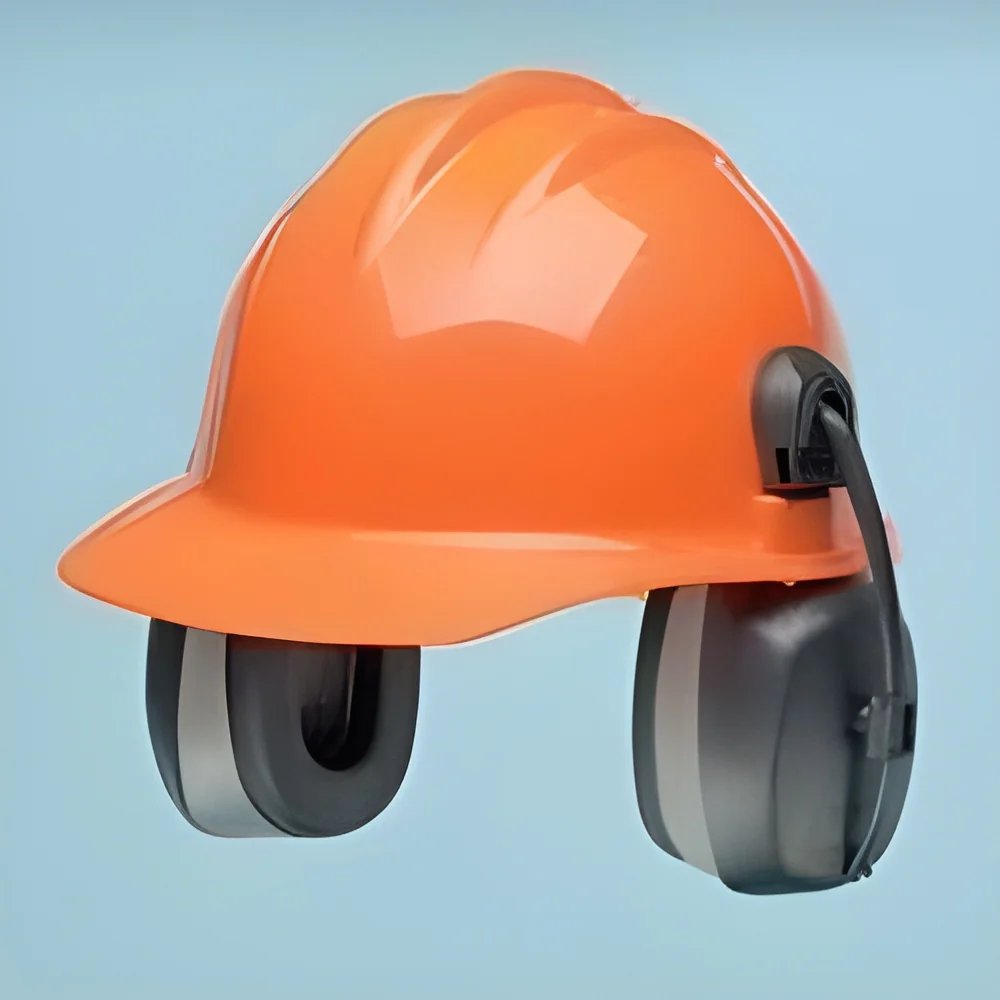
What are Safety Helmets?
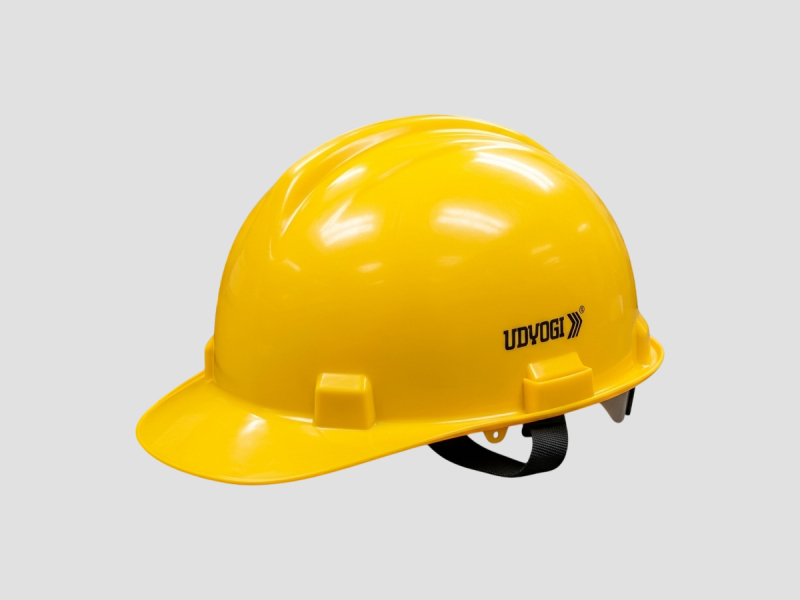
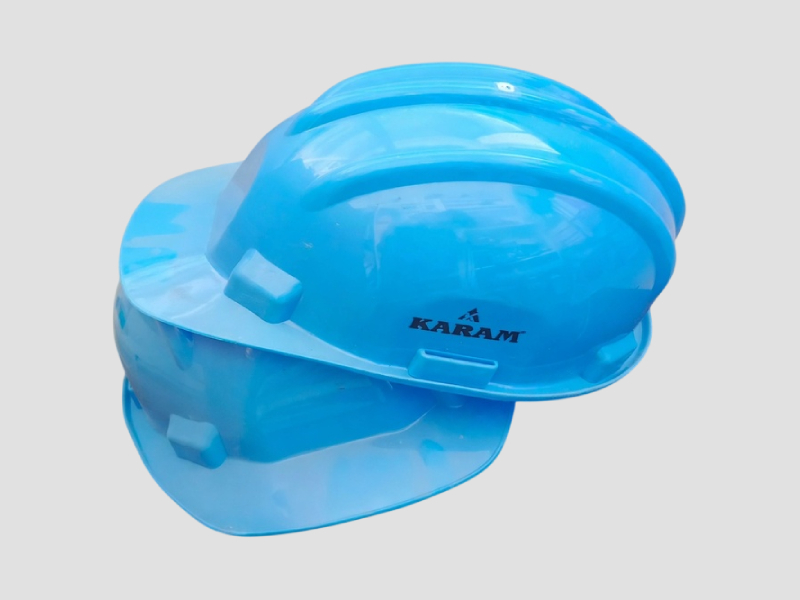
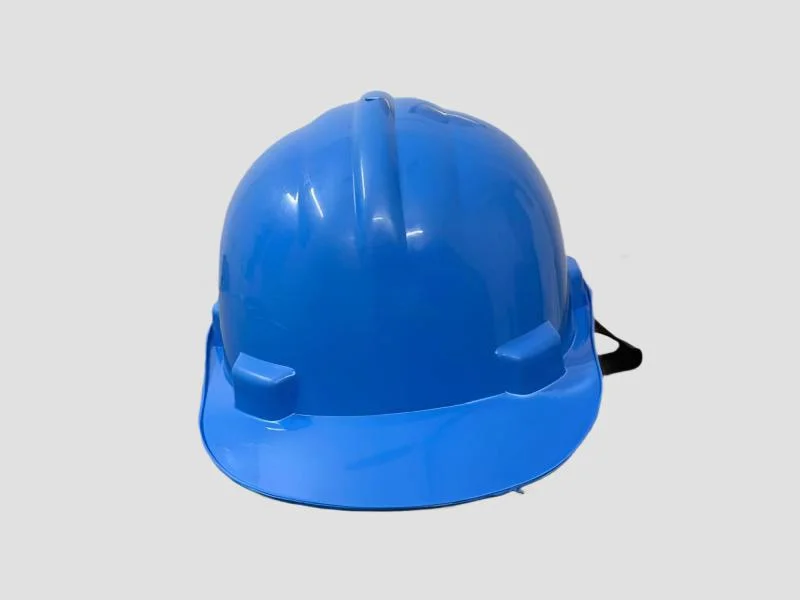
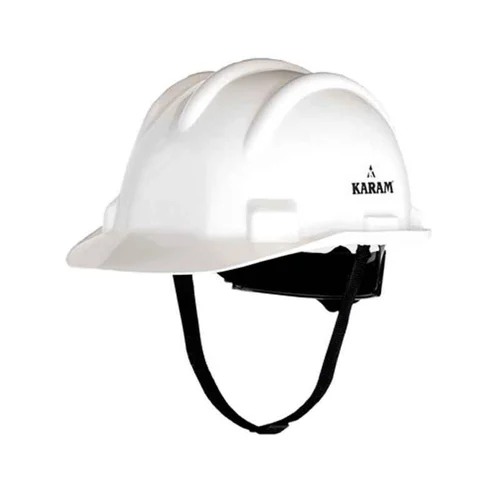
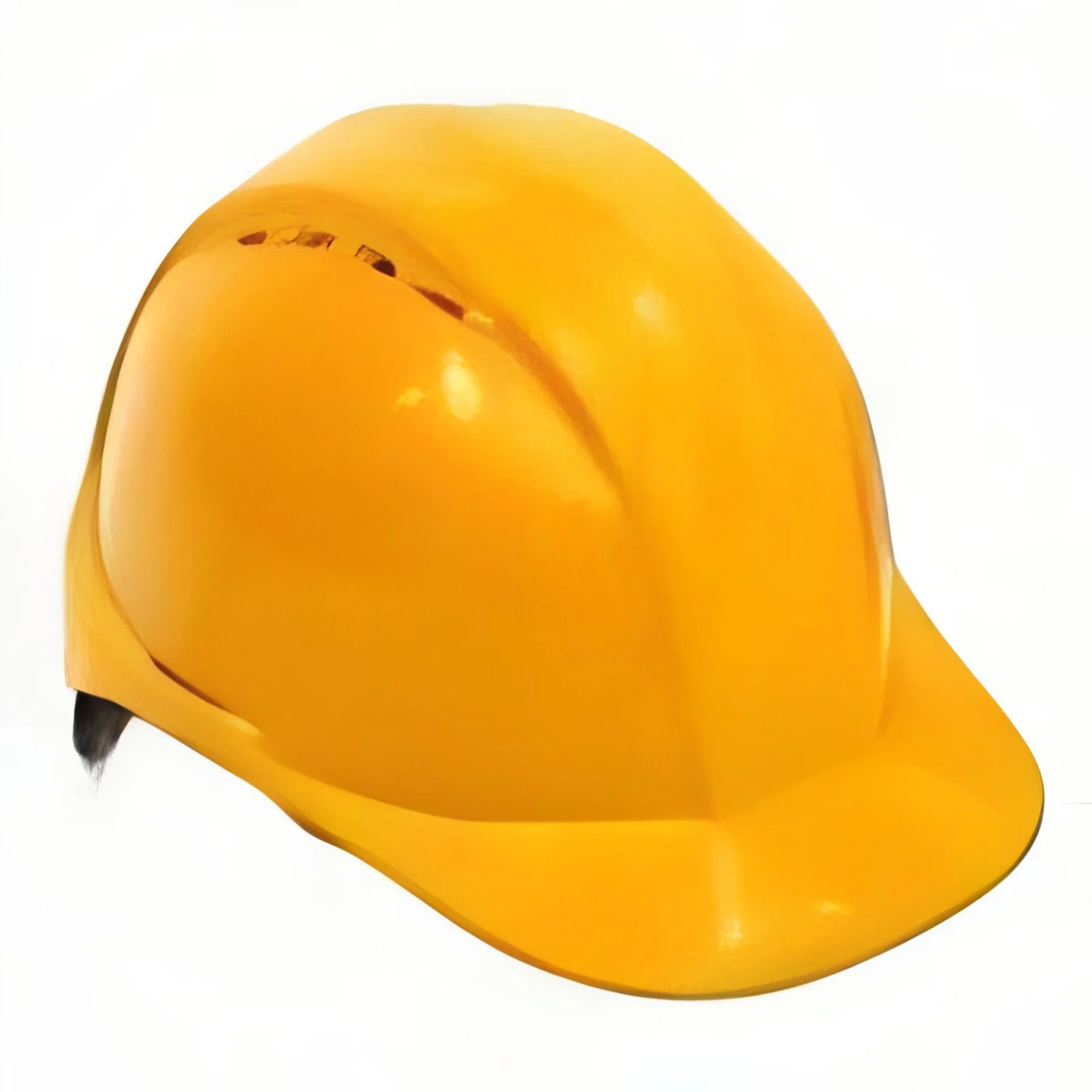
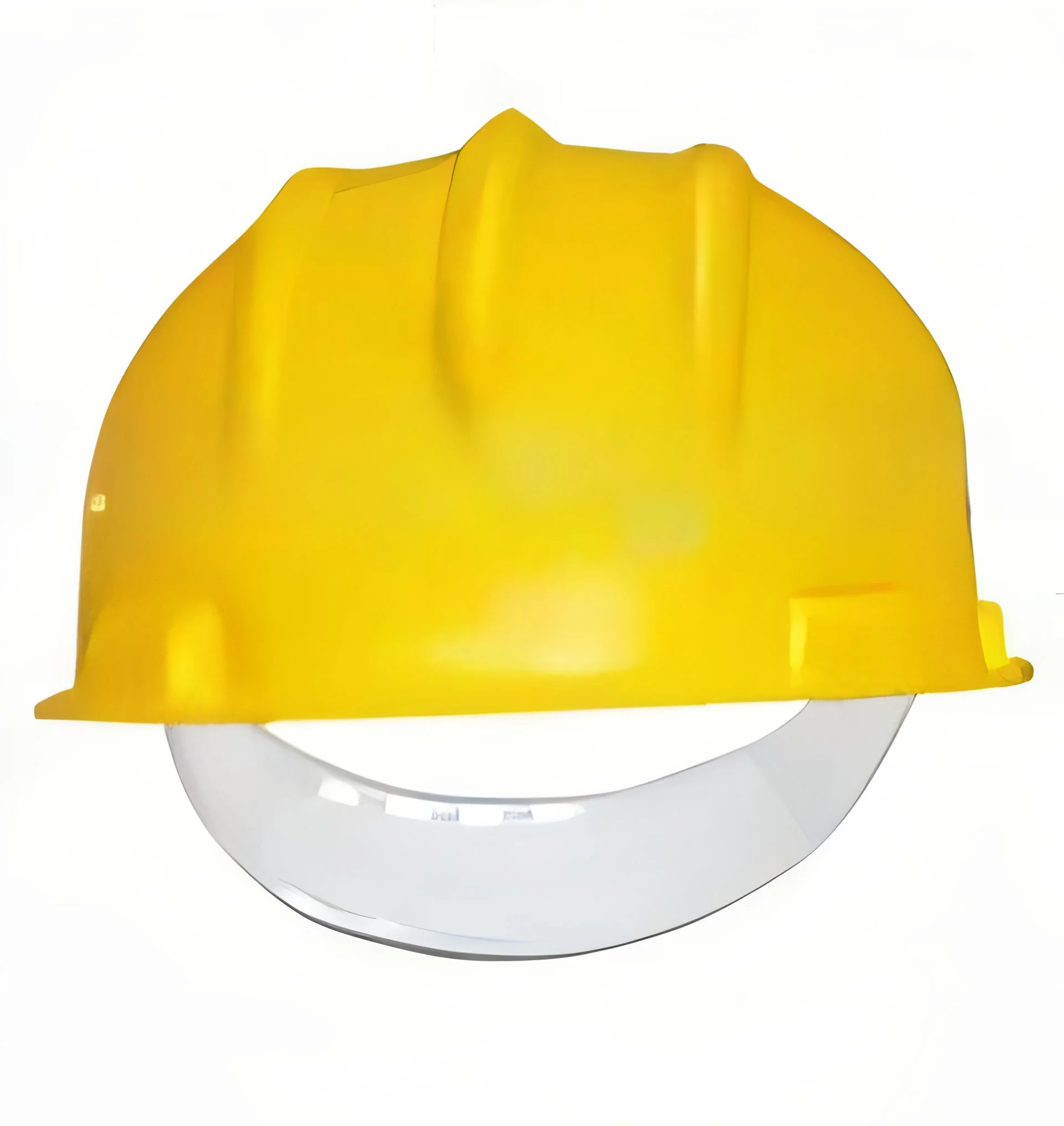
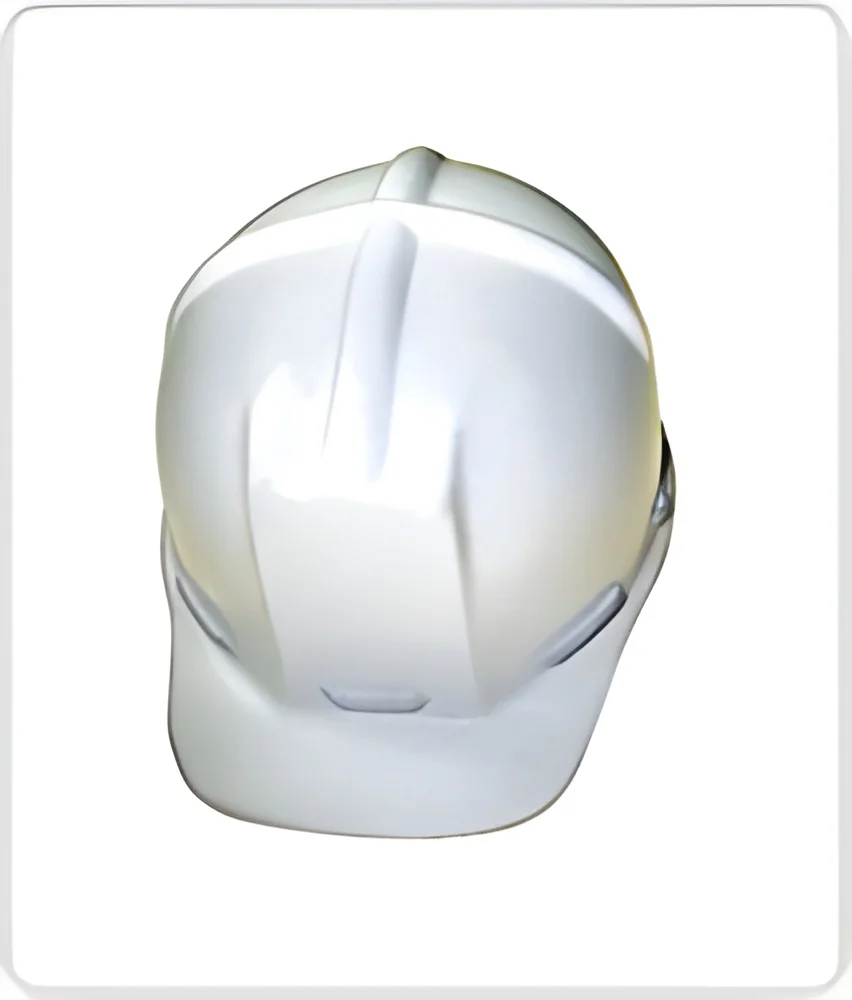
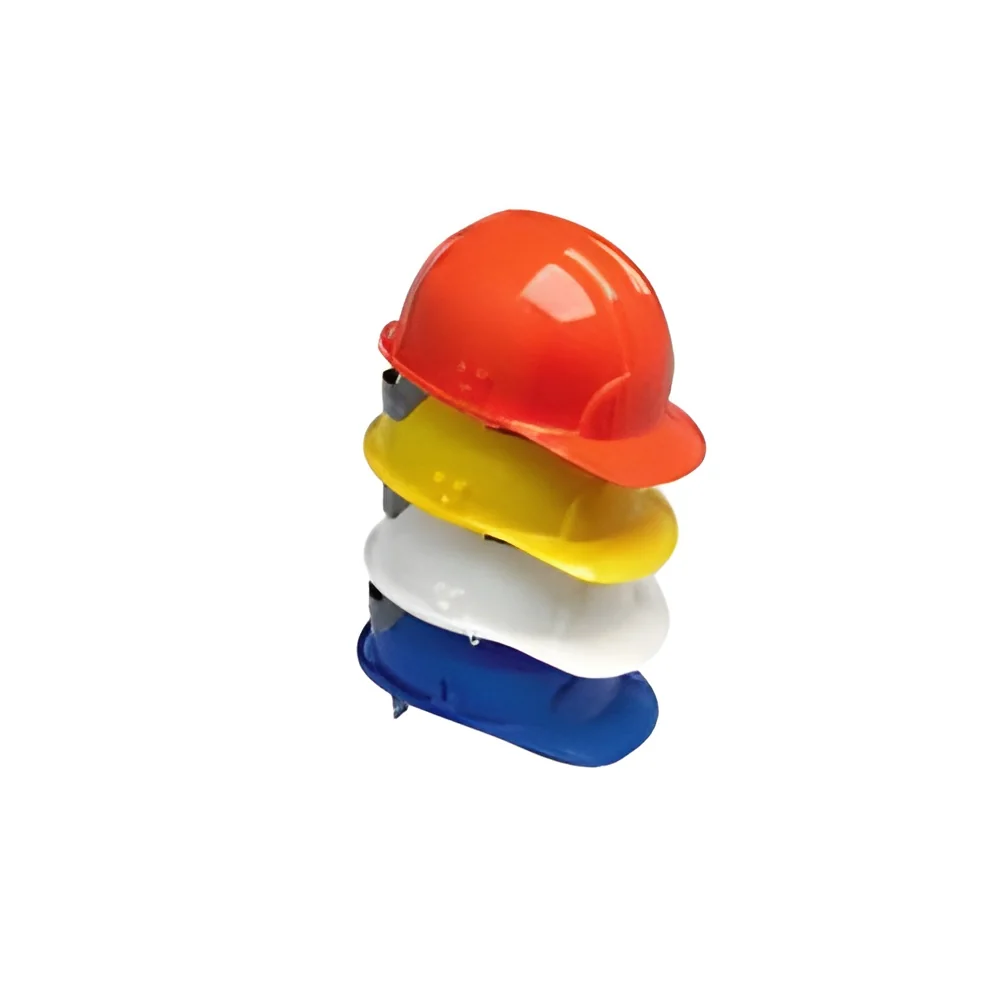
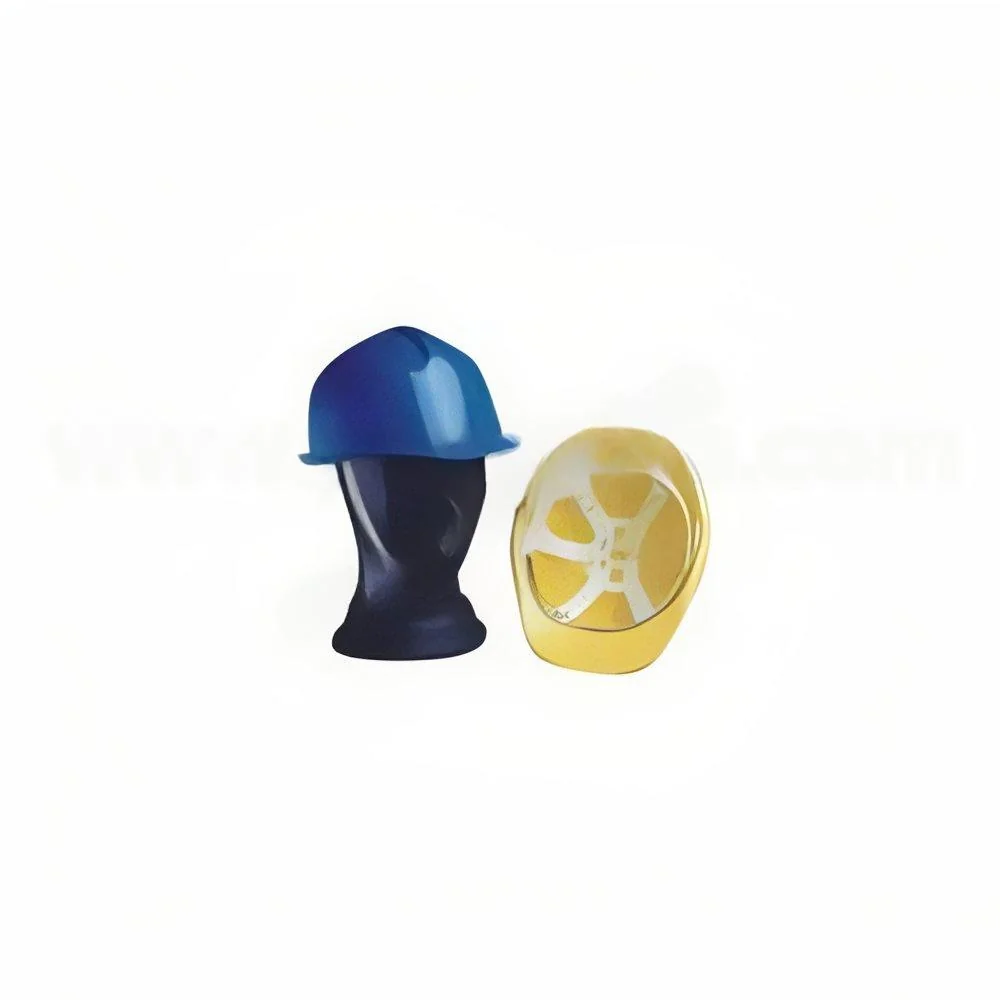
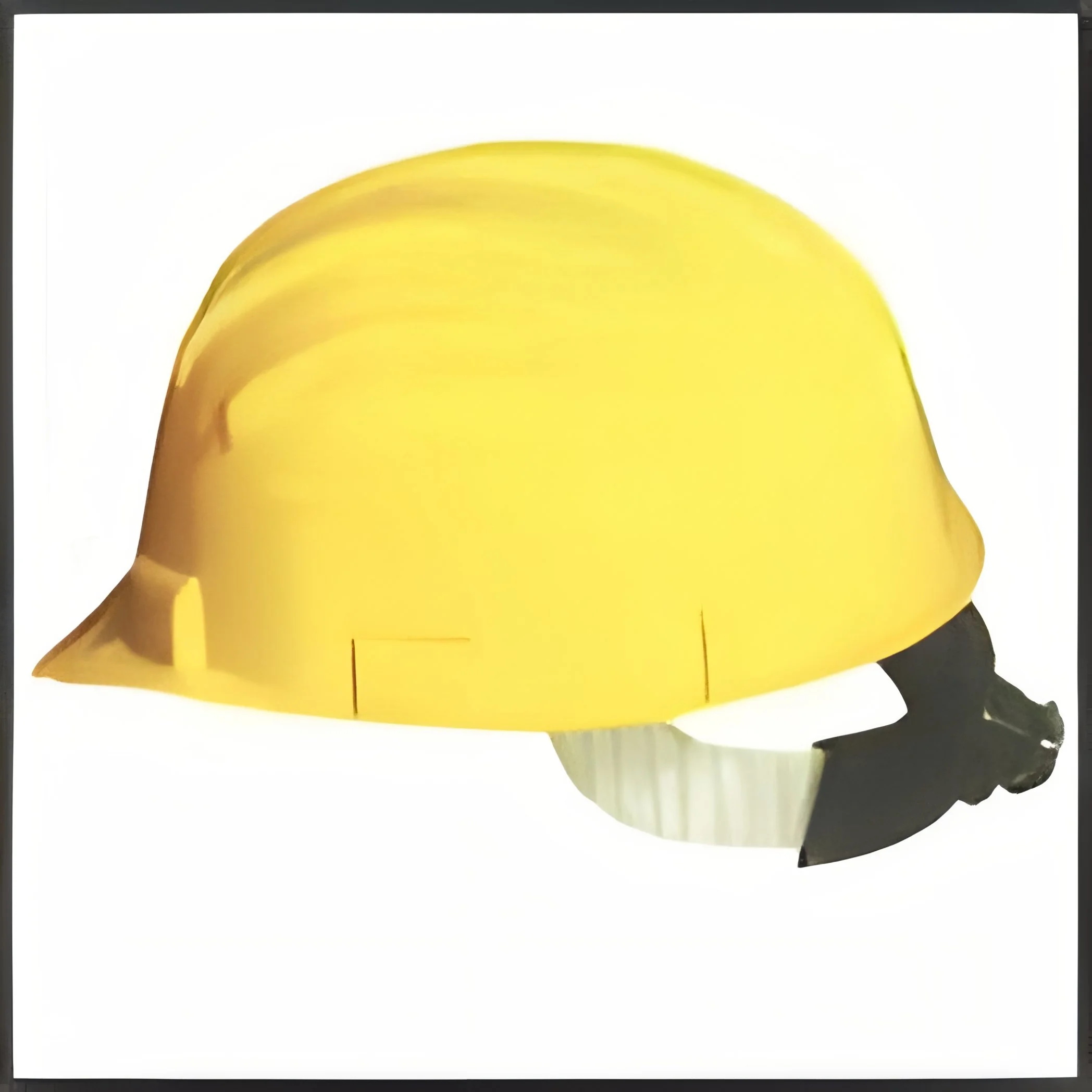
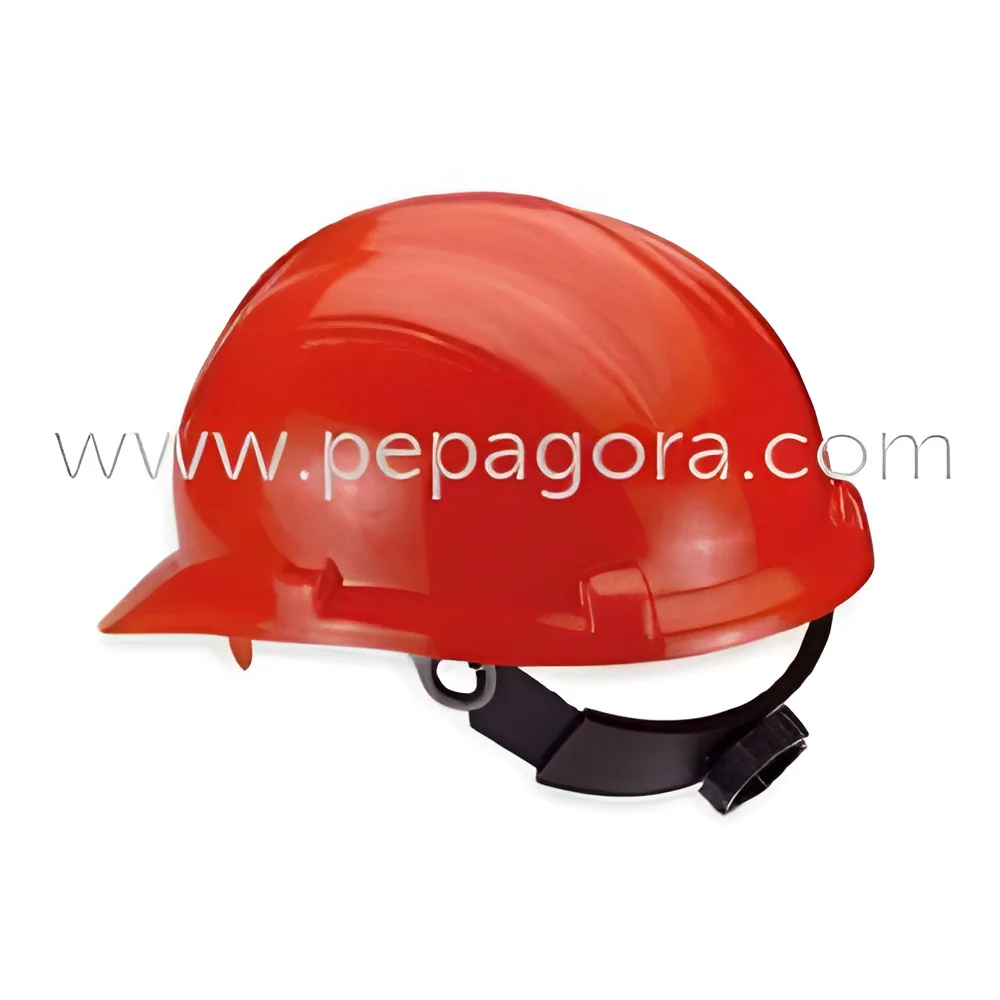
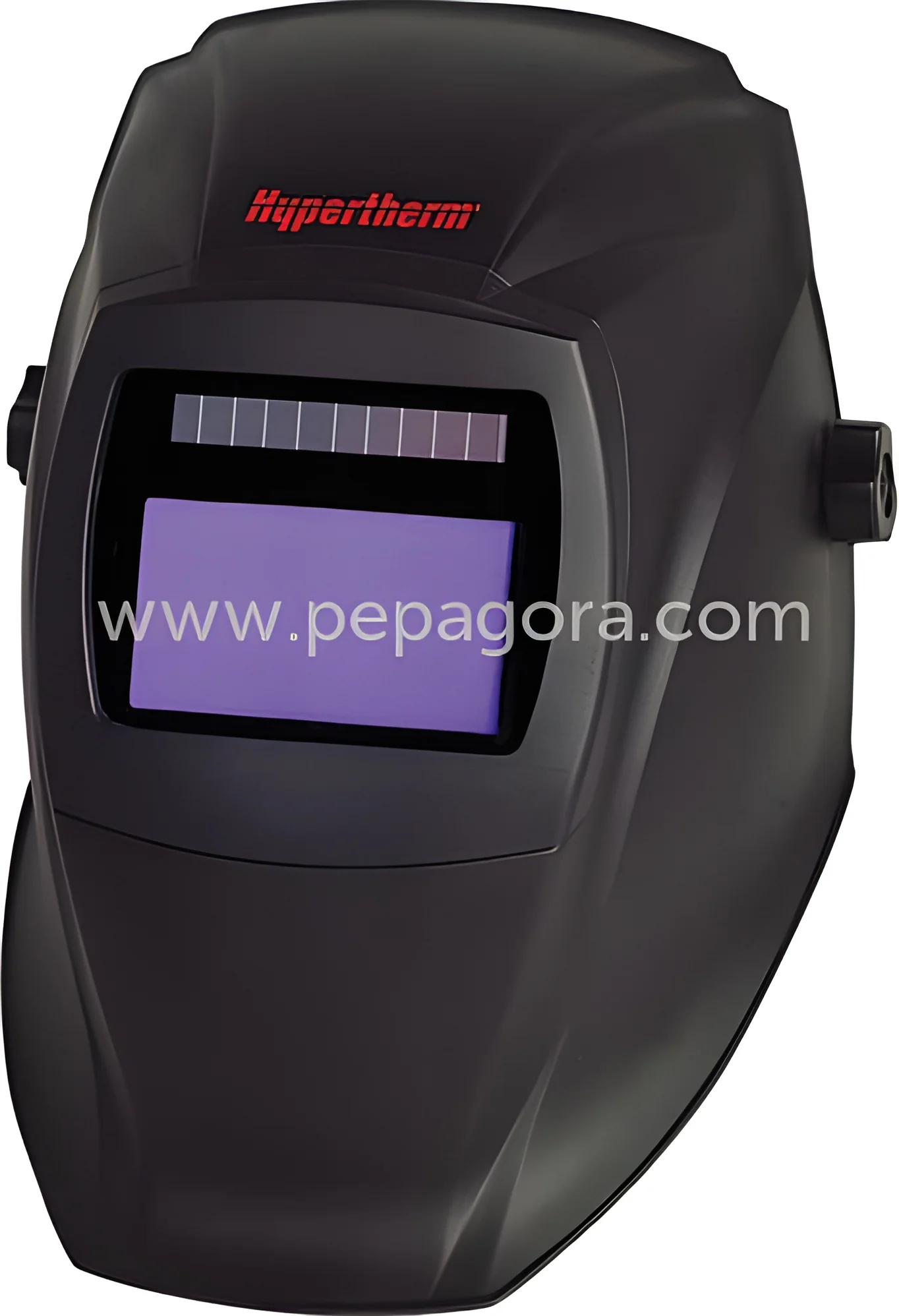
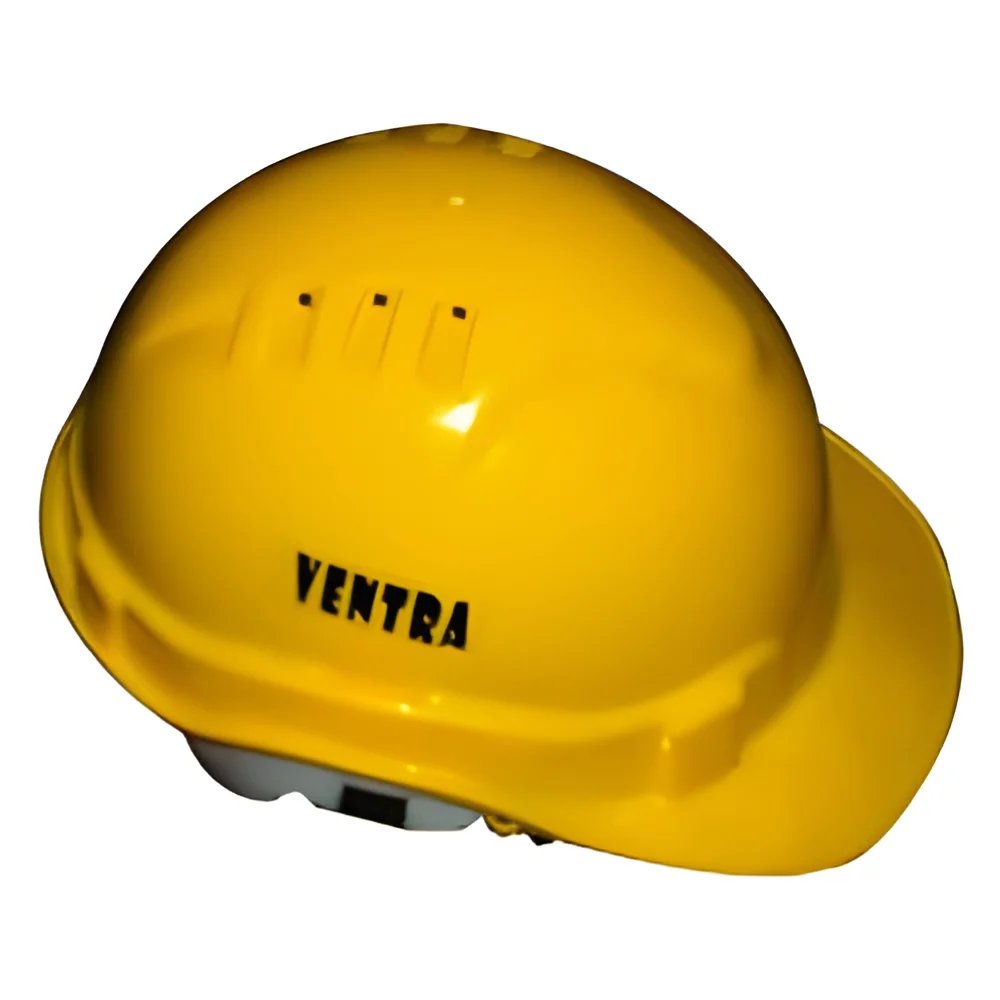
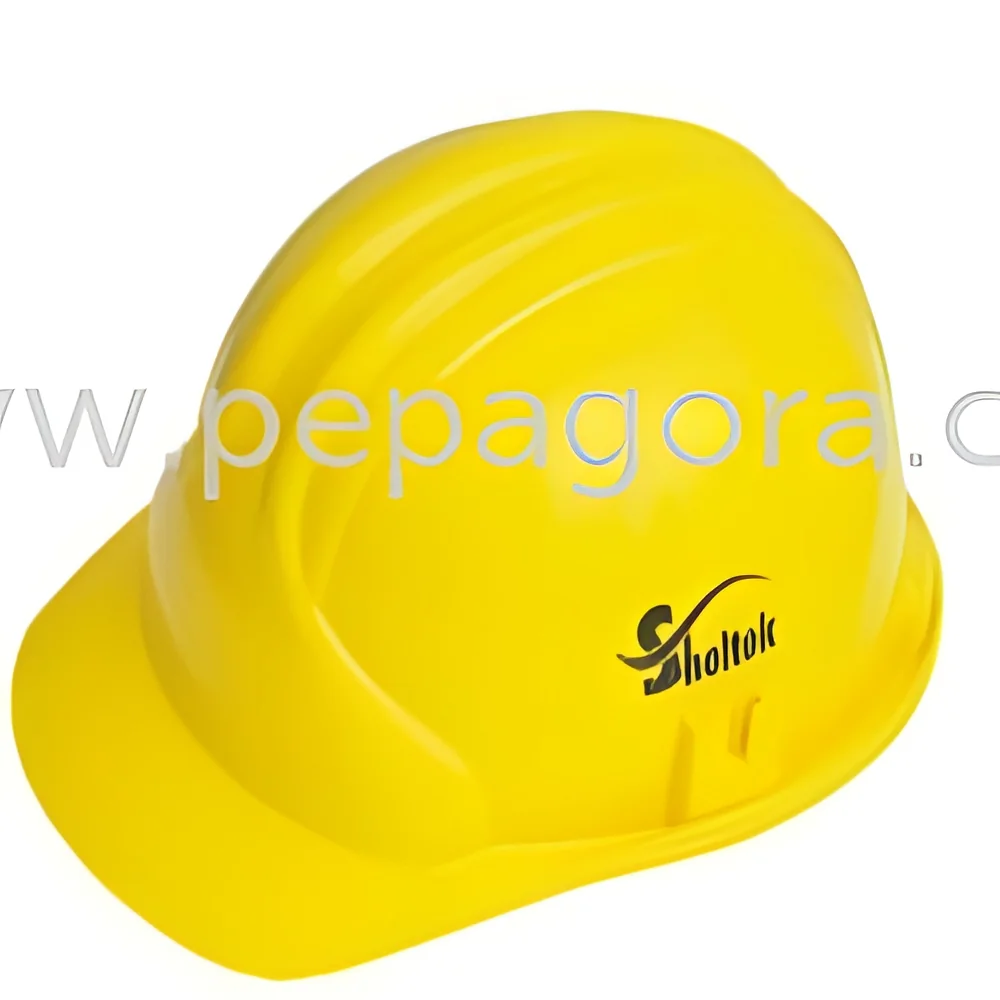
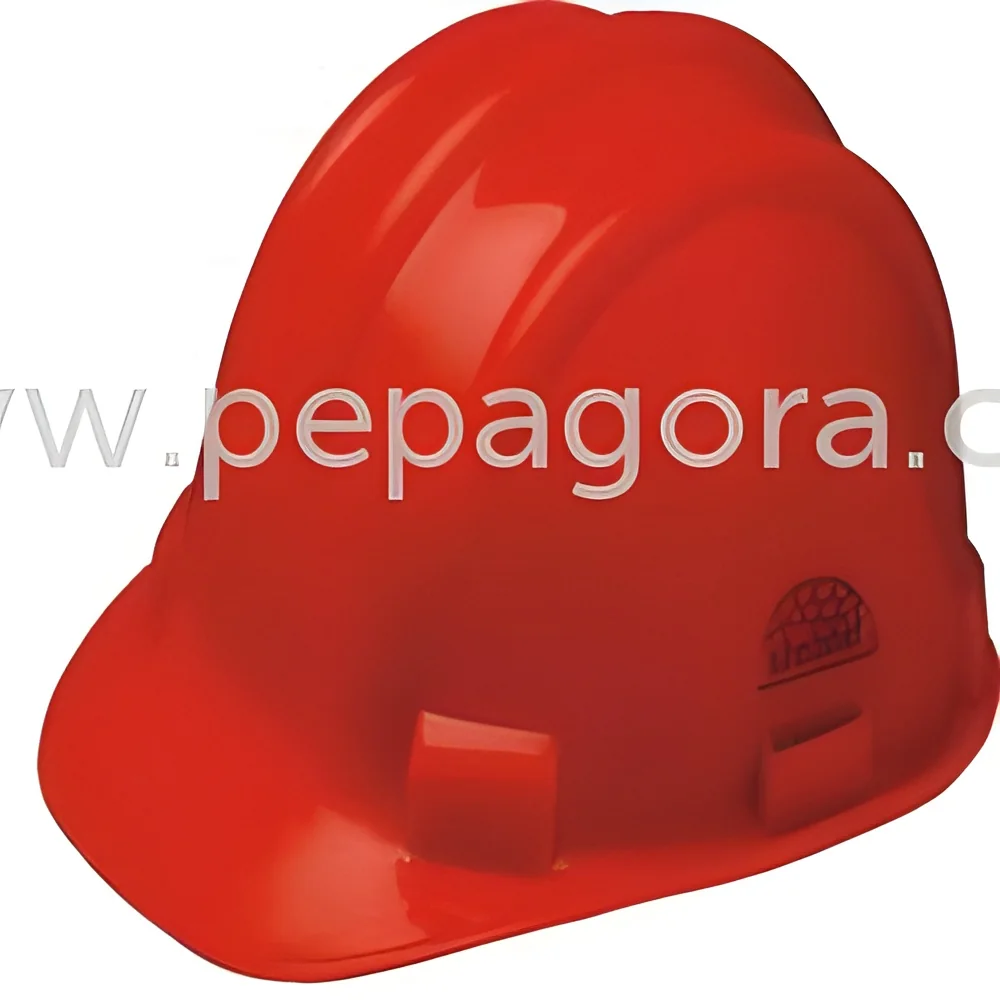
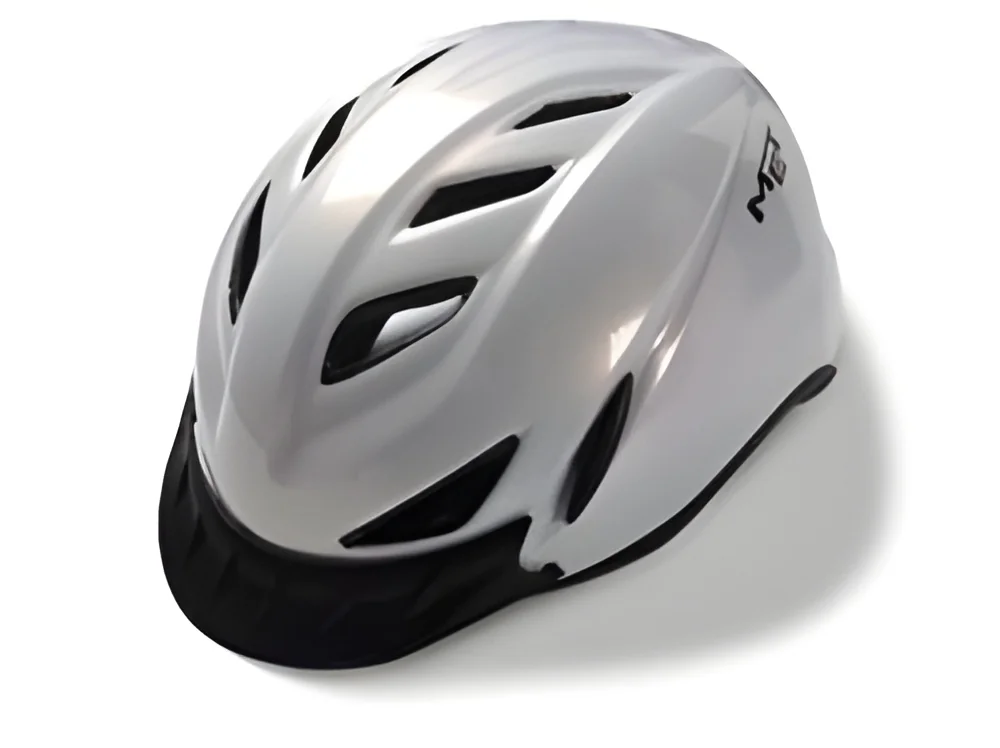
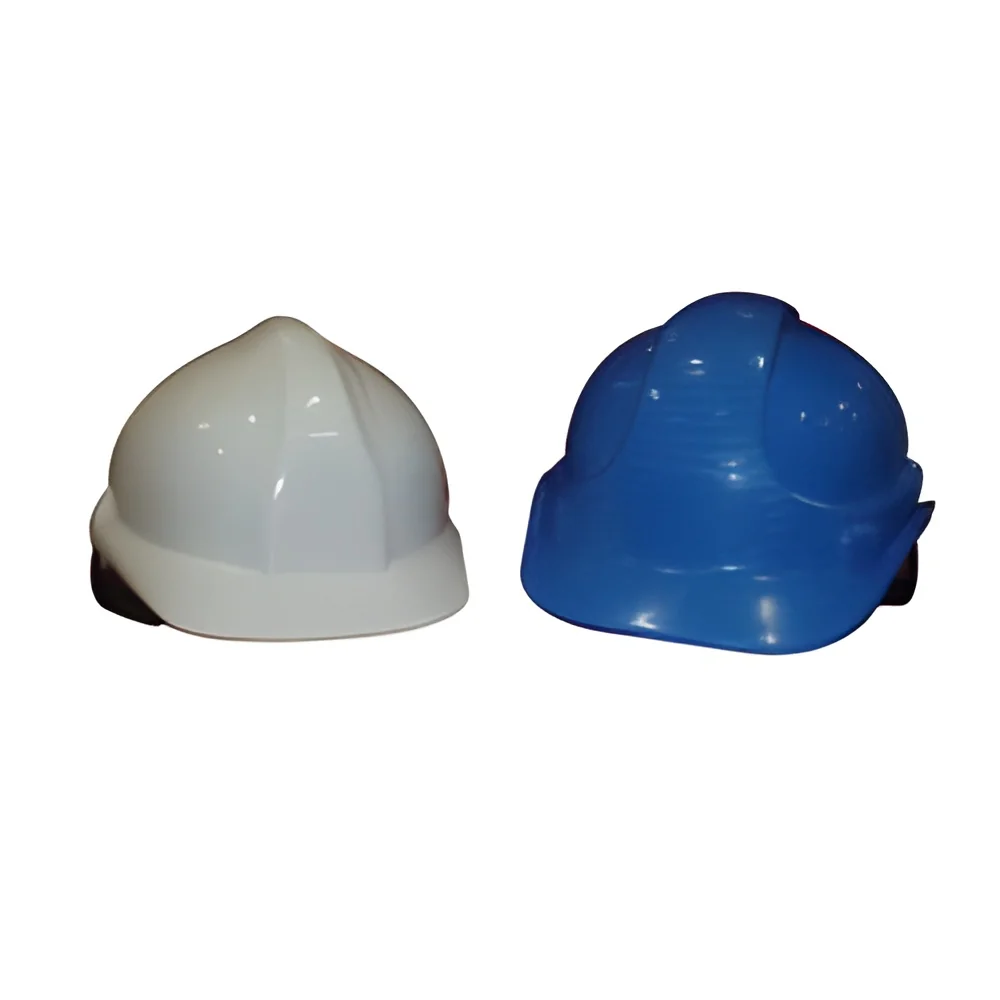
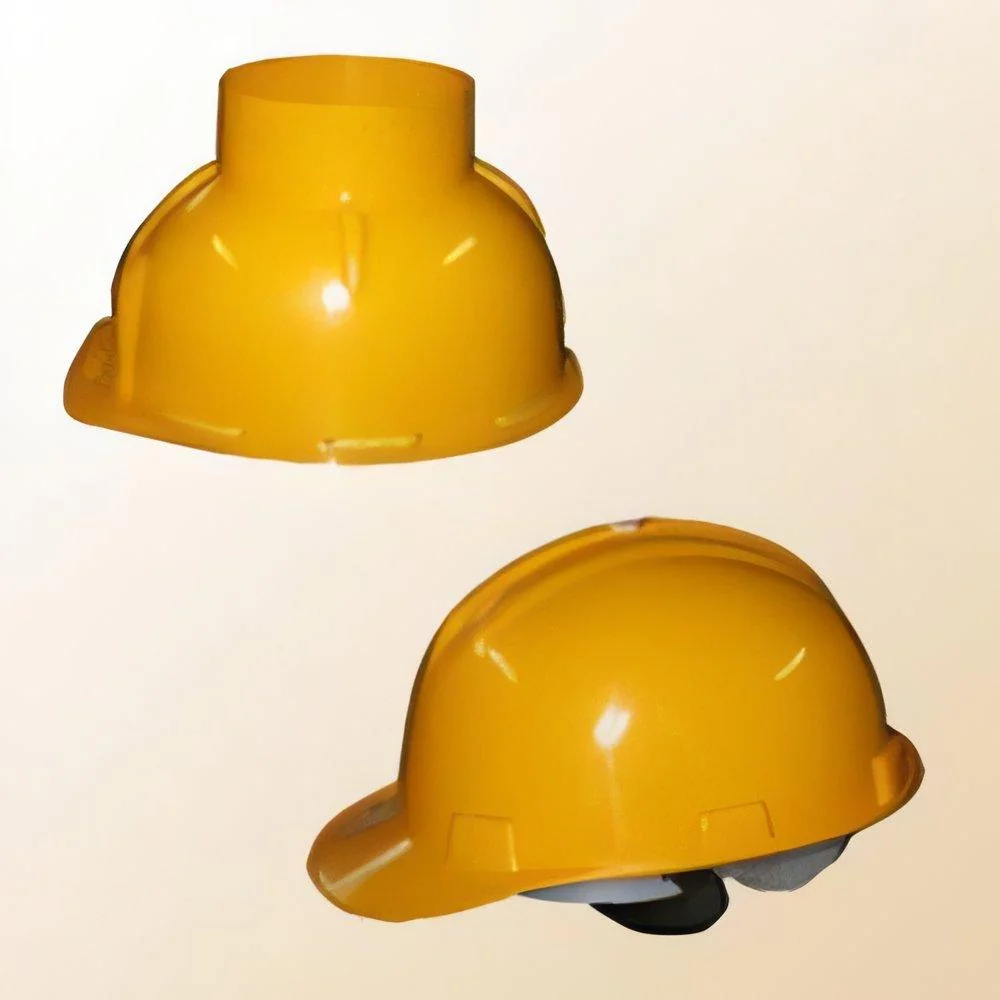
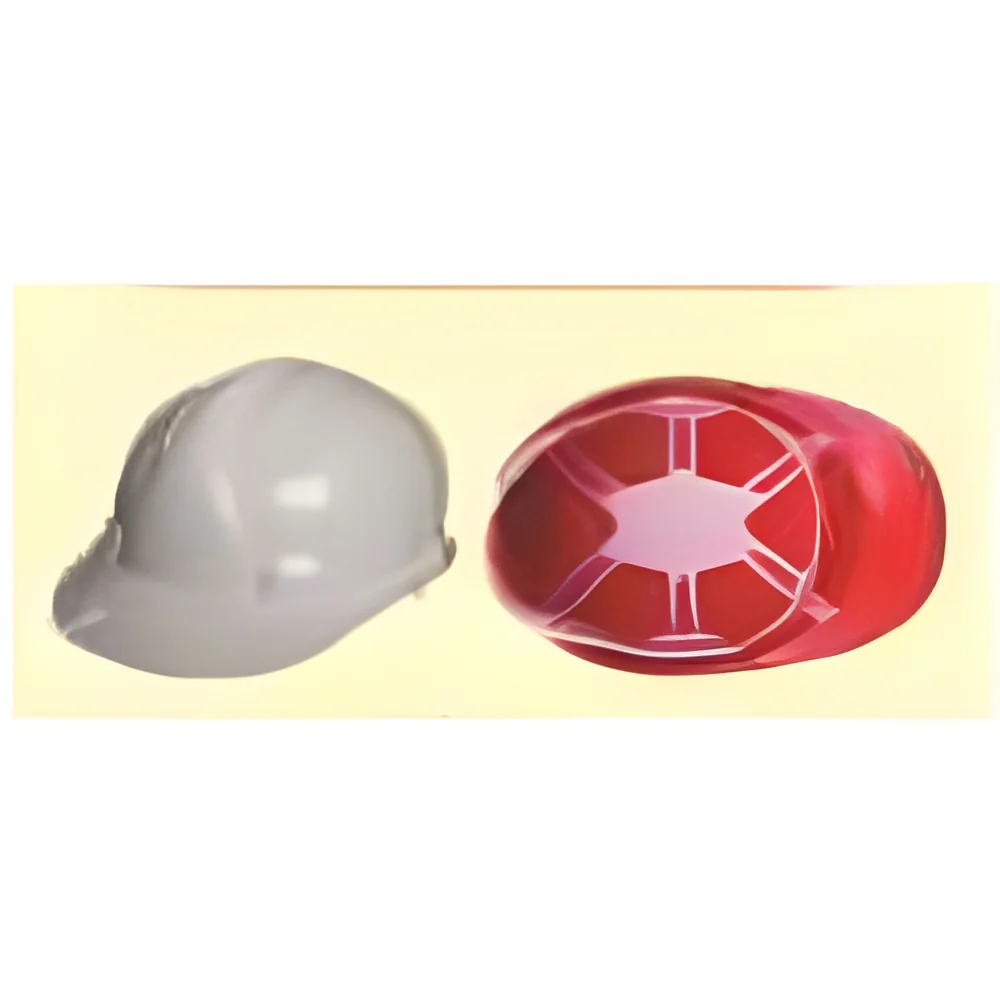
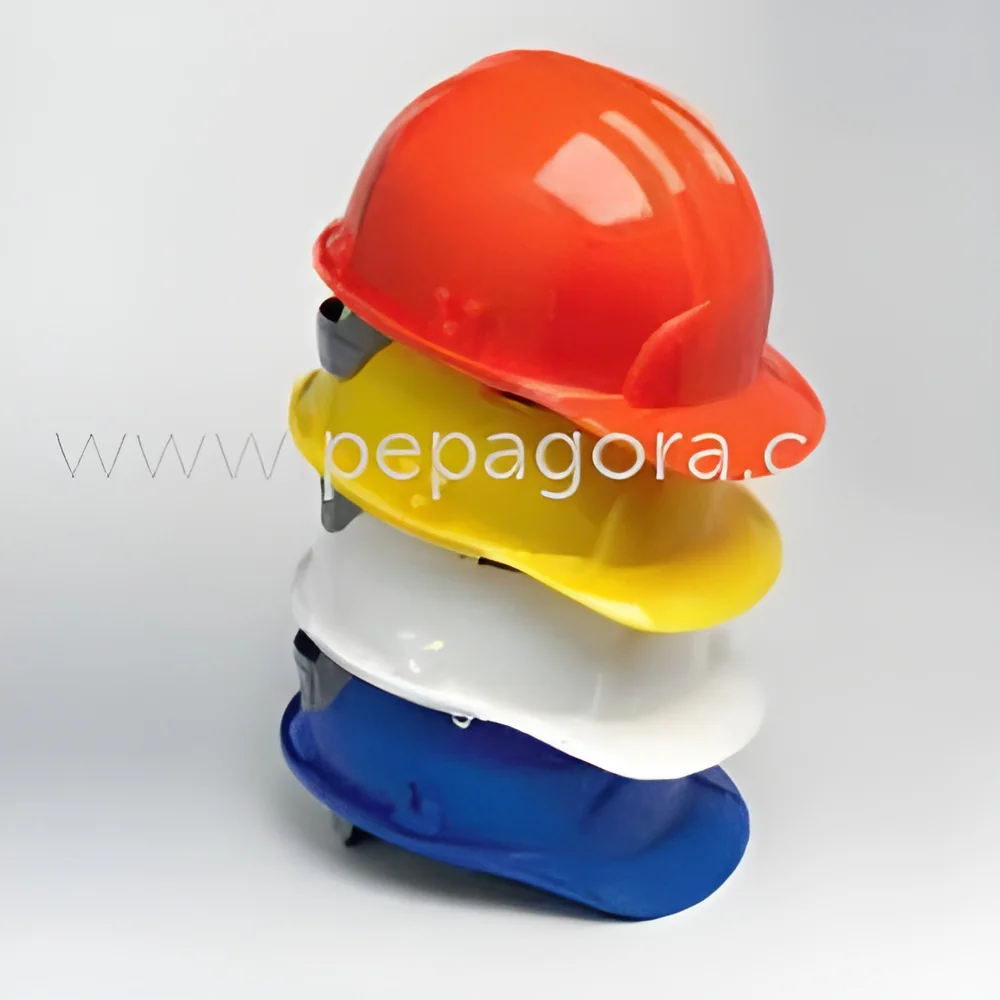
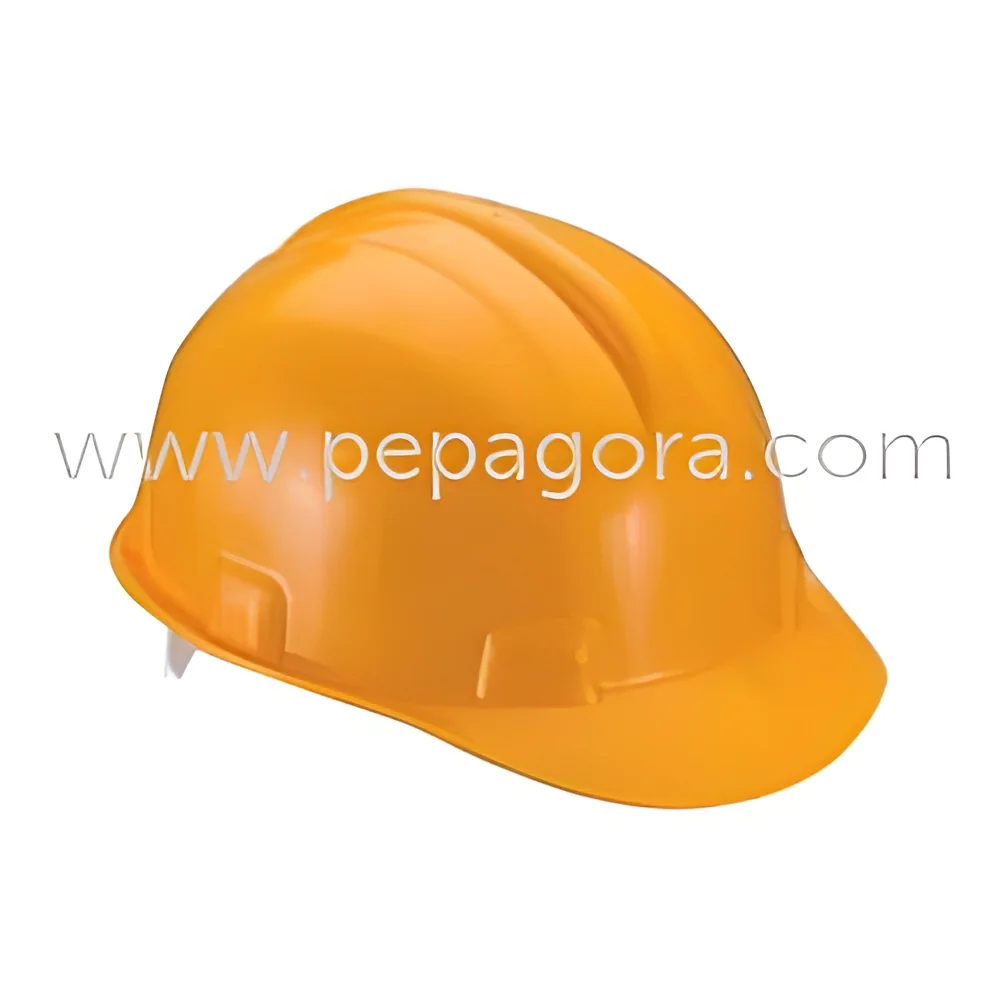
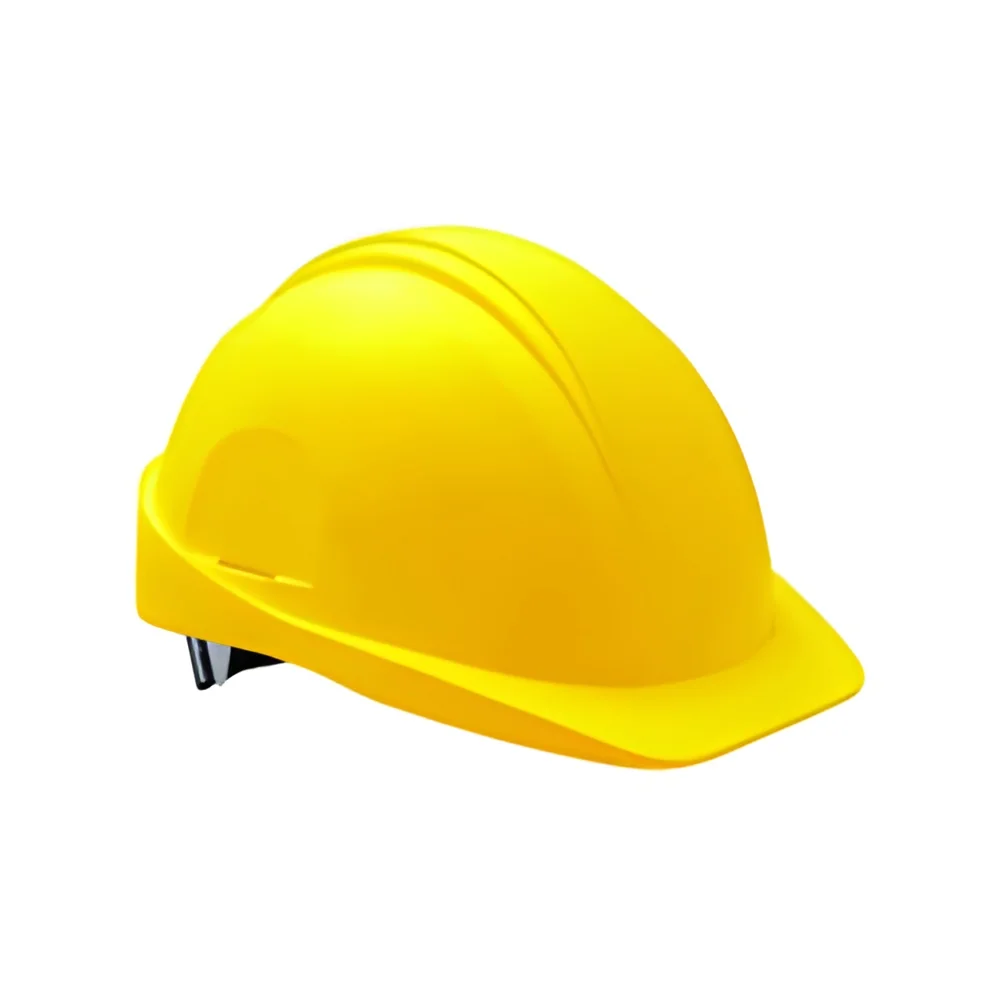
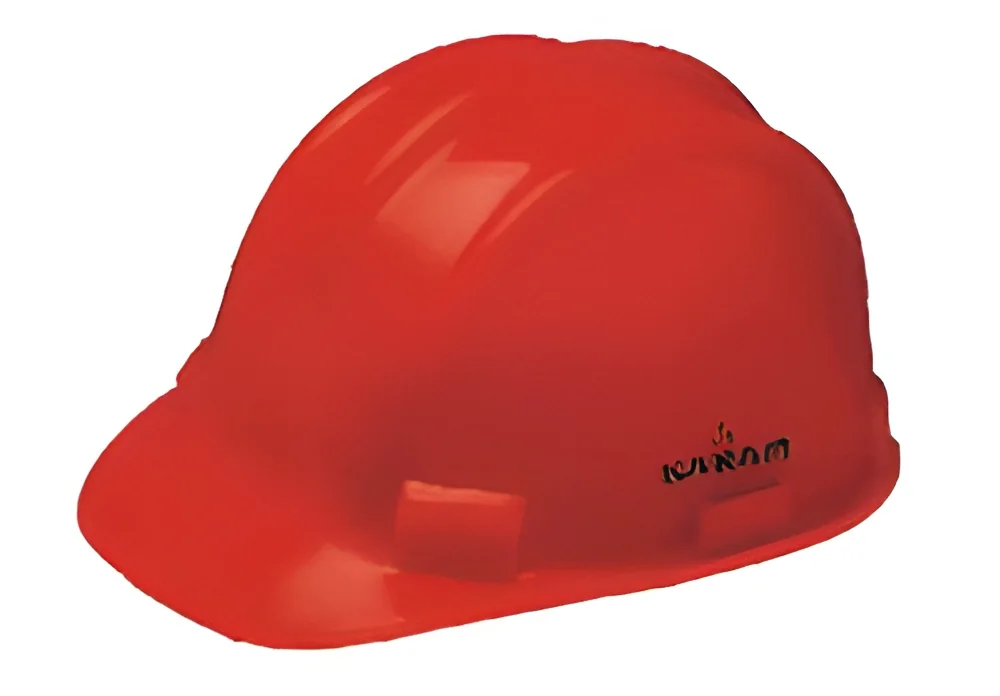
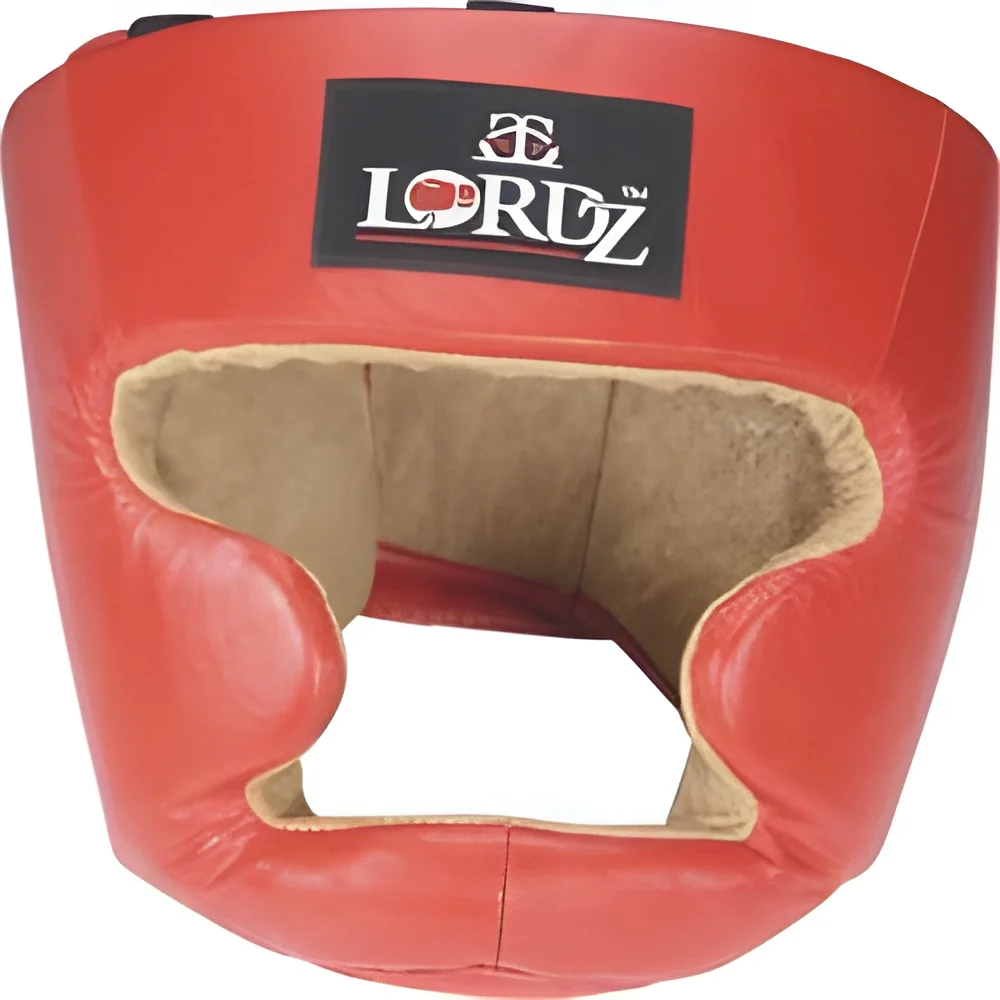
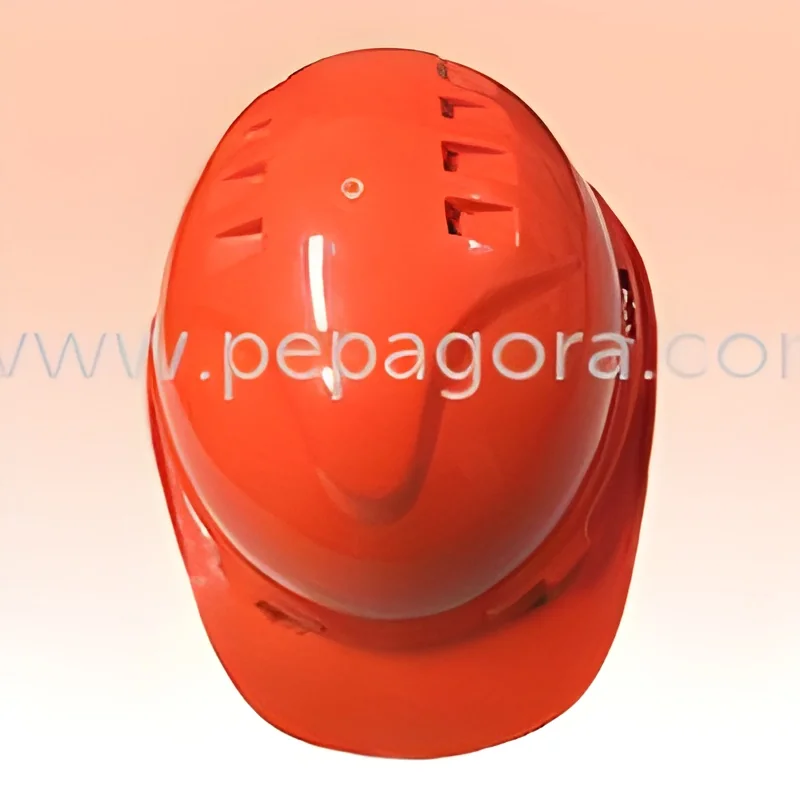
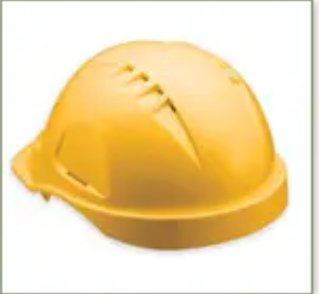
Safety helmets are protective headgear designed to safeguard the wearer from potential injuries caused by falling objects, electrical hazards, and other workplace dangers. Made from durable materials, these helmets feature a hard outer shell and an inner foam lining to absorb impact. They are essential for ensuring safety in environments where head injuries are a risk, such as construction sites, manufacturing facilities, and industrial operations.
Safety helmets are widely used across various industries, including construction, mining, and electrical work. Their primary function is to protect workers, but they also serve as a visible symbol of safety culture within an organization. Businesses often invest in high-quality safety helmets to comply with safety regulations and improve employee morale. The market for safety helmets is expanding, driven by increasing awareness of workplace safety and regulatory requirements.
Key Features and Specifications
Safety helmets come equipped with several essential features that enhance their protective capabilities. Understanding these specifications helps businesses choose the right helmets for their needs.
Key specifications include:
1. Impact Resistance
- Safety helmets must meet specific impact resistance standards to ensure they can withstand heavy blows.
- Typically measured according to EN 397 or ANSI Z89.1 standards.
2. Electrical Insulation
- Certain helmets provide electrical insulation to protect against electric shocks.
- Rated according to specific voltage levels based on industry standards.
3. Adjustable Suspension System
- The suspension system allows for a snug fit and comfort during prolonged wear.
- Features adjustable chin straps and headbands for personalization.
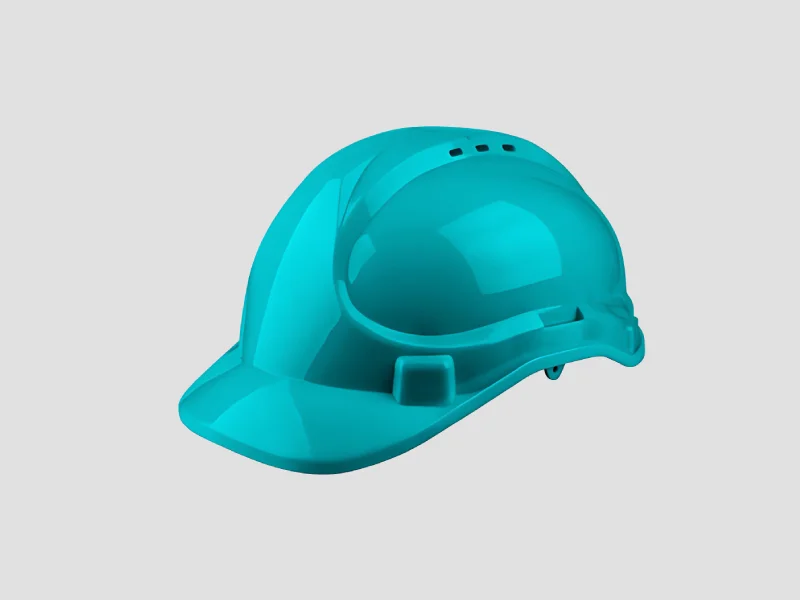
4. Ventilation
- Helmets may include ventilation holes to improve airflow and reduce heat buildup.
- This feature is crucial in hot working environments.
5. Compatibility with Accessories
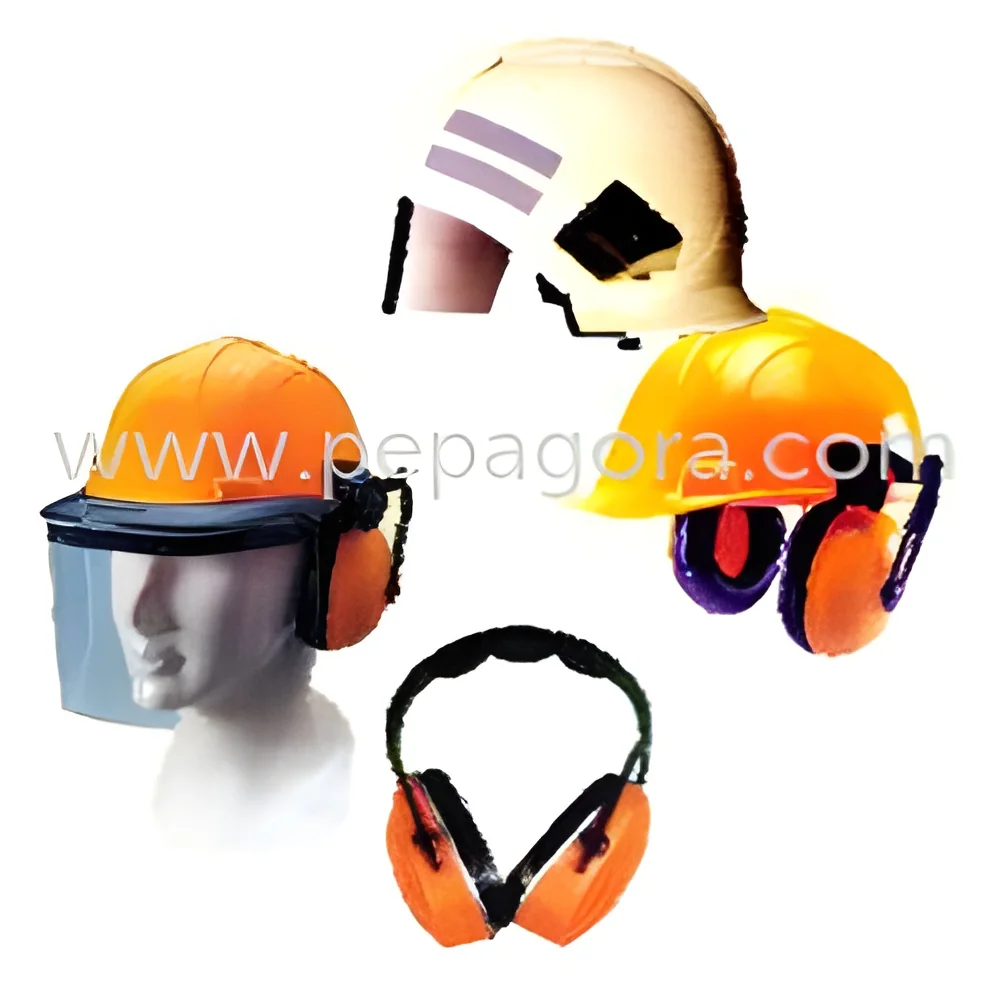
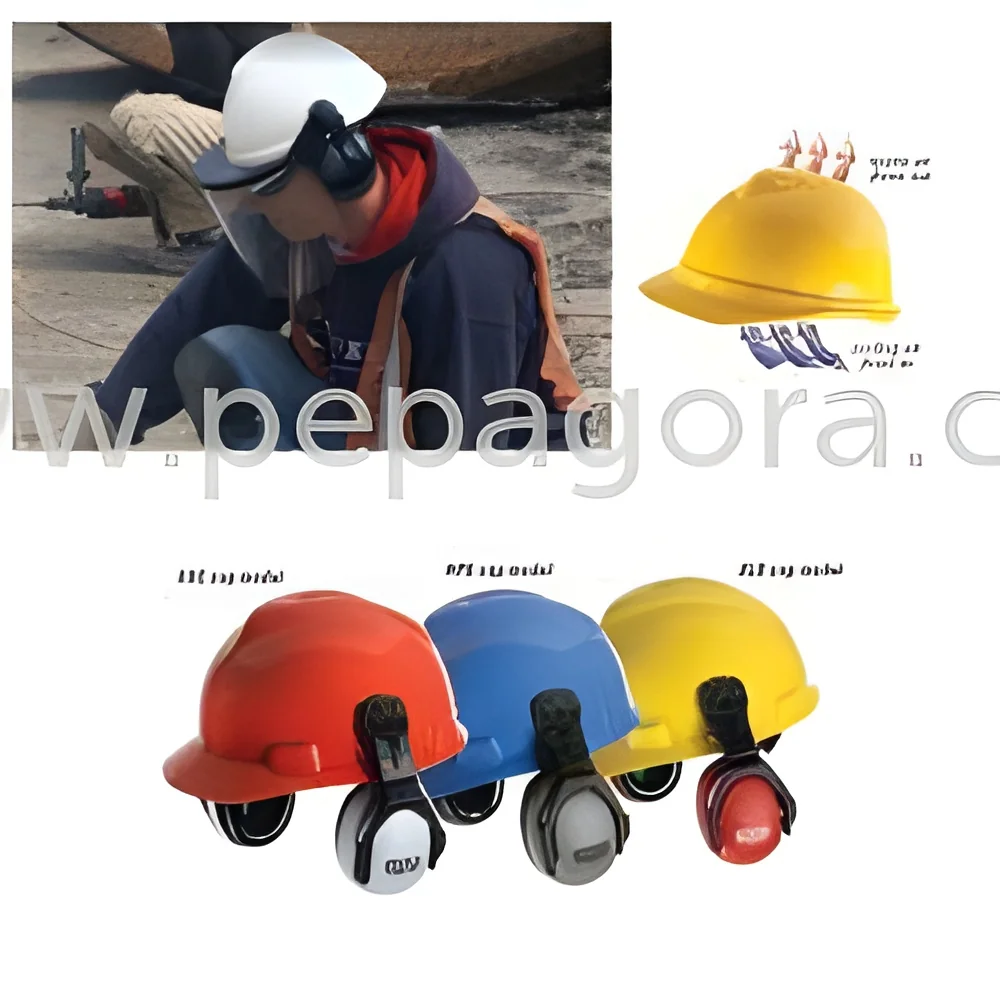
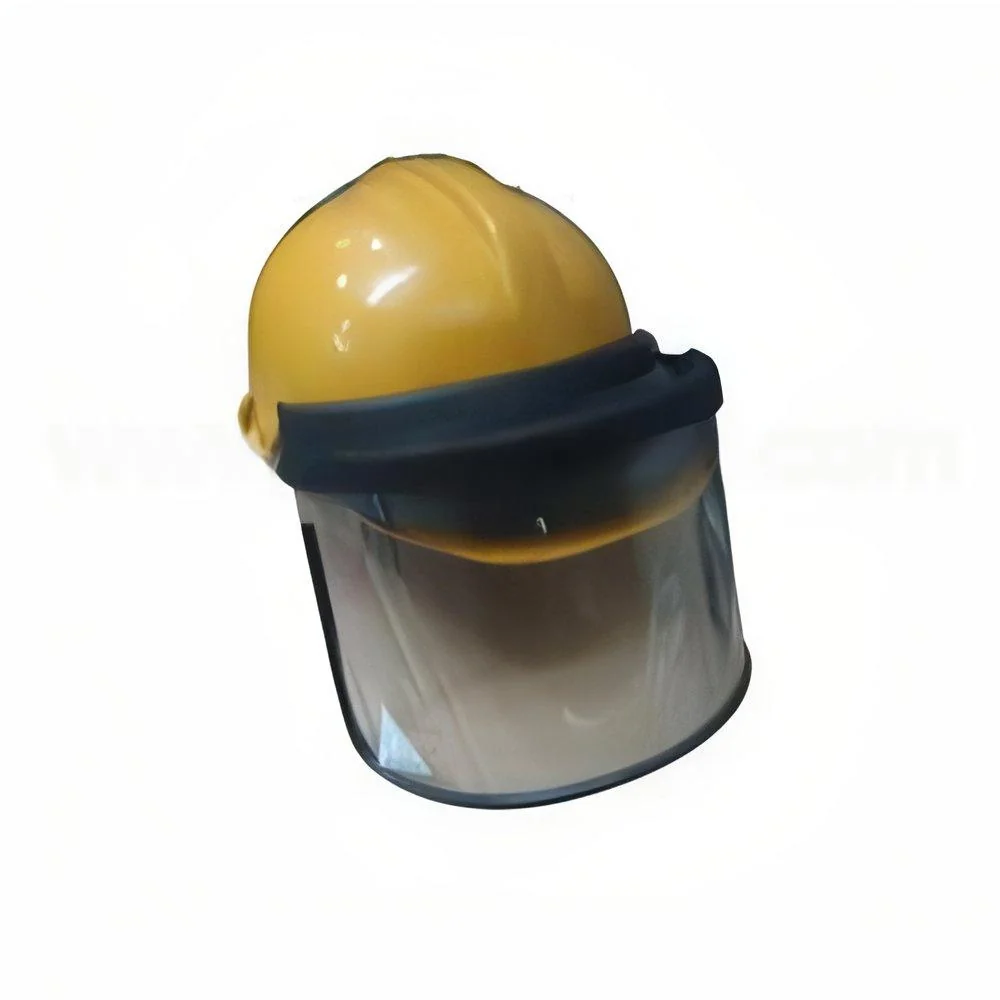
- Many safety helmets are designed to accommodate accessories such as visors, face shields, and ear protection.
- This versatility enhances overall safety and usability.
6. Weight
- The weight of the helmet impacts comfort and wearability.
- Lightweight options are preferred for extended use.
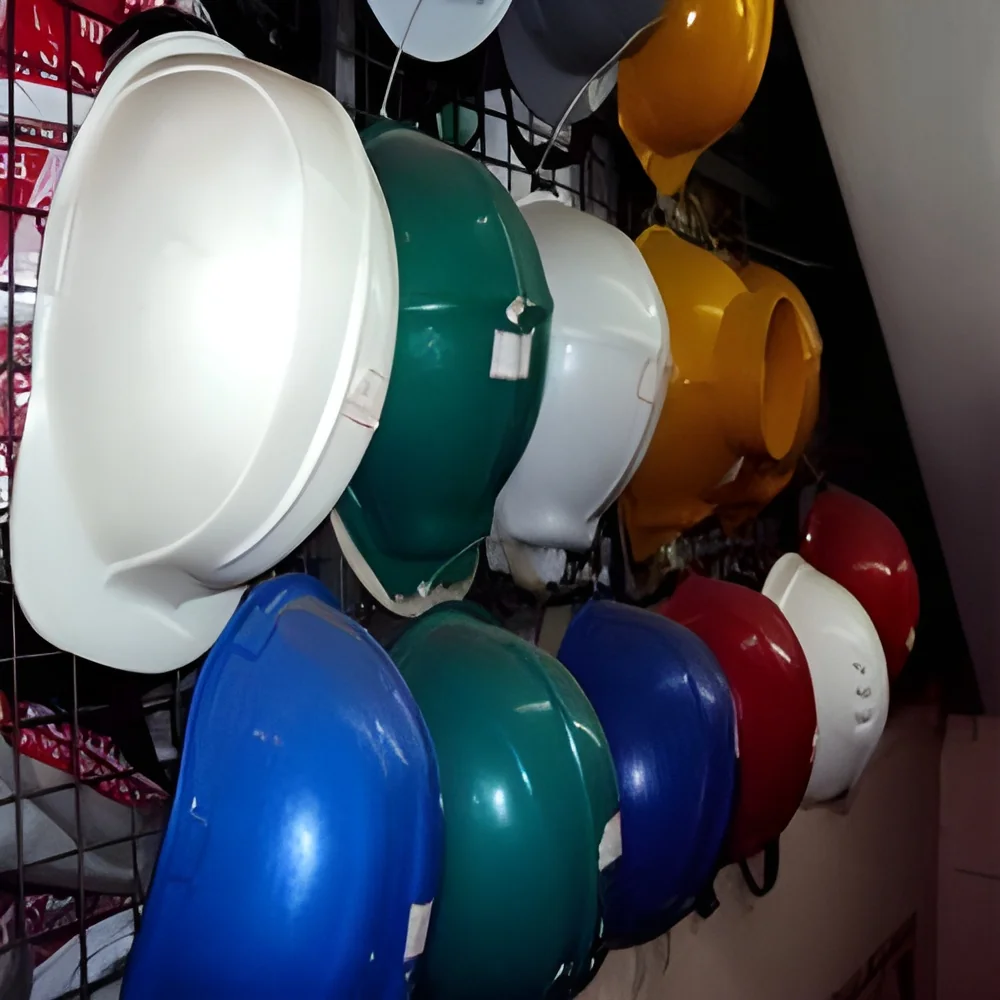
7. Color and Visibility
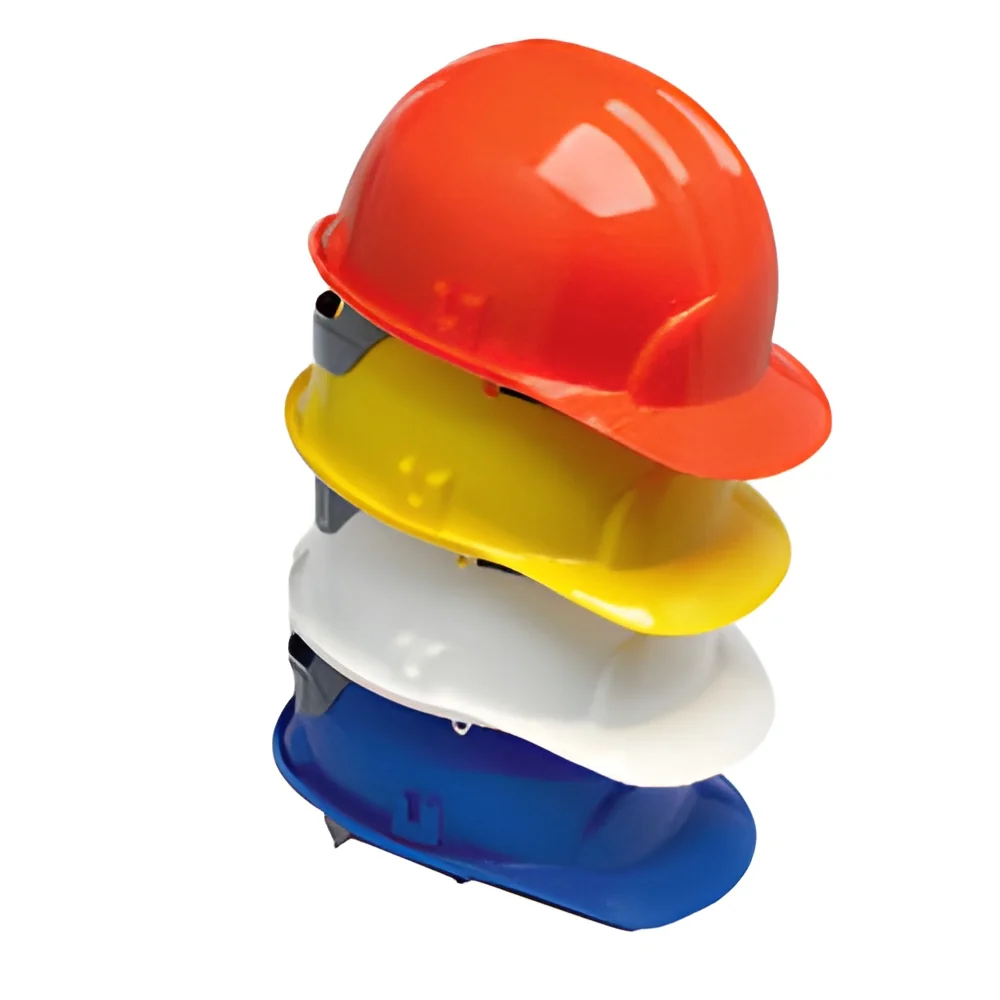
- Bright colors enhance visibility on job sites, improving safety.
- Reflective strips may be included for added visibility in low-light conditions.
8. Certification
- Look for helmets that have been certified by recognized bodies like CE.
- Certification ensures compliance with safety standards.
These features collectively enhance the protective capabilities of safety helmets, making them indispensable in various industrial applications.
Common Applications and Use Cases
Safety helmets find applications across a multitude of industries, each requiring specific features based on unique hazards.
1. Construction: Workers on construction sites often wear safety helmets to protect against falling tools and materials. These helmets are crucial for maintaining compliance with safety regulations.
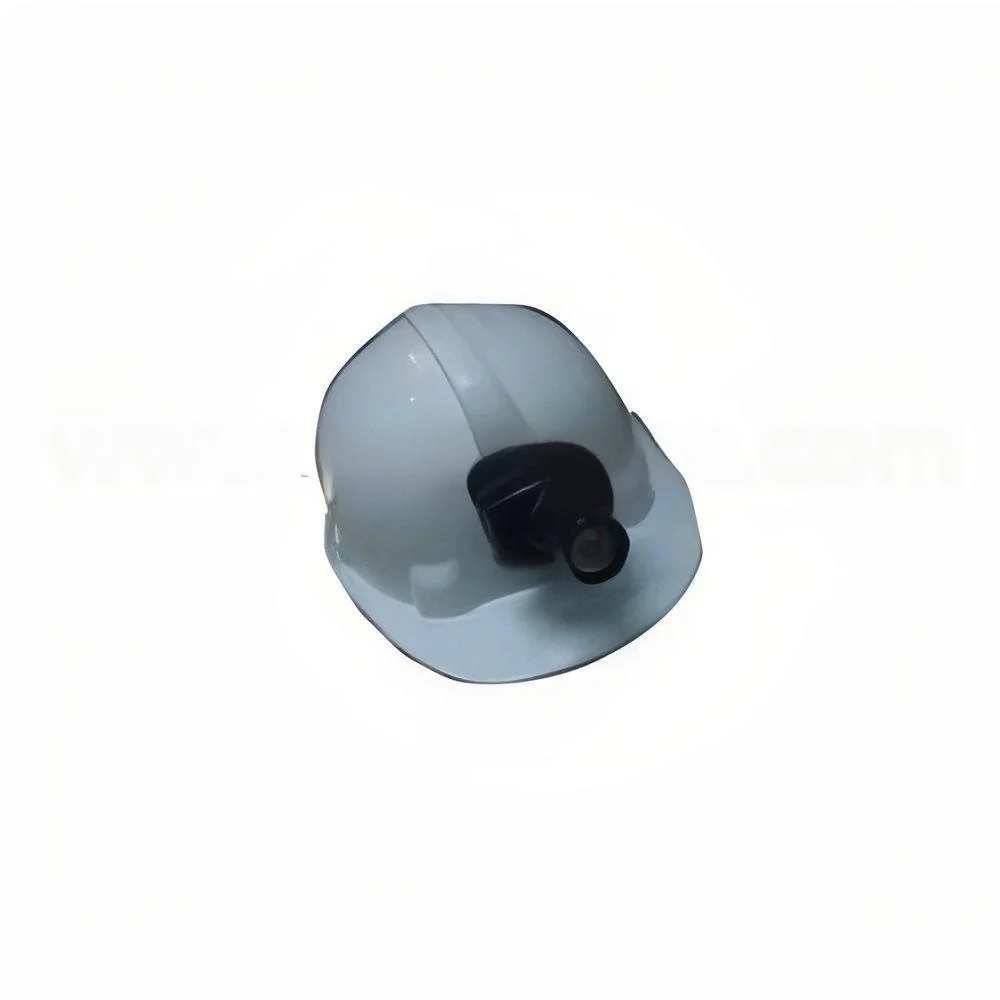
2. Mining: In mining operations, helmets provide protection from falling rocks and other hazards. Specialized helmets may include additional features for communication and lighting.
3. Electrical: Electrical workers utilize helmets with insulation properties to prevent electric shock. These helmets are designed to withstand high-voltage exposure.
4. Manufacturing: In factories, safety helmets protect against overhead hazards and are often used in conjunction with other personal protective equipment.
5. Oil and Gas: Workers in the oil and gas sector face various hazards, making safety helmets essential for protection against impacts and falls.
6. Logistics: Warehouse workers use safety helmets to mitigate risks associated with moving equipment and overhead loads.
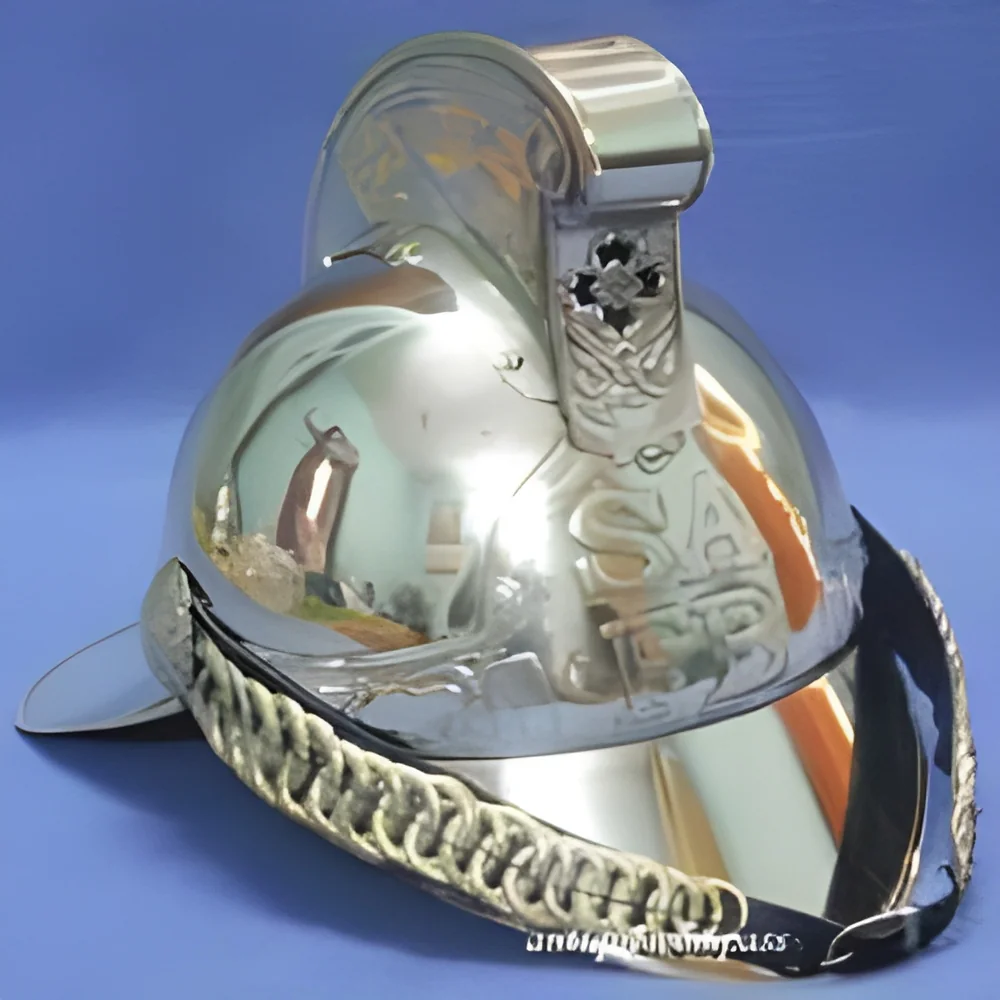
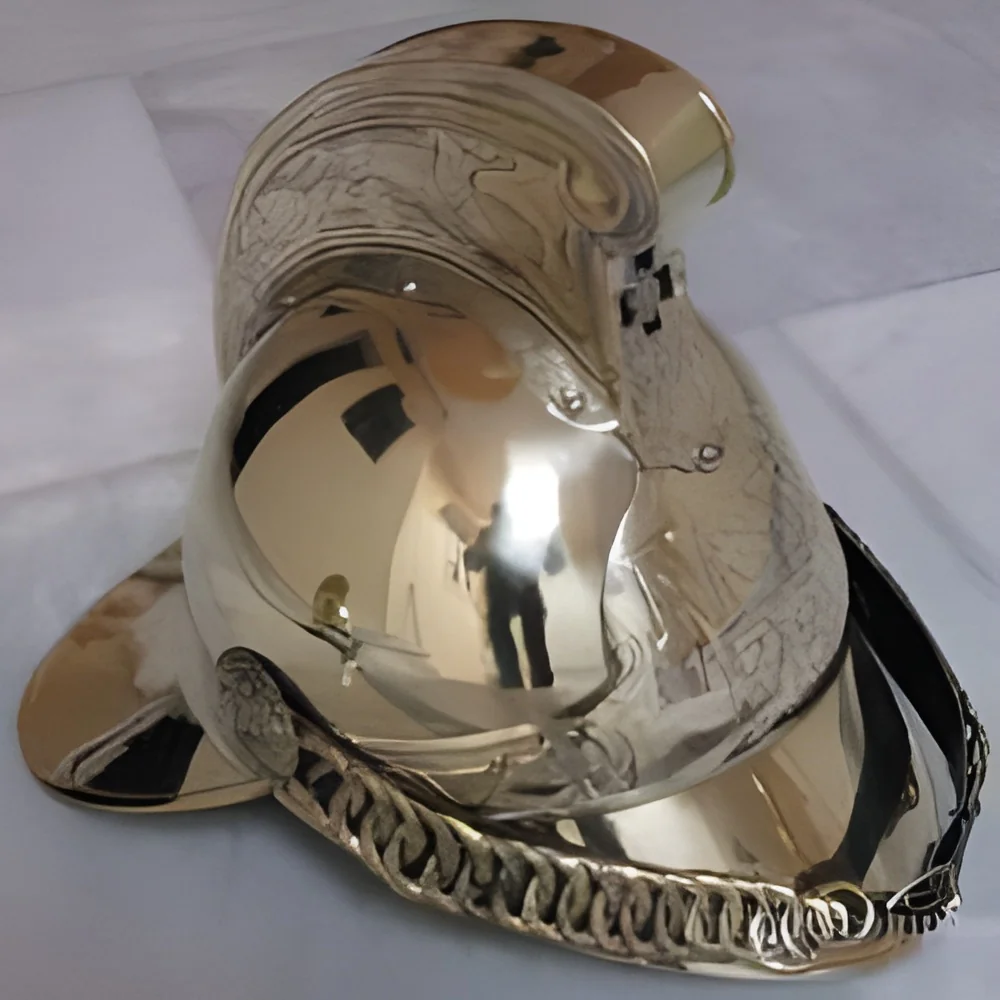
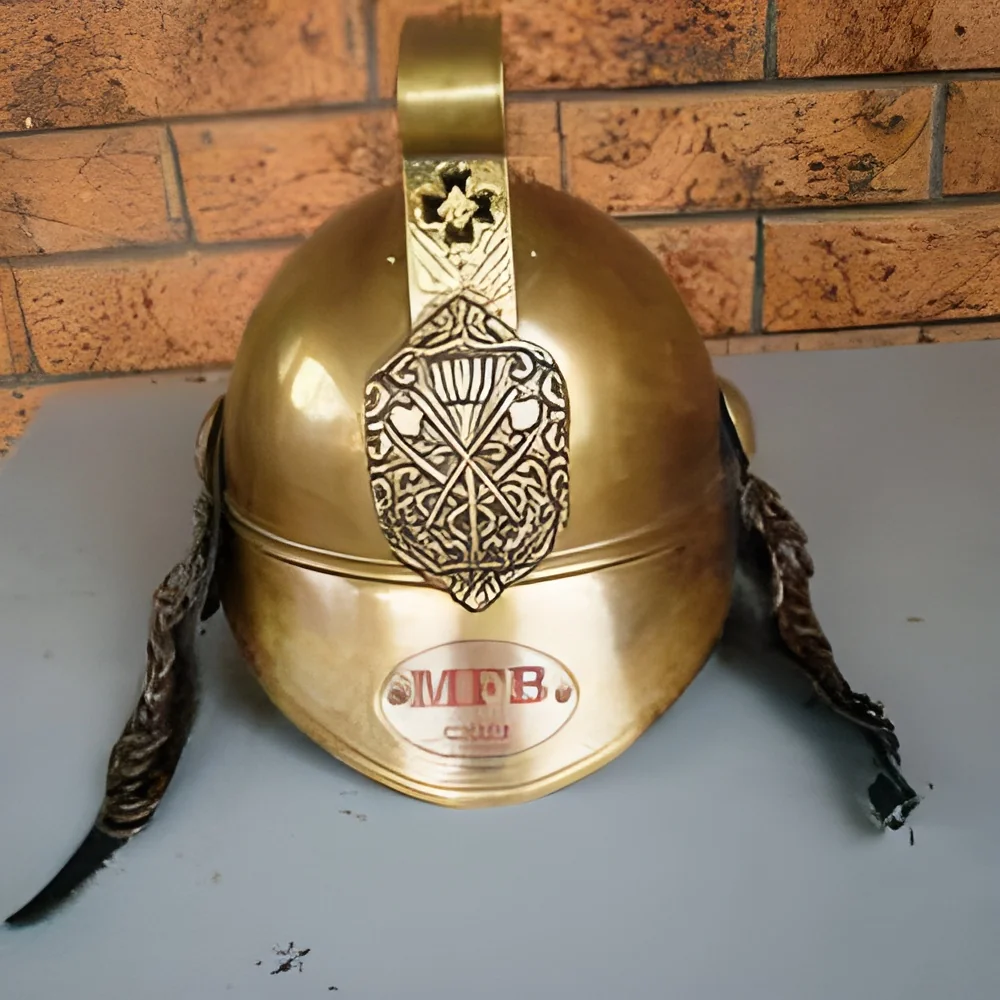
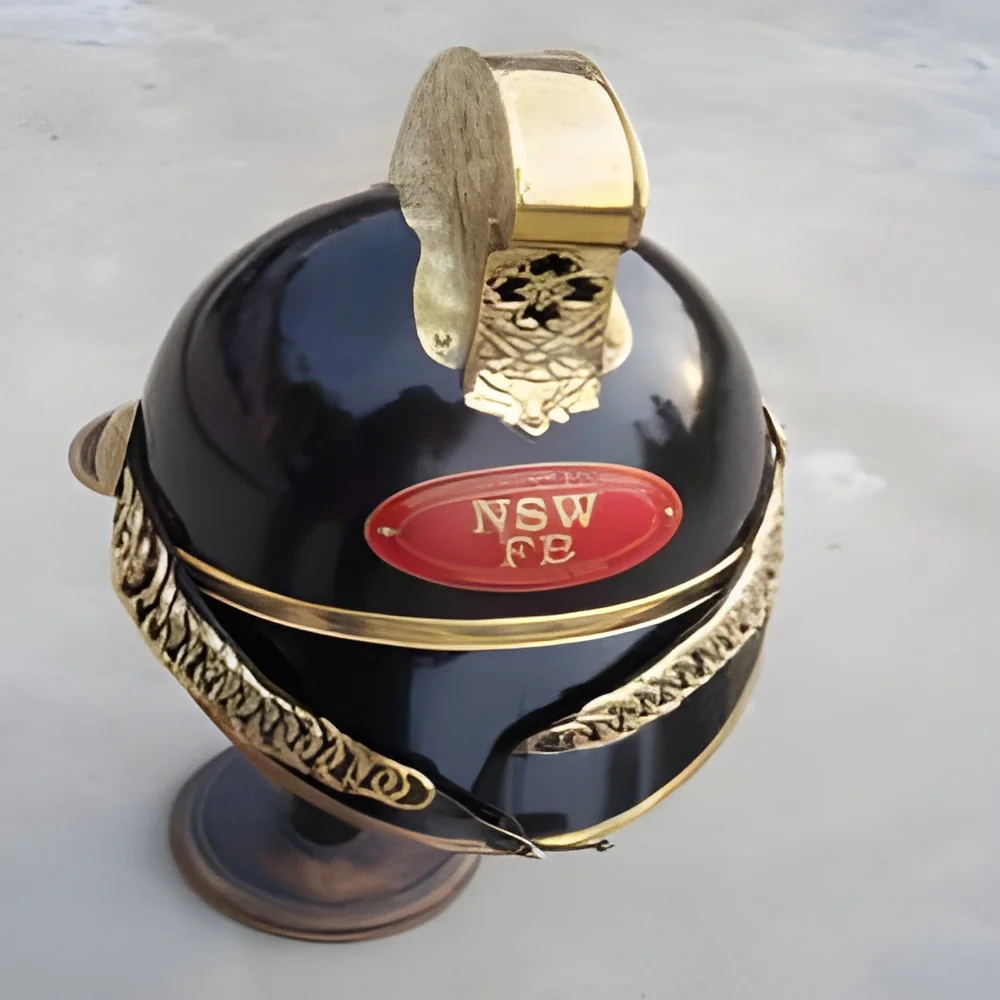
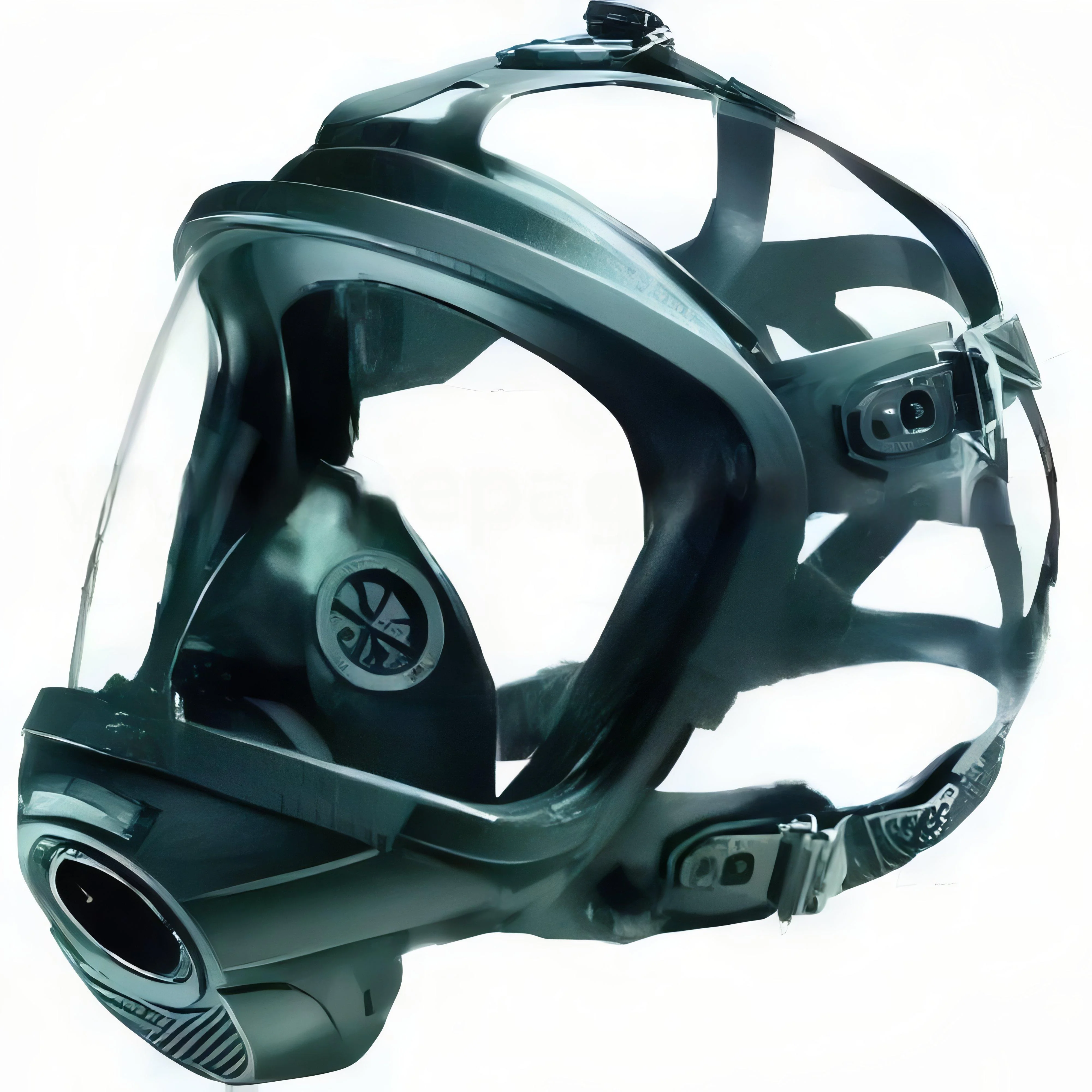
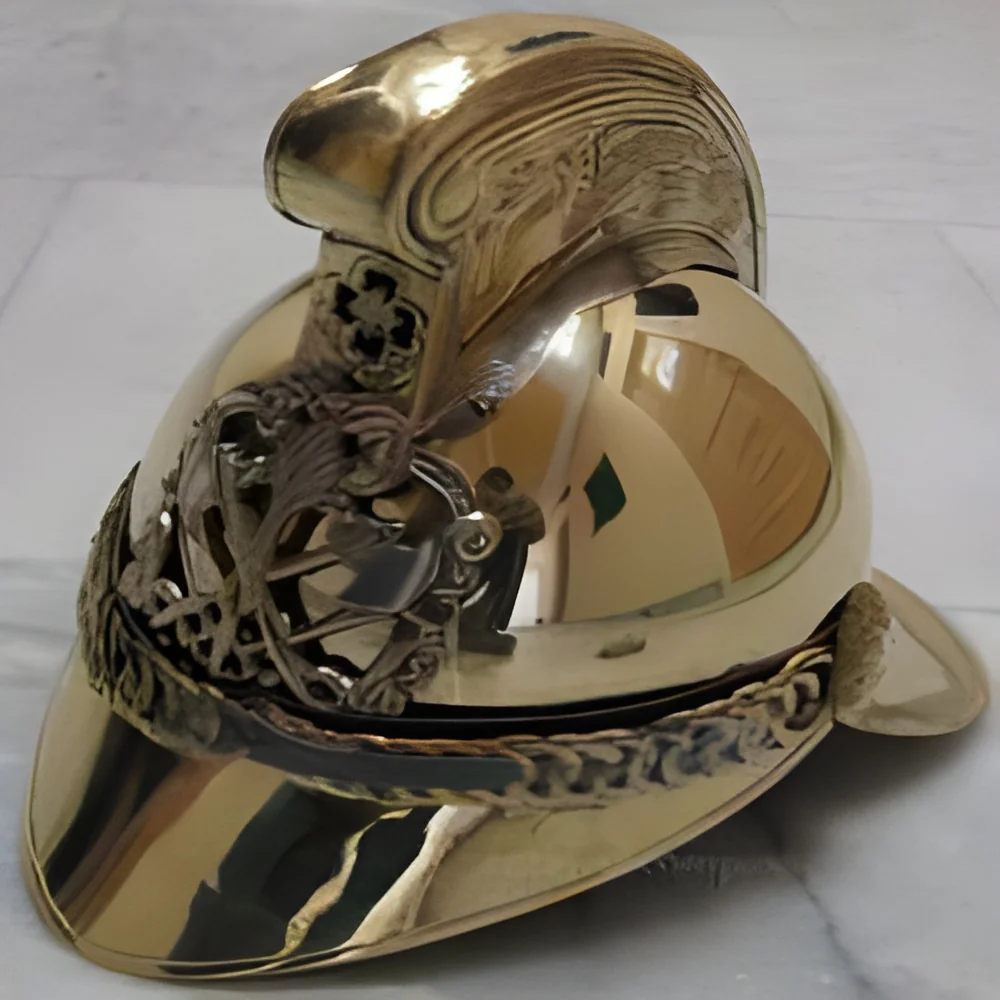
7. Emergency Services: Firefighters and rescue personnel wear specialized helmets designed to withstand extreme conditions and provide necessary protection during emergencies.
Product Variants and Subcategories
Safety helmets come in various designs to meet the specific needs of different industries. Each variant offers unique features tailored to enhance safety and usability.
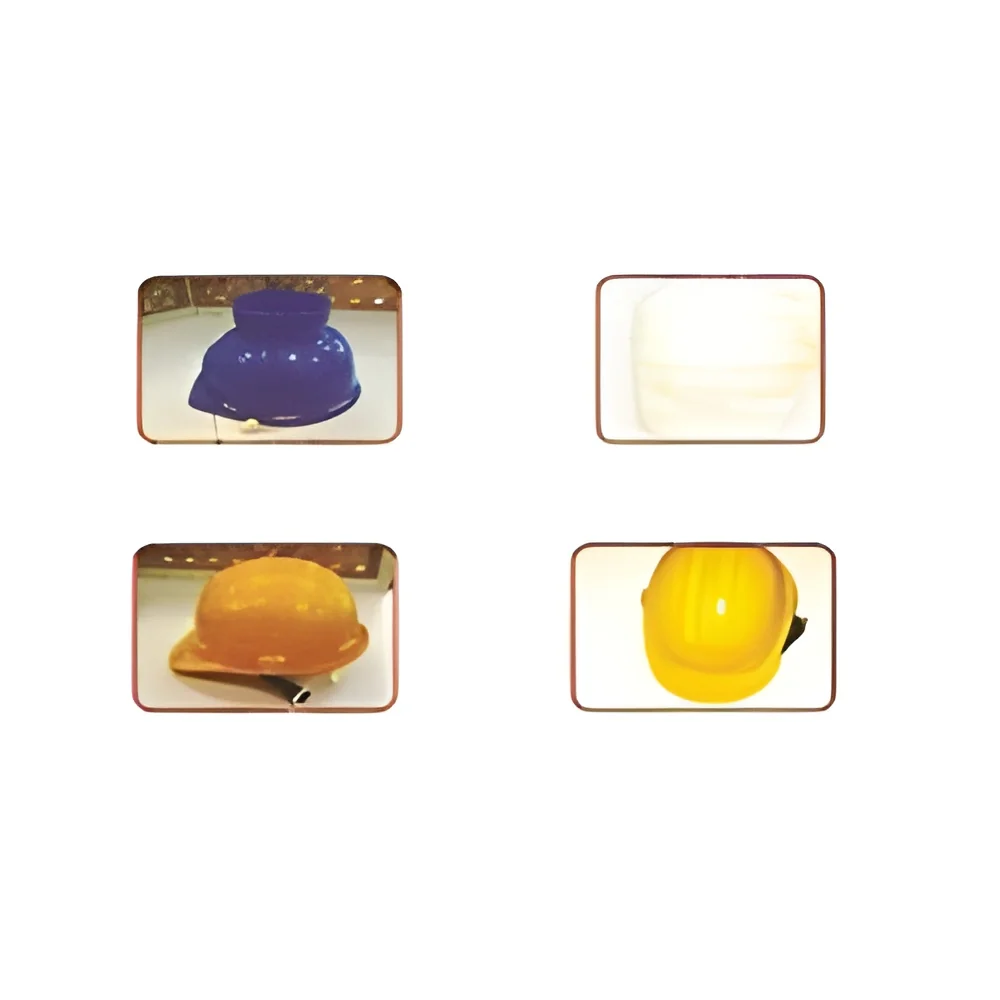
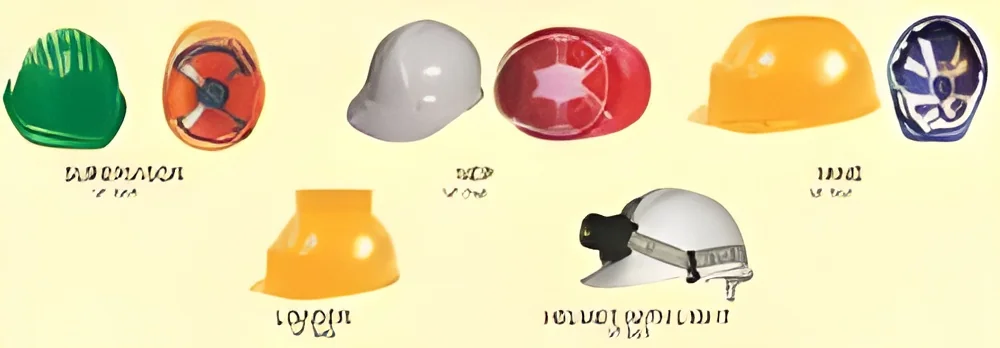
Full-Brim Safety Helmets: These helmets provide additional protection to the neck and face, making them ideal for outdoor work environments where sun and rain exposure is a concern. Their design offers a wider brim, enhancing shade and reducing glare.
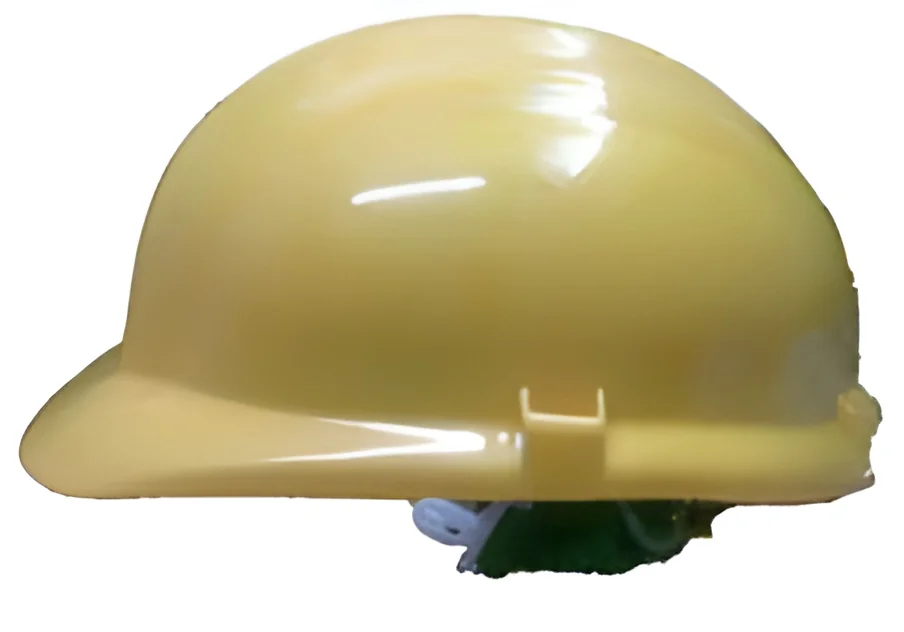
Cap Style Safety Helmets: These are lightweight and designed for comfort, often used in less hazardous environments. They are suitable for industries where the risk of falling objects is minimal, but head protection is still necessary.
High-Visibility Safety Helmets: Designed with bright colors and reflective materials, these helmets enhance visibility in low-light conditions. They are commonly used in construction and traffic management.
Climbing Helmets: Specifically designed for climbing and rigging, these helmets are lightweight and offer superior ventilation. They are crucial in the outdoor adventure industry and rescue operations.
Benefits and Advantages
Investing in safety helmets provides numerous advantages for both employers and employees.
1. Enhanced Worker Safety: Safety helmets significantly reduce the risk of head injuries in hazardous environments, promoting a safer workplace.
2. Compliance with Regulations: Using certified safety helmets ensures compliance with local and international safety standards, protecting businesses from legal liabilities.
3. Increased Employee Morale: Providing quality safety gear demonstrates a company's commitment to employee welfare, leading to higher morale and productivity.
4. Versatility: Many safety helmets are compatible with accessories, allowing users to customize their helmets for specific tasks.
5. Cost-Effectiveness: Investing in durable safety helmets can reduce long-term costs associated with workplace injuries and insurance claims.
6. Improved Visibility: Bright colors and reflective designs enhance visibility, reducing the likelihood of accidents, especially in low-light conditions.
Buying Guide for B2B Buyers
When sourcing safety helmets, certain factors should be considered to ensure the right choice for your organization.
1. Quality Assessment: Evaluate the materials and construction of the helmets to ensure they meet industry standards. Look for certifications that confirm their durability and protective capabilities.
2. Supplier Verification: Vet suppliers to ensure they offer high-quality products. Check for reviews, certifications, and their history in the market.
3. Pricing and MOQ: Understand the pricing structure and minimum order quantities (MOQ) to ensure they align with your budget and purchasing needs.
4. Delivery and Lead Times: Assess the supplier's ability to deliver on time. Timely delivery is crucial for maintaining workplace safety and compliance.
5. Compliance Requirements: Ensure that the helmets comply with regional safety regulations and standards. This is vital for legal compliance and worker safety.
Compliance and Certifications
Safety helmets must adhere to various quality standards to ensure their effectiveness in protecting workers. Relevant quality standards include ISO 9001, which focuses on quality management systems, and CE marking, which indicates compliance with European health, safety, and environmental protection standards.
Industry certifications play a crucial role in demonstrating a helmet's reliability. The CE mark is particularly significant in Europe, indicating that the helmet meets stringent safety requirements. Other certifications may vary by region, emphasizing the importance of local compliance in different markets.
Safety and testing requirements are critical to maintaining helmet integrity. Helmets undergo rigorous testing to assess their impact resistance, electrical insulation, and overall durability. Conducting regular inspections and maintenance of helmets ensures they remain safe for use over time.
Regional compliance considerations vary, with different countries having specific regulations regarding head protection. It is essential for businesses to stay informed about these requirements to avoid penalties and ensure worker safety.
Why Source Safety Helmets from Pepagora?
Pepagora provides a trusted platform for sourcing safety helmets, offering several key advantages to businesses.
Verified Supplier Network: Pepagora maintains a rigorous supplier verification process, ensuring that all listed suppliers meet high standards for quality and reliability. This gives buyers confidence in the products they purchase.
Streamlined RFQ Process: The request for quotation (RFQ) process on Pepagora is designed to be user-friendly, allowing businesses to quickly obtain competitive quotes from multiple suppliers. This efficiency helps buyers make informed decisions.
Trade Assurance and Support: Pepagora offers trade assurance, providing buyers with protection during transactions. This support minimizes risks and enhances trust between buyers and suppliers.
Regional Coverage: Pepagora's geographic reach extends across India, the GCC, and Southeast Asia, making it easier for businesses in these regions to access quality safety helmets tailored to their needs. This broad coverage ensures that businesses can find suitable suppliers regardless of their location.

 IN
IN