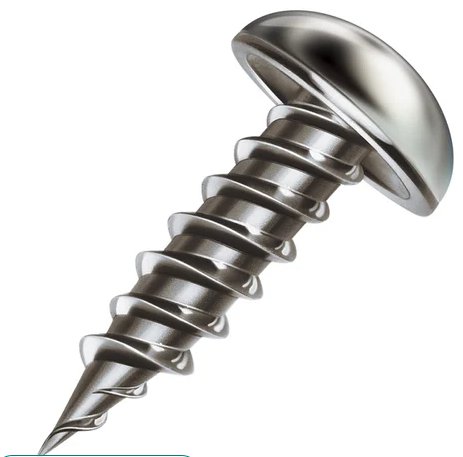
What are Screws?
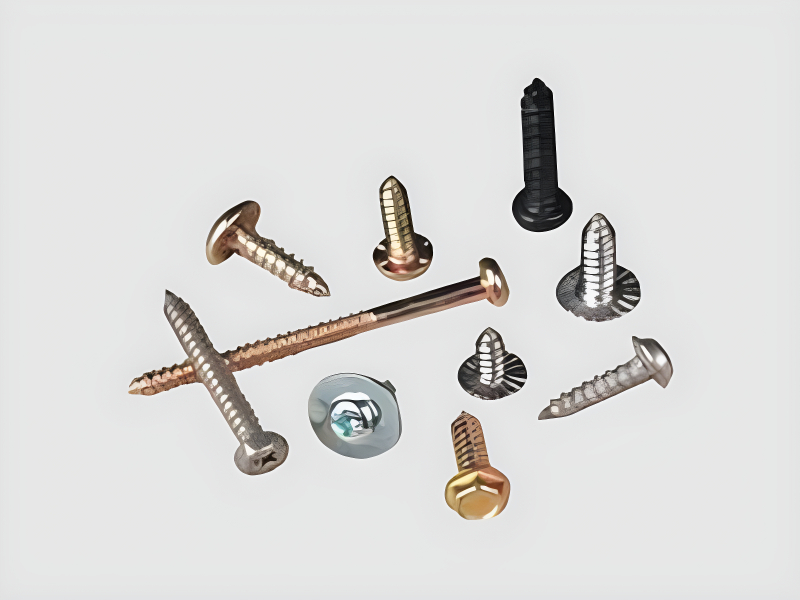
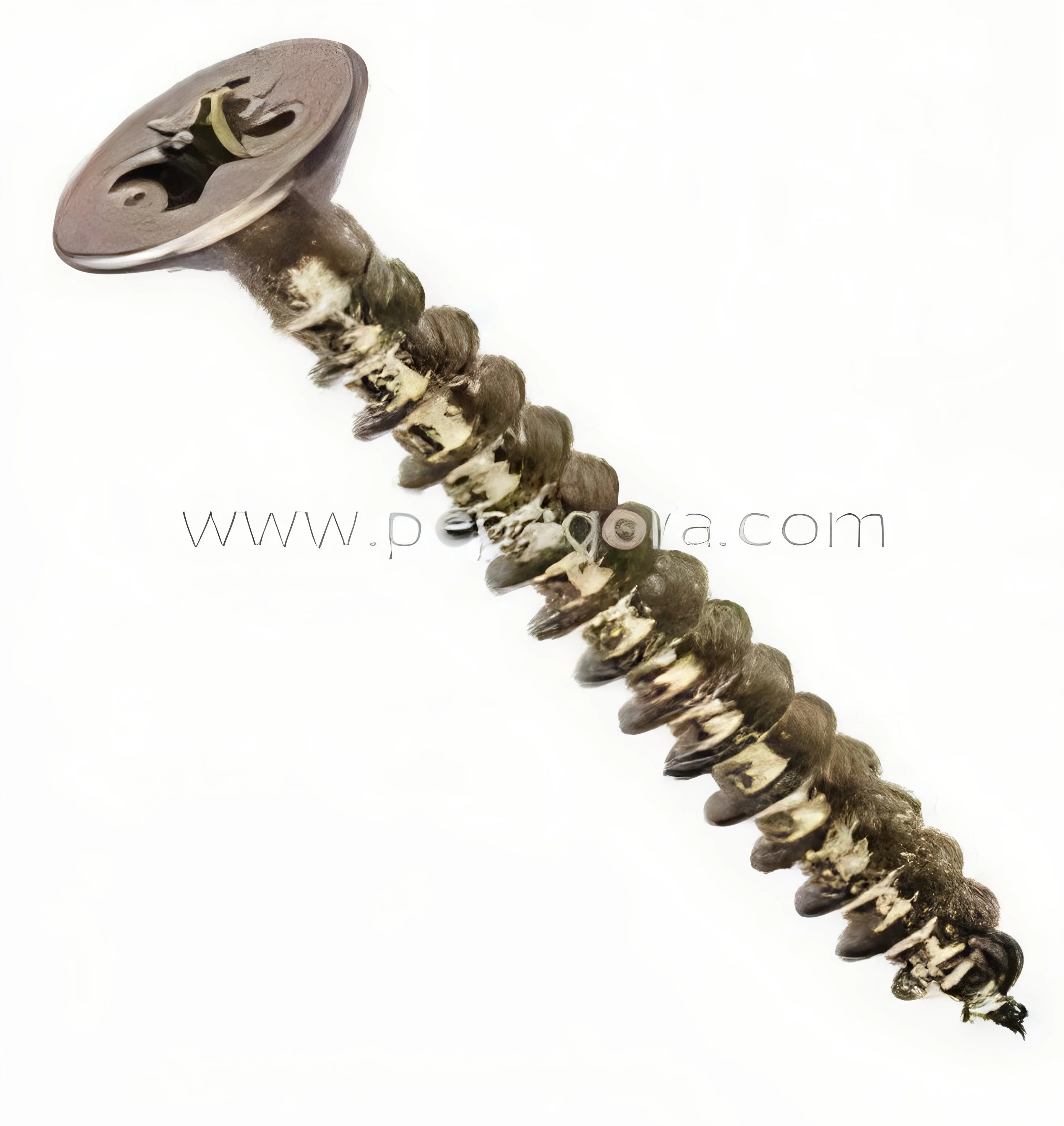
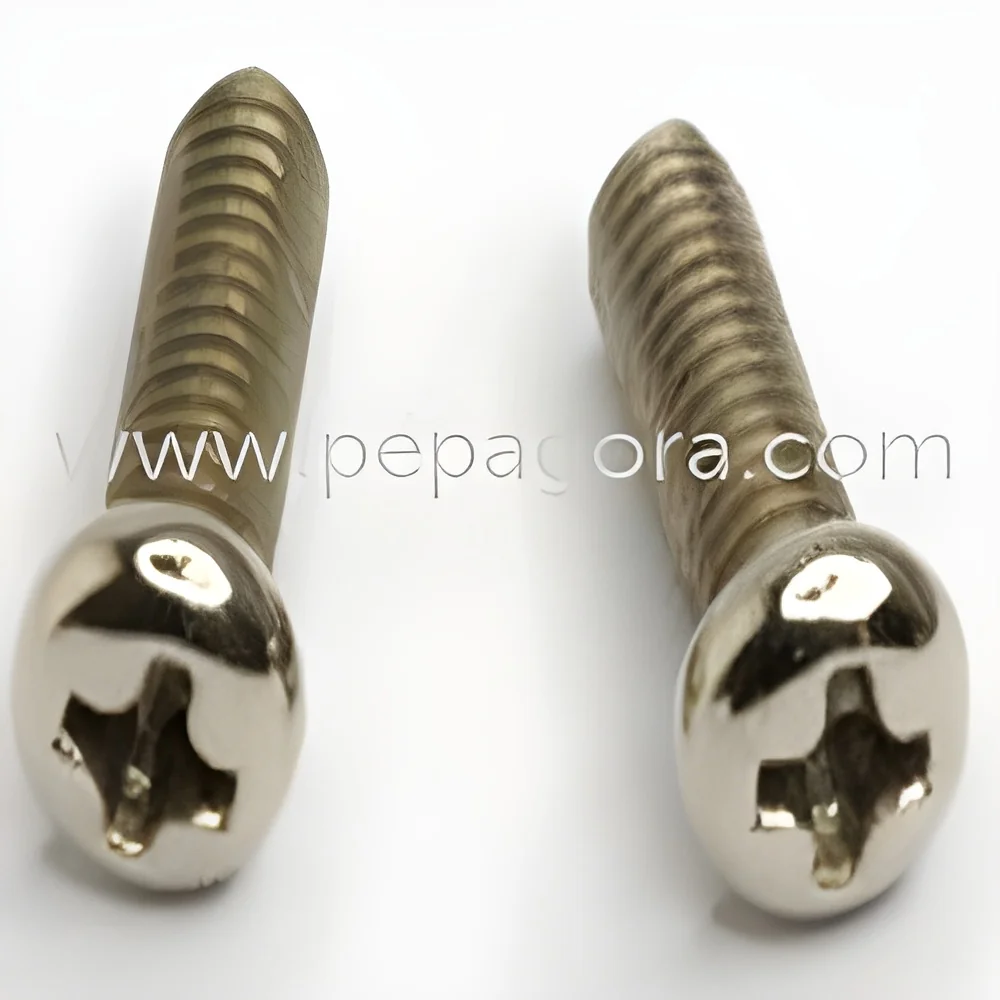
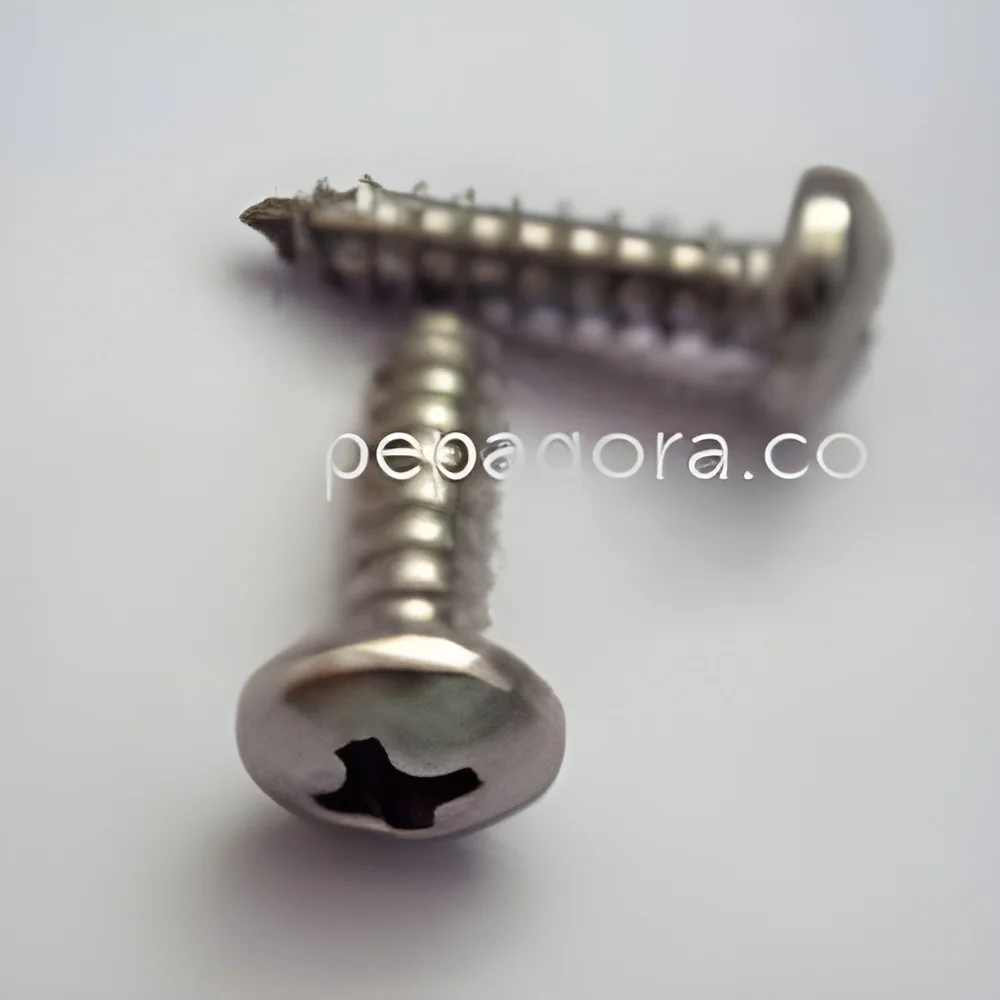
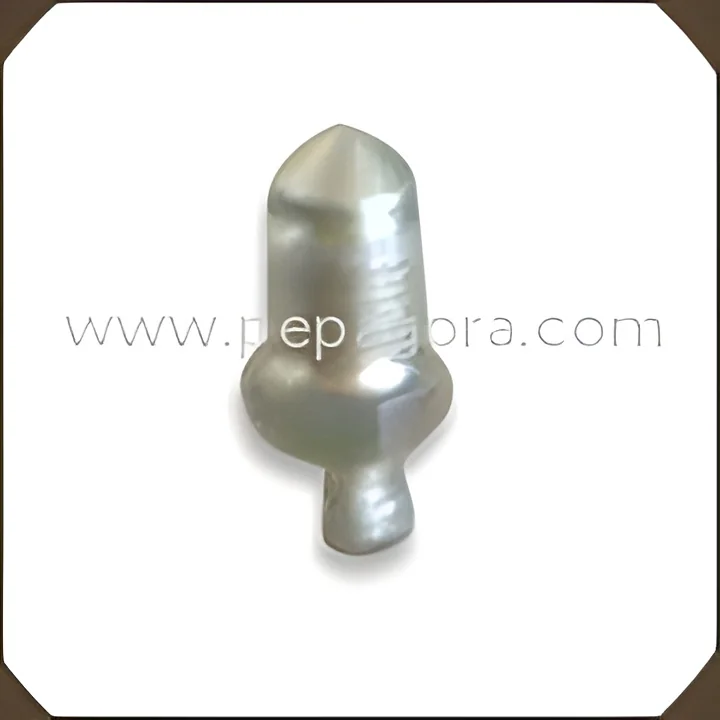
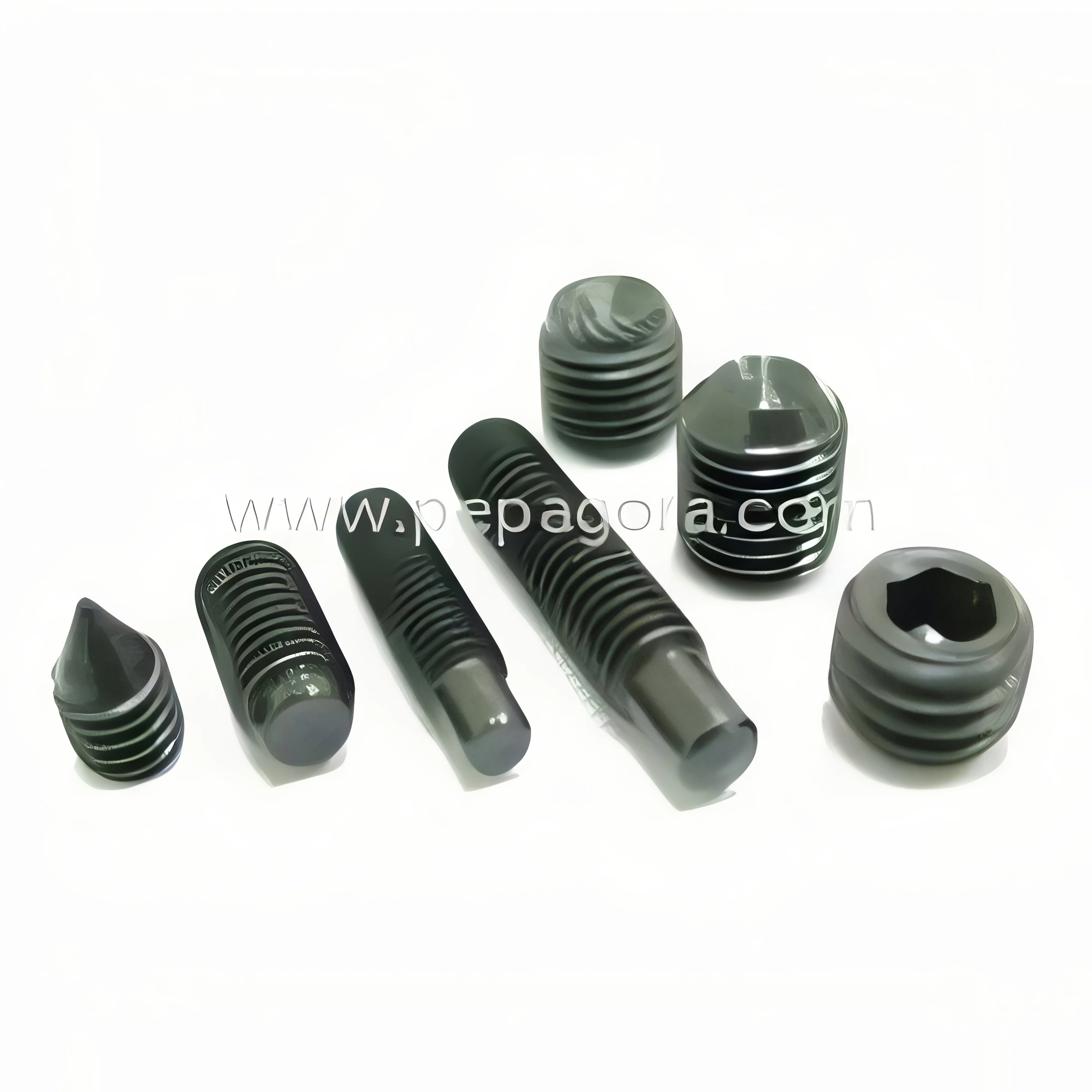
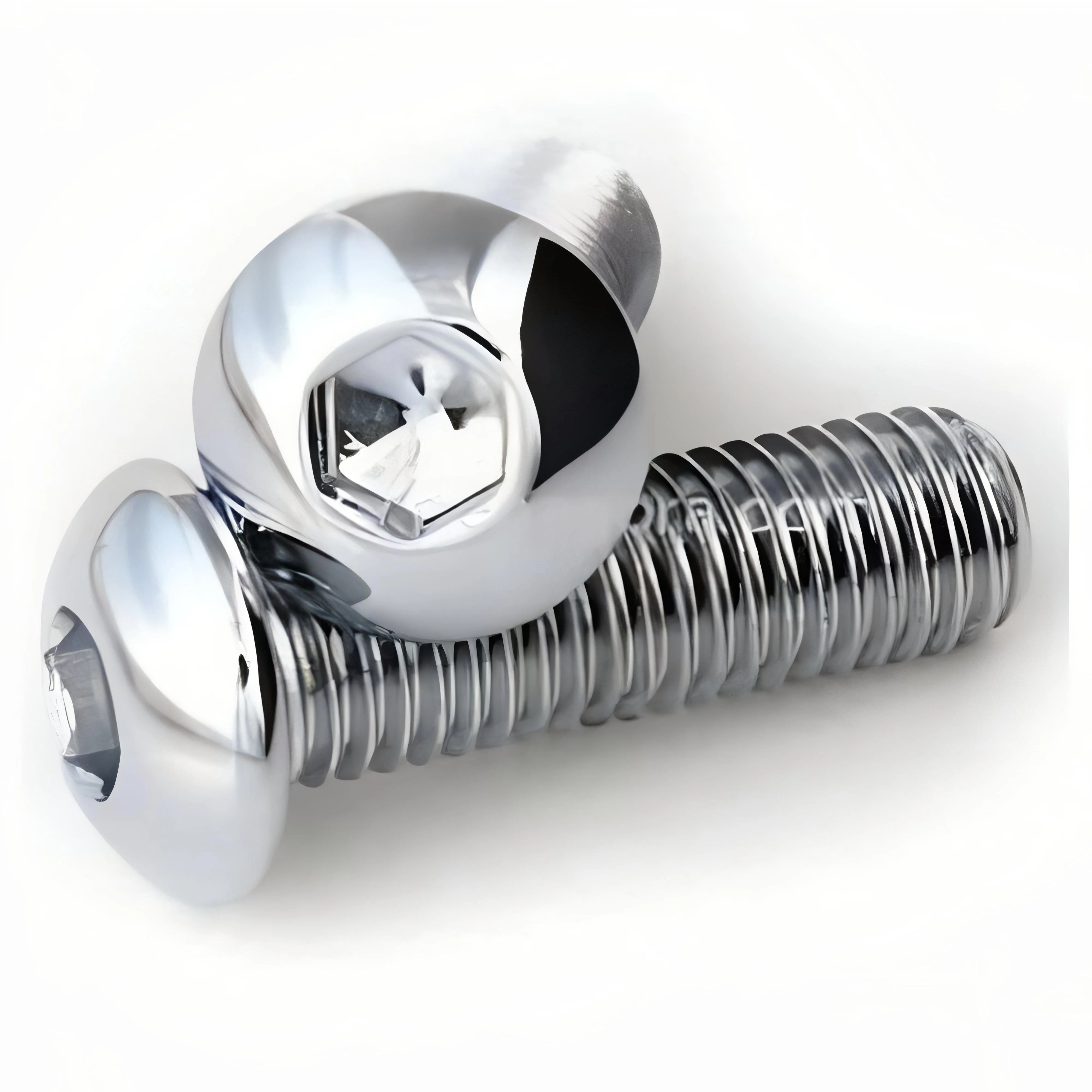
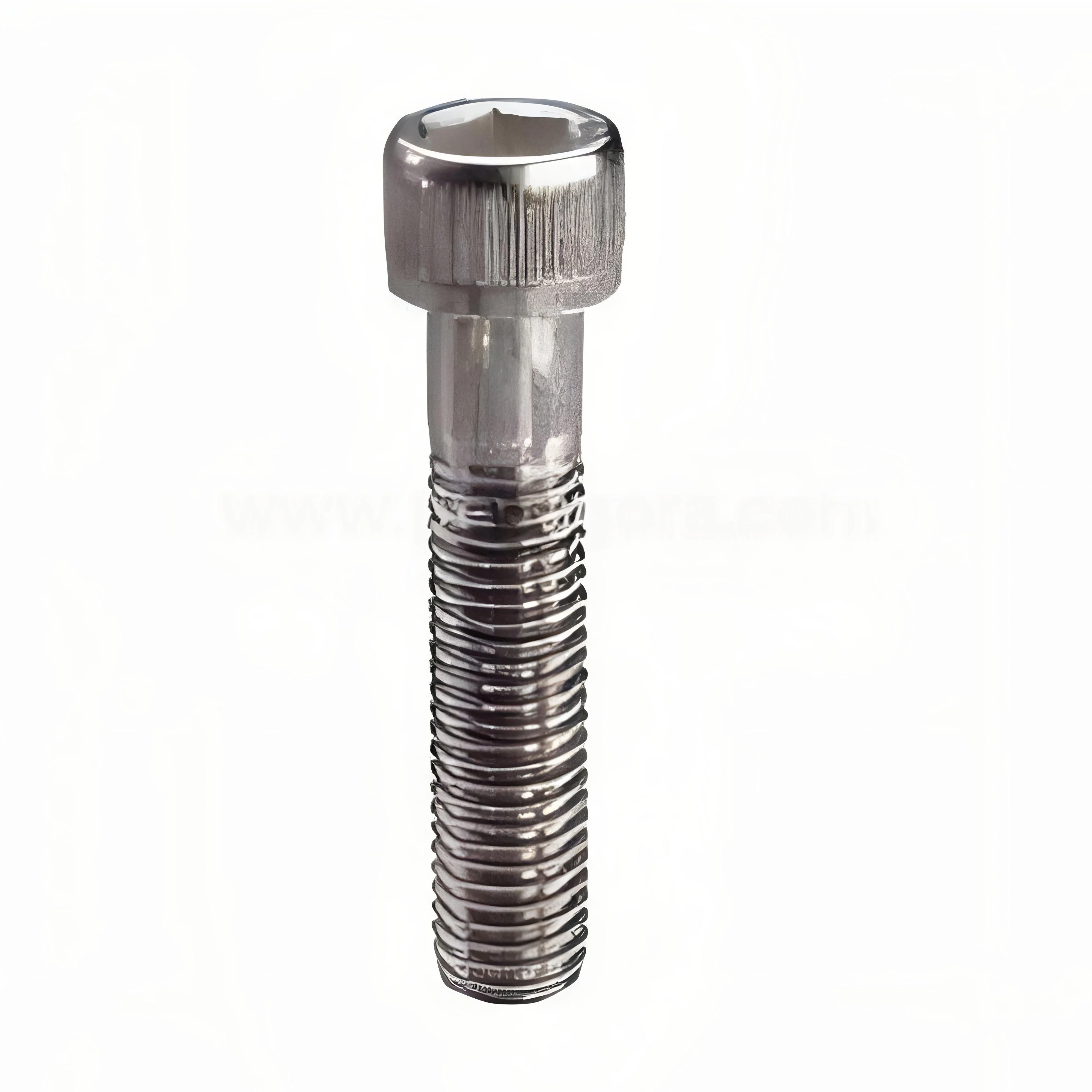
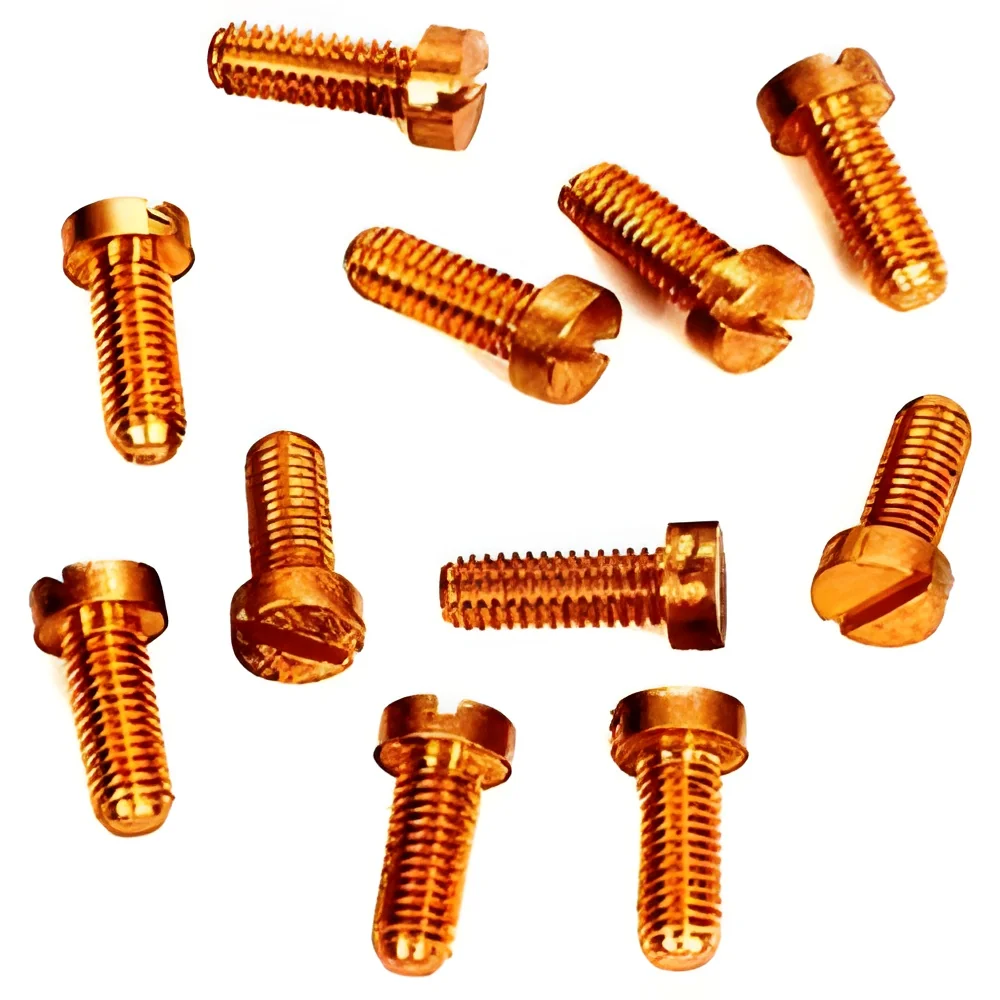
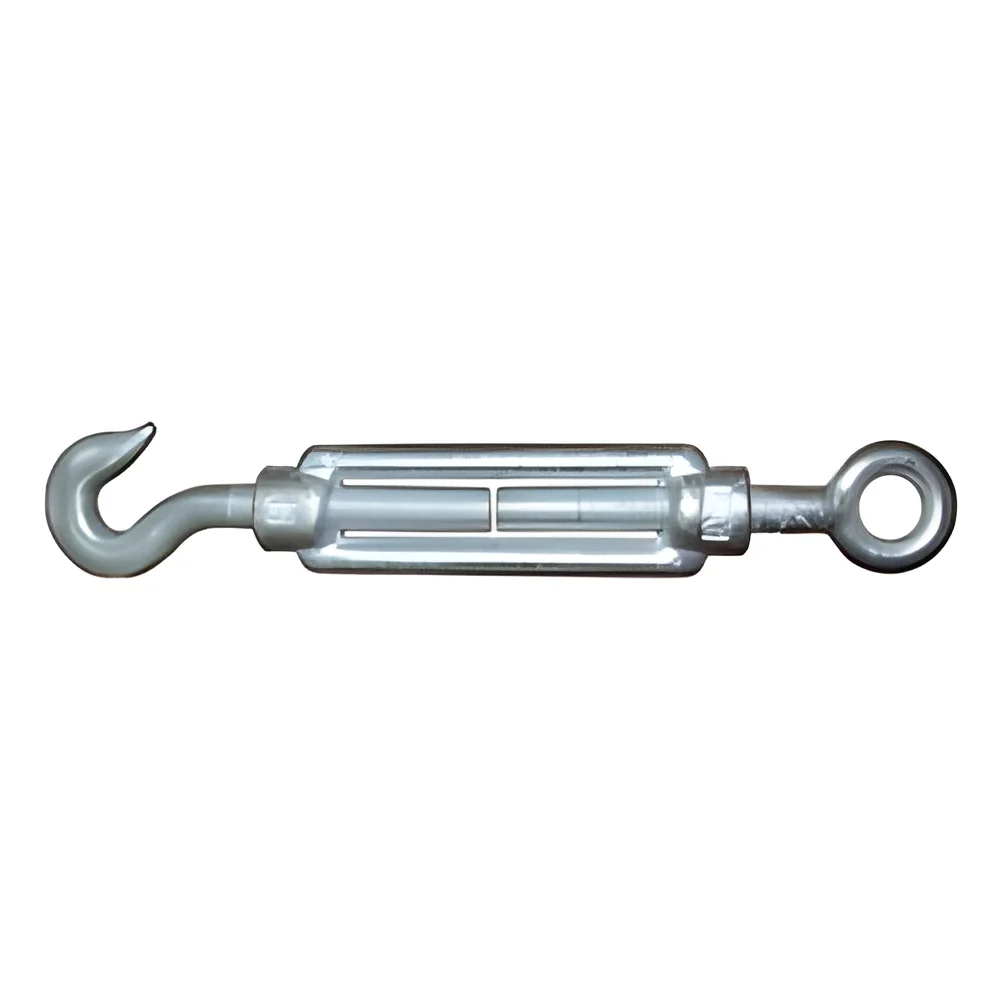
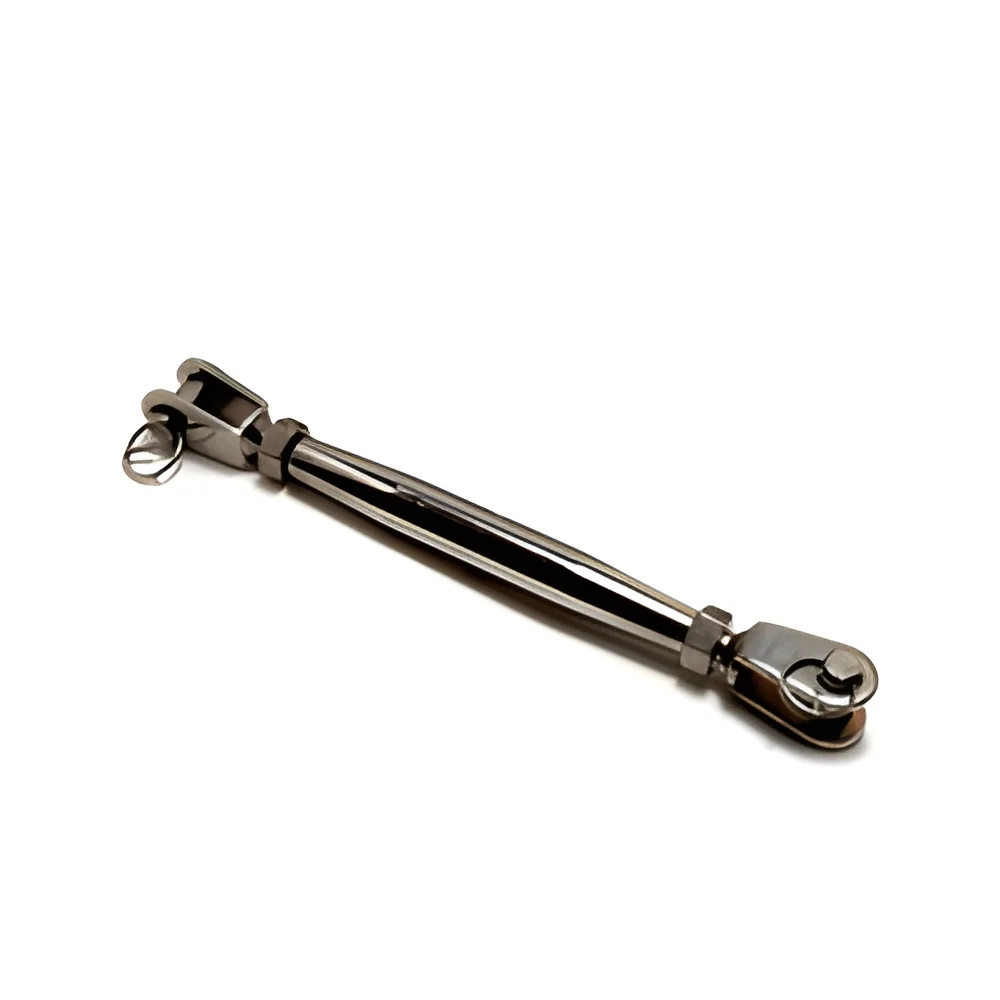
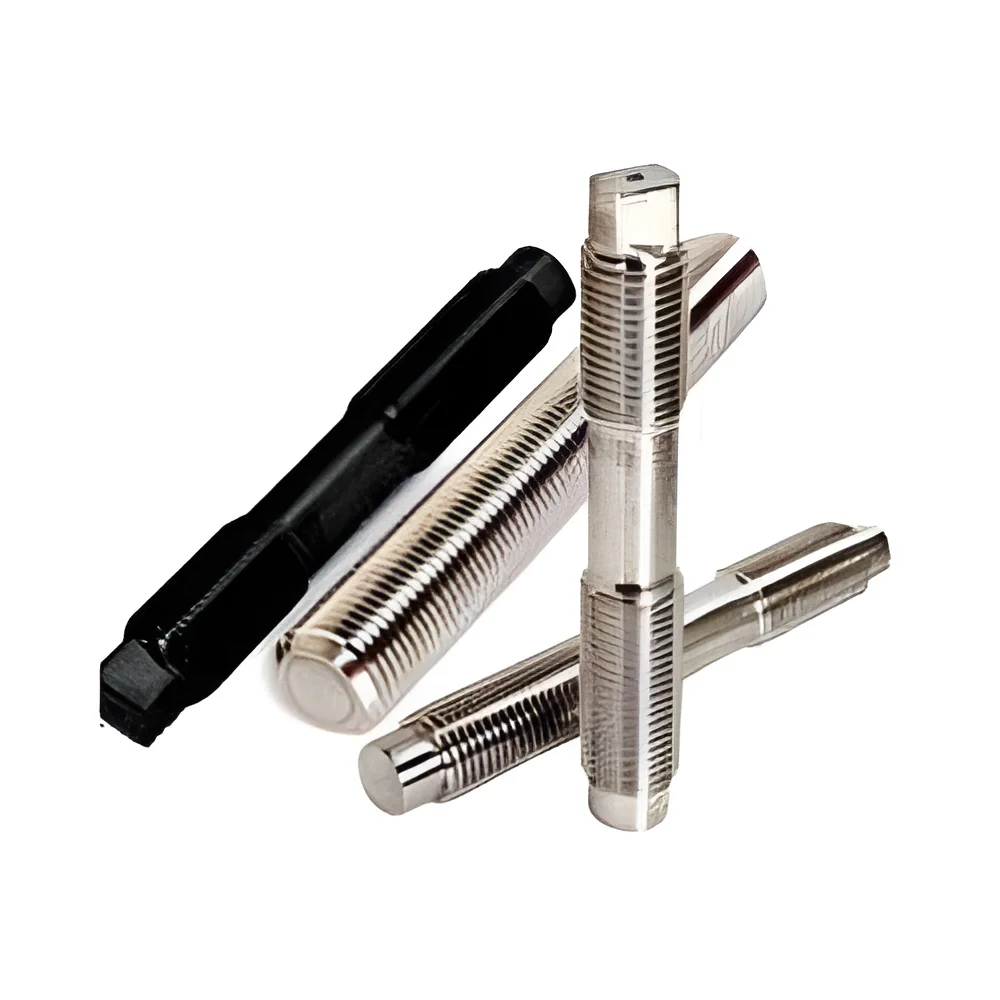
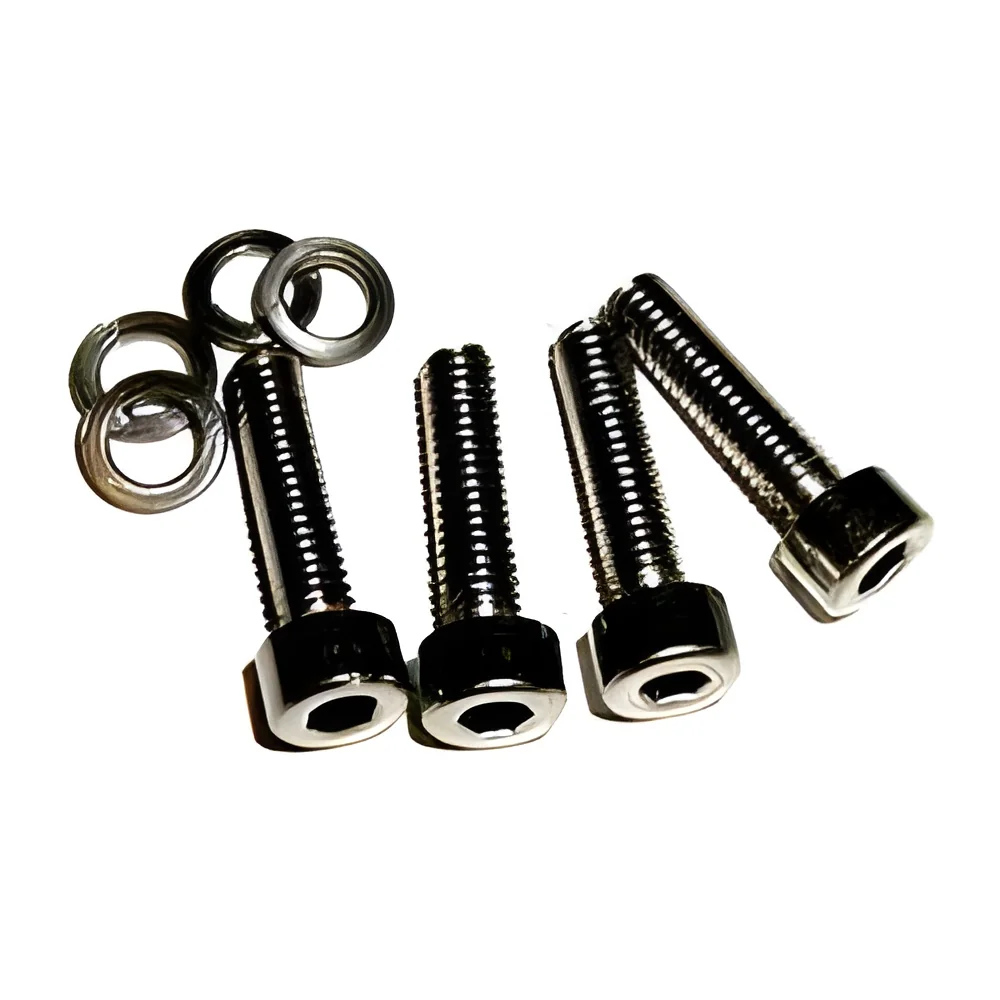
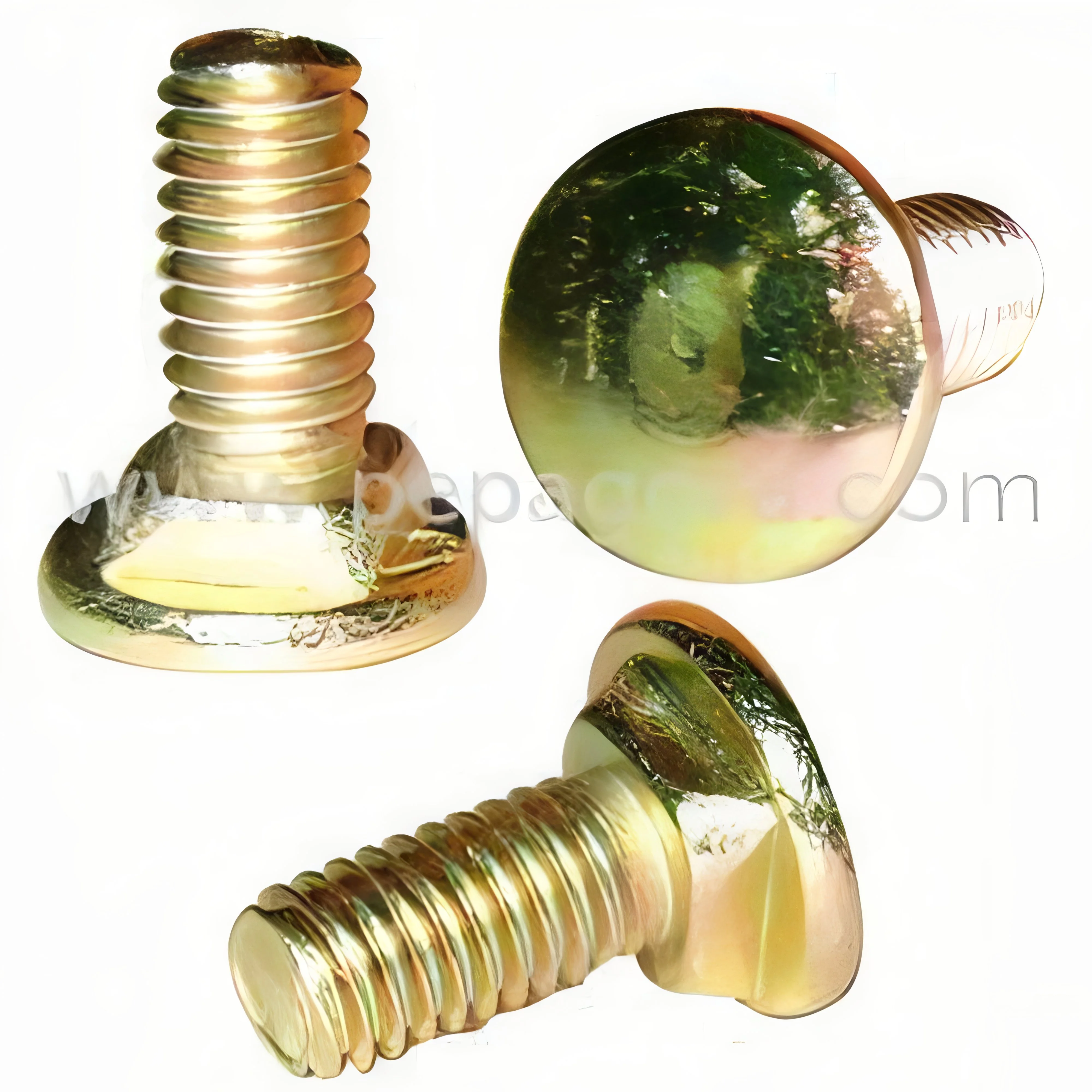
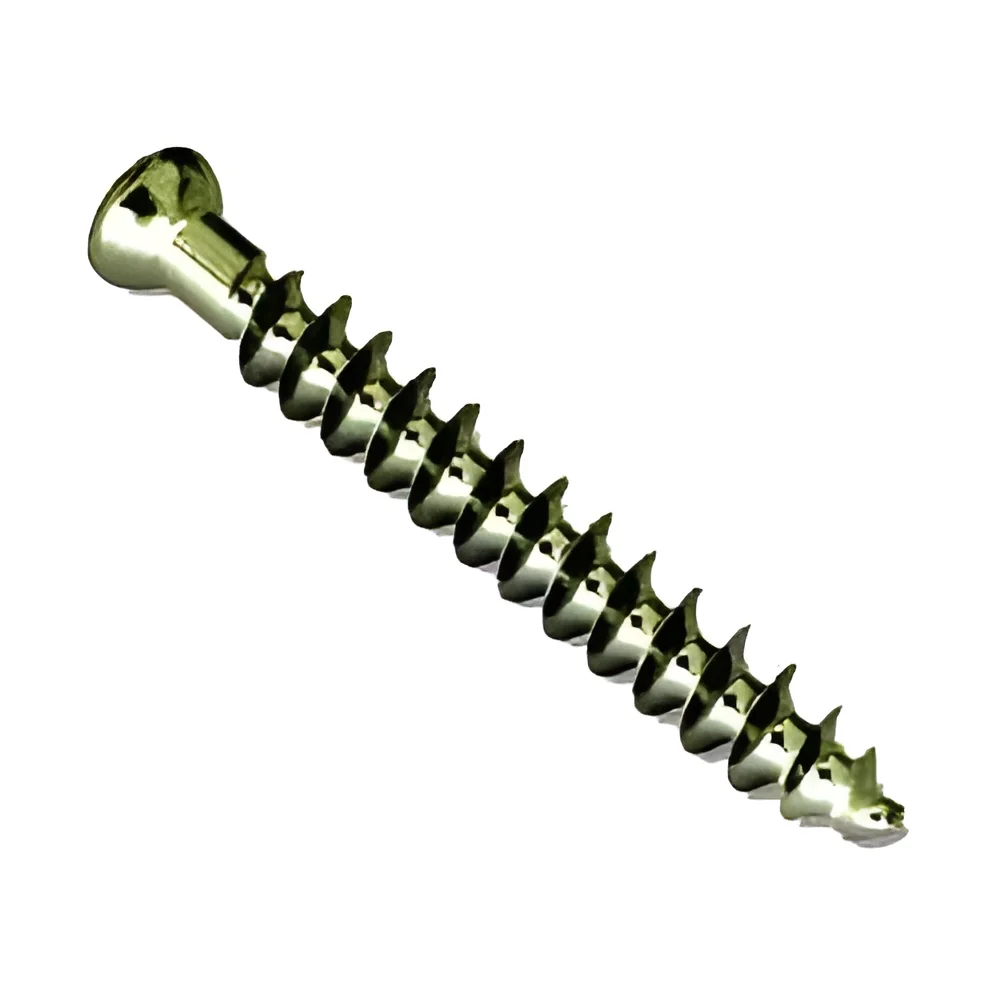
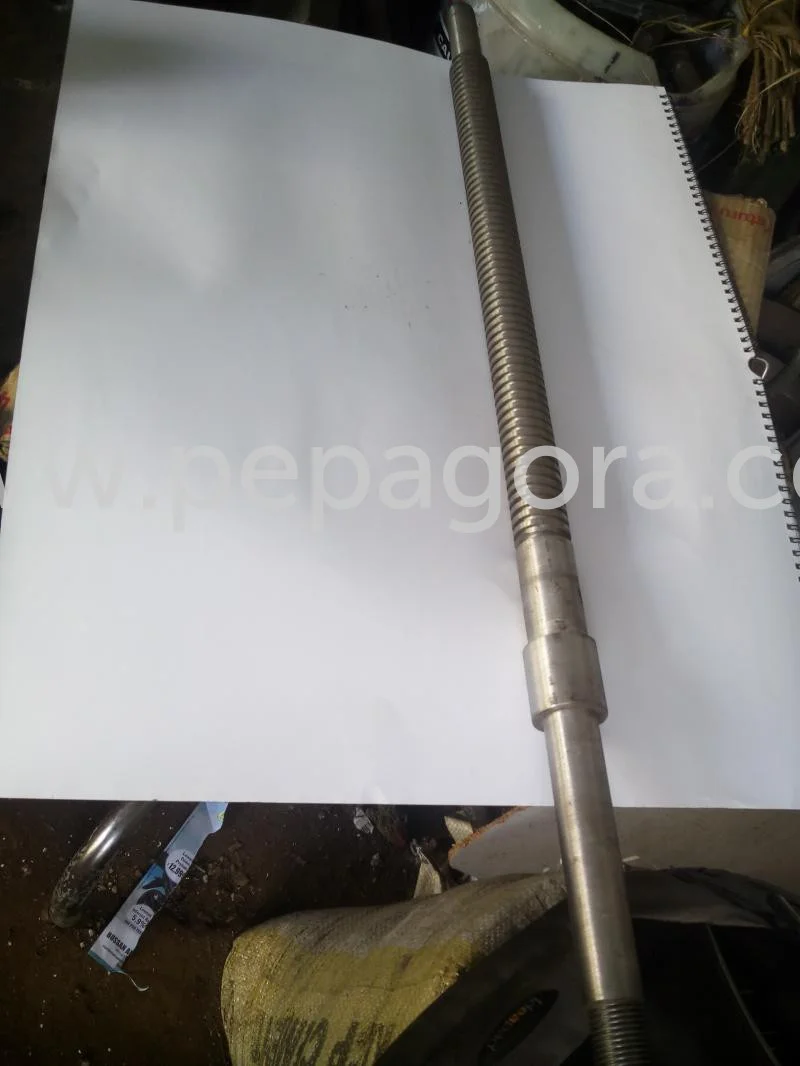
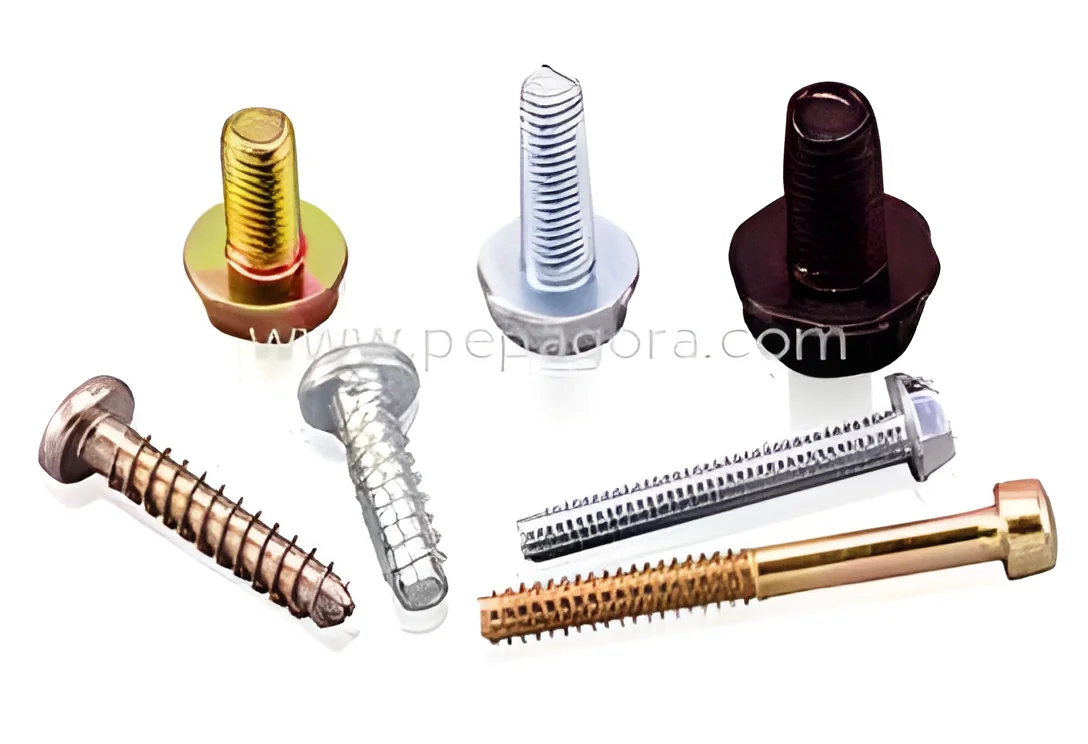
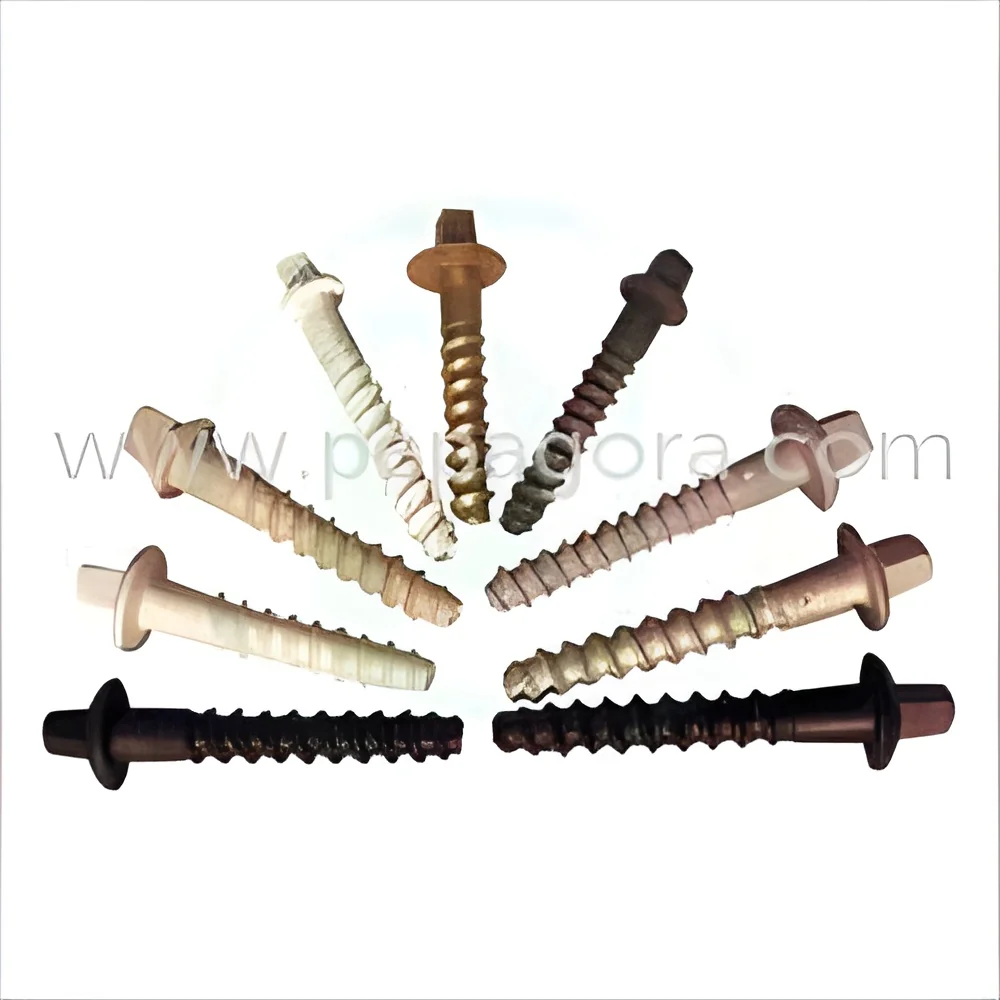
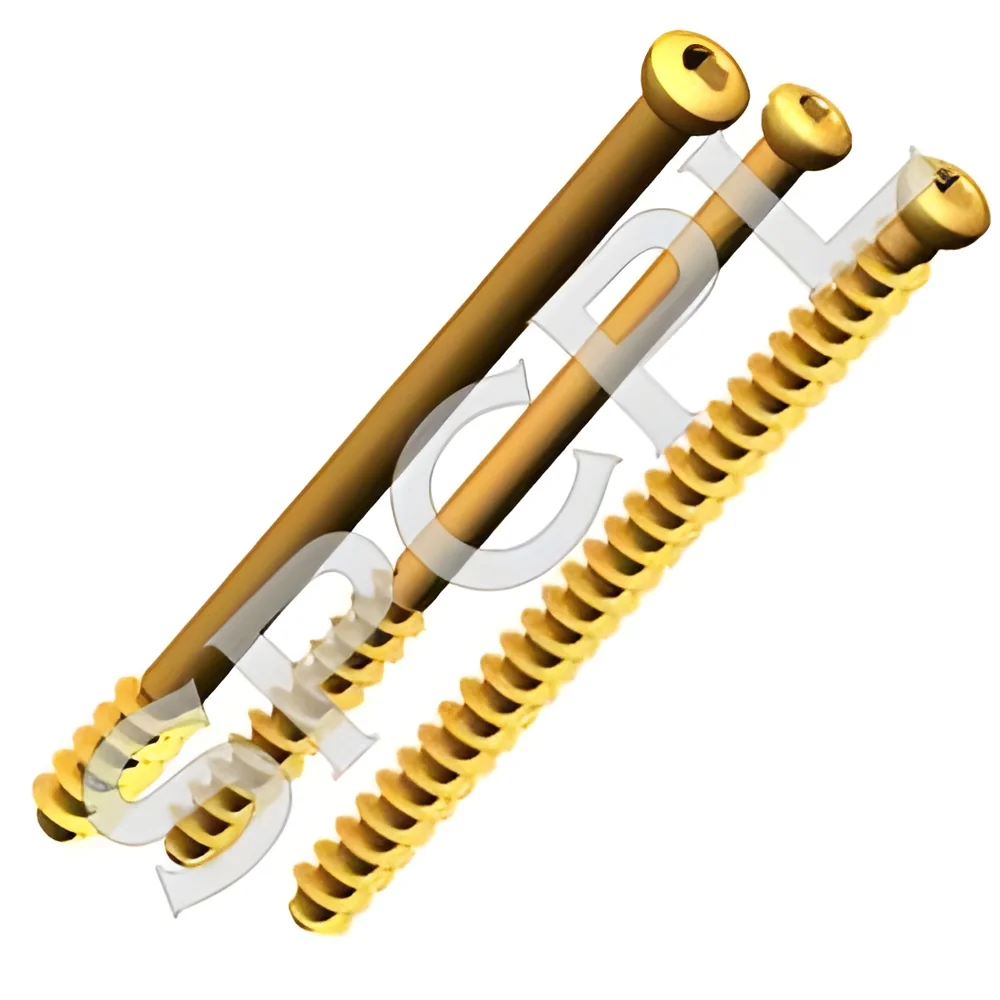
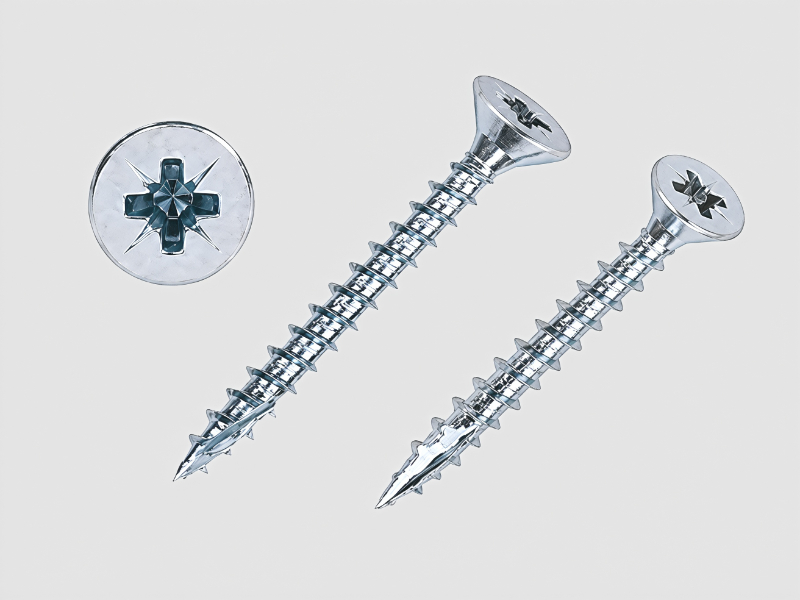
Screws are fasteners that consist of a cylindrical shaft with a helical ridge known as a thread. This design allows screws to be driven into materials, providing a secure hold. Screws typically have a head at one end that facilitates the application of torque during installation. They are made from various materials, including steel, stainless steel, and plastic, depending on their intended use and required strength.
Screws are widely used in construction, manufacturing, automotive, and electronics industries. They serve critical functions in assembling and securing components, ensuring structural integrity and operational reliability. Businesses leverage screws in assembling machinery, building frameworks, and creating durable products. The demand for screws is driven by ongoing industrial activities, which further solidifies their relevance in the manufacturing and construction sectors.
The market for screws is expansive and competitive, driven by the need for efficient fastening solutions. Industries are increasingly seeking high-quality screws that meet specific performance criteria. As technology evolves, the design and materials used in screws also adapt, enhancing their performance and application scope. This makes understanding the specifications and standards crucial for B2B buyers.
Key Features and Specifications
Screws come with various features and specifications that determine their suitability for different applications. Understanding these specifications helps businesses select the right screws for their projects.
Key specifications include:
1. Material Type
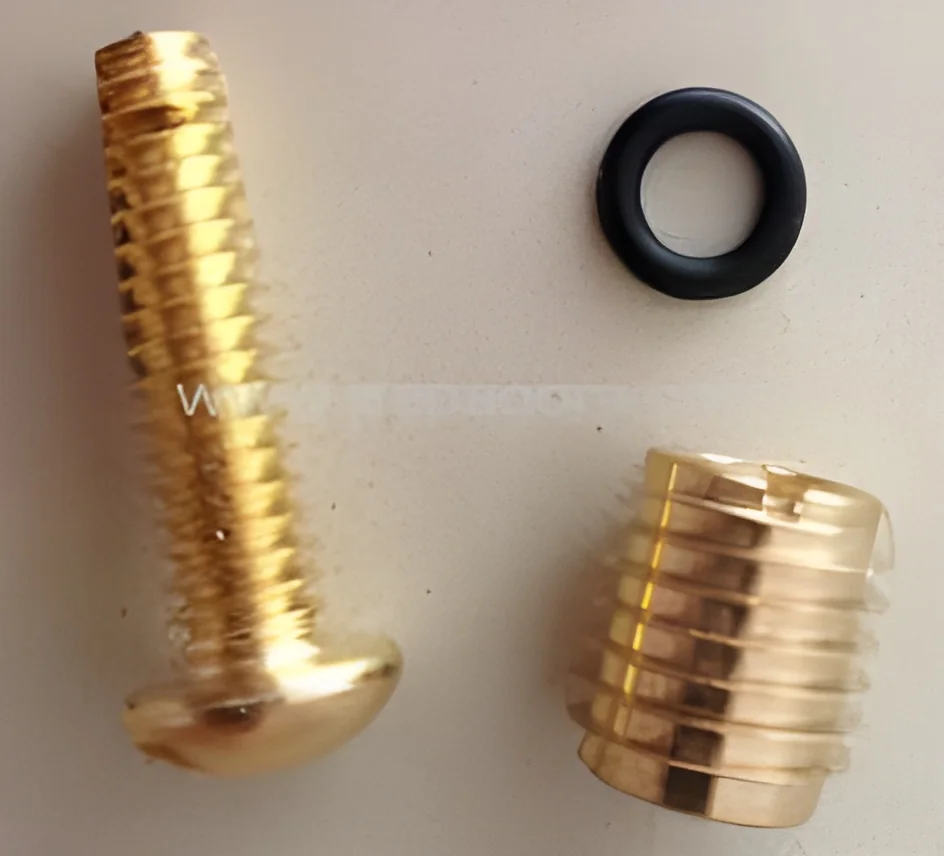
- Common materials include carbon steel, stainless steel, and brass.
- Each material has unique properties regarding strength, corrosion resistance, and conductivity.
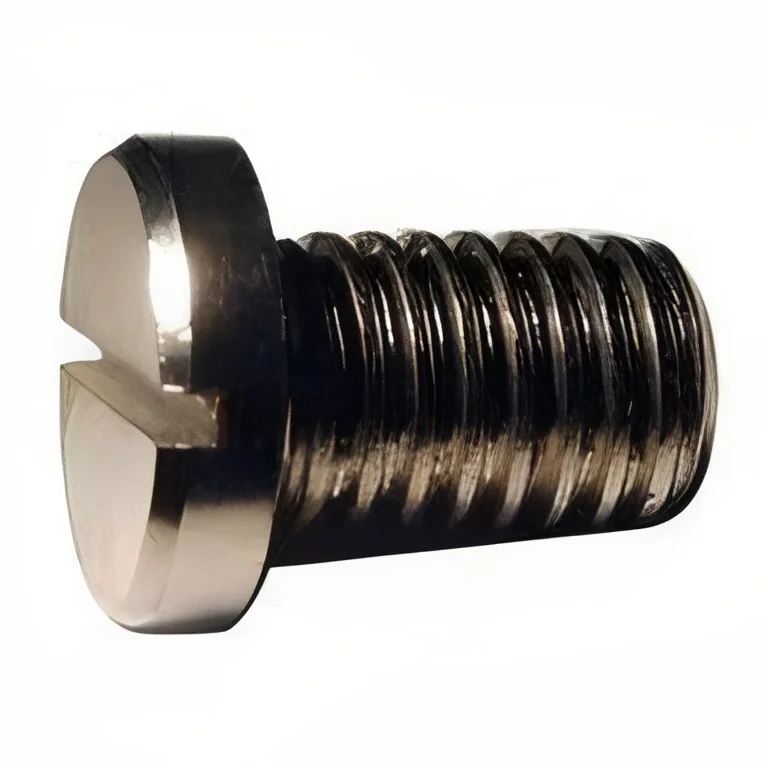
2. Thread Type
- Options include coarse, fine, and self-tapping threads.
- The thread type affects how the screw interacts with the material it is driven into.
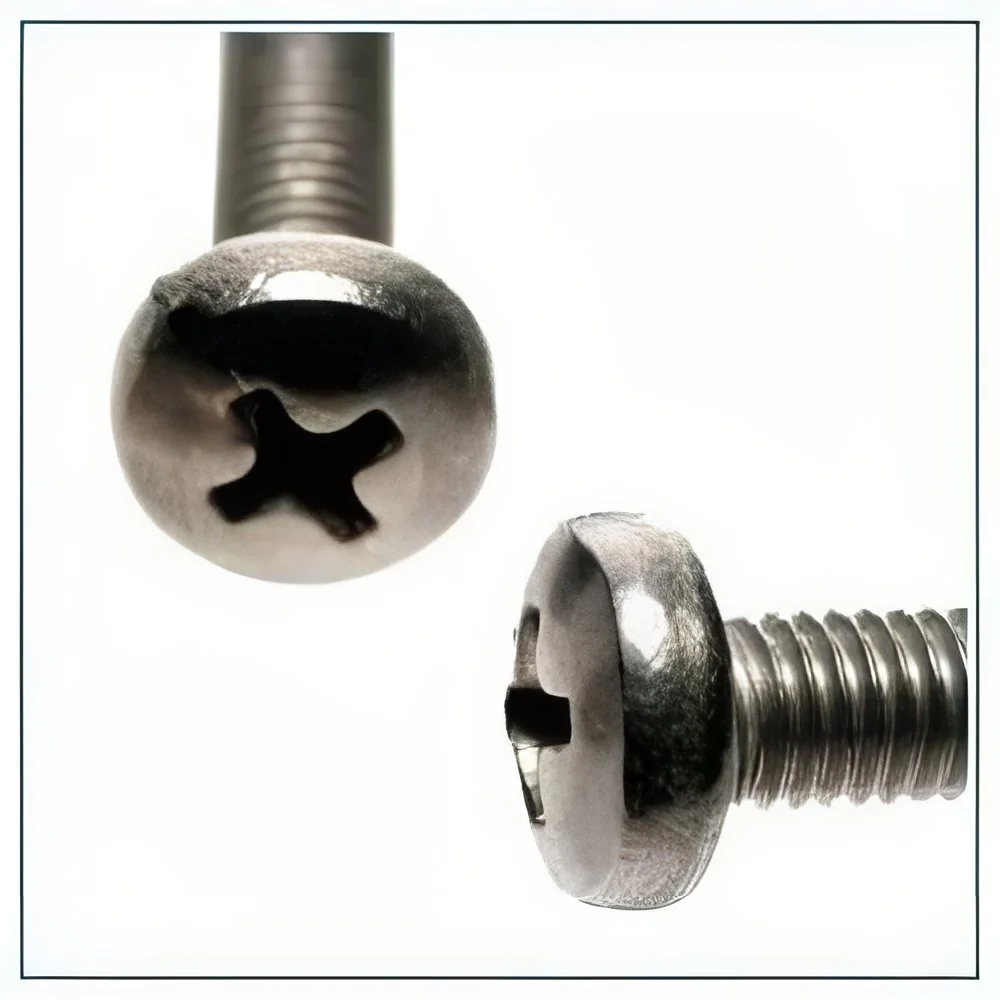
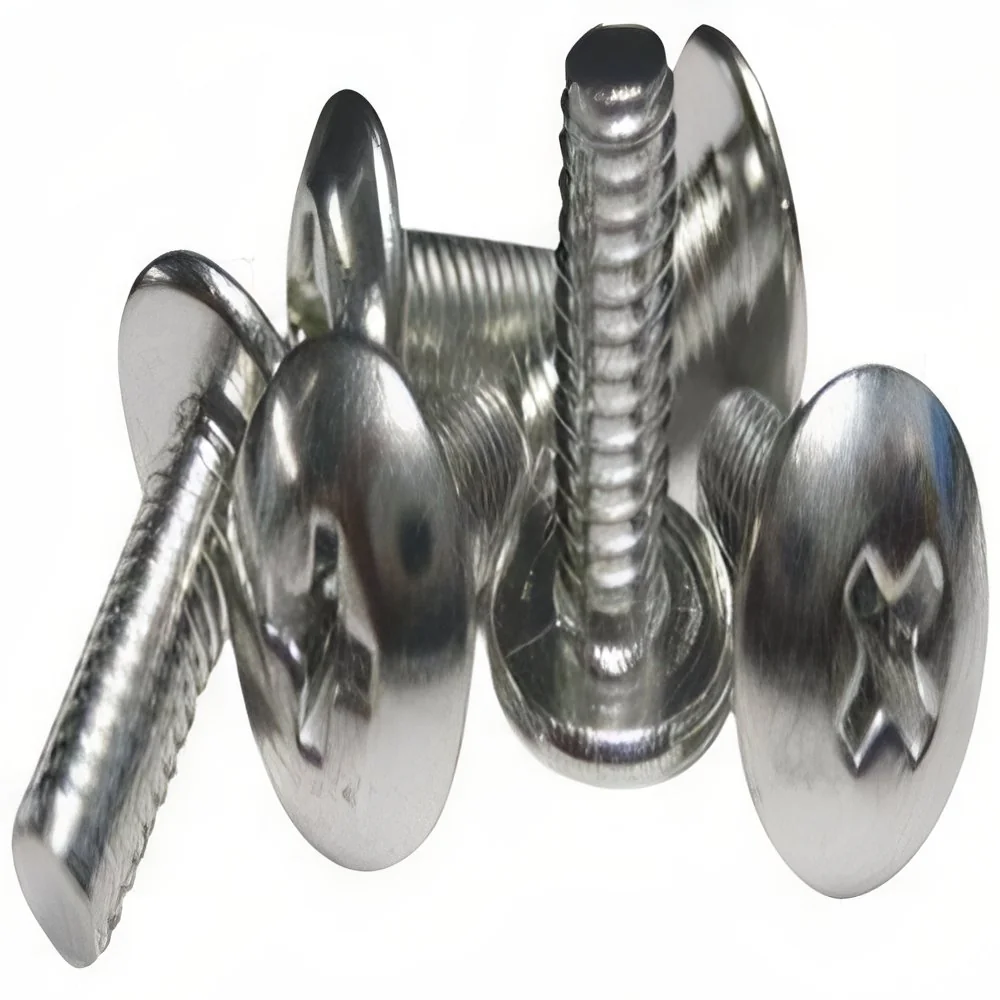
3. Head Style
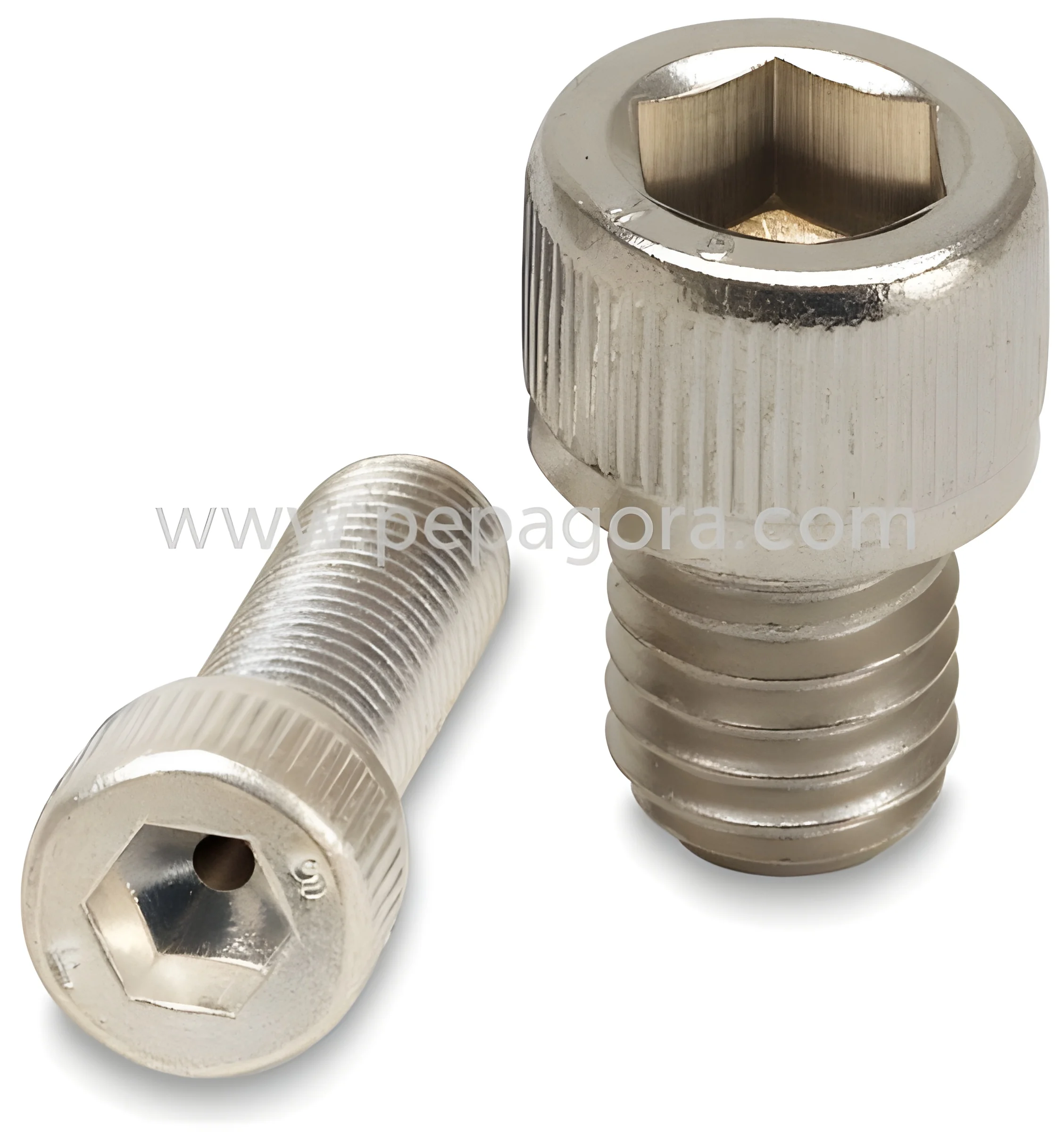
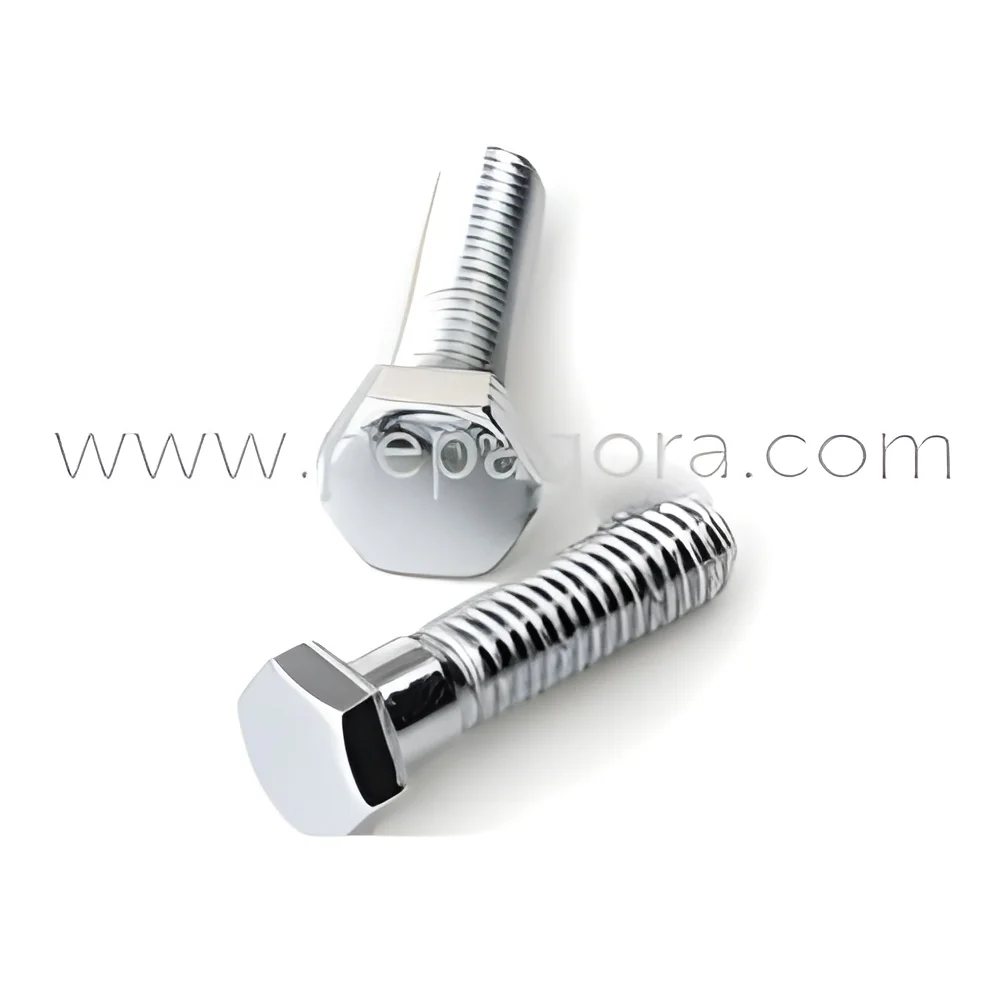
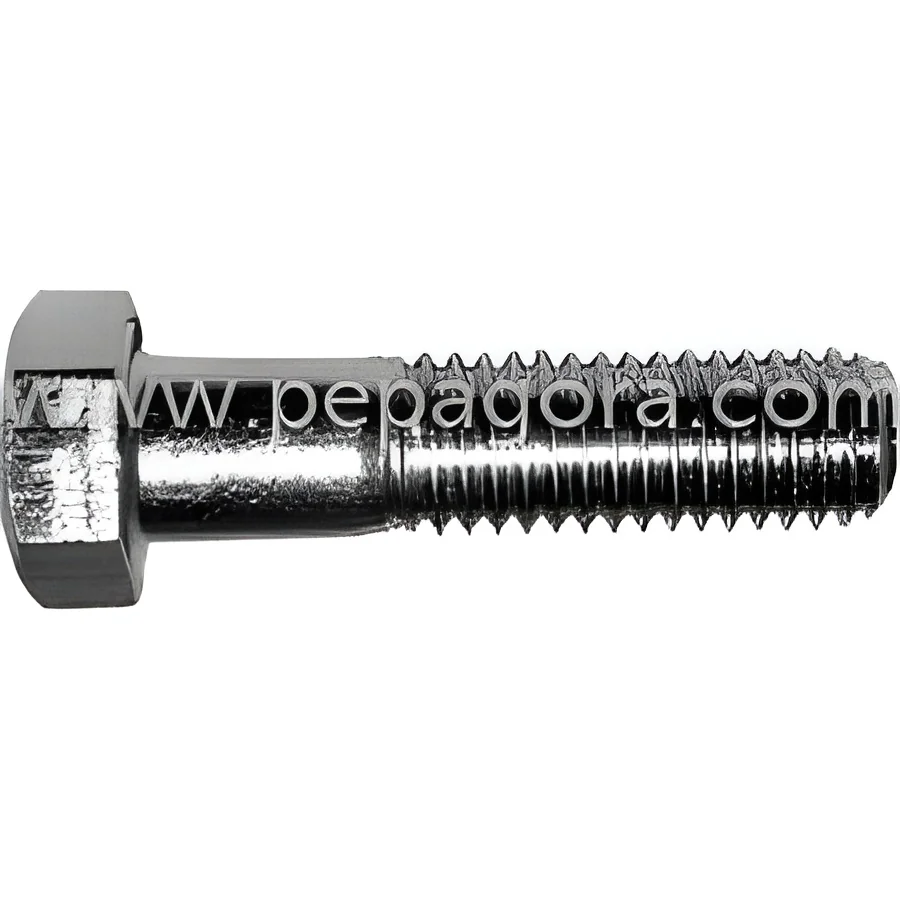
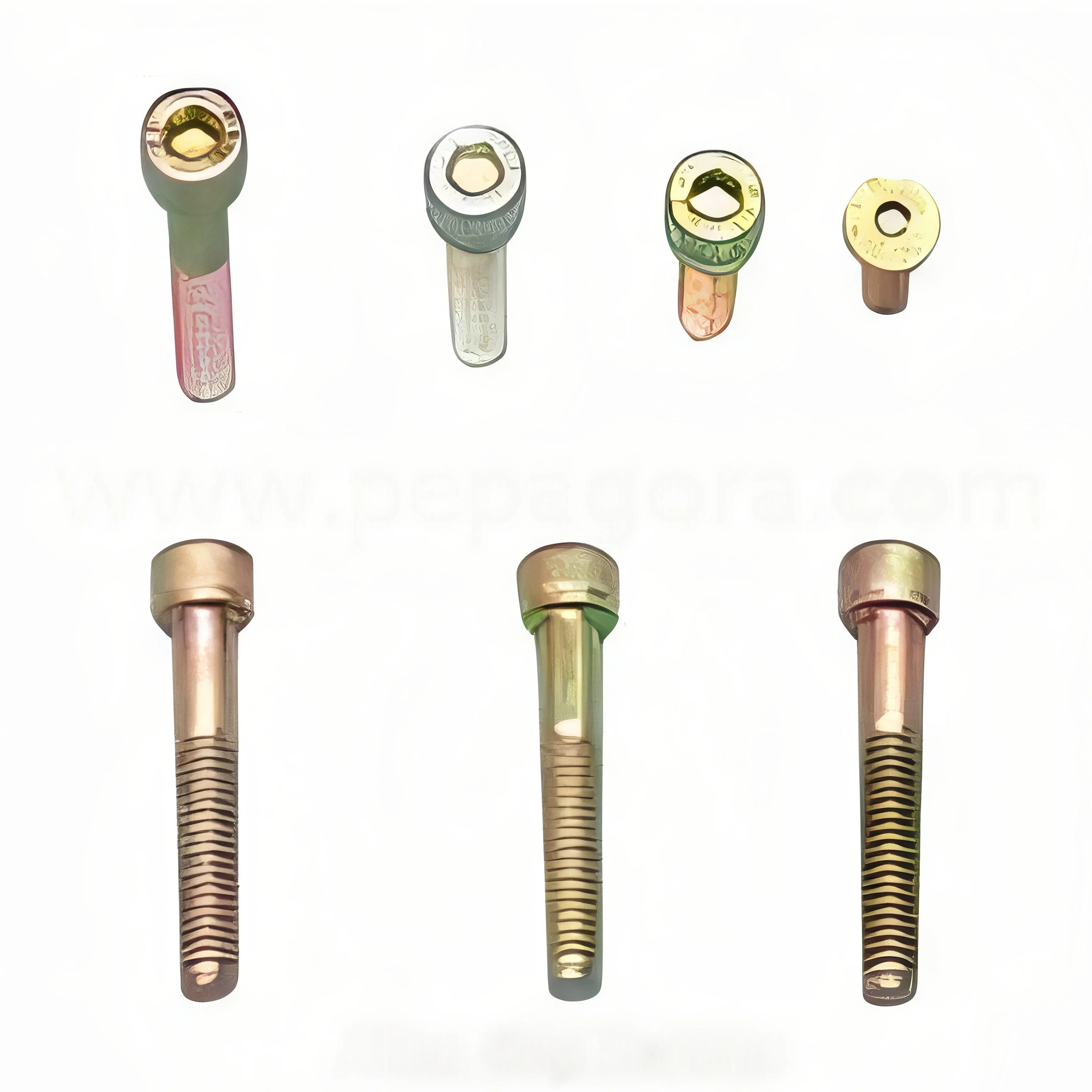
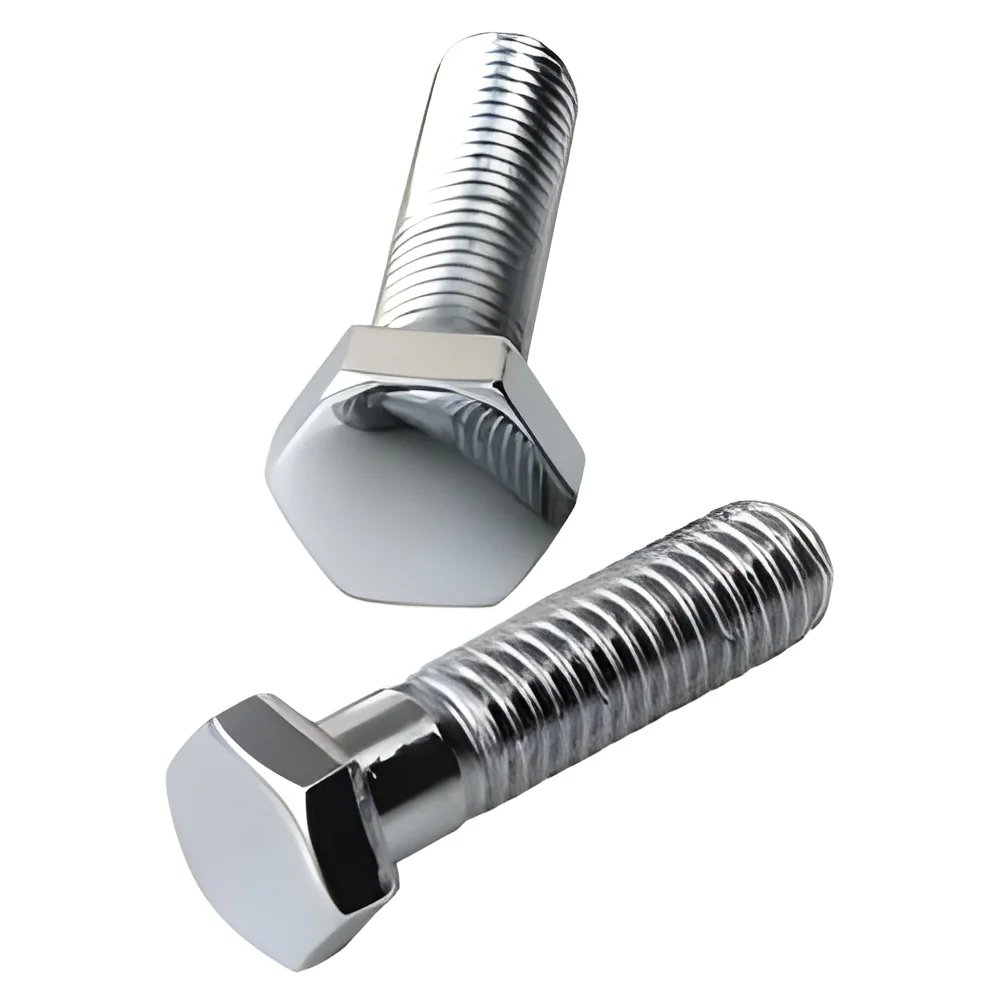
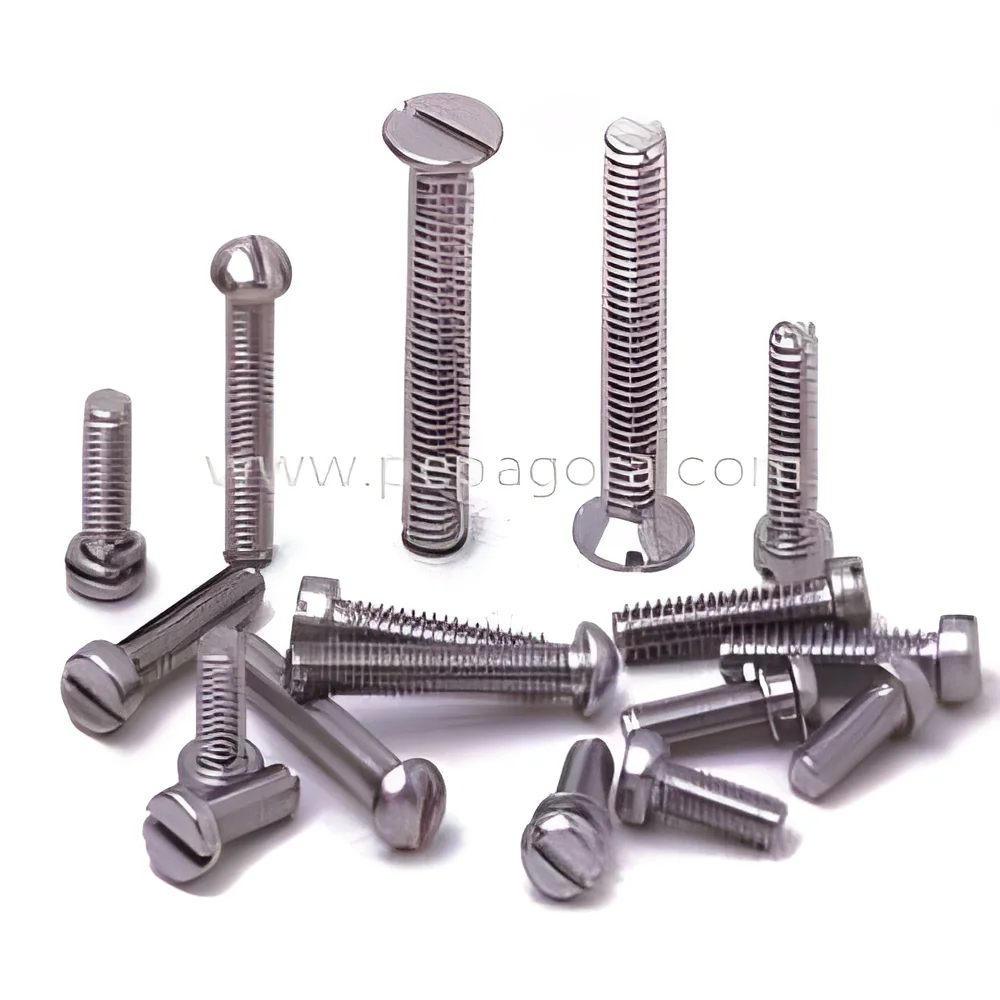
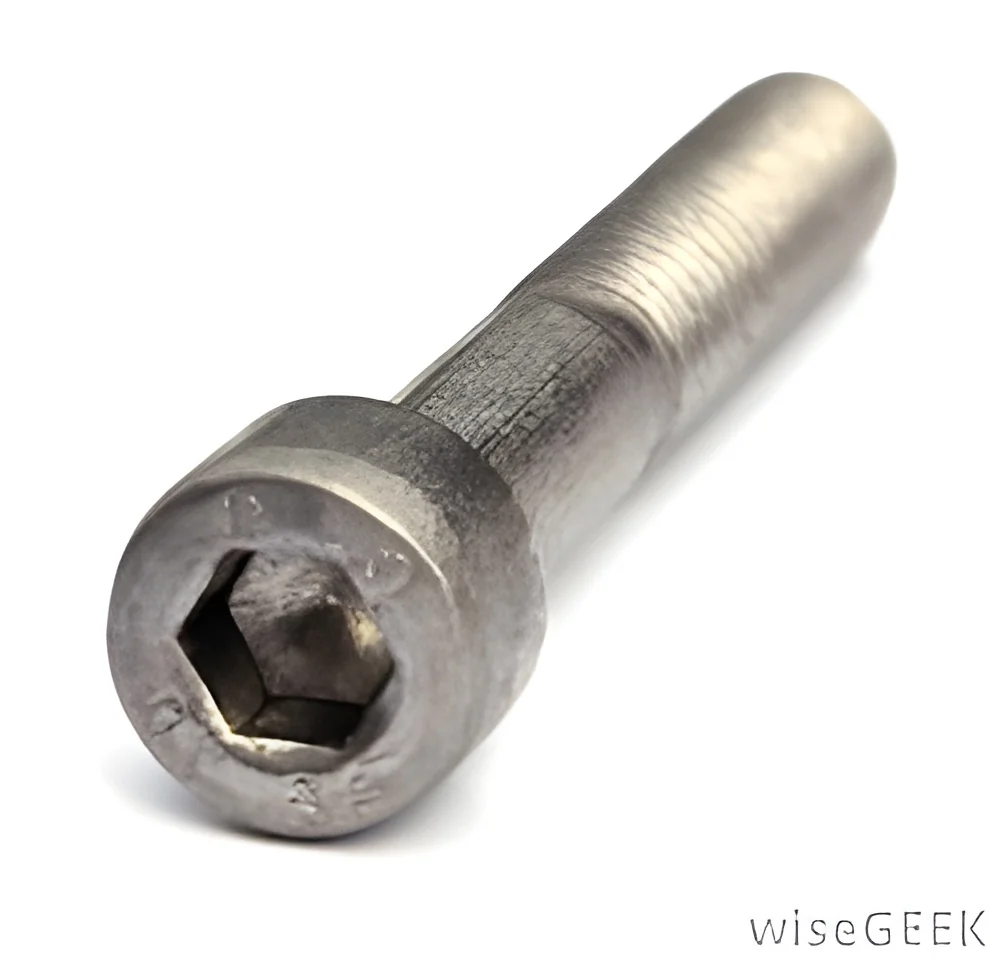
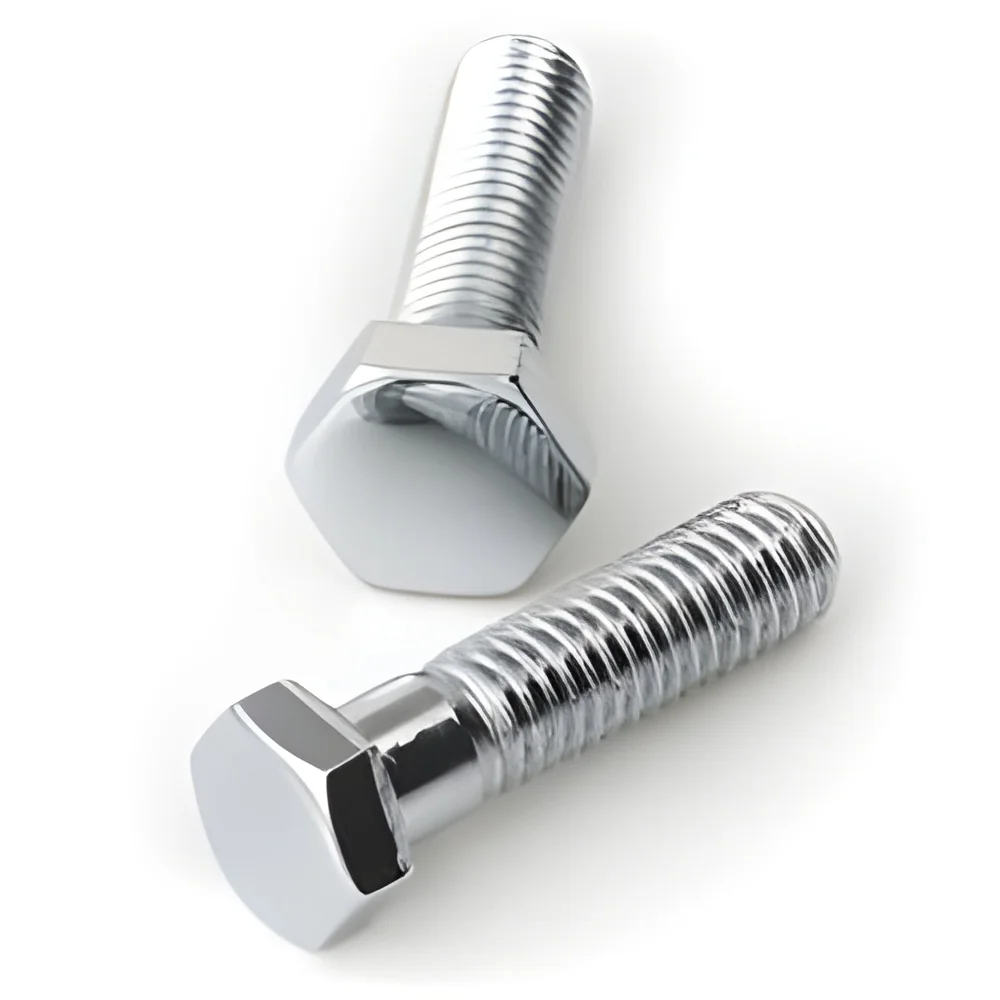
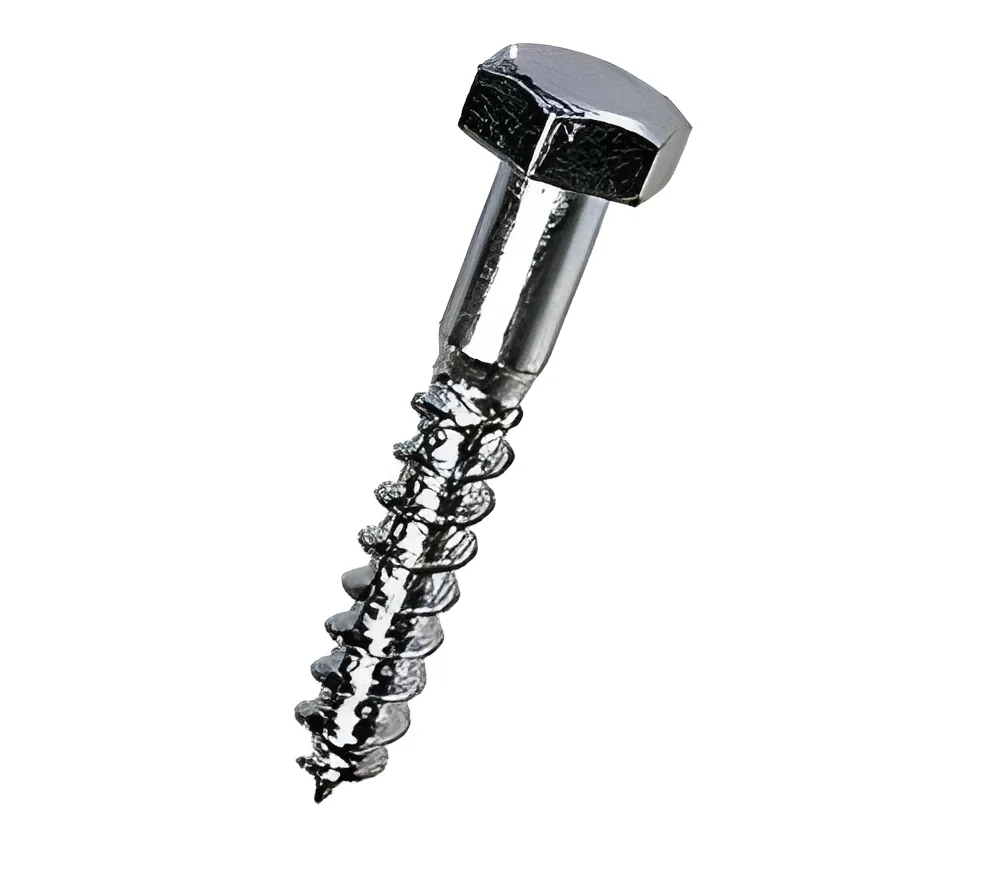
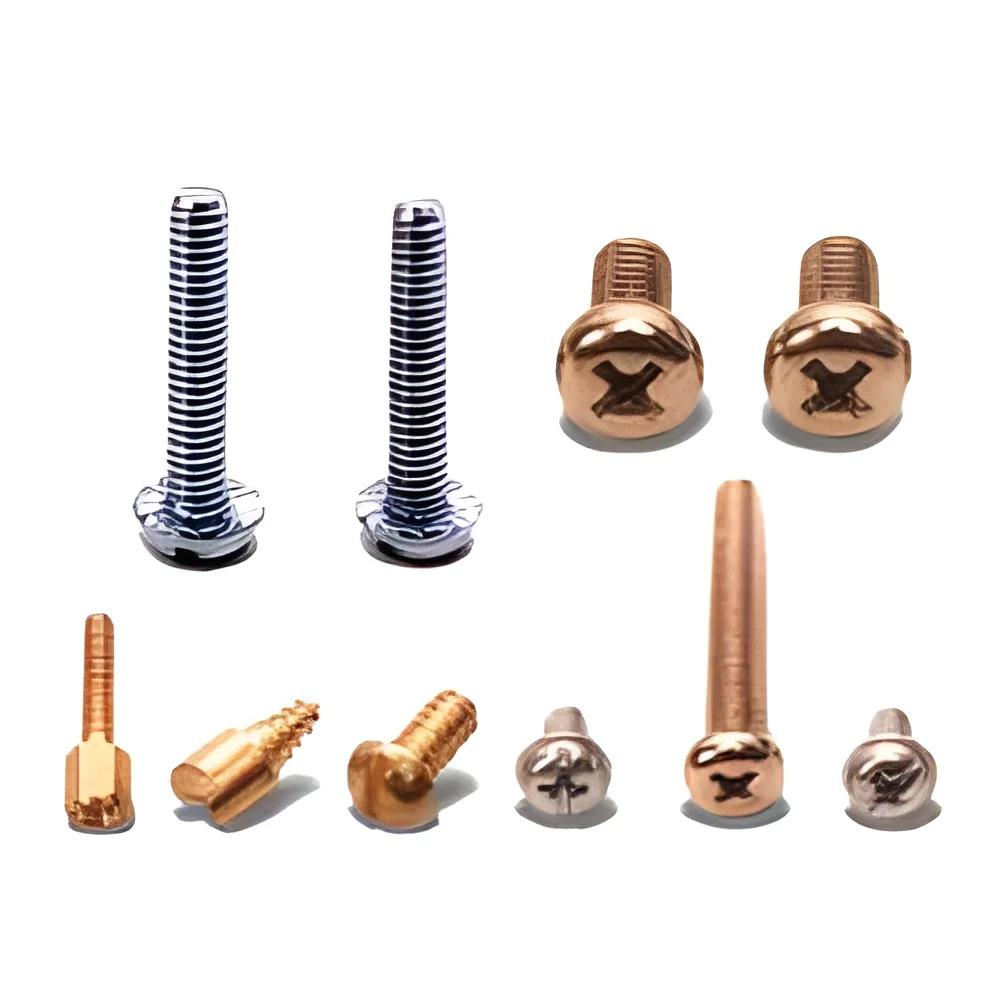
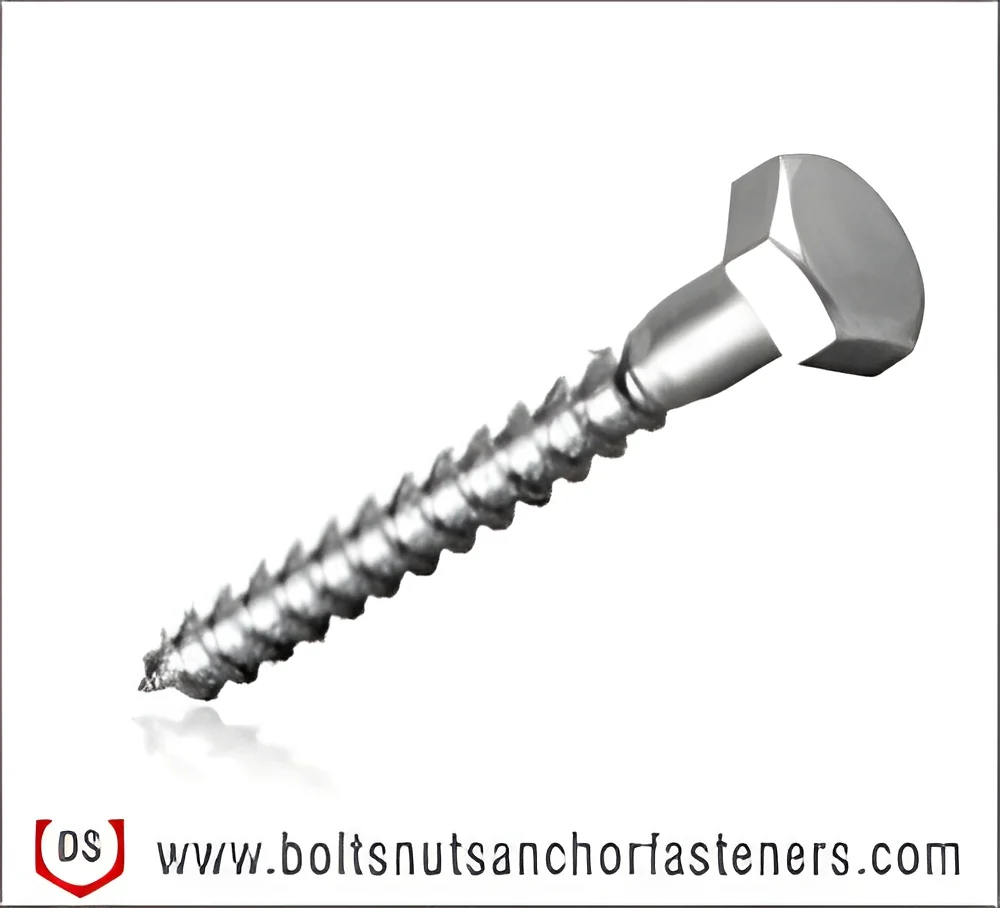
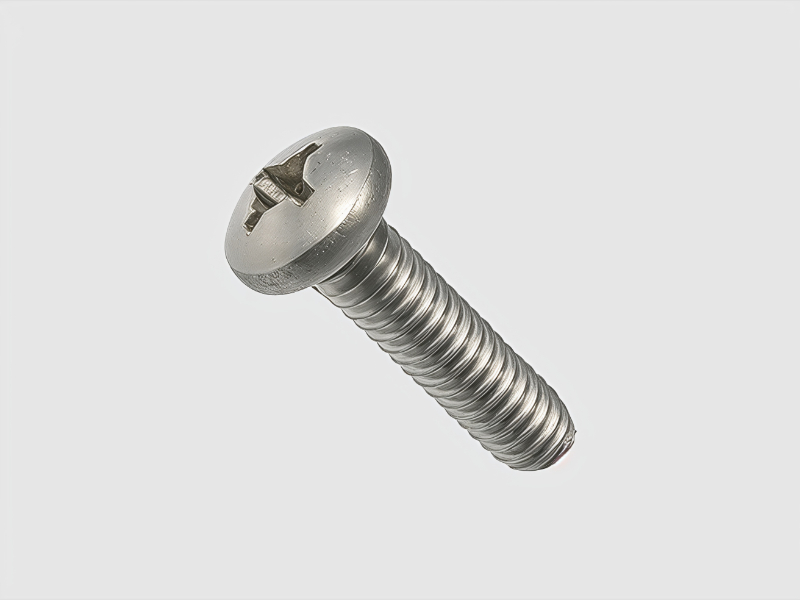
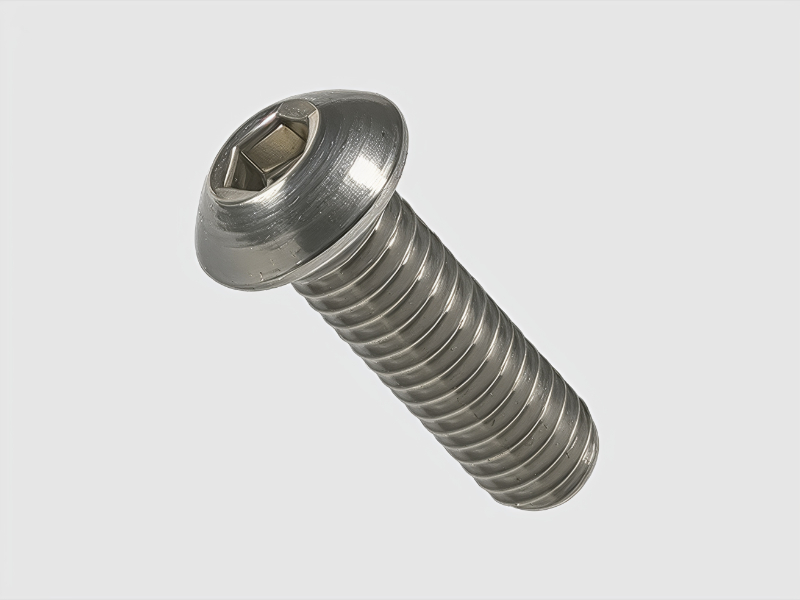
- Head styles include flat, pan, hex, and socket heads.
- Different head styles are designed for specific tool engagement and aesthetic preferences.
4. Length and Diameter
- Screws come in various lengths and diameters to suit applications from light assembly to heavy construction.
- The size affects load-bearing capacity and compatibility with materials.
5. Finish
- Common finishes include zinc plating, black oxide, and hot-dip galvanizing.
- The finish provides protection against corrosion and enhances appearance.
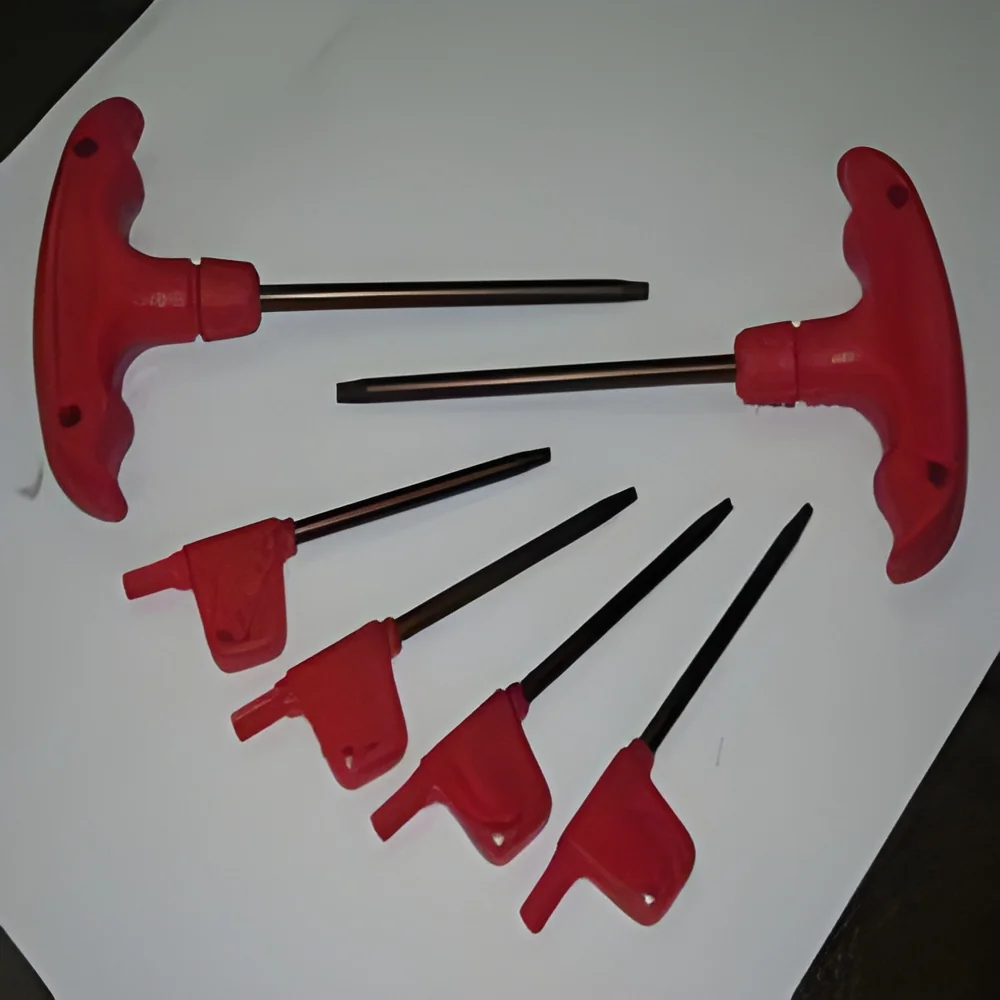
6. Drive Type
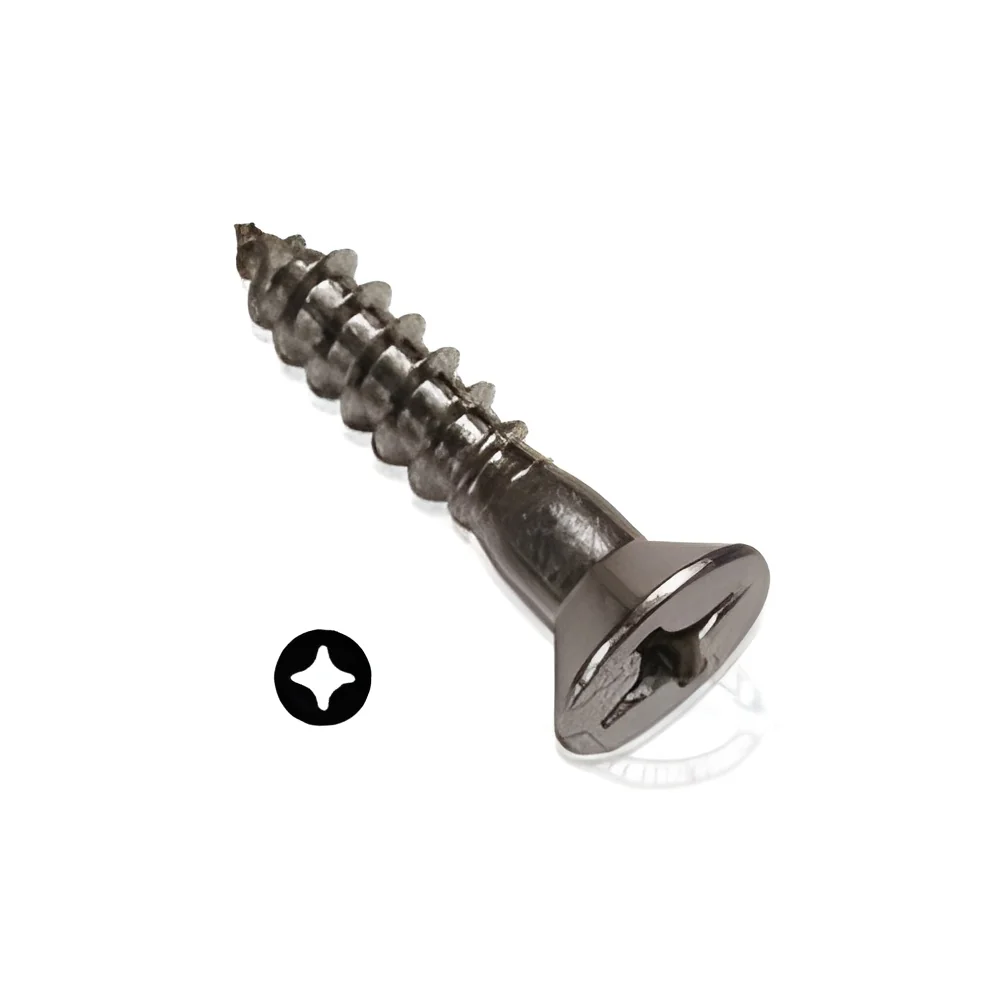
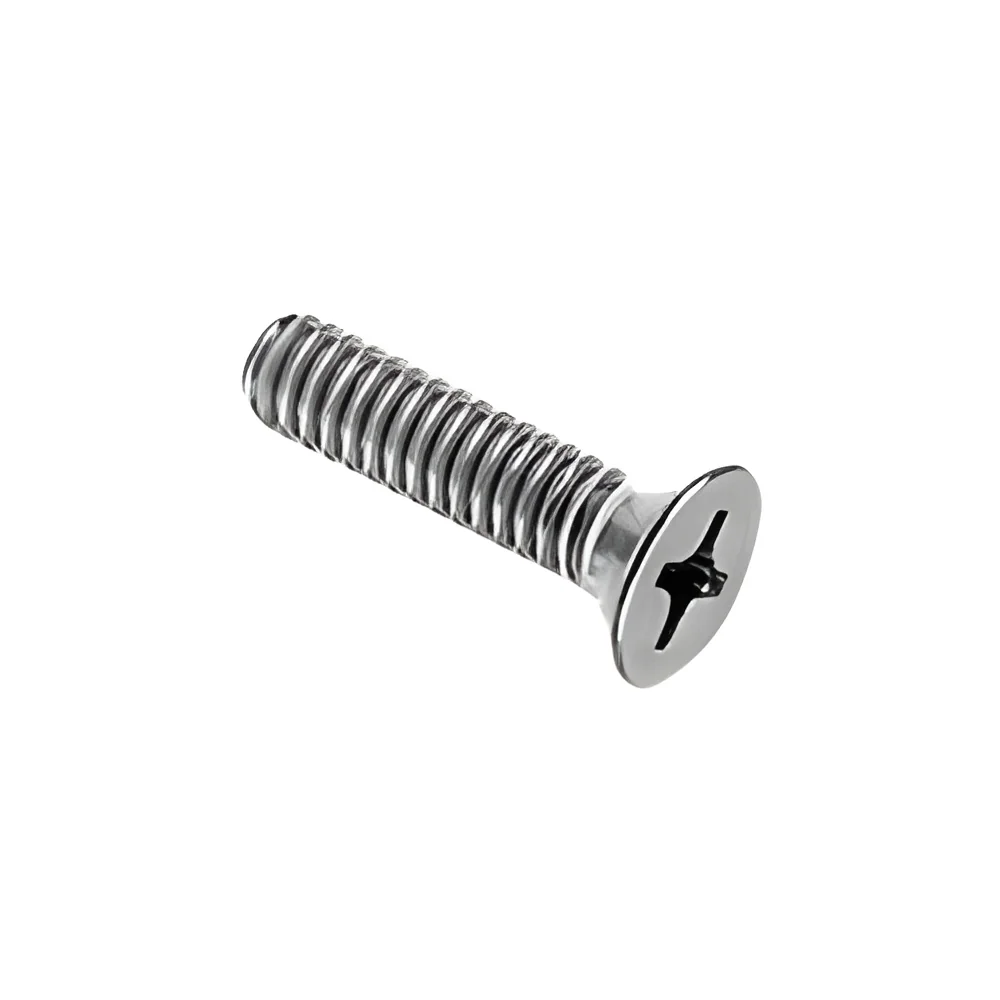
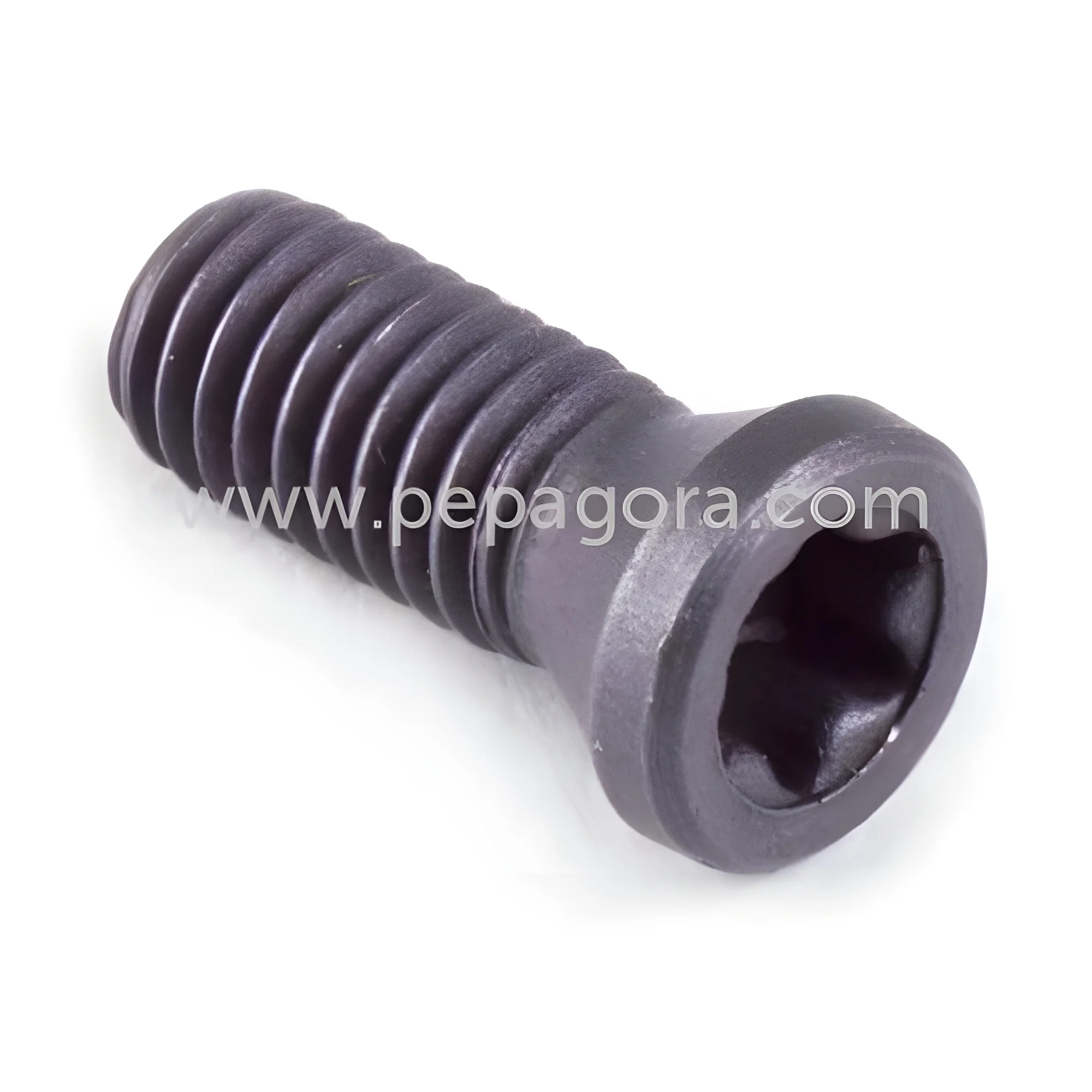
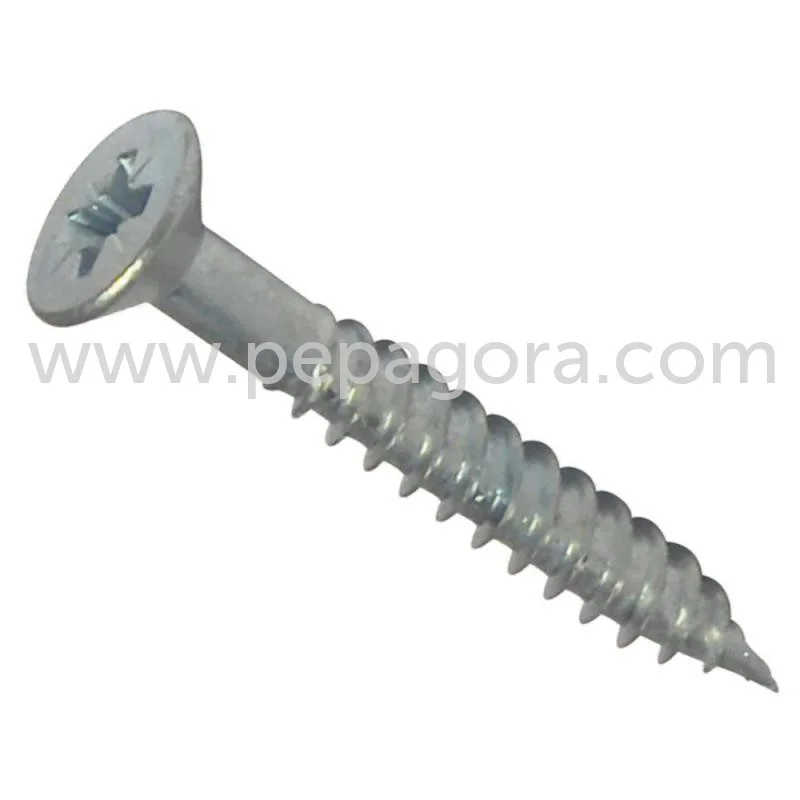
- Drive types include Phillips, slotted, Torx, and hex.
- The choice of drive type can influence ease of installation and torque application.
7. Load Rating
- Screws are rated for tensile and shear strength.
- Load ratings help determine their suitability for specific applications.
8. Compliance Standards
- Many screws meet industry standards such as ISO or ASTM.
- Compliance ensures reliability and performance in critical applications.
In summary, the selection of screws based on these specifications can significantly impact the effectiveness and durability of the final product.
Common Applications and Use Cases
Screws are versatile fasteners employed across various industries and applications.
1. Construction: Screws are essential for assembling frameworks, securing drywall, and installing fixtures in both residential and commercial buildings.
2. Manufacturing: In manufacturing, screws are used to assemble machinery, equipment, and vehicles, ensuring components remain securely fastened during operation.
3. Electronics: Screws play a crucial role in securing electronic components within devices, providing stability and protection for sensitive parts.
4. Furniture: In the furniture industry, screws are commonly used to join pieces together, enhancing the durability and longevity of products.
5. Aerospace: Screws are critical in aerospace applications, where precision and reliability are paramount for safety and performance.
6. Automotive: In the automotive sector, screws are used in various assemblies, including engines, interiors, and exteriors, contributing to vehicle safety and functionality.
7. Appliances: Screws are integral in securing components in household and industrial appliances, ensuring they operate safely and effectively.
Product Variants and Subcategories
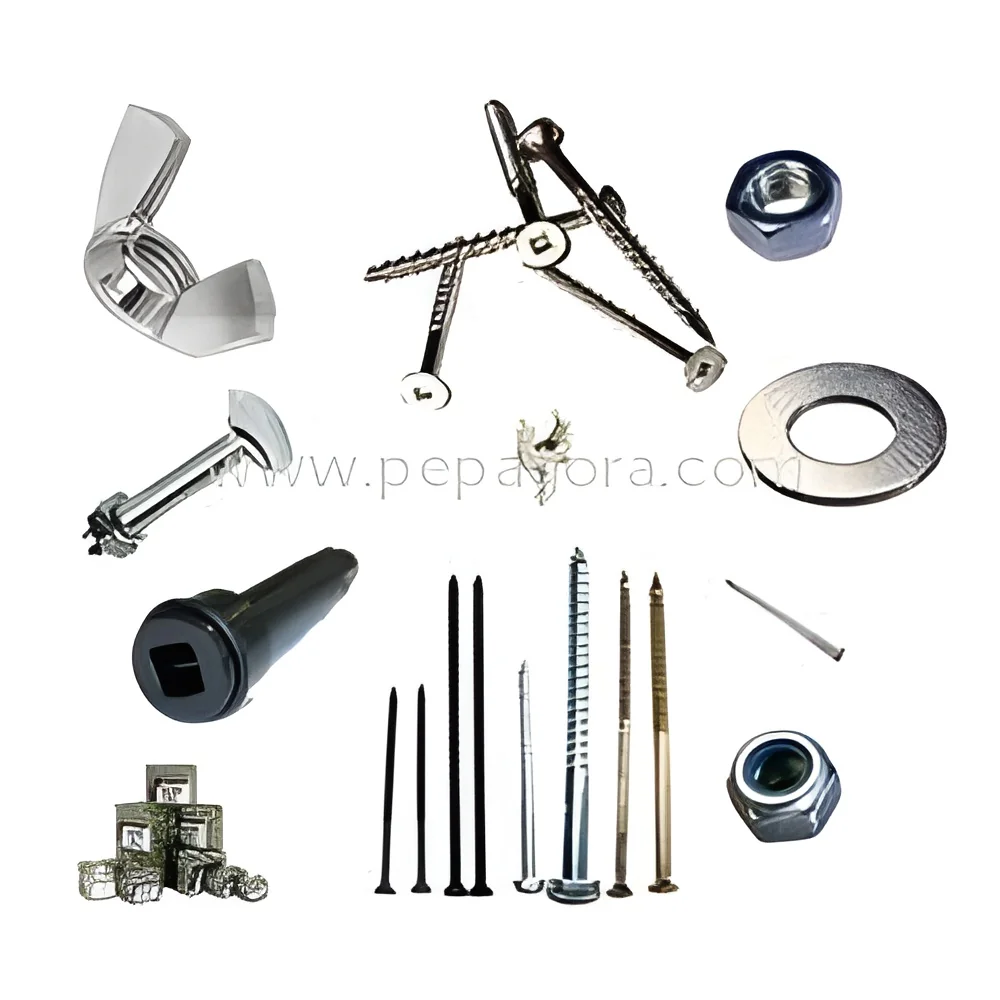
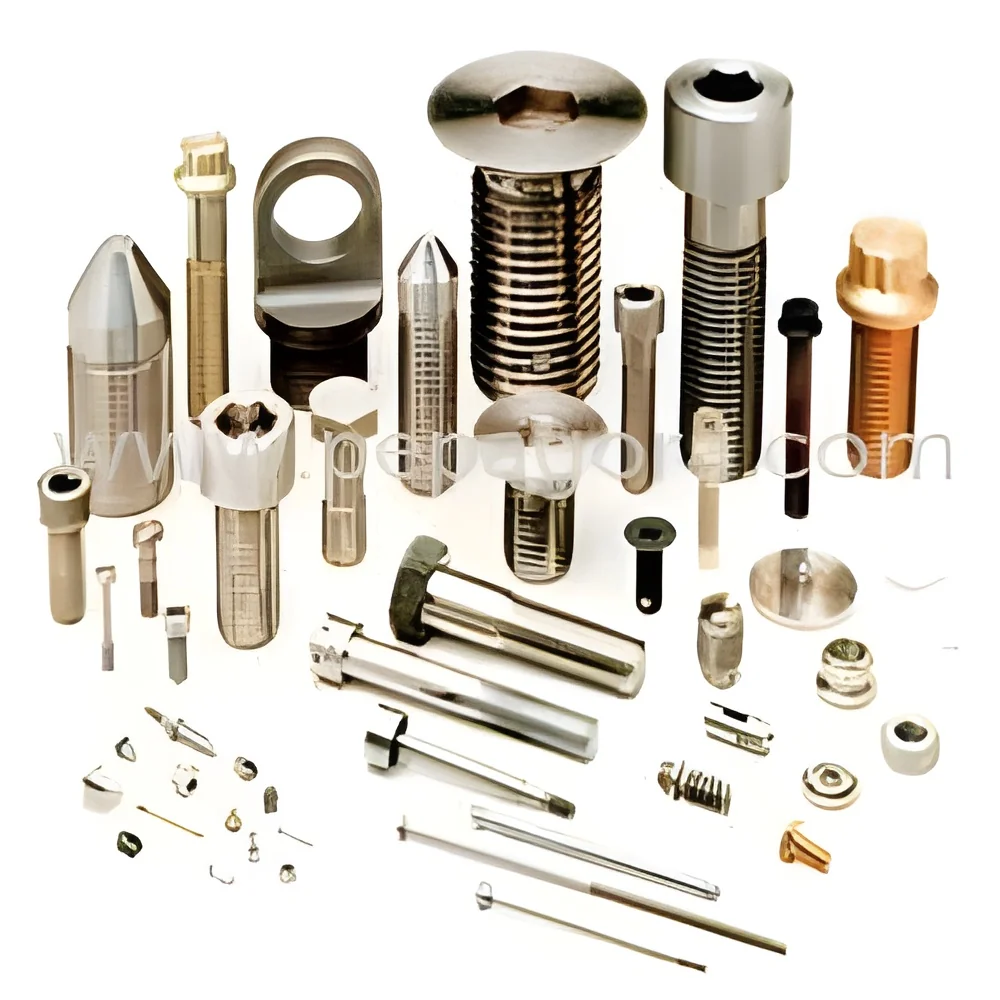
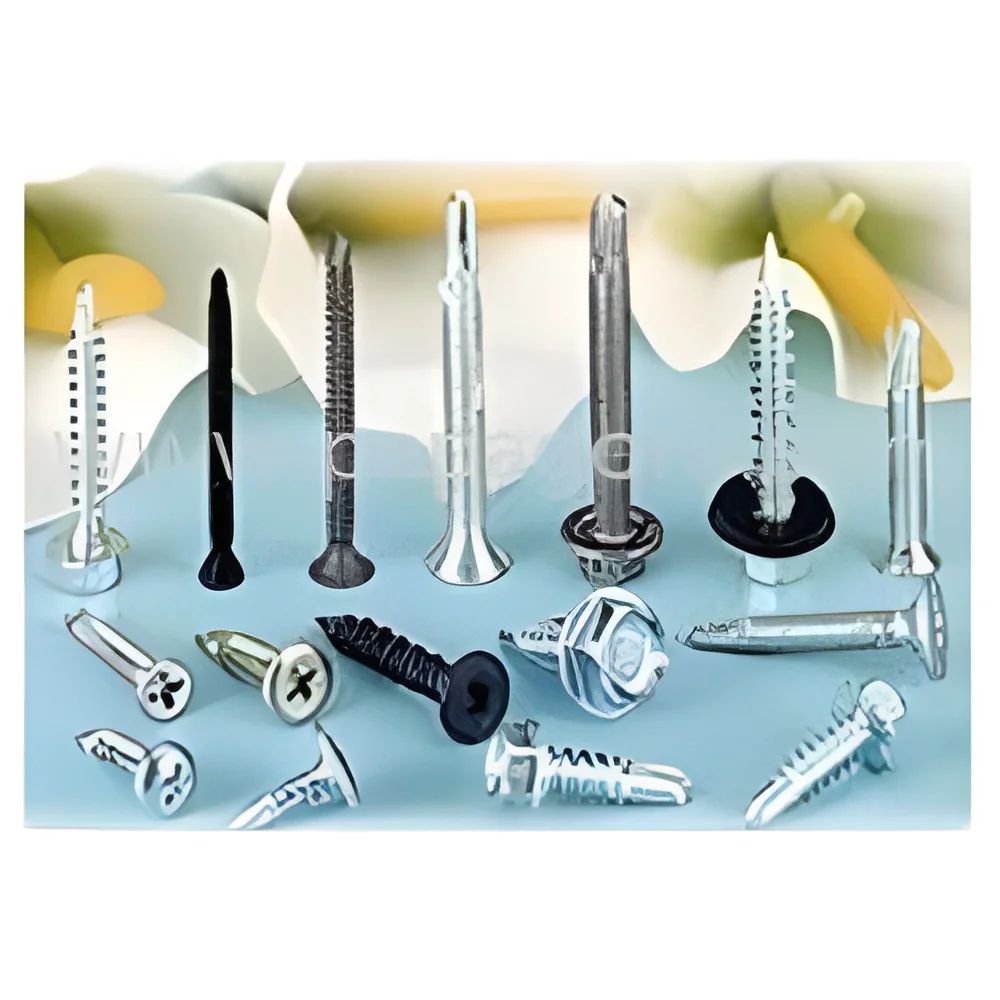
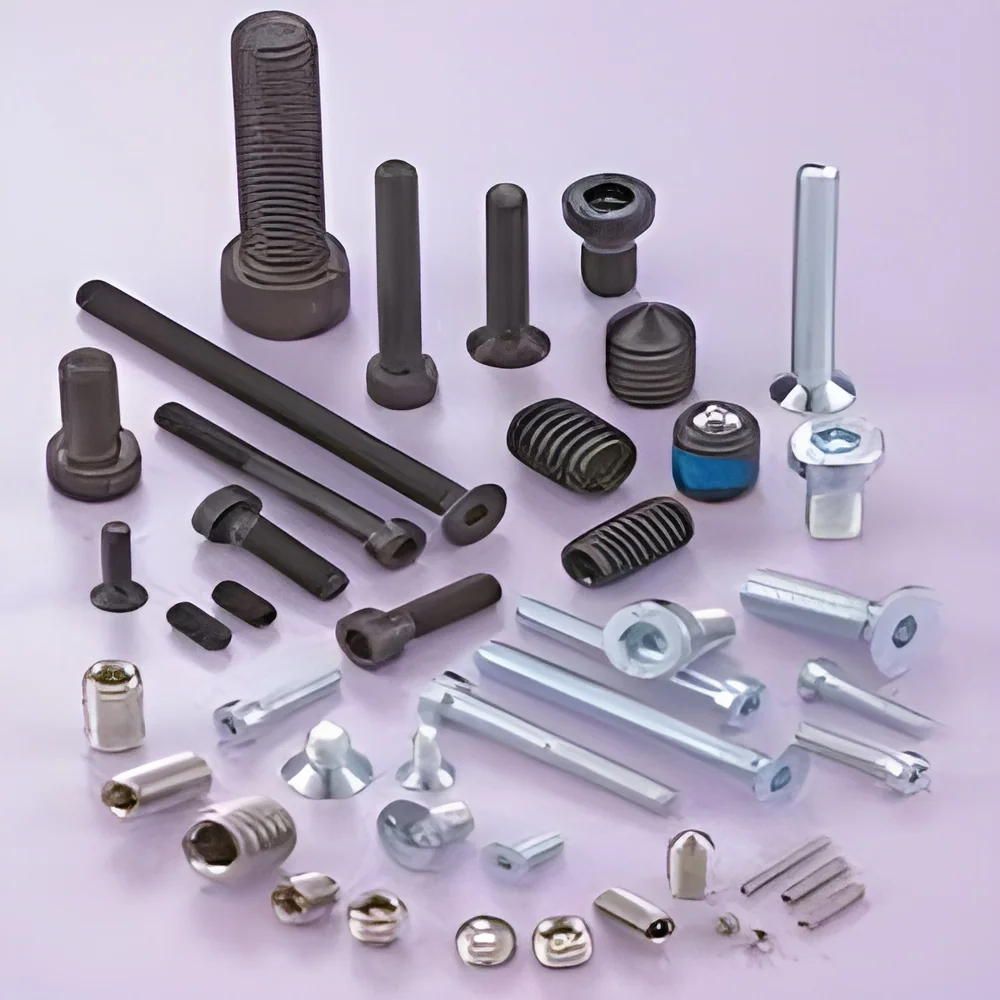
Screws come in a variety of forms to meet diverse needs across industries. Each variant is tailored for specific applications, ensuring optimal performance.
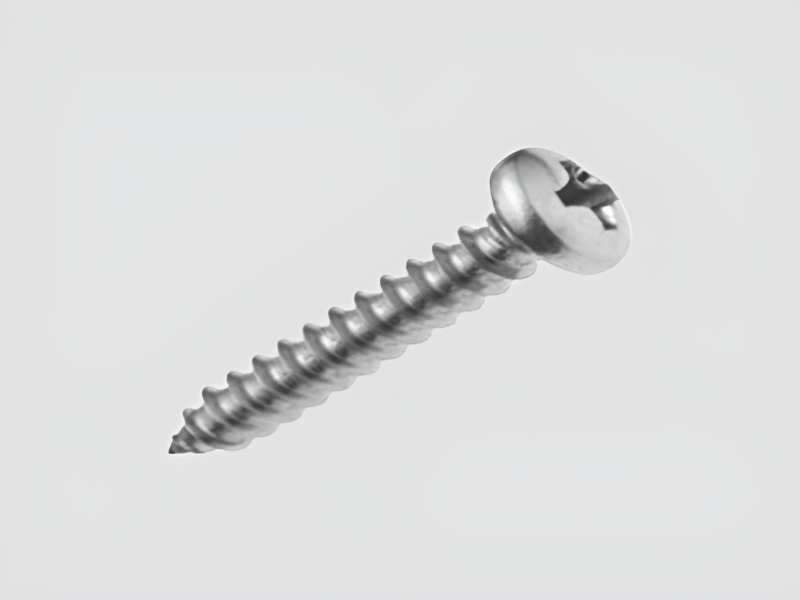
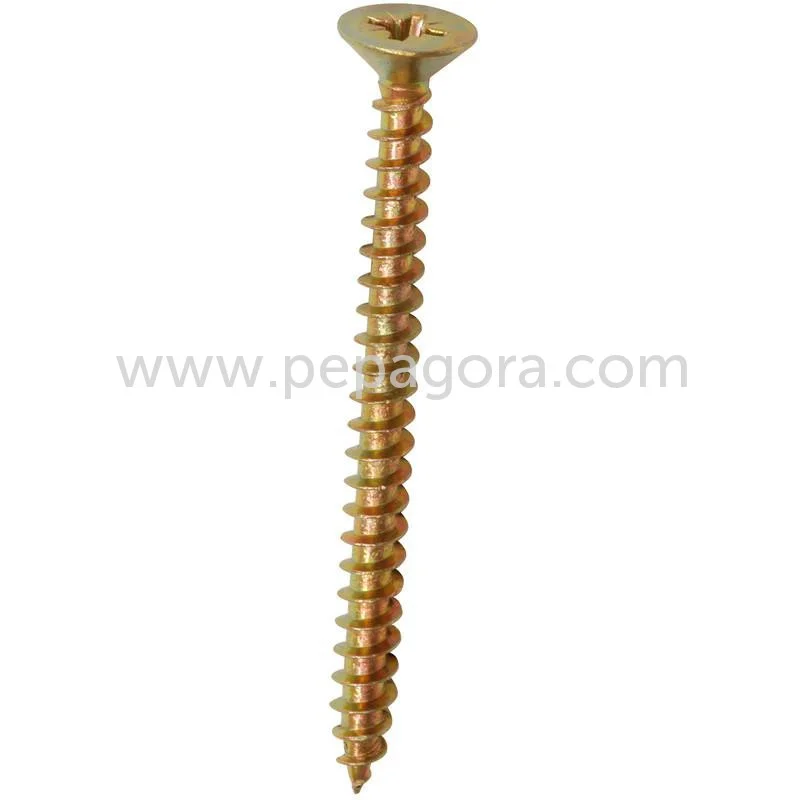
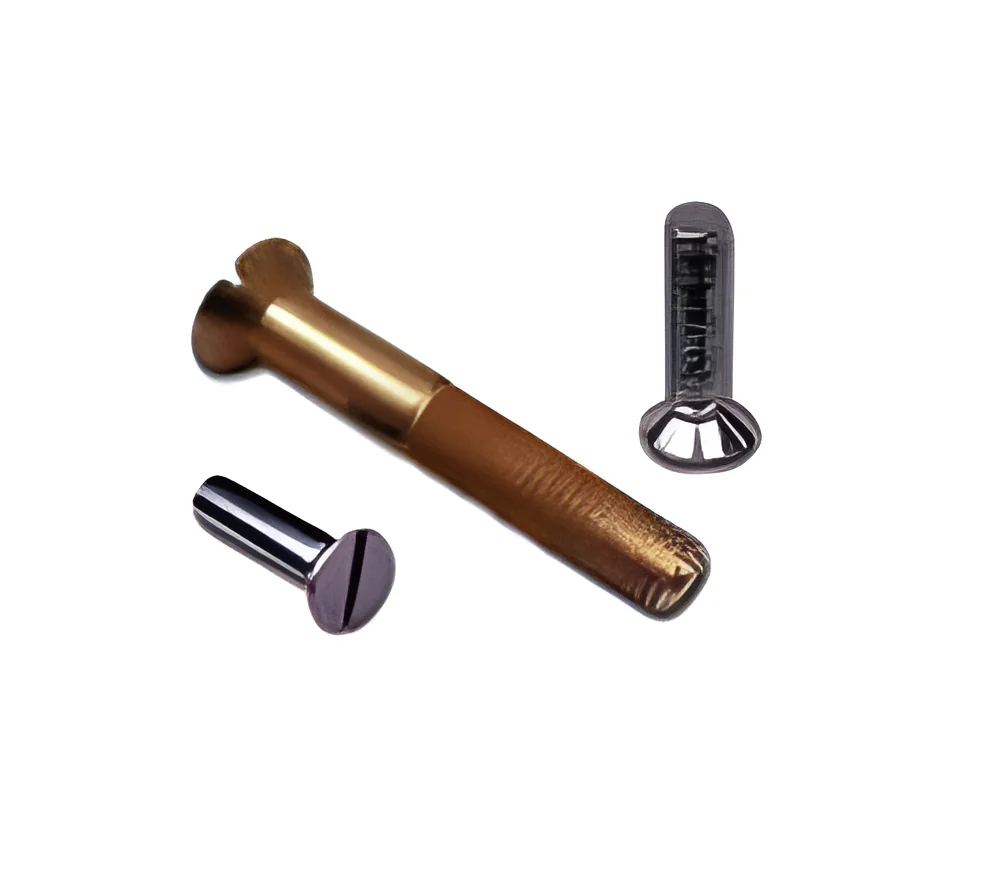
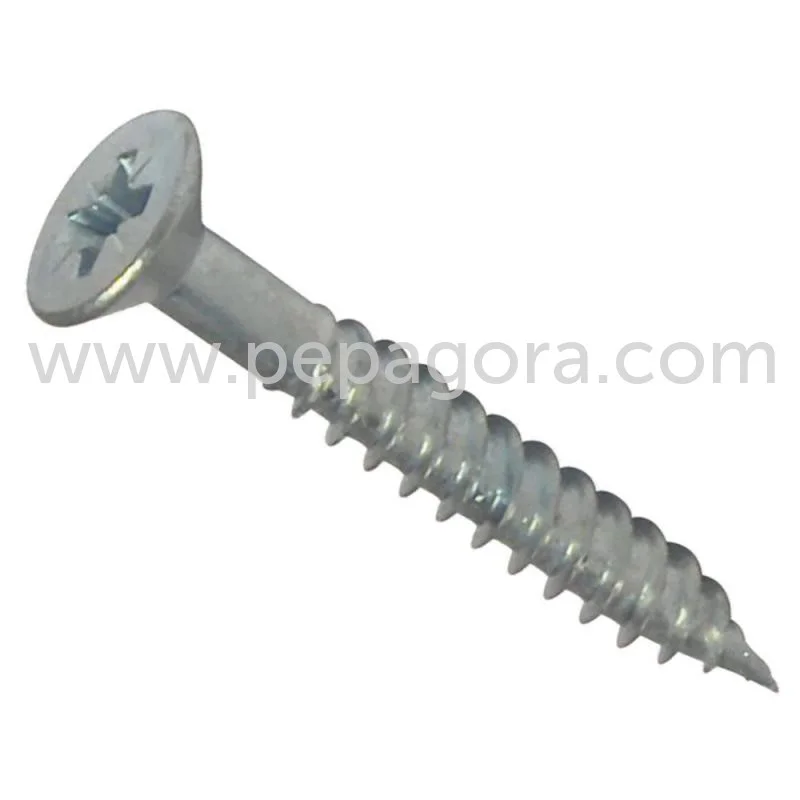
Wood Screws: Designed specifically for wood applications, these screws have sharp tips and coarse threads for easy installation and secure fastening in wooden materials.
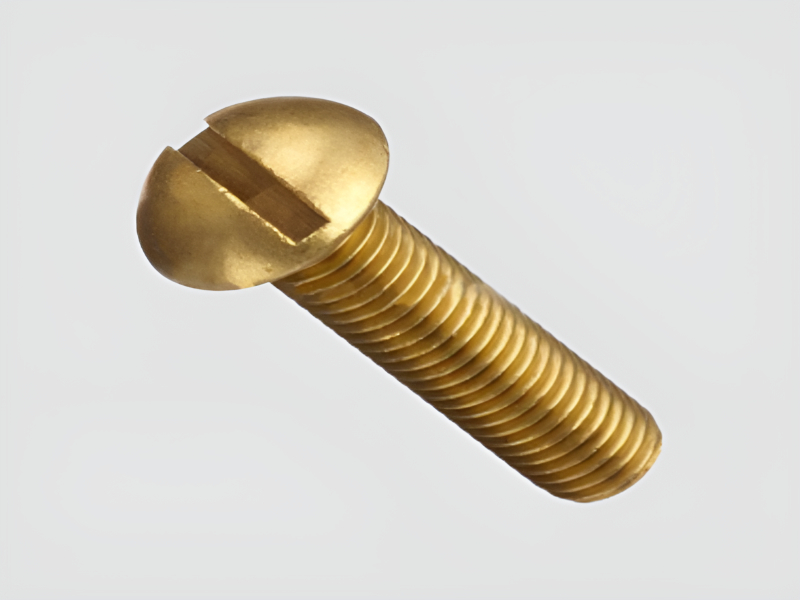
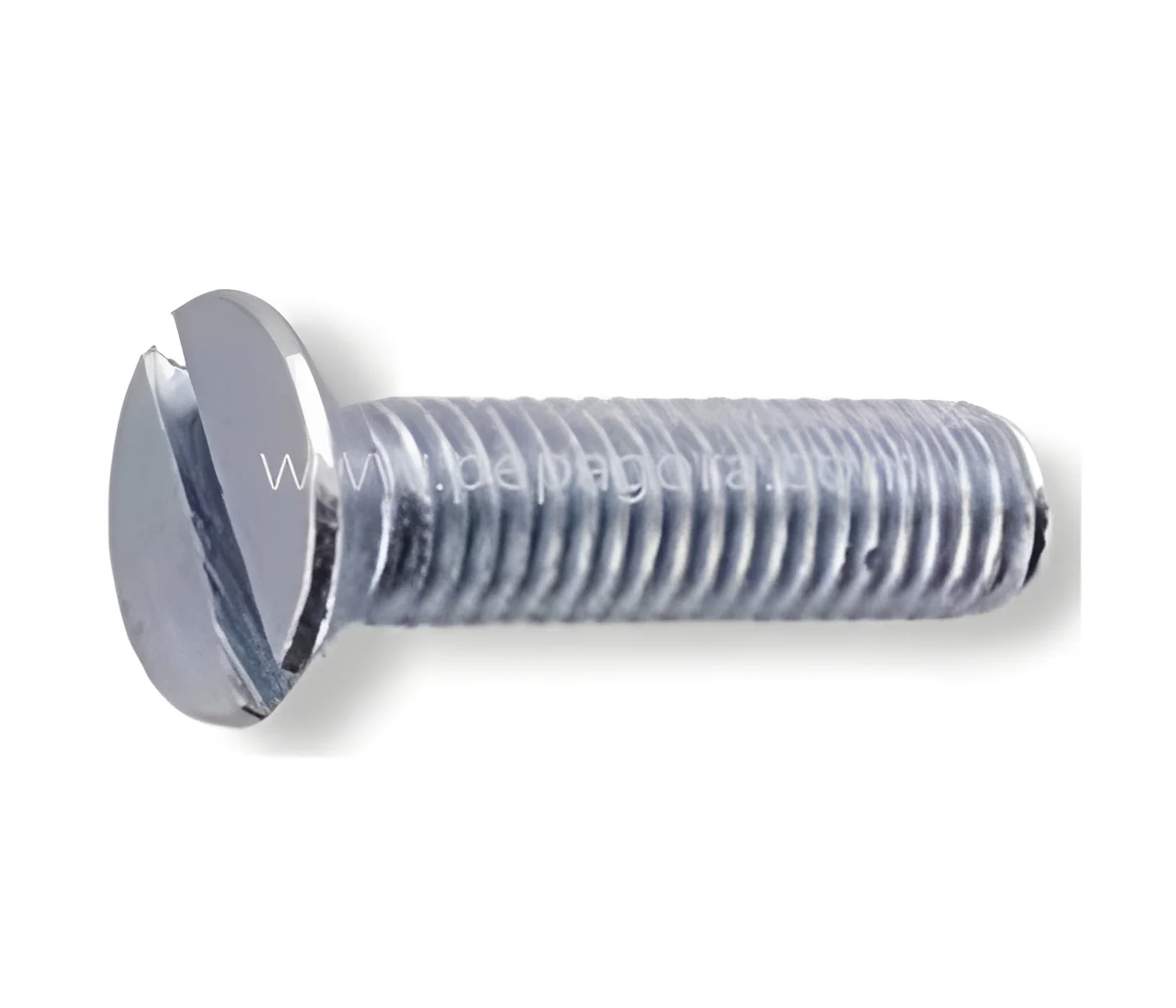
Machine Screws: Typically used with a nut or in a tapped hole, machine screws feature uniform diameters and are suitable for metal-to-metal applications.
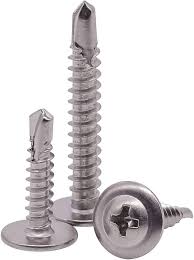
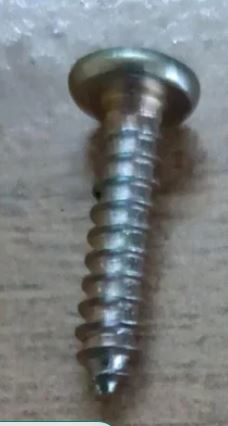
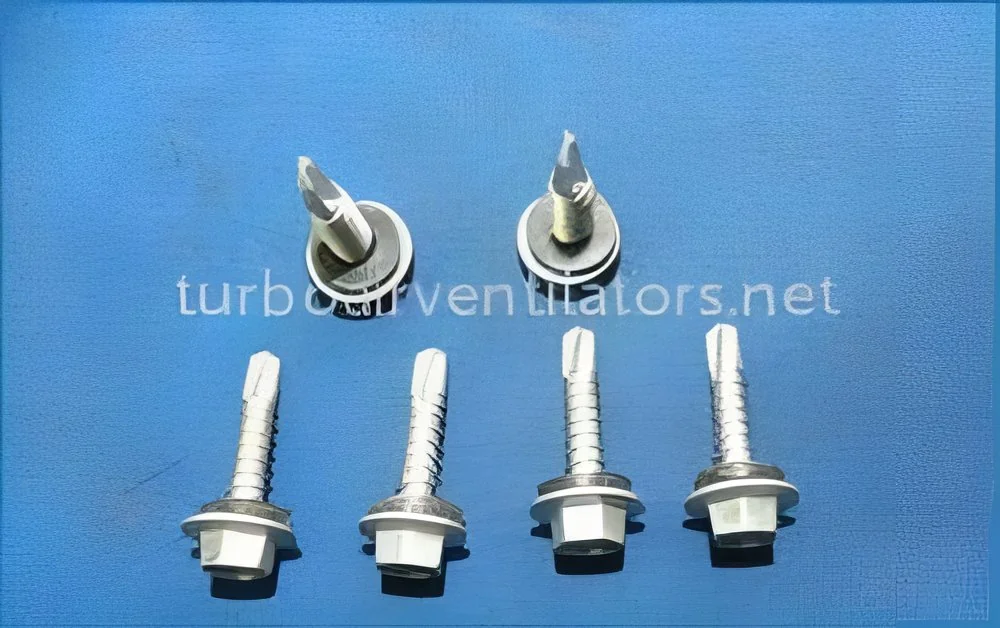
Self-Tapping Screws: These screws can create their own hole as they are driven into materials, making them ideal for quick assembly and applications in thin materials.
Drywall Screws: Specifically designed for fastening drywall to wooden or metal studs, these screws have a sharp point and fine threads for easy penetration.
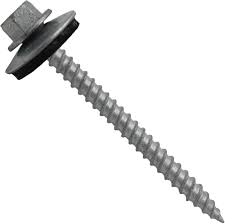
Sheet Metal Screws: Used to fasten metal sheets together, these screws feature a sharp tip and are designed for use in various metal applications.
Benefits and Advantages
Screws offer numerous benefits that make them a preferred choice for fastening solutions in various industries.
1. Strong Hold: Screws provide a secure fastening solution that can withstand significant loads and stresses.
2. Easy Installation: With the right tools, screws can be quickly and easily installed, saving time on assembly.
3. Versatility: Screws are suitable for multiple materials, including wood, metal, and plastic, making them highly adaptable.
4. Reusability: Screws can be removed and reused, offering a cost-effective solution for temporary or adjustable assemblies.
5. Corrosion Resistance: Many screws are available with protective coatings that enhance durability and resistance to environmental factors.
6. Precision: Screws can be precisely installed to ensure tight fits, contributing to overall product integrity.
Buying Guide for B2B Buyers
When sourcing screws for industrial applications, several factors should be considered to ensure the best procurement decisions.
1. Quality Assessment: Evaluate screws based on material quality, strength ratings, and compliance with industry standards. High-quality screws reduce the risk of failure in critical applications.
2. Supplier Verification: Conduct thorough vetting of suppliers to ensure they meet quality and reliability standards. Look for certifications and customer reviews to gauge reputation.
3. Pricing and MOQ: Understand the pricing structure and minimum order quantities required by suppliers. Compare costs across different suppliers to ensure competitive pricing.
4. Delivery and Lead Times: Assess the supplier's ability to meet delivery schedules. Timeliness is crucial in maintaining production schedules and avoiding delays.
5. Compliance Requirements: Ensure that screws meet local and international regulations. Compliance with standards such as CE certification is essential for safety and market acceptance.
Compliance and Certifications
Screws must adhere to various quality standards and certifications to ensure their reliability and safety. Key standards include ISO 9001, which focuses on quality management systems. This standard ensures that manufacturers maintain consistent quality in their production processes.
Additionally, industry certifications like CE signify that screws meet European safety, health, and environmental protection standards. Compliance with these certifications is crucial for businesses operating in regulated markets.
Safety testing requirements for screws often involve evaluating their tensile strength, corrosion resistance, and overall durability. These tests help ensure that screws perform reliably under different operational conditions.
Regional compliance considerations may vary based on local regulations and industry practices. Businesses should be aware of specific requirements in their operating regions to avoid regulatory issues.
Why Source Screws from Pepagora?
Pepagora provides a trusted platform for sourcing screws, offering several key advantages for B2B buyers.
Verified Supplier Network: Pepagora boasts a network of verified suppliers. This ensures that businesses can source screws from reputable manufacturers who adhere to quality standards.
Streamlined RFQ Process: The quotation system on Pepagora simplifies the process of obtaining competitive pricing and terms. Buyers can easily request quotes from multiple suppliers, saving time and effort.
Trade Assurance and Support: Pepagora offers trade assurance programs that protect buyers from potential risks. This support fosters confidence in transactions and helps mitigate procurement challenges.
Regional Coverage: With a strong presence in India, the GCC, and Southeast Asia, Pepagora provides extensive geographic reach. This ensures that buyers can access a wide range of screws and related products tailored to their regional needs.

 IN
IN



 India
India