
 IN
INRetractors (Self-Retaining & Manual)
23 products available
Key Features and Specifications
Common Applications and Use Cases
Product Variants and Subcategories
Benefits and Advantages
Buying Guide for B2B Buyers
Compliance and Certifications

Frequently Asked Questions
What are Retractors (Self-Retaining & Manual)?
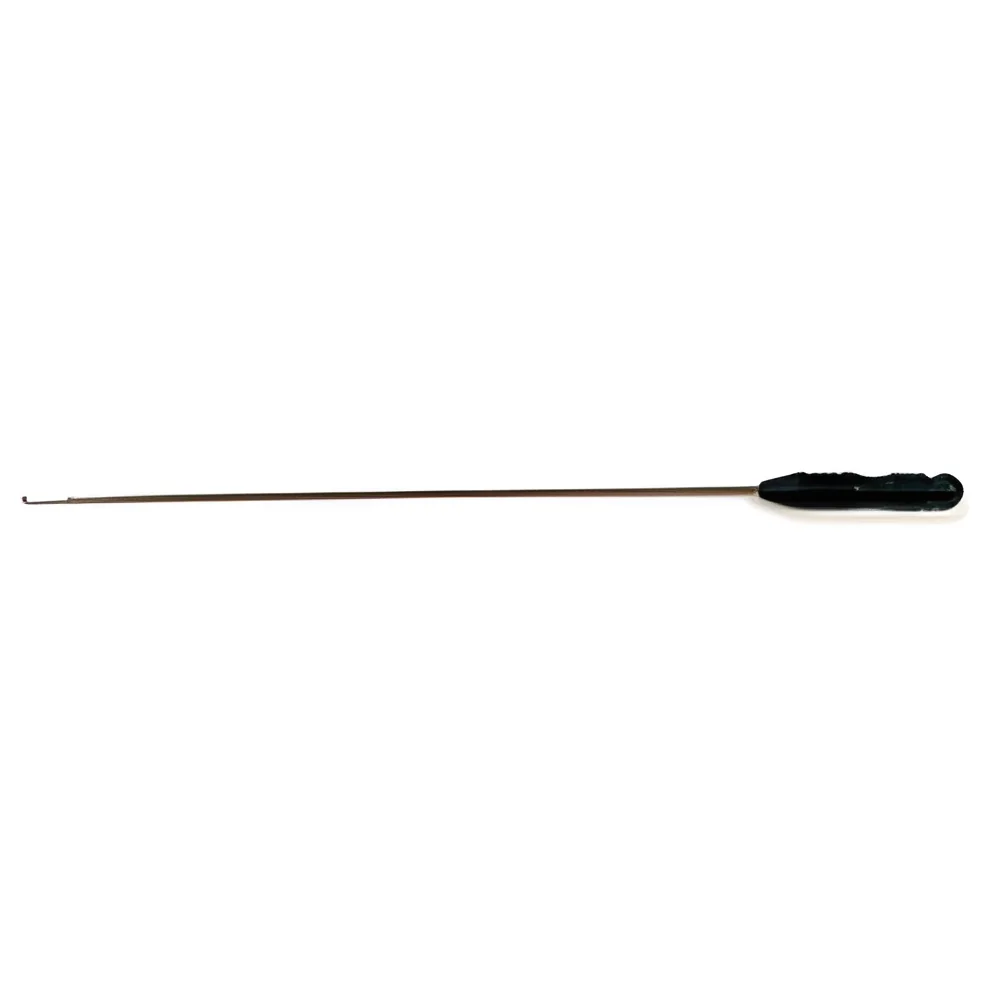
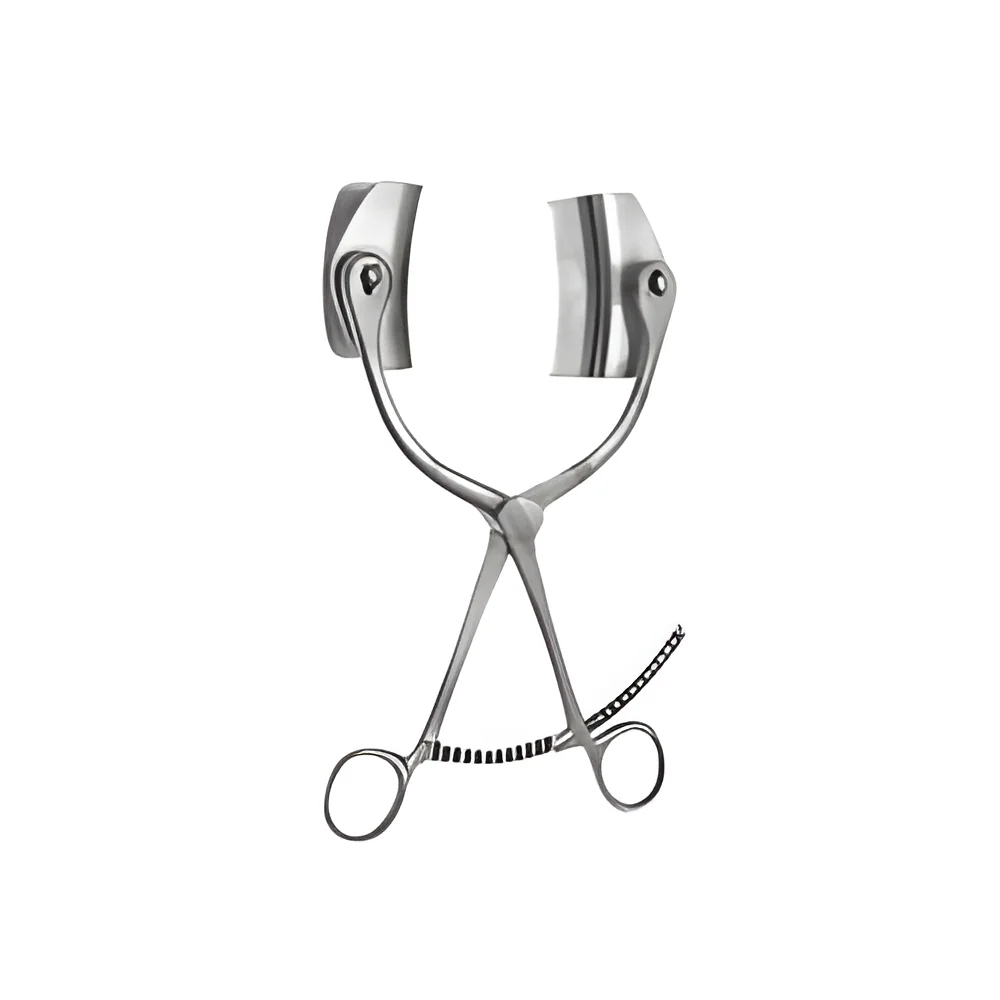
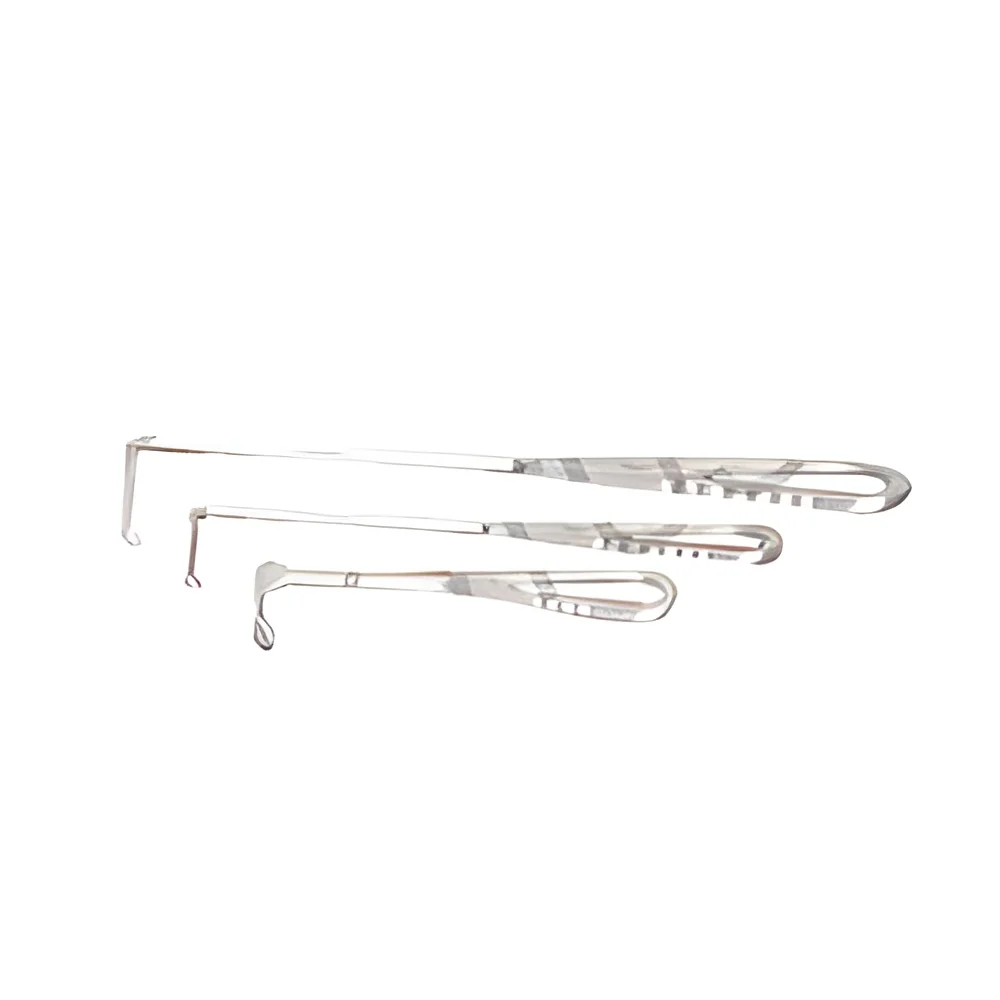
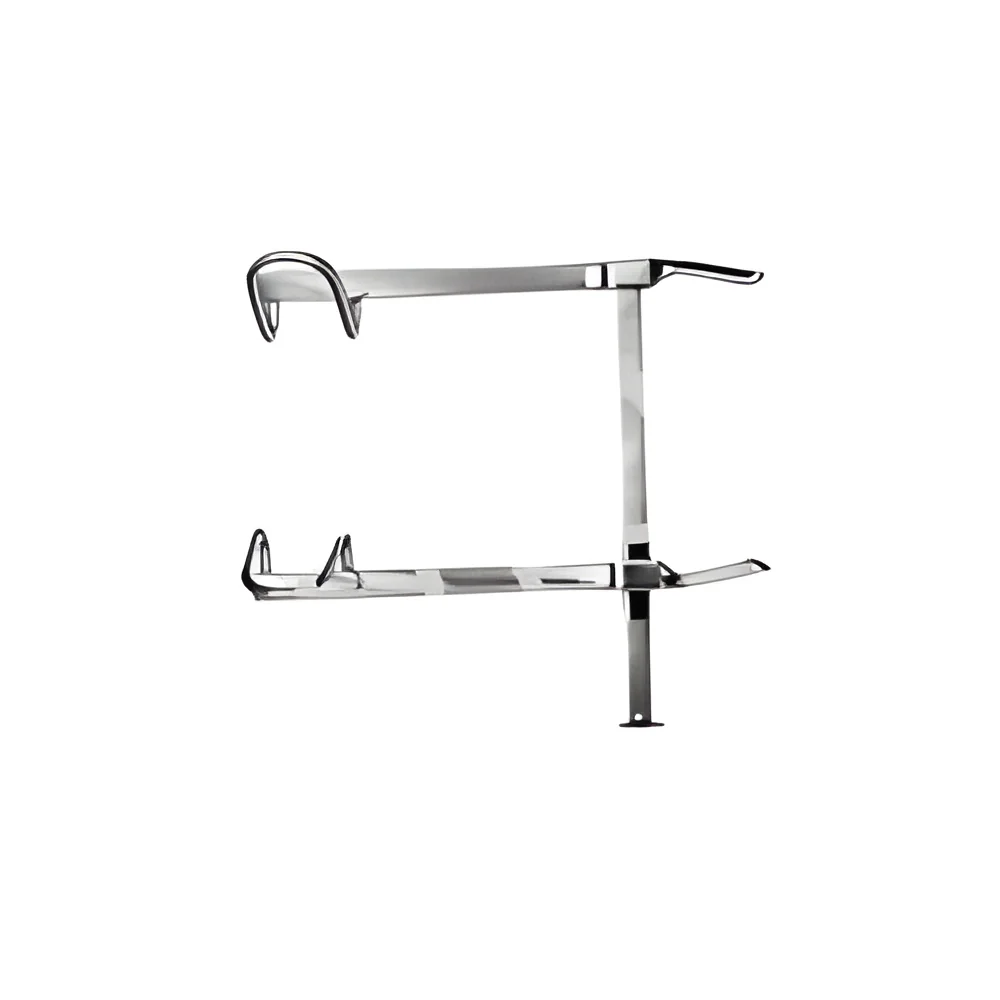
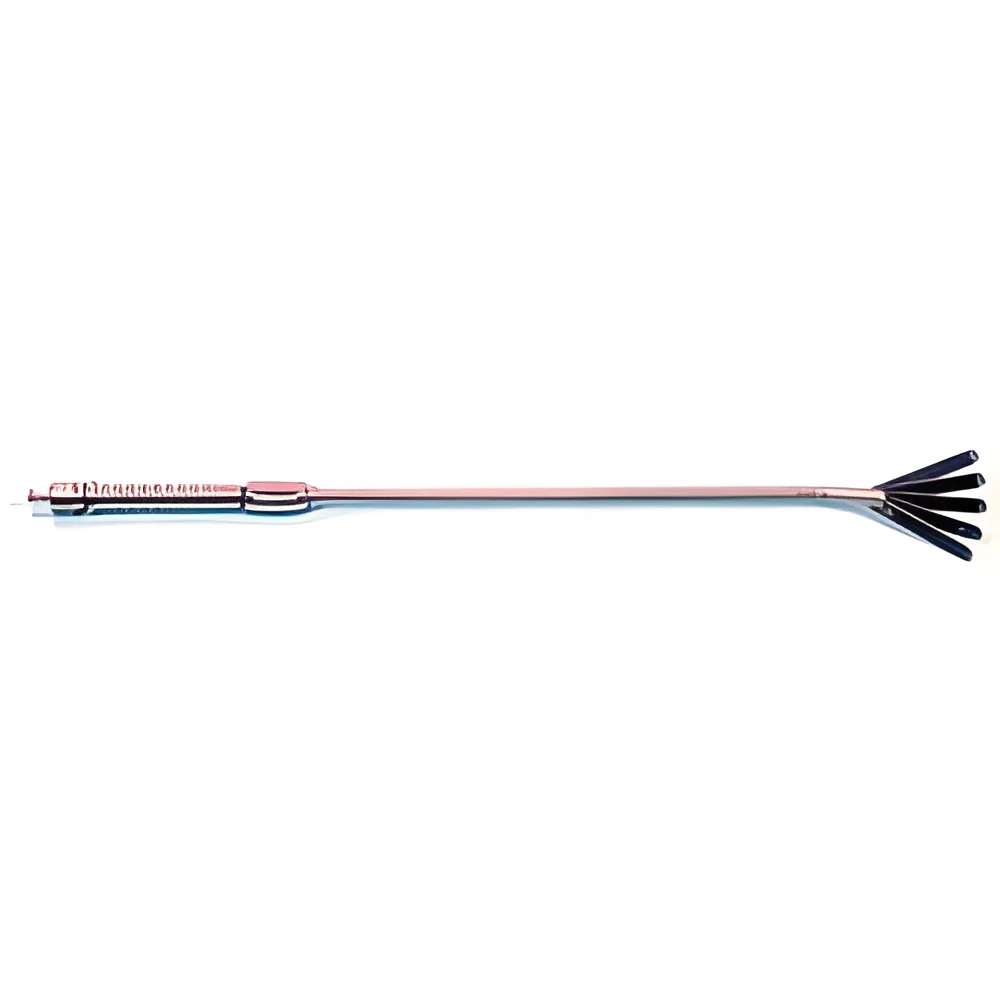
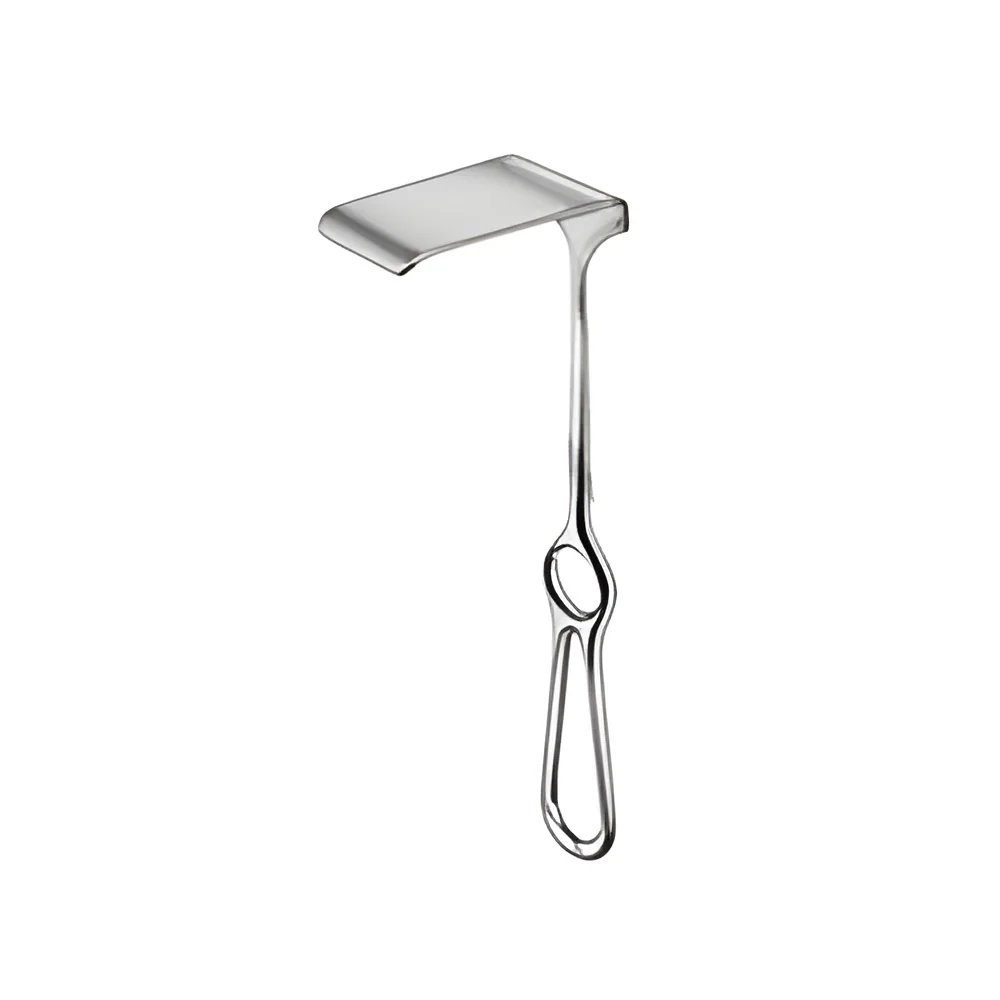
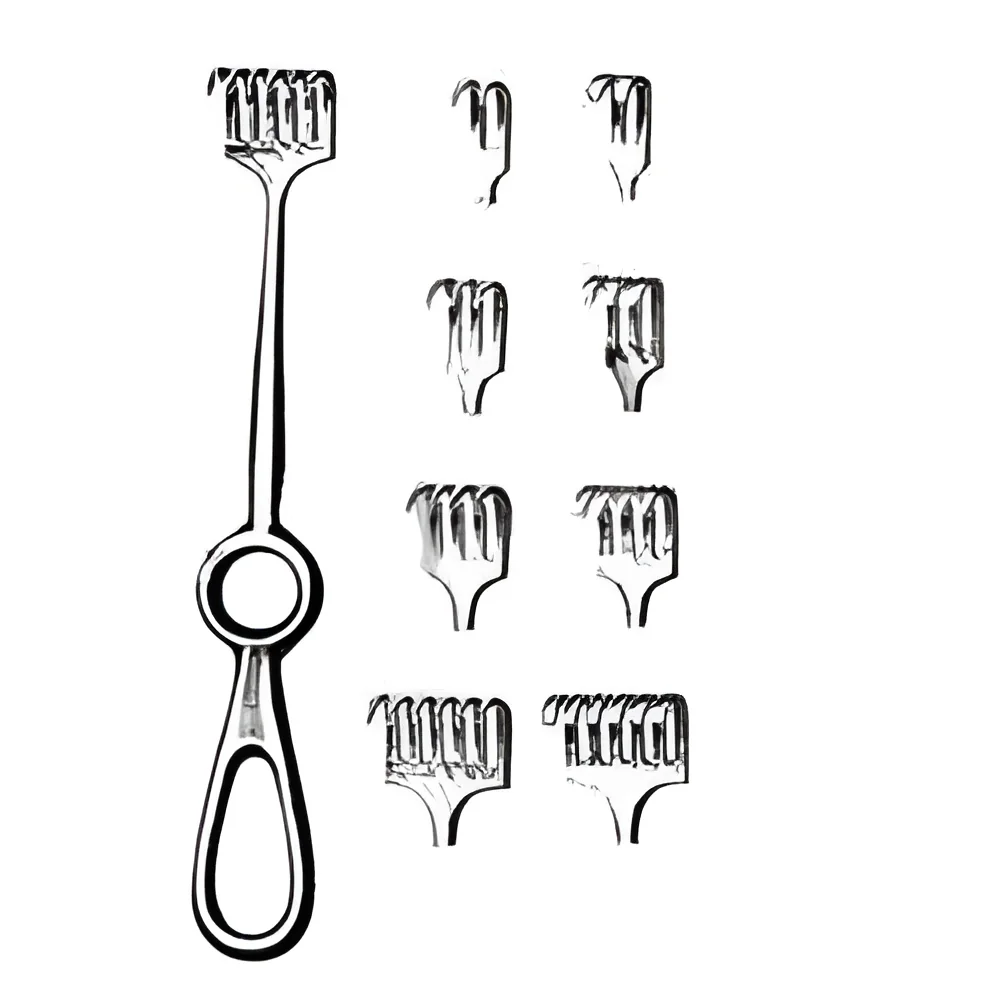
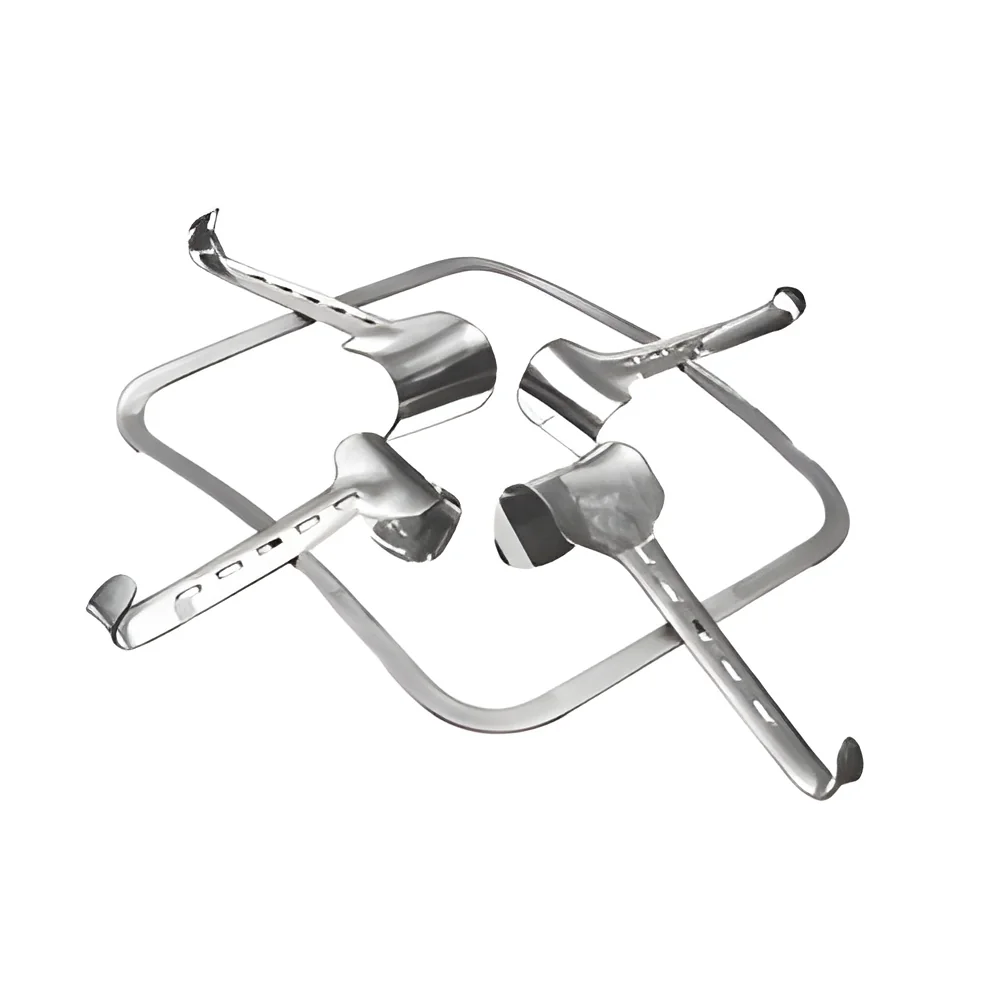
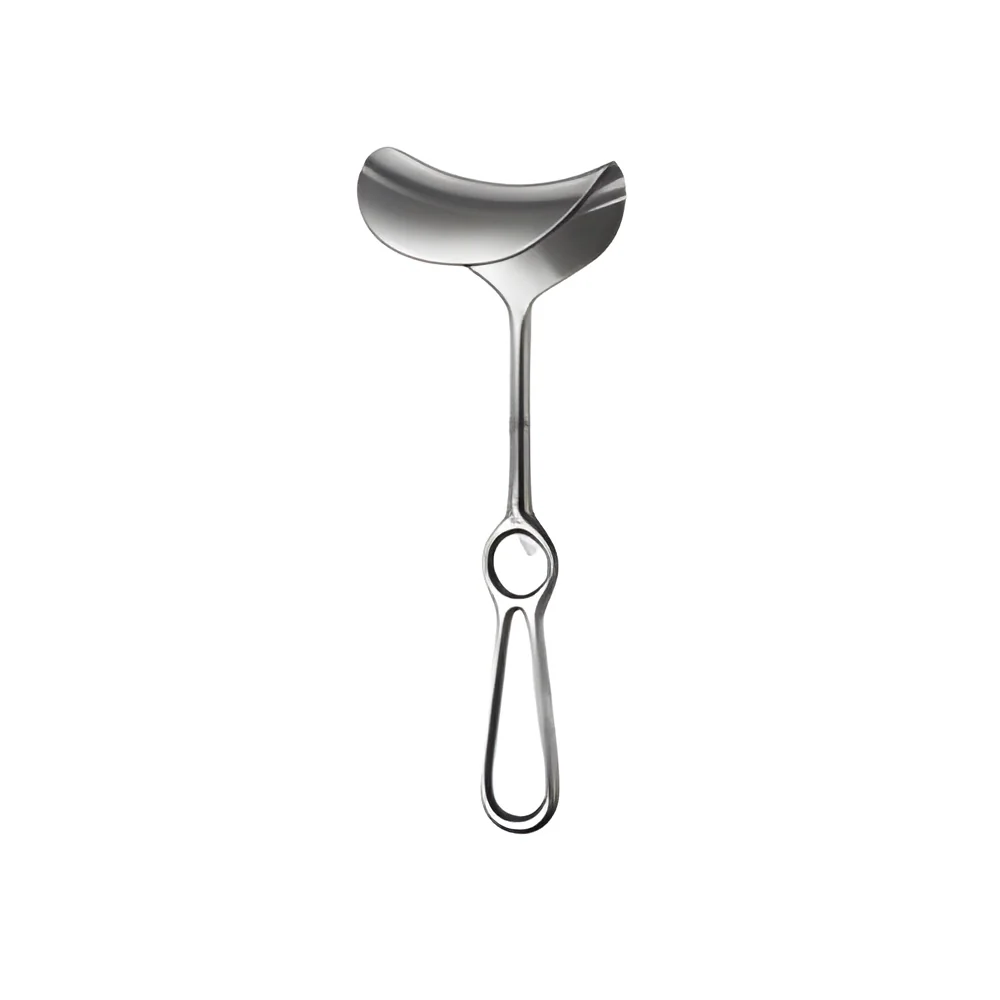
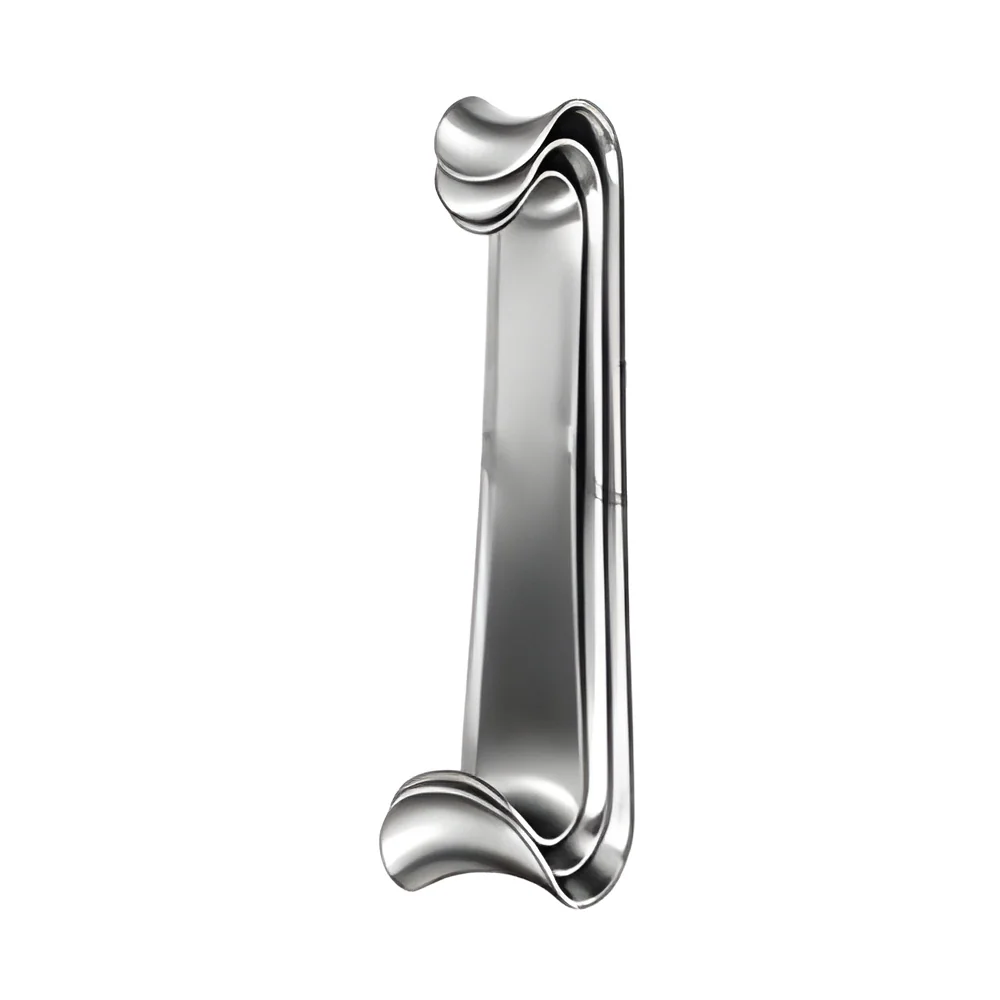
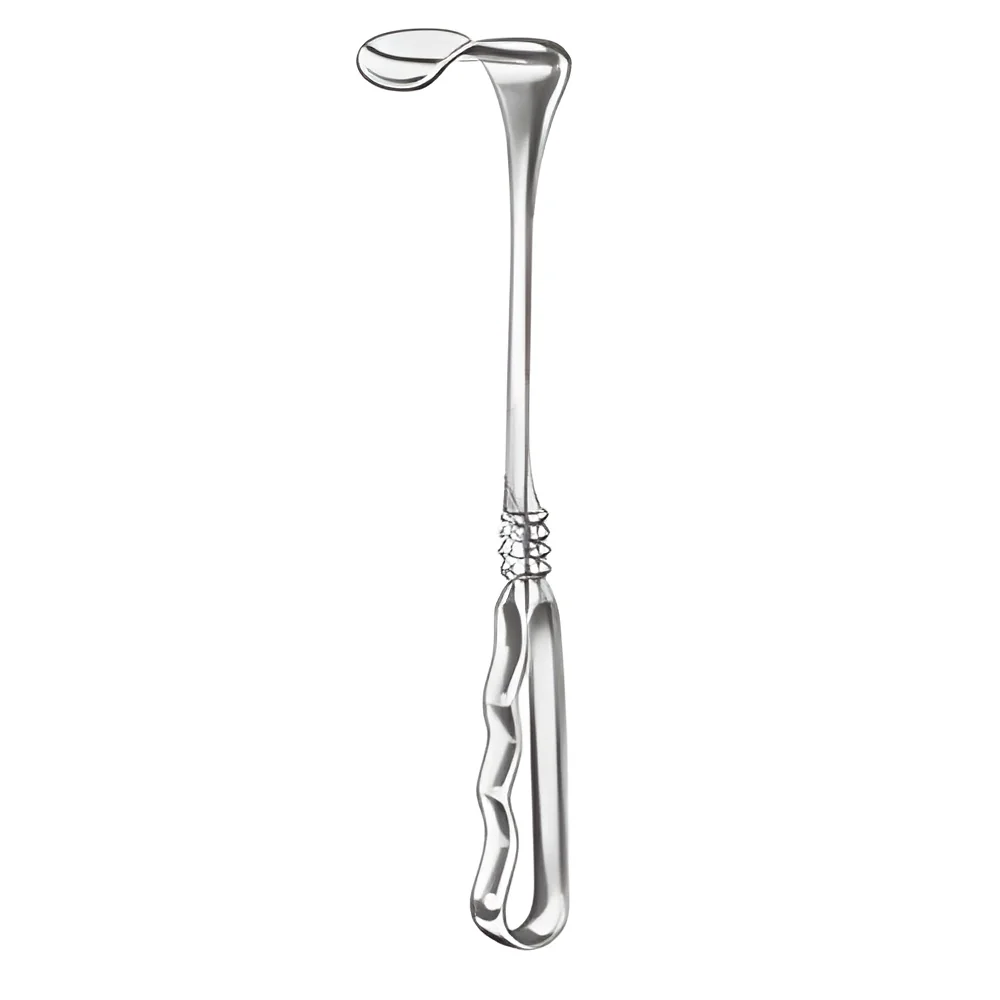
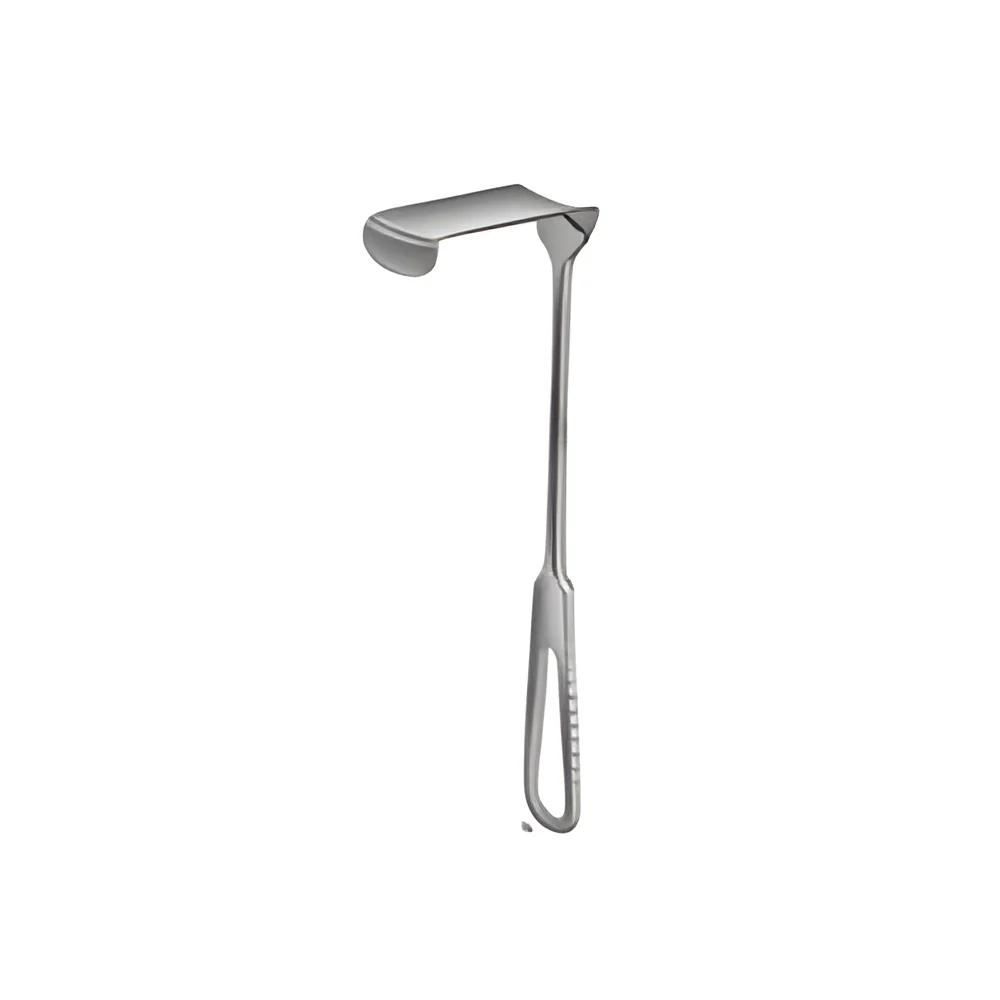
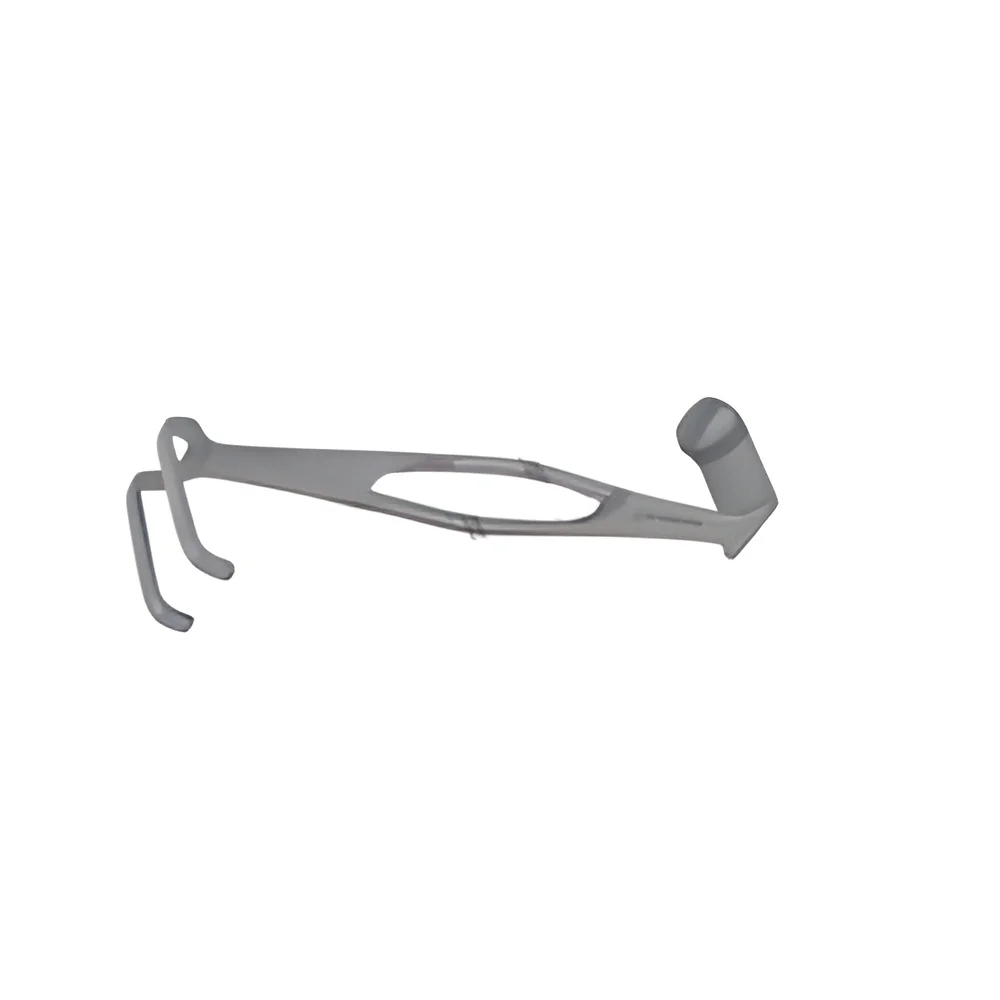
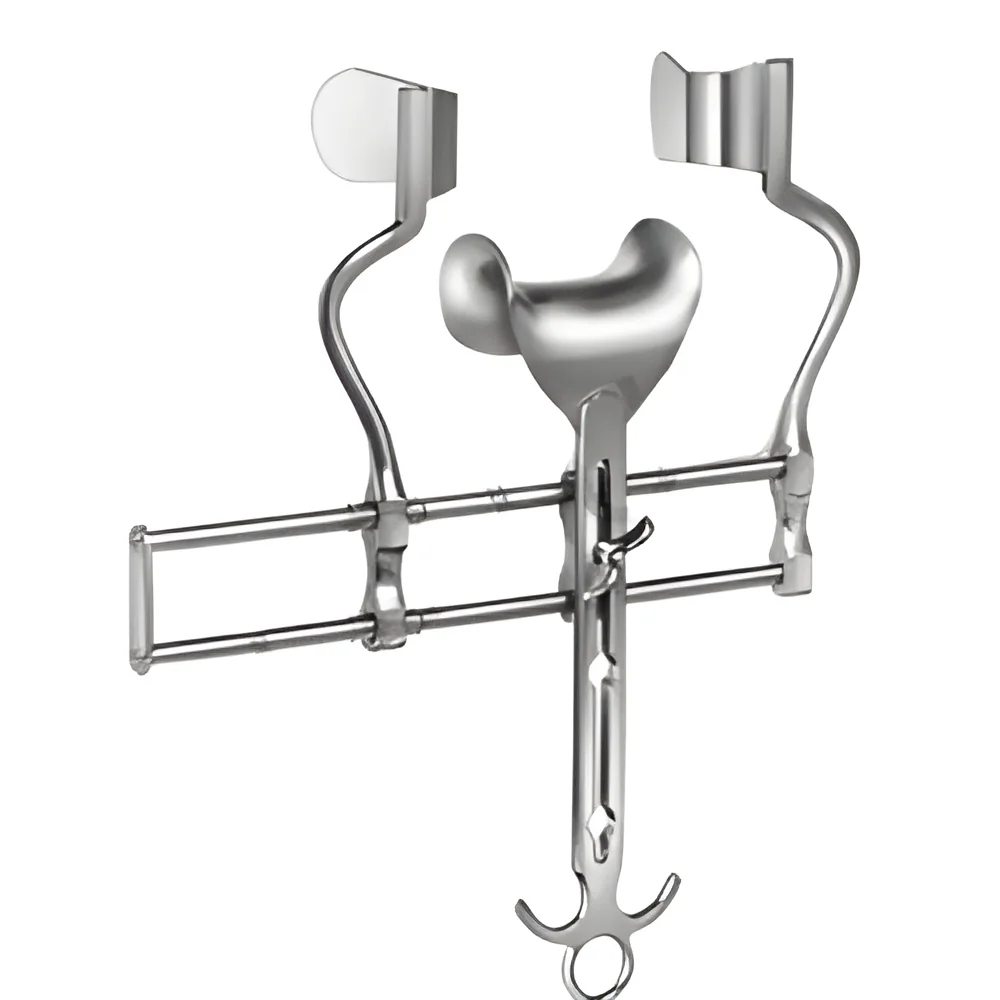
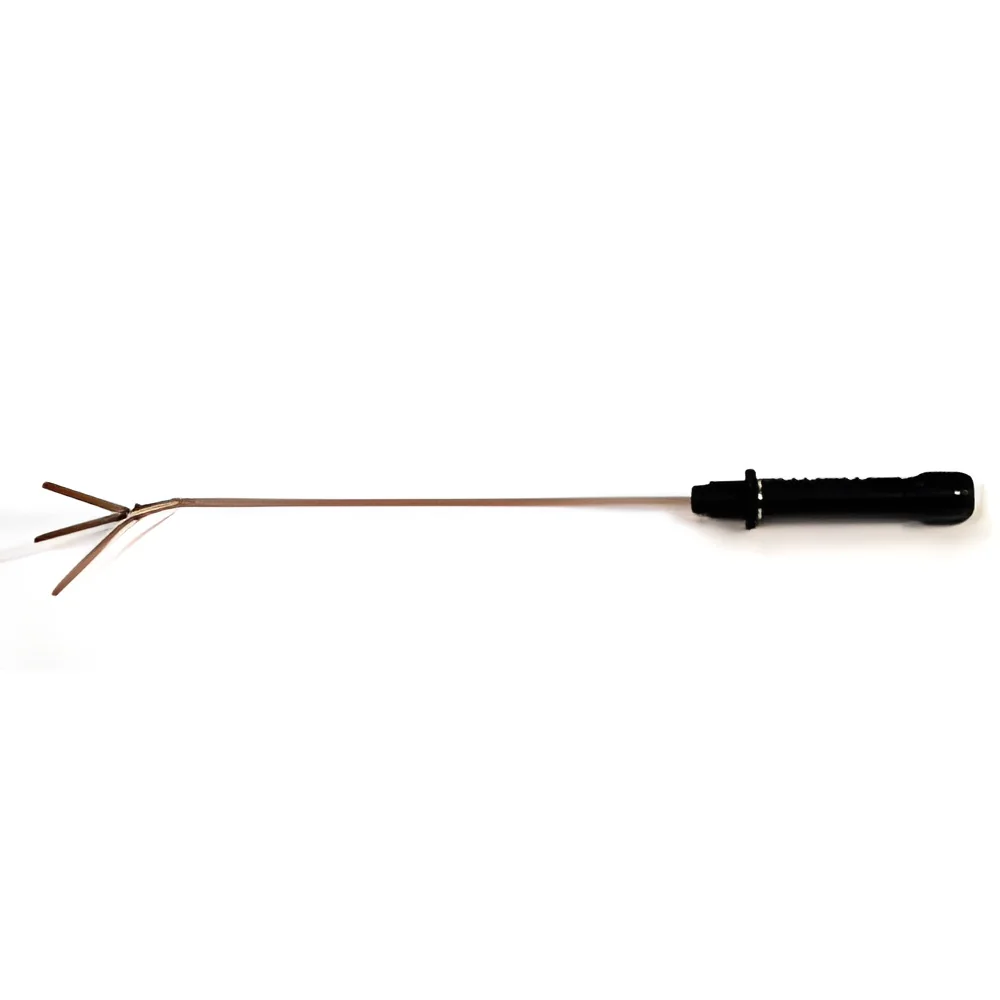
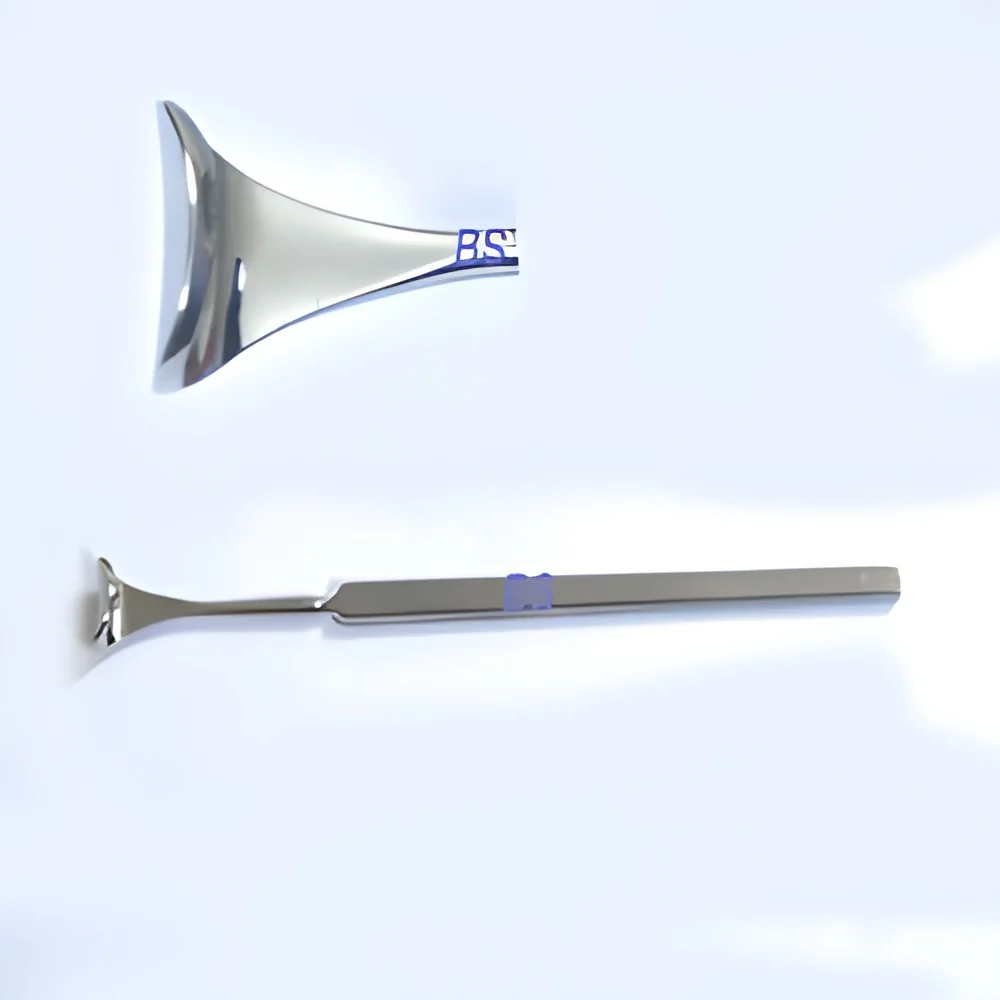
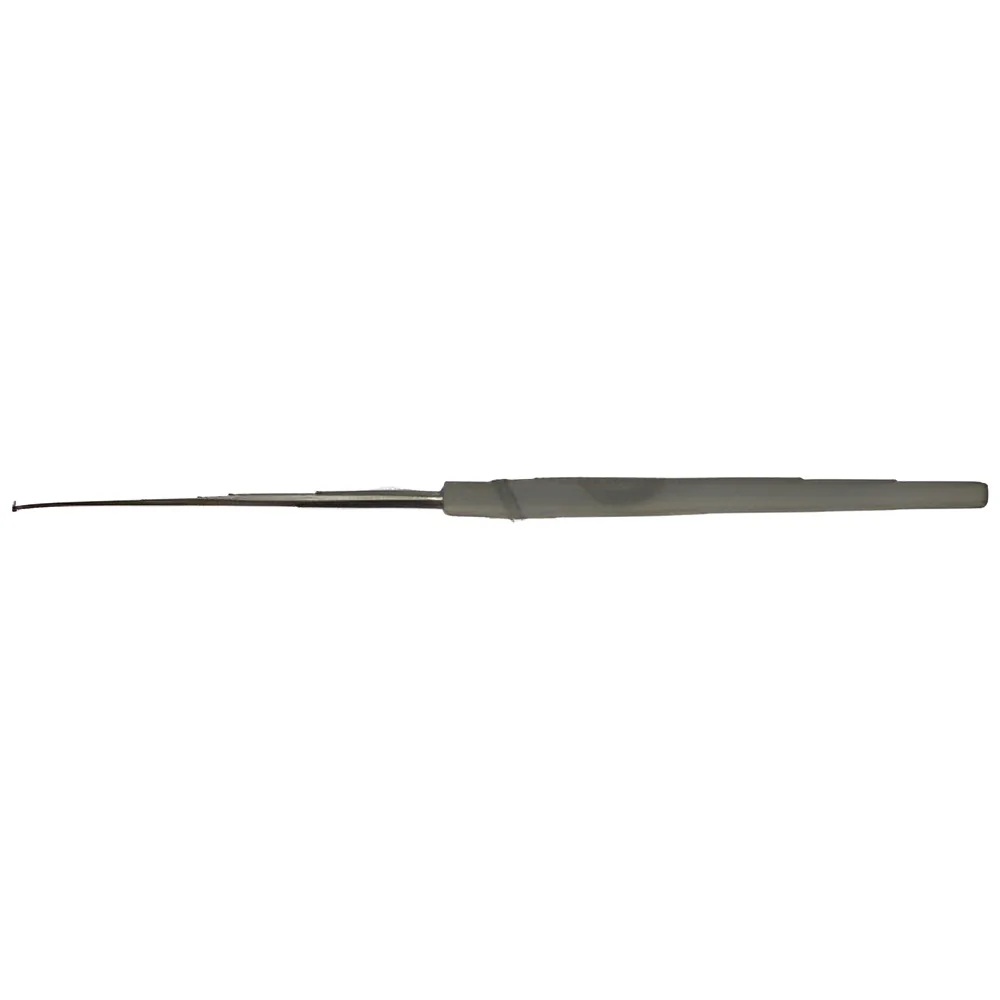
Retractors (Self-Retaining & Manual) are surgical instruments used to hold back tissues and organs during medical procedures. Self-retaining retractors maintain their position without external support, while manual retractors require the surgeon to hold them in place.
What are the different types of Retractors (Self-Retaining & Manual)?
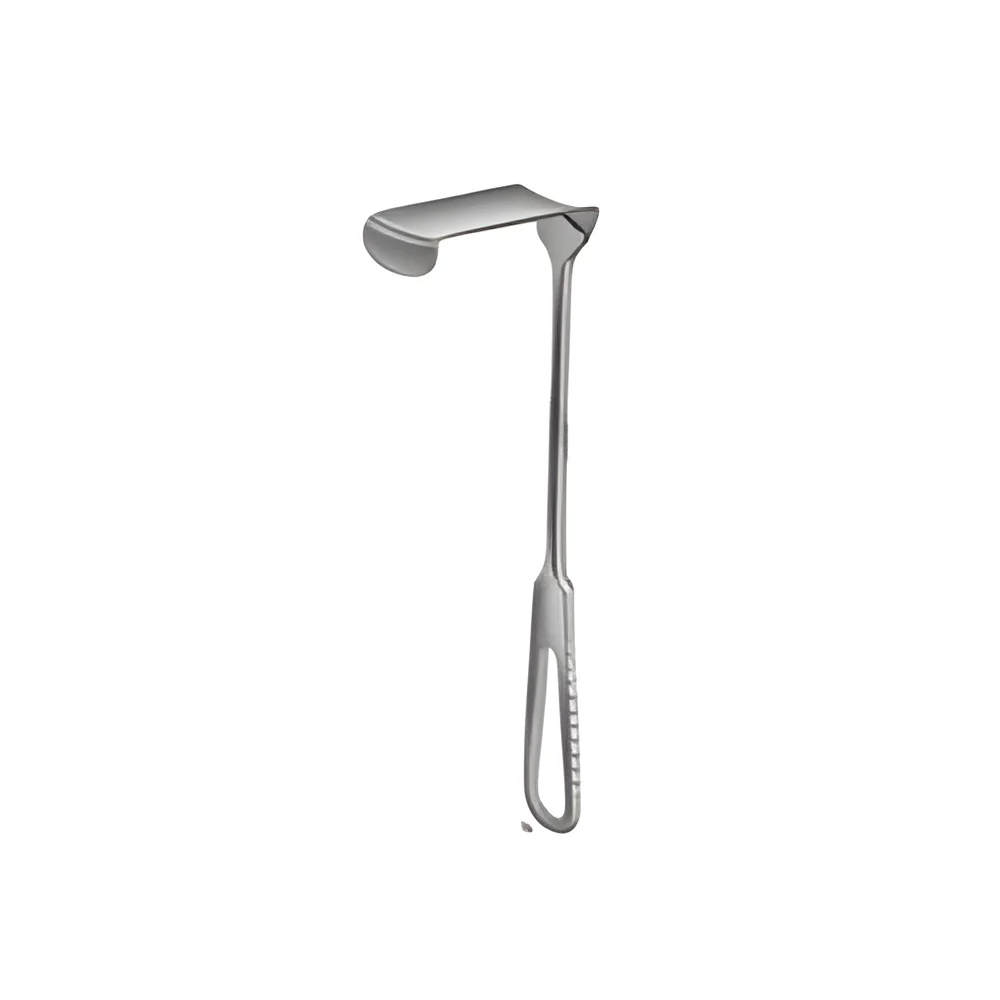
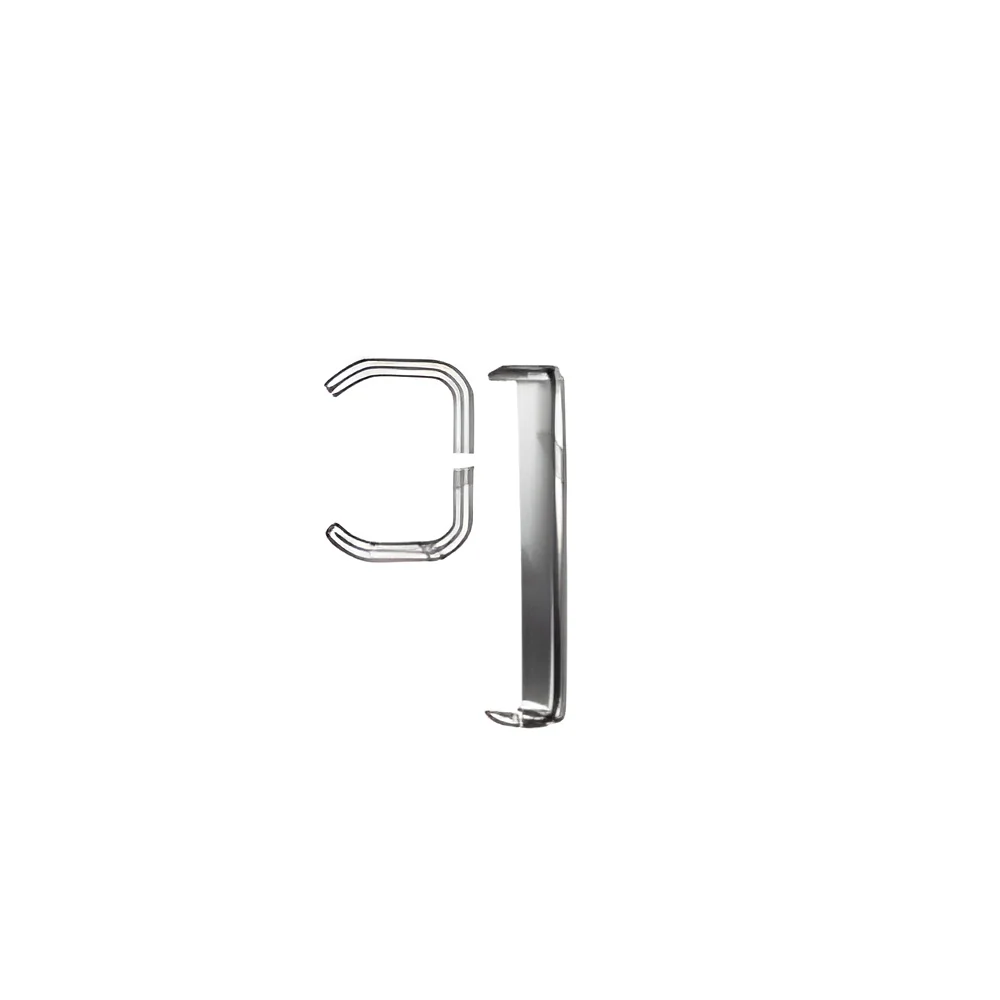
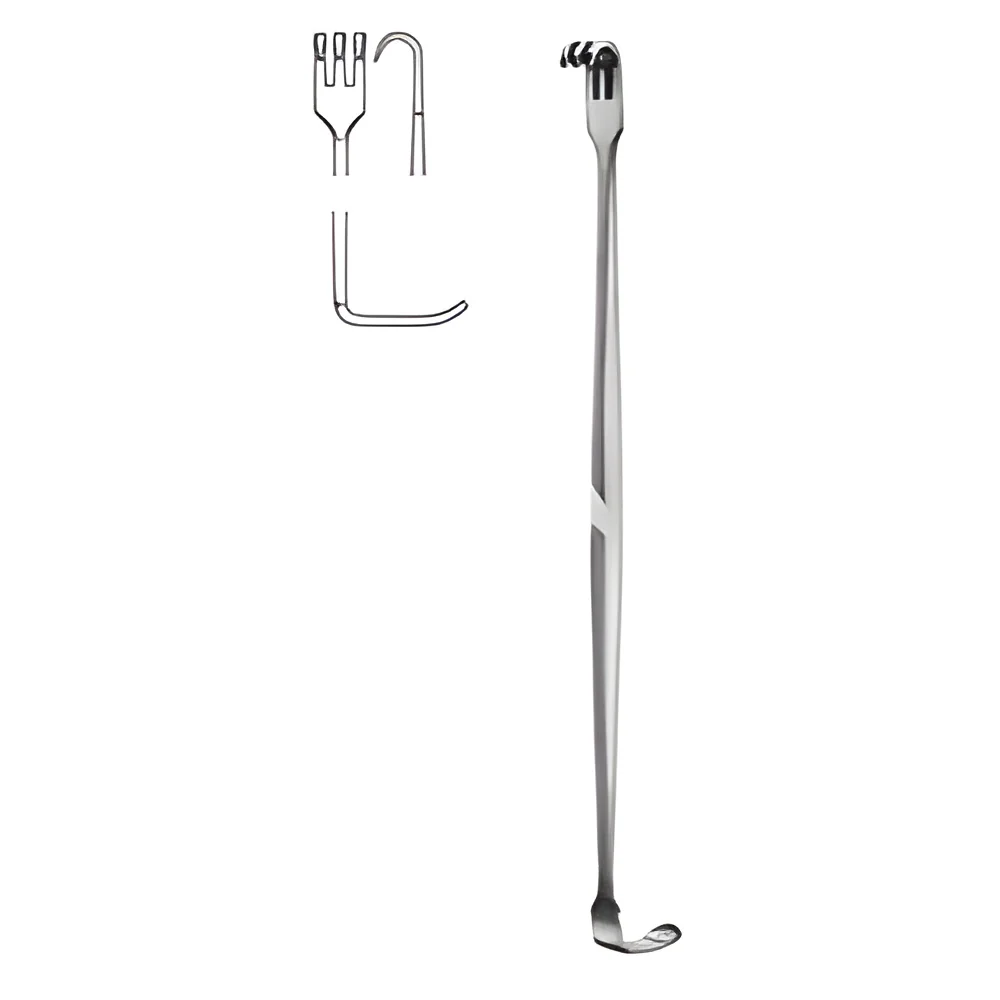
The primary types of retractors include self-retaining retractors, such as the Balfour and Bookwalter, and manual retractors, like the Richardson and Deaver retractors. Each type is designed for specific surgical applications and anatomical access.
How do I choose the right Retractors (Self-Retaining & Manual)?
Choosing the right retractors depends on the type of surgery, the area of the body being operated on, and the specific needs of the procedure. It is essential to consider factors such as size, shape, and the mechanism of retention when selecting retractors.
What are the standard specifications for Retractors (Self-Retaining & Manual)?
Standard specifications for retractors include material composition, size dimensions, and weight. Retractors are typically made from stainless steel or other durable materials to ensure longevity and resistance to sterilization procedures.
What is the price range for Retractors (Self-Retaining & Manual)?
The price range for retractors varies significantly based on type, brand, and manufacturer. Generally, manual retractors can cost between INR 500 to INR 5,000, while self-retaining retractors may range from INR 2,000 to INR 20,000.
What quality standards apply to Retractors (Self-Retaining & Manual)?
Retractors must comply with international quality standards such as ISO 13485 for medical devices. Additionally, they should be manufactured in accordance with the guidelines set by regulatory bodies to ensure safety and efficacy.
Where can I find Retractors (Self-Retaining & Manual) suppliers in India?
You can find suppliers of Retractors (Self-Retaining & Manual) on B2B marketplaces like Pepagora.com, where manufacturers and distributors list their products. Additionally, attending medical trade shows or contacting medical supply companies can provide further sourcing options.
Can Retractors (Self-Retaining & Manual) be customized?
Yes, many manufacturers offer customization options for retractors to meet specific surgical requirements. Customizations may include changes in size, shape, or material to enhance functionality for particular procedures.
What is the typical minimum order quantity for Retractors (Self-Retaining & Manual)?
The typical minimum order quantity (MOQ) for retractors can vary by supplier but is generally around 10 to 50 units. It is advisable to check with individual suppliers for their specific MOQ requirements.
What is the typical lead time for Retractors (Self-Retaining & Manual)?
The typical lead time for retractors varies depending on the supplier and whether the items are in stock. Generally, lead times can range from 1 to 4 weeks, especially if customization is required.
Why Businesses Trust Pepagora
Thousands of companies trust Pepagora to source smarter and sell faster
Expand Your Sales Globally

Source Smarter,Grow Faster
