
 IN
Protective Eyewear & Face Shields
14 products available
What are Protective Eyewear & Face Shields?
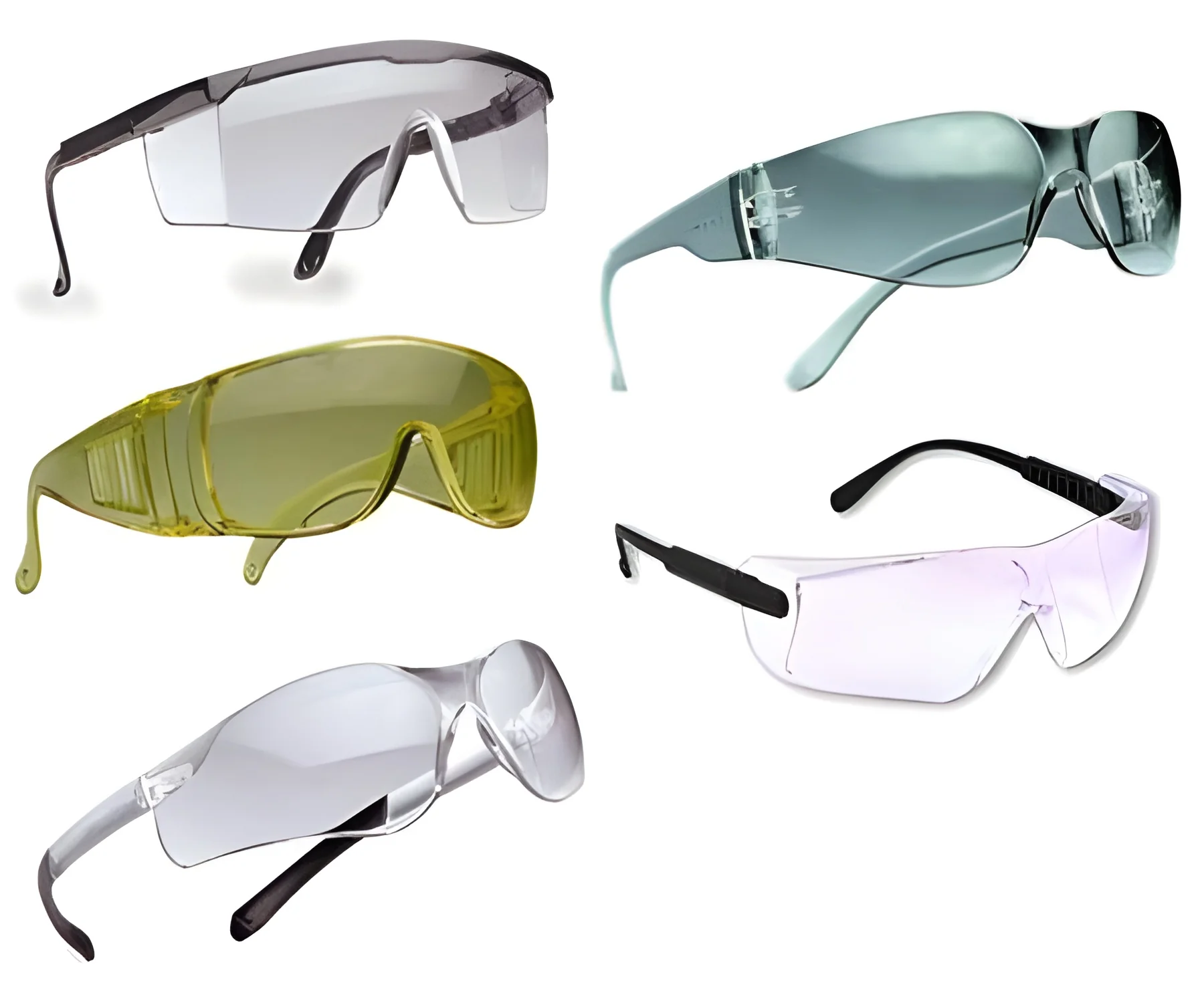
Protective eyewear and face shields are essential personal protective equipment (PPE) designed to safeguard individuals from potential hazards in various environments. Protective eyewear typically includes safety glasses and goggles that shield the eyes from flying debris, chemical splashes, and harmful light. Face shields provide a broader level of protection, covering the entire face and protecting against splashes, impacts, and other risks. Both types of products are crucial for maintaining safety standards in workplaces.
These products are widely used across multiple sectors, including manufacturing, healthcare, construction, and laboratory environments. In manufacturing and construction, they protect workers from potential eye injuries caused by flying particles or hazardous materials. In healthcare, protective eyewear and face shields are vital for safeguarding medical personnel against exposure to infectious materials. The relevance of these products in the market continues to grow, particularly in light of increased awareness around occupational safety and health regulations.
Key Features and Specifications
Protective eyewear and face shields come with a variety of features and specifications that enhance their functionality and safety. These products are designed to meet specific standards, ensuring they provide adequate protection while maintaining comfort for the user.
Key specifications include:
1. Lens Material
- Polycarbonate or optical-grade plastic
- Offers high impact resistance and clarity
2. UV Protection
- UV filtering capabilities
- Protects against harmful ultraviolet rays
3. Anti-Fog Coating
- Reduces condensation on the lens
- Maintains clear visibility in varying temperatures
4. Adjustable Straps
- Ensures a secure fit for various head sizes
- Enhances comfort during prolonged use
5. Compliance Standards
- Meets industry standards such as CE certification
- Ensures products are tested for safety and effectiveness
6. Optical Clarity
- High-definition lens for minimal distortion
- Improves visual accuracy and safety
7. Coverage Area
- Full-face coverage for shields
- Side shields for eyewear to prevent peripheral hazards
8. Lightweight Design
- Ensures comfort during extended wear
- Reduces fatigue and improves user compliance
These specifications contribute to the overall effectiveness of protective eyewear and face shields, making them essential in various industrial applications.
Common Applications and Use Cases
Protective eyewear and face shields serve a multitude of industries, providing vital safety features tailored to specific environments.
1. Manufacturing: In manufacturing settings, these products protect workers from flying debris, chemical spills, and other hazards that can occur during production processes.
2. Healthcare: Medical professionals use protective eyewear and face shields to prevent exposure to infectious agents, ensuring their safety while treating patients.
3. Construction: In the construction industry, these products are essential for shielding workers from dust, debris, and potential impacts that can occur on job sites.
4. Laboratories: Scientists and technicians rely on eyewear and face shields to protect against hazardous chemicals and biological agents during experiments and procedures.
5. Automotive: In automotive repair and manufacturing, workers utilize these protective tools to guard against sparks, fluids, and particulate matter.
6. Agriculture: Farmers and agricultural workers wear protective eyewear and face shields to shield themselves from pesticides and dust while performing their duties.
7. Welding: Welders use specialized eyewear and face shields to protect their eyes and face from intense light, heat, and flying particles during welding operations.
Product Variants and Subcategories
Protective eyewear and face shields come in various types to cater to different needs and preferences.
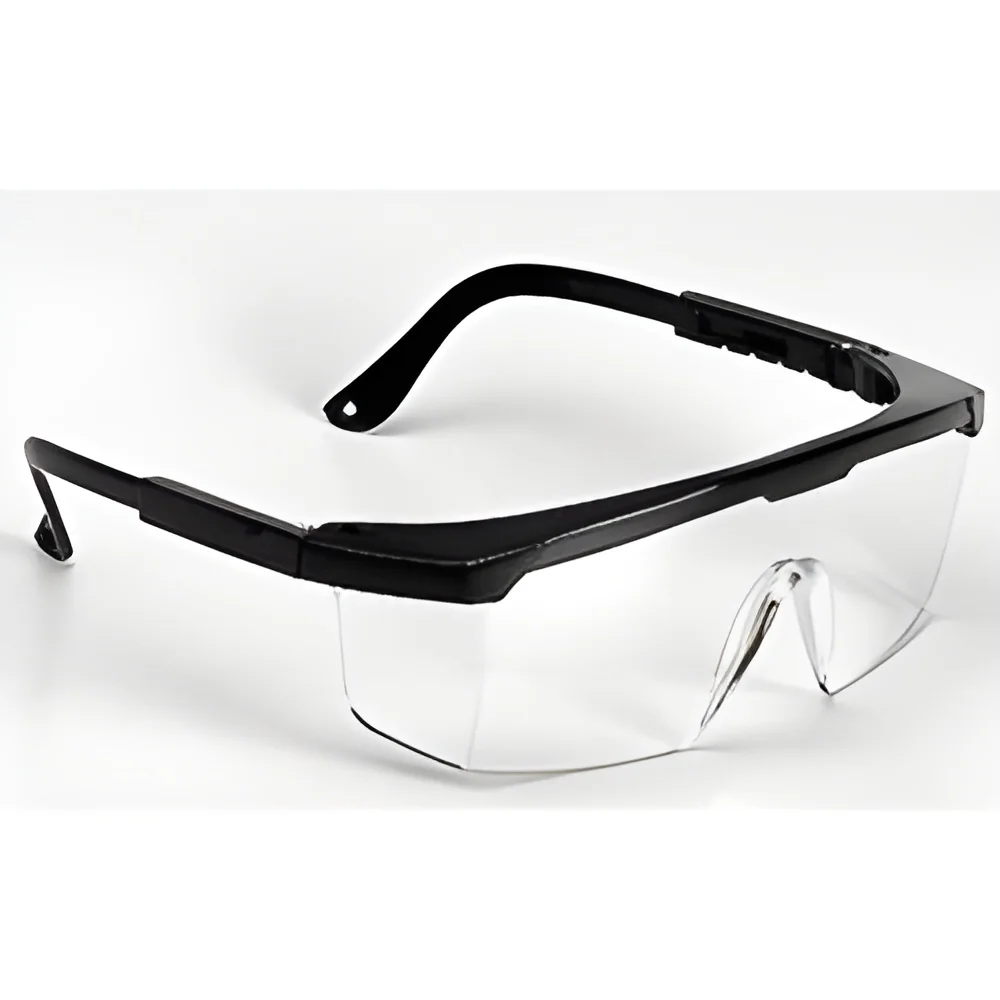
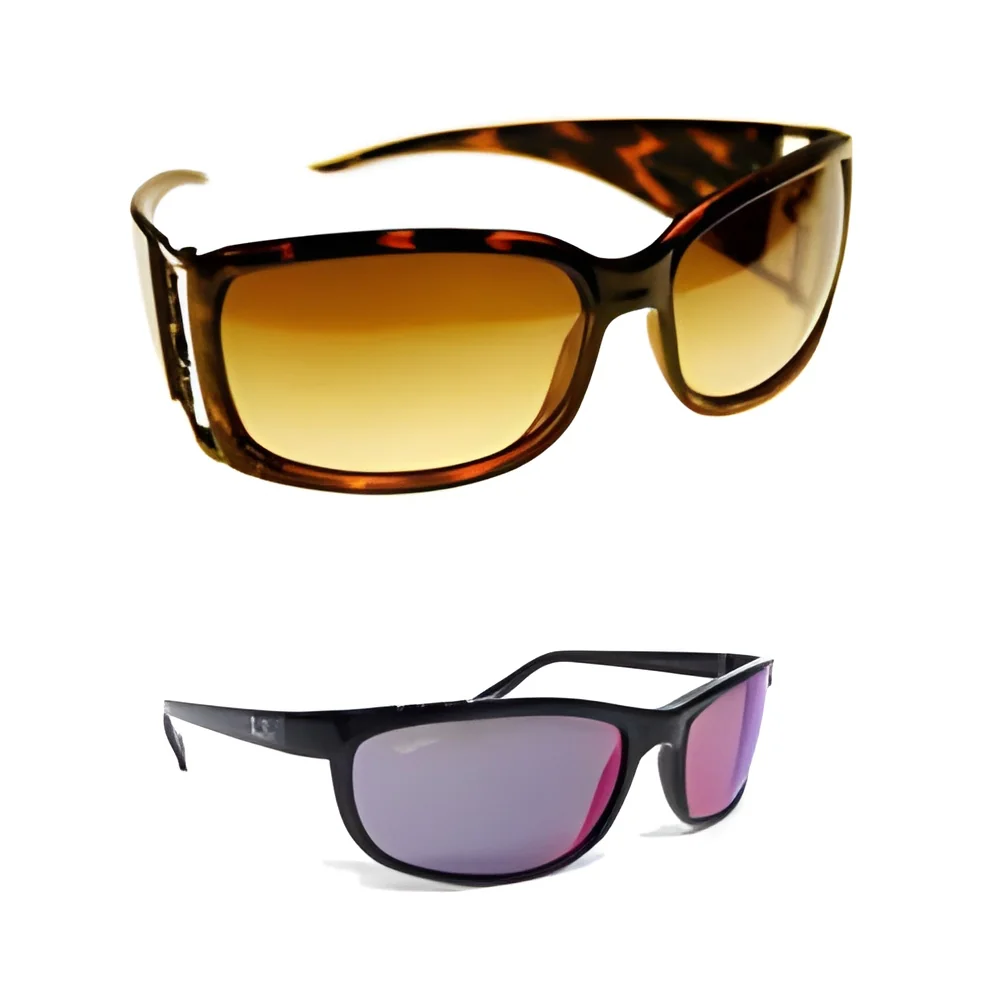
Safety Glasses: These are designed for general use in various industries, featuring shatter-resistant lenses and side shields for added protection. They provide basic eye protection against small particles and chemical splashes.
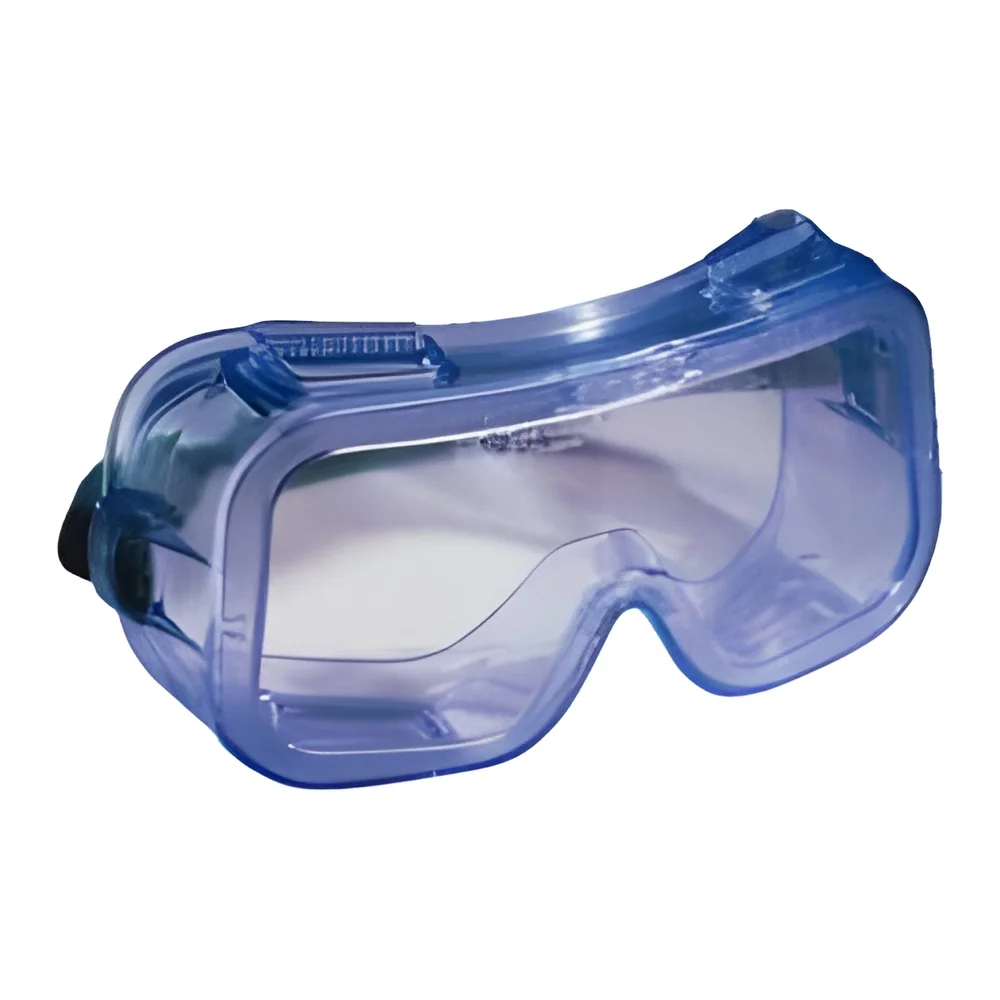
Goggles: These offer a closer fit than safety glasses and are ideal for environments where liquid hazards are present. They typically feature anti-fogging properties and provide a sealed fit to prevent contaminants from reaching the eyes.
Face Shields: These provide full-face coverage and are often used in conjunction with safety glasses. They are particularly useful in medical and industrial applications where splashes or impacts are a concern.
Benefits and Advantages
Investing in protective eyewear and face shields offers numerous benefits to businesses and their employees.
1. Enhanced Safety: These products significantly reduce the risk of eye injuries and face hazards, promoting a safer workplace environment.
2. Improved Compliance: Using certified protective gear helps companies adhere to safety regulations and standards, reducing liability and potential fines.
3. Increased Productivity: When workers feel safe and protected, they can focus better on their tasks, leading to improved efficiency and productivity.
4. Versatile Applications: These products are suitable for various industries, making them a flexible solution for many businesses.
5. Comfort and Fit: Many options come with adjustable features to ensure a comfortable fit, encouraging consistent use among employees.
6. Cost-Effective: Investing in high-quality protective eyewear and face shields can save companies money in the long run by preventing injuries and associated costs.
Buying Guide for B2B Buyers
When sourcing protective eyewear and face shields, B2B buyers should consider several factors to ensure they make informed decisions.
1. Quality Assessment: Evaluate the quality of the materials used, including lens durability and impact resistance. Look for products that meet recognized safety standards.
2. Supplier Verification: Vet suppliers to ensure they provide legitimate products. Check for certifications and previous client testimonials to assess their reliability.
3. Pricing and MOQ: Understand the pricing structure and minimum order quantities. Compare quotes from different suppliers to find the best value for your needs.
4. Delivery and Lead Times: Inquire about delivery schedules and lead times to ensure products arrive when needed, minimizing disruptions to operations.
5. Compliance Requirements: Ensure that the protective eyewear and face shields meet industry-specific compliance standards to avoid legal or safety issues.
Compliance and Certifications
Protective eyewear and face shields must adhere to a variety of quality standards and certifications to ensure safety and effectiveness. ISO 9001 is a widely recognized standard for quality management systems, applicable to manufacturers of PPE. This standard ensures that products are consistently produced and controlled according to quality standards.
CE certification is crucial for protective eyewear and face shields sold in Europe, indicating that they meet health, safety, and environmental protection standards. Compliance with safety and testing requirements is essential to assure users that the products will perform as intended.
Regional compliance considerations may vary, so buyers should check local regulations regarding PPE in their specific regions to ensure all products are compliant and safe for use.
Why Source Protective Eyewear & Face Shields from Pepagora?
Pepagora offers a reliable platform for sourcing protective eyewear and face shields, providing several key advantages to B2B buyers.
Verified Supplier Network: Pepagora connects buyers with a network of verified suppliers who are committed to quality and compliance. This ensures that buyers can trust the products they purchase.
Streamlined RFQ Process: The platform offers a streamlined request for quotation (RFQ) process, making it easy for buyers to compare offers from multiple suppliers efficiently.
Trade Assurance and Support: Pepagora provides trade assurance and buyer protection, giving businesses confidence in their purchasing decisions and support throughout the transaction.
Regional Coverage: With a presence in India, the GCC, and Southeast Asia, Pepagora ensures that buyers have access to a wide range of products and suppliers, catering to diverse market needs.

 India
 India
 India
 India
 India

 India

Frequently Asked Questions
What are Protective Eyewear & Face Shields?
Protective eyewear and face shields are safety equipment designed to protect the eyes and face from hazardous materials, impacts, and harmful substances. These products are commonly used in various industries, including manufacturing, healthcare, and construction, to ensure the safety of workers.
What are the different types of Protective Eyewear & Face Shields?
The different types of protective eyewear include safety glasses, goggles, and face shields. Safety glasses typically provide basic eye protection from flying debris, while goggles offer a tighter seal against airborne particles. Face shields provide comprehensive protection for the face and are often used in conjunction with other types of eyewear.
How do I choose the right Protective Eyewear & Face Shields?
When selecting protective eyewear and face shields, consider the specific hazards present in your environment, such as chemicals, impact risks, or UV exposure. Additionally, ensure that the fit and comfort of the eyewear are suitable for prolonged use, and check for compliance with relevant safety standards.
What are the standard specifications for Protective Eyewear & Face Shields?
Standard specifications for protective eyewear include impact resistance, optical clarity, and resistance to fogging or scratching. Face shields should meet requirements for coverage, visibility, and resistance to chemical splashes, depending on the intended use.
What is the price range for Protective Eyewear & Face Shields?
The price range for protective eyewear and face shields varies based on the type, brand, and features. Generally, safety glasses can range from INR 200 to INR 1,500, while face shields may cost between INR 300 and INR 3,000, depending on their specifications and quality.
What quality standards apply to Protective Eyewear & Face Shields?
Protective eyewear and face shields must comply with specific quality standards, such as ANSI Z87.1 in the United States or IS 13485 in India. These standards ensure that the products provide adequate protection and are suitable for use in hazardous environments.
Where can I find Protective Eyewear & Face Shields suppliers in India?
You can find suppliers of protective eyewear and face shields in India through online B2B marketplaces, industrial supply companies, and local safety equipment distributors. Websites like Pepagora.com offer a platform to connect with manufacturers and suppliers in the industry.
Can Protective Eyewear & Face Shields be customized?
Yes, many manufacturers offer customization options for protective eyewear and face shields. Customizations can include features such as different lens colors, branding, and specific sizing to meet the needs of different industries and applications.
What is the typical minimum order quantity for Protective Eyewear & Face Shields?
The typical minimum order quantity (MOQ) for protective eyewear and face shields can vary by supplier, but it often ranges from 50 to 100 units. It is advisable to check with specific manufacturers or suppliers for their MOQ requirements.
What is the typical lead time for Protective Eyewear & Face Shields?
The typical lead time for protective eyewear and face shields can range from 2 to 6 weeks, depending on the supplier and whether the products are in stock or require customization. Always confirm the lead time with the supplier before placing an order.
Why Businesses Trust Pepagora
Thousands of companies trust Pepagora to source smarter and sell faster
Expand Your Sales Globally

Source Smarter,Grow Faster
