
 IN
Plastic Granulators
4 products available
What are Plastic Granulators?
Plastic granulators are industrial machines designed to process plastic materials by breaking them down into smaller granules or pellets. These machines typically use rotating blades to cut and grind the plastic into uniform sizes, making it easier to handle, transport, and recycle. Granulators are essential in various manufacturing processes, enabling businesses to efficiently recycle scrap plastic from production lines or repurpose plastic waste.
The primary uses of plastic granulators span across multiple industries, including packaging, automotive, and electronics. These machines help companies reduce material waste and enhance sustainability by converting unwanted plastic into usable raw materials. As businesses increasingly focus on eco-friendly practices, the demand for plastic granulators continues to grow, highlighting their importance in the modern manufacturing landscape.
In the current market context, plastic granulators are vital for companies looking to improve their operational efficiency and reduce costs associated with raw material procurement. As recycling initiatives gain momentum globally, plastic granulators play a crucial role in facilitating the circular economy, ensuring that plastics are reused rather than ending up in landfills.
Key Features and Specifications
Plastic granulators come with several key features that enhance their performance and usability. Their specifications can vary based on the model and intended application. Understanding these specifications is crucial for buyers to choose the right machine for their needs.
Key specifications include:
1. Cutting Capacity
- The amount of plastic material the granulator can process per hour.
- Typically ranges from 100 kg/h to over 1000 kg/h based on the model.
2. Blade Configuration
- The design and arrangement of blades that determine the cutting efficiency.
- Options may include single or double-shaft configurations.
3. Power Consumption
- The electrical power required for operation.
- Varies from 5 kW to 75 kW depending on the granulator size.
4. Noise Level
- Operational sound produced by the machine.
- Generally ranges from 75 dB to 90 dB.
5. Feed Opening Size
- The dimensions of the opening through which plastic is fed into the granulator.
- Common sizes vary between 300 mm to 600 mm.
6. Safety Features
- Elements designed to ensure operator safety during use.
- Common features include emergency stop buttons and protective covers.
7. Maintenance Requirements
- The frequency and type of maintenance needed for optimal operation.
- Typically low, with periodic blade sharpening and lubrication.
8. Mobility
- Options for machine mobility, including wheeled bases or fixed installations.
- Some models are designed for easy relocation within a facility.
In summary, the specifications of plastic granulators play a significant role in their performance and suitability for specific applications. Buyers should evaluate these features carefully to ensure they meet their operational requirements.
Common Applications and Use Cases
Plastic granulators are versatile machines used across various industries. Their ability to recycle and repurpose plastic materials makes them invaluable in modern manufacturing.
1. Packaging: Granulators are widely used in the packaging industry to process plastic waste generated during production. They help convert discarded packaging materials back into usable raw materials.
2. Automotive: In the automotive sector, granulators are used to recycle plastic components from vehicle production. This helps reduce material costs and supports sustainability efforts.
3. Electronics: The electronics industry utilizes granulators to recycle plastic parts from old devices. This not only minimizes waste but also lowers the demand for new raw materials.
4. Construction: Granulators are employed to process plastic materials used in construction, such as pipes and fittings. This enables the recycling of offcuts and damaged products.
5. Textiles: In the textile industry, granulators can convert plastic fibers back into pellets for further processing. This promotes sustainability within the industry.
6. Agriculture: Granulators are used to repurpose plastic agricultural films and containers, contributing to waste reduction in the farming sector.
7. Consumer Goods: Many consumer goods manufacturers use granulators to recycle plastic packaging and products, enhancing their eco-friendly initiatives.
Product Variants and Subcategories
Plastic granulators come in various models designed to cater to different processing needs. This diversity allows businesses to select machines that align with their specific operations.
High-Speed Granulators: These variants are designed for rapid processing of plastic materials, making them ideal for high-volume production environments. They typically feature advanced blade designs for optimal cutting efficiency.
Low-Speed Granulators: Designed for quieter operation, these granulators are suitable for environments where noise reduction is a priority. They often focus on processing thicker materials with a more robust design.
Heavy-Duty Granulators: These models are built to handle tougher plastic materials, such as those found in automotive or industrial applications. They often feature reinforced blades and a more powerful motor.
Compact Granulators: Ideal for smaller operations or limited spaces, compact granulators offer efficient processing without sacrificing performance. They are suitable for businesses with lower processing needs.
Benefits and Advantages
Plastic granulators offer numerous benefits to businesses looking to enhance their operations.
Key benefits include:
1. Cost Savings: By recycling plastic waste, companies can reduce the costs associated with purchasing raw materials, leading to significant savings.
2. Environmental Sustainability: Granulators support eco-friendly practices by converting waste into reusable materials, contributing to a circular economy.
3. Improved Efficiency: These machines streamline the recycling process, allowing businesses to process large volumes of plastic quickly and effectively.
4. Versatility: Plastic granulators can handle various types of plastic materials, making them suitable for diverse applications across multiple industries.
5. Enhanced Product Quality: By producing uniform granules, granulators ensure higher quality raw materials for reprocessing, leading to better end products.
6. Space Efficiency: Many granulator models are designed to occupy minimal floor space, making them suitable for facilities with limited room.
Buying Guide for B2B Buyers
When sourcing plastic granulators, buyers should consider several factors to ensure they make informed decisions.
1. Quality Assessment: It is essential to evaluate the quality of the granulators available in the market. Look for machines that meet industry standards and have a reputation for reliability and performance.
2. Supplier Verification: Vetting suppliers is vital to ensure that they are reputable and provide high-quality products. Check for customer reviews, industry certifications, and their experience in the field.
3. Pricing and MOQ: Understand the pricing structure for different models and inquire about minimum order quantities. This will help in budgeting and ensure that you can meet your operational needs without overspending.
4. Delivery and Lead Times: Consider the logistics involved in acquiring the granulators. Check the expected delivery times and whether the supplier can meet your timelines.
5. Compliance Requirements: Ensure that the granulators comply with relevant safety and environmental regulations. This is crucial for avoiding legal issues and ensuring safe operation in your facility.
Compliance and Certifications
Plastic granulators must adhere to various compliance and certification standards to ensure safety and quality.
Relevant quality standards include ISO 9001, which focuses on quality management systems, ensuring that manufacturers maintain consistent quality in their products. Other standards, such as HACCP and GDP, may apply depending on the specific applications of the granulators.
Industry certifications such as UL and CE demonstrate that the equipment meets specific safety and performance criteria. These certifications are essential for ensuring that the machines are safe for operation and comply with regional regulations.
Safety and testing requirements must also be considered when selecting plastic granulators. Machines should undergo thorough testing to ensure they operate safely and effectively under normal working conditions. Additionally, regional compliance considerations may vary, so it is important for buyers to be aware of local regulations that could impact their operations.
Why Source Plastic Granulators from Pepagora?
Pepagora provides a trusted platform for sourcing plastic granulators, offering several key advantages to B2B buyers.
Verified Supplier Network: Pepagora has a robust network of verified suppliers, ensuring that buyers have access to high-quality granulators from reputable manufacturers. This helps mitigate risks associated with sourcing equipment.
Streamlined RFQ Process: The platform features an efficient request for quotation (RFQ) system that simplifies the procurement process. Buyers can easily compare quotes and specifications from multiple suppliers, making it easier to find the best option.
Trade Assurance and Support: Pepagora offers trade assurance and dedicated support for buyers, ensuring protection throughout the purchasing process. This includes assistance with any issues that may arise after the transaction.
Regional Coverage: With a strong presence in India, GCC, and Southeast Asia, Pepagora is well-positioned to serve businesses across these regions. This geographical reach enables buyers to find suitable granulators tailored to their specific market needs.


 India
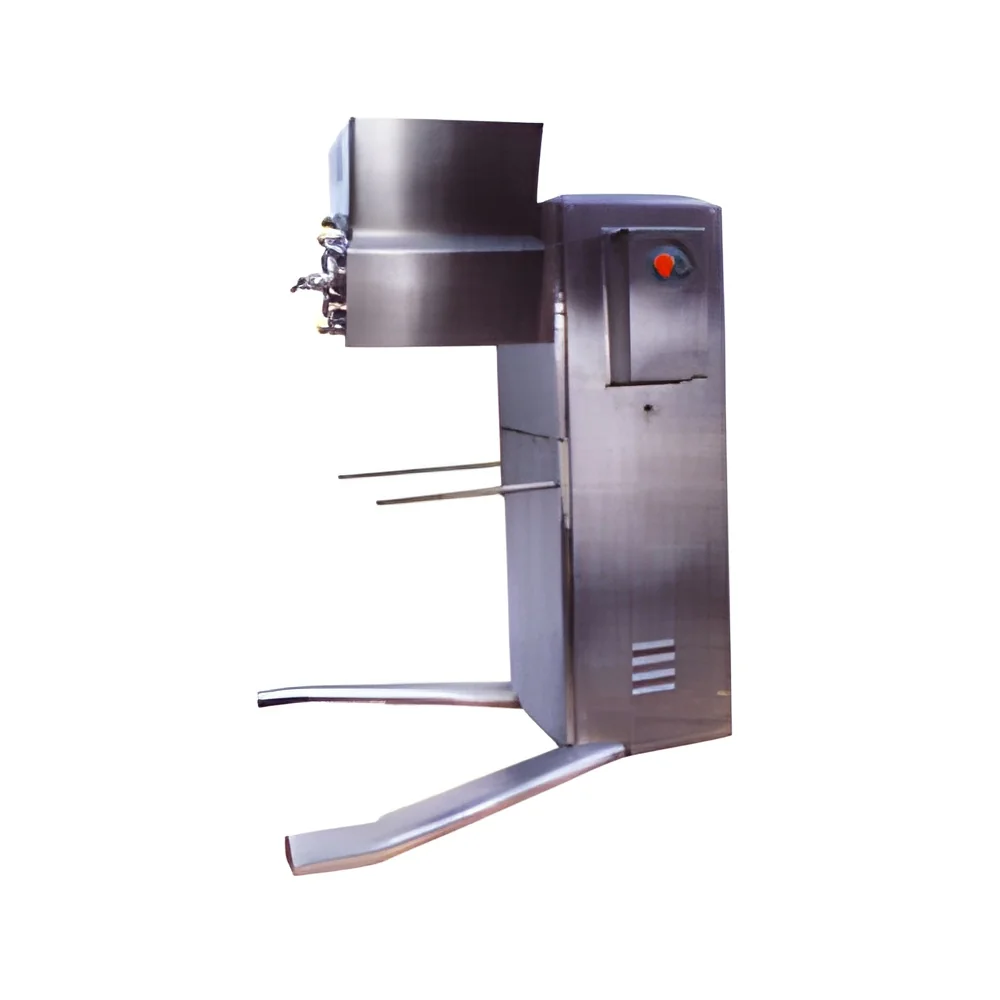
 India
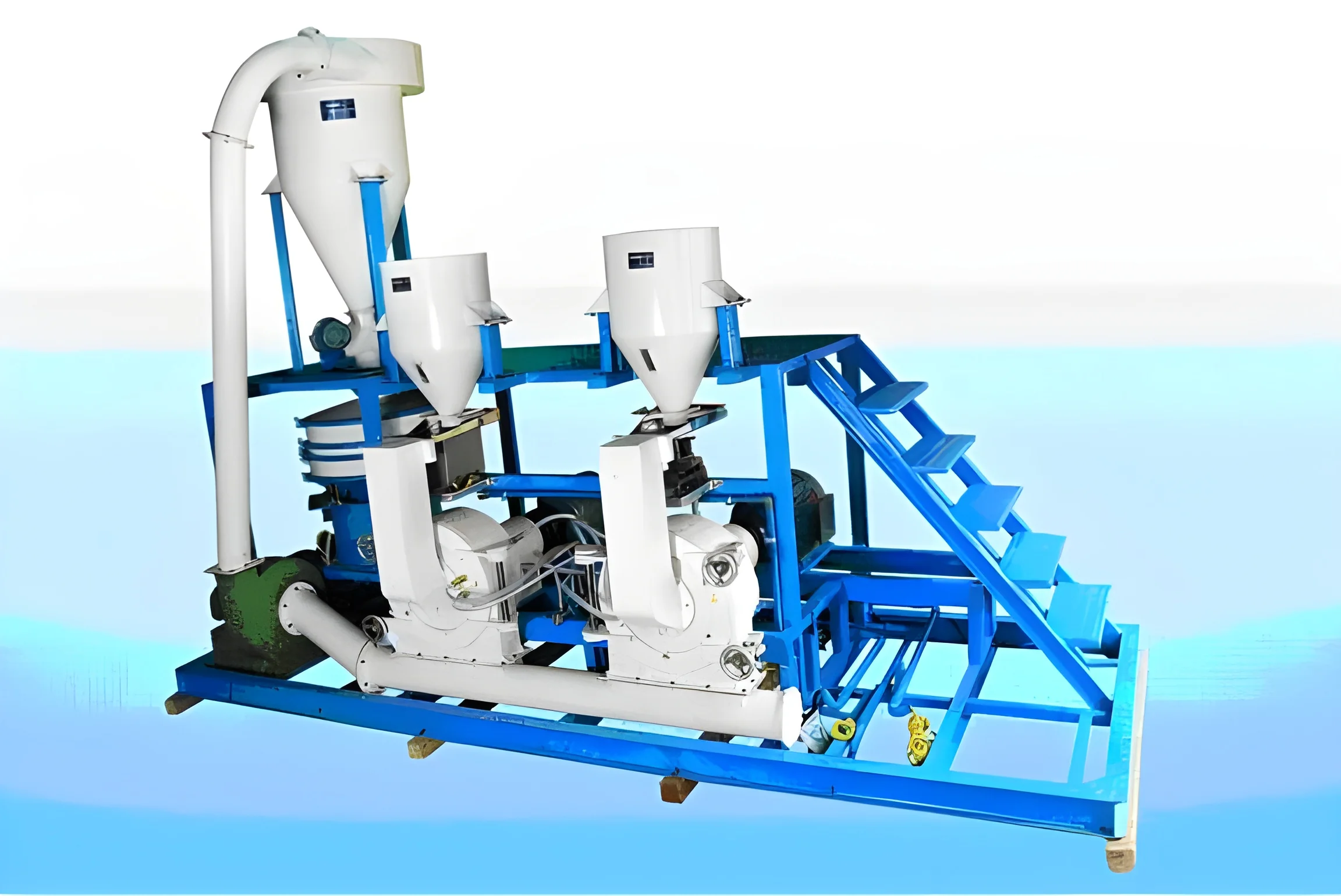 India
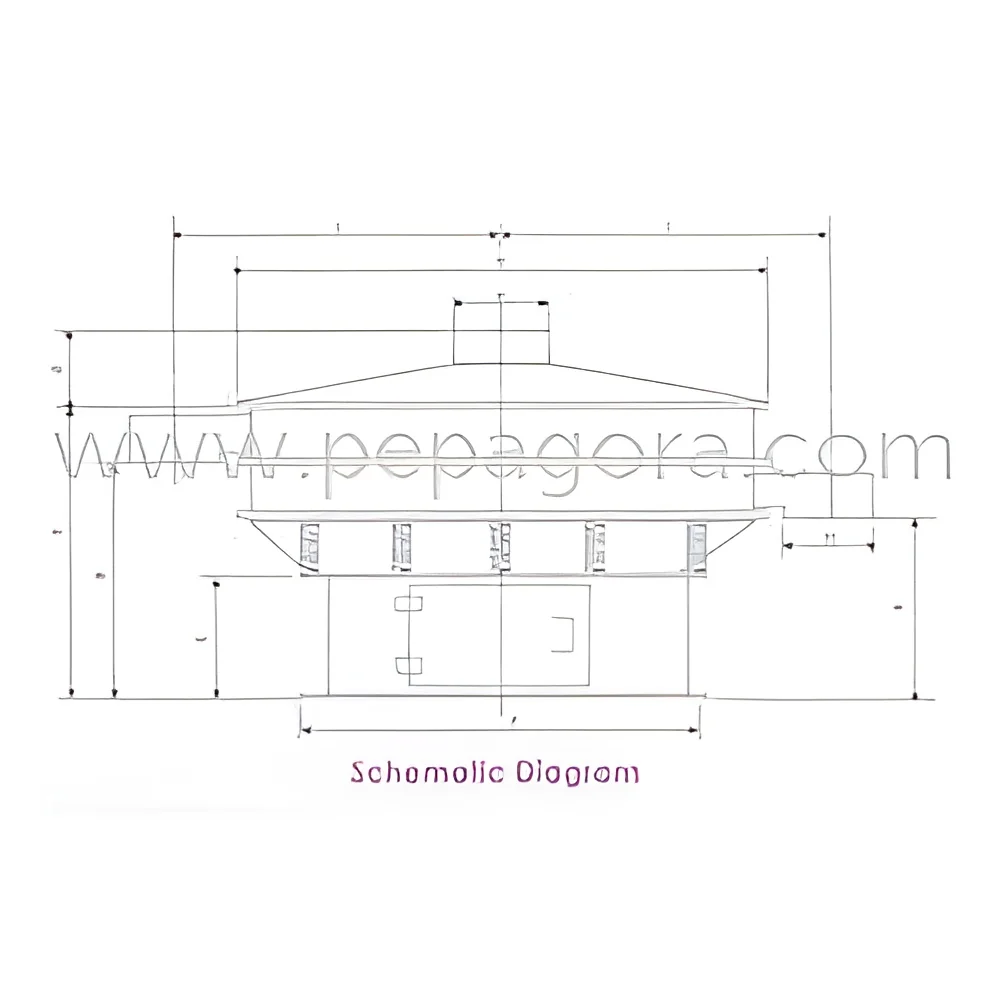
Frequently Asked Questions
What are Plastic Granulators?
Plastic Granulators are machines used to grind plastic materials into smaller granules or pellets. These granules can then be reused in various manufacturing processes, making them an essential component of recycling and plastic processing industries.
What are the different types of Plastic Granulators?
There are several types of Plastic Granulators, including beside-the-press granulators, central granulators, and heavy-duty granulators. Each type is designed for specific applications, with variations in capacity, size, and intended use in the recycling process.
How do I choose the right Plastic Granulators?
Selecting the right Plastic Granulators depends on factors such as the type of plastic being processed, the desired output size, and production volume. It is also important to consider the machine's efficiency, durability, and maintenance requirements.
What are the standard specifications for Plastic Granulators?
Standard specifications for Plastic Granulators typically include technical details like motor power, feed opening size, and granule size output. Additionally, specifications may cover the machine's dimensions, weight, and throughput capacity.
What is the price range for Plastic Granulators?
The price range for Plastic Granulators can vary widely based on their features, capacity, and manufacturer. Generally, prices may start from a few thousand rupees for smaller models and can go up to several lakhs for larger, more advanced machines.
What quality standards apply to Plastic Granulators?
Plastic Granulators should comply with industry quality standards such as ISO 9001, ensuring they meet safety and efficiency requirements. Manufacturers may also adhere to additional specifications based on regional regulations and customer needs.
Where can I find Plastic Granulators suppliers in India?
You can find Plastic Granulators suppliers in India through various online B2B marketplaces, trade shows, and industry directories. Websites like Pepagora.com provide a comprehensive list of manufacturers and suppliers specializing in plastic granulation equipment.
Can Plastic Granulators be customized?
Yes, many manufacturers offer customization options for Plastic Granulators to meet specific operational requirements. Customizations may include adjustments in size, motor power, and additional features to enhance performance.
What is the typical minimum order quantity for Plastic Granulators?
The typical minimum order quantity (MOQ) for Plastic Granulators can vary by supplier, but it often ranges from one to five units. It's advisable to check directly with manufacturers for their specific MOQ requirements.
What is the typical lead time for Plastic Granulators?
The typical lead time for Plastic Granulators can range from a few weeks to several months, depending on the manufacturer and whether the units are made to order. Factors such as customization and production capacity can also affect delivery timelines.
Why Businesses Trust Pepagora
Thousands of companies trust Pepagora to source smarter and sell faster
Expand Your Sales Globally

Source Smarter,Grow Faster
