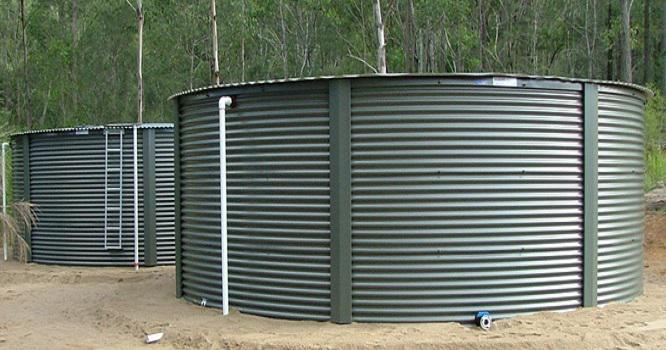
𝗪𝗵𝗮𝘁 𝗮𝗿𝗲 𝗢𝘃𝗲𝗿𝗵𝗲𝗮𝗱 𝗪𝗮𝘁𝗲𝗿 𝗧𝗮𝗻𝗸𝘀?
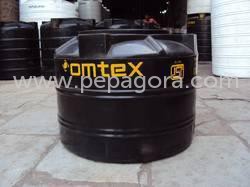
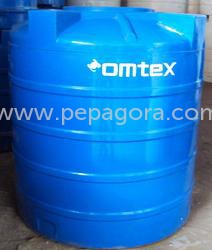
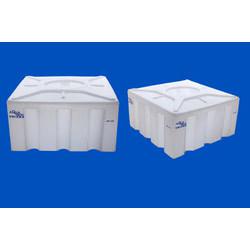
Overhead water tanks are storage solutions designed to hold and distribute water in various settings, primarily elevated above ground level. These tanks are typically made from materials such as fiberglass, polyethylene, or metal, ensuring durability and resistance to environmental factors. The elevated position enables gravity to facilitate water flow, making them essential for effective water supply systems in both urban and rural areas.
These tanks find extensive applications in residential, commercial, and industrial sectors. In residential settings, they provide a reliable water supply for daily needs, while in commercial environments, they support operations like irrigation, fire safety systems, and cooling processes. Industries such as agriculture, manufacturing, and hospitality depend on overhead water tanks for efficient water management. Given the growing demand for water storage solutions and the increasing need for water conservation, the market for overhead water tanks continues to expand, reflecting their significance in modern infrastructure.
𝗞𝗲𝘆 𝗙𝗲𝗮𝘁𝘂𝗿𝗲𝘀 𝗮𝗻𝗱 𝗦𝗽𝗲𝗰𝗶𝗳𝗶𝗰𝗮𝘁𝗶𝗼𝗻𝘀
Overhead water tanks come with a range of features and specifications that cater to diverse needs. Understanding these specifications can help buyers select the right products for their applications.
Key specifications include:
1. Material Type
- Common materials include fiberglass, polyethylene, and steel.
- Each material has unique properties regarding durability, weight, and cost.
2. Capacity
- Available in various sizes, typically ranging from 500 to 50,000 liters.
- Capacity selection should align with water demand and intended use.
3. Design and Shape
- Tanks are available in cylindrical, rectangular, or custom shapes.
- Selection depends on space availability and installation requirements.
4. Installation Type
- Options include ground-mounted or elevated installations.
- Elevated installations use gravity for water distribution.
5. Insulation
- Insulated tanks are available to minimize temperature fluctuations.
- Insulation can help maintain water temperature in extreme weather.
6. Accessory Features
- Many tanks come with features like vents, overflow pipes, and access hatches.
- These features enhance usability and maintenance.
7. Certifications
- Look for CE certification to ensure quality and safety standards.
- Compliance with local regulations is crucial for commercial applications.
8. Warranty Period
- Warranty periods typically range from 5 to 15 years.
- A longer warranty period often indicates better quality assurance.
In summary, selecting the right overhead water tank involves understanding its material, capacity, design, and additional features to meet specific needs.
𝗖𝗼𝗺𝗺𝗼𝗻 𝗔𝗽𝗽𝗹𝗶𝗰𝗮𝘁𝗶𝗼𝗻𝘀 𝗮𝗻𝗱 𝗨𝘀𝗲 𝗖𝗮𝘀𝗲𝘀
Overhead water tanks serve a multitude of industries, providing essential water management solutions.
1. Residential: In homes, overhead water tanks are vital for storing drinking water and meeting daily household needs. They ensure a consistent supply, especially in areas with fluctuating water pressure.
2. Agriculture: Overhead tanks support irrigation systems, enabling efficient water distribution for crops. They also facilitate water storage for livestock.
3. Manufacturing: Factories utilize these tanks for cooling systems, processing, and cleaning operations, ensuring uninterrupted water supply for production.
4. Hospitality: Hotels and restaurants rely on overhead water tanks for kitchen needs, guest services, and maintenance, ensuring a steady water flow.
5. Construction: Temporary overhead water tanks are often used at construction sites to provide water for mixing concrete and for worker hydration during projects.
6. Fire Safety: Many commercial buildings install overhead tanks to supply water for fire suppression systems, ensuring compliance with safety regulations.
7. Municipal Services: Local governments use overhead water tanks for community water supply, especially in areas lacking direct pipeline access.
𝗣𝗿𝗼𝗱𝘂𝗰𝘁 𝗩𝗮𝗿𝗶𝗮𝗻𝘁𝘀 𝗮𝗻𝗱 𝗦𝘂𝗯𝗰𝗮𝘁𝗲𝗴𝗼𝗿𝗶𝗲𝘀
Overhead water tanks come in various types to meet specific needs based on design, material, and application.
Polyethylene Tanks
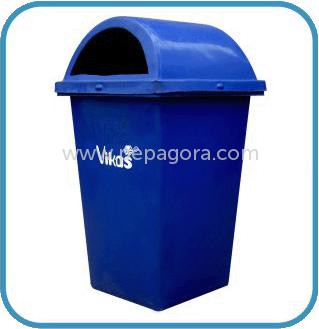
These tanks are lightweight, corrosion-resistant, and ideal for residential and commercial use. They are available in various colors and sizes, making them versatile for different installations.
Fiberglass Tanks
Known for their durability and resistance to extreme weather, fiberglass tanks are suited for agricultural and industrial applications. They are often used in environments where temperature control is essential.
Steel Tanks
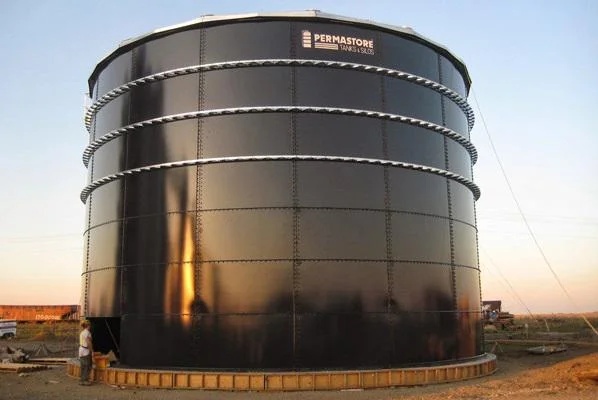
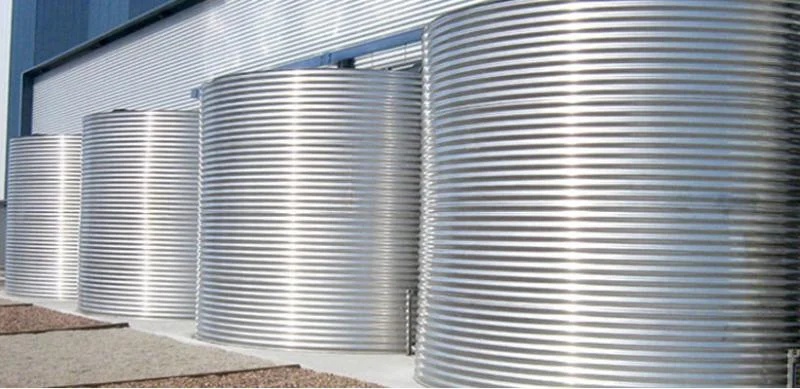
Steel tanks offer high strength and longevity, making them suitable for large-scale applications. They are commonly used in industrial settings and have the capacity to store large volumes of water.
Concrete Tanks
These tanks provide significant structural integrity and are often used for municipal water storage. They are typically more permanent solutions, ideal for areas with high water demand.
𝗕𝗲𝗻𝗲𝗳𝗶𝘁𝘀 𝗮𝗻𝗱 𝗔𝗱𝘃𝗮𝗻𝘁𝗮𝗴𝗲𝘀
Investing in overhead water tanks offers numerous advantages for businesses and homeowners.
1. Efficient Water Storage: Overhead tanks maximize storage capacity while utilizing vertical space, helping manage water supply effectively.
2. Gravity-Driven Flow: The elevated design allows for gravity-driven water distribution, reducing energy costs associated with pumping systems.
3. Versatility: Available in various materials and sizes, overhead tanks can be customized to fit different applications and environments.
4. Cost-Effective: Long-term benefits include reduced water purchase costs and lower infrastructure investment compared to other water storage solutions.
5. Easy Maintenance: Many overhead tanks are designed with features that facilitate maintenance and cleaning, ensuring water quality is preserved.
6. Environmentally Friendly: By collecting rainwater or using recycled water, overhead tanks promote sustainable water usage practices.
𝗕𝘂𝘆𝗶𝗻𝗴 𝗚𝘂𝗶𝗱𝗲 𝗳𝗼𝗿 𝗕𝟮𝗕 𝗕𝘂𝘆𝗲𝗿𝘀
When sourcing overhead water tanks, several factors should be considered to ensure the best purchase decision.
1. Quality Assessment: Inspect the tank materials, construction quality, and durability. Look for certifications that indicate compliance with industry standards.
2. Supplier Verification: Vet suppliers by checking their reputation, experience, and customer reviews. A reliable supplier will have a proven track record in delivering quality products.
3. Pricing and MOQ: Understand the pricing structure and minimum order quantities. Consider bulk purchasing for cost savings while ensuring your needs are met.
4. Delivery and Lead Times: Confirm delivery schedules and lead times to align with your project timelines. Timely delivery is crucial for construction and operational planning.
5. Compliance Requirements: Ensure that the tanks meet local regulations and industry standards. Compliance is essential for safety and longevity of use.
𝗖𝗼𝗺𝗽𝗹𝗶𝗮𝗻𝗰𝗲 𝗮𝗻𝗱 𝗖𝗲𝗿𝘁𝗶𝗳𝗶𝗰𝗮𝘁𝗶𝗼𝗻𝘀
Overhead water tanks must adhere to specific quality standards and certifications to ensure safety and performance. ISO 9001 is a widely recognized standard that focuses on quality management systems, ensuring that products are manufactured consistently.
In addition, the CE certification indicates compliance with European safety standards, which is crucial for products sold in or exported to Europe. These certifications help guarantee that the tanks meet required safety and performance criteria.
Regular safety testing is also essential for overhead tanks. This includes checks for structural integrity and leak prevention. Buyers should also be aware of regional compliance requirements, which may vary by location and can include specific local regulations regarding water storage and safety.
𝗪𝗵𝘆 𝗦𝗼𝘂𝗿𝗰𝗲 𝗢𝘃𝗲𝗿𝗵𝗲𝗮𝗱 𝗪𝗮𝘁𝗲𝗿 𝗧𝗮𝗻𝗸𝘀 𝗳𝗿𝗼𝗺 𝗣𝗲𝗽𝗮𝗴𝗼𝗿𝗮?
Pepagora offers a trusted platform for sourcing overhead water tanks, providing several key advantages for B2B buyers.
Verified Supplier Network: Pepagora connects buyers with a robust network of verified suppliers, ensuring that you receive high-quality products from reputable manufacturers. This network allows for easy comparison of options and pricing.
Streamlined RFQ Process: The Request for Quotation (RFQ) process is designed to simplify procurement. Buyers can easily submit their requirements and receive competitive quotes, saving time in the sourcing process.
Trade Assurance and Support: Pepagora provides trade assurance that protects buyers during transactions. This support includes dispute resolution and guarantees on product quality, ensuring peace of mind in your purchase.
Regional Coverage: With extensive reach across India, the GCC, and Southeast Asia, Pepagora facilitates connections between buyers and suppliers in key markets. This regional coverage enables buyers to select from a diverse range of options tailored to local needs.

 IN
IN
 India
India