
 IN
Other Surgical Instruments
309 products available
What are Other Surgical Instruments?
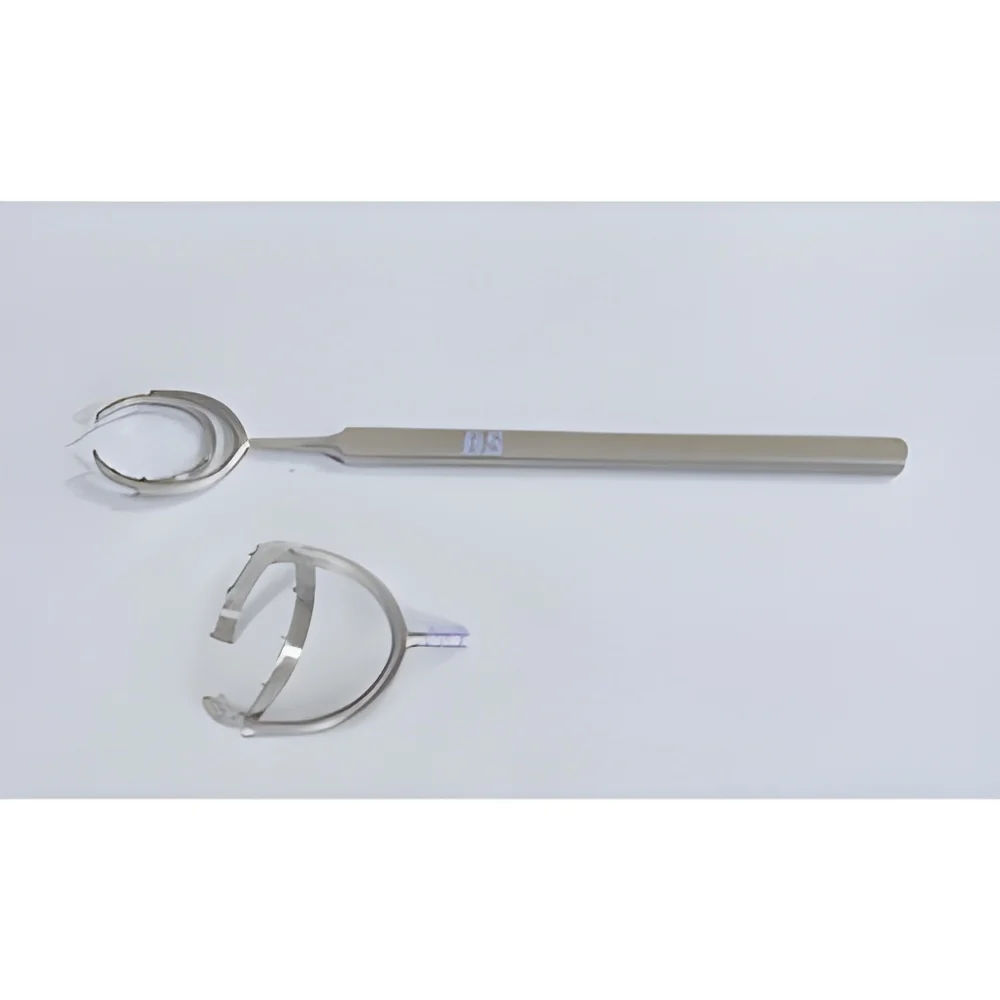
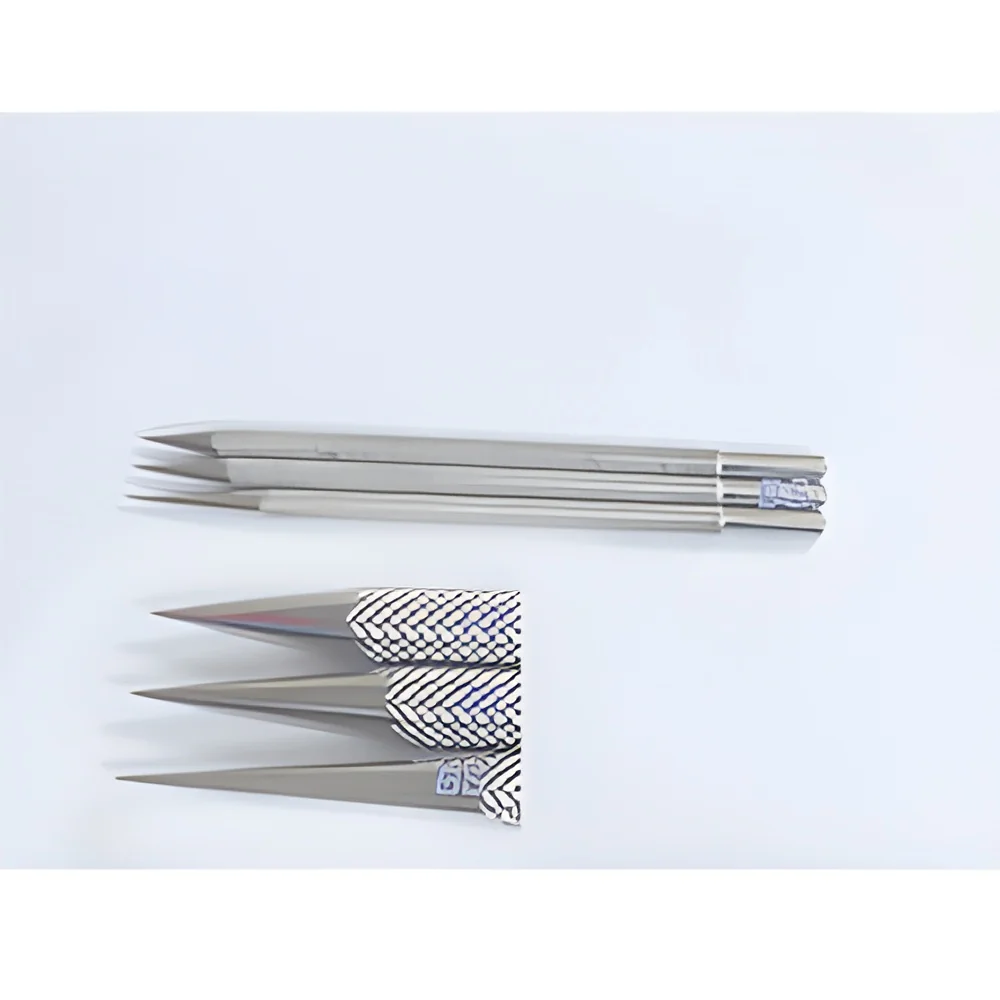
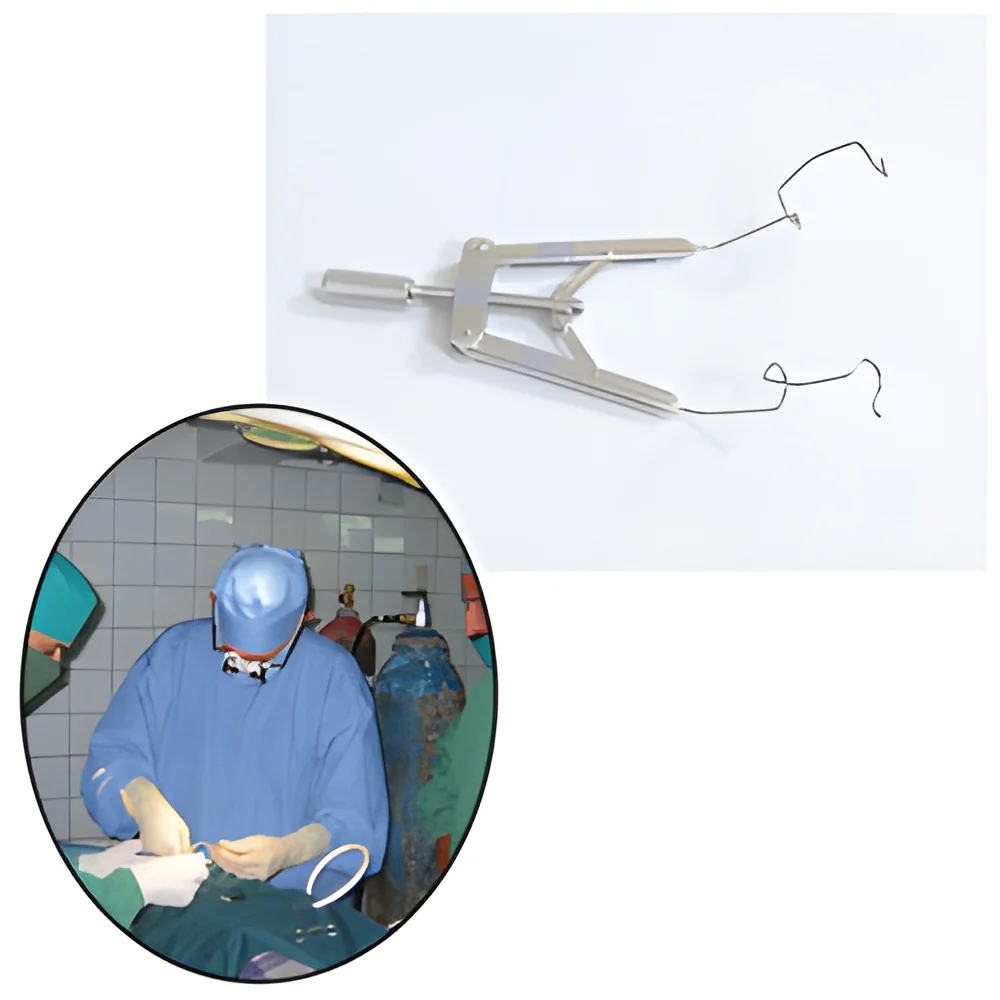
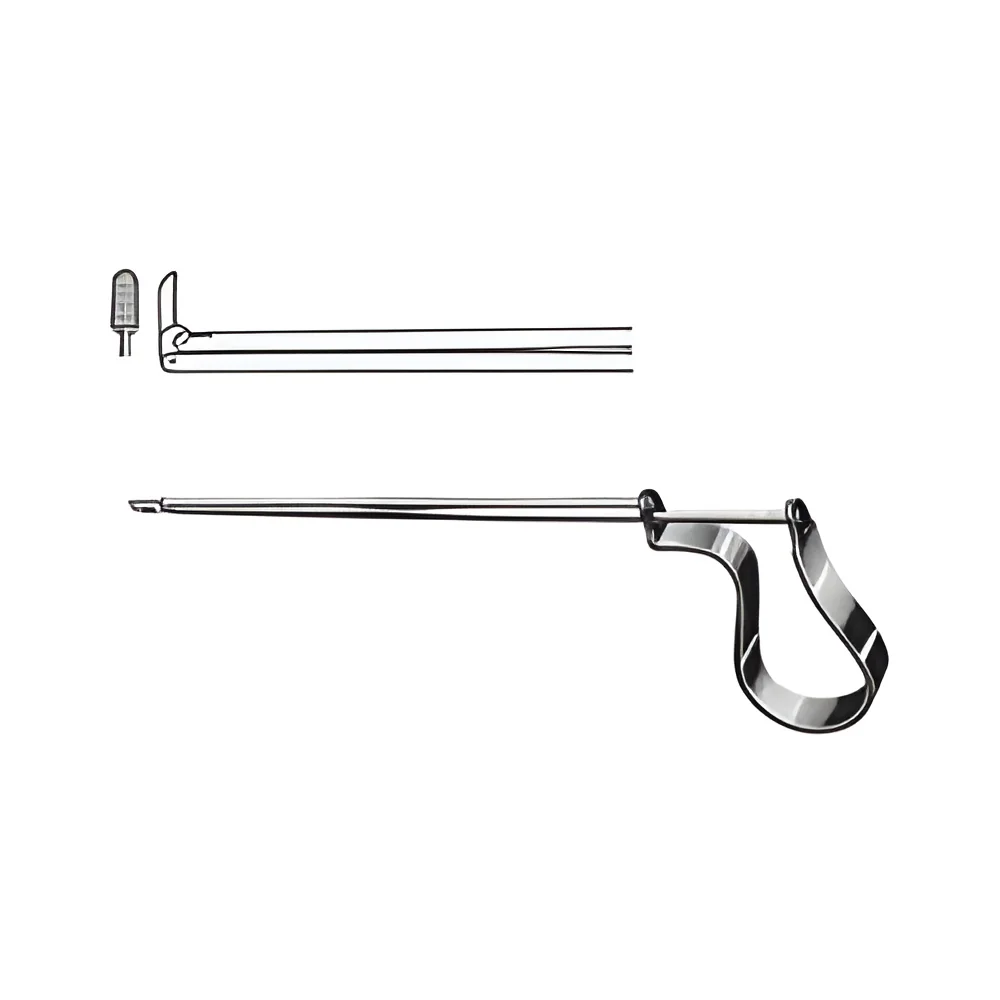
Other surgical instruments encompass a wide range of tools and devices used in various surgical procedures, excluding the more commonly recognized categories like scalpels, scissors, and forceps. These instruments can include specialized tools designed for specific functions in surgery, such as clamps, retractors, and suturing devices. They play a critical role in enhancing the efficiency and effectiveness of surgical practices, ensuring that medical professionals can perform procedures with precision and safety.
The primary uses of other surgical instruments vary significantly depending on the type of surgery being conducted. They are utilized for tasks such as holding tissues in place, providing access to surgical sites, or assisting in the closure of incisions. Hospitals, surgical centers, and clinics rely on these instruments to ensure optimal patient outcomes during surgical interventions. As the medical field continues to advance, the market for these instruments has grown, reflecting the increasing demand for specialized surgical solutions that meet the evolving needs of healthcare providers.
In terms of industry relevance, the market for surgical instruments is influenced by factors such as technological innovation, regulatory standards, and the rising prevalence of chronic diseases requiring surgical intervention. The demand for high-quality, reliable surgical instruments is paramount, driving manufacturers to continuously improve their offerings. This sector is critical for the overall effectiveness of surgical care, making the selection of appropriate instruments vital for healthcare organizations.
Key Features and Specifications
When evaluating other surgical instruments, several key features and specifications should be considered. These specifications provide insights into the quality, usability, and performance of the instruments, ensuring they meet the demands of various surgical applications.
Key specifications include:
1. Material Composition
- Instruments are typically made from stainless steel or other high-grade materials
- Ensures durability and resistance to corrosion
2. Sterilization Compatibility
- Instruments must withstand high-temperature sterilization methods
- Ensures compliance with safety and hygiene standards
3. Ergonomic Design
- Includes features that improve grip and handling
- Reduces the risk of hand fatigue during procedures
4. Size Variability
- Available in various sizes to accommodate different surgical needs
- Allows for customization based on specific procedures
5. Precision Engineering
- Instruments are designed to provide accurate and reliable performance
- Enhances surgical efficiency and patient safety
6. Ease of Maintenance
- Instruments should be easy to clean and maintain
- Ensures long-term usability and compliance with health standards
7. Weight Considerations
- Lightweight designs facilitate ease of use during prolonged surgeries
- Reduces strain on the surgeon and surgical team
8. Safety Features
- Instruments may include safety locks or mechanisms to prevent accidental injuries
- Enhances overall user safety during surgical procedures
These specifications highlight the importance of selecting high-quality instruments tailored to the specific requirements of surgical applications.
Common Applications and Use Cases
Other surgical instruments serve a diverse range of industries, catering to the unique needs of each sector.
1. Healthcare: In hospitals and surgical centers, these instruments assist in various surgical procedures, from orthopedics to general surgery, ensuring precision and effectiveness during operations.
2. Veterinary Medicine: Veterinary surgeons use specialized instruments for animal surgeries, requiring tools that are tailored to different species and their anatomical structures.
3. Dental Practices: Dental surgeons utilize specific surgical instruments for oral surgeries, including tooth extractions and implants, which require precision and care.
4. Cosmetic Surgery: In the cosmetic and plastic surgery fields, other surgical instruments play a vital role in procedures that demand high levels of accuracy and aesthetic results.
5. Research Institutions: Surgical instruments are essential in research laboratories for experimental procedures, requiring tools that meet strict standards for safety and reliability.
6. Military Medicine: In field hospitals, other surgical instruments are crucial for emergency surgeries, where portability and efficiency are of utmost importance.
7. Rehabilitation Centers: Instruments used in post-surgical rehabilitation can aid in recovery processes, making them essential in comprehensive patient care.
Product Variants and Subcategories
The diversity of other surgical instruments allows for a variety of product variants, each tailored to specific surgical needs.
Surgical Clamps
These instruments are designed to hold tissues and organs in place during surgical procedures. They provide stability and access to critical areas, making them indispensable in many surgeries.
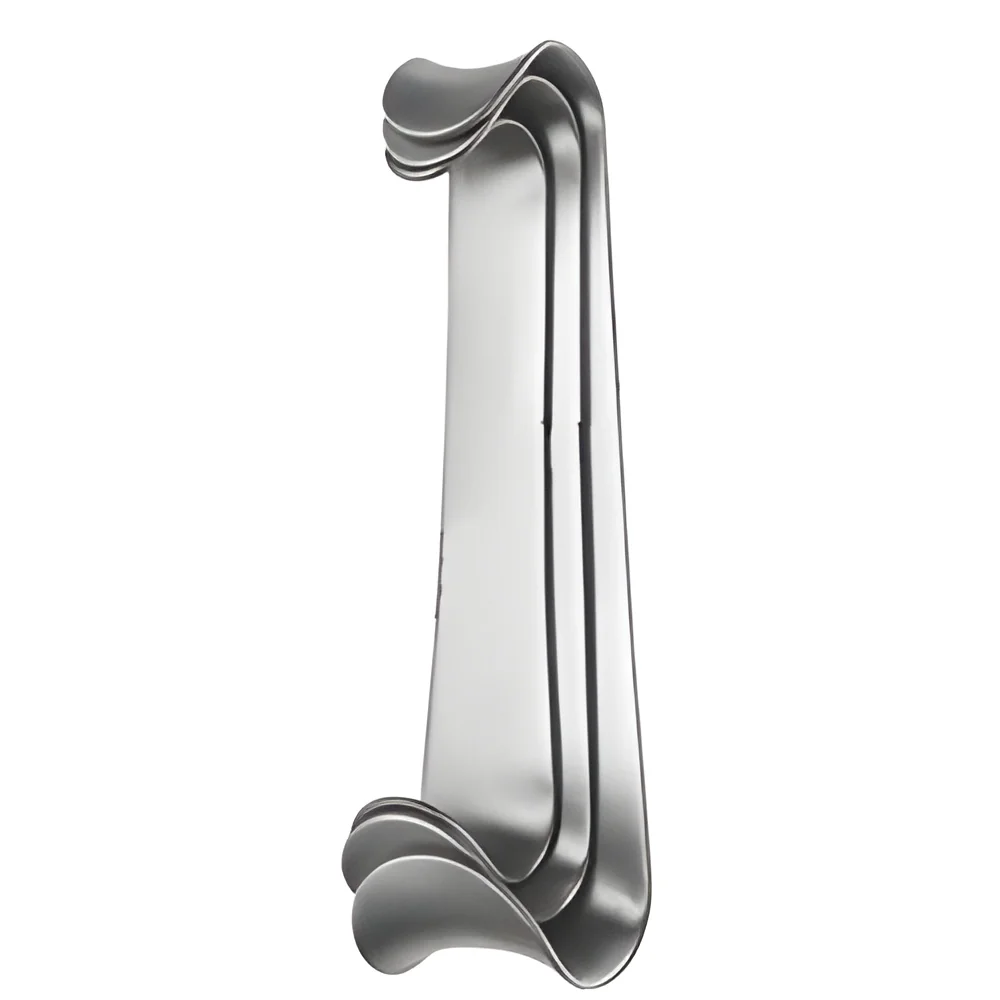
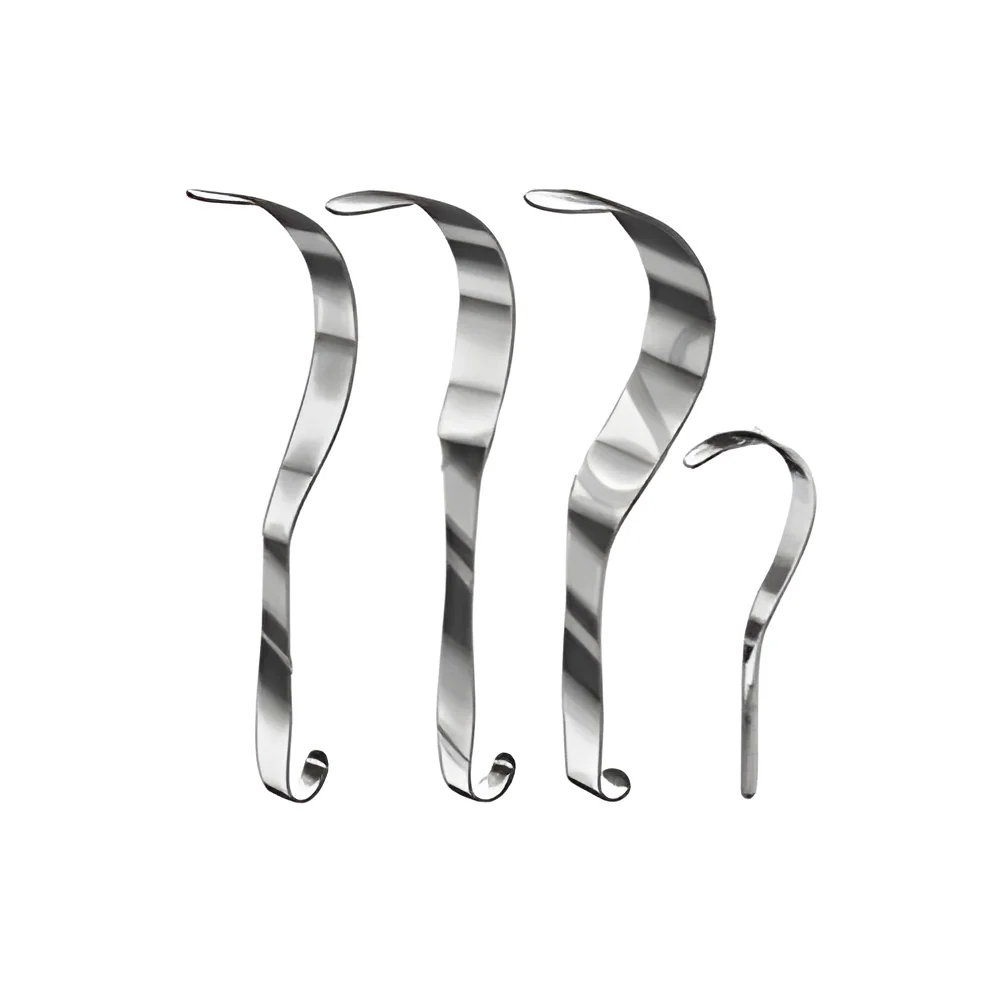
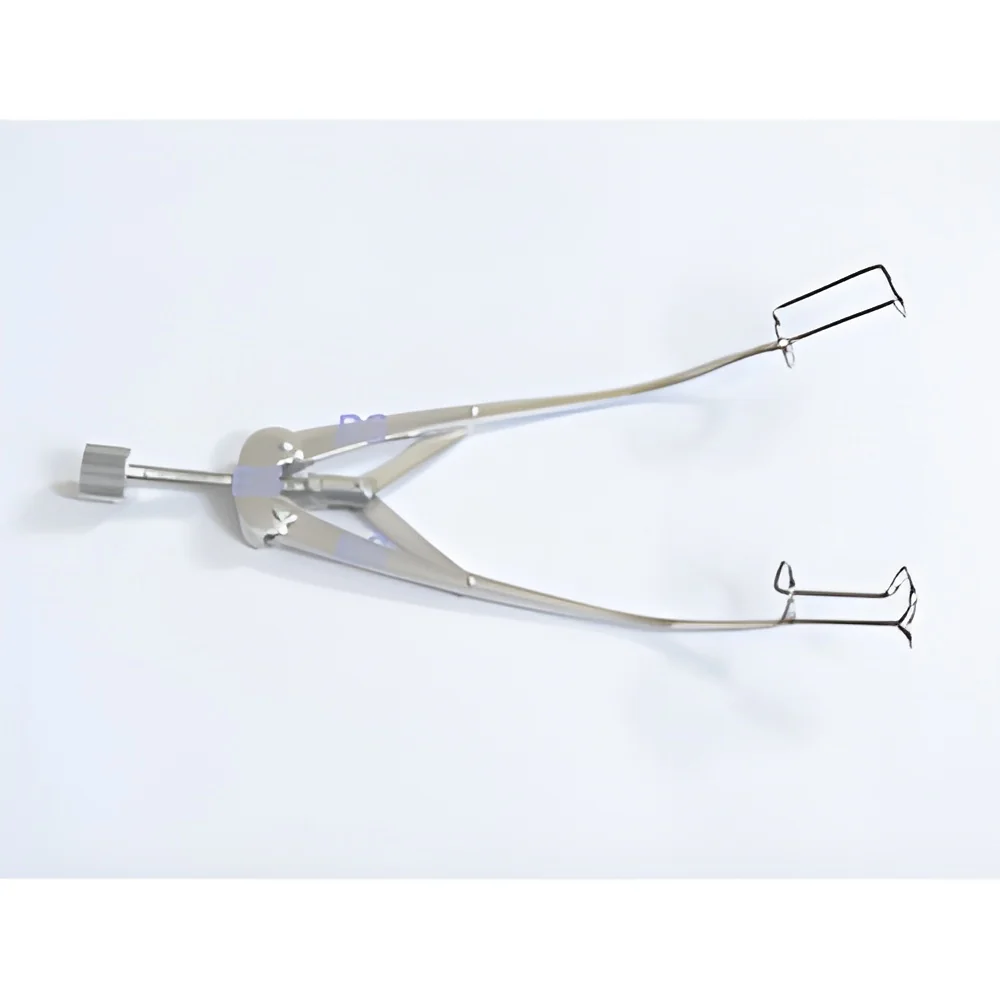
Surgical Retractors
Retractors are used to hold back tissues during surgery, providing a clear view of the surgical site. They come in various shapes and sizes to accommodate different types of procedures.
Suturing Devices
These instruments assist in closing wounds and incisions with precision. They are designed to facilitate the suturing process, ensuring secure and accurate closure.
Electrocautery Devices
Used to cut or coagulate tissue, these devices enhance surgical precision and reduce bleeding during operations. They are essential in many surgical disciplines.
Benefits and Advantages
The use of other surgical instruments offers numerous benefits that enhance surgical procedures and patient outcomes.
Key benefits include:
1. Improved Precision: These instruments are designed for accuracy, allowing surgeons to perform delicate operations with confidence.
2. Enhanced Safety: High-quality surgical instruments minimize the risk of accidents and injuries, promoting a safer surgical environment.
3. Increased Efficiency: Specialized instruments streamline the surgical process, reducing the time required for procedures and improving overall workflow.
4. Versatility: Other surgical instruments can be used in a variety of surgical procedures, making them valuable assets in any surgical setting.
5. Durability: Made from robust materials, these instruments are built to last, resulting in lower replacement costs over time.
6. Compliance with Standards: High-quality surgical instruments meet stringent regulatory requirements, ensuring safety and reliability in medical environments.
Buying Guide for B2B Buyers
When sourcing other surgical instruments, it is important for B2B buyers to consider several key factors to ensure they make informed purchasing decisions.
1. Quality Assessment: Evaluate the materials and manufacturing processes used in the production of instruments. Look for items that meet industry standards and are backed by certifications.
2. Supplier Verification: Vet potential suppliers thoroughly. Check their reputation, request samples, and review customer feedback to ensure reliability and quality.
3. Pricing and MOQ: Understand the pricing structure and minimum order quantities. This helps in budgeting and ensures that you are receiving competitive offers.
4. Delivery and Lead Times: Discuss logistics and lead times with suppliers. Efficient delivery is critical to maintaining surgical schedules and operations.
5. Compliance Requirements: Ensure that the instruments comply with local and international regulations. This includes certifications and quality standards that must be adhered to within the healthcare sector.
Compliance and Certifications
Compliance and certifications are crucial in the surgical instruments industry to ensure safety and effectiveness. Relevant quality standards include ISO 9001, which indicates adherence to quality management systems. Additionally, CE certification is important for instruments sold within Europe, signifying that they meet EU safety, health, and environmental requirements.
Industry certifications often include assessments that verify the safety and efficacy of surgical instruments. Manufacturers must also comply with safety and testing requirements that ensure the instruments can withstand rigorous use in clinical settings.
Regional compliance considerations may vary, so it is essential for buyers to be aware of local regulations governing the use of surgical instruments in their specific markets. This ensures that all products sourced meet the necessary legal and safety standards.
Why Source Other Surgical Instruments from Pepagora?
Pepagora provides a trusted platform for sourcing other surgical instruments, offering several key advantages to B2B buyers.
Verified Supplier Network: Pepagora has established a network of verified suppliers, ensuring that buyers can trust the quality and reliability of the products they purchase. This network is essential for maintaining high standards in the healthcare industry.
Streamlined RFQ Process: The platform simplifies the request for quotation process, allowing buyers to quickly obtain competitive quotes from multiple suppliers. This efficiency helps businesses make timely purchasing decisions.
Trade Assurance and Support: Pepagora offers trade assurance, providing buyers with protection against potential issues with orders. Additionally, the support team is available to assist with any inquiries, ensuring a smooth purchasing experience.
Regional Coverage: With a strong presence in India, the GCC, and Southeast Asia, Pepagora facilitates access to a wide range of suppliers and products. This regional coverage helps buyers find the right surgical instruments tailored to their specific needs and local markets.

Frequently Asked Questions
What are Other Surgical Instruments?
Other Surgical Instruments refer to a diverse category of medical tools and devices that are utilized in surgical procedures but do not fall under the standard classifications of surgical instruments like scalpels or forceps. These instruments can include specialized tools designed for specific surgical tasks, varying from suturing devices to retractors and beyond.
What are the different types of Other Surgical Instruments?
The category of Other Surgical Instruments encompasses a wide range of tools, including but not limited to, hemostatic clamps, drainage tubes, surgical trays, and electrosurgical devices. Each type serves a unique function in supporting surgical procedures and enhancing the efficiency of the surgical team.
How do I choose the right Other Surgical Instruments?
Choosing the right Other Surgical Instruments involves assessing the specific needs of the surgical procedure, the type of surgery being performed, and the compatibility of the instruments with existing surgical tools. It is also essential to consider the quality and reliability of the instruments from reputable manufacturers.
What are the standard specifications for Other Surgical Instruments?
Standard specifications for Other Surgical Instruments typically include material quality, size, weight, and sterilization compatibility. Additionally, instruments should meet regulatory standards and be designed for ease of use and durability during surgical procedures.
What is the price range for Other Surgical Instruments?
The price range for Other Surgical Instruments can vary widely based on the type, brand, and quality of the instruments. Generally, prices can start from a few hundred Indian Rupees for basic instruments and can go up to several thousand Rupees for specialized or advanced surgical tools.
What quality standards apply to Other Surgical Instruments?
Other Surgical Instruments must adhere to various quality standards, including ISO certifications, CE marking, and compliance with local and international medical device regulations. These standards ensure that the instruments are safe, effective, and suitable for surgical use.
Where can I find Other Surgical Instruments suppliers in India?
You can find Other Surgical Instruments suppliers in India through B2B marketplaces like Pepagora, medical trade shows, and industry directories. Additionally, contacting manufacturers directly can provide insights into reputable suppliers and their product offerings.
Can Other Surgical Instruments be customized?
Yes, many manufacturers offer customization options for Other Surgical Instruments to meet specific surgical needs or preferences. Customization may include alterations in size, material, or design features to enhance functionality for particular procedures.
What is the typical minimum order quantity for Other Surgical Instruments?
The typical minimum order quantity (MOQ) for Other Surgical Instruments can vary by supplier and type of instrument. Generally, MOQs can range from a single unit for custom orders to hundreds of units for standard products, depending on the supplier's policies.
What is the typical lead time for Other Surgical Instruments?
The typical lead time for Other Surgical Instruments can vary based on the supplier, the complexity of the instruments, and whether they are in stock. Generally, lead times can range from a few days for readily available items to several weeks for custom or specialized instruments.
Why Businesses Trust Pepagora
Thousands of companies trust Pepagora to source smarter and sell faster
Expand Your Sales Globally

Source Smarter,Grow Faster
