IN
IN₹
Apparel & Fashion
Description
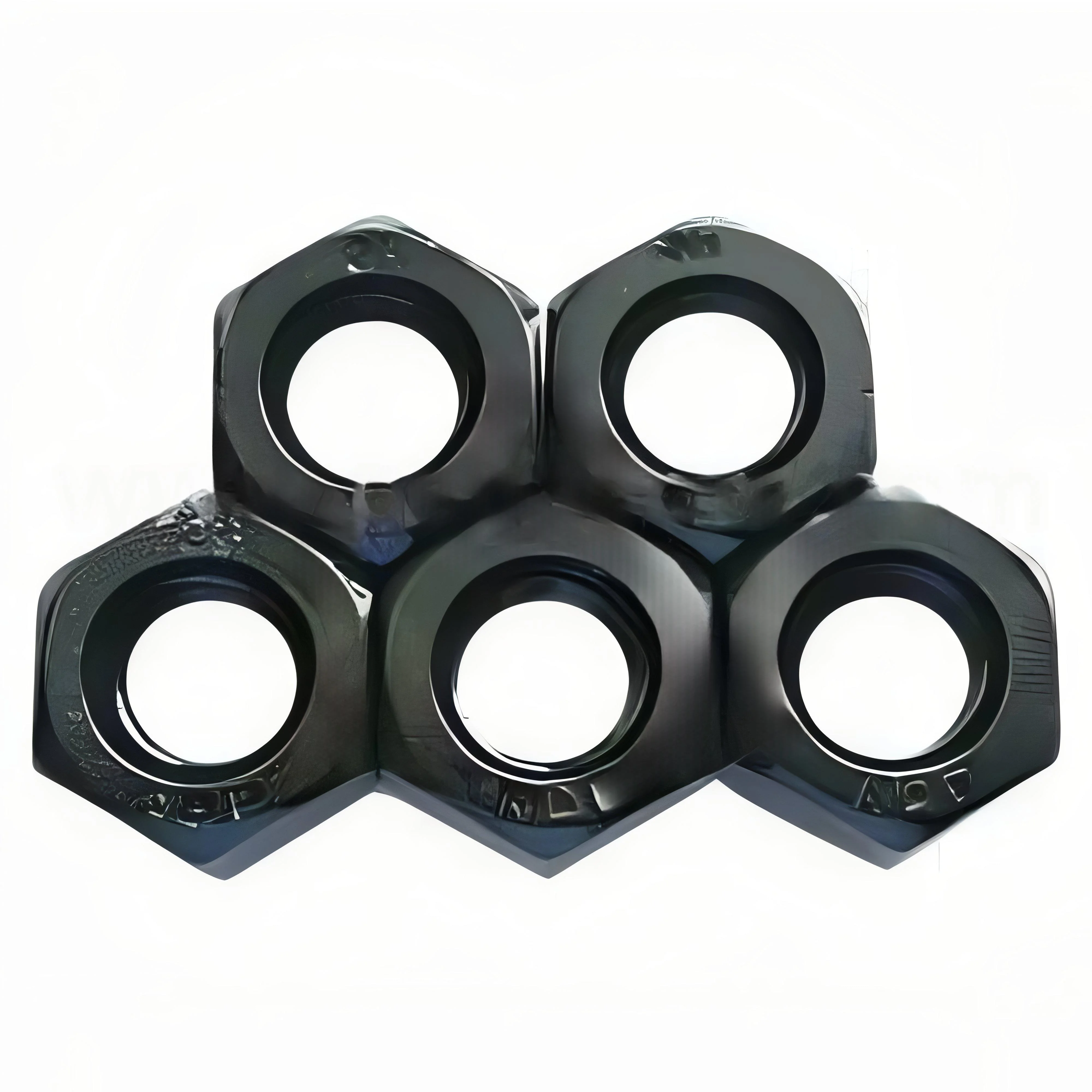
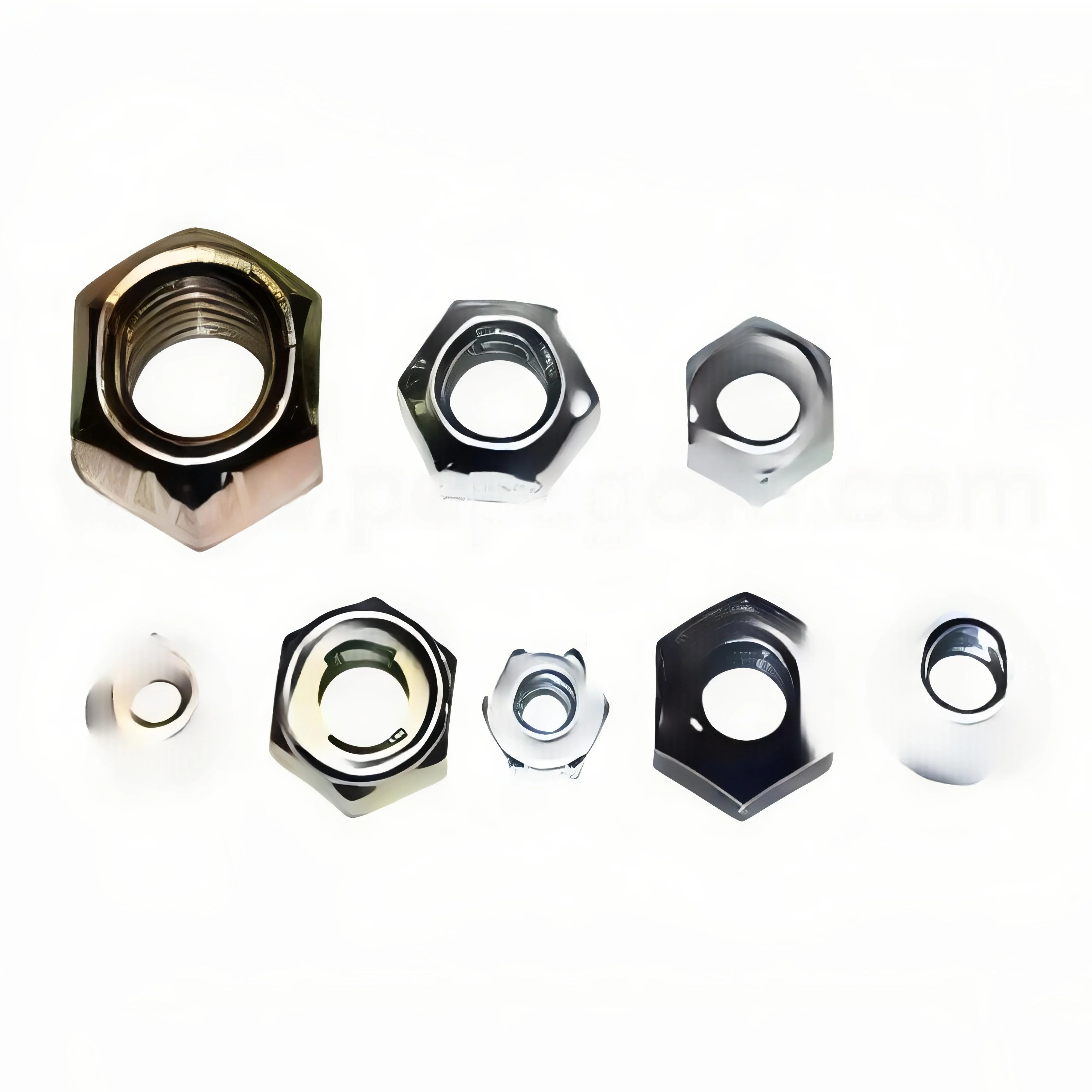
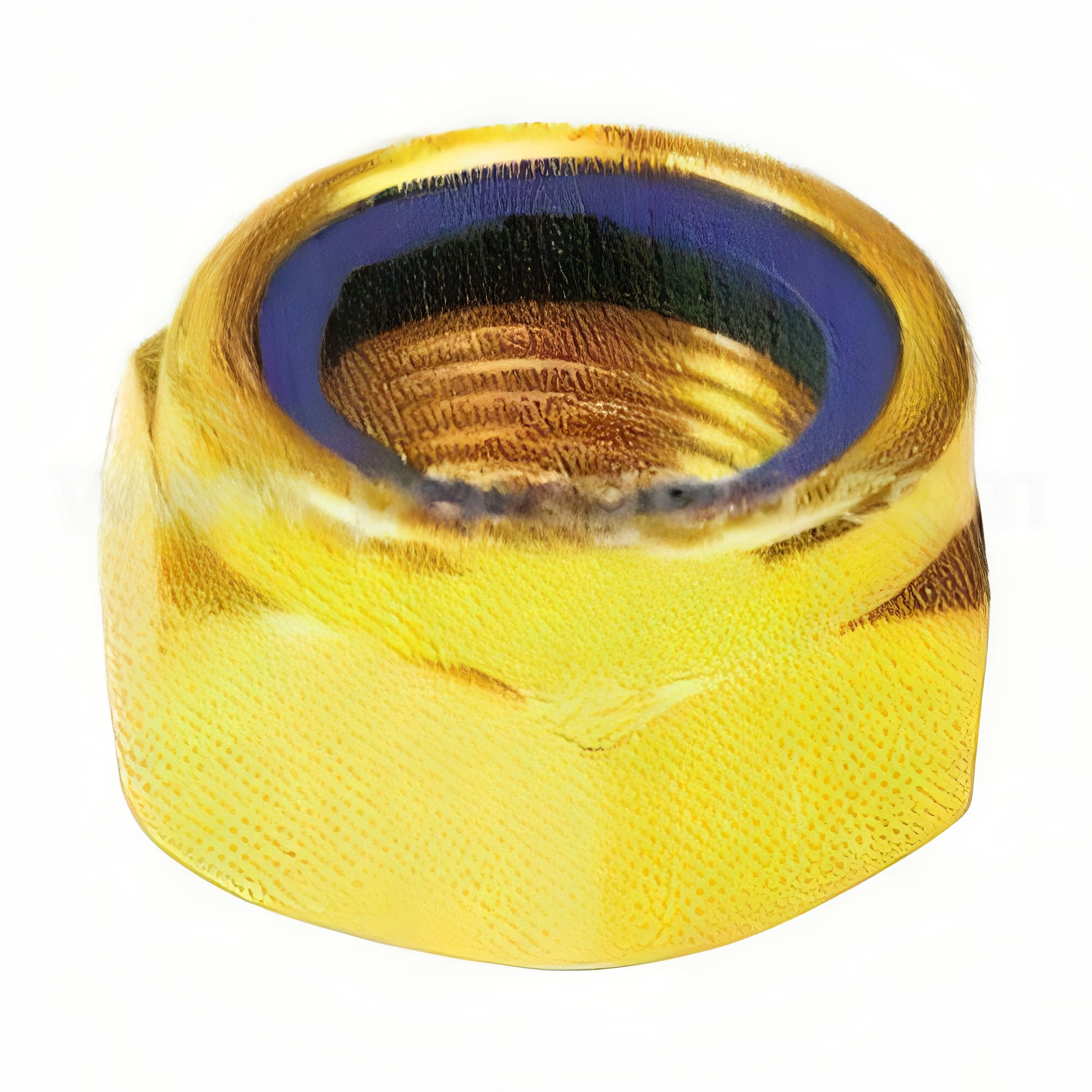
Industrial Nylock nuts are a specialized fastening solution designed to solve the critical problem of vibration-induced loosening in demanding environments. These premium fasteners feature a precisely engineered nylon ring insert that creates consistent friction against the bolt thread, generating a prevailing torque that actively resists rotational forces. Manufactured from high-grade materials with superior tensile strength, they maintain integrity across extreme temperature ranges and exposure to chemicals, oils, and environmental contaminants. This combination of intelligent mechanical design and robust material quality delivers reliable performance where safety and operational continuity are non-negotiable priorities for equipment manufacturers and maintenance teams.

These vibration-resistant nuts serve vital functions across multiple industrial sectors with stringent reliability requirements. Automotive manufacturers utilize them extensively in powertrain assemblies, suspension ...
Industrial Nylock nuts are a specialized fastening solution designed to solve the critical problem of vibration-induced loosening in demanding environments. These premium fasteners feature a precisely engineered nylon ring insert that creates consistent friction against the bolt thread, generating a prevailing torque that actively resists rotational forces. Manufactured from high-grade materials with superior tensile strength, they maintain integrity across extreme temperature ranges and exposure to chemicals, oils, and environmental contaminants. This combination of intelligent mechanical design and robust material quality delivers reliable performance where safety and operational continuity are non-negotiable priorities for equipment manufacturers and maintenance teams.

These vibration-resistant nuts serve vital functions across multiple industrial sectors with stringent reliability requirements. Automotive manufacturers utilize them extensively in powertrain assemblies, suspension systems, and braking components where constant motion would compromise standard fasteners. Aerospace applications depend on them for securing both structural elements and interior fittings in aircraft that experience significant vibration during operation. Heavy equipment producers incorporate them into agricultural machinery, construction vehicles, and industrial robots where operational vibrations are inherent. Construction engineers specify them for structural connections in buildings and bridges subject to dynamic loads, while electronics manufacturers rely on them to secure components in devices that experience movement or thermal cycling.

The business value of these industrial Nylock nuts extends beyond their immediate mechanical function to encompass broader operational advantages. Their proven reliability translates directly into reduced maintenance frequency, minimized unplanned downtime, and enhanced safety compliance across operations. For procurement and engineering teams, they offer predictable performance that simplifies specification processes and reduces quality assurance overhead. Their availability in standardized sizes and thread types ensures compatibility with existing equipment while meeting industry certification requirements. This combination of technical performance and practical benefits makes them a cost-effective solution that supports long-term operational efficiency and risk management for businesses operating in demanding environments.

Key Features:
- Nylon insert technology creates prevailing torque for superior vibration resistance
- High tensile strength construction from premium, heat-treated materials
- Excellent chemical resistance to oils, solvents, and industrial fluids
- Wide operating temperature range suitable for extreme environments
- Available in multiple standard sizes, thread pitches, and finish options

Benefits:
- Prevents loosening under vibration, reducing maintenance needs and safety risks
- Maintains secure connections through thermal cycles and dynamic loading
- Durable construction extends service life and reduces replacement frequency
- Standardized dimensions ensure compatibility with existing equipment and fasteners
- Reliable performance supports operational continuity and reduces downtime costs
Specifications
| Additional Information | |
|---|---|
| Country of Origin | India |
Application
Industrial Nylock nuts are engineered to maintain secure connections in environments where vibration and dynamic loads are constant challenges. Their unique nylon insert creates a prevailing torque that prevents loosening, ensuring critical assemblies remain intact through thermal cycles, mechanical stress, and operational wear. This reliability makes them essential components where fastener failure could lead to equipment damage, safety hazards, or costly downtime.
These specialized fasteners find extensive use across sectors that demand uncompromising safety and performance. From automotive engine compartments to aerospace structures, they provide consistent holding power where standard nuts would fail. Their chemical and temperature resistance allows deployment in diverse conditions, while their reusability offers practical advantages for maintenance and assembly operations where components require periodic inspection or replacement.
- Securing engine components, transmission systems, and chassis assemblies in automotive manufacturing
- Fastening structural elements, interior panels, and control systems in aircraft and aerospace equipment
- Assembling heavy-duty agricultural, construction, and mining machinery subjected to constant vibration
- Creating seismic-resistant connections in building frameworks, bridges, and infrastructure projects
- Mounting sensitive electronic components in industrial controls, robotics, and transportation systems
Trade Details
| Available Stock | In Stock |
| Sample Availability | No |
Payment Terms
| Payment Terms |
|
Company Profile
Saif Nut Bolts & Hardware, Maharashtra
 Maharashtra, India
Maharashtra, IndiaTools & Hardware•Trading Company•Distributor / Wholesaler
Factory Details
Factory SizeBelow 1000 sqm
Annual Production Capacity0
Industrial Nylock Nuts High Tensile Strength Vibration Resistant
Industrial Nylock Nuts provide high tensile strength and vibration resistance for secure fastening in demanding automotive, aerospace, and heavy machinery applications, ensuring long-term reliability and safety.
Min. Order Quantity: 1 unit
Shipping
Shipping fee and delivery date to be negotiated. Contact supplier now for more details.
Saif Nut Bolts & Hardware
 Maharashtra, India
Maharashtra, IndiaTools & HardwareTrading Company