
 IN
Nails (Common, Finishing, Roofing)
2 products available
Key Features and Specifications
When considering nails for various applications, it is essential to understand their key features and specifications. Nails differ in material, size, and design, impacting their performance in specific tasks.
Key specifications include:
1. Material
- Common nails are often made from steel and may be galvanized for corrosion resistance.
- Finishing nails can be made from stainless steel or copper to enhance their appearance and durability.
2. Length
- Common nails typically range from 1 inch to 6 inches.
- Finishing nails are usually available in lengths from 1 inch to 2.5 inches.
3. Diameter
- Common nails can vary in diameter, typically from 0.08 inches to 0.15 inches.
- Finishing nails have a smaller diameter, often between 0.06 inches to 0.09 inches.
4. Head Type
- Common nails have a flat head for easy driving.
- Finishing nails have a small, countersunk head to minimize visibility after installation.
5. Point Type
- Common nails feature a diamond point for easier penetration.
- Roofing nails usually have a larger, sharper point to penetrate roofing materials effectively.
6. Coating
- Galvanization is common for corrosion resistance in outdoor applications.
- Some nails may have a polymer coating for added durability.
These specifications help ensure that nails are suited for their intended application, providing strength and stability.
Common Applications and Use Cases
Nails serve a wide range of industries and applications, showcasing their versatility.
1. Construction: Common nails are widely used for framing, sheathing, and general construction tasks. They provide essential structural support in buildings.
2. Woodworking: Finishing nails are popular in cabinetry and furniture assembly. Their smaller head allows for a clean finish without visible fasteners.
3. Roofing: Roofing nails are critical for securing shingles and other roofing materials. Their design ensures durability and resistance to weather elements.
4. Manufacturing: Nails are used in assembly lines for various products, where quick and efficient fastening is required.
5. Home Improvement: DIY enthusiasts use nails for a variety of projects, including repairs and renovations, making them a staple in home improvement stores.
Product Variants and Subcategories
Nails come in various types to cater to specific needs in construction and manufacturing.
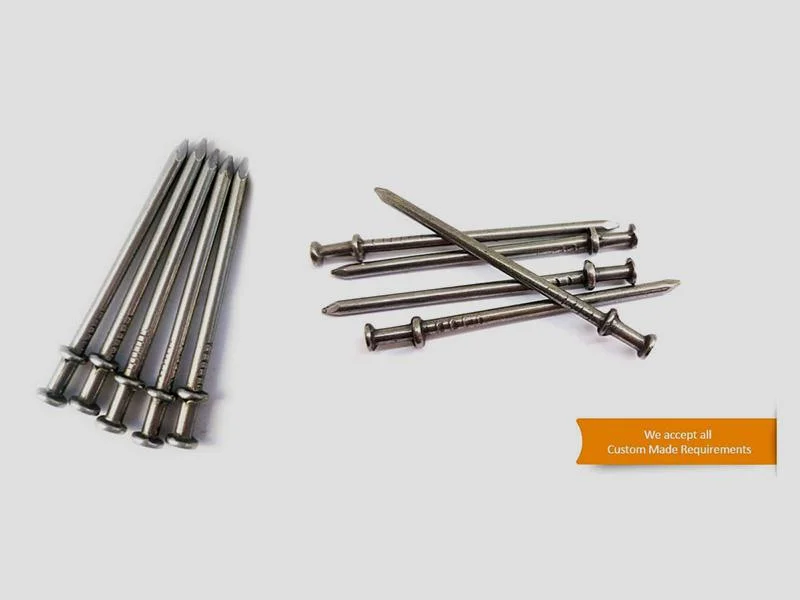
Common Nails: These are versatile fasteners used primarily in construction for framing and rough work. They have a larger head and are designed to hold heavier materials together.
Finishing Nails: These nails are designed for applications where aesthetics are essential. Their smaller heads allow them to be driven below the surface of the material, making them ideal for trim and molding work.
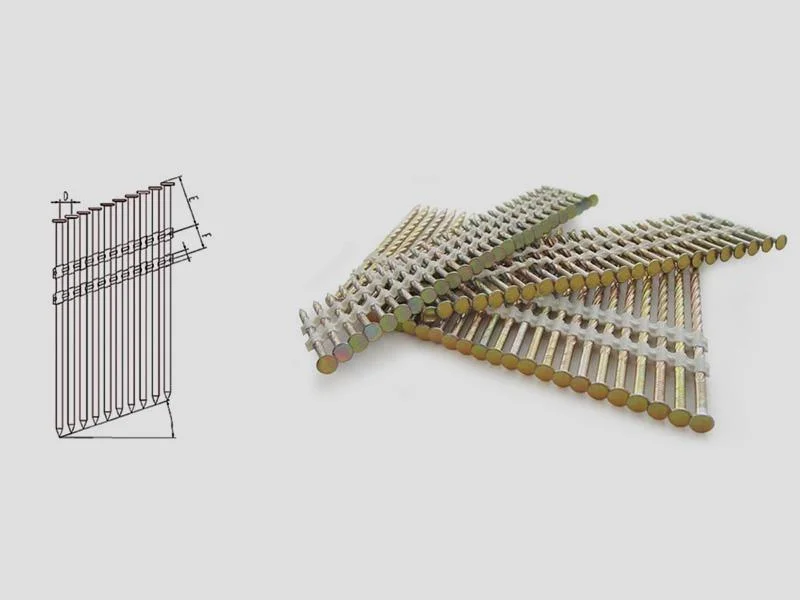
Roofing Nails: Roofing nails are specifically designed for securing roofing materials. Their larger head and sharp point ensure they penetrate roofing substrates effectively, providing a secure hold against wind and weather.
Benefits and Advantages
Choosing the right nails offers several advantages that enhance productivity and project outcomes.
1. Strength and Durability: Nails provide strong connections that can withstand heavy loads, making them ideal for structural applications.
2. Ease of Use: Nails can be quickly driven into materials, allowing for faster assembly compared to screws or bolts.
3. Cost-Effective: Nails are generally less expensive than other fastening options, making them a budget-friendly choice for large projects.
4. Versatility: With a variety of types available, nails can be used in numerous applications across different industries.
5. Aesthetic Appeal: Finishing nails offer a clean look without visible fasteners, improving the visual quality of woodworking projects.
6. Weather Resistance: Galvanized and specialized roofing nails resist corrosion, ensuring longevity in outdoor applications.
Buying Guide for B2B Buyers
When sourcing nails, it is essential for B2B buyers to consider several critical factors to ensure they make the right choice.
1. Quality Assessment: Look for nails that meet industry standards and specifications. Assess the material and coating to ensure durability in your specific application.
2. Supplier Verification: Vet suppliers to ensure they have a good reputation and can deliver quality products consistently. Check for customer reviews and industry certifications.
3. Pricing and MOQ: Understand the pricing structure and minimum order quantities. Compare prices across suppliers while ensuring quality is not compromised.
4. Delivery and Lead Times: Evaluate the logistics of delivery times and reliability. Timely delivery is crucial for maintaining project schedules.
5. Compliance Requirements: Be aware of any regulatory compliance needed for your industry. Ensure that the nails meet all necessary standards to avoid project delays or issues.
Compliance and Certifications
Compliance and certifications are vital in the nail manufacturing industry to ensure product quality and safety.
Manufacturers often adhere to quality standards such as ISO 9001, which ensures effective quality management systems. Compliance with these standards helps guarantee that products meet customer and regulatory requirements consistently.
Additionally, nails may carry industry certifications such as CE marking, indicating conformity with European health, safety, and environmental protection standards. This certification is crucial for businesses operating within the European market.
Safety and testing requirements are also essential, particularly for nails used in construction and roofing. Regular testing ensures that nails can withstand the stresses and demands of their applications.
Regional compliance considerations may vary, so it is important for businesses to understand the specific requirements within their operational regions.
Why Source Nails (Common, Finishing, Roofing) from Pepagora?
Pepagora offers a reliable platform for sourcing nails, providing numerous advantages that benefit B2B buyers.
Verified Supplier Network: Pepagora connects buyers with a network of verified suppliers, ensuring that you receive quality products from reputable manufacturers. This network helps mitigate risks associated with sourcing.
Streamlined RFQ Process: The Request for Quotation (RFQ) process on Pepagora simplifies the procurement journey. Buyers can easily compare prices and specifications from multiple suppliers to make informed decisions.
Trade Assurance and Support: Pepagora offers trade assurance, providing buyers with protection throughout the sourcing process. This support ensures that transactions are secure and satisfactory.
Regional Coverage: With a strong presence in India, GCC, and Southeast Asia, Pepagora provides access to a diverse range of suppliers and products. This broad geographic reach ensures that buyers can find the right nails for their specific needs, no matter where they are located.



Frequently Asked Questions
What are Nails (Common, Finishing, Roofing)?
Nails (Common, Finishing, Roofing) are fasteners used in various construction and woodworking applications. Common nails are used for general purposes, finishing nails provide a smooth surface for finishing work, and roofing nails are specifically designed for attaching roofing materials.
What are the different types of Nails (Common, Finishing, Roofing)?
The different types of Nails include Common Nails, which are large and used for framing; Finishing Nails, which are smaller and have a smaller head for a clean finish; and Roofing Nails, which have a larger head and are used to secure roofing materials. Each type serves a specific purpose in construction and carpentry.
How do I choose the right Nails (Common, Finishing, Roofing)?
Choosing the right Nails depends on the material you are working with and the specific application. Consider factors such as nail length, diameter, and material type, as well as whether you need a galvanized finish for outdoor use.
What are the standard specifications for Nails (Common, Finishing, Roofing)?
Standard specifications for Nails include diameter (measured in gauge), length (typically ranging from 1 inch to 6 inches), and material (such as steel or stainless steel). Specific standards may vary based on regional building codes and application requirements.
What is the price range for Nails (Common, Finishing, Roofing)?
The price range for Nails can vary based on type, size, and material. Generally, common nails may cost between INR 50 to INR 200 per kilogram, while finishing and roofing nails can range from INR 100 to INR 300 per kilogram.
What quality standards apply to Nails (Common, Finishing, Roofing)?
Quality standards for Nails include compliance with international and national standards such as IS (Indian Standards) for strength and durability. Manufacturers often conduct tests to ensure that their products meet these specifications.
Where can I find Nails (Common, Finishing, Roofing) suppliers in India?
You can find Nails suppliers in India through various online B2B marketplaces, such as Pepagora.com, which lists verified manufacturers and distributors. Additionally, local hardware stores and construction supply companies can be good sources.
Can Nails (Common, Finishing, Roofing) be customized?
Yes, Nails can often be customized based on specific requirements such as length, diameter, and coating. However, customization options may vary by manufacturer and may require a minimum order quantity.
What is the typical minimum order quantity for Nails (Common, Finishing, Roofing)?
The typical minimum order quantity (MOQ) for Nails can vary by supplier but often ranges between 500 to 1000 pieces or 25 to 50 kilograms. It is advisable to check with individual suppliers for their specific MOQs.
What is the typical lead time for Nails (Common, Finishing, Roofing)?
The typical lead time for Nails can range from 5 to 15 business days, depending on the supplier, order size, and availability of stock. Custom orders may require additional time for manufacturing.
Why Businesses Trust Pepagora
Thousands of companies trust Pepagora to source smarter and sell faster
Expand Your Sales Globally

Source Smarter,Grow Faster
