What are Leak Detectors?
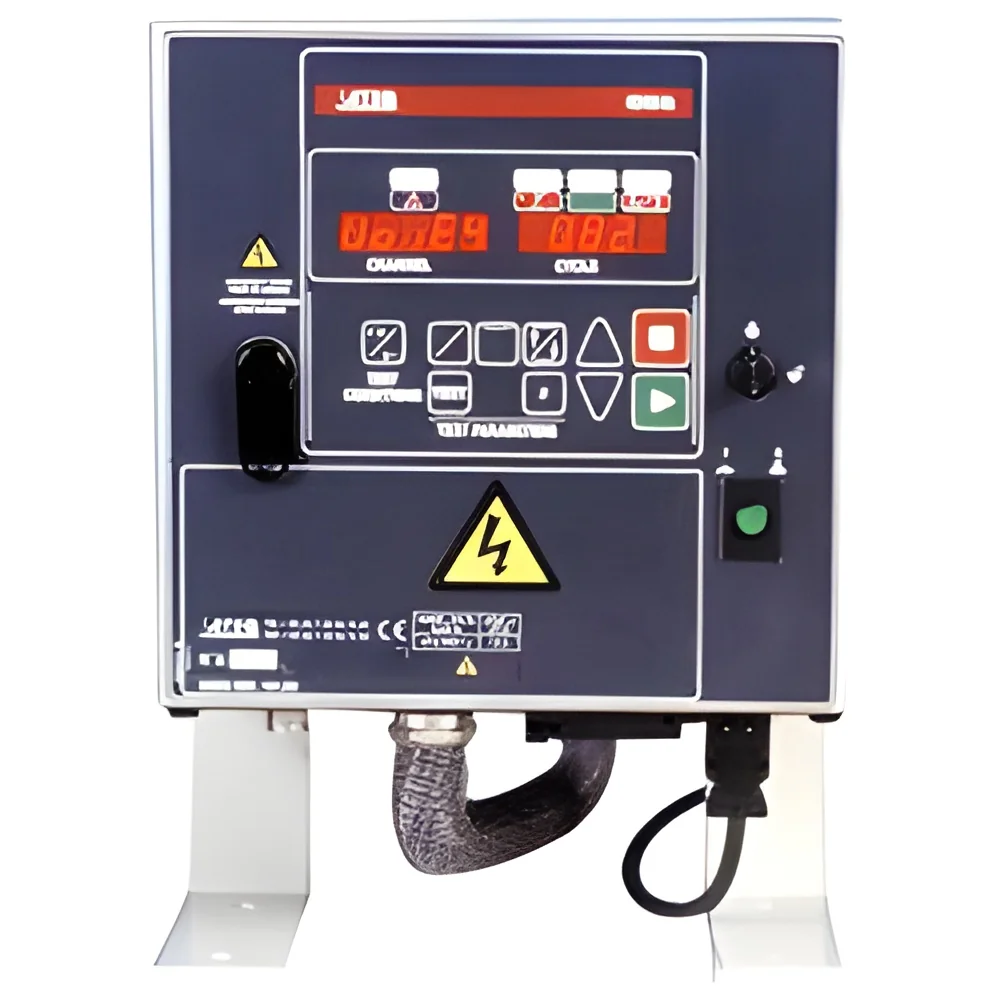
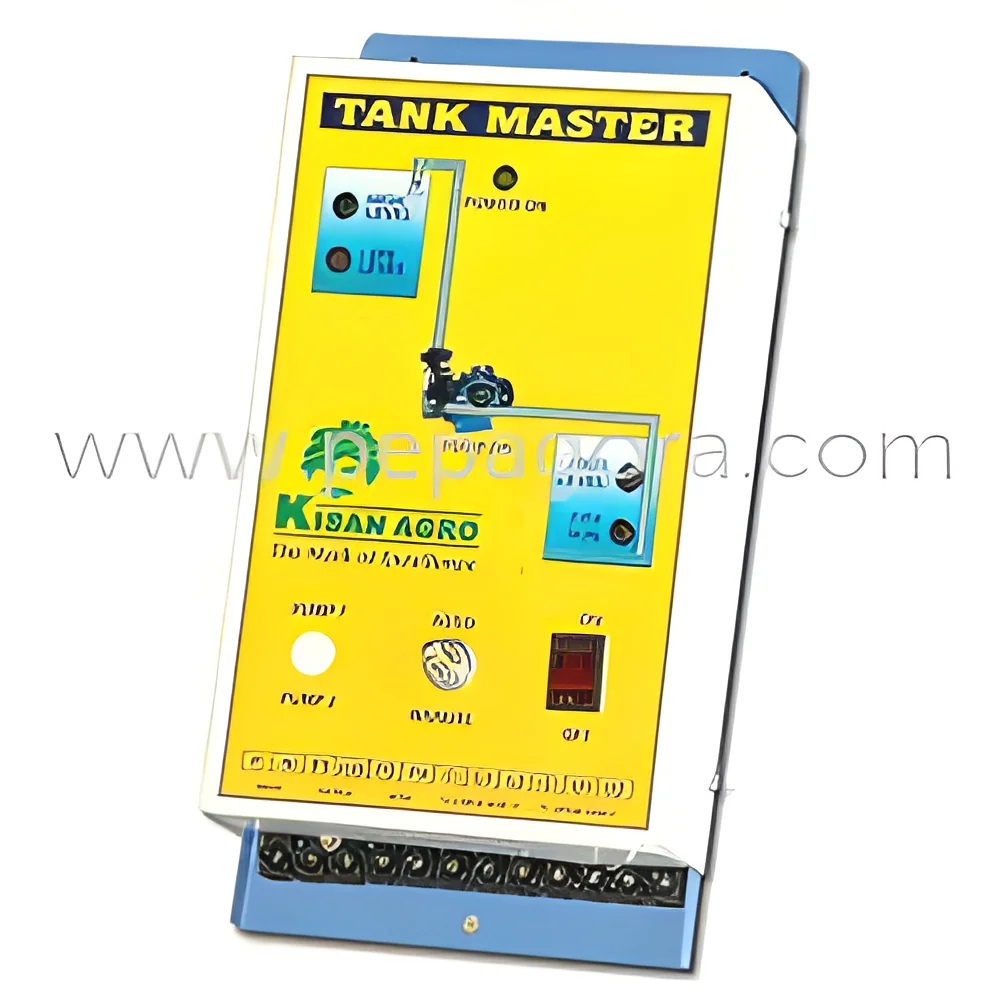
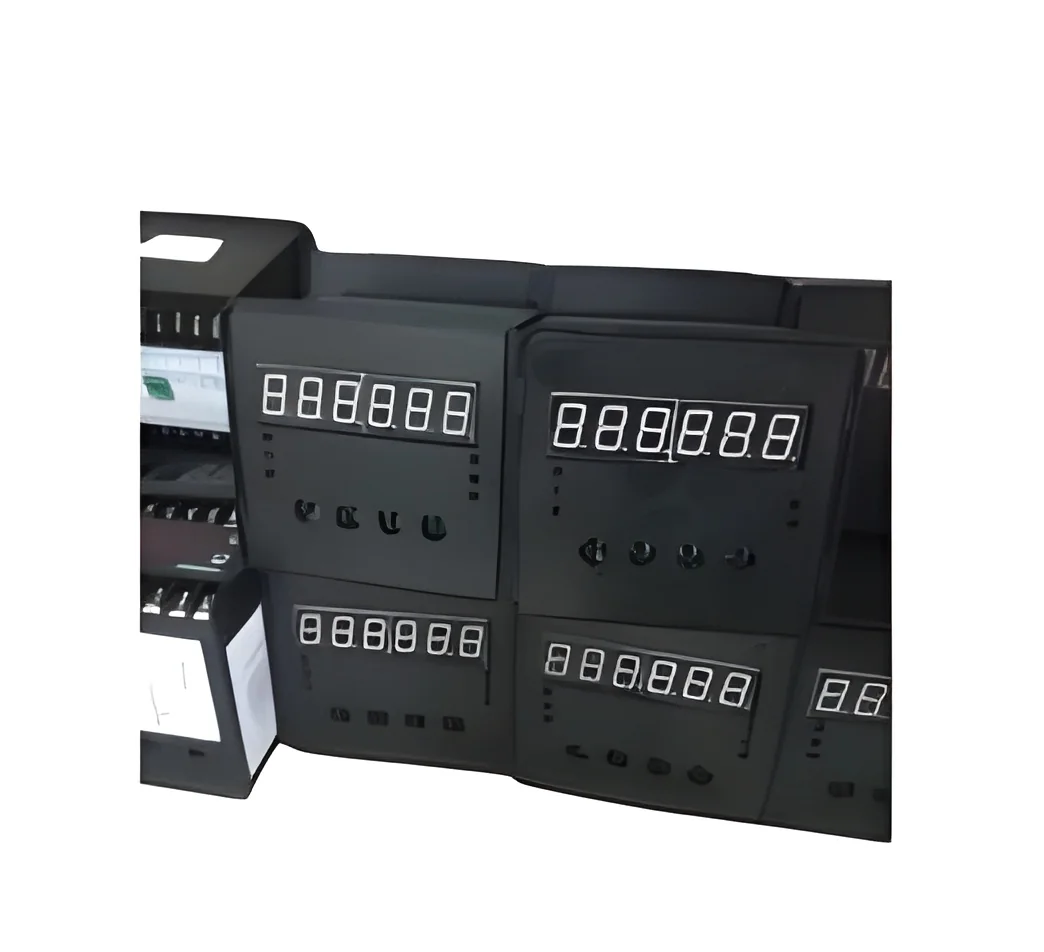
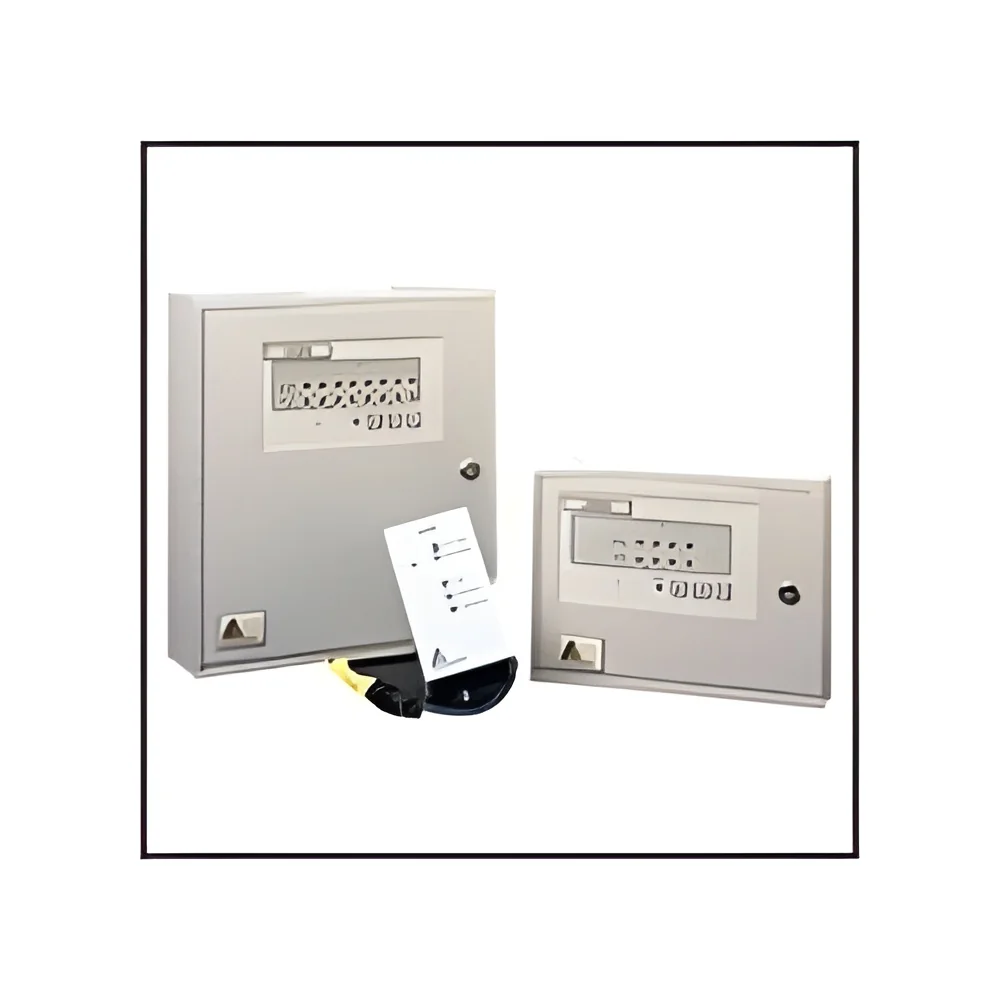
Leak detectors are specialized devices designed to identify the presence of leaks in various systems and environments. These devices can detect leaks of gases, liquids, or vapors, which may pose safety risks or lead to operational inefficiencies. By utilizing advanced sensing technologies, leak detectors provide real-time monitoring and alert users to potential issues, enabling prompt corrective actions.
The primary uses of leak detectors span numerous industries, including manufacturing, HVAC, pharmaceuticals, and food processing. In manufacturing settings, they are essential for maintaining equipment integrity and ensuring safety standards. In HVAC applications, leak detectors help monitor refrigerant levels, preventing costly environmental damage. The pharmaceutical and food industries rely on these devices to ensure compliance with health and safety regulations.
In today's market, the demand for leak detectors is growing due to increasing regulatory pressures and the need for enhanced safety measures. Industries are investing in leak detection technologies to safeguard their operations and protect against financial losses. The integration of smart technologies into leak detection systems is also shaping the future of these products, providing users with improved functionality and data insights.
Key Features and Specifications
Leak detectors are equipped with various key features that enhance their effectiveness and usability. Understanding these specifications is crucial for selecting the right device for your needs.
Key specifications include:
1. Detection Method
- Based on technologies such as ultrasonic, infrared, or electronic sensors
- Different methods are suited for specific applications and environments
2. Sensitivity Range
- The minimum concentration of gas or liquid that can be detected
- Varies by model; some can detect very small leaks
3. Response Time
- The time taken for the device to detect a leak and alert users
- Critical for applications requiring immediate action
4. Operating Temperature
- The range of temperatures within which the device can function effectively
- Important for environments with extreme conditions
5. Humidity Control
- The ability to operate in high-humidity environments
- Essential for certain industrial applications
6. Monitoring Features
- Capabilities such as continuous monitoring, data logging, and remote alerts
- Enhances operational efficiency and response time
7. Power Supply Options
- Battery-operated or AC-powered models available
- Flexibility in installation based on site requirements
8. Compliance Certifications
- Adherence to industry standards such as CE marking
- Ensures reliability and safety in operations
In summary, selecting the right leak detector involves evaluating these features and specifications to align with specific operational needs.
Common Applications and Use Cases
Leak detectors find applications across various sectors, addressing the unique requirements of each industry.
1. Manufacturing: In manufacturing plants, leak detectors are used to monitor equipment and pipelines for potential leaks, reducing downtime and ensuring safety compliance.
2. HVAC: These devices are crucial for HVAC systems to monitor refrigerant leaks, helping to maintain system efficiency and environmental compliance.
3. Pharmaceutical: In the pharmaceutical industry, leak detectors ensure that critical systems are leak-free to uphold product integrity and safety standards.
4. Food Processing: Food processing facilities rely on leak detectors to monitor storage tanks and pipelines, ensuring compliance with health regulations.
5. Oil and Gas: In oil and gas operations, leak detectors help identify leaks in pipelines and storage facilities, preventing environmental disasters.
6. Chemical Processing: These detectors are vital in chemical plants to monitor hazardous materials and mitigate safety risks.
7. Automotive: The automotive industry employs leak detectors to ensure the integrity of fuel lines and exhaust systems.
Product Variants and Subcategories
Leak detectors come in various models designed to cater to specific industrial needs.
Portable Leak Detectors: These compact devices are easy to transport and ideal for field applications. They provide quick and accurate leak detection in various environments.
Fixed Leak Detectors: Designed for permanent installation, fixed leak detectors continuously monitor specific areas. They are suitable for high-risk environments where ongoing surveillance is necessary.
Wireless Leak Detectors: These models utilize wireless technology for data transmission, allowing for remote monitoring and alerts. They are beneficial in hard-to-reach areas.
Infrared Leak Detectors: Utilizing infrared technology, these detectors can identify gas leaks accurately, making them suitable for various industrial applications.
Benefits and Advantages
Leak detectors offer numerous advantages that contribute to operational efficiency and safety.
1. Enhanced Safety: By detecting leaks early, these devices help prevent accidents and hazardous situations.
2. Cost Savings: Early leak detection can lead to significant savings by preventing equipment damage and reducing operational downtime.
3. Regulatory Compliance: Leak detectors assist businesses in meeting safety and environmental regulations, avoiding potential fines.
4. Increased Efficiency: Continuous monitoring allows facilities to operate more efficiently, minimizing waste and resource loss.
5. Improved Reputation: Companies that prioritize safety through leak detection can enhance their market reputation and customer trust.
6. Data Insights: Advanced leak detectors provide data that can be analyzed for better management and operational decisions.
Buying Guide for B2B Buyers
When sourcing leak detectors, it is essential for B2B buyers to consider several key factors to ensure they make informed purchasing decisions.
1. Quality Assessment: Evaluate the quality of the leak detector based on manufacturer reputation, customer reviews, and performance data. Reliable products are crucial for maintaining operational safety.
2. Supplier Verification: Vet suppliers to ensure they have a proven track record in providing leak detection solutions. Request certifications and references to confirm their reliability.
3. Pricing and MOQ: Consider the cost of the detectors and compare it with the minimum order quantity (MOQ) requirements. Ensure that pricing aligns with your budget while maintaining quality standards.
4. Delivery and Lead Times: Review the supplier's delivery capabilities and lead times. Reliable logistics are essential for timely implementation of leak detection solutions.
5. Compliance Requirements: Ensure that the leak detectors meet relevant industry standards and regulations to guarantee their effectiveness and safety in your operations.
Compliance and Certifications
Leak detectors must adhere to various quality standards and certifications to ensure their reliability and safety in industrial applications. Relevant standards include ISO 9001, which emphasizes quality management systems, and HACCP, which focuses on food safety. Compliance with these standards is critical for industries where safety and product integrity are paramount.
Additionally, many leak detectors carry CE certification, indicating that they meet European safety, health, and environmental protection standards. This certification is essential for ensuring that the devices are suitable for use in various industrial environments.
Safety and testing requirements are also crucial in the manufacturing of leak detectors. These devices undergo rigorous testing to ensure they function correctly under different conditions. Regional compliance considerations may differ, so it is essential for buyers to be aware of specific regulations applicable in their geographical area.
Why Source Leak Detectors from Pepagora?
Pepagora provides a trusted platform for sourcing leak detectors, offering several key advantages to B2B buyers.
Verified Supplier Network: Pepagora connects buyers with a verified network of suppliers, ensuring that customers have access to reliable and high-quality leak detection products. This vetting process provides peace of mind for buyers.
Streamlined RFQ Process: The platform features a streamlined request for quotation (RFQ) process, enabling buyers to easily compare offers from multiple suppliers. This efficiency helps businesses secure the best deals quickly.
Trade Assurance and Support: Pepagora offers trade assurance and buyer support, protecting customers during transactions. This commitment to customer service enhances the buying experience and builds trust.
Regional Coverage: With a strong presence in India, GCC, and Southeast Asia, Pepagora ensures that buyers receive prompt service and support, catering to the diverse needs of various markets. This geographic reach allows for tailored solutions that meet local requirements.

 IN
IN
 India
India