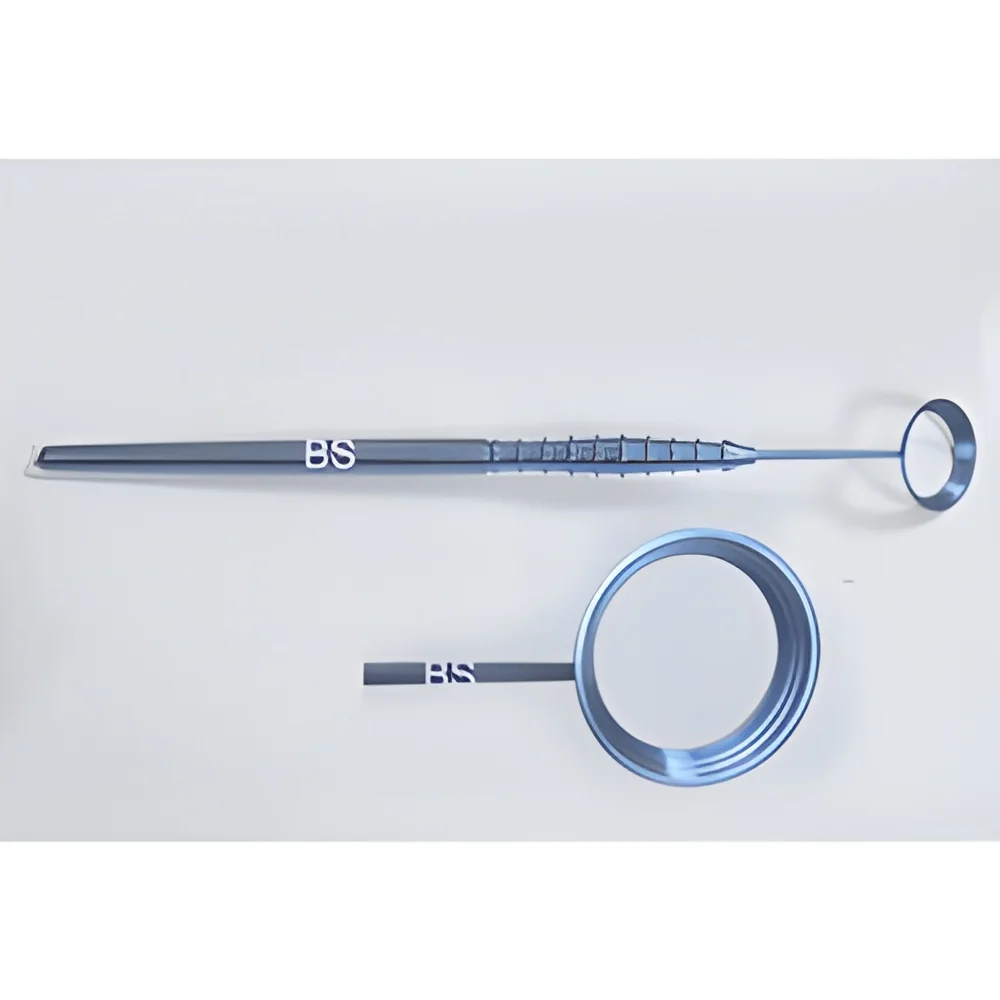
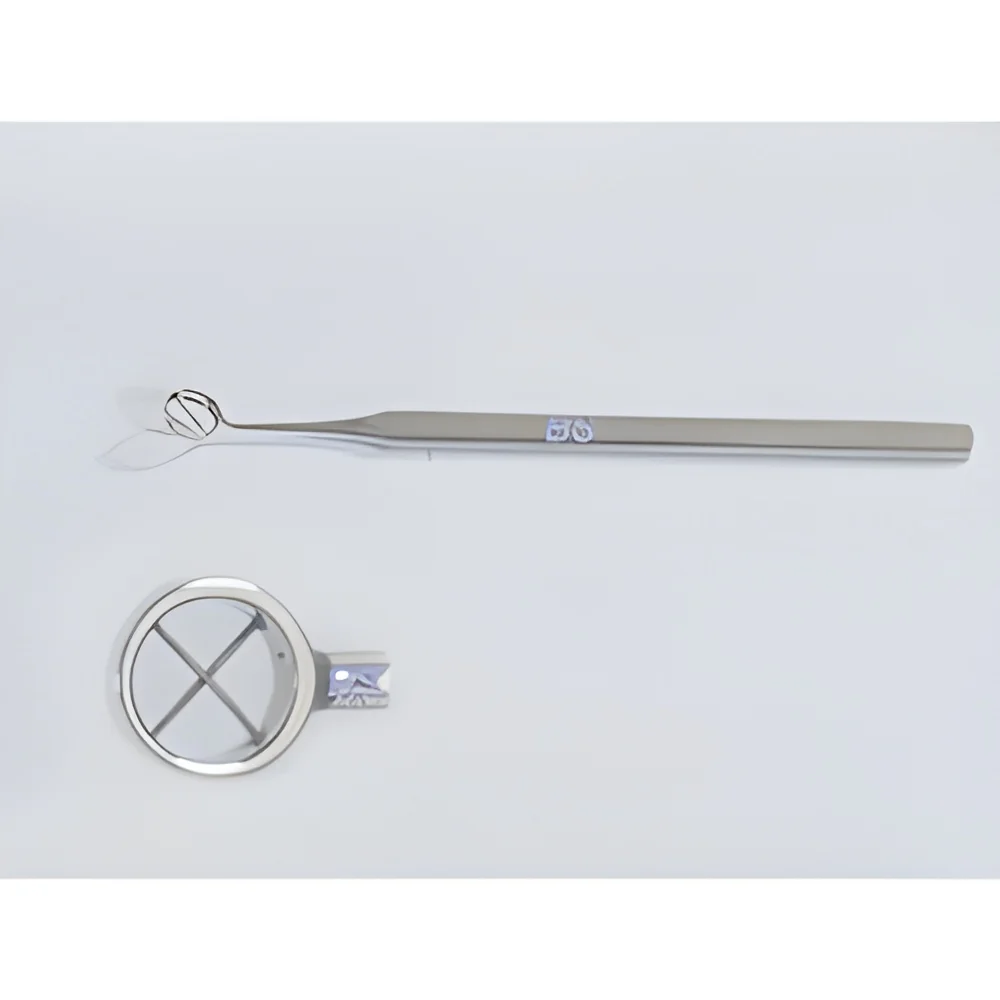
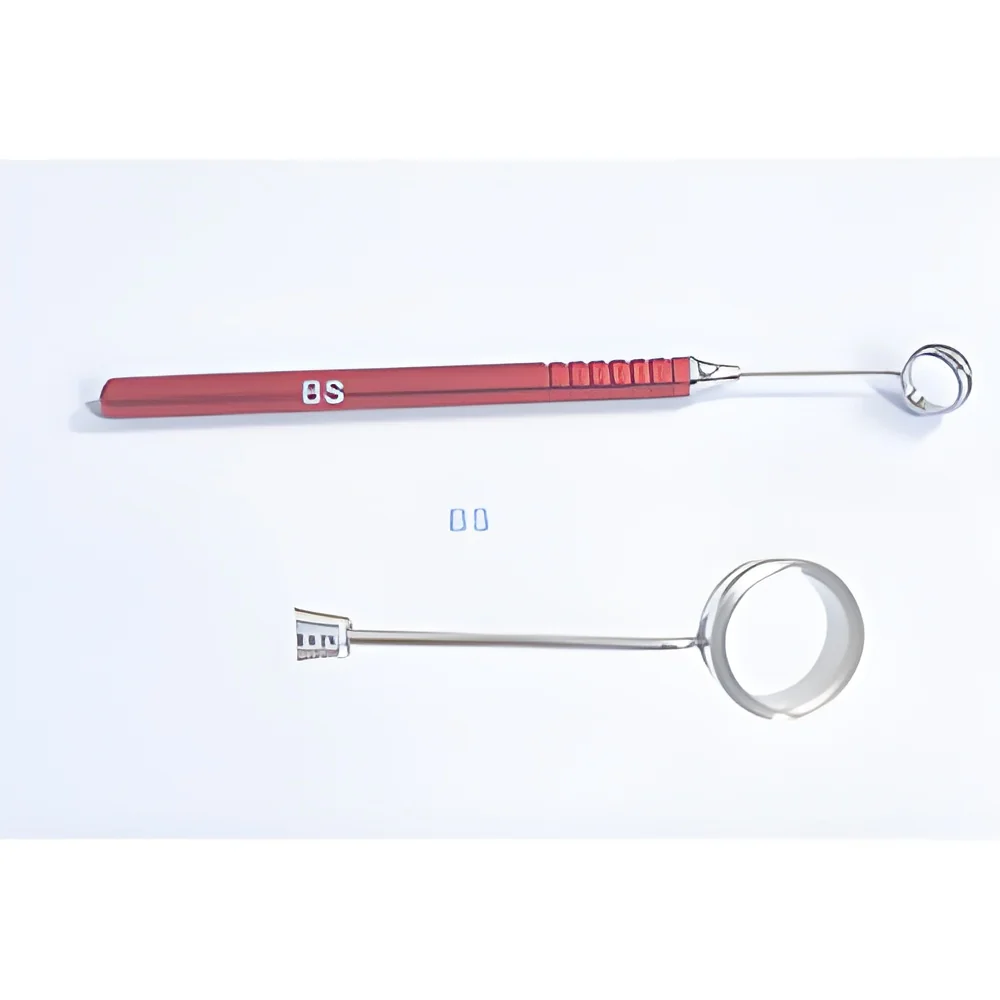
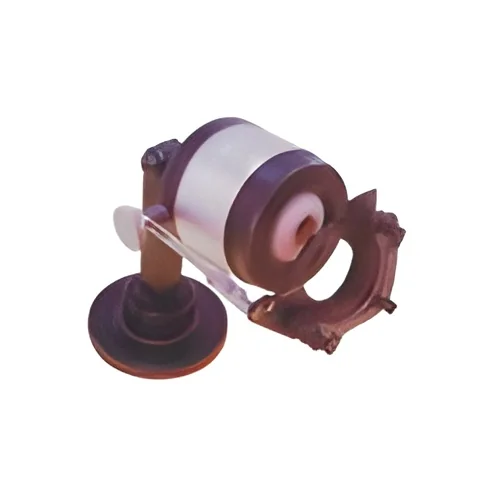
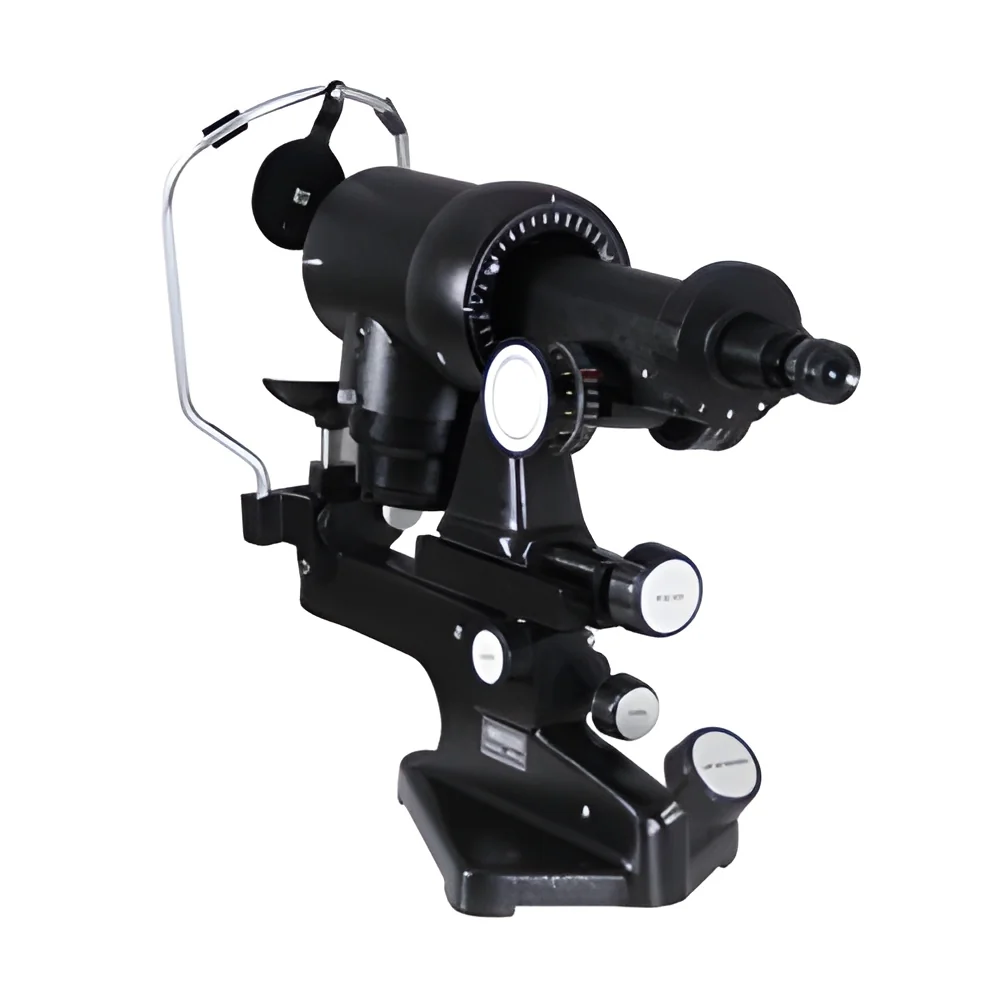
What are Lasik & Refractive Instruments?
Lasik and refractive instruments are specialized medical devices designed to correct vision impairments such as myopia, hyperopia, and astigmatism. These instruments facilitate various refractive surgical procedures, including LASIK, PRK, and other advanced techniques aimed at reshaping the cornea. The technology encapsulated within these instruments includes laser systems, diagnostic tools, and surgical devices that work together to enhance visual acuity.
The primary uses of Lasik and refractive instruments are in ophthalmic clinics and surgical centers where eye care professionals perform vision correction surgeries. These instruments are critical for pre-operative assessments, intra-operative procedures, and post-operative evaluations. Their application extends to enhancing patient outcomes, reducing dependency on corrective eyewear, and improving overall quality of life for individuals with vision problems.
In terms of industry relevance, the global demand for Lasik and refractive surgery continues to grow due to increasing awareness about eye health and advancements in surgical techniques. The market is competitive, with ongoing innovations in instrument design and functionality. As technology evolves, the integration of artificial intelligence and improved laser systems is likely to further enhance surgical precision and patient satisfaction.
Key Features and Specifications
Lasik and refractive instruments are characterized by several key features that ensure their effectiveness and reliability in clinical settings. Understanding these specifications is essential for healthcare providers looking to invest in quality equipment.
Key specifications include:
1. Laser Type
- Excimer and femtosecond lasers are typically used.
- Effective for precise corneal reshaping.
2. Measurement Accuracy
- Instruments offer high precision in measuring corneal thickness.
- Accuracy typically within micrometers.
3. Diagnostic Capabilities
- Advanced mapping technology to evaluate corneal surface.
- Offers topography and wavefront analysis.
4. Treatment Range
- Instruments can accommodate a variety of prescriptions.
- Suitable for mild to severe refractive errors.
5. User Interface
- Intuitive controls for ease of use.
- Touchscreen interfaces enhance operational efficiency.
6. Safety Features
- Integrated safety protocols prevent overexposure to lasers.
- Real-time feedback mechanisms during procedures.
7. Portability
- Many models designed for easy transport.
- Compact designs suitable for various clinical environments.
8. Maintenance Requirements
- Regular calibration and servicing recommended.
- User-friendly maintenance guidelines provided by manufacturers.
In summary, Lasik and refractive instruments are equipped with advanced features that significantly enhance the precision and safety of vision correction procedures, making them indispensable in modern ophthalmology.
Common Applications and Use Cases
Lasik and refractive instruments find applications across various healthcare sectors. Their versatility and effectiveness make them valuable in improving patient outcomes.
1. Ophthalmology Clinics: These instruments are primarily used for conducting refractive surgeries, enabling patients to achieve clearer vision without glasses or contact lenses.
2. Laser Surgery Centers: Facilities specializing in eye surgeries utilize these instruments for various laser-based procedures, enhancing operational efficiency and patient satisfaction.
3. Research Institutions: Used in clinical trials and studies, these instruments help to advance the field of ophthalmology through innovative techniques and treatments.
4. Educational Institutions: Medical schools and training centers incorporate these instruments in their curricula to train future eye care professionals in the latest surgical techniques.
5. Emergency Medical Services: In urgent cases of eye trauma, these instruments can provide critical assessments and interventions.
6. Military Medical Facilities: Used to correct vision for service members, ensuring optimal performance in the field.
7. Veterinary Clinics: Some instruments are adapted for use in animal eye surgeries, expanding their application beyond human medicine.
Product Variants and Subcategories
Lasik and refractive instruments encompass a diverse range of products tailored to meet specific clinical needs. Each variant offers unique features suited for different applications.
Excimer Laser Systems
These systems are widely used in LASIK and PRK procedures. They provide precise corneal ablation with minimal risk and are known for their reliability and speed.
Femtosecond Laser Systems
Utilized for creating corneal flaps in LASIK, these systems offer exceptional precision and safety. They are favored for their ability to customize flap size and shape.
Wavefront Aberrometers
These diagnostic tools measure visual distortions in the eye, allowing for personalized treatment plans. They are essential for advanced surgical procedures aimed at optimizing visual outcomes.
Topography Systems
These instruments create detailed maps of the cornea, providing critical data needed for effective surgical planning. They help in assessing the suitability of patients for refractive surgery.
Benefits and Advantages
The adoption of Lasik and refractive instruments brings numerous benefits to both healthcare providers and patients.
Key benefits include:
1. Enhanced Precision: The advanced technology in these instruments allows for highly accurate measurements and corrections, leading to improved surgical outcomes.
2. Reduced Recovery Time: Patients typically experience shorter recovery periods, enabling them to return to their daily activities sooner.
3. Customizable Treatment: The ability to personalize surgical plans based on individual patient needs enhances the effectiveness of vision correction procedures.
4. Increased Patient Satisfaction: Higher success rates and improved vision lead to greater patient satisfaction and loyalty to healthcare providers.
5. Cost Efficiency: Over time, the investment in high-quality Lasik instruments can lead to reduced operational costs due to fewer complications and re-treatments.
6. Competitive Advantage: Clinics equipped with advanced instruments can attract more patients, enhancing their market position.
Buying Guide for B2B Buyers
When sourcing Lasik and refractive instruments, several key factors should be considered to ensure a successful purchase.
1. Quality Assessment: Evaluate the quality of instruments based on manufacturer reputation, user reviews, and compliance with industry standards. Look for certifications that ensure reliability and performance.
2. Supplier Verification: Conduct thorough research on potential suppliers. Verify their credentials, check references, and assess their track record in delivering quality products.
3. Pricing and MOQ: Understand the pricing structures and minimum order quantities (MOQ) set by suppliers. Negotiate terms that align with your budget and operational needs.
4. Delivery and Lead Times: Confirm the logistics involved in the supply chain. Ensure that suppliers can meet your delivery timelines, especially in urgent situations.
5. Compliance Requirements: Be aware of regulatory standards that apply to Lasik and refractive instruments in your region. This includes safety certifications and quality assurance protocols.
Compliance and Certifications
Compliance with industry standards is crucial for Lasik and refractive instruments. Relevant quality standards, such as ISO 9001, ensure that manufacturers adhere to quality management principles, leading to consistent product quality.
Industry certifications like CE mark indicate that products meet European safety and health requirements. Compliance with these standards is essential for gaining market acceptance and trust.
Safety and testing requirements must also be in place to ensure that all instruments are safe for use in clinical settings. Regular testing and validation processes help maintain high standards of performance.
Regionally, compliance considerations may vary. It is important for manufacturers and suppliers to understand the regulations specific to different markets to ensure their products are compliant and ready for distribution.
Why Source Lasik & Refractive Instruments from Pepagora?
Pepagora offers a trusted platform for sourcing Lasik and refractive instruments, providing several key advantages to buyers.
Verified Supplier Network: Pepagora ensures that all suppliers in its network undergo rigorous verification processes. This gives buyers confidence in the quality and reliability of the products offered.
Streamlined RFQ Process: The request for quotation (RFQ) system allows buyers to easily request and compare quotes from multiple suppliers. This simplifies the procurement process and promotes competitive pricing.
Trade Assurance and Support: Pepagora provides trade assurance, protecting buyers from risks associated with transactions. Dedicated customer support is available to assist with any issues that may arise during the purchasing process.
Regional Coverage: With a focus on markets in India, the GCC, and Southeast Asia, Pepagora facilitates access to a wide range of suppliers and products, ensuring buyers can find the right solutions for their needs.

 IN
IN


 India
India