
 IN
J Bolts & L Bolts
2 products available
What are J Bolts & L Bolts?
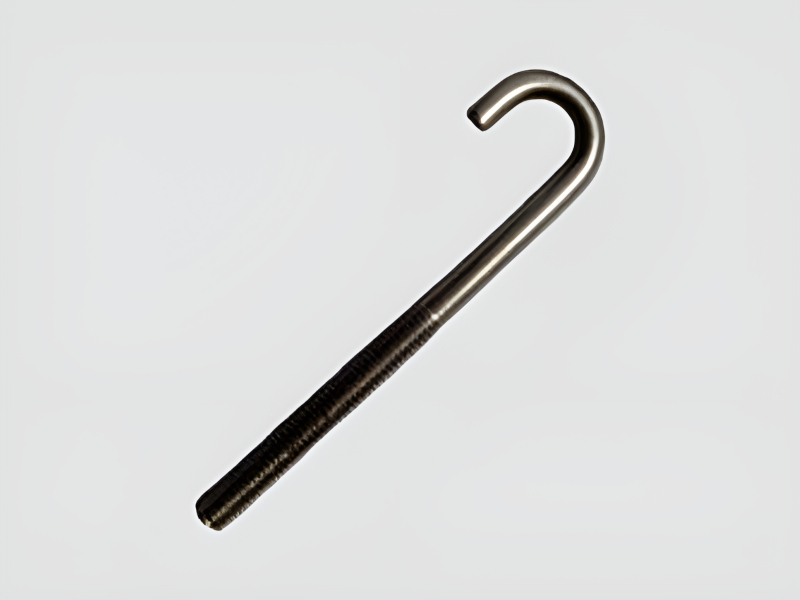
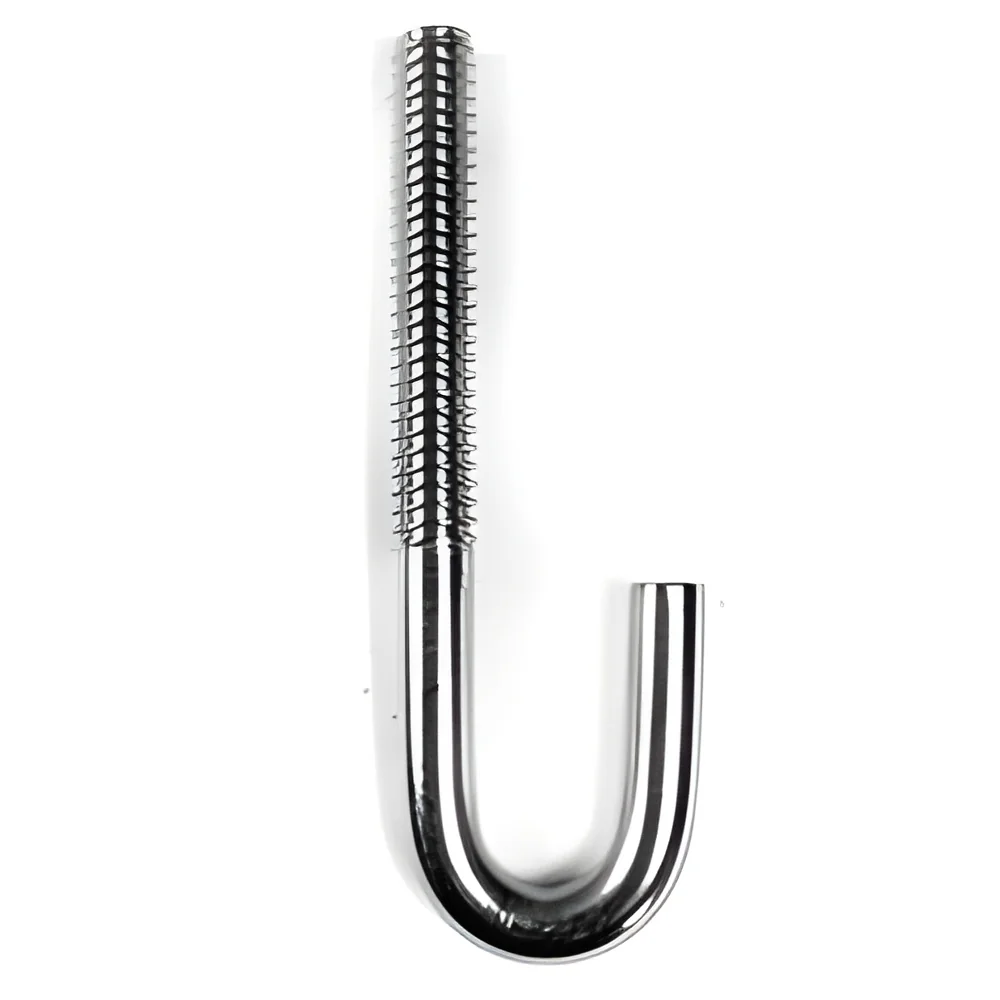
J Bolts and L Bolts are specialized fasteners used in various industrial applications. J Bolts are characterized by their unique J-shaped design, which allows them to provide strong anchoring capabilities. On the other hand, L Bolts feature a right angle bend, making them suitable for different fastening tasks where a straight bolt might not be effective. Both types are made from durable materials, often steel, which ensures they can withstand heavy loads and various environmental conditions.
These fasteners find primary use in construction, infrastructure projects, and manufacturing. J Bolts are commonly employed to secure structures to concrete foundations, while L Bolts are often used in applications that require support or connection between two components. Their design and functionality make them integral to ensuring stability and safety in numerous settings, from large-scale buildings to smaller machinery.
The relevance of J Bolts and L Bolts in the industry cannot be overstated. With the growing demand for sturdy construction and reliable assembly, these fasteners have become essential components in engineering and manufacturing sectors. The market for these products continues to evolve, driven by advancements in material science and engineering practices.
Key Features and Specifications
J Bolts and L Bolts come with several features that make them ideal for a range of applications. Understanding their specifications is critical for selecting the right fasteners for specific projects.
Key specifications include:
1. Material Composition
- Typically made from high-strength steel or stainless steel
- Corrosion resistance may be a factor, depending on the finish
2. Size and Dimensions
- Available in various lengths and diameters
- Custom sizes can often be manufactured upon request
3. Load Capacity
- Designed to support significant weight, with specifications varying by type and size
- Load ratings should be verified for specific applications
4. Thread Type
- Available in coarse or fine thread options
- Threading may extend along the entire length or only part of the bolt
5. Finish Options
- Common finishes include galvanized, black oxide, and uncoated
- Finish choice can affect corrosion resistance and aesthetic appeal
6. Compliance Standards
- Products may comply with various quality standards
- Certification can indicate adherence to industry norms
In summary, J Bolts and L Bolts are versatile fasteners with specific features that cater to industrial needs. Their specifications ensure they meet the rigorous demands of construction and manufacturing applications.
Common Applications and Use Cases
J Bolts and L Bolts serve a variety of industries due to their reliable performance and strength.
1. Construction: J Bolts are commonly used to anchor structures to concrete foundations, providing stability and support for buildings and bridges.
2. Manufacturing: L Bolts are often utilized in machinery assembly, where they secure components that require a strong connection to ensure operational efficiency.
3. Agriculture: Both bolt types can be found in equipment and structures, such as barns and silos, where durability is essential for long-term use.
4. Infrastructure: J Bolts are key in securing railings, guardrails, and other safety installations in public spaces and highways.
5. Telecommunications: L Bolts are used in mounting equipment on towers, ensuring that installations remain secure against environmental forces.
6. Automotive: In automotive manufacturing, these bolts are crucial for assembling various components, where strength and reliability are paramount.
7. Marine: J Bolts can be used in marine applications for securing structures against waves and weather impacts.
Product Variants and Subcategories
J Bolts and L Bolts come in various forms to meet different application needs.
J Bolt Variants
These bolts can vary in length, diameter, and thread type. Some J Bolts feature additional bends for enhanced anchoring capabilities, making them suitable for specific construction tasks.
L Bolt Variants
L Bolts may come with different thread configurations and finishes, allowing for customization based on the requirements of various industrial applications. Some variants are designed specifically for high-stress environments.
Overall, the diversity in J Bolts and L Bolts ensures that businesses can find the right solution for their specific fastening needs.
Benefits and Advantages
Choosing J Bolts and L Bolts offers numerous benefits to businesses and industries.
1. High Strength: These bolts provide excellent tensile strength, making them ideal for heavy-duty applications.
2. Versatility: Their unique designs allow for use in various settings, from construction to manufacturing.
3. Corrosion Resistance: Many options feature protective coatings that enhance durability in harsh environments.
4. Easy Installation: J Bolts and L Bolts are designed for quick and efficient installation, reducing labor time.
5. Customization: Manufacturers often offer customizable options to meet specific project requirements, ensuring the right fit for any application.
6. Cost-Effective: Their durability and reliability mean reduced maintenance costs and longer service life, making them a wise investment.
Buying Guide for B2B Buyers
When sourcing J Bolts and L Bolts, several factors should be considered to ensure the best purchase.
1. Quality Assessment: Evaluate the material quality and construction standards to ensure they meet the necessary performance criteria for your application.
2. Supplier Verification: It is essential to vet suppliers to confirm their reliability and reputation in the market. Look for certifications and customer reviews.
3. Pricing and MOQ: Understand the pricing structure and minimum order quantities to align with your budget and project scale.
4. Delivery and Lead Times: Discuss logistics with suppliers to ensure timely delivery that matches your project schedule.
5. Compliance Requirements: Verify that the products meet relevant industry regulations and quality standards to avoid compliance issues during installation.
Compliance and Certifications
Compliance and certifications are critical considerations when sourcing J Bolts and L Bolts. Adhering to quality standards is essential for ensuring product reliability and safety.
Common standards include ISO 9001, which outlines requirements for a quality management system, ensuring that manufacturers maintain consistent quality in their products. In addition, CE certification indicates compliance with European safety standards, providing assurance of product quality and safety.
Safety and testing requirements are also vital. Manufacturers should adhere to industry-specific testing protocols to ensure that their bolts can withstand the operational demands of their intended applications.
Moreover, regional compliance considerations may vary. It is important for buyers to understand local regulations and standards that apply to fasteners in their specific industries and regions.
Why Source J Bolts & L Bolts from Pepagora?
Pepagora provides a trusted platform for sourcing J Bolts and L Bolts with several key advantages that benefit B2B buyers.
Verified Supplier Network: Pepagora ensures that all suppliers are thoroughly vetted and verified, providing buyers with confidence in their sourcing decisions. This helps in minimizing risks associated with unreliable suppliers.
Streamlined RFQ Process: The platform simplifies the Request for Quotation (RFQ) process, making it easier for buyers to request and receive quotes from multiple suppliers. This efficiency allows for quicker decision-making.
Trade Assurance and Support: Buyers are protected through trade assurance policies, which safeguard against potential issues during transactions. Pepagora offers support to help navigate any challenges that may arise.
Regional Coverage: With a broad geographic reach across India, the GCC, and Southeast Asia, Pepagora connects buyers with local suppliers, ensuring a smoother procurement process and better logistical support.
By choosing Pepagora, businesses can confidently source J Bolts and L Bolts, optimizing their supply chain and enhancing operational efficiency.


 India

 India
Frequently Asked Questions
What are J Bolts & L Bolts?
J Bolts and L Bolts are types of fasteners commonly used in construction and industrial applications. J Bolts have a J-shaped bend at one end, while L Bolts have a right-angle bend, making them suitable for different anchoring and fastening tasks.
What are the different types of J Bolts & L Bolts?
There are various types of J Bolts and L Bolts, including those made from different materials such as stainless steel, carbon steel, and galvanized steel. Additionally, they can vary in size, length, and thread type, catering to specific applications and load requirements.
How do I choose the right J Bolts & L Bolts?
Choosing the right J Bolts and L Bolts involves considering the material, size, and load capacity required for your project. It's important to assess the environmental conditions and the specific application to ensure optimal performance and durability.
What are the standard specifications for J Bolts & L Bolts?
Standard specifications for J Bolts and L Bolts typically include dimensions such as length, diameter, and thread pitch. Additionally, they should comply with relevant industry standards, such as ASTM or ISO, to ensure quality and performance.
What is the price range for J Bolts & L Bolts?
The price range for J Bolts and L Bolts can vary widely based on factors such as material, size, and quantity ordered. Generally, prices may range from a few rupees for basic models to several hundred rupees for specialized or high-strength bolts.
What quality standards apply to J Bolts & L Bolts?
J Bolts and L Bolts must adhere to quality standards set by organizations such as ASTM, ISO, or other relevant entities. These standards ensure that the bolts meet specific mechanical properties, corrosion resistance, and dimensional accuracy.
Where can I find J Bolts & L Bolts suppliers in India?
You can find J Bolts and L Bolts suppliers in India through various online B2B marketplaces, local hardware stores, and manufacturers' websites. Platforms like Pepagora.com can provide access to a wide range of suppliers and manufacturers in the country.
Can J Bolts & L Bolts be customized?
Yes, J Bolts and L Bolts can often be customized according to specific requirements such as size, material, and thread type. Many manufacturers offer customization options to meet unique project needs.
What is the typical minimum order quantity for J Bolts & L Bolts?
The typical minimum order quantity (MOQ) for J Bolts and L Bolts varies by supplier and product type. Generally, MOQs can range from 100 to 1000 pieces, depending on the manufacturer and the specific requirements of the order.
What is the typical lead time for J Bolts & L Bolts?
The typical lead time for J Bolts and L Bolts can vary based on factors such as order quantity, customization, and supplier location. Generally, lead times can range from a few days to several weeks, so it is advisable to confirm with the supplier.
Why Businesses Trust Pepagora
Thousands of companies trust Pepagora to source smarter and sell faster
Expand Your Sales Globally

Source Smarter,Grow Faster
