What are Insufflation Needles?
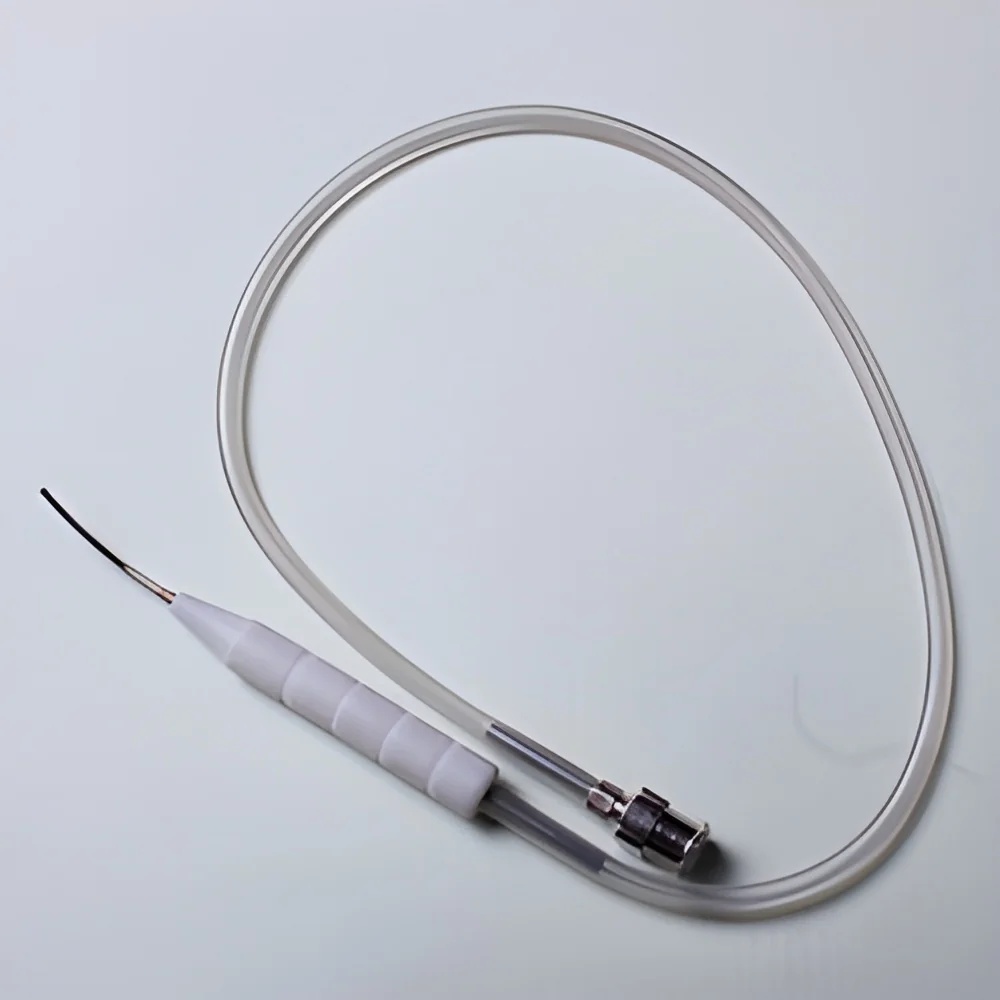
Insufflation needles are specialized medical instruments designed for the purpose of delivering gas, typically carbon dioxide, into body cavities during surgical procedures. These needles are engineered to facilitate the insufflation process, making it easier to expand the area of interest for better visualization and access. The design of insufflation needles often includes a sharp tip for easy penetration and a valve system to control gas flow.
The primary applications of insufflation needles are in minimally invasive surgeries, such as laparoscopic procedures. Surgeons use these needles to inflate the abdominal cavity, providing a clearer view of internal organs and structures. This technique enhances surgical precision and can lead to shorter recovery times for patients. Insufflation needles are relevant in various medical fields, including gynecology, urology, and general surgery, as they play a crucial role in advancing surgical techniques and patient outcomes.
In terms of market context, the demand for insufflation needles has been rising due to the increasing prevalence of minimally invasive surgeries. As healthcare professionals strive for improved surgical methods, the adoption of advanced insufflation technology continues to grow. Furthermore, the global emphasis on patient safety and effective clinical outcomes makes insufflation needles a vital component of surgical kits and equipment.
Key Features and Specifications
Insufflation needles come with a range of features and specifications that make them essential for surgical applications. Understanding these key specifications is crucial for healthcare providers and procurement specialists when selecting the right instruments for their needs.
Key specifications include:
1. Needle Length
- Common lengths range from 10 cm to 15 cm.
- A longer length may be needed for certain types of procedures.
2. Gauge Size
- Typically available in sizes ranging from 12 to 18 gauge.
- Smaller gauges are used for less invasive procedures.
3. Material Composition
- Often made from stainless steel for durability and resistance to corrosion.
- Some models may feature coatings to enhance performance.
4. Tip Design
- Sharp or blunt tips are available depending on the application.
- Sharp tips are ideal for easy penetration, while blunt tips reduce tissue trauma.
5. Valve Mechanism
- Equipped with one-way valves to prevent backflow of gas.
- Ensures controlled insufflation during procedures.
6. Sterilization
- Most insufflation needles are pre-sterilized and packaged for single use.
- This ensures compliance with health regulations and patient safety.
7. Compatibility
- Designed to fit standard insufflation systems and devices.
- Ensures ease of integration into existing surgical setups.
In summary, understanding the features and specifications of insufflation needles helps healthcare professionals make informed decisions when selecting these critical instruments for surgical procedures.
Common Applications and Use Cases
Insufflation needles are utilized across various industries, primarily in medical and surgical settings. They play a vital role in enhancing surgical outcomes and patient safety.
1. Gynecology: Insufflation needles are commonly used in laparoscopic gynecological surgeries to inflate the abdominal cavity for better visibility of reproductive organs.
2. Urology: These needles aid in minimally invasive procedures such as laparoscopic nephrectomy, allowing surgeons to access the kidneys with reduced trauma.
3. General Surgery: In general surgical practices, insufflation needles assist in creating space for visualization during procedures like cholecystectomy.
4. Bariatric Surgery: Insufflation needles are essential in weight loss surgeries, providing necessary access and visibility for laparoscopic techniques.
5. Veterinary Medicine: In veterinary practices, insufflation needles are used during laparoscopic surgeries on animals, ensuring safer and more effective procedures.
6. Research and Development: Insufflation needles are also utilized in medical research to explore new surgical techniques and improve existing procedures.
7. Education and Training: Medical institutions use insufflation needles in training programs for surgical residents to practice laparoscopic techniques.
Product Variants and Subcategories
Insufflation needles come in various forms, catering to different surgical needs and preferences. These variations ensure that medical professionals have access to the right tools for their specific applications.
Standard Insufflation Needle
This variant includes basic features, typically available in multiple lengths and gauge sizes. It is widely used in general surgeries for effective insufflation.
Laparoscopic Insufflation Needle
Designed specifically for laparoscopic procedures, this needle often has a specialized tip to minimize tissue damage. It is favored for its precision and ease of use during minimally invasive surgeries.
Blunt Insufflation Needle
This variant is designed with a blunt tip to reduce the risk of injury to surrounding tissues. It is ideal for procedures where delicate manipulation is required.
Safety Insufflation Needle
Equipped with additional safety features, this needle reduces the chance of accidental needle stick injuries. It is suitable for high-volume surgical environments.
Benefits and Advantages
Insufflation needles offer several benefits that enhance surgical procedures and improve patient care.
1. Enhanced Visualization: These needles create space within the abdominal cavity, allowing surgeons to see structures more clearly during operations.
2. Minimally Invasive: Insufflation needles facilitate minimally invasive surgeries, leading to smaller incisions and reduced recovery times for patients.
3. Precision and Control: The design of insufflation needles allows for controlled gas delivery, ensuring optimal conditions for surgical procedures.
4. Patient Safety: The use of pre-sterilized, single-use needles minimizes the risk of infection and cross-contamination during surgeries.
5. Versatility: Insufflation needles can be used in various surgical specialties, including gynecology, urology, and general surgery.
6. Cost-Effectiveness: By reducing the length of hospital stays and recovery times, insufflation needles contribute to overall cost savings for healthcare facilities.
Buying Guide for B2B Buyers
When sourcing insufflation needles, buyers should take several factors into account to ensure they select quality products that meet their needs.
1. Quality Assessment: Evaluate the quality of the needles by considering the materials used and manufacturing processes. Look for products that comply with relevant industry standards.
2. Supplier Verification: Vet suppliers thoroughly to ensure they provide reliable, high-quality products. Check for certifications and customer reviews to gauge their reputation.
3. Pricing and MOQ: Understand the pricing structure and minimum order quantities (MOQ). Negotiate terms that fit your budget and projected usage.
4. Delivery and Lead Times: Discuss delivery schedules and lead times with suppliers to ensure timely access to the products when needed.
5. Compliance Requirements: Ensure that the insufflation needles meet local regulatory and compliance standards, such as CE certification for medical devices.
Compliance and Certifications
Insufflation needles must adhere to several quality standards and certifications to ensure safety and effectiveness in surgical settings. Compliance with ISO 9001 is essential, as it outlines the requirements for a quality management system. This standard helps manufacturers maintain consistent quality in their products.
Additionally, adherence to HACCP (Hazard Analysis Critical Control Point) guidelines is crucial for ensuring safety in medical device manufacturing. This approach identifies potential hazards in the production process and implements measures to mitigate risks.
Insufflation needles are often certified with the CE mark, indicating compliance with European health, safety, and environmental protection standards. This certification assures buyers of the product's quality and safety.
Manufacturers must also consider regional compliance requirements, which may vary by country. Keeping abreast of these regulations is essential for ensuring that products can be marketed and used safely in different markets.
Why Source Insufflation Needles from Pepagora?
Pepagora offers a trusted platform for sourcing insufflation needles, providing buyers with several key advantages that enhance their procurement experience.
Verified Supplier Network: Pepagora collaborates with a network of verified suppliers who meet rigorous quality standards. This ensures that buyers can access high-quality insufflation needles tailored to their specific needs.
Streamlined RFQ Process: The request for quotation (RFQ) process on Pepagora is designed for efficiency. Buyers can easily submit their requirements and receive competitive quotes from multiple suppliers, simplifying the decision-making process.
Trade Assurance and Support: Pepagora prioritizes buyer protection through trade assurance policies. This gives buyers confidence that their purchases are secure and that they will receive the products as promised.
Regional Coverage: With a strong presence in regions such as India, the GCC, and Southeast Asia, Pepagora provides broad geographic reach, ensuring that buyers can source insufflation needles regardless of their location. This regional coverage enhances accessibility and convenience for businesses in various markets.

 IN
IN