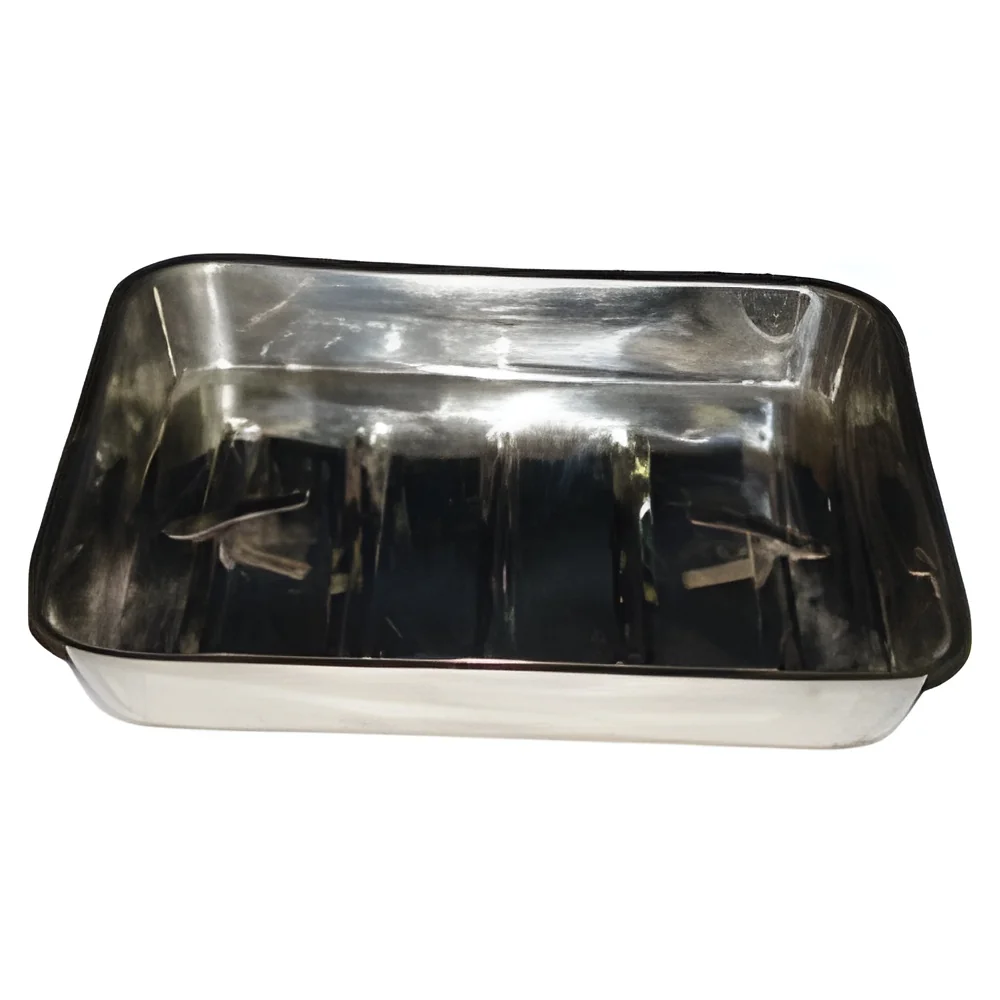
What are Instrument Trays & Cassettes?
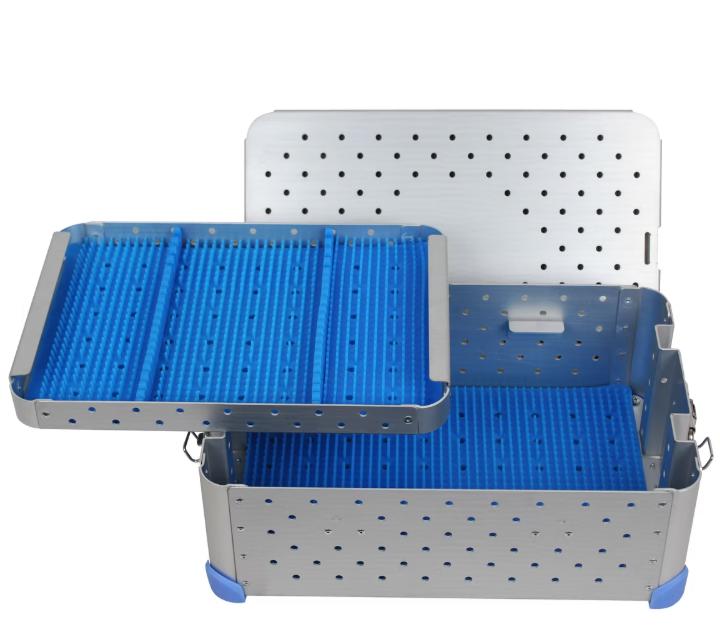
Instrument trays and cassettes are essential tools used in various industries, particularly in healthcare and laboratory environments. These products are designed to securely hold and organize surgical instruments, laboratory tools, and other critical items during sterilization, transportation, and storage. They help ensure that instruments remain in a clean and orderly state, making them readily available for use when needed.
The primary applications of instrument trays and cassettes are found in hospitals, dental clinics, and research laboratories. In surgical settings, they allow for efficient instrument management, facilitating quick access during operations. In laboratories, they provide a method for safely storing and transporting delicate equipment and samples. The relevance of these products in the market is significant, as they contribute to improved safety, efficiency, and compliance with health regulations.
As industries continue to prioritize hygiene and safety, the demand for high-quality instrument trays and cassettes remains strong. Organizations are increasingly seeking reliable solutions that meet quality standards and enhance operational workflows.
Key Features and Specifications
Instrument trays and cassettes come with a variety of features and specifications designed to meet the needs of different industries. These specifications play a crucial role in ensuring that the products perform effectively in their intended applications.
Key specifications include:
1. Material Composition
- Typically made from stainless steel or durable plastic
- Ensures resistance to corrosion and chemical damage
2. Size and Dimensions
- Available in various sizes to accommodate different instrument types
- Custom sizes may be offered based on specific requirements
3. Design and Configuration
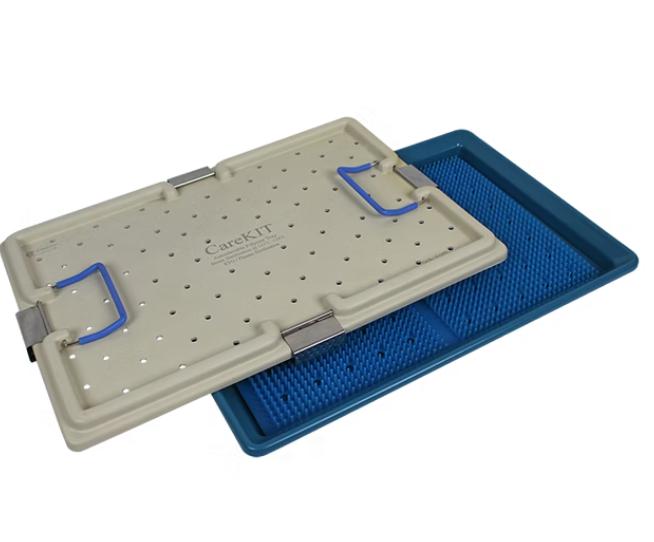
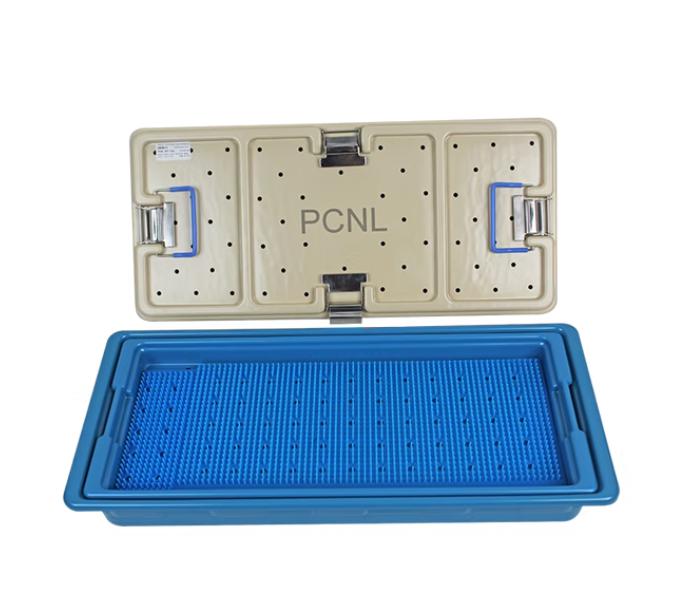
- Features such as perforated lids for ventilation and drainage
- Customizable compartments for instrument organization
4. Sterilization Compatibility
- Compatible with autoclave sterilization processes
- Designed to withstand high temperatures and pressures
5. Weight Capacity
- Engineered to support a specified weight limit
- Ensures safe handling and transportation of instruments
6. Ease of Use
- Ergonomic handles for comfortable transport
- Stackable designs for efficient storage
7. Compliance Standards
- Meets industry certifications such as CE
- Adheres to regulatory requirements for safety and quality
In summary, understanding the key features and specifications of instrument trays and cassettes is essential for manufacturers and suppliers to provide products that meet industry standards and customer expectations.
Common Applications and Use Cases
Instrument trays and cassettes are widely used across various industries, each with unique requirements and applications.
1. Healthcare: In hospitals and surgical centers, these products are crucial for organizing surgical instruments and ensuring they are sterile and ready for use. They facilitate efficient workflows during surgical procedures.
2. Dental Clinics: Dental professionals utilize instrument trays to keep tools organized and easily accessible during treatments. This helps maintain a clean working environment and enhances patient safety.
3. Laboratories: Research and clinical laboratories rely on cassettes for the secure transport and storage of delicate equipment and samples. This ensures the integrity of experiments and test results.
4. Veterinary Clinics: In veterinary settings, instrument trays are used to organize surgical and diagnostic tools, contributing to efficient animal care.
5. Pharmaceutical Manufacturing: These products are employed in the production and handling of pharmaceutical instruments, ensuring compliance with regulatory standards.
6. Food Processing: Instrument trays can also be used in food industry settings for maintaining hygiene and organization during food preparation and processing.
7. Educational Institutions: Schools and universities with medical and science programs use instrument trays in training environments for practical learning experiences.
Product Variants and Subcategories
Instrument trays and cassettes come in various configurations to meet specific industry needs. Their diversity allows businesses to select the most suitable options for their applications.
Standard Instrument Tray
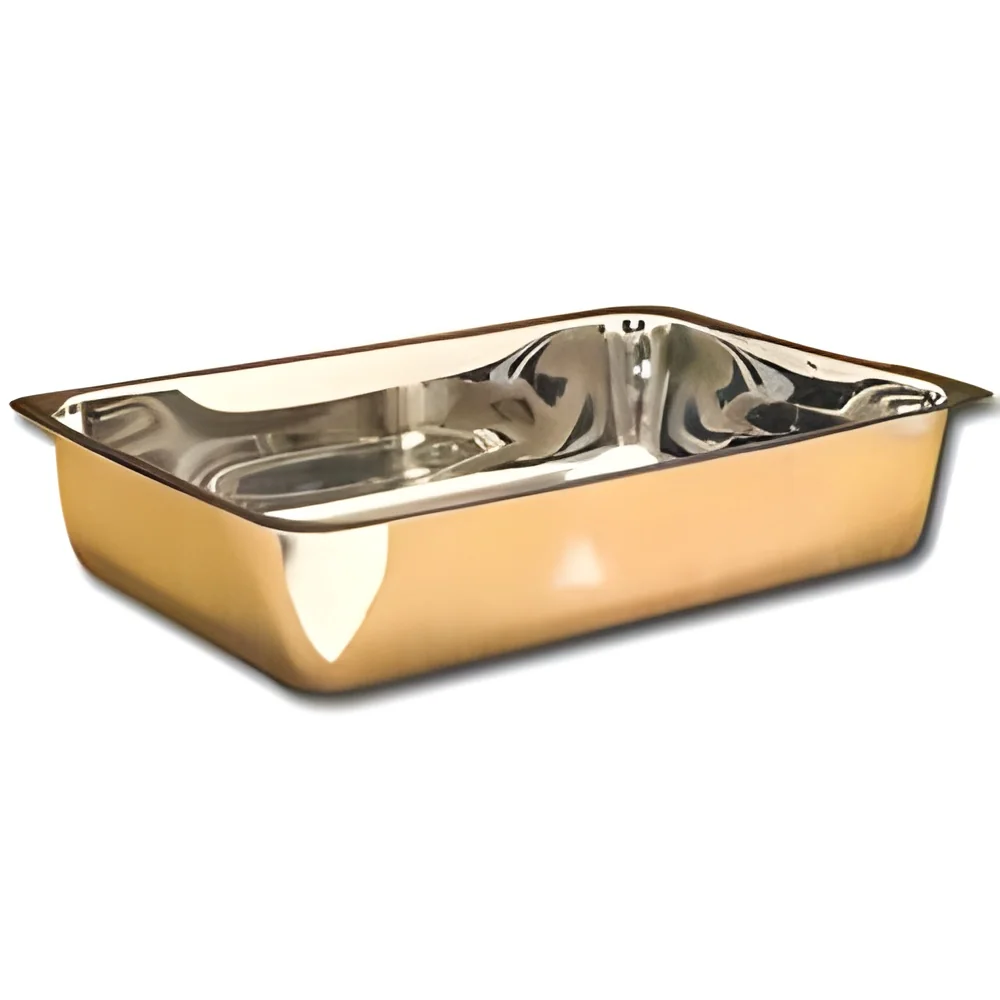
This variant is designed for general use in surgical and clinical settings. It typically features a flat surface with compartments for organizing instruments, ensuring easy access during procedures.
Surgical Instrument Cassette
This version is specifically tailored for surgical instruments. It includes specialized compartments to securely hold various tools, protecting them from damage and contamination.
Laboratory Sample Cassette
This type is designed for laboratory environments, focusing on the safe transport and storage of samples. It often includes features to maintain sample integrity and prevent contamination.
Custom Instrument Tray
Some manufacturers offer the option for custom-designed trays. These can be tailored to meet specific dimensions and configurations based on the user's requirements.
Benefits and Advantages
Sourcing instrument trays and cassettes provides numerous advantages for businesses across different sectors.
1. Enhanced Organization: These products help maintain a systematic arrangement of instruments, reducing the risk of misplacement and improving efficiency.
2. Improved Sterilization: Designed for effective sterilization, instrument trays and cassettes ensure that tools remain uncontaminated and safe for use.
3. Increased Safety: By securely holding instruments, these products minimize the chances of accidental injuries or damage during handling.
4. Compliance with Standards: Utilizing certified trays and cassettes helps businesses adhere to industry regulations and quality standards.
5. Cost Efficiency: Investing in durable and reusable trays can lead to long-term savings by reducing the need for disposable packaging.
6. Versatile Applications: The diverse range of available trays and cassettes allows for use across multiple industries, making them a flexible choice for suppliers and buyers.
Buying Guide for B2B Buyers
When sourcing instrument trays and cassettes, it is important for B2B buyers to consider several key factors to make informed decisions.
1. Quality Assessment: Evaluate the quality of materials used in manufacturing. Look for trays that meet industry standards to ensure durability and reliability.
2. Supplier Verification: Research potential suppliers to verify their credentials and reputation in the market. Reliable suppliers should be able to provide references and certifications.
3. Pricing and MOQ: Understand the pricing structures and minimum order quantities (MOQ) offered by suppliers. This will help in budgeting and inventory management.
4. Delivery and Lead Times: Inquire about delivery schedules and lead times to ensure timely receipt of products. Consider suppliers that can meet your operational timelines.
5. Compliance Requirements: Ensure that the trays and cassettes meet applicable regulatory standards, including safety and quality certifications that may be necessary for your industry.
Compliance and Certifications
Compliance and certifications are critical components in the manufacturing and usage of instrument trays and cassettes. These products need to adhere to relevant quality standards to ensure safety and efficacy in their applications.
ISO 9001 is a widely recognized standard that outlines quality management principles. Manufacturers of instrument trays and cassettes should comply with ISO 9001 to demonstrate their commitment to quality and customer satisfaction.
HACCP (Hazard Analysis Critical Control Point) is another important standard, particularly in food processing and healthcare. Compliance with HACCP ensures that products are manufactured under stringent safety protocols to prevent contamination.
CE marking is a certification that indicates compliance with European health, safety, and environmental protection standards. Products bearing the CE mark assure users that they meet essential requirements for safety and performance.
Safety and testing requirements must also be met to ensure that instrument trays and cassettes can withstand sterilization processes without compromising their integrity. Regional compliance considerations may vary, necessitating thorough understanding of local regulations.
Why Source Instrument Trays & Cassettes from Pepagora?
Pepagora provides a trusted platform for sourcing instrument trays and cassettes, emphasizing quality and reliability in the B2B marketplace. One of the key advantages of using Pepagora is the verified supplier network. Each supplier is thoroughly vetted to ensure they meet industry standards and deliver high-quality products.
The streamlined RFQ (Request for Quotation) process allows buyers to easily request and compare quotes from multiple suppliers. This efficiency helps businesses make informed purchasing decisions while saving time.
Trade assurance and support are critical components of the Pepagora platform. Buyers can benefit from buyer protection services that ensure their transactions are secure and their investments are safeguarded.
Moreover, Pepagora offers regional coverage that extends across India, the GCC, and Southeast Asia. This geographic reach enables buyers to access a diverse range of suppliers and products tailored to their specific needs, ensuring they find the right solutions for their operations.

 IN
IN

 India
India