IN
IN₹
Apparel & Fashion
Description
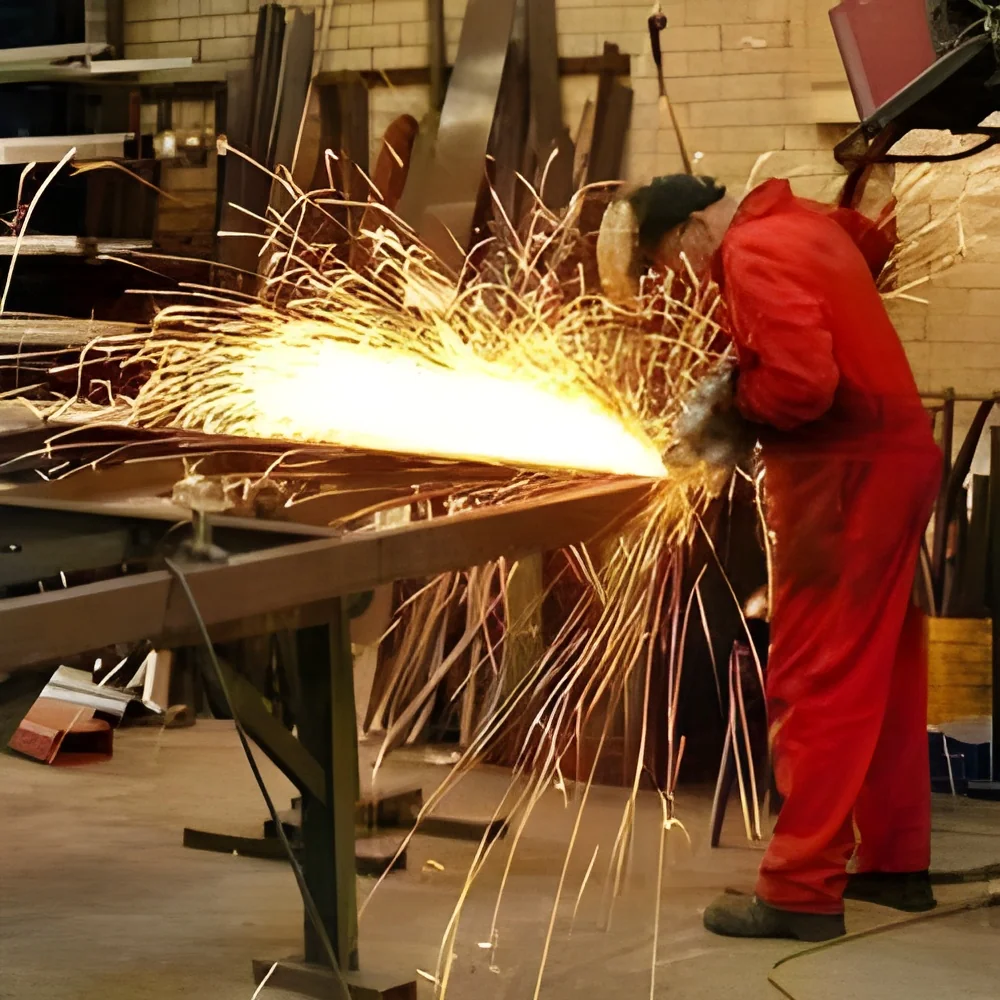
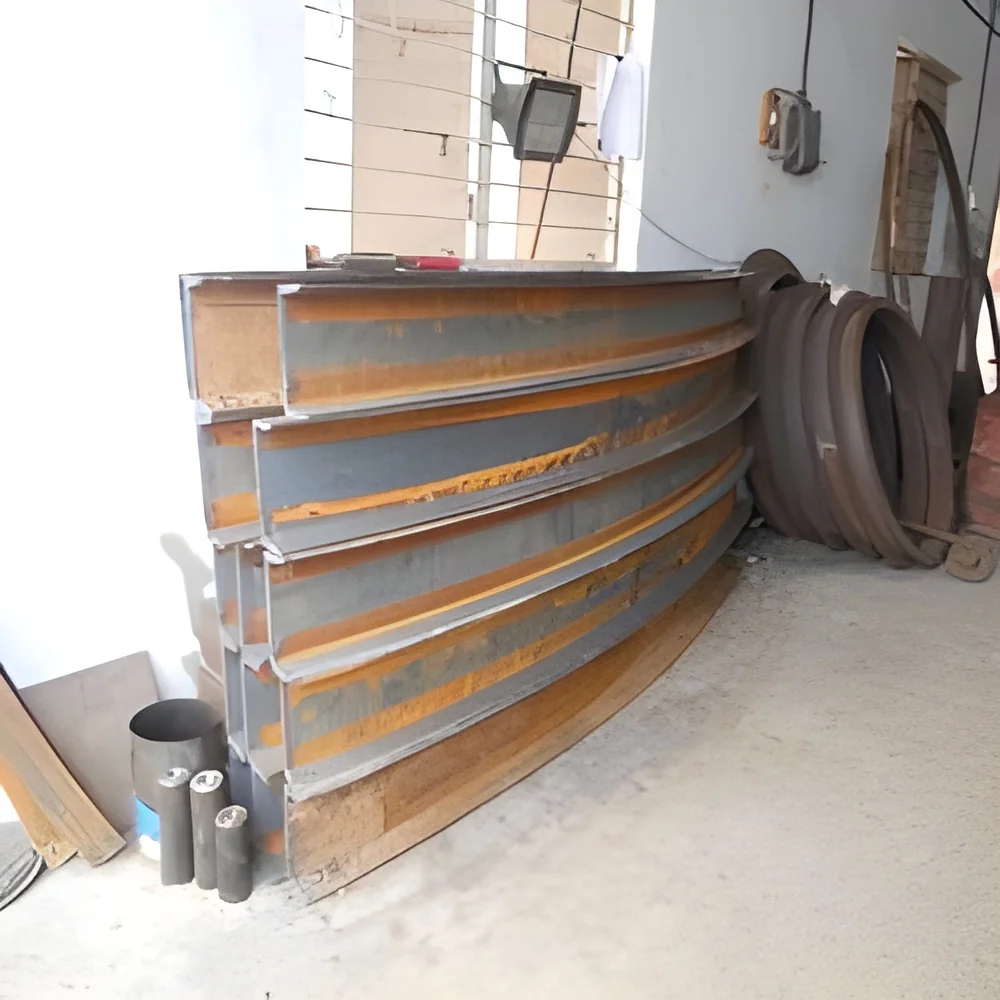
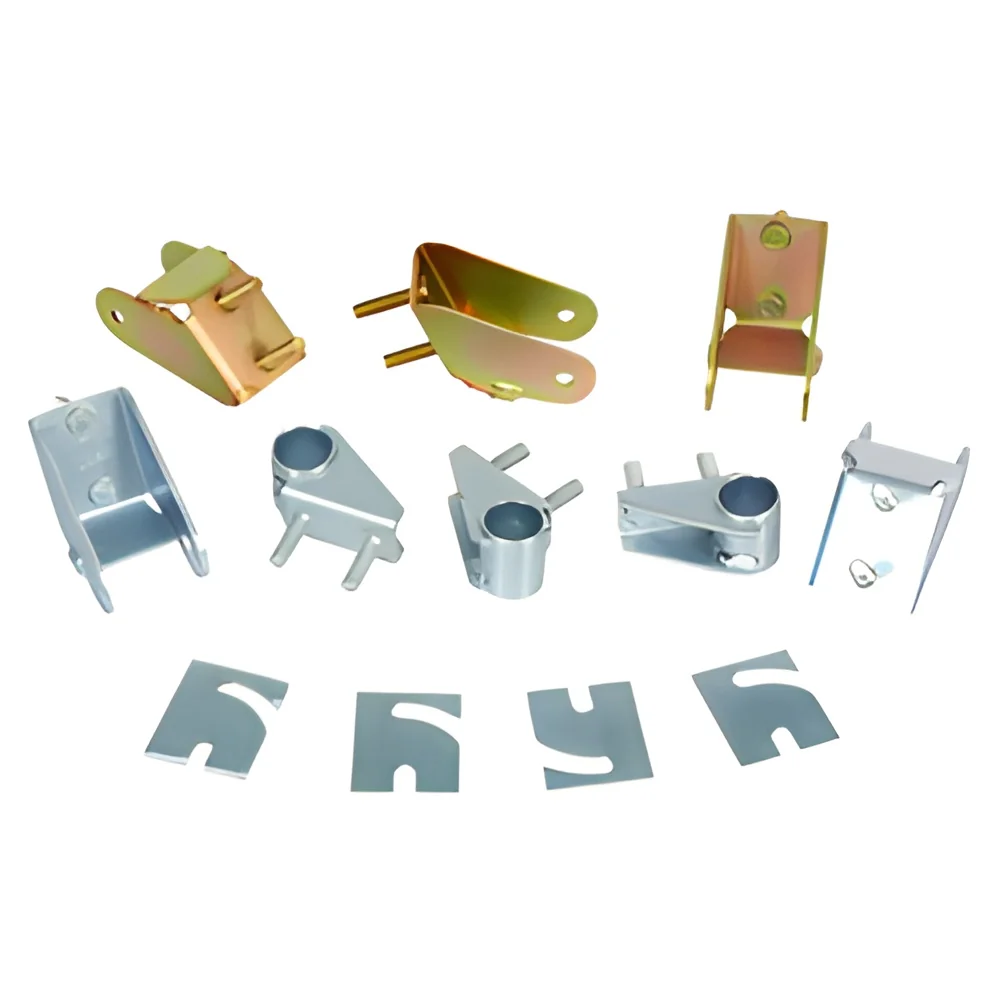
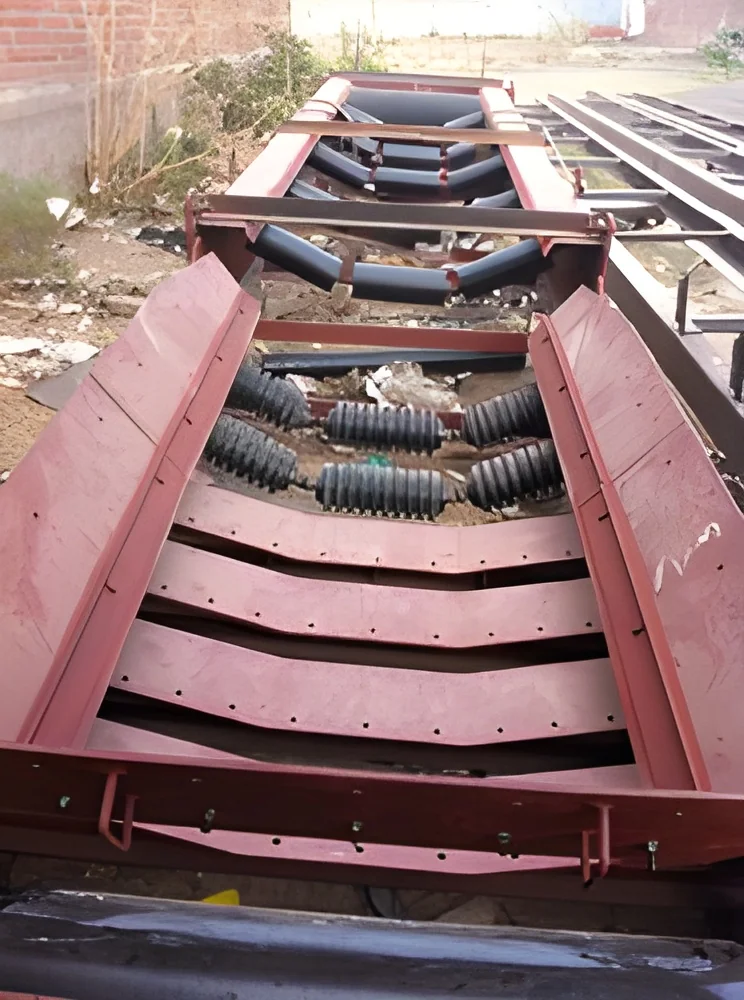
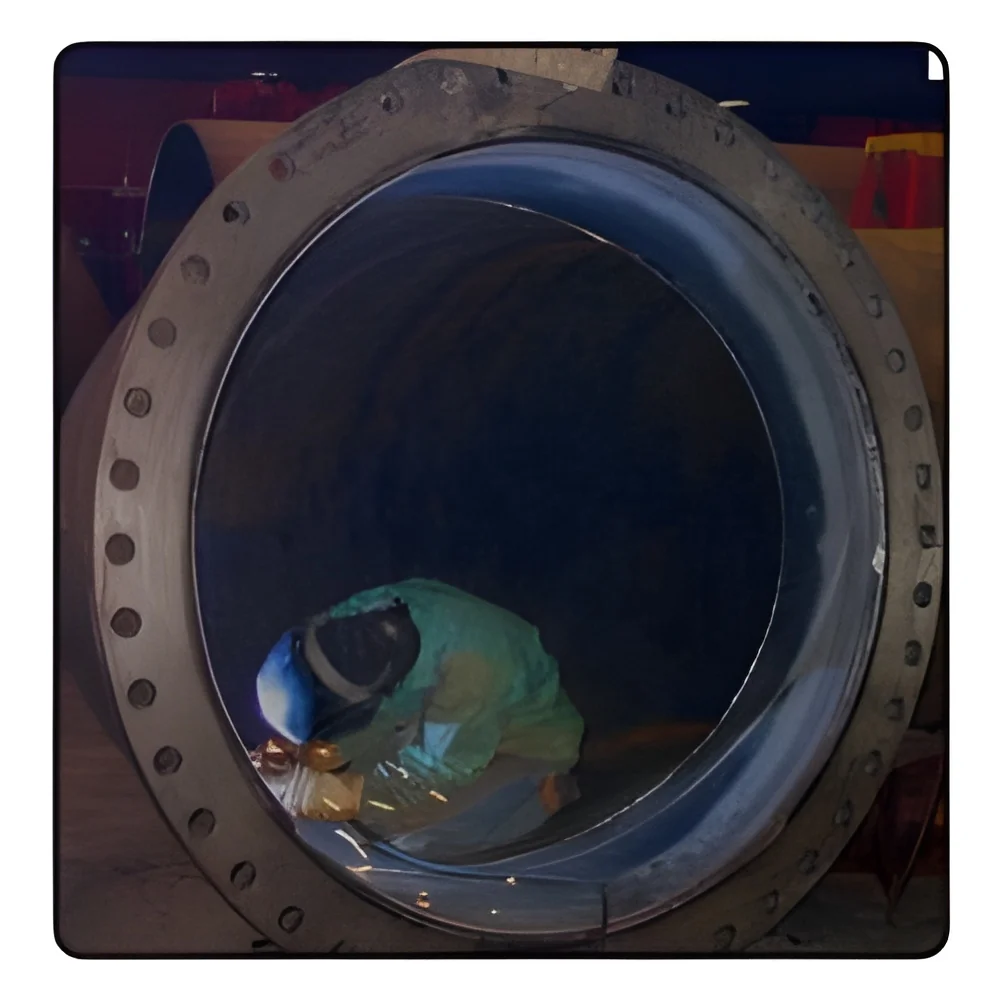
Our industrial injection molding machine tanks form the foundation of efficient manufacturing operations, offering four distinct variants engineered to meet diverse production requirements. Each model features precisely calibrated shot capacities, advanced die clamping mechanisms, and optimized injection forces that ensure consistent performance across various material types and production volumes. The integrated heating systems and motor configurations work in harmony to maintain optimal operating temperatures and pressure levels throughout extended production runs. These tanks incorporate advanced drafting features that facilitate straightforward assembly and fixture integration, significantly reducing setup time between production cycles. Every unit undergoes comprehensive quality control monitoring throughout the manufacturing process to guarantee defect-free operation and long-term reliability in demanding industrial environments where consistent performance is essential for maint...
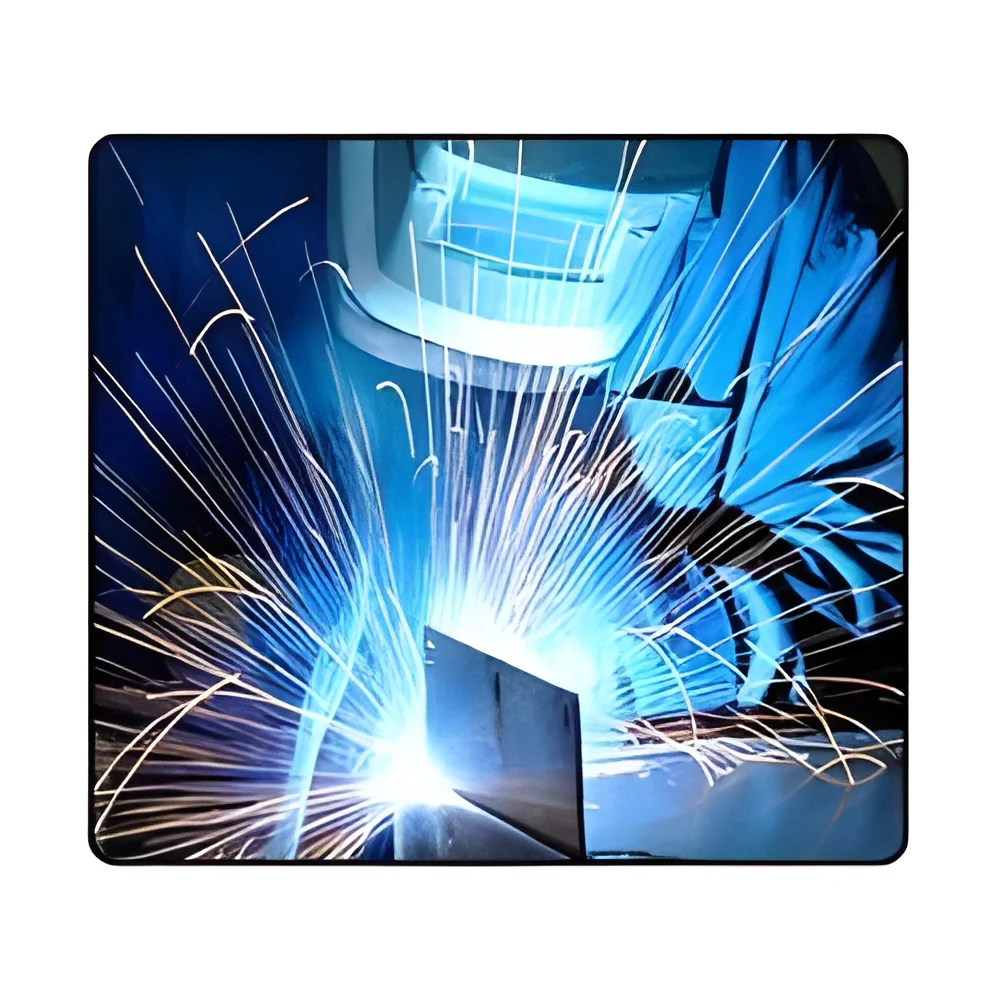
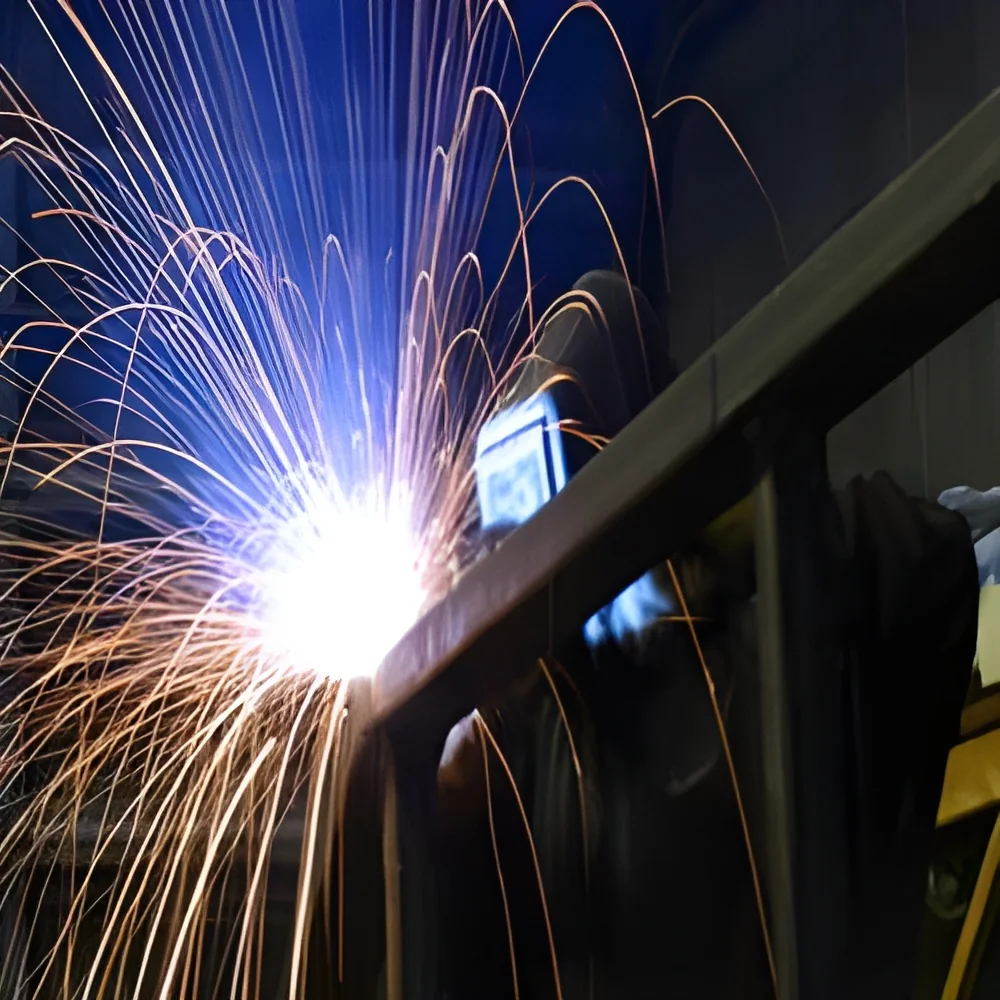
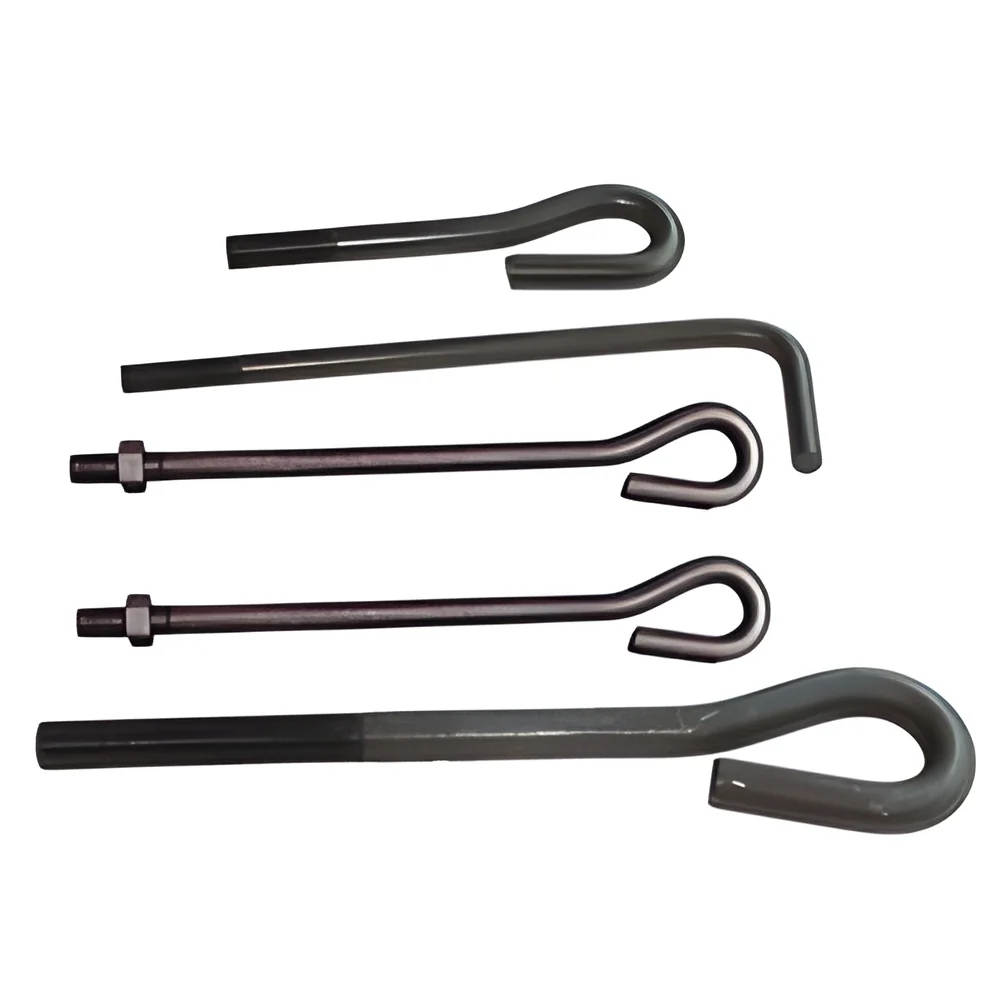
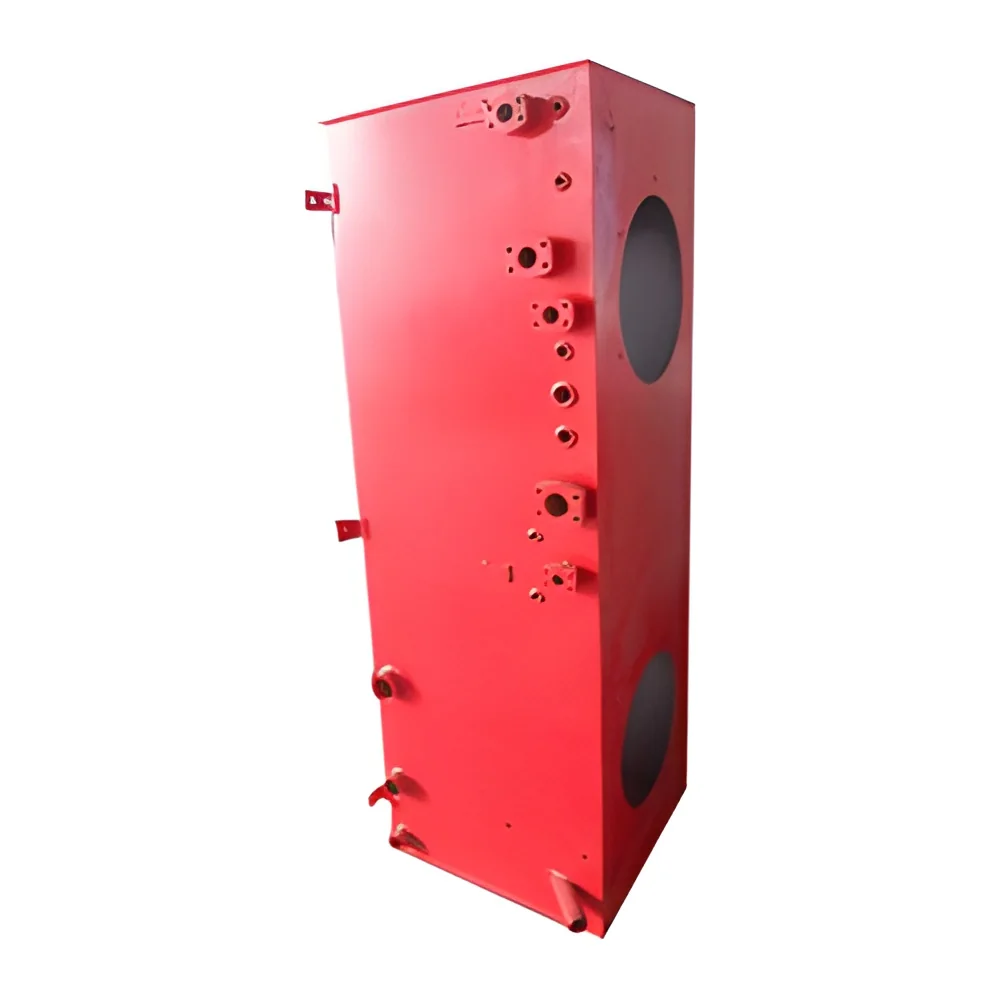
Our industrial injection molding machine tanks form the foundation of efficient manufacturing operations, offering four distinct variants engineered to meet diverse production requirements. Each model features precisely calibrated shot capacities, advanced die clamping mechanisms, and optimized injection forces that ensure consistent performance across various material types and production volumes. The integrated heating systems and motor configurations work in harmony to maintain optimal operating temperatures and pressure levels throughout extended production runs. These tanks incorporate advanced drafting features that facilitate straightforward assembly and fixture integration, significantly reducing setup time between production cycles. Every unit undergoes comprehensive quality control monitoring throughout the manufacturing process to guarantee defect-free operation and long-term reliability in demanding industrial environments where consistent performance is essential for maintaining production schedules and quality standards.

These injection molding machine tanks serve essential functions across multiple industries where precision, reliability, and consistency are fundamental requirements. The automotive sector utilizes them for producing interior components, exterior trim pieces, and under-hood parts with consistent dimensional accuracy and surface quality. Packaging manufacturers rely on these tanks for creating high-volume containers, closures, and protective packaging solutions that meet strict dimensional and material specifications. Consumer goods companies benefit from their ability to produce everything from appliance components to household items with uniform quality and structural integrity. The medical industry depends on these machines for manufacturing sterile, precision components that meet rigorous regulatory requirements and quality standards. Electronics manufacturers use them for producing casings, connectors, and internal components that require exact specifications, flawless surface finishes, and reliable performance in various operating conditions.

The operational value of these injection molding machine tanks extends beyond technical specifications to deliver measurable business advantages. Manufacturers gain significant competitive edge through reduced cycle times, minimized material waste, and optimized energy consumption compared to conventional systems. The four variant options enable businesses to select precisely the right configuration for their specific production volumes and material requirements, preventing overinvestment in excessive capacity while ensuring adequate performance headroom. The built-in reliability features and robust construction minimize unplanned downtime, ensuring consistent output and meeting demanding delivery schedules. The drafting-enhanced design simplifies maintenance procedures and reduces service costs over the equipment's operational lifespan, while the precision engineering ensures consistent part quality and reduces rejection rates across production batches.

Key Features:
- Four distinct variants with graduated shot capacities suitable for different production volumes
- Precision die clamping systems with adjustable force settings for various material requirements
- Integrated heating elements with accurate temperature control for consistent material flow
- Heavy-duty motor systems engineered for continuous operation and energy efficiency
- Drafting-enabled design features that simplify assembly and maintenance procedures

Benefits:
- Reduced cycle times and increased production throughput across manufacturing operations
- Minimized material waste through precise shot control and consistent performance
- Lower energy consumption compared to conventional injection molding systems
- Reduced maintenance requirements and simplified service procedures
- Consistent part quality with minimal rejection rates across production batches
Specifications
| Additional Information | |
|---|---|
| Country of Origin | India |
Application
Our injection molding machine tanks provide critical support across manufacturing sectors requiring precision molding operations. These robust systems handle various materials including plastics, polymers, and composite materials with consistent performance and operational reliability. The four available configurations ensure perfect alignment with specific production requirements and throughput demands across different manufacturing scales and material types.
These tanks are engineered for seamless integration with existing injection molding setups in automotive, packaging, consumer goods, and medical device manufacturing. Their drafting-enabled design simplifies assembly processes and maintenance procedures while delivering exceptional operational stability. Manufacturers achieve reduced operational downtime and improved production efficiency with these purpose-built machine tanks that maintain consistent performance across extended production cycles.
- Automotive component manufacturing for interior trim, dashboard elements, and exterior body parts
- Medical equipment production including syringe barrels, diagnostic device housings, and surgical components
- Packaging industry for manufacturing bottles, containers, caps, and closure systems
- Consumer electronics for producing device casings, structural components, and interface elements
- Industrial equipment manufacturing for housing components, protective covers, and structural parts
Trade Details
| Available Stock | In Stock |
| Sample Availability | No |
Payment Terms
| Payment Terms |
|
Company Profile

AllMarc Industries, Gujarat
 Gujarat, India
Gujarat, IndiaManufacturer•Distributor / Wholesaler
Factory Details
Factory SizeBelow 1000 sqm
Annual Production Capacity0
Industrial Injection Molding Machine Tanks With Shot Capacity And Clamping Force
Industrial injection molding machine tanks deliver reliable performance with four variants offering precise shot capacity and clamping force for demanding manufacturing applications across automotive, packaging, and consumer goods industries.
Min. Order Quantity: 1 unit
Shipping
Shipping fee and delivery date to be negotiated. Contact supplier now for more details.
AllMarc Industries
 Gujarat, India
Gujarat, IndiaManufacturer