IN
IN₹
Apparel & Fashion
Description
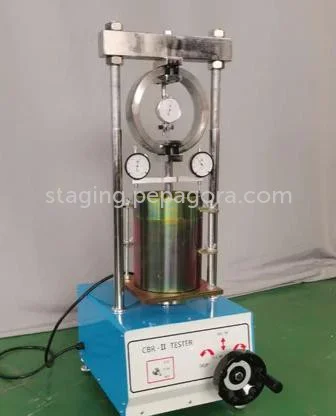
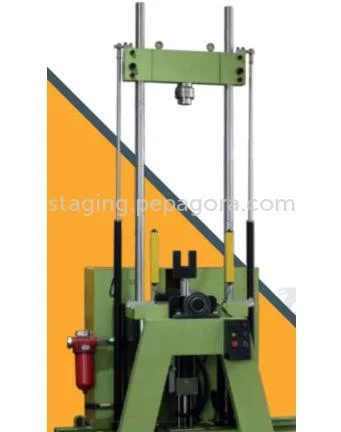
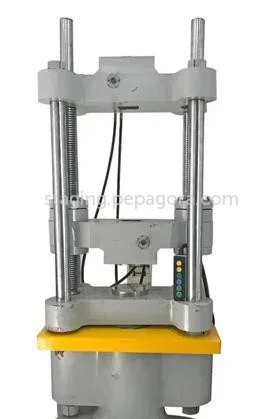
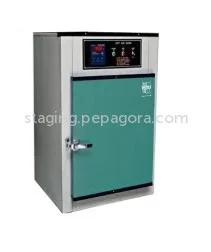
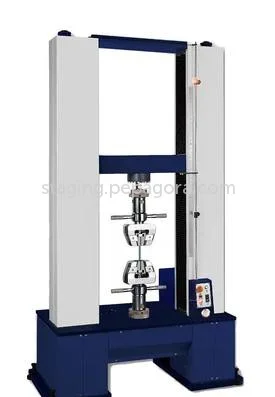
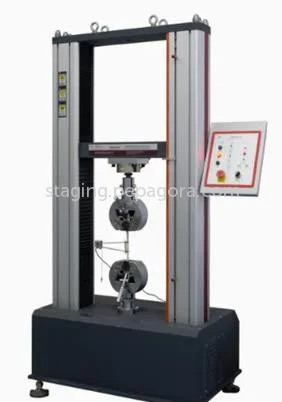
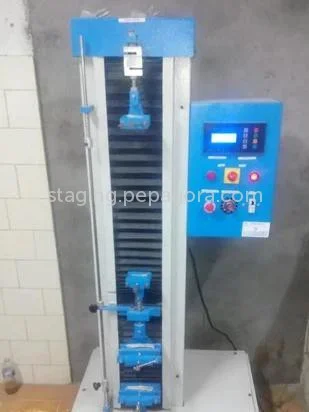
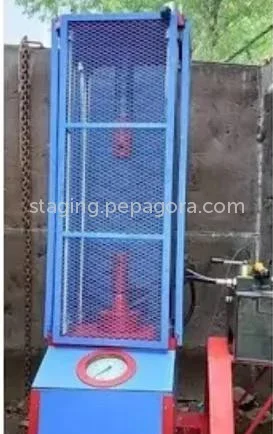
Hydraulic insulating testing machines represent specialized equipment designed to evaluate both mechanical integrity and electrical insulation properties of various insulator types under controlled hydraulic pressure conditions. These precision testing systems apply calibrated mechanical forces while monitoring dielectric performance, providing comprehensive data on how insulators behave under simulated operational stresses. The machines incorporate high-pressure hydraulic systems, precision load measurement sensors, and insulated test chambers to create controlled testing environments that replicate real-world conditions. This dual testing capability makes them indispensable for manufacturers and utilities requiring validated performance data for electrical insulation components used in critical power infrastructure applications. The testing procedures follow international standards to ensure consistent, reliable results across different testing scenarios and insulator materials inclu...
Hydraulic insulating testing machines represent specialized equipment designed to evaluate both mechanical integrity and electrical insulation properties of various insulator types under controlled hydraulic pressure conditions. These precision testing systems apply calibrated mechanical forces while monitoring dielectric performance, providing comprehensive data on how insulators behave under simulated operational stresses. The machines incorporate high-pressure hydraulic systems, precision load measurement sensors, and insulated test chambers to create controlled testing environments that replicate real-world conditions. This dual testing capability makes them indispensable for manufacturers and utilities requiring validated performance data for electrical insulation components used in critical power infrastructure applications. The testing procedures follow international standards to ensure consistent, reliable results across different testing scenarios and insulator materials including ceramic, polymer, and composite varieties.

These testing machines serve multiple industries where electrical insulation reliability directly impacts operational safety and system performance. Power transmission companies utilize them for quality verification of suspension, tension, and post insulators before installation on overhead lines. Electrical component manufacturers employ these systems for routine production testing and quality control processes. Railway electrification departments rely on them to validate insulators for catenary systems and traction power networks. High-voltage research laboratories use the equipment for material development and performance benchmarking. The testing systems also find application in quality certification centers, utility maintenance facilities, and electrical safety organizations that require standardized testing methodologies for insulation components across different voltage classes and environmental conditions.

The business value of hydraulic insulating testing machines lies in their ability to prevent costly infrastructure failures through comprehensive pre-deployment validation. By identifying potential mechanical or electrical weaknesses before installation, these systems help avoid unexpected downtime, reduce maintenance costs, and enhance overall grid reliability. The machines provide quantitative data that supports informed procurement decisions and quality assurance processes. Their precision engineering ensures consistent test results across multiple operators and testing sessions, making them reliable tools for both production quality control and research applications. The customization options available allow organizations to tailor testing parameters to specific operational requirements, while the robust construction ensures long-term reliability in industrial testing environments.

Key Features:
- High-pressure hydraulic system for precise mechanical force application
- Insulated test chamber for accurate dielectric performance measurement
- Precision sensor technology for reliable load and displacement monitoring
- Compliance with international electrical insulator testing standards
- Customizable testing parameters for different insulator types and materials

Benefits:
- Prevent costly power transmission failures through comprehensive pre-deployment testing
- Ensure compliance with international quality and safety standards for electrical components
- Reduce maintenance costs by identifying potential insulator weaknesses before installation
- Enhance grid reliability through validated insulator performance data
- Support research and development of new insulator materials with precise testing capabilities
Specifications
| Additional Information | |
|---|---|
| Country of Origin | 106 |
Application
Our hydraulic insulating testing machines serve critical quality assurance needs across electrical manufacturing and power infrastructure sectors. These precision instruments verify that insulators meet stringent mechanical and dielectric standards before deployment in high-voltage environments, preventing costly failures and ensuring operational safety. The testing systems are essential for manufacturers, utilities, and research facilities requiring validated performance data for electrical insulation components.
These testing machines find extensive application in power transmission companies, electrical insulator manufacturers, and high-voltage laboratory settings. They perform essential quality checks on ceramic, polymer, and composite insulators used in overhead lines, substations, and railway electrification systems. The equipment helps organizations comply with international testing standards while maintaining consistent product quality across production batches and different insulator materials. Real-world applications:
Real-world applications:
- Quality validation of suspension and pin-type insulators for overhead power transmission lines
- Mechanical strength testing of composite insulators used in railway electrification systems
- Dielectric performance evaluation of polymer insulators for substation applications
- Routine testing of ceramic insulators in manufacturing facilities to ensure batch consistency
- Research and development testing for new insulator materials in high-voltage laboratories
Trade Details
| Available Stock | In Stock |
| Sample Availability | No |
Payment Terms
| Payment Terms |
|
Shipping & Logistics
| Port of Dispatch | New Delhi |
Company Profile

Enkay Enterprises, New Delhi
 New Delhi, India
New Delhi, IndiaIndustrial Equipment & Machinery
Factory Details
Factory SizeBelow 1000 sqm
Hydraulic Insulating Testing Machine For Electrical Insulator Quality
Hydraulic insulating testing machines evaluate mechanical strength and dielectric properties of electrical insulators under pressure. Ensure reliability for power transmission systems with precise quality testing equipment.
Min. Order Quantity: 1 Unit
Shipping
Shipping fee and delivery date to be negotiated. Contact supplier now for more details.
Enkay Enterprises
 New Delhi, India
New Delhi, IndiaIndustrial Equipment & Machinery