
 IN
Hydraulic Seals & Kits
22 products available
What are Hydraulic Seals & Kits?
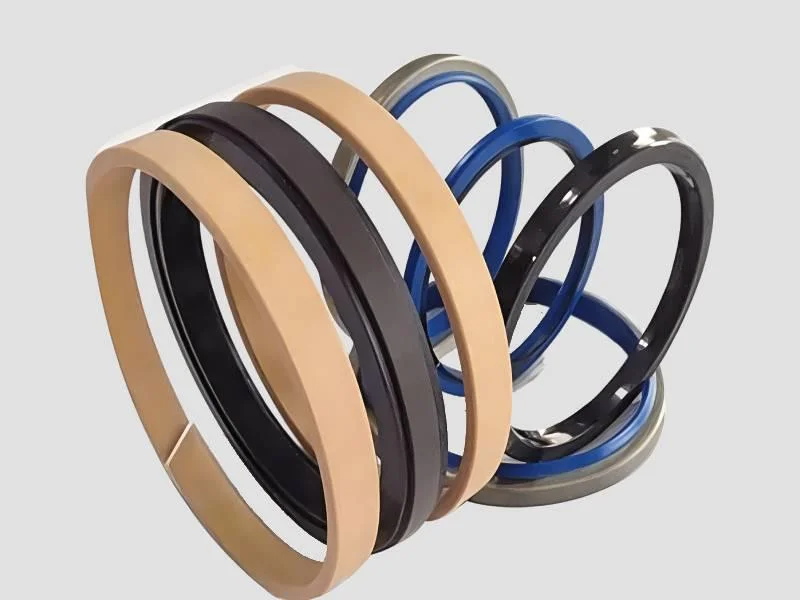
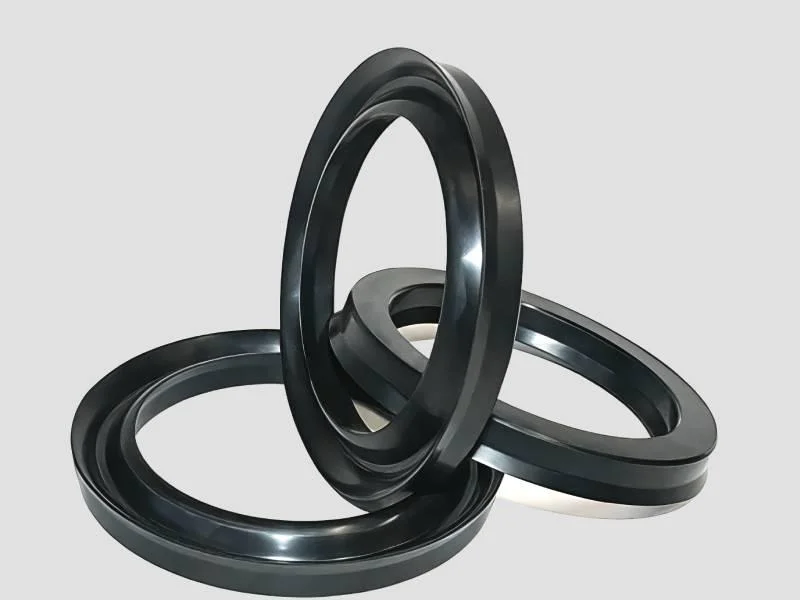
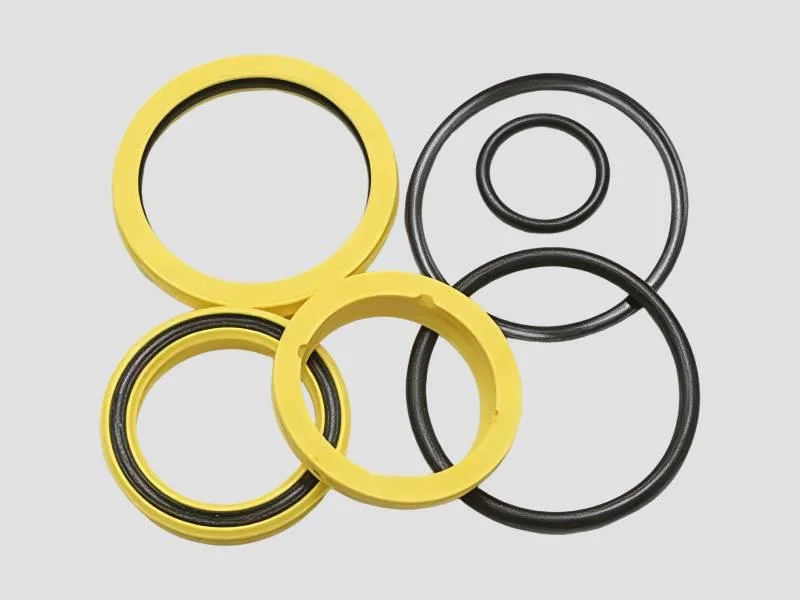
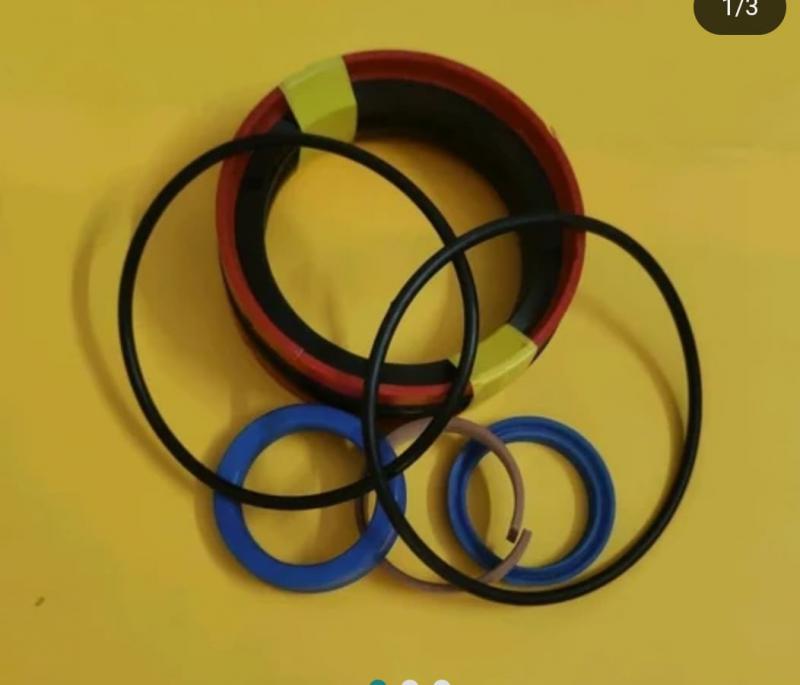
Hydraulic seals and kits are essential components in hydraulic systems, designed to prevent the leakage of fluids and to maintain pressure within hydraulic cylinders and other equipment. These seals are engineered to fit into various assemblies, ensuring efficient operation of hydraulic machinery. They typically come in various shapes and sizes to accommodate different applications and are made from materials that can withstand high pressures and diverse environmental conditions.
These products are widely used in industries such as construction, manufacturing, and automotive, where hydraulic systems play a crucial role in powering machinery and equipment. Their primary function is to provide a barrier against hydraulic fluid leakage, which can lead to system failures and costly downtimes. The reliability of hydraulic seals is thus vital for the smooth operation of hydraulic equipment, making them indispensable in many industrial applications.
Hydraulic seals and kits are part of a dynamic market that sees continuous innovation and development. As industries evolve and the demand for efficient and powerful hydraulic systems grows, the significance of these components has become increasingly prominent. Companies are now investing in advanced sealing technologies to improve performance and longevity, reflecting the sector's commitment to quality and reliability.
Key Features and Specifications
Hydraulic seals and kits are characterized by several key features and specifications that define their performance and suitability for various applications. Understanding these specifications helps businesses choose the right products for their needs.
Key specifications include:
1. Material Composition
- Hydraulic seals are made from a variety of materials including rubber, polyurethane, and PTFE.
- Each material offers unique properties such as temperature resistance and compatibility with different fluids.
2. Size and Dimensions
- Available in various sizes to fit different hydraulic components.
- Custom sizes can often be manufactured to meet specific requirements.
3. Pressure Ratings
- Designed to withstand varying pressure levels, commonly ranging from low to high pressures.
- Pressure ratings ensure that seals function optimally without failure.
4. Temperature Tolerance
- Seals are engineered to operate within specific temperature ranges, accommodating extreme hot and cold conditions.
- This ensures reliability in diverse environments.
5. Compliance Standards
- Many hydraulic seals conform to international quality standards such as ISO 9001.
- Certifications like UL and CE further enhance product credibility.
6. Environmental Resistance
- Seals are designed to resist factors such as abrasion, chemicals, and moisture.
- This durability extends the lifespan of hydraulic systems.
7. Seal Types
- Various types of seals available including O-rings, piston seals, and rod seals.
- Each type serves a specific function within hydraulic systems.
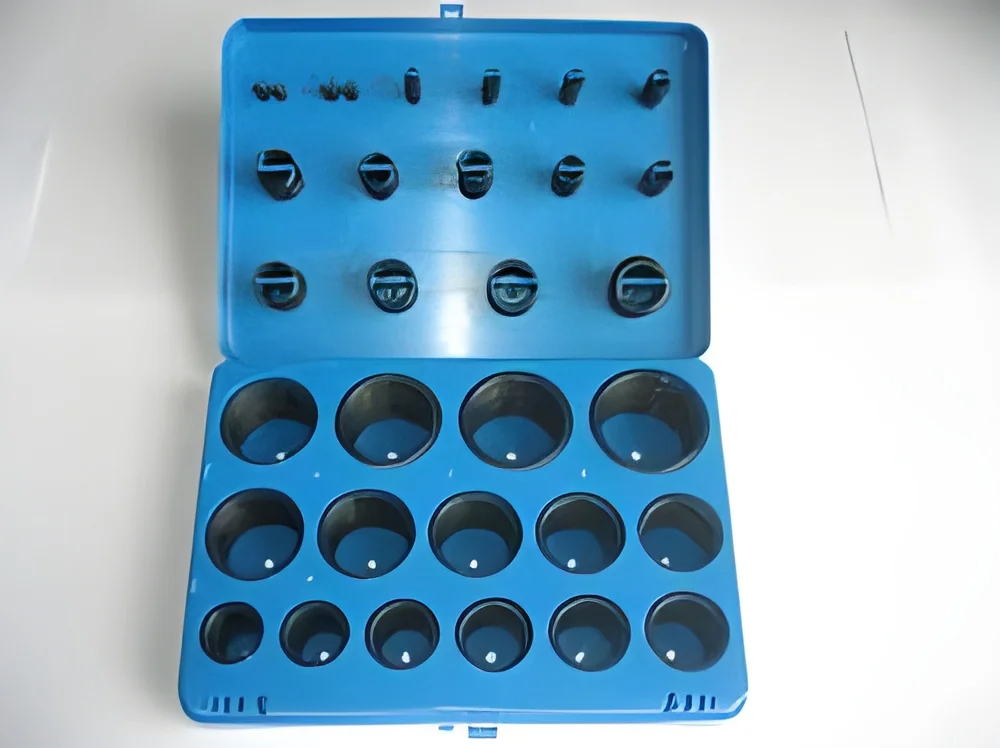
8. Kits and Assemblies
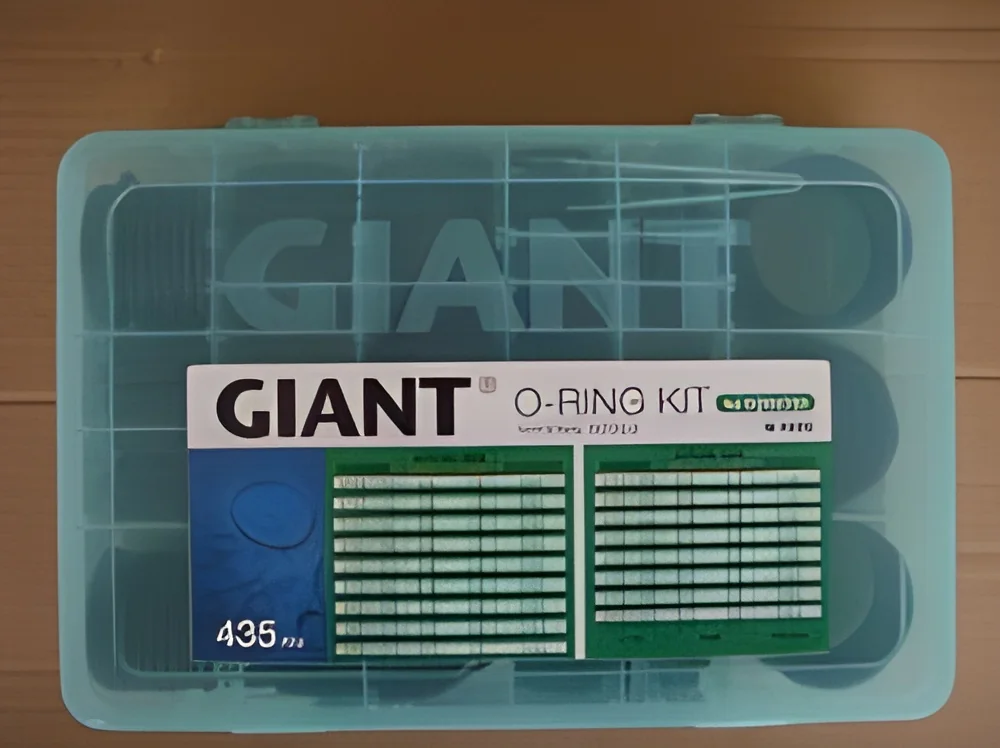
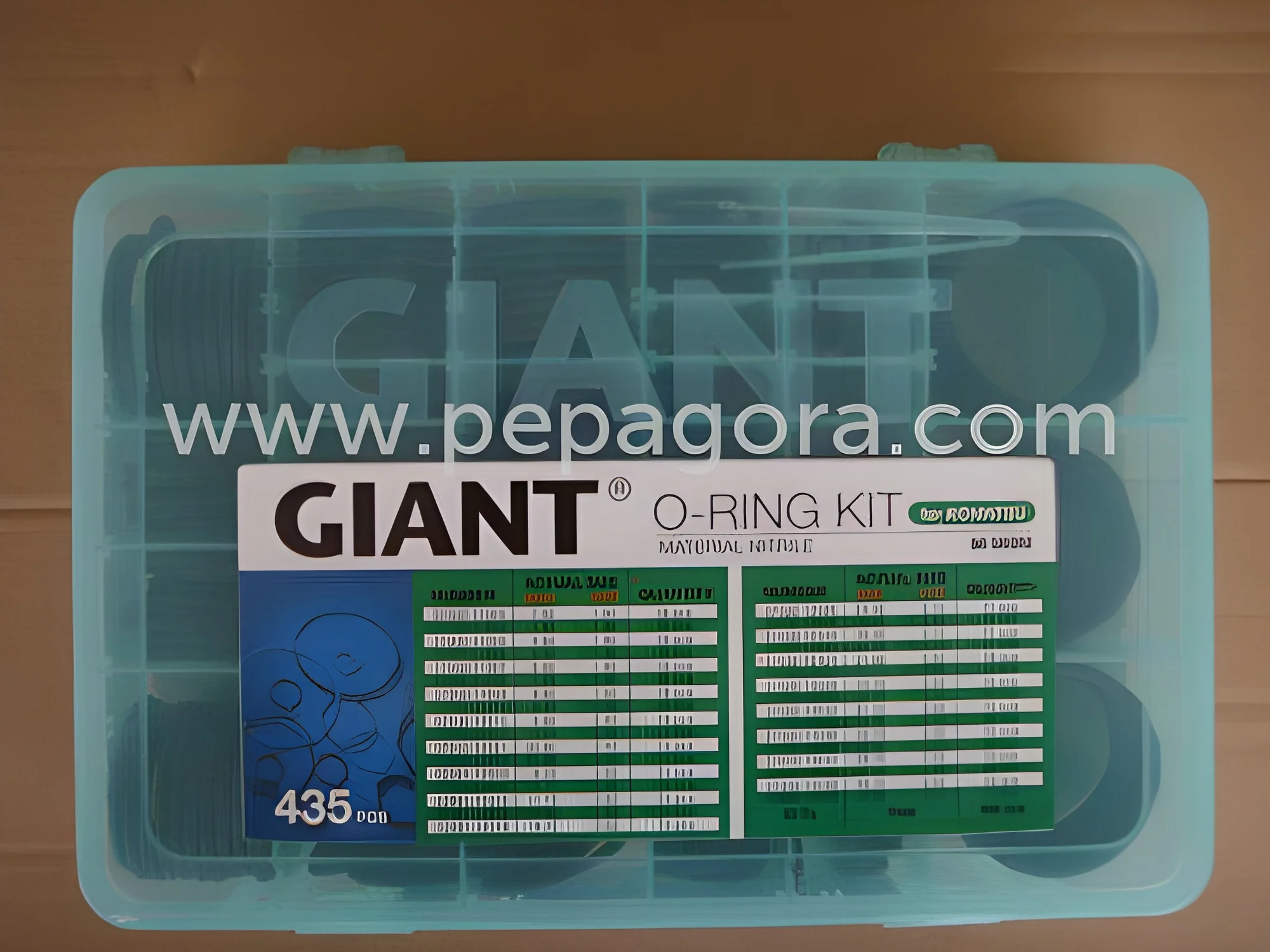
- Kits often include multiple seals and components for complete system repair or maintenance.
- This convenience allows for streamlined procurement and installation.
Understanding these specifications is vital for making informed purchasing decisions regarding hydraulic seals and kits.
Common Applications and Use Cases
Hydraulic seals and kits are utilized across a wide range of industries, each with specific applications that underline their importance.
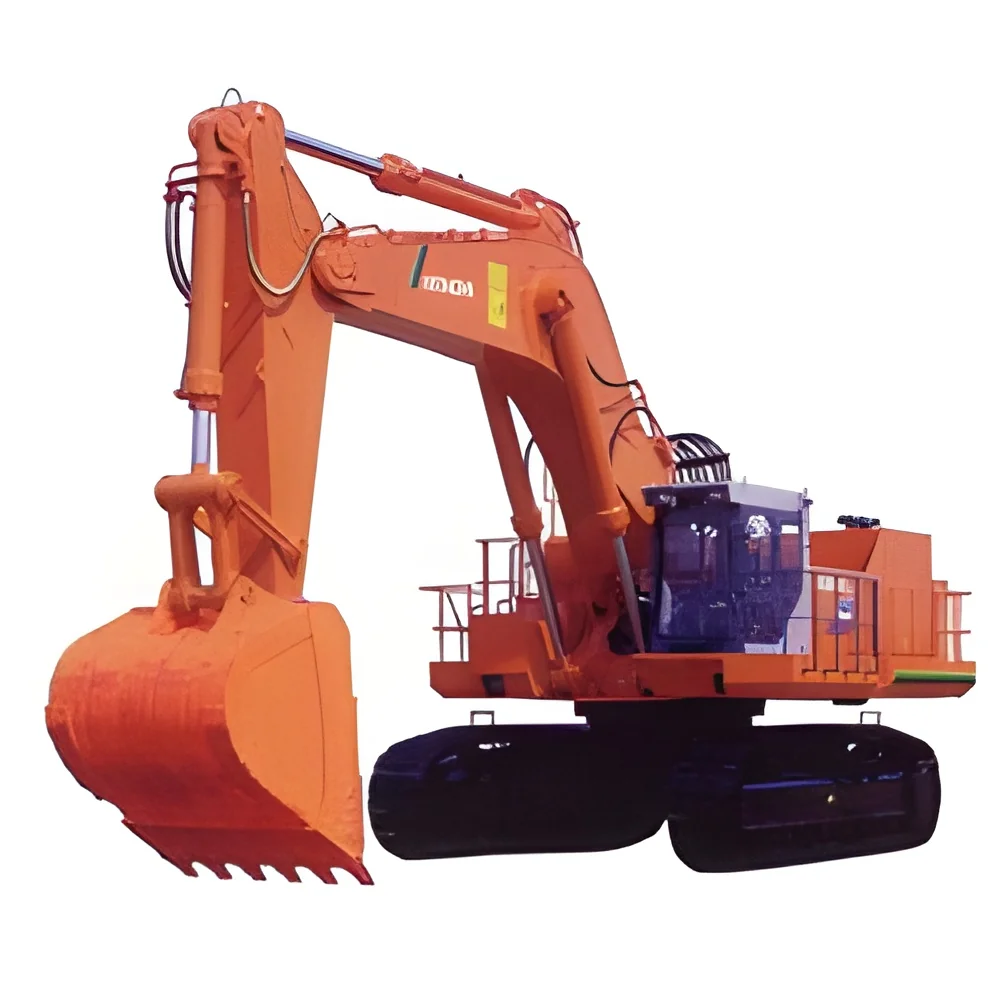
1. Construction: In construction machinery such as excavators and loaders, hydraulic seals prevent fluid leaks, ensuring reliable operation under heavy loads.
2. Manufacturing: Hydraulic presses and assembly lines rely on seals to maintain pressure, which is crucial for efficient manufacturing processes.
3. Automotive: Hydraulic systems in vehicles, including braking and steering mechanisms, depend on high-quality seals to ensure safety and performance.
4. Agriculture: Agricultural equipment utilizes hydraulic systems for functions like lifting and towing, where seals play a critical role in fluid retention.
5. Oil and Gas: In the oil and gas industry, hydraulic seals are essential in drilling and extraction equipment, where they ensure the integrity of high-pressure systems.
6. Marine: Hydraulic systems on ships and boats use seals to manage fluid dynamics, contributing to the overall efficiency of maritime operations.
7. Aerospace: In aerospace applications, hydraulic seals are crucial for ensuring the functionality of landing gear and control systems, where safety is paramount.
Product Variants and Subcategories
Hydraulic seals and kits come in various forms, each tailored to meet specific operational needs.
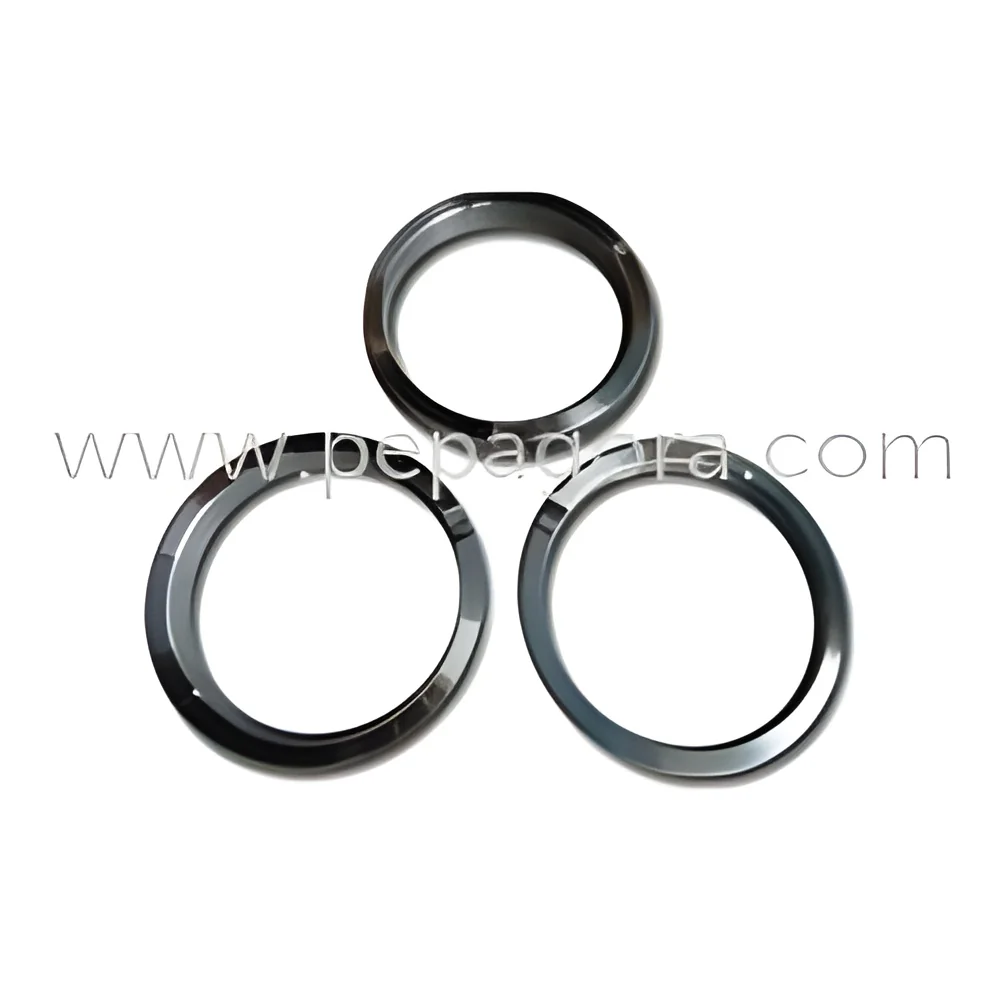
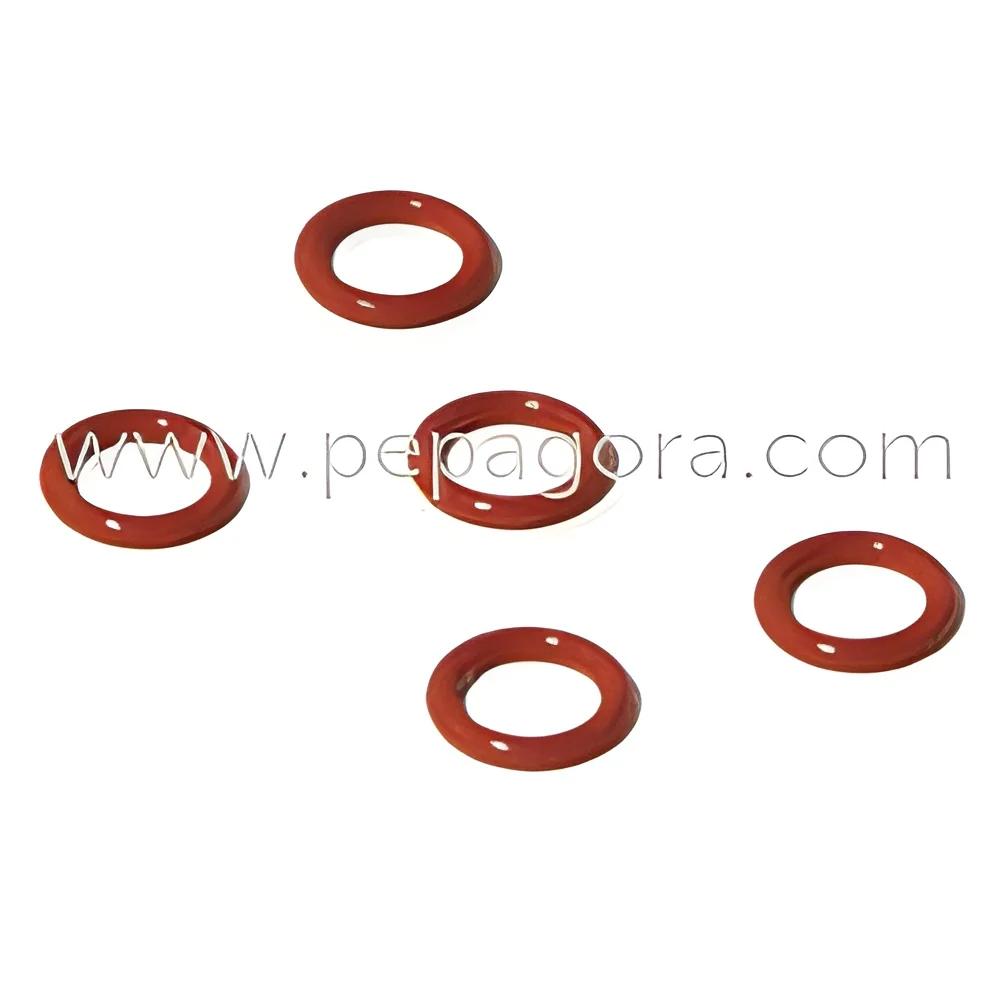
O-rings: O-rings are one of the most common types of hydraulic seals. They provide a reliable sealing solution for static and dynamic applications, ensuring minimal leakage in hydraulic cylinders.
Piston Seals: These seals are designed for use in hydraulic pistons, offering excellent resistance to wear and the ability to handle high-pressure environments. They are essential for maintaining effective hydraulic force.
Rod Seals: Rod seals prevent leakage along the rod of hydraulic cylinders. They are crucial for maintaining pressure and ensuring the smooth operation of hydraulic systems.
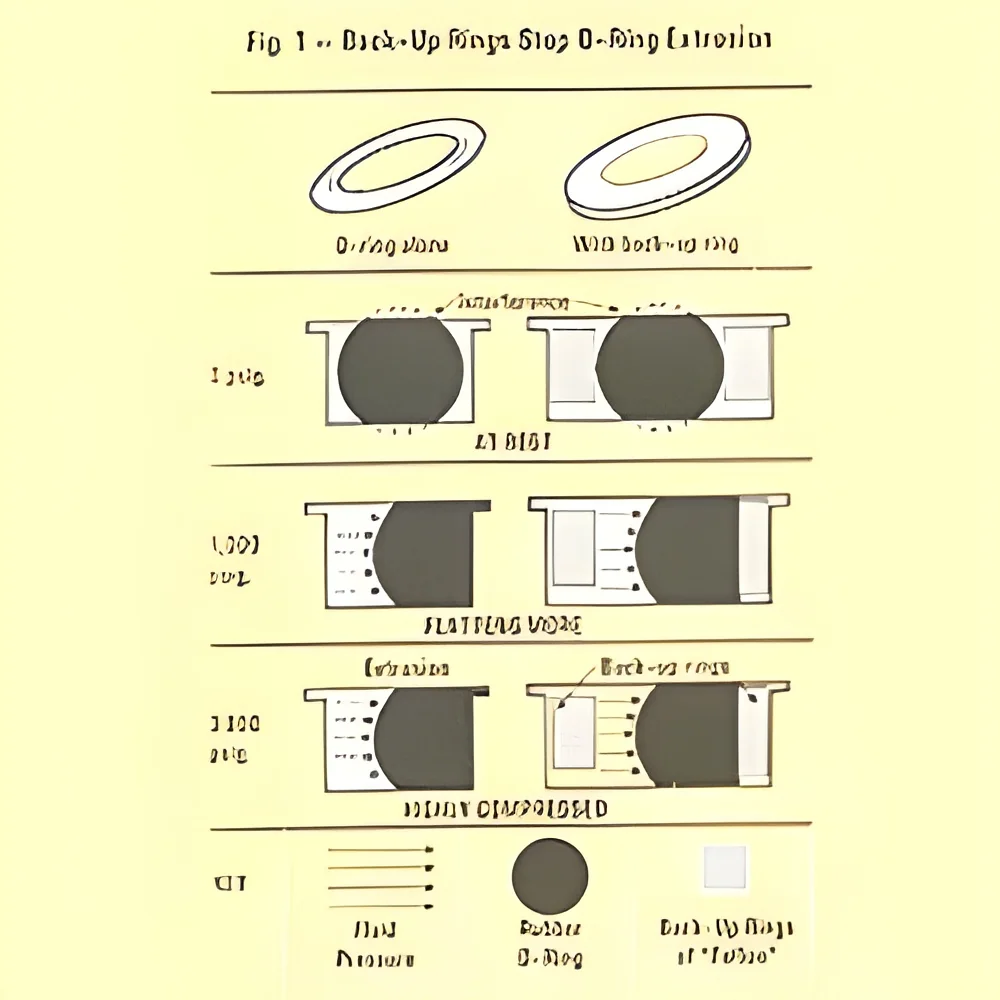
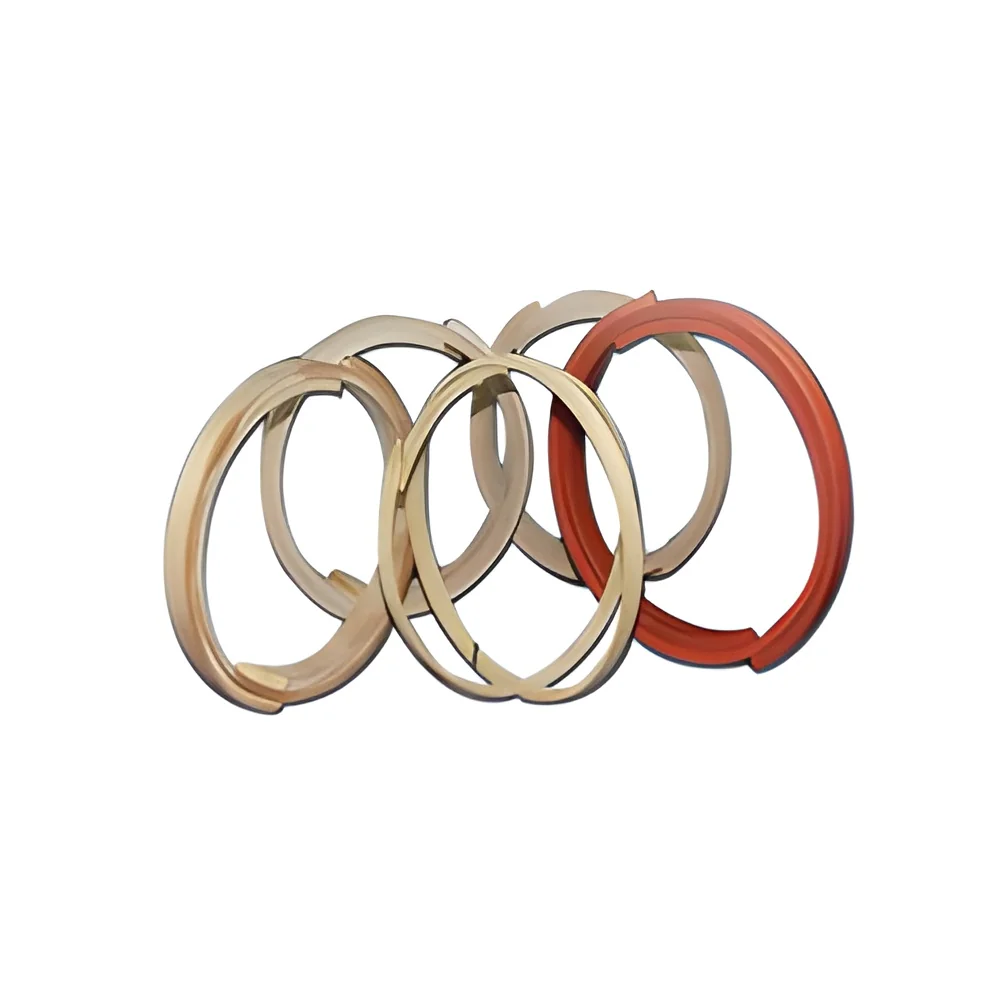
Back-up Rings: Often used in conjunction with other seals, back-up rings provide added support and prevent extrusion of softer materials under high pressure.
Custom Seals: For unique applications, custom seals can be manufactured to meet specific design and operational requirements, ensuring compatibility with specialized equipment.
Benefits and Advantages
Investing in high-quality hydraulic seals and kits offers numerous benefits for businesses.
1. Enhanced Reliability: Quality seals reduce the chances of leaks, ensuring that hydraulic systems operate smoothly and efficiently.
2. Cost Savings: By preventing leaks and reducing downtime, reliable seals can lead to significant cost savings in maintenance and repairs.
3. Improved Performance: High-performance seals contribute to the overall functionality of hydraulic systems, enhancing productivity and operational efficiency.
4. Longevity: Durable materials and construction increase the lifespan of seals, reducing the frequency of replacements and associated costs.
5. Versatility: The wide range of available seals allows for use across various applications, making them suitable for diverse industries.
6. Compliance Assurance: Seals that meet industry standards provide peace of mind regarding quality and safety, essential for regulatory compliance.
Buying Guide for B2B Buyers
When sourcing hydraulic seals and kits, it is essential for businesses to consider several key factors to ensure the best selection.
1. Quality Assessment: Evaluate the quality of seals based on material properties, durability, and manufacturer reputation. High-quality seals will minimize failure rates and enhance system reliability.
2. Supplier Verification: Conduct thorough background checks on potential suppliers to ensure they are reputable and provide quality products. Look for certifications and customer reviews.
3. Pricing and MOQ: Consider the cost of seals and the minimum order quantity (MOQ). Compare prices across suppliers while ensuring that quality is not compromised for lower costs.
4. Delivery and Lead Times: Assess the supplier’s delivery capabilities, including lead times for manufacturing and shipping. Timely delivery is crucial for maintaining operational schedules.
5. Compliance Requirements: Ensure that the seals meet relevant compliance standards and certifications for your industry. This is especially important for sectors with stringent regulatory frameworks.
Compliance and Certifications
Hydraulic seals and kits must adhere to various quality standards and certifications that ensure their reliability and safety in industrial applications. Compliance with ISO 9001 is fundamental, as it guarantees that manufacturers maintain high-quality management systems throughout production.
Certifications such as UL and CE signify that the products meet international safety and performance standards. These certifications are crucial for businesses seeking to ensure the integrity of their hydraulic systems in demanding environments.
Additionally, safety and testing requirements are vital for verifying the performance of hydraulic seals under various conditions. This includes assessments for temperature extremes and chemical compatibility. Regional compliance considerations may also apply, depending on the market in which the products will be used, necessitating awareness of local regulations and standards.
Why Source Hydraulic Seals & Kits from Pepagora?
Pepagora provides a trusted platform for sourcing hydraulic seals and kits, offering several key advantages that facilitate the buying process for businesses.
Verified Supplier Network: Pepagora connects buyers with a network of verified suppliers, ensuring that businesses can source high-quality products with confidence. Rigorous supplier vetting processes guarantee reliability.
Streamlined RFQ Process: The request for quotation (RFQ) system simplifies the procurement process, allowing businesses to obtain competitive pricing and detailed product information efficiently.
Trade Assurance and Support: Pepagora offers trade assurance to protect buyers, ensuring that transactions are secure and that any disputes can be resolved effectively. This level of support enhances buyer confidence.
Regional Coverage: With a focus on regions such as India, the GCC, and Southeast Asia, Pepagora provides access to a diverse market for hydraulic seals and kits. This geographical reach facilitates easier sourcing options for businesses operating in these areas.

 India
 India
 India
 India
 India
 India
 India
 India
 India
Frequently Asked Questions
What are Hydraulic Seals & Kits?
Hydraulic seals and kits are essential components in hydraulic systems, designed to prevent fluid leaks while maintaining pressure. They ensure the smooth operation of machinery by sealing the gaps between moving parts, providing efficiency and safety in hydraulic applications.
What are the different types of Hydraulic Seals & Kits?
There are several types of hydraulic seals, including O-rings, rod seals, piston seals, and wiper seals. Each type serves a specific function depending on the application, such as sealing, guiding, or preventing contamination in hydraulic systems.
How do I choose the right Hydraulic Seals & Kits?
Choosing the right hydraulic seals requires considering factors such as the type of fluid, operating temperature, pressure, and the specific application. Consulting with manufacturers or suppliers can help identify the best seals and kits that meet your operational requirements.
What are the standard specifications for Hydraulic Seals & Kits?
Standard specifications for hydraulic seals include material composition, hardness, temperature range, and pressure ratings. These specifications ensure that the seals can withstand the operational demands of hydraulic systems effectively.
What is the price range for Hydraulic Seals & Kits?
The price of hydraulic seals and kits can vary widely based on factors such as material, type, and manufacturer. Generally, prices can range from a few hundred to several thousand Indian Rupees, depending on the specifications and quantities required.
What quality standards apply to Hydraulic Seals & Kits?
Quality standards for hydraulic seals may include ISO standards, ASTM specifications, and other industry-specific regulations. Ensuring compliance with these standards is crucial for maintaining the reliability and performance of hydraulic systems.
Where can I find Hydraulic Seals & Kits suppliers in India?
Hydraulic seals and kits suppliers in India can be found through online marketplaces, trade directories, and industry-specific exhibitions. Websites like Pepagora.com provide a platform to connect with reputable manufacturers and suppliers in the hydraulic seal sector.
Can Hydraulic Seals & Kits be customized?
Yes, hydraulic seals and kits can often be customized to meet specific requirements such as size, material, and design. Many manufacturers offer customization options to ensure compatibility with unique hydraulic applications.
What is the typical minimum order quantity for Hydraulic Seals & Kits?
The typical minimum order quantity (MOQ) for hydraulic seals and kits can vary by supplier, but it generally ranges from 50 to 100 pieces. It is advisable to check with individual suppliers for their specific MOQ requirements.
What is the typical lead time for Hydraulic Seals & Kits?
The typical lead time for hydraulic seals and kits can range from a few days to several weeks, depending on factors such as inventory availability and customization needs. Suppliers usually provide estimated delivery times upon order confirmation.
Why Businesses Trust Pepagora
Thousands of companies trust Pepagora to source smarter and sell faster
Expand Your Sales Globally

Source Smarter,Grow Faster
