
 IN
High Tensile Fasteners
41 products available
What are High Tensile Fasteners?
High tensile fasteners are specialized fastening components designed to withstand high levels of stress and load. Made from strong materials such as alloy steel or stainless steel, these fasteners are engineered to provide superior strength, durability, and resistance to deformation under extreme conditions. Their high tensile strength makes them essential in applications where reliability and safety are paramount.
These fasteners are primarily used in various industries, including construction, automotive, and aerospace. In construction, they play a critical role in securing structural elements, while in the automotive sector, they are vital for assembling engines and other components. The aerospace industry relies on high tensile fasteners for their ability to ensure safety and performance in aircraft manufacturing and maintenance. The demand for these fasteners continues to grow as industries seek solutions that balance strength with weight efficiency.
Key Features and Specifications
High tensile fasteners offer a range of features and specifications that cater to diverse industrial needs. Their design and manufacturing processes adhere to rigorous standards to ensure quality and performance.
Key specifications include:
1. Material Composition
- Typically made from high-carbon steel or alloy steel.
- Often heat-treated to enhance strength and toughness.
2. Tensile Strength
- Generally exceeds 800 MPa for standard applications.
- Specific grades may achieve tensile strengths over 1,200 MPa.
3. Coatings
- Available with various surface treatments such as zinc plating or black oxide.
- Coatings enhance corrosion resistance and improve longevity.
4. Sizes and Dimensions
- Offered in various diameters, ranging from M5 to M30.
- Lengths can be customized based on application requirements.
5. Thread Types
- Commonly available in coarse and fine threads.
- Specific thread standards include metric and imperial options.
6. Head Styles
- Available in multiple head styles including hex, socket, and countersunk.
- Each style serves different functional and aesthetic purposes.
7. Certifications
- Compliance with industry standards such as CE is crucial.
- Many manufacturers adhere to ISO 9001 quality management systems.
High tensile fasteners are engineered with precision to meet the demands of high-stress applications while providing reliability and safety.
Common Applications and Use Cases
High tensile fasteners are versatile components utilized across many sectors. Their strength and reliability make them suitable for critical applications.
1. Construction: Used for securing beams, columns, and other structural elements in buildings and bridges.
2. Automotive: Essential in engine assembly, chassis construction, and body fittings, ensuring safety and performance.
3. Aerospace: Critical for aircraft assembly, where strength and lightweight properties are necessary for safety and efficiency.
4. Oil and Gas: Employed in drilling rigs and pipelines, where they must withstand harsh environmental conditions.
5. Marine: Used in shipbuilding and repair, where corrosion resistance and strength are paramount.
6. Heavy Machinery: Integral in the assembly of equipment such as cranes and excavators, where high load-bearing capabilities are essential.
7. Rail: Utilized in the manufacturing of trains and rail infrastructure, ensuring durability under heavy loads.
Product Variants and Subcategories
High tensile fasteners come in various forms, each tailored to specific use cases. The product diversity allows businesses to select the right fastener for their unique requirements.
Hex Bolts
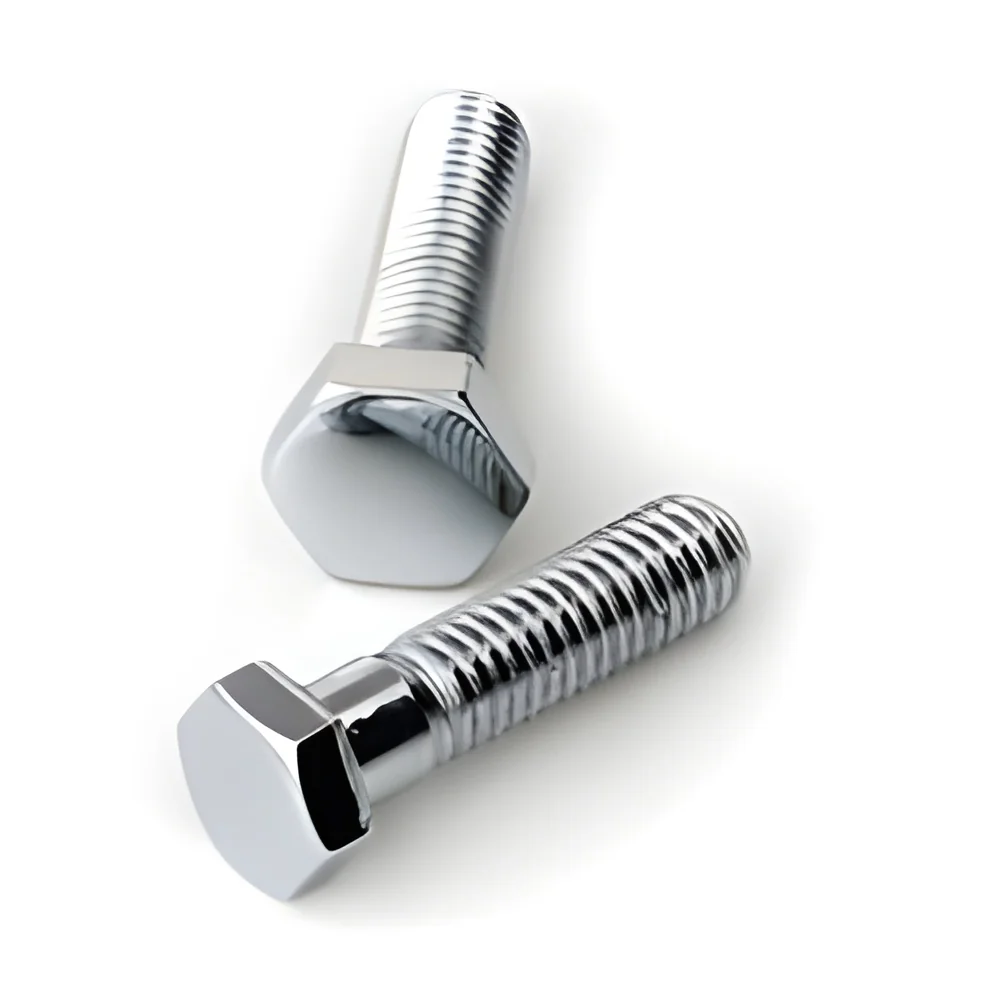
Hex bolts are widely used for securing heavy machinery and structural components. Their hexagonal head allows for easy tightening and loosening with a wrench, making them ideal for applications requiring high torque.
Socket Head Cap Screws
These fasteners feature a cylindrical head and are driven by an internal hex drive. They are commonly used in precision machinery and automotive parts, where compactness and strength are needed.
Flat Head Screws
Flat head screws are designed for flush mounting in materials. They are often used in woodworking and cabinetry, providing a clean finish while ensuring strong assembly.
Benefits and Advantages
Choosing high tensile fasteners presents numerous advantages for businesses. Their robust construction and design cater to a variety of industrial needs.
Key benefits include:
1. High Strength: Capable of withstanding significant loads, reducing the risk of failure in critical applications.
2. Durability: Resistant to wear and fatigue, ensuring longevity in harsh environments.
3. Corrosion Resistance: Many variants come with protective coatings, extending their lifespan in corrosive conditions.
4. Versatility: Suitable for a wide range of applications across various industries, enhancing their utility.
5. Cost-Effectiveness: Despite their high performance, they often represent a cost-effective solution due to their longevity and reliability.
6. Safety: Their strength and reliability contribute to overall safety in structural applications, minimizing the risk of accidents.
Buying Guide for B2B Buyers
When sourcing high tensile fasteners, businesses should consider several key factors to ensure they make informed purchasing decisions.
1. Quality Assessment: Evaluate the quality of fasteners by reviewing certifications and material specifications. Ensure that the fasteners meet industry standards for performance and reliability.
2. Supplier Verification: Vet potential suppliers by checking their reputation, customer reviews, and compliance with necessary industry certifications. Reliable suppliers often provide a guarantee of quality.
3. Pricing and MOQ: Understand the pricing structure and minimum order quantities. Compare costs among different suppliers to ensure competitive pricing while considering quality.
4. Delivery and Lead Times: Discuss delivery schedules and lead times with suppliers. Timely delivery is crucial for maintaining project timelines and avoiding delays.
5. Compliance Requirements: Check for any regulatory requirements specific to your industry and ensure that the fasteners comply with these standards.
Compliance and Certifications
High tensile fasteners are subject to various compliance standards and certifications that ensure their quality and safety in industrial applications.
Relevant quality standards such as ISO 9001 are crucial for maintaining quality management systems. These standards help ensure that manufacturing processes consistently meet customer and regulatory requirements.
Industry certifications, including the CE mark, indicate that products meet European safety and health standards. This certification is especially important for fasteners used in construction and aerospace applications.
Safety and testing requirements play a significant role in the manufacturing process. High tensile fasteners undergo rigorous testing to verify their tensile strength and overall performance under stress.
Regional compliance considerations can vary, so it is essential for manufacturers and suppliers to be aware of local regulations governing fastener use in different global markets.
Why Source High Tensile Fasteners from Pepagora?
Pepagora offers a reliable platform for sourcing high tensile fasteners with several advantages for B2B buyers.
Verified Supplier Network: Pepagora works with a network of verified suppliers to ensure product quality. This reduces the risk of sourcing unreliable or substandard fasteners.
Streamlined RFQ Process: The request for quotation (RFQ) system simplifies the procurement process. Buyers can easily compare quotes from multiple suppliers, facilitating better decision-making.
Trade Assurance and Support: Pepagora provides trade assurance, giving buyers confidence in their purchases. Support is available to assist with any issues, enhancing the overall sourcing experience.
Regional Coverage: With a presence in India, GCC, and Southeast Asia, Pepagora can cater to a diverse range of markets. This geographic reach allows for efficient sourcing and supply chain management, meeting the needs of businesses across different regions.

 India
 India
 India
 India
 India
 India
 India
 India

 India
 India
 India
 India
 India
 India
 India
 India
 India
 India


 India
 India
 India
 India
 India
Frequently Asked Questions
What are High Tensile Fasteners?
High Tensile Fasteners are specialized fasteners designed to withstand high levels of stress and tension. They are often made from high-strength materials such as alloy steel, which enhances their durability and load-bearing capacity.
What are the different types of High Tensile Fasteners?
The different types of High Tensile Fasteners include bolts, nuts, screws, and washers. Each type serves a specific purpose and is utilized in various applications across industries, ensuring secure connections in high-stress environments.
How do I choose the right High Tensile Fasteners?
To choose the right High Tensile Fasteners, consider factors such as the material requirements, load capacity, and environmental conditions. It is also essential to verify the compatibility with the components being fastened to ensure optimal performance.
What are the standard specifications for High Tensile Fasteners?
Standard specifications for High Tensile Fasteners typically include dimensions, tensile strength, and material composition. Common standards include ASTM, ISO, and DIN, which outline the mechanical properties and testing methods for these fasteners.
What is the price range for High Tensile Fasteners?
The price range for High Tensile Fasteners can vary significantly based on factors such as size, material, and quantity ordered. Generally, prices can range from a few rupees to several hundred rupees per unit, depending on these factors.
What quality standards apply to High Tensile Fasteners?
High Tensile Fasteners must adhere to quality standards such as ISO 9001 and other relevant industry certifications. These standards ensure that the fasteners meet specific performance criteria and are manufactured under strict quality control measures.
Where can I find High Tensile Fasteners suppliers in India?
You can find High Tensile Fasteners suppliers in India through various online B2B marketplaces, industry directories, and trade shows. Platforms like Pepagora.com can help connect buyers with reputable manufacturers and suppliers in the region.
Can High Tensile Fasteners be customized?
Yes, High Tensile Fasteners can often be customized to meet specific requirements, including size, shape, and coating. Many manufacturers offer customization options to cater to unique applications and industry needs.
What is the typical minimum order quantity for High Tensile Fasteners?
The typical minimum order quantity (MOQ) for High Tensile Fasteners varies by supplier and product type. Generally, MOQs can range from a few dozen to several hundred pieces, depending on the manufacturer’s policies.
What is the typical lead time for High Tensile Fasteners?
The typical lead time for High Tensile Fasteners can range from a few days to several weeks, depending on factors such as inventory levels, order complexity, and customization requirements. It's advisable to check with suppliers for specific delivery timelines.
Why Businesses Trust Pepagora
Thousands of companies trust Pepagora to source smarter and sell faster
Expand Your Sales Globally

Source Smarter,Grow Faster
