IN
IN₹
Apparel & Fashion
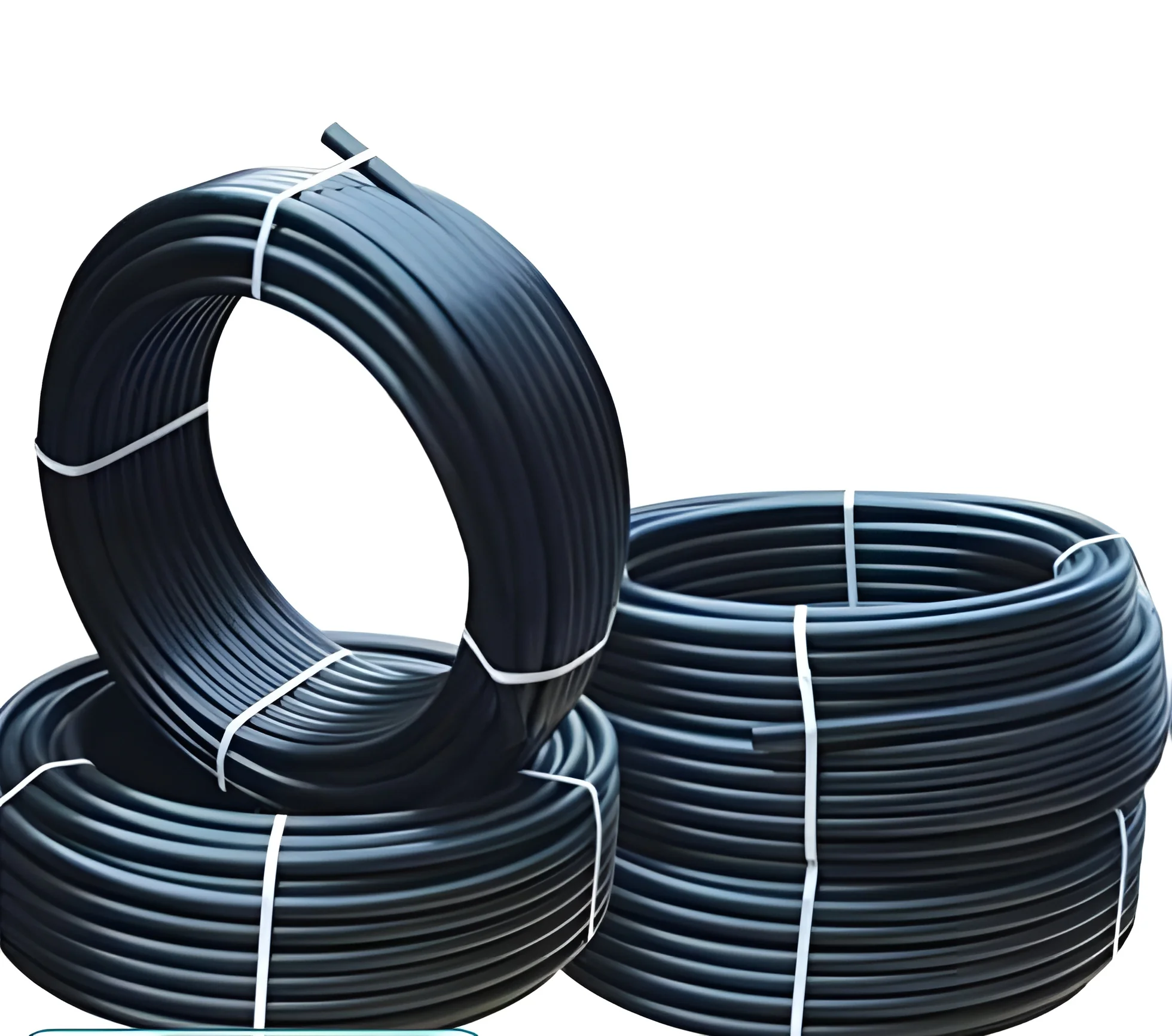
Description
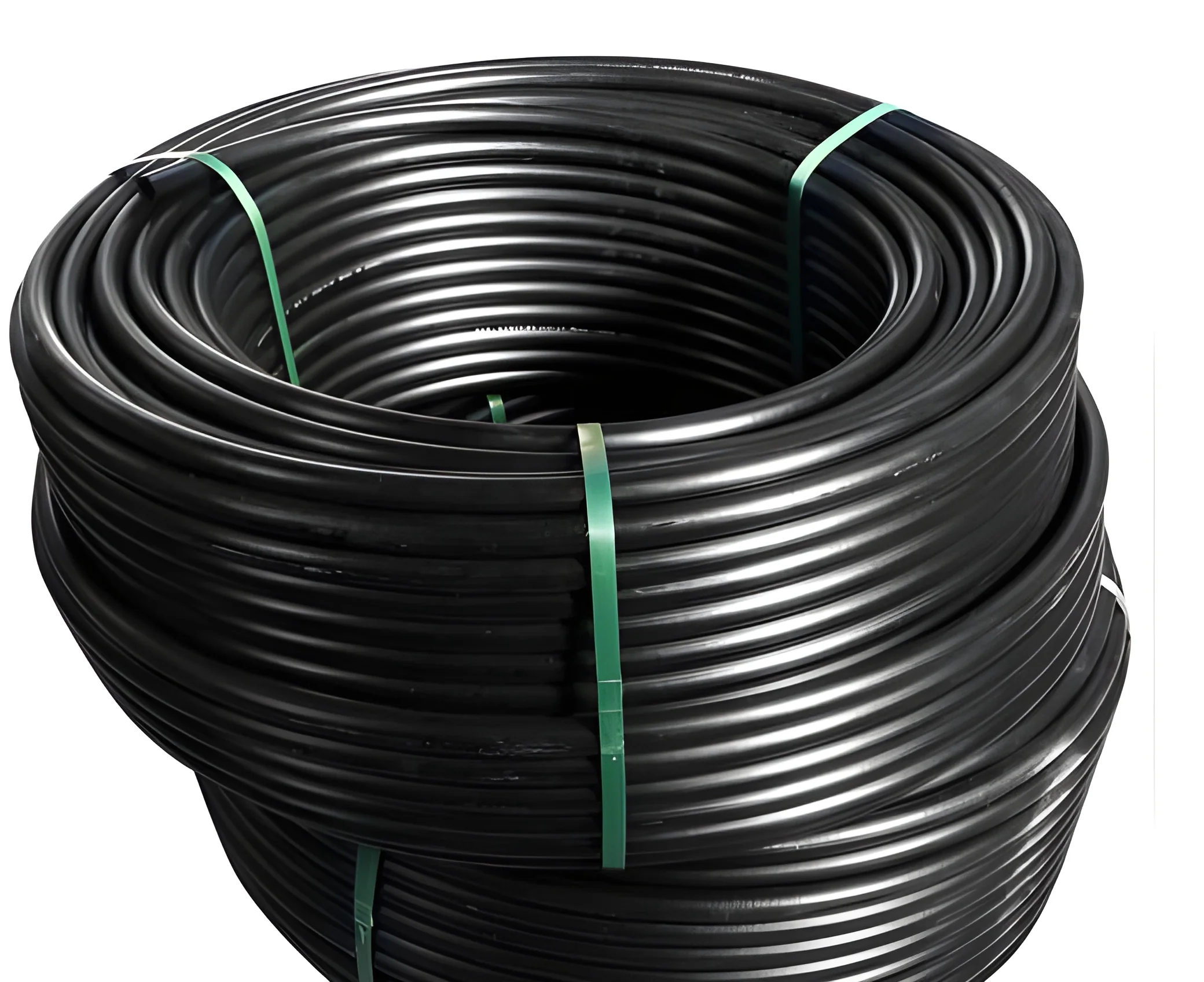
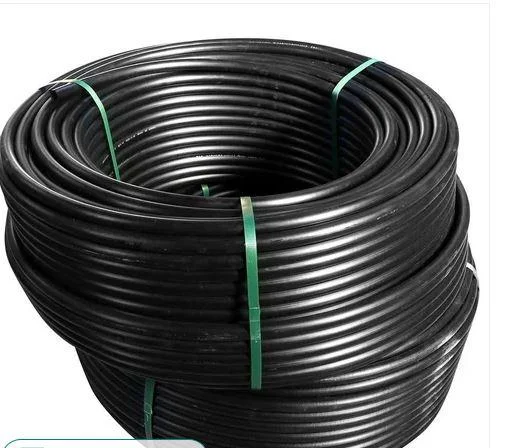
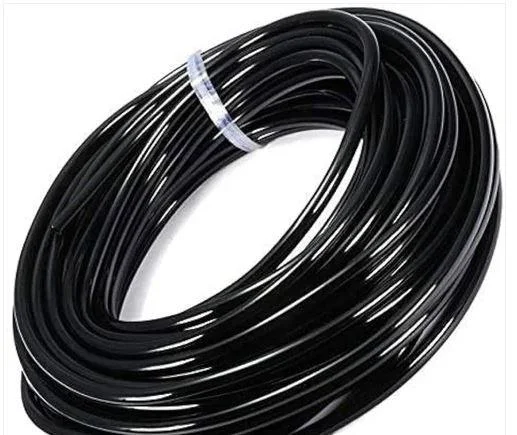
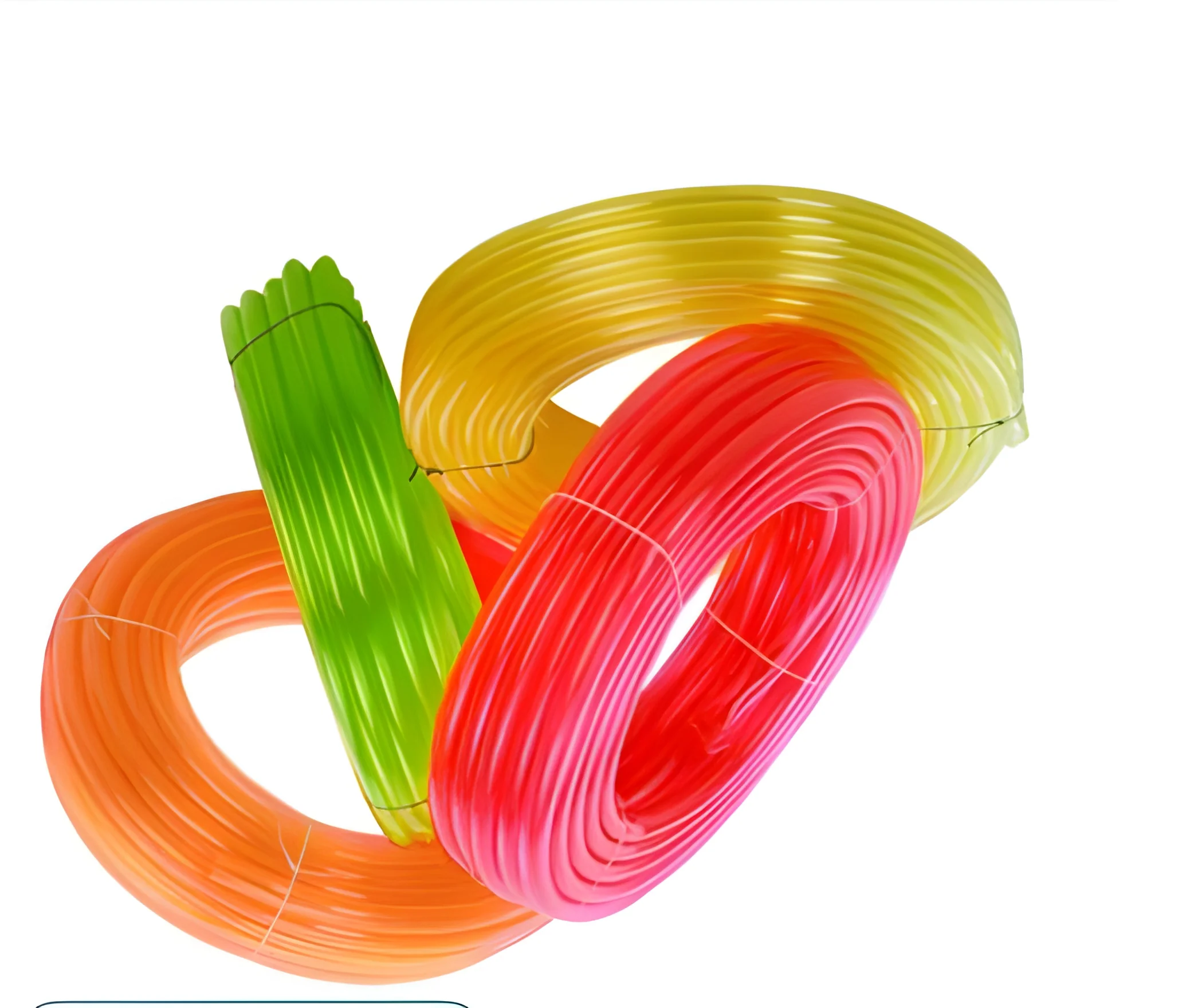
Underground HDPE pipes represent the gold standard in modern piping solutions, manufactured from high-density polyethylene that delivers exceptional strength, flexibility, and resistance to corrosion and chemical degradation. These pipes are specifically engineered for demanding underground applications where traditional materials often fail. The seamless construction ensures completely leak-proof joints, while the smooth interior surface minimizes friction loss for optimal flow efficiency. Their lightweight nature significantly reduces installation time and costs, yet they maintain remarkable durability against soil movement, external pressure, and temperature variations. The material's inherent resistance to abrasion and environmental stress cracking guarantees reliable performance across decades of service in both urban development and rural infrastructure projects. Across industries, these pipes have become the preferred choice for water utilities, municipal corporations, and indus...
Underground HDPE pipes represent the gold standard in modern piping solutions, manufactured from high-density polyethylene that delivers exceptional strength, flexibility, and resistance to corrosion and chemical degradation. These pipes are specifically engineered for demanding underground applications where traditional materials often fail. The seamless construction ensures completely leak-proof joints, while the smooth interior surface minimizes friction loss for optimal flow efficiency. Their lightweight nature significantly reduces installation time and costs, yet they maintain remarkable durability against soil movement, external pressure, and temperature variations. The material's inherent resistance to abrasion and environmental stress cracking guarantees reliable performance across decades of service in both urban development and rural infrastructure projects. Across industries, these pipes have become the preferred choice for water utilities, municipal corporations, and industrial facilities seeking dependable underground piping solutions. Water treatment plants utilize them for raw water transmission and treated water distribution, while municipal authorities deploy them for sewage collection and stormwater management. The oil and gas industry relies on HDPE pipes for safe fuel distribution networks, and agricultural sectors implement them for efficient irrigation systems. Telecommunications companies use them for fiber optic cable protection, and industrial plants employ them for chemical waste disposal and process water lines, demonstrating their versatility across multiple sectors. The business value of underground HDPE pipes extends beyond initial cost savings to encompass long-term operational reliability and reduced maintenance requirements. Their corrosion-resistant properties eliminate the need for protective coatings or cathodic protection systems, while the fusion-welded joints create monolithic systems that prevent leaks and infiltration. The material's flexibility allows for installation in challenging terrain without additional fittings, and their resistance to biological growth ensures consistent flow capacity over time. These factors combine to deliver lower total cost of ownership, reduced environmental impact through leak prevention, and uninterrupted service continuity that protects your operational efficiency and reputation.

Key Features:

Benefits:
Specifications
| Additional Information | |
|---|---|
| Country of Origin | India |
Application
Underground HDPE pipes serve as the backbone for modern infrastructure systems where reliability and longevity are paramount. Their exceptional resistance to corrosion, chemicals, and environmental stress makes them ideal for both municipal and industrial applications that demand consistent performance under challenging underground conditions. These pipes are engineered to handle various pressure ratings and environmental factors while maintaining structural integrity. Th
e flexibility and durability of HDPE make them suitable for diverse soil conditions, including areas prone to ground movement or seismic activity, ensuring uninterrupted service across different geographic regions and climate zones. Real-world applications: Municipal water supply and distribution networks Sewage and wastewater management systems Natural gas distribution pipelines Agricultural irrigation and drainage systems Underground cable protection and conduit systems
Real-world applications:
Trade Details
| Available Stock | In Stock |
| Sample Availability | No |
Payment Terms
| Payment Terms |
|
Company Profile
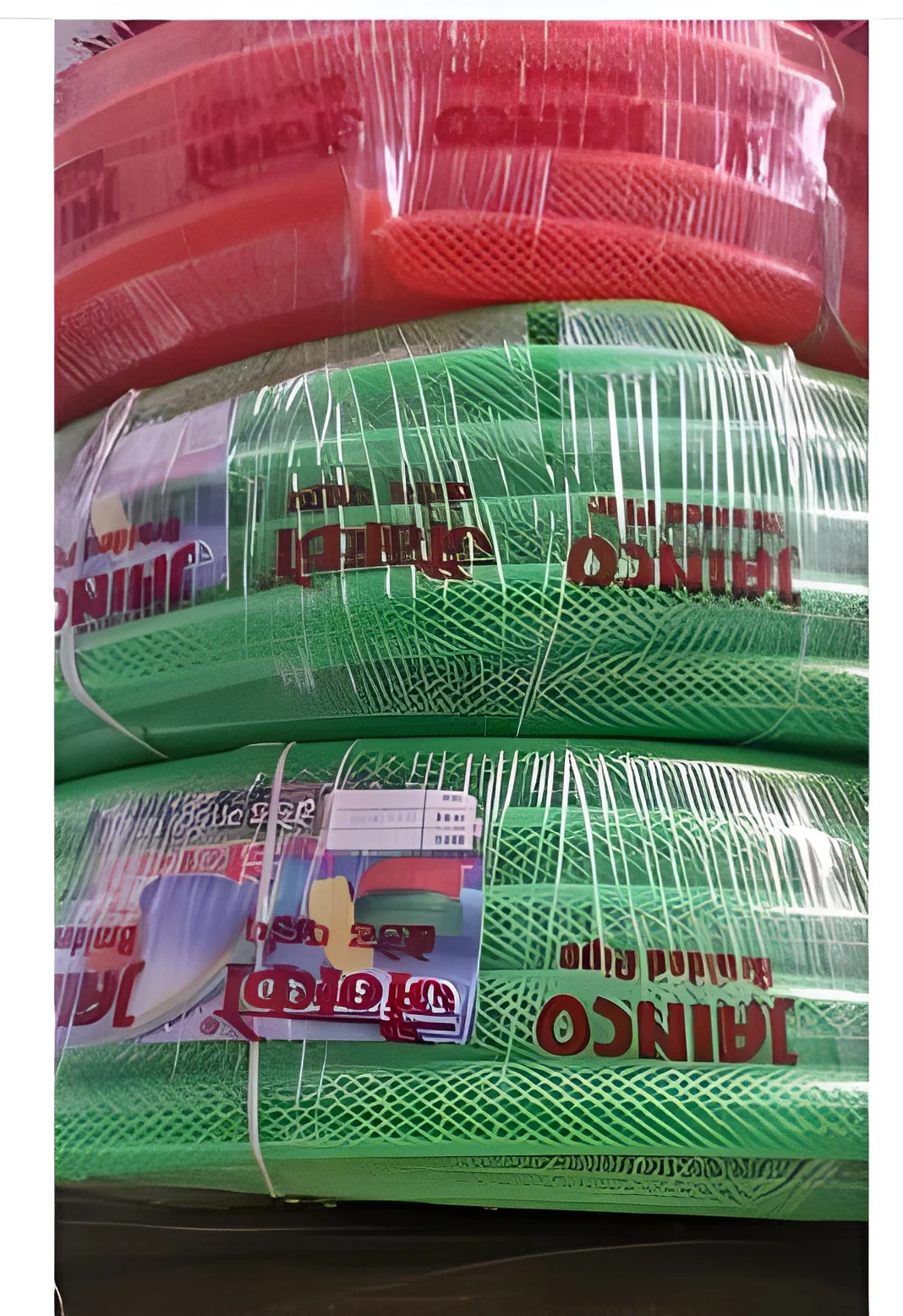
Jainco Irrigations Pvt Ltd , Madhya Pradesh
 Madhya Pradesh, India
Madhya Pradesh, IndiaFood & Agriculture•Manufacturer•Distributor / Wholesaler
Factory Details
Factory SizeBelow 1000 sqm
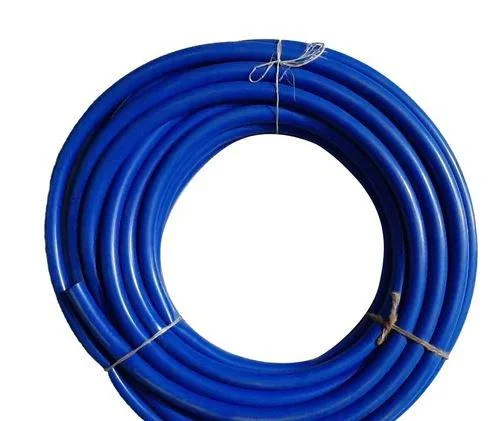
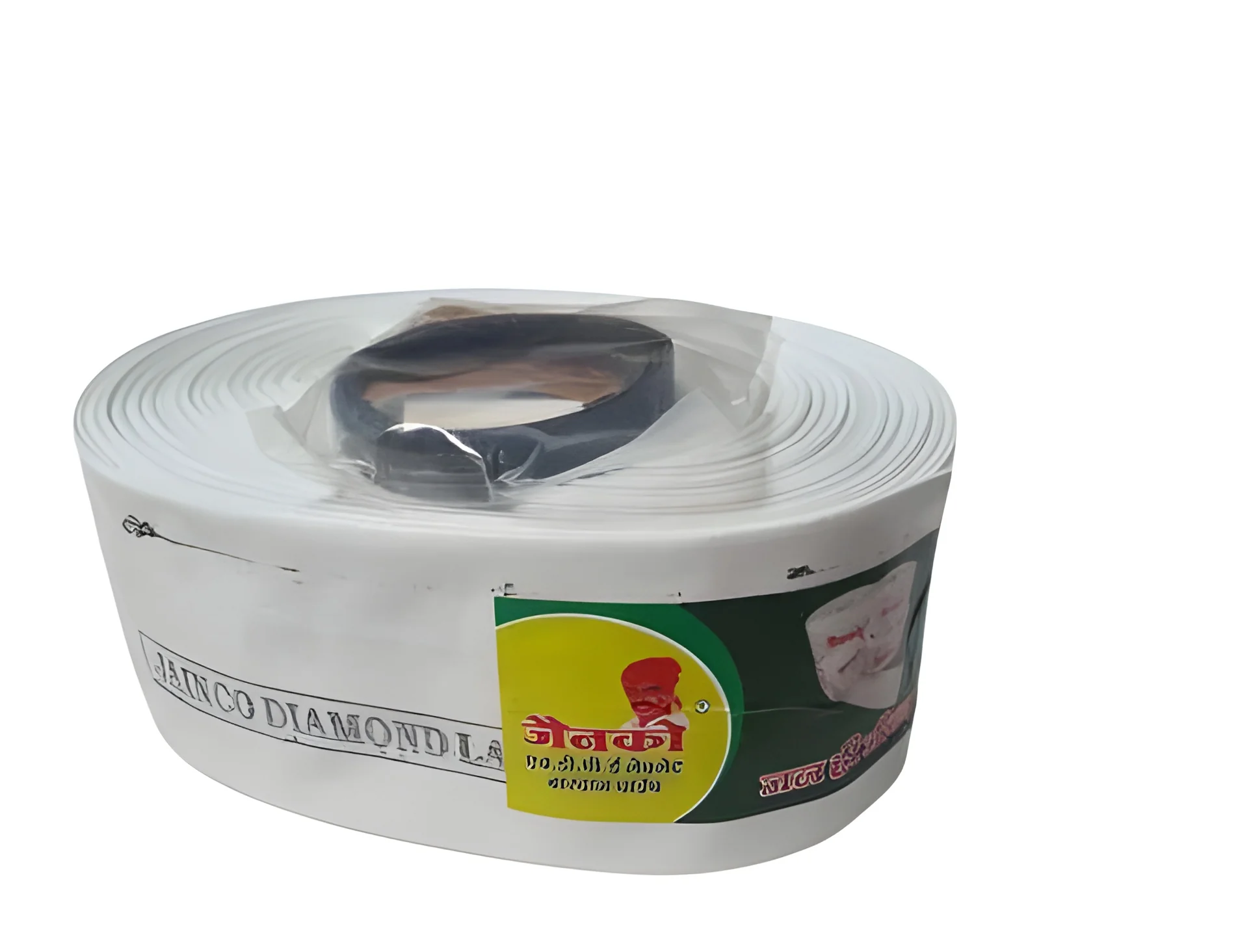
Underground HDPE Pipes For Water Sewage Gas Corrosion Resistant
High-quality underground HDPE pipes for water, sewage, and gas applications. These corrosion-resistant pipes offer leak-proof performance, easy installation, and long-term durability in harsh soil conditions.
Min. Order Quantity: 1
Shipping
Shipping fee and delivery date to be negotiated. Contact supplier now for more details.
Jainco Irrigations Pvt Ltd 
 Madhya Pradesh, India
Madhya Pradesh, IndiaFood & AgricultureManufacturer