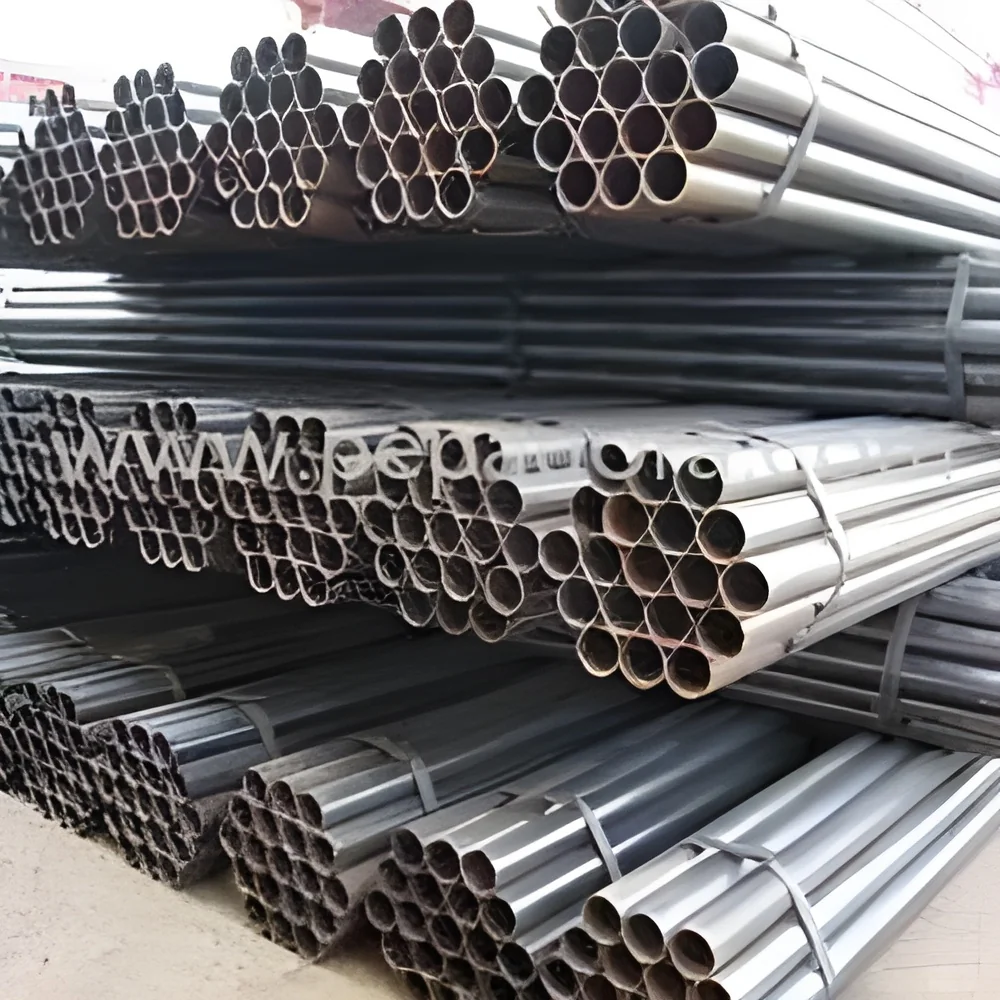
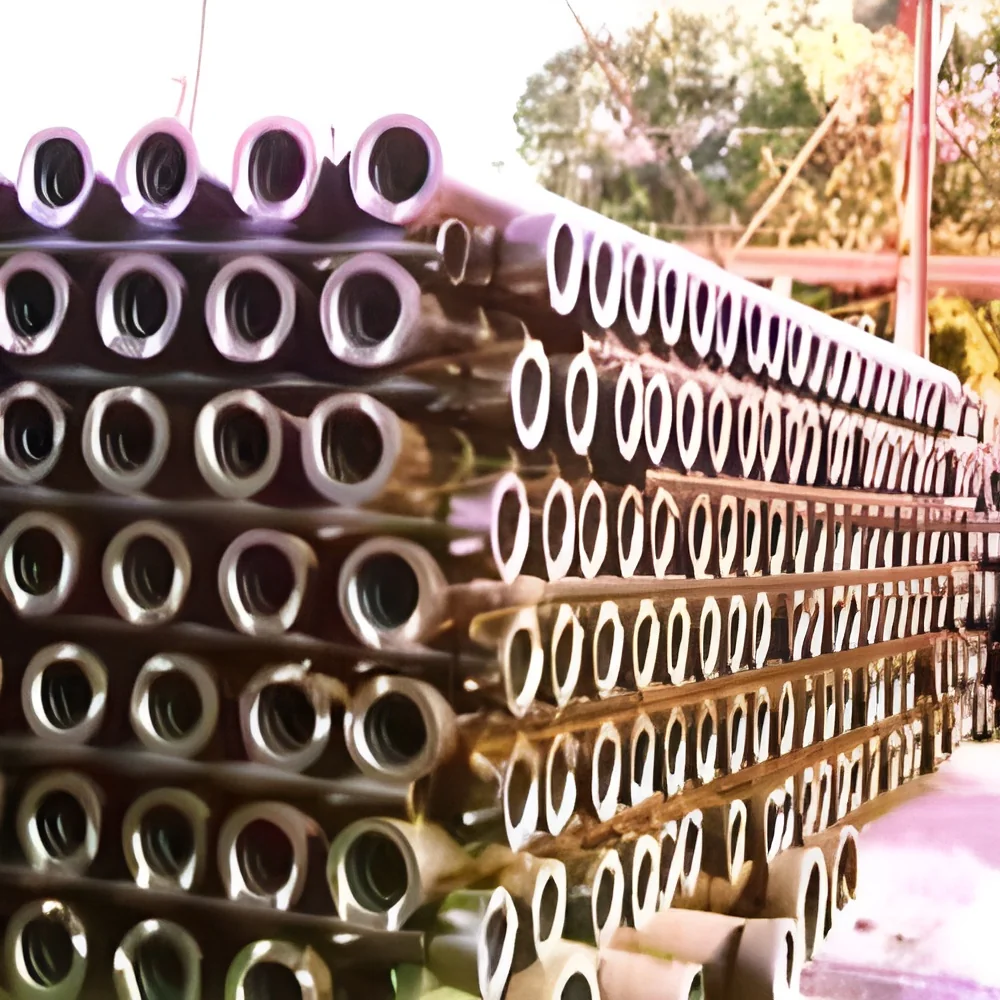
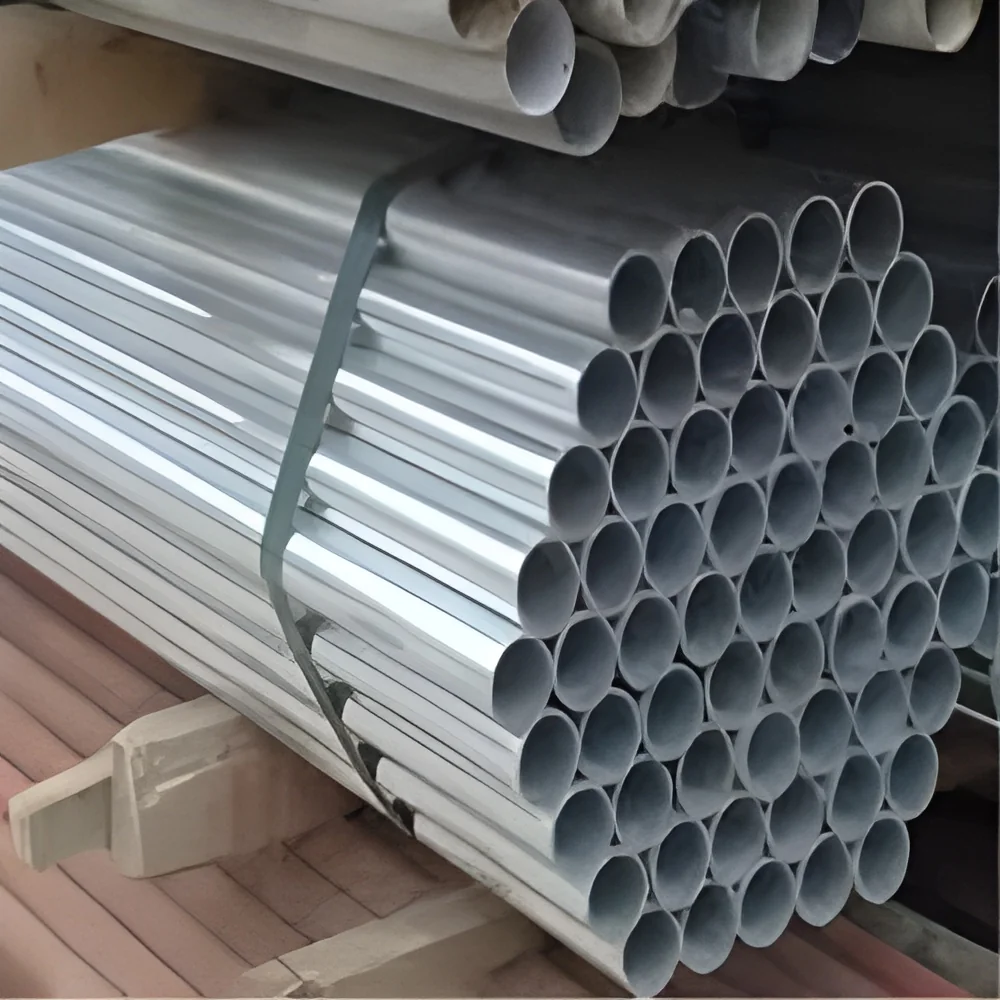
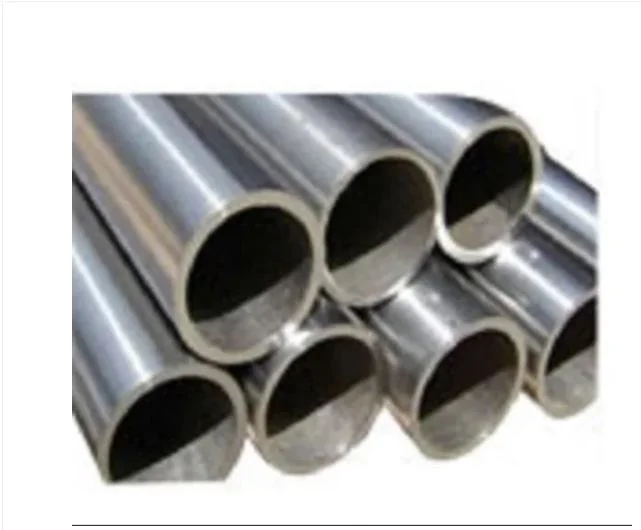
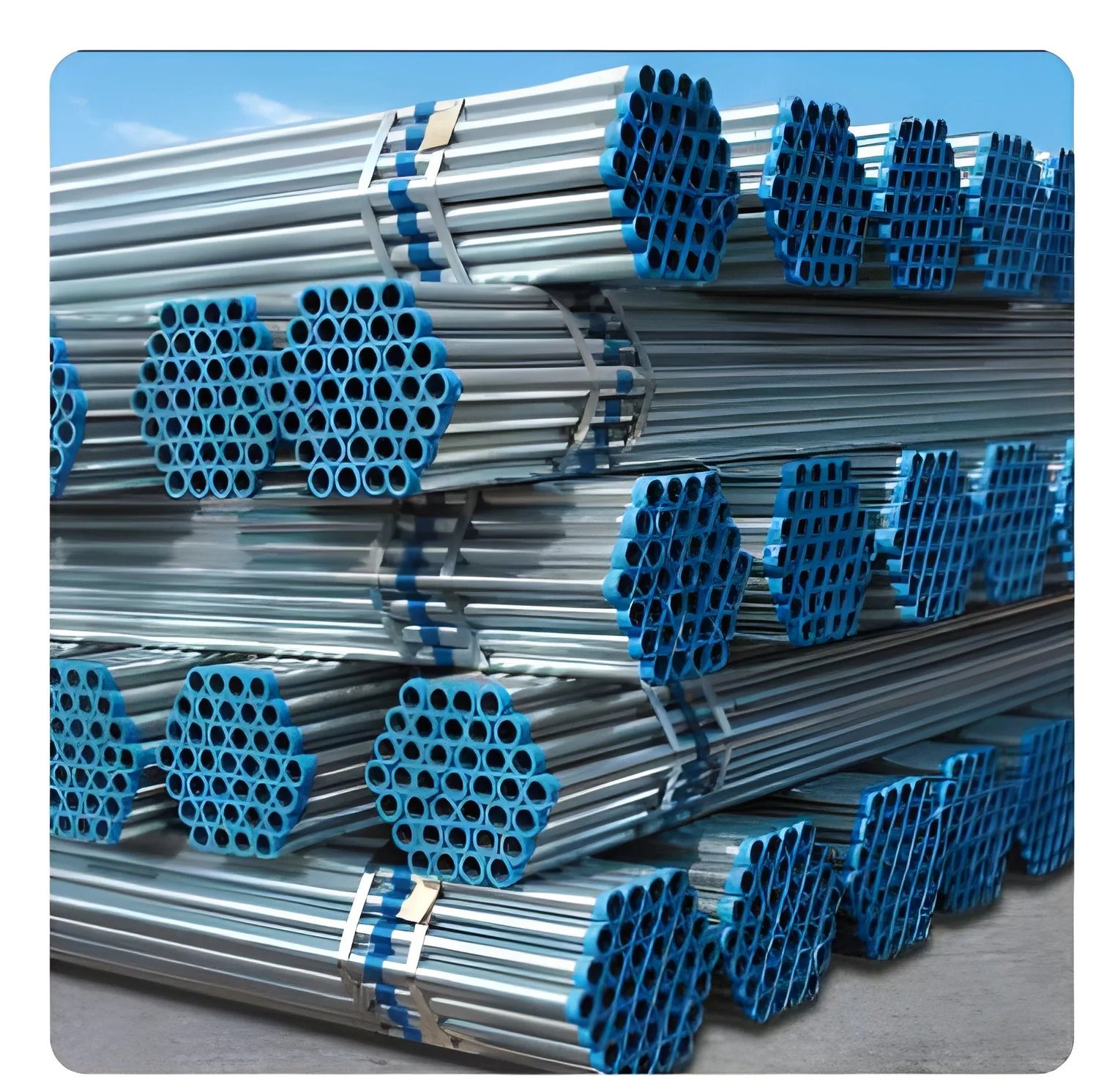
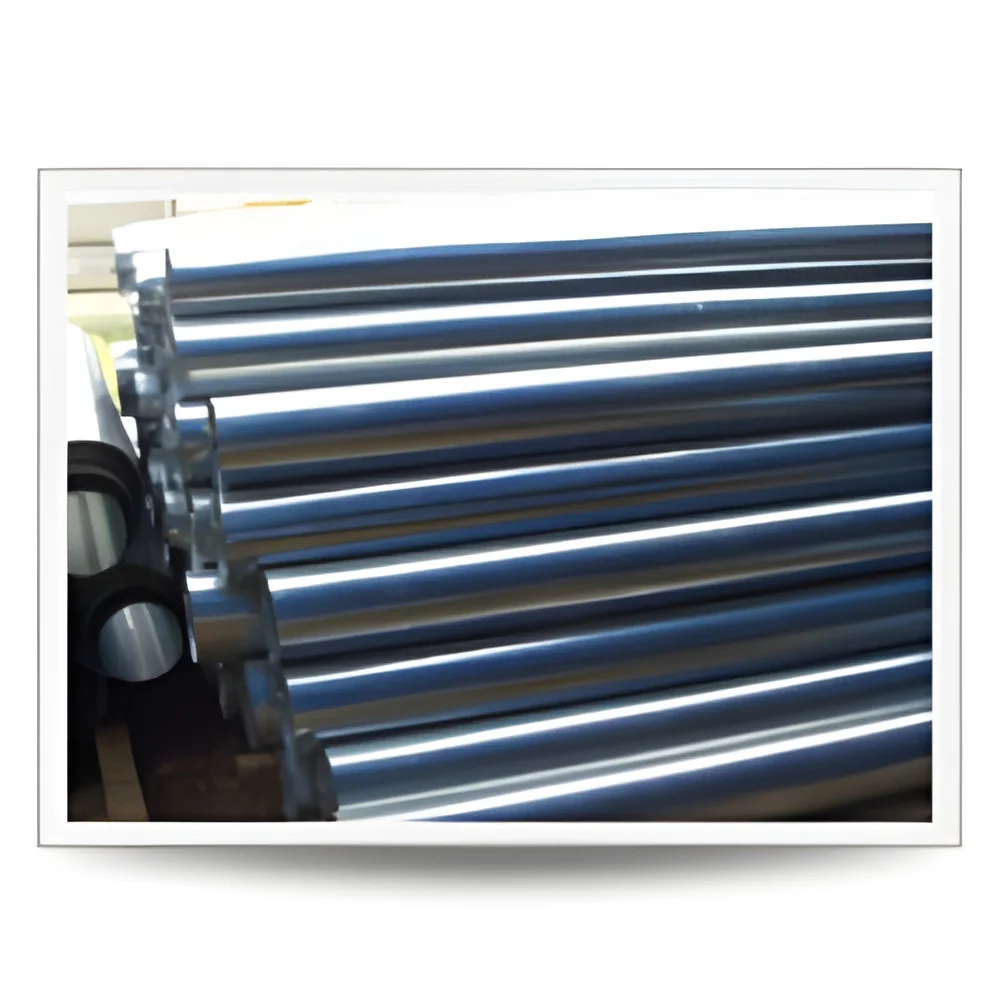
Key Features and Specifications
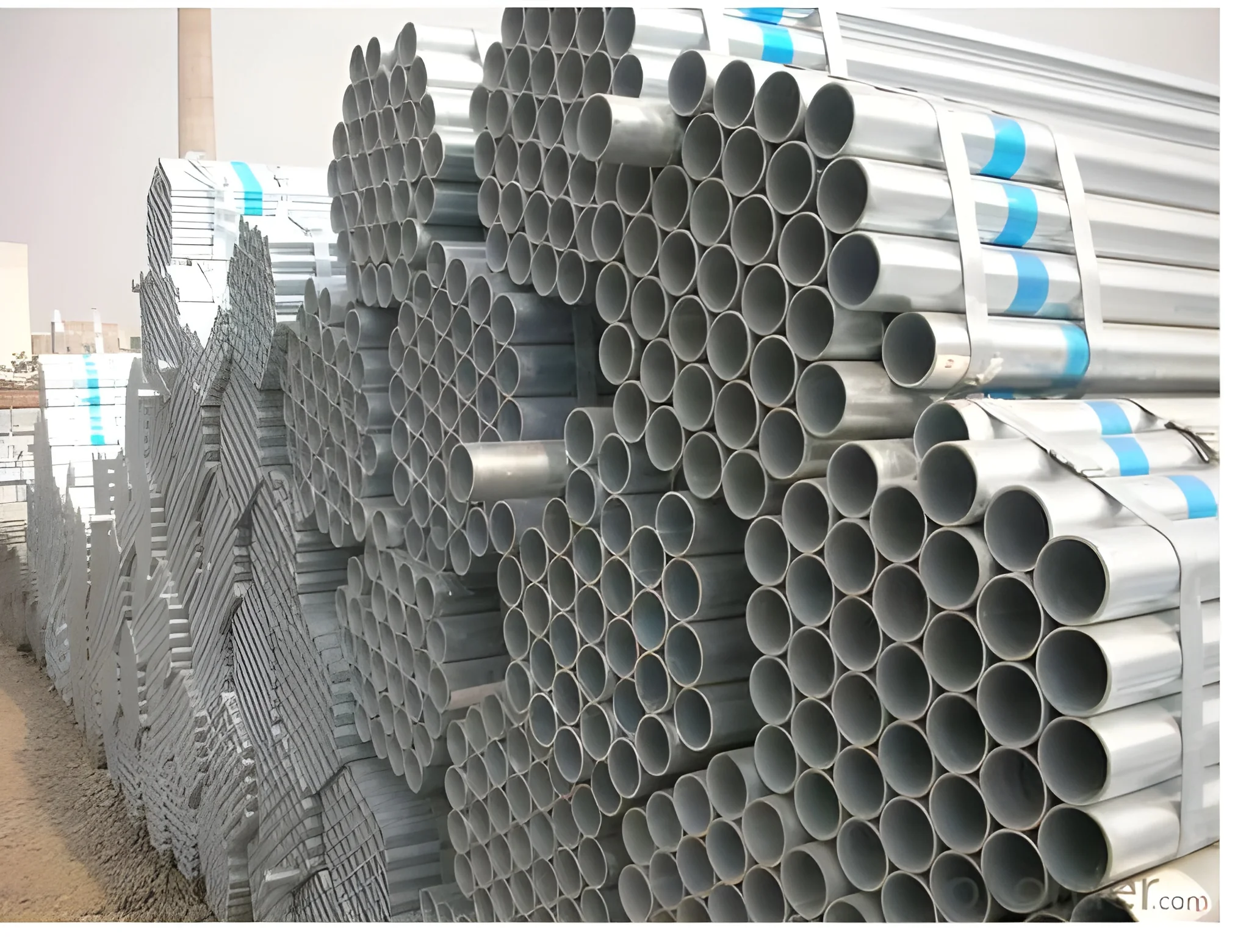
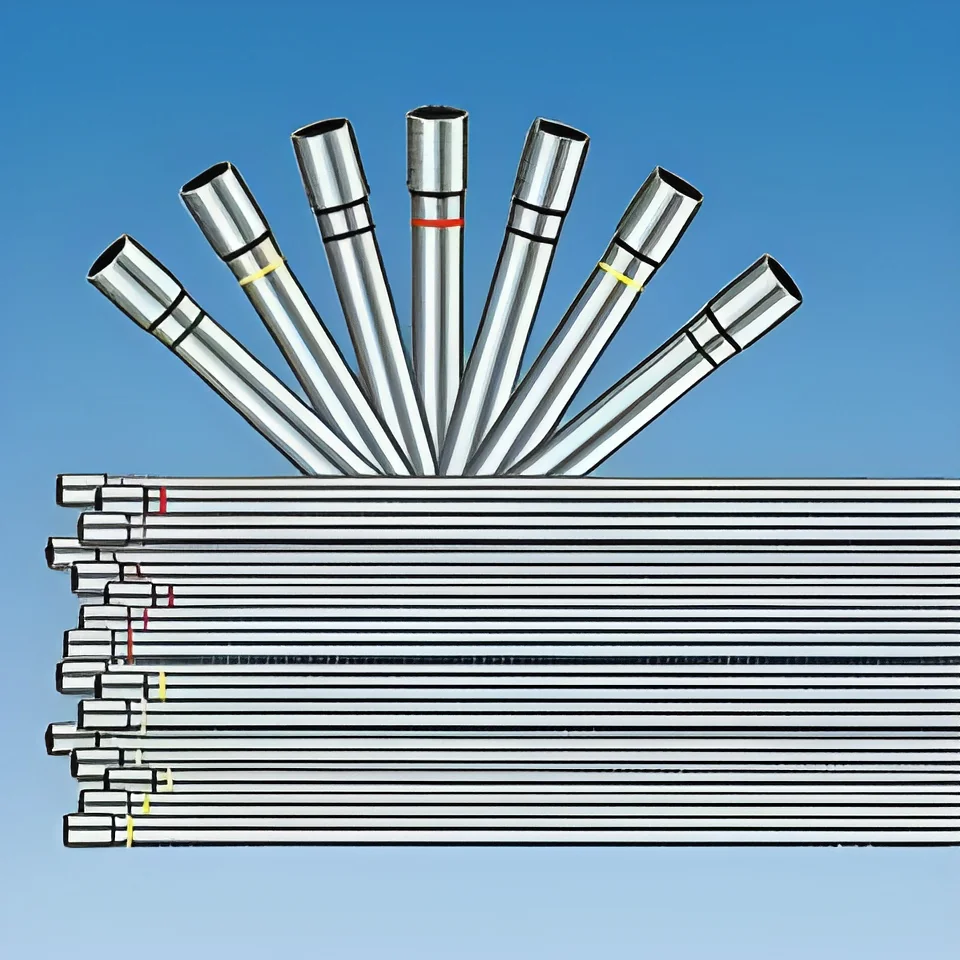
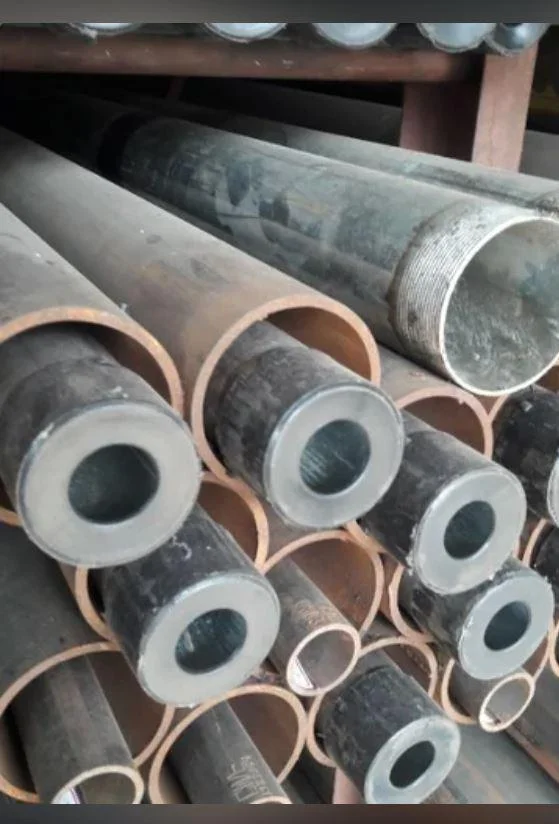
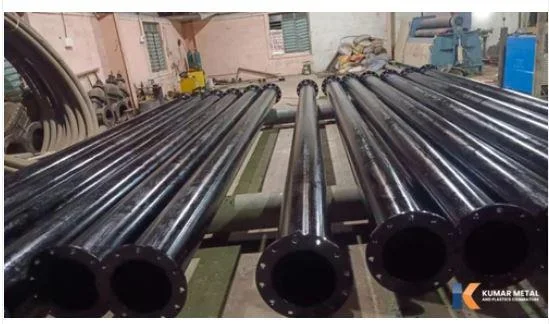
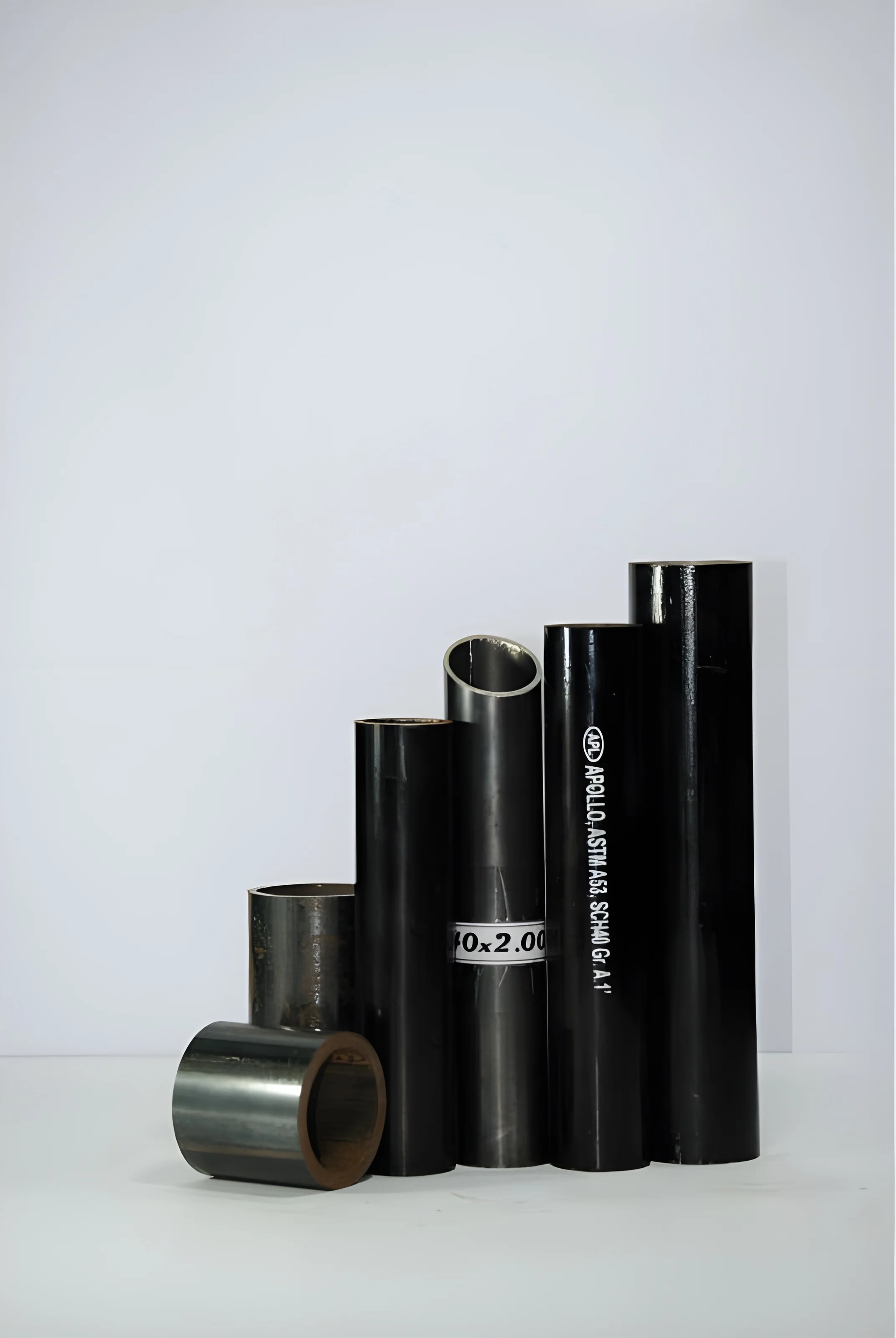
Galvanized Iron (GI) Pipes come with a range of features that enhance their performance and suitability for diverse applications. Understanding these specifications is crucial for making informed purchasing decisions.
Key specifications include:
1. Diameter
- Available in various diameters to suit different applications
- Common sizes range from 1/2 inch to 12 inches
2. Wall Thickness
- Varies based on the pipe's intended use and pressure requirements
- Standard thicknesses typically range from 1.2 mm to 6.0 mm
3. Length
- Typically available in standard lengths of 6 meters
- Custom lengths may be available upon request
4. Coating Thickness
- Zinc coating thickness can vary
- Generally, it ranges from 40 microns to 200 microns
5. Pressure Rating
- Designed to withstand various pressure levels
- Pressure ratings can go from 5 kg/cm² to 20 kg/cm²
6. Standards Compliance
- Manufactured in accordance with international quality standards
- Often complies with ISO 9001 and other relevant standards
7. Weight
- Weight varies depending on diameter and wall thickness
- Average weight can range from 2 kg to 30 kg per meter
8. Surface Finish
- Smooth and clean surface for easy handling and installation
- May also be treated for additional protection against corrosion
In summary, the specifications of Galvanized Iron (GI) Pipes highlight their versatility and reliability, making them a preferred choice in various industrial applications.
Common Applications and Use Cases
Galvanized Iron (GI) Pipes have a wide array of applications across different industries due to their durability and corrosion resistance.
1. Construction: In construction, GI pipes are utilized for plumbing systems and as structural supports for buildings. Their strength makes them ideal for both load-bearing and non-load-bearing applications.
2. Water Supply: These pipes are extensively used for water supply lines in residential and commercial buildings. Their ability to resist rust ensures a clean water supply over time.
3. Agricultural Irrigation: GI pipes are commonly employed in agricultural settings for irrigation systems. Their robustness allows them to withstand the rigors of outdoor use.
4. HVAC Systems: In heating, ventilation, and air conditioning (HVAC) systems, GI pipes are used for ductwork. Their strength helps maintain the integrity of the system.
5. Fire Protection: GI pipes are often part of fire protection systems, serving as conduits for water or fire suppression agents. Their reliability is crucial in emergency situations.
6. Manufacturing: In manufacturing settings, GI pipes are used to transport various materials. Their durability ensures minimal downtime due to maintenance.
7. Telecommunications: These pipes can also serve as protective conduits for electrical and telecommunications cables, safeguarding them from environmental factors.
Product Variants and Subcategories
Galvanized Iron (GI) Pipes come in various forms to cater to specific needs across different applications. Each variant offers unique features and advantages.
Seamless GI Pipes: These pipes are manufactured without any joints, making them less susceptible to leaks and offering superior strength. They are often used in high-pressure applications.
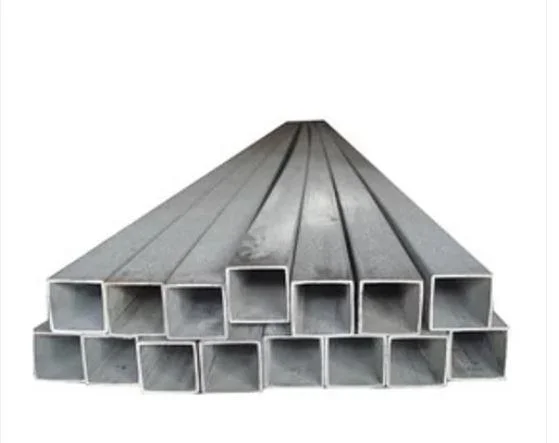
Welded GI Pipes: Made by welding flat steel plates into a pipe shape, these pipes are cost-effective and widely used in plumbing and construction projects. They provide good structural integrity for general applications.
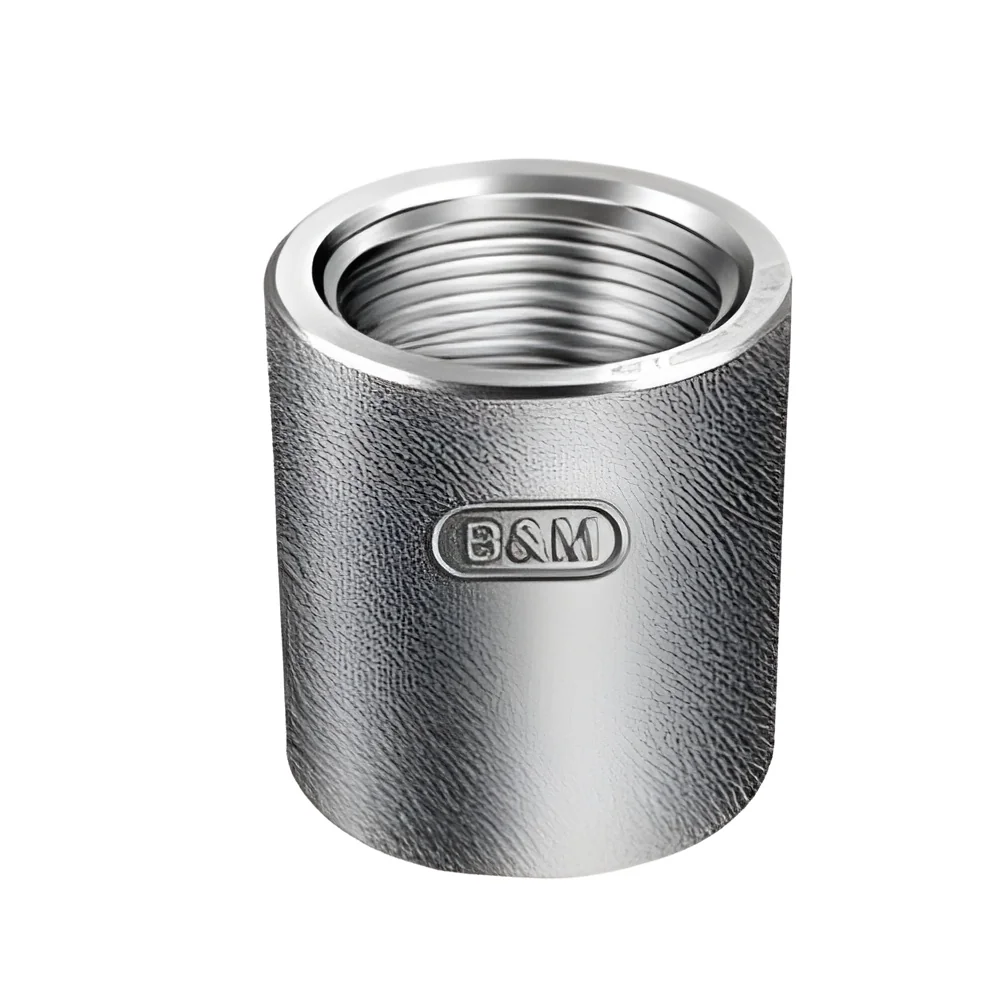
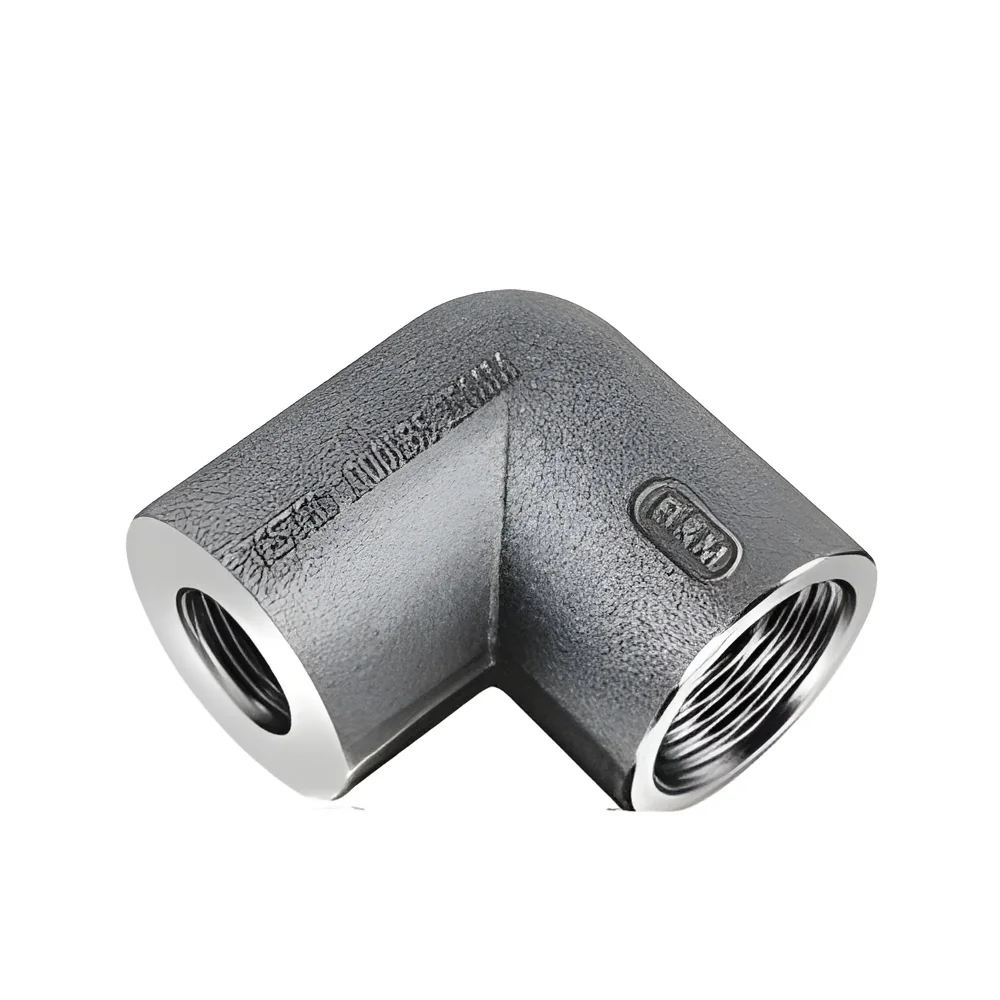
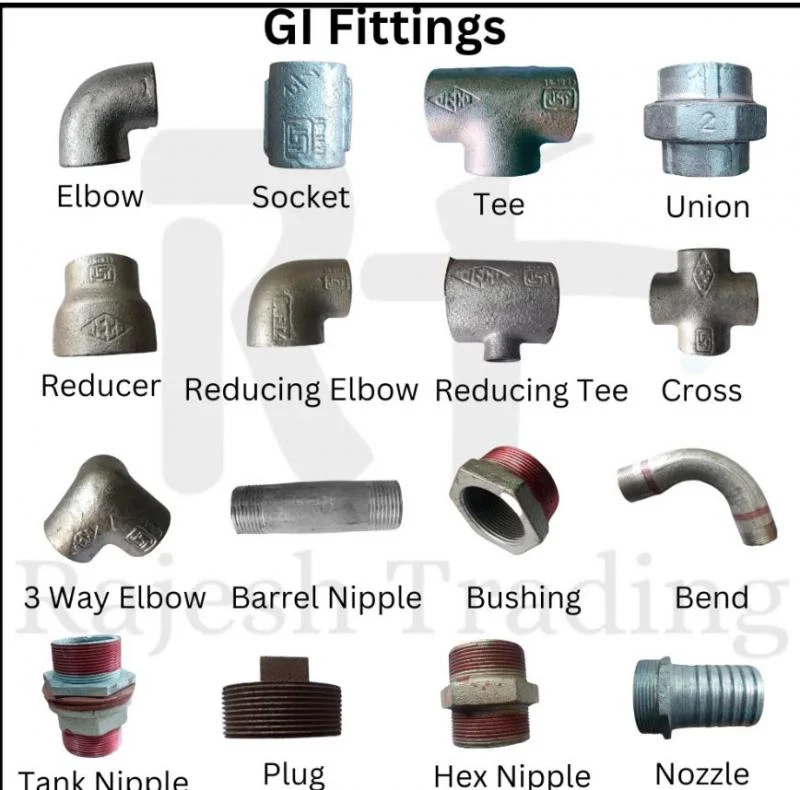
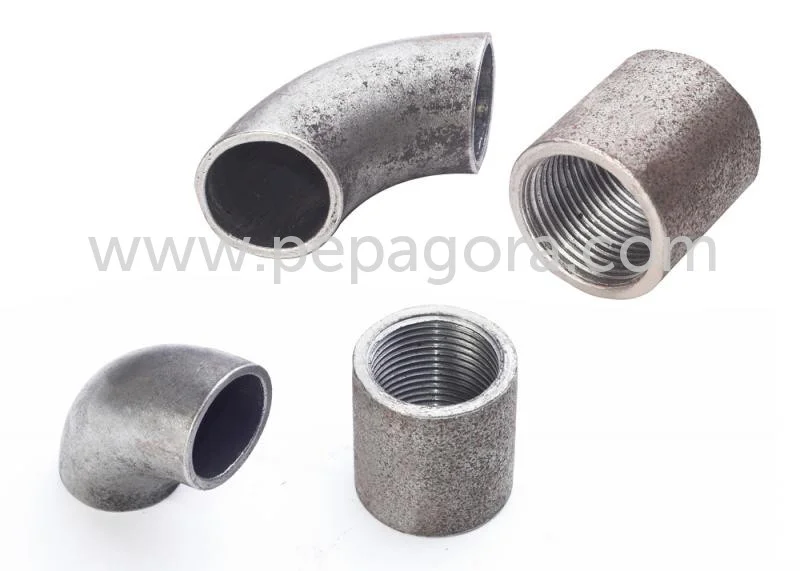
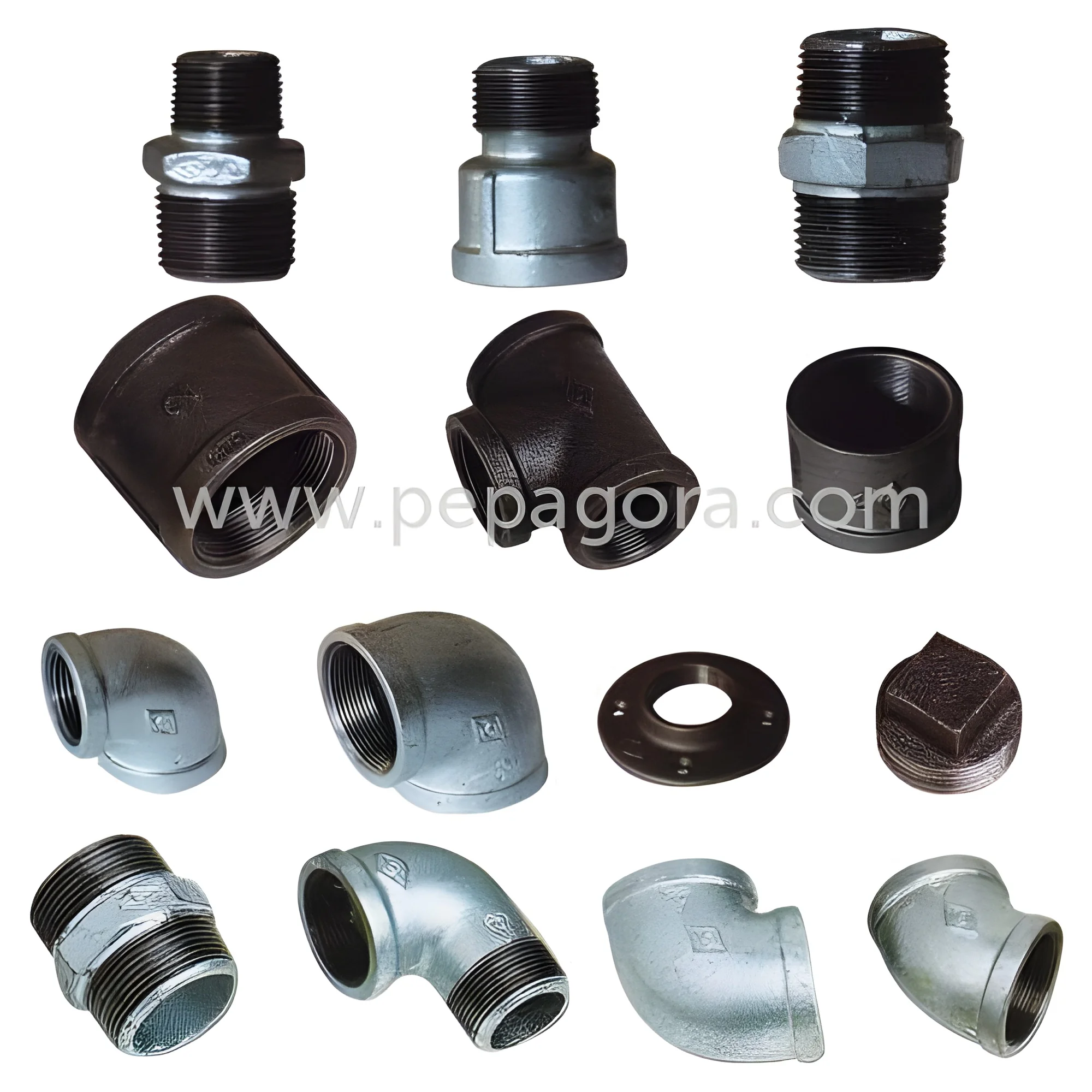
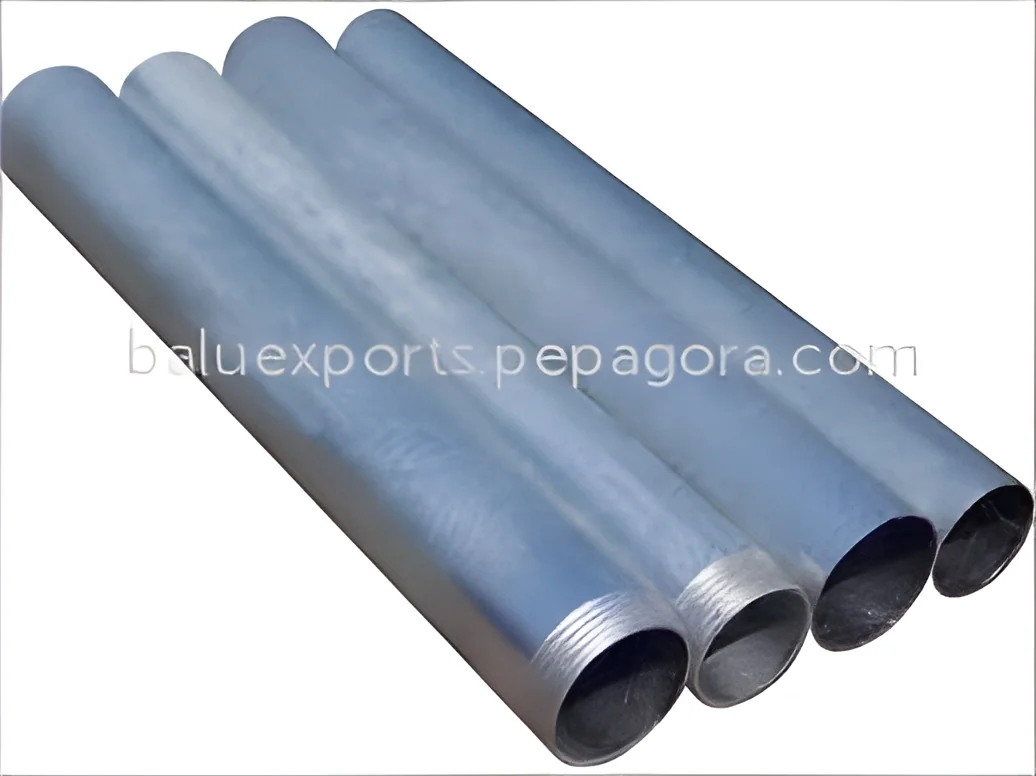
Threaded GI Pipes: Designed with threaded ends, these pipes are easy to connect with fittings and other pipes. They are commonly used in plumbing and irrigation systems where quick assembly is needed.
Benefits and Advantages
Galvanized Iron (GI) Pipes offer several key benefits that make them a preferred choice for various industrial applications.
1. Corrosion Resistance: The zinc coating significantly reduces the risk of corrosion, extending the lifespan of the pipes even in harsh environments.
2. Cost-Effectiveness: GI pipes are generally more affordable than other materials, making them a budget-friendly option for large projects.
3. Strength and Durability: These pipes possess high tensile strength, making them suitable for heavy-duty applications where reliability is critical.
4. Low Maintenance: The protective coating reduces the need for frequent maintenance, saving time and costs in the long run.
5. Versatility: GI pipes can be used across a wide range of industries, from construction to agriculture, providing flexibility in application.
6. Easy Installation: With various lengths and diameters available, GI pipes can be easily cut and fitted to meet specific project requirements.
Buying Guide for B2B Buyers
When sourcing Galvanized Iron (GI) Pipes, it is essential to consider several factors to ensure the right choice for your business needs.
1. Quality Assessment: Look for pipes that meet international standards and specifications. Check for certifications such as ISO 9001 to ensure quality.
2. Supplier Verification: Vet potential suppliers by reviewing their reputation, experience, and customer feedback. Reliable suppliers often provide warranties and support.
3. Pricing and MOQ: Understand the pricing structure and minimum order quantities (MOQ) to make informed purchasing decisions that align with your budget.
4. Delivery and Lead Times: Discuss delivery schedules and lead times with suppliers. Timely delivery is crucial for project planning and execution.
5. Compliance Requirements: Ensure that the GI pipes comply with local safety and regulatory standards. This may include certifications like CE and others relevant to your region.
Compliance and Certifications
Compliance with quality standards is vital for Galvanized Iron (GI) Pipes to ensure safety and performance.
Many manufacturers adhere to international quality management standards such as ISO 9001, which emphasizes consistent quality and customer satisfaction. Compliance with HACCP and GDP standards may also be relevant, particularly in industries where health and safety are critical.
Industry certifications, including CE marking, indicate that the products meet the necessary safety and environmental regulations, ensuring they are suitable for use in various applications.
Additionally, manufacturers often follow specific safety and testing requirements to ensure the pipes can withstand pressures and environmental factors. It is crucial to consider regional compliance needs, as requirements may vary significantly across different markets.
Why Source Galvanized Iron (GI) Pipes from Pepagora?
Pepagora provides a trusted platform for sourcing Galvanized Iron (GI) Pipes, offering several key advantages that facilitate a seamless buying experience.
Verified Supplier Network: Pepagora has established a network of verified suppliers who meet stringent quality standards. This ensures that buyers receive reliable products from reputable manufacturers.
Streamlined RFQ Process: The platform offers a streamlined Request for Quotation (RFQ) process, allowing buyers to quickly obtain competitive quotes from multiple suppliers. This efficiency simplifies the sourcing process.
Trade Assurance and Support: Buyers benefit from trade assurance policies that protect their transactions. Support services are also available to assist with any inquiries or issues that may arise during the purchasing process.
Regional Coverage: Pepagora's reach extends across India, the GCC, and Southeast Asia, providing access to a wide array of suppliers and products. This geographical coverage ensures that buyers can find the right GI pipes for their specific needs, regardless of location.

 IN
IN

 India
India