
 IN
Furniture Fasteners
1 products available
What are Furniture Fasteners?
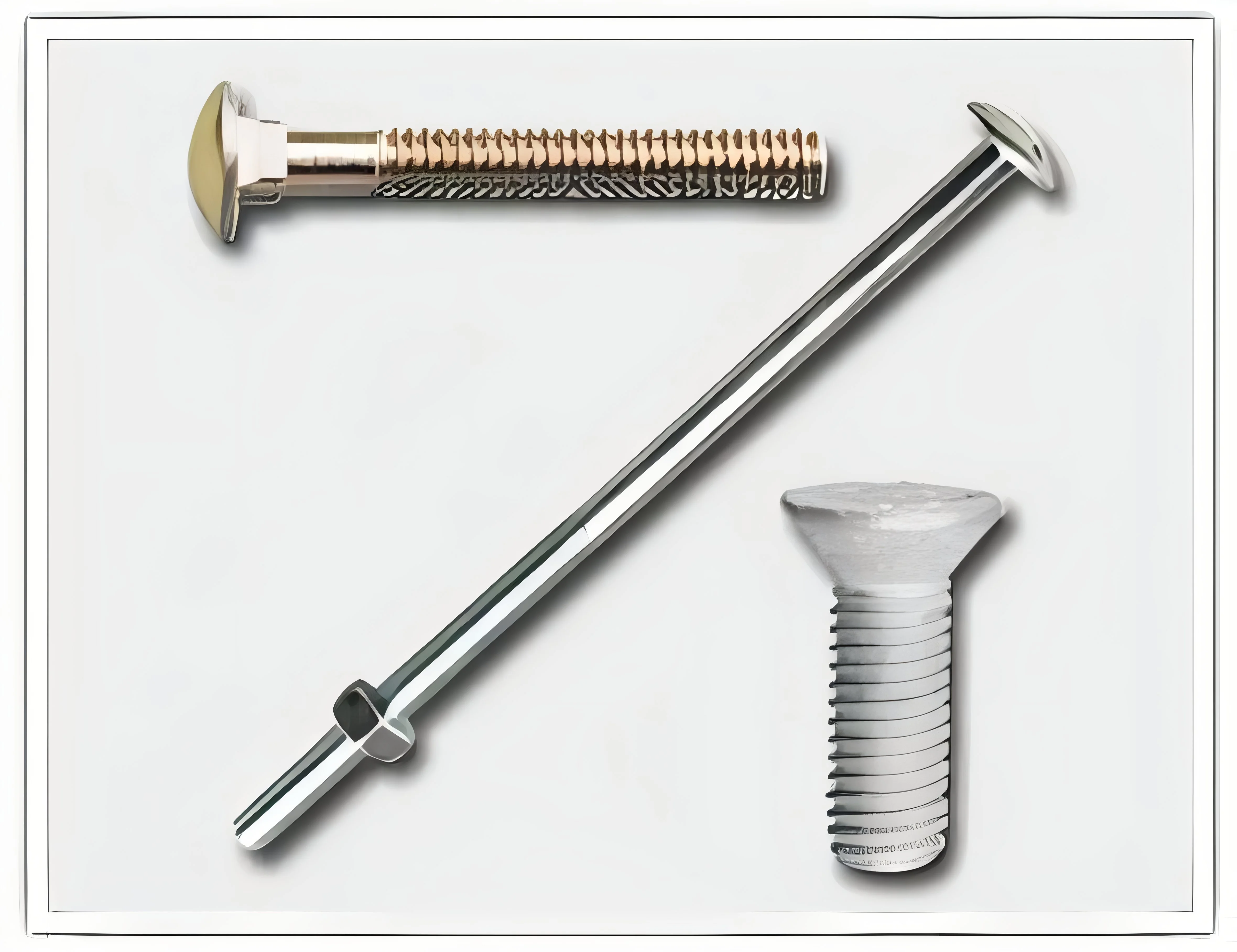
Furniture fasteners are essential components designed to securely join different parts of furniture together. They come in various forms, including screws, bolts, dowels, and brackets, each serving a specific purpose in the assembly process. These fasteners ensure stability, durability, and ease of assembly, making them vital for both manufacturers and end-users in the furniture industry.
The primary uses of furniture fasteners extend across various applications, including residential, commercial, and industrial furniture production. In manufacturing, they facilitate quick assembly and disassembly, allowing for efficient production lines. In retail and distribution, they ensure that assembled furniture remains secure during transportation. The relevance of furniture fasteners in the industry cannot be overstated, as they contribute to the overall quality and longevity of furniture products, directly impacting customer satisfaction and brand reputation.
Key Features and Specifications
Furniture fasteners are characterized by their engineering precision and material composition. They are designed to meet specific performance standards, making them a critical choice in furniture assembly.
Key specifications include:
1. Material
- Common materials include steel, aluminum, and plastic.
- Each material offers varying levels of strength, corrosion resistance, and weight.
2. Size
- Fasteners come in multiple sizes, including diameter and length options.
- The right size ensures a secure fit in furniture joints.
3. Load Capacity
- Different fasteners have varying load capacities depending on their design.
- Proper load ratings are crucial for safety and stability.
4. Finish
- Finishes such as zinc plating and powder coating enhance durability.
- Aesthetic finishes can also improve the appearance of visible fasteners.
5. Type
- Various types such as screws, dowels, and brackets cater to specific applications.
- Each type serves unique assembly needs and styles.
6. Thread Design
- Threads can be coarse or fine, depending on application requirements.
- The right thread design aids in grip and holding power.
7. Certification
- Many fasteners meet industry standards like CE certification for safety.
- Compliance ensures reliability and quality assurance.
8. Packaging Options
- Fasteners can be packaged in bulk or as individual units.
- Packaging considerations can affect inventory management and costs.
In summary, understanding these specifications helps businesses select the right furniture fasteners for their assembly needs, ensuring safety and quality in their products.
Common Applications and Use Cases
Furniture fasteners are versatile components used across multiple industries, each with specific applications.
1. Residential Furniture: In homes, furniture fasteners are used in assembling sofas, beds, and dining tables, ensuring sturdy and long-lasting construction.
2. Office Furniture: Fasteners play a crucial role in creating modular office systems, desks, and storage solutions, allowing for customizable layouts and easy reconfiguration.
3. Retail Fixtures: In retail environments, fasteners are essential for constructing display units, shelving, and counters, providing stability for showcasing products.
4. Hospitality Industry: Fasteners are vital in assembling furniture for hotels and restaurants, where durability and aesthetic appeal are essential for guest satisfaction.
5. Outdoor Furniture: Weather-resistant fasteners are used in outdoor furniture assembly, ensuring longevity and performance in various environmental conditions.
6. Custom Furniture: Craftsmen use specialized fasteners for bespoke furniture designs, allowing for unique shapes and constructions that meet customer specifications.
7. DIY Projects: Fasteners are commonly used in do-it-yourself furniture assembly, providing consumers with the tools to create their own personalized pieces.
Product Variants and Subcategories
Furniture fasteners come in various forms to accommodate different assembly needs. Their diversity ensures that manufacturers can find the perfect solution for their specific projects.
Wood Screws
These screws are designed specifically for fastening wooden components, featuring sharp tips and threads that grip securely into wood fibers. They are ideal for constructing wooden furniture and cabinetry.
Metal Brackets
Metal brackets provide robust support for joining various furniture parts, often used in shelving and frame constructions. Their strength makes them suitable for heavy-duty applications.
Cam Lock Fasteners
Cam lock fasteners allow for quick assembly and disassembly, commonly used in flat-pack furniture. Their design enables easy transportation and setup for consumers.
Dowels
Wooden or metal dowels serve as alignment and strength components in furniture assembly. They are often used in conjunction with other fasteners to enhance joint stability.
Nuts and Bolts
This combination provides a strong fastening solution for heavy furniture pieces. Nuts and bolts allow for secure connections, making them ideal for items requiring additional strength.
Benefits and Advantages
Choosing the right furniture fasteners brings several advantages to manufacturers and businesses.
1. Enhanced Stability: Proper fasteners ensure that furniture remains stable over time, reducing the risk of joint failure.
2. Improved Assembly Efficiency: Fasteners designed for easy installation can significantly speed up the assembly process, reducing labor costs.
3. Versatility: With a variety of types and sizes available, furniture fasteners can meet the needs of diverse applications.
4. Customization Options: Many fasteners can be tailored to specific designs, allowing manufacturers to create unique furniture solutions.
5. Long-lasting Durability: Quality fasteners are engineered for strength and resilience, extending the lifespan of the furniture they support.
6. Cost-effectiveness: By ensuring reliable assembly and reducing warranty claims, well-chosen fasteners can contribute to overall cost savings for manufacturers.
Buying Guide for B2B Buyers
When sourcing furniture fasteners, it is vital for B2B buyers to consider several key factors to make informed decisions.
1. Quality Assessment: Evaluate fasteners based on material, strength, and reliability. Look for industry standards and certifications to ensure the quality of the products.
2. Supplier Verification: Vet suppliers to ensure they have a track record of providing high-quality fasteners. Check reviews and request samples when possible.
3. Pricing and MOQ: Understand the pricing structure and minimum order quantities to align with budget and inventory needs. Competitive pricing can lead to better profit margins.
4. Delivery and Lead Times: Assess suppliers' logistics capabilities to ensure timely delivery of fasteners. Reliable lead times are crucial for maintaining production schedules.
5. Compliance Requirements: Familiarize yourself with any regulatory standards that apply to furniture fasteners in your region, ensuring that all products meet necessary compliance requirements.
Compliance and Certifications
Furniture fasteners must adhere to various quality standards and certifications to ensure safety and reliability in their applications. Compliance with ISO 9001 is crucial, as it establishes a framework for quality management systems. Additionally, CE certification indicates that the fasteners meet European safety and environmental requirements, offering assurance of their reliability.
Safety testing is also an essential aspect of compliance, ensuring that fasteners can withstand the demands of their intended use without failure. Regional compliance considerations may vary, so it is important for manufacturers to stay informed about local regulations and standards that apply to their products.
Why Source Furniture Fasteners from Pepagora?
Pepagora provides a trusted platform for sourcing furniture fasteners, offering significant advantages to B2B buyers. One of the key benefits is the verified supplier network, which ensures that all suppliers meet stringent quality standards. This network allows businesses to find reliable partners who can deliver high-quality fasteners.
The streamlined RFQ process simplifies the quotation system, enabling buyers to easily request and receive competitive offers from multiple suppliers. This efficiency helps businesses make quick, informed purchasing decisions.
Trade assurance and support services offered by Pepagora provide additional protection for buyers, ensuring that transactions are secure and that any issues can be promptly addressed. This adds an extra layer of confidence in sourcing decisions.
Finally, Pepagora's regional coverage extends across India, the GCC, and Southeast Asia, allowing businesses to tap into a broad market and access diverse supplier options tailored to their specific needs.

 India
Frequently Asked Questions
What are Furniture Fasteners?
Furniture fasteners are hardware components used to join, secure, or reinforce pieces of furniture. They come in various forms such as screws, bolts, dowels, and brackets, and play a crucial role in ensuring the stability and durability of furniture items.
What are the different types of Furniture Fasteners?
There are several types of furniture fasteners, including screws, nails, dowels, cam locks, and brackets. Each type serves a specific purpose and is selected based on the furniture design and the materials being used.
How do I choose the right Furniture Fasteners?
Choosing the right furniture fasteners involves considering the type of furniture, the materials used, and the intended application. It's important to match the fasteners to the weight and stress they will endure, as well as ensuring compatibility with the furniture assembly methods.
What are the standard specifications for Furniture Fasteners?
Standard specifications for furniture fasteners typically include dimensions, material type, tensile strength, and corrosion resistance. It is essential to refer to industry standards and guidelines to ensure that the fasteners meet the required performance criteria.
What is the price range for Furniture Fasteners?
The price range for furniture fasteners can vary widely depending on the type, material, and quantity purchased. Generally, prices can start from a few rupees for basic screws and can go up to several hundred rupees for specialized fasteners.
What quality standards apply to Furniture Fasteners?
Quality standards for furniture fasteners may include ISO, ASTM, and other relevant industry certifications. These standards ensure that the fasteners meet safety, performance, and durability requirements for various applications.
Where can I find Furniture Fasteners suppliers in India?
You can find furniture fasteners suppliers in India through online B2B marketplaces like Pepagora.com, trade shows, and manufacturing directories. It is advisable to compare different suppliers and their product offerings to find the best options.
Can Furniture Fasteners be customized?
Yes, many manufacturers offer customization options for furniture fasteners to meet specific design requirements or performance criteria. Customization may include variations in size, material, or finish to match the furniture being assembled.
What is the typical minimum order quantity for Furniture Fasteners?
The typical minimum order quantity (MOQ) for furniture fasteners varies by supplier and product type. It can range from a small batch of a few pieces to larger orders of hundreds or thousands, depending on the manufacturer.
What is the typical lead time for Furniture Fasteners?
The typical lead time for furniture fasteners can vary based on factors such as the supplier, order quantity, and customization requirements. Generally, lead times can range from a few days for standard items to several weeks for custom orders.
Why Businesses Trust Pepagora
Thousands of companies trust Pepagora to source smarter and sell faster
Expand Your Sales Globally

Source Smarter,Grow Faster
