IN
IN₹
Apparel & Fashion
Loading subcategories...
View More
Description
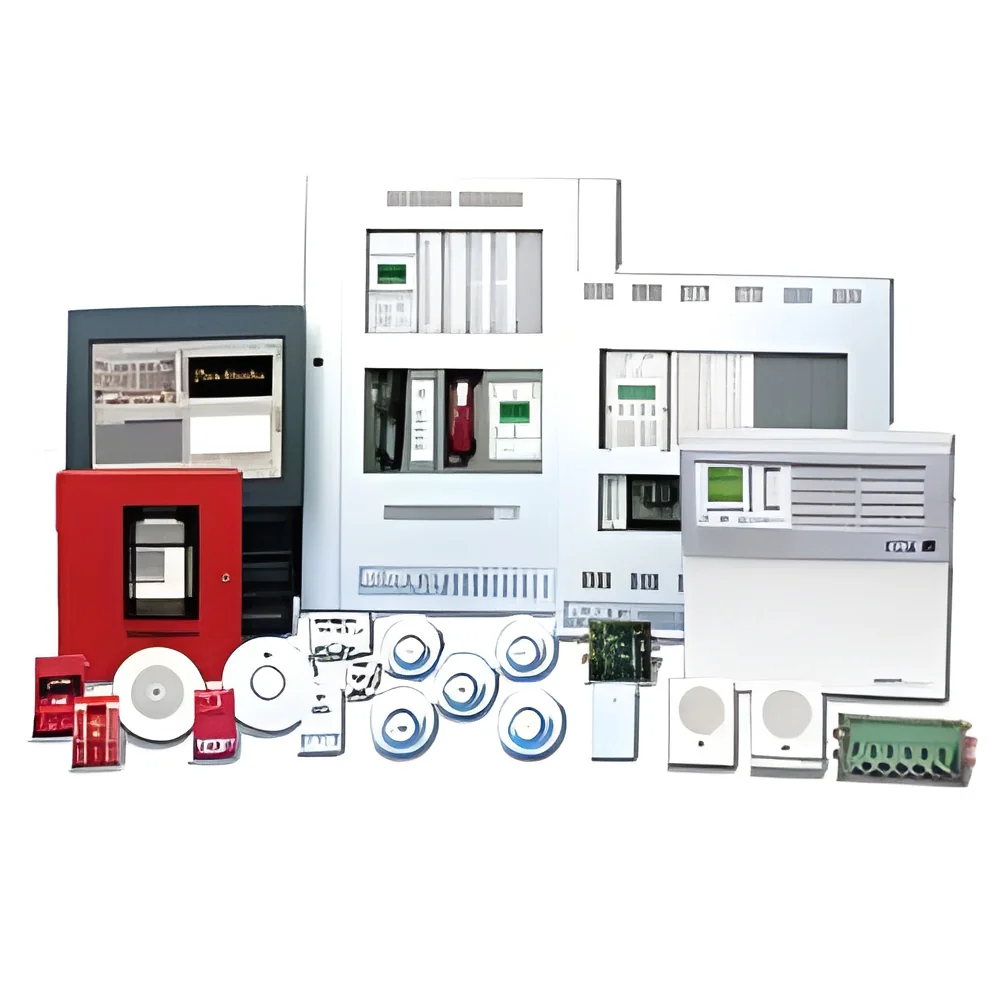
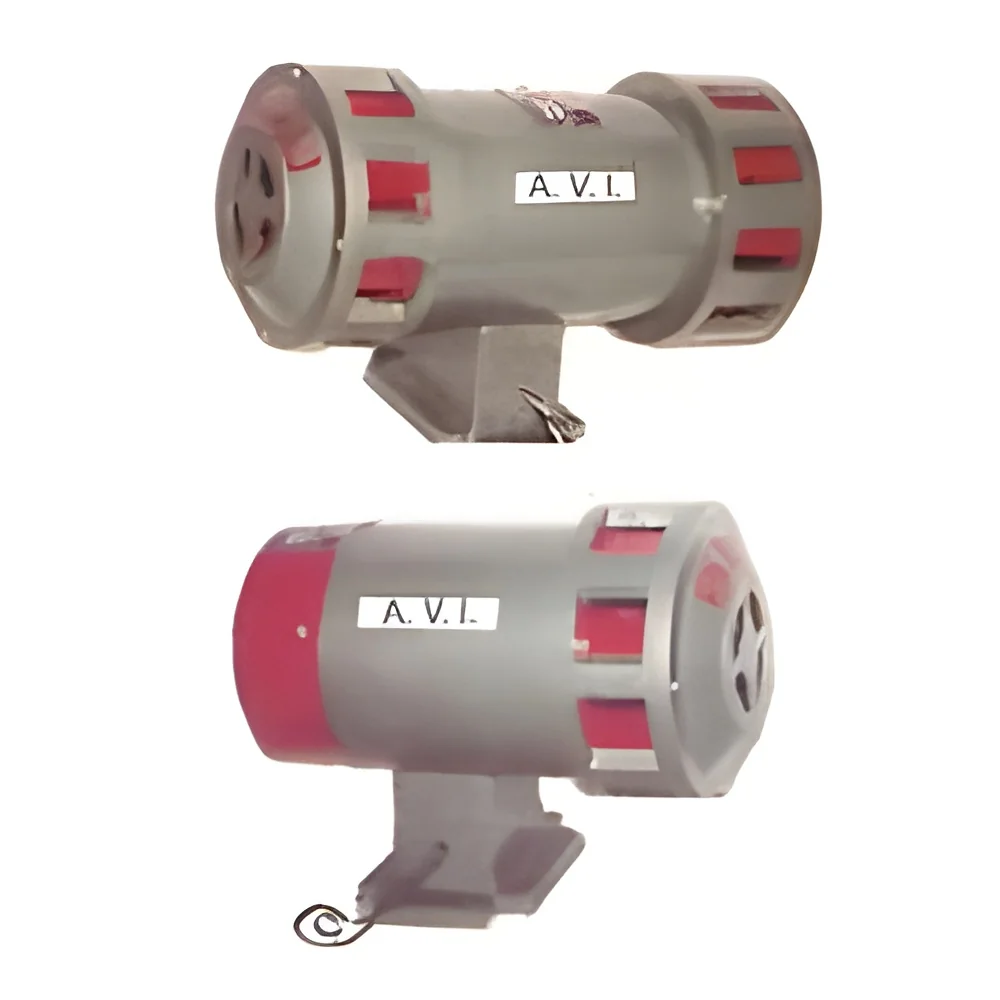
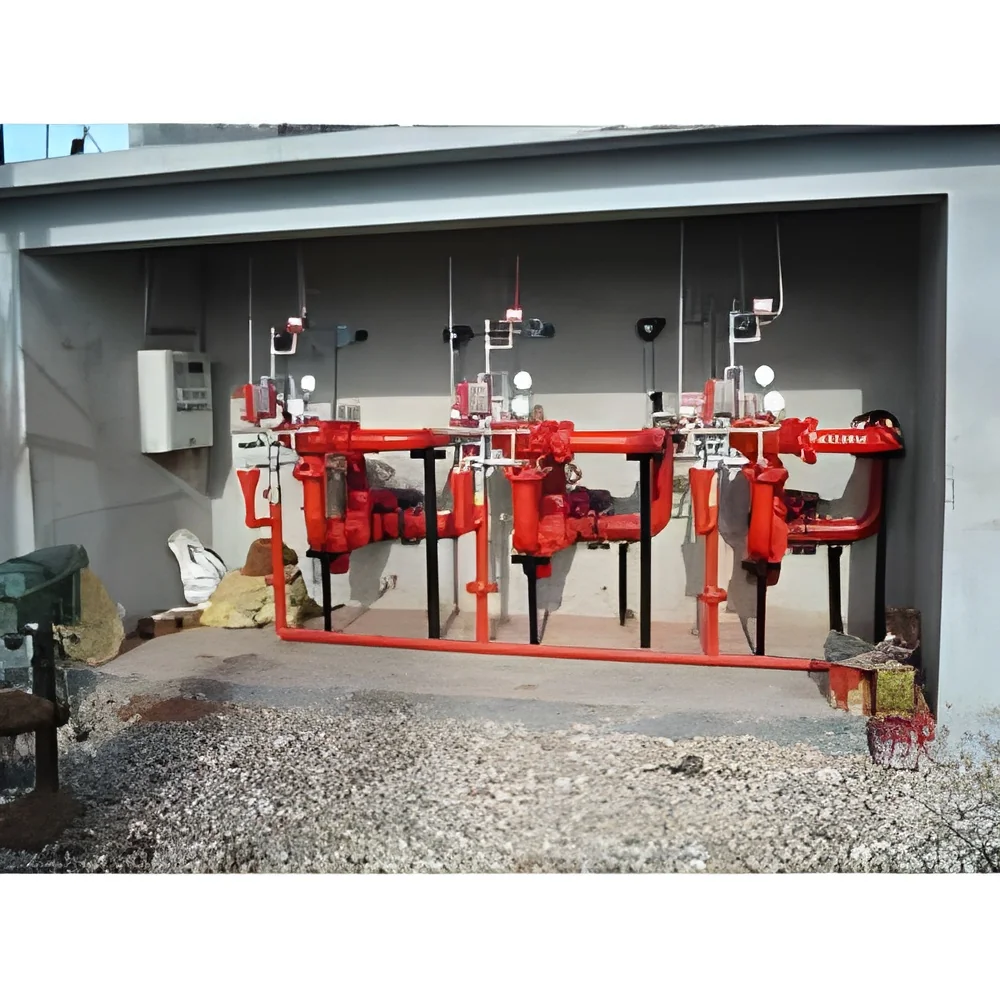
Industrial Fire Hydrant Systems with Quick Response Detection and CO2 Suppression represent a critical layer of active fire protection for serious commercial and industrial operations. These are not passive components but intelligent, automated systems designed to detect a fire threat at its very inception and respond decisively. The core of the system lies in its network of sensitive detectors that monitor for abnormal heat and smoke, providing the earliest possible warning. Upon confirmation, the system automatically activates internal alarms and can be configured to send direct notifications to designated emergency contacts or monitoring stations. The integrated optional CO2 suppression provides a critical first-strike capability, discharging a clean, non-conductive gas to rapidly smother fires in specialized high-risk areas, buying invaluable time before external firefighting efforts commence. This engineered approach transforms a facility's fire safety from reactive to proactively...
Industrial Fire Hydrant Systems with Quick Response Detection and CO2 Suppression represent a critical layer of active fire protection for serious commercial and industrial operations. These are not passive components but intelligent, automated systems designed to detect a fire threat at its very inception and respond decisively. The core of the system lies in its network of sensitive detectors that monitor for abnormal heat and smoke, providing the earliest possible warning. Upon confirmation, the system automatically activates internal alarms and can be configured to send direct notifications to designated emergency contacts or monitoring stations. The integrated optional CO2 suppression provides a critical first-strike capability, discharging a clean, non-conductive gas to rapidly smother fires in specialized high-risk areas, buying invaluable time before external firefighting efforts commence. This engineered approach transforms a facility's fire safety from reactive to proactively managed.

These systems are indispensable across industries where operational continuity, asset protection, and personnel safety are paramount. In manufacturing, they shield expensive CNC machines, assembly lines, and robotic cells from fire damage that could halt production for months. Warehouses and distribution centers rely on them to protect vast inventories from fast-spreading fires that could originate from electrical faults or material handling equipment. The energy sector, including power plants and oil & gas facilities, utilizes these hydrant systems to protect control rooms, turbine generators, and flammable material storage areas where traditional water-based suppression is ineffective or dangerous. Furthermore, large infrastructure projects, data centers, and aviation hangars implement them as part of a defense-in-depth strategy, ensuring that a localized incident does not escalate into a facility-wide catastrophe.

The business value of deploying a robust industrial fire hydrant system extends far beyond mere regulatory compliance. It is a strategic investment in risk mitigation and operational resilience. A reliable system directly protects your capital investments in machinery, inventory, and infrastructure, preventing devastating financial losses and potentially business-ending downtime. The automated detection and response minimize reliance on human intervention during chaotic emergencies, reducing error and ensuring a consistent, immediate reaction. This proven level of protection can lead to favorable terms from insurers, potentially lowering premium costs. Ultimately, these systems deliver peace of mind, safeguarding not just physical assets but also your company's reputation, employee safety, and long-term viability by demonstrating an uncompromising commitment to safety and preparedness.

Key Features:
- Quick-response detection technology utilizing advanced heat and smoke sensors for early fire identification.
- Automated alert system that triggers internal alarms and can notify external emergency services directly.
- Optional integrated CO2 suppression mechanism for rapid, clean agent discharge in high-risk zones.
- Robust, industrial-grade construction with durable piping, valves, and fittings for harsh environments.
- System designed for continuous operational readiness with straightforward maintenance protocols.

Benefits:
- Provides immediate, automated response to fire incidents, minimizing potential spread and damage.
- Protects critical business assets, high-value equipment, and inventory from fire-related loss.
- Enhances overall site safety for personnel and helps ensure business continuity.
- Supports compliance with stringent industrial safety standards and fire codes.
- Offers a reliable, always-on layer of protection that can contribute to operational confidence and potential insurance advantages.
Specifications
| Additional Information | |
|---|---|
| Country of Origin | India |
| Customisable | No |
Application
Industrial fire hydrant systems are engineered for environments where fire risks demand immediate, automated response. These systems integrate advanced detection sensors that identify heat and smoke at the earliest stages, triggering automatic alerts to on-site personnel and, if configured, to local fire authorities. This ensures that emergency protocols are initiated without delay, crucial for protecting high-value equipment, inventory, and infrastructure from catastrophic damage.
Designed for 24/7 operational readiness, the systems feature robust, industrial-grade components that withstand harsh conditions with minimal maintenance. The optional integrated CO2 suppression mechanism provides a rapid, clean agent discharge to control fires in their incipient phase, particularly effective in electrical or flammable liquid scenarios where water may be unsuitable. This combination of detection, alert, and suppression creates a comprehensive safety net for large-scale operations.
- Manufacturing plants and factories to protect production lines, machinery, and raw materials from fire outbreaks.
- Warehouses and logistics centers safeguarding stored goods, packaging materials, and automated handling systems.
- Power generation facilities, including substations and turbine halls, where electrical fires pose significant risk.
- Chemical processing and storage units managing risks associated with flammable liquids, gases, and vapors.
- Large commercial complexes and high-rise buildings ensuring life safety and protecting structural integrity.
Trade Details
| Available Stock | In Stock |
| Sample Availability | No |
Payment Terms
| Payment Terms |
|
Company Profile
A V Industrial Associates, Maharashtra
 Maharashtra, India
Maharashtra, IndiaConstruction•Trading Company•Distributor / Wholesaler•Importer / Exporter
Factory Details
Factory SizeBelow 1000 sqm
Annual Production Capacity0
Industrial Fire Hydrant Systems With Quick Response Detection And CO2 Suppression
Industrial Fire Hydrant Systems with quick-response detection and CO2 suppression deliver reliable fire protection for industrial and commercial facilities, ensuring rapid response and asset safety.
Min. Order Quantity: 1 piece
Shipping
Shipping fee and delivery date to be negotiated. Contact supplier now for more details.
A V Industrial Associates
 Maharashtra, India
Maharashtra, IndiaConstructionTrading Company