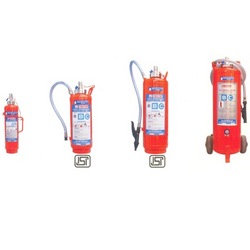
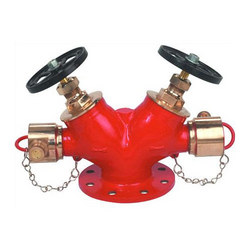
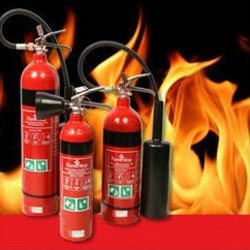
What are Fire Extinguishers (CO2, ABC, Foam)?
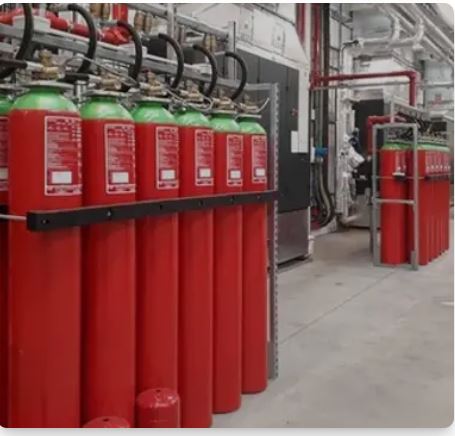
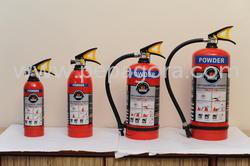
Fire extinguishers are essential safety devices designed to put out or control small fires. Different types of extinguishers are suited for various classes of fires, including CO2, ABC, and Foam extinguishers. CO2 extinguishers work by displacing oxygen and cooling the fire, while ABC extinguishers are versatile and effective against most common fire types. Foam extinguishers are particularly useful for flammable liquid fires, forming a barrier that separates fuel from oxygen.
These extinguishers are commonly utilized in various business settings, such as offices, warehouses, manufacturing facilities, and restaurants. Their primary purpose is to provide immediate fire suppression, ensuring the safety of personnel and property. In an industrial context, having the correct type of extinguisher readily available can be a critical factor in emergency response planning and compliance with safety regulations.
The fire safety equipment market is increasingly focused on quality and compliance. Businesses are now more aware of the importance of equipping their premises with the right fire extinguishers to mitigate risks. With regulations tightening, having certified and compliant fire extinguishers is not just a legal requirement, but also a best practice in risk management.
𝗞𝗲𝘆 𝗙𝗲𝗮𝘁𝘂𝗿𝗲𝘀 𝗮𝗻𝗱 𝗦𝗽𝗲𝗰𝗶𝗳𝗶𝗰𝗮𝘁𝗶𝗼𝗻𝘀
Fire extinguishers come with a variety of features and specifications that enhance their performance and safety. Understanding these specifications is crucial for businesses when selecting the right type of extinguisher.
Key specifications include:
1. Type of Agent
- CO2, ABC powder, or foam
- Each type is suited for different classes of fire
2. Capacity
- Measured in kilograms or liters
- Common capacities range from 1 kg to 9 kg for portable extinguishers
3. Operating Pressure
- Measured in bar or psi
- Typical operating pressure is around 12 to 15 bar
4. Discharge Time
- Duration the extinguisher can be used effectively
- Generally ranges from 8 to 30 seconds
5. Range of Discharge
- Distance the agent can be projected
- Ranges from 2 meters for CO2 to 8 meters for ABC extinguishers
6. Weight
- Important for portability
- Weights typically vary from 1.5 kg to 15 kg depending on the type
7. Maintenance Requirements
- Regular inspections and servicing are necessary
- Annual checks recommended for compliance
8. Certification
- Compliance with industry standards like CE
- Indicates quality and safety assurance
These specifications ensure that the fire extinguishers meet safety standards and provide effective fire suppression when needed.
𝗖𝗼𝗺𝗺𝗼𝗻 𝗔𝗽𝗽𝗹𝗶𝗰𝗮𝘁𝗶𝗼𝗻𝘀 𝗮𝗻𝗱 𝗨𝘀𝗲 𝗖𝗮𝘀𝗲𝘀
Fire extinguishers play a vital role in various industries, each with specific applications suited to their environments.
1. Manufacturing: In manufacturing settings, fire extinguishers are essential for dealing with fires caused by machinery, flammable materials, or chemicals.
2. Hospitality: Restaurants and hotels utilize fire extinguishers to manage kitchen fires or electrical fires that may occur in guest areas.
3. Warehousing: Warehouses stock a variety of products, often flammable, making extinguishers crucial for fire safety and protection.
4. Retail: Retail environments require fire extinguishers to tackle potential fires in storage areas or on display floors.
5. Construction: On construction sites, fire extinguishers are needed to address fires caused by equipment, welding, or materials.
6. Healthcare: Hospitals and clinics must have extinguishers readily available to protect patients and staff from potential fire hazards.
7. Transportation: Vehicles, especially those transporting flammable goods, require fire extinguishers for emergency situations.
𝗣𝗿𝗼𝗱𝘂𝗰𝘁 𝗩𝗮𝗿𝗶𝗮𝗻𝘁𝘀 𝗮𝗻𝗱 𝗦𝘂𝗯𝗰𝗮𝘁𝗲𝗴𝗼𝗿𝗶𝗲𝘀
Fire extinguishers are available in various types, each tailored for specific fire hazards.
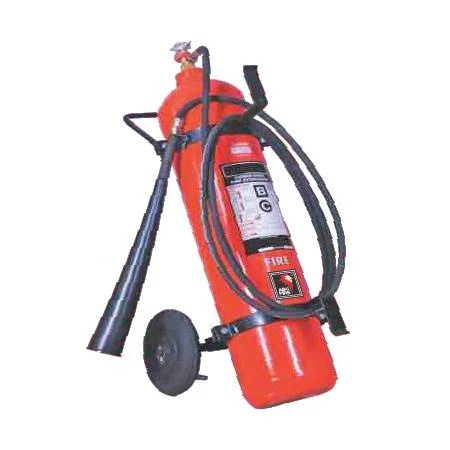
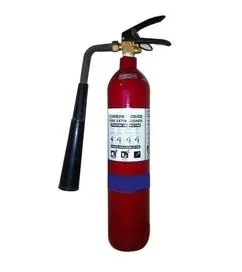
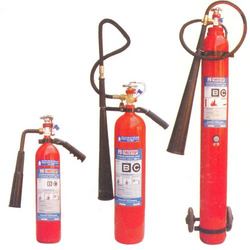
CO2 Fire Extinguishers: These extinguishers are ideal for electrical fires and are commonly used in data centers and server rooms. They work by displacing oxygen and do not leave any residue, making them safe for sensitive equipment.
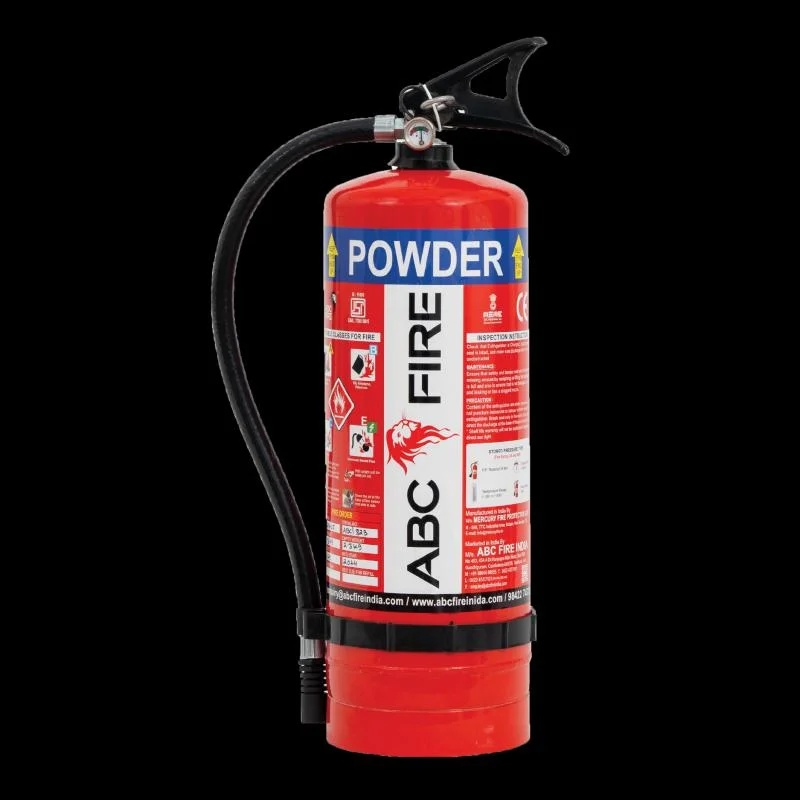
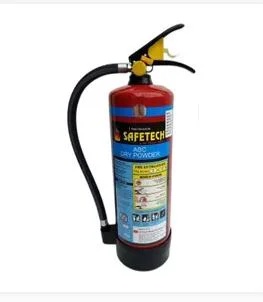
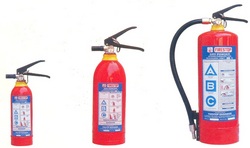
ABC Fire Extinguishers: Versatile and effective against most types of fires, these extinguishers are suitable for general use in offices, warehouses, and homes. They contain a dry chemical agent that smothers flames and prevents re-ignition.
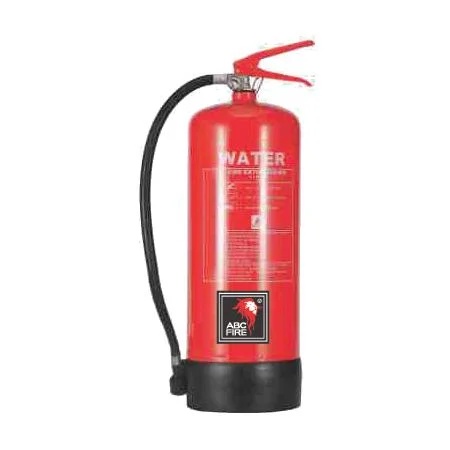
Foam Fire Extinguishers: Designed for flammable liquid fires, foam extinguishers form a barrier that cuts off the fire's oxygen supply. They are particularly useful in environments where flammable liquids are present, such as garages and labs.
𝗕𝗲𝗻𝗲𝗳𝗶𝘁𝘀 𝗮𝗻𝗱 𝗔𝗱𝘃𝗮𝗻𝘁𝗮𝗴𝗲𝘀
Fire extinguishers provide numerous benefits that enhance safety for businesses.
1. Immediate Response: Fire extinguishers allow for quick action in case of a fire, enabling personnel to address small fires before they escalate.
2. Enhanced Safety: Having the correct extinguishers on-site promotes a safer work environment, protecting employees and assets.
3. Compliance: Proper fire extinguishers help businesses comply with safety regulations, reducing the risk of legal issues.
4. Cost-Effectiveness: Early fire suppression can save businesses from significant damages and losses, making extinguishers a wise investment.
5. Versatility: Different types of extinguishers can be deployed in various environments, ensuring maximum protection.
6. Training and Awareness: The presence of fire extinguishers encourages training and awareness among staff, fostering a culture of safety.
𝗕𝘂𝘆𝗶𝗻𝗴 𝗚𝘂𝗶𝗱𝗲 𝗳𝗼𝗿 𝗕𝟮𝗕 𝗕𝘂𝘆𝗲𝗿𝘀
When sourcing fire extinguishers, businesses must consider several key factors to ensure they select the right products.
1. Quality Assessment: Evaluate the quality of extinguishers by checking for industry certifications and compliance with safety standards. Reliable brands often provide detailed specifications.
2. Supplier Verification: Vet suppliers to ensure they are reputable and offer high-quality products. Look for reviews and recommendations from other businesses.
3. Pricing and MOQ: Understand the pricing structure and minimum order quantities (MOQ) to make informed purchasing decisions. Bulk orders can often lead to cost savings.
4. Delivery and Lead Times: Confirm the logistics involved in delivery. Timely delivery is crucial, especially for compliance with safety inspections.
5. Compliance Requirements: Know the specific regulations applicable in your region. Ensure that the extinguishers meet all local and national safety standards.
𝗖𝗼𝗺𝗽𝗹𝗶𝗮𝗻𝗰𝗲 𝗮𝗻𝗱 𝗖𝗲𝗿𝘁𝗶𝗳𝗶𝗰𝗮𝘁𝗶𝗼𝗻𝘀
Compliance with industry standards is critical for fire extinguishers. Relevant standards include ISO 9001 for quality management and CE for product safety. These certifications ensure that extinguishers have undergone rigorous testing and meet essential safety requirements.
Fire extinguishers must also comply with safety and testing requirements that vary by region. This includes ensuring that products are tested for reliability and effectiveness in real-world scenarios. Regular maintenance and checks are necessary to maintain compliance and ensure the extinguishers remain functional.
In addition, regional compliance considerations may involve specific guidelines set by local fire safety authorities. Businesses should stay informed about these regulations to avoid penalties and ensure the safety of their operations.
Why Source Fire Extinguishers (CO2, ABC, Foam) from Pepagora?
Pepagora provides a trusted platform for sourcing fire extinguishers with several key advantages.
Verified Supplier Network: Pepagora connects buyers with a network of verified suppliers, ensuring that businesses receive high-quality products that meet safety standards.
Streamlined RFQ Process: The platform offers an efficient request for quotation (RFQ) process, allowing buyers to easily compare prices and specifications from multiple suppliers.
Trade Assurance and Support: Pepagora provides trade assurance to protect buyers, ensuring that transactions are secure and that they receive the products as expected.
Regional Coverage: With a presence across India, the GCC, and Southeast Asia, Pepagora offers extensive regional coverage, making it easier for businesses to source fire extinguishers tailored to their local compliance requirements.

 IN
IN India
India