IN
IN₹
Apparel & Fashion
Description
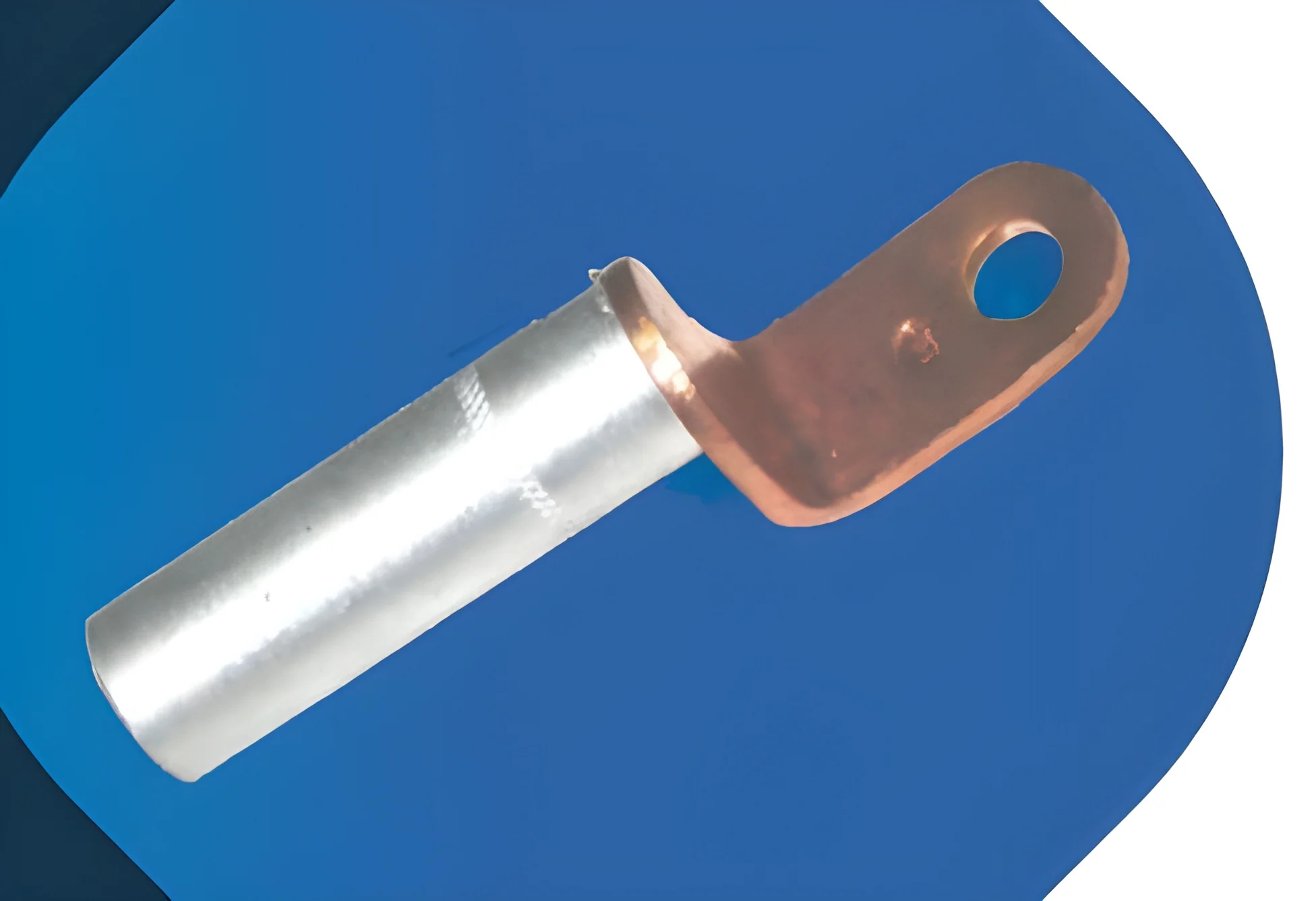
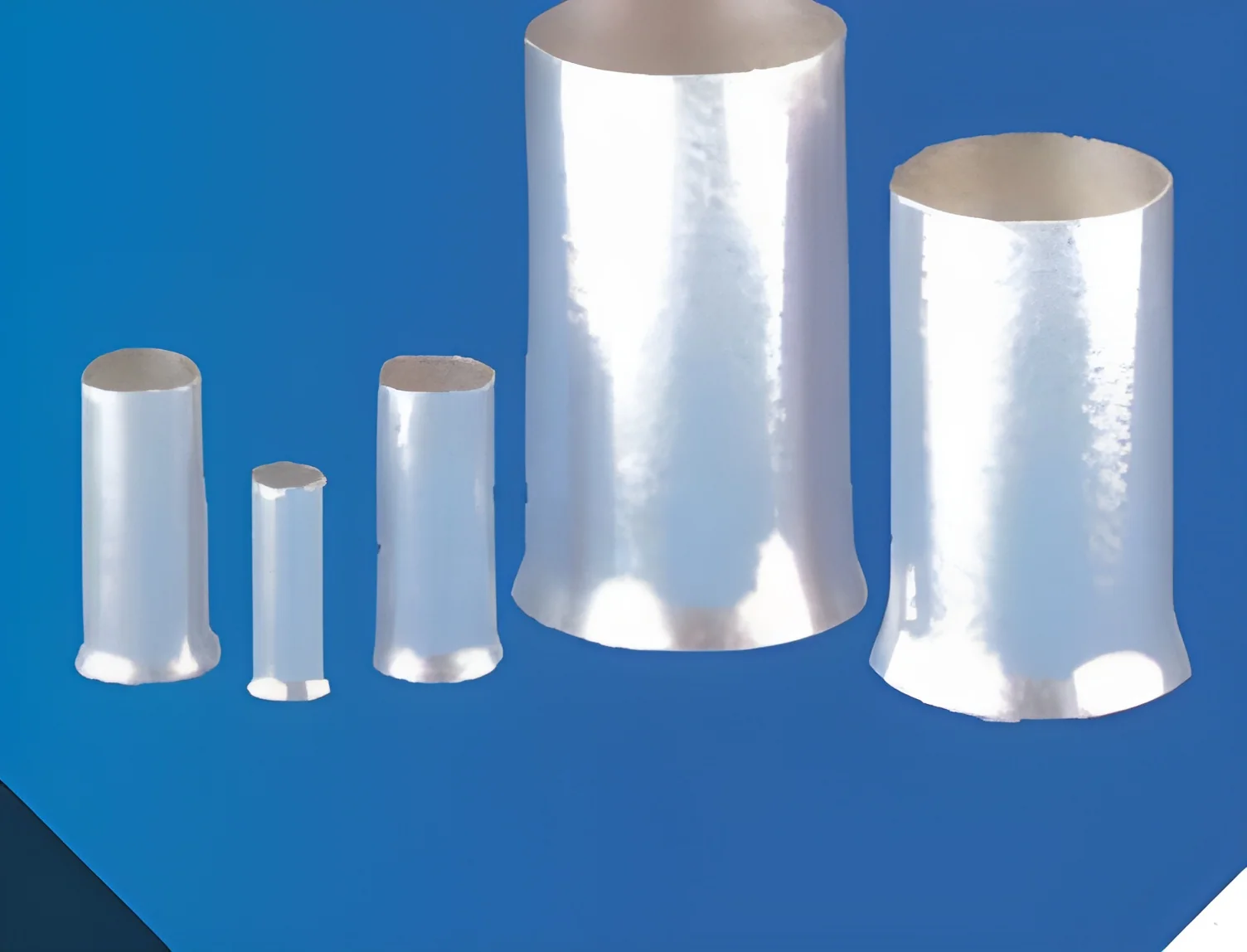
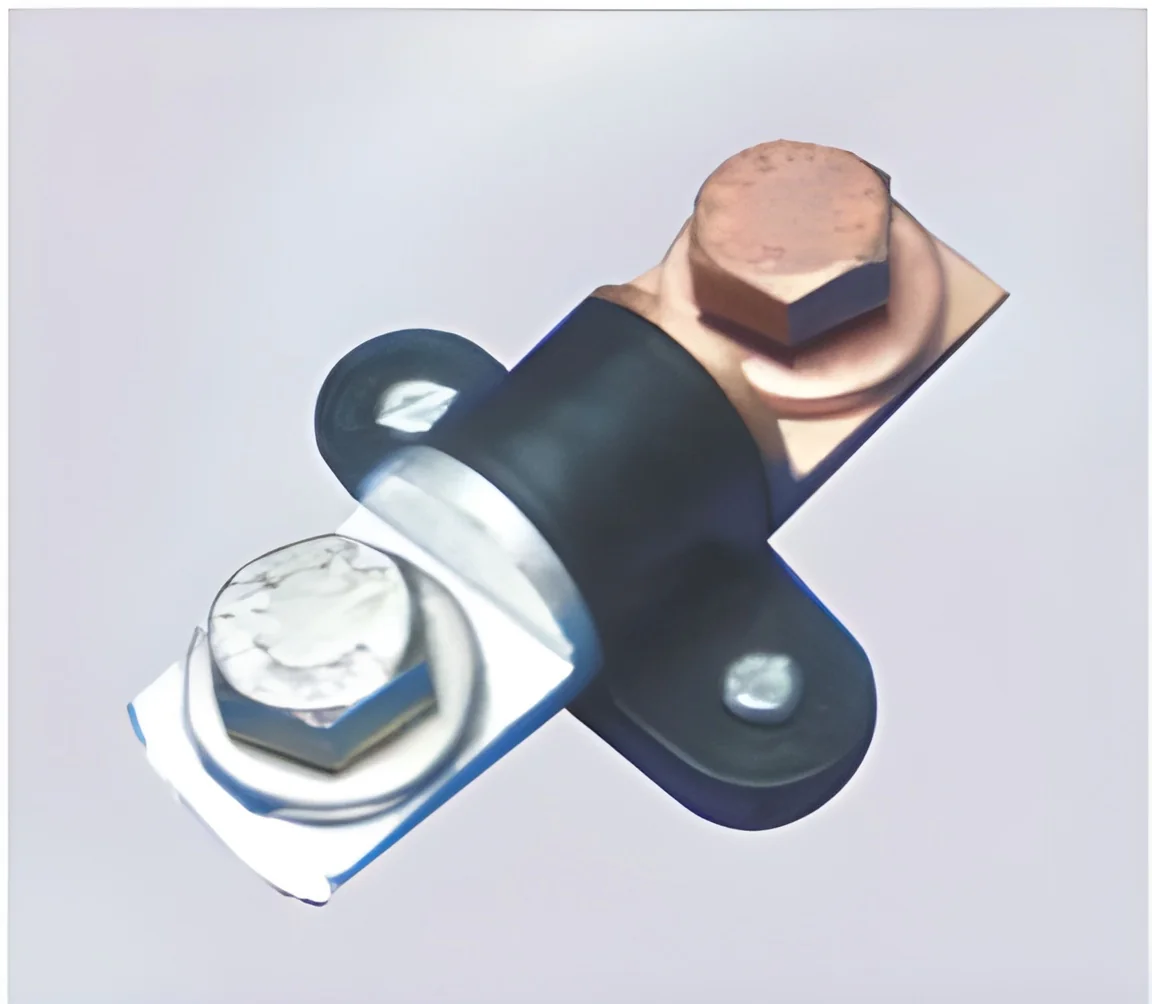
Bimetallic compression reducers are precision-engineered electrical connectors designed specifically for joining conductors of dissimilar metals, primarily aluminum and copper. These specialized components feature a friction-welded construction that permanently bonds aluminum and copper materials, creating a seamless interface that prevents galvanic corrosion while maintaining excellent electrical conductivity. The compression design ensures a tight, mechanical connection that withstands vibration, thermal cycling, and environmental stresses common in electrical installations. By providing a reliable transition between different conductor sizes and materials, these reducers eliminate the need for complex splicing techniques and reduce installation time while enhancing overall system safety and performance.

These connectors serve critical functions across multiple industries where electrical reliability is paramount. In power generation and distribution, they facilitate connections bet...
Bimetallic compression reducers are precision-engineered electrical connectors designed specifically for joining conductors of dissimilar metals, primarily aluminum and copper. These specialized components feature a friction-welded construction that permanently bonds aluminum and copper materials, creating a seamless interface that prevents galvanic corrosion while maintaining excellent electrical conductivity. The compression design ensures a tight, mechanical connection that withstands vibration, thermal cycling, and environmental stresses common in electrical installations. By providing a reliable transition between different conductor sizes and materials, these reducers eliminate the need for complex splicing techniques and reduce installation time while enhancing overall system safety and performance.

These connectors serve critical functions across multiple industries where electrical reliability is paramount. In power generation and distribution, they facilitate connections between aluminum transmission lines and copper substation equipment. Manufacturing facilities utilize them in control panels and busbar systems where different conductor materials must interface. The renewable energy sector depends on them for connecting aluminum solar array wiring to copper inverter systems. Electrical contractors specify them for retrofit projects where modern aluminum conductors must integrate with existing copper infrastructure. Utilities, industrial plants, and commercial facilities all rely on these reducers for maintaining system integrity where dissimilar metals meet.

The business value of bimetallic compression reducers lies in their ability to prevent costly electrical failures and reduce maintenance requirements. By eliminating galvanic corrosion at connection points, they extend the service life of electrical systems and minimize downtime. Their reliable performance under varying load conditions ensures consistent power delivery without voltage drops or overheating concerns. For procurement professionals and electrical engineers, these reducers represent a proven solution that meets international standards for safety and performance. Their installation simplicity reduces labor costs while their durable construction provides long-term value through reduced replacement frequency and enhanced system reliability.

Key Features:
- Friction-welded aluminum and copper construction prevents galvanic corrosion between dissimilar metals
- Compression design creates permanent, vibration-resistant connections that maintain integrity over time
- Compatible with standard compression tools for quick, reliable installation in field conditions
- Engineered to handle transitions between different conductor sizes and cross-sectional areas
- Suitable for both indoor and outdoor applications with resistance to environmental factors

Benefits:
- Eliminates corrosion at connection points between aluminum and copper conductors
- Reduces electrical resistance at joints, minimizing power loss and heat generation
- Simplifies installation compared to alternative connection methods for dissimilar metals
- Provides long-term reliability with minimal maintenance requirements over decades of service
- Ensures safe electrical performance under high current loads and varying environmental conditions
Specifications
| Additional Information | |
|---|---|
| Country of Origin | India |
Application
Bimetallic compression reducers are essential components for creating safe and efficient electrical connections where different conductor materials meet. They are specifically engineered to handle the transition between aluminum and copper cables, which is a common requirement in modern power infrastructure. These connectors prevent the galvanic corrosion that naturally occurs when dissimilar metals are joined, ensuring long-term system reliability and reducing maintenance needs across various installations.
Their robust compression design provides a permanent, vibration-resistant connection that maintains low electrical resistance under high current loads. This makes them suitable for both indoor and outdoor applications where environmental factors and mechanical stress are concerns. From utility-scale power distribution to industrial facility upgrades, these reducers deliver consistent performance that electrical engineers and contractors trust for critical connections that must last for decades without failure.
- Power distribution and transmission line connections where aluminum overhead lines meet copper equipment terminations.
- Transformer and switchgear installations requiring secure, low-resistance transitions between different conductor materials.
- Industrial control panels and busbar systems in manufacturing plants and processing facilities.
- Renewable energy systems including solar farms and wind turbines connecting aluminum array wiring to copper inverter inputs.
- Electrical retrofitting projects where existing copper systems need integration with modern aluminum conductors.
Trade Details
| Available Stock | In Stock |
| Sample Availability | No |
Payment Terms
| Payment Terms |
|
Company Profile

Assocaited Engineers, Maharashtra
 Maharashtra, India
Maharashtra, IndiaManufacturer•Retailer•Importer / Exporter
Factory Details
Factory SizeBelow 1000 sqm
Bimetallic Compression Reducers
Bimetallic compression reducers from [Brand/Manufacturer] create reliable, corrosion-free connections between aluminum and copper conductors in power distribution systems, featuring secure mechanical strength and optimal electrical performance.
Min. Order Quantity: 1
Shipping
Shipping fee and delivery date to be negotiated. Contact supplier now for more details.
Assocaited Engineers
 Maharashtra, India
Maharashtra, IndiaManufacturer