
 IN
CPVC Pipes & Fittings
9 products available
What are CPVC Pipes & Fittings?
CPVC pipes and fittings are a type of plastic piping system made from chlorinated polyvinyl chloride. This material is known for its high resistance to heat and corrosion, making it suitable for various industrial applications. CPVC is often used in plumbing, industrial processing, and chemical handling due to its durability and reliability. The pipes are lightweight, easy to install, and can be joined using solvent cement, which simplifies the construction process.
These pipes and fittings are widely utilized in sectors such as construction, manufacturing, and agriculture. They serve as essential components in hot and cold water distribution systems and industrial applications where corrosive fluids are transported. The ability of CPVC to maintain structural integrity at elevated temperatures and pressures has made it increasingly relevant in today's market, where efficiency and safety are paramount.
Key Features and Specifications
CPVC pipes and fittings come with several key features that enhance their performance in various applications. Understanding these specifications is crucial for making informed purchasing decisions.
Key specifications include:
1. Temperature Resistance
- CPVC can withstand temperatures up to 200 degrees Fahrenheit.
- This makes it suitable for hot water applications.
2. Pressure Rating
- CPVC pipes typically have pressure ratings of up to 600 psi.
- This specification ensures reliable operation in high-pressure systems.
3. Chemical Resistance
- CPVC is resistant to a wide range of chemicals, including acids and alkalis.
- This feature makes it ideal for industrial environments.
4. Lightweight Design
- CPVC pipes are significantly lighter than metal pipes.
- This results in reduced shipping and handling costs.
5. Low Thermal Conductivity
- CPVC has low thermal conductivity, contributing to energy efficiency.
- It helps to maintain the temperature of transported fluids.
6. Ease of Installation
- The solvent welding process allows for quick assembly.
- Fewer tools are needed compared to metal piping systems.
7. Longevity
- CPVC has a long service life, often exceeding 50 years.
- This reduces replacement costs over time.
8. Non-Toxic Material
- CPVC is safe for potable water applications.
- It complies with health and safety regulations.
In summary, the combination of temperature resistance, pressure ratings, and chemical compatibility makes CPVC pipes and fittings a reliable choice for various industrial applications.
Common Applications and Use Cases
CPVC pipes and fittings find application in a diverse range of industries due to their versatility and performance characteristics.
1. Construction: CPVC is commonly used in residential and commercial plumbing systems for both hot and cold water distribution. Its resistance to corrosion ensures a long-lasting installation.
2. Manufacturing: In manufacturing facilities, CPVC pipes transport corrosive chemicals safely. Their chemical resistance allows for safe handling of various industrial fluids.
3. Agriculture: Farmers utilize CPVC for irrigation systems. Its durability and resistance to UV radiation make it suitable for outdoor applications.
4. HVAC Systems: CPVC is employed in heating and cooling systems. Its ability to withstand high temperatures enhances system efficiency.
5. Fire Protection: CPVC pipes are increasingly used in fire sprinkler systems. Their lightweight nature facilitates easy installation and maintenance.
6. Pharmaceutical: In the pharmaceutical industry, CPVC is used in the transportation of chemicals and fluids, meeting stringent hygiene and safety standards.
7. Marine: CPVC is also preferred in marine applications, where resistance to saltwater corrosion is crucial.
Product Variants and Subcategories
CPVC pipes and fittings are available in various sizes and configurations to meet specific application needs. The diversity of these products allows for tailored solutions in any project.
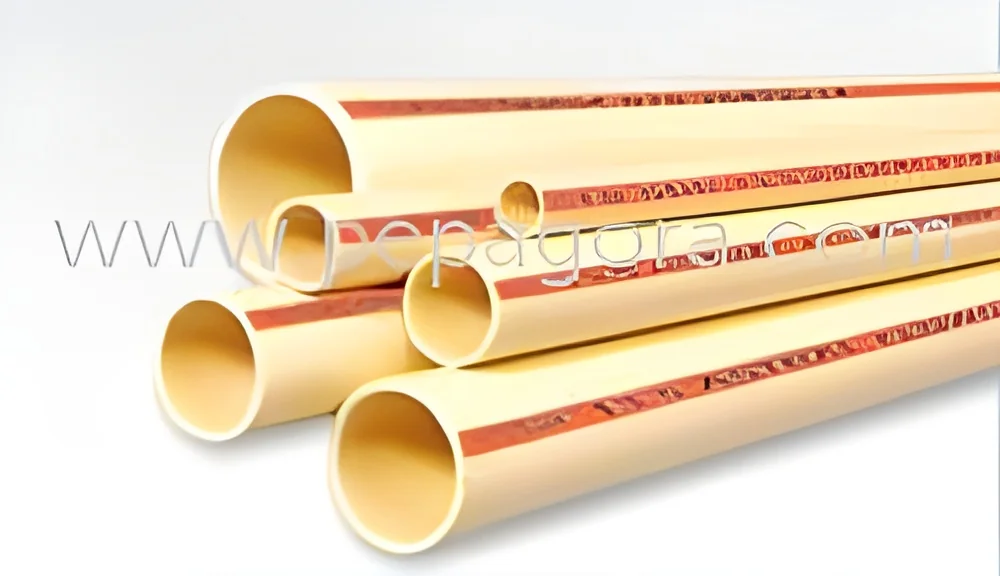
Standard CPVC Pipe
This variant is designed for general plumbing applications. It offers excellent chemical resistance and temperature handling for both residential and commercial systems.
CPVC Schedule 80 Pipe
This variant features thicker walls for increased pressure handling. It is ideal for industrial applications where higher pressure and temperatures are present.
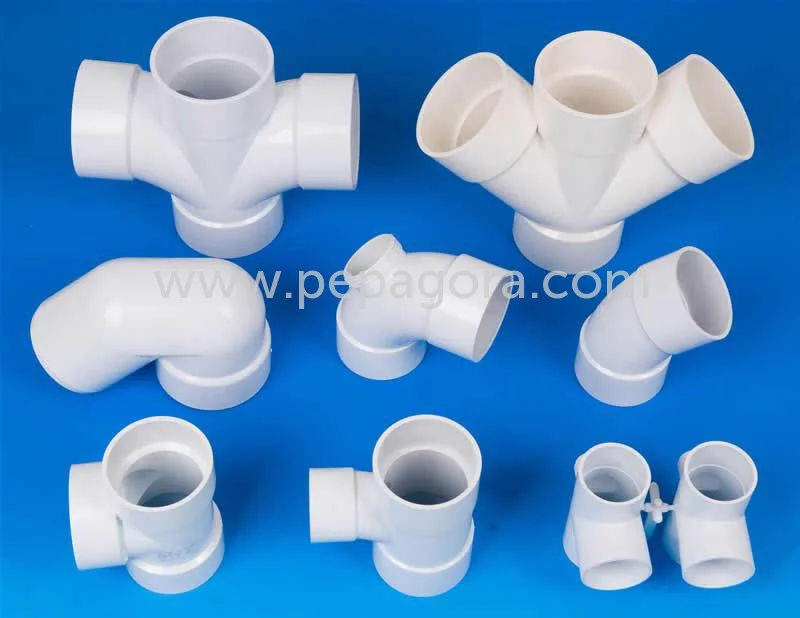
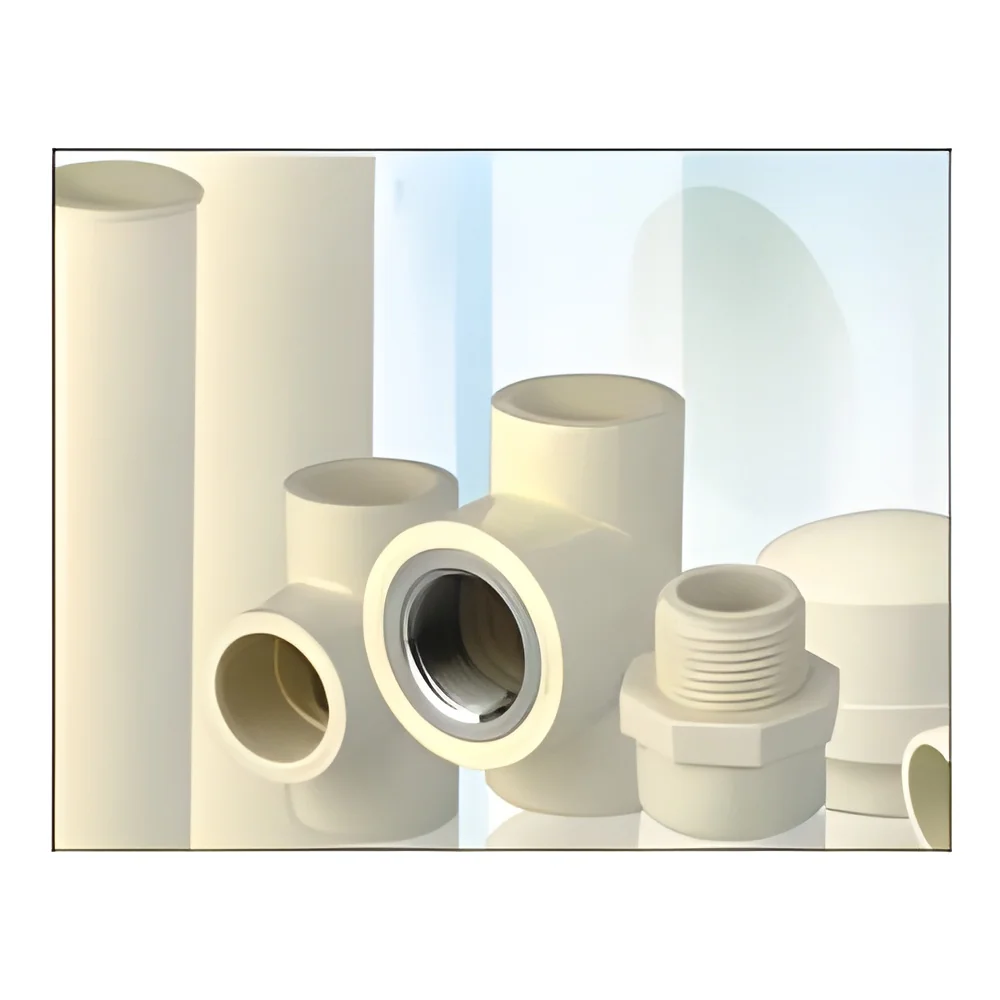
CPVC Fittings
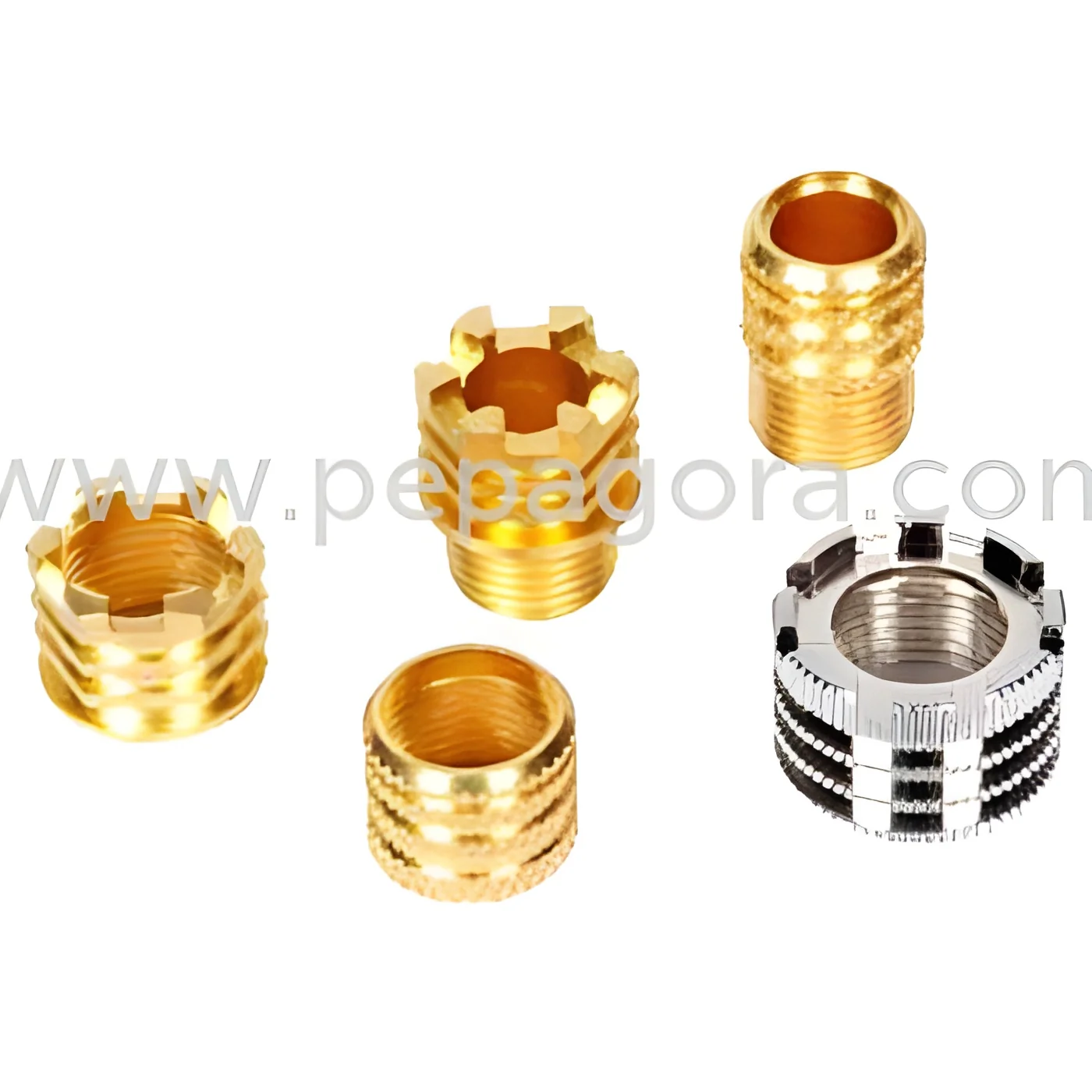
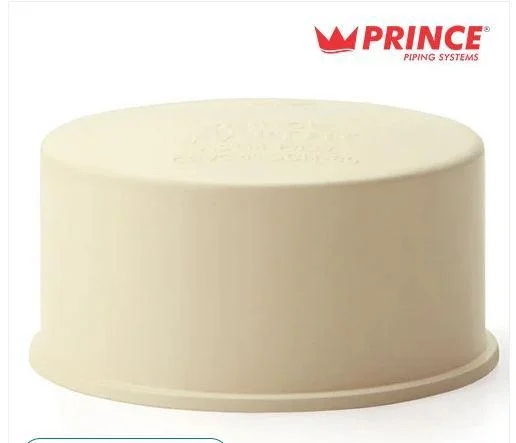
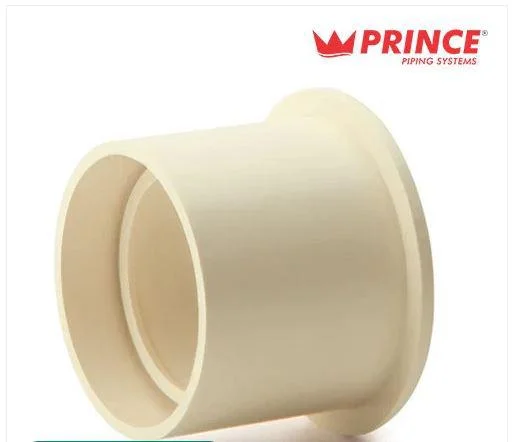
These fittings come in various shapes and sizes, allowing for seamless connections in plumbing systems. They provide the necessary versatility for any piping layout.
Benefits and Advantages
Utilizing CPVC pipes and fittings offers numerous advantages that can significantly impact project outcomes.
1. Cost-Effective: The lightweight nature of CPVC reduces shipping and handling costs, making it a budget-friendly option for projects.
2. Durability: CPVC is resistant to corrosion and degradation, ensuring a longer lifespan compared to traditional materials.
3. Energy Efficiency: Low thermal conductivity helps maintain the desired temperature of fluids, leading to energy savings in heating and cooling applications.
4. Safe for Drinking Water: CPVC complies with health standards, making it suitable for potable water systems without leaching harmful substances.
5. Low Maintenance: The inherent properties of CPVC reduce the need for frequent repairs or replacements, saving time and resources.
6. Easy Installation: The solvent welding process simplifies assembly, allowing for quicker project completion and reduced labor costs.
Buying Guide for B2B Buyers
When considering CPVC pipes and fittings for your projects, several factors should be taken into account to ensure you make the best purchasing decision.
1. Quality Assessment: Ensure that the CPVC products meet industry standards for quality and performance. Look for certifications that guarantee durability and reliability.
2. Supplier Verification: Vet suppliers thoroughly to confirm their reputation and reliability. A verified supplier can provide assurance regarding product consistency and support.
3. Pricing and MOQ: Understand the pricing structures and minimum order quantities. This will help in budgeting and ensuring sufficient inventory for projects.
4. Delivery and Lead Times: Inquire about logistics to ensure timely delivery of products. Delays can impact project timelines, so confirm lead times with the supplier.
5. Compliance Requirements: Be aware of regulatory compliance for CPVC products in your region. Ensure that the materials meet local safety and quality standards.
Compliance and Certifications
CPVC pipes and fittings are governed by various quality standards and certifications that ensure their safety and performance in diverse applications.
ISO 9001 certification is a key indicator of quality management systems in place during the manufacturing process. It ensures that products meet customer and regulatory requirements consistently.
CE certification indicates compliance with European health, safety, and environmental protection standards. This certification is essential for products sold in European markets.
Safety and testing requirements focus on ensuring that CPVC products do not leach harmful substances when used in potable water applications. Regular testing helps maintain compliance with health standards.
Regional compliance considerations vary based on local regulations. It is crucial to verify that CPVC products meet specific regional standards to avoid legal and operational issues.
Why Source CPVC Pipes & Fittings from Pepagora?
Pepagora offers a dependable platform for sourcing CPVC pipes and fittings, bringing several advantages to B2B buyers.
Verified Supplier Network: Pepagora connects buyers with a network of verified suppliers who meet strict quality standards. This ensures that buyers receive reliable products and services.
Streamlined RFQ Process: The Request for Quotation (RFQ) system simplifies the procurement process. Buyers can easily compare quotes and find the best options for their needs.
Trade Assurance and Support: Pepagora provides buyer protection through trade assurance programs. Buyers can feel secure knowing their transactions are safeguarded.
Regional Coverage: With a presence across India, the GCC, and Southeast Asia, Pepagora facilitates access to CPVC pipes and fittings in key markets. This extensive reach ensures that buyers can find the products they need, no matter their location.


 India
 India
 India
Frequently Asked Questions
What are CPVC Pipes & Fittings?
CPVC (Chlorinated Polyvinyl Chloride) Pipes & Fittings are a type of plastic piping system widely used in plumbing and industrial applications. They are known for their excellent resistance to corrosion, high temperatures, and pressure, making them suitable for hot and cold water distribution.
What are the different types of CPVC Pipes & Fittings?
There are several types of CPVC Pipes & Fittings, including schedule 40 and schedule 80 pipes, which differ in wall thickness and pressure ratings. Additionally, CPVC fittings come in various shapes, such as elbows, tees, couplings, and flanges, to accommodate different plumbing configurations.
How do I choose the right CPVC Pipes & Fittings?
When selecting CPVC Pipes & Fittings, consider factors such as the intended application, temperature and pressure requirements, and compatibility with other materials. It's also important to consult manufacturer specifications and industry standards to ensure the right fit for your project.
What are the standard specifications for CPVC Pipes & Fittings?
CPVC Pipes & Fittings typically conform to ASTM D1784 and ASTM D2846 standards, which outline the material properties, dimensions, and performance requirements. These specifications ensure that the products can withstand the necessary pressure and temperature for various applications.
What is the price range for CPVC Pipes & Fittings?
The price of CPVC Pipes & Fittings can vary widely based on factors such as diameter, thickness, and manufacturer. Generally, you can expect prices to range from ₹50 to ₹300 per meter, depending on the specifications and quality.
What quality standards apply to CPVC Pipes & Fittings?
Quality standards for CPVC Pipes & Fittings are governed by organizations such as ASTM and IS (Indian Standards). Products should meet specific performance criteria for pressure, impact resistance, and durability to ensure safe and reliable use in applications.
Where can I find CPVC Pipes & Fittings suppliers in India?
You can find CPVC Pipes & Fittings suppliers in India through online marketplaces like Pepagora, industry directories, and trade shows. Additionally, local plumbing suppliers and manufacturers may also offer these products.
Can CPVC Pipes & Fittings be customized?
Yes, many manufacturers offer customization options for CPVC Pipes & Fittings, including specific lengths, diameters, and fitting shapes. Customization can help meet unique project requirements and specifications.
What is the typical minimum order quantity for CPVC Pipes & Fittings?
The minimum order quantity (MOQ) for CPVC Pipes & Fittings can vary by supplier but typically ranges from 100 to 500 meters, depending on the type and size of the product. It's advisable to check with individual suppliers for their specific MOQs.
What is the typical lead time for CPVC Pipes & Fittings?
The lead time for CPVC Pipes & Fittings usually ranges from 7 to 21 days, depending on the supplier and order size. Factors such as customization, availability of materials, and shipping can also affect delivery times.
Why Businesses Trust Pepagora
Thousands of companies trust Pepagora to source smarter and sell faster
Expand Your Sales Globally

Source Smarter,Grow Faster
