
 IN
Countersunk Screws
3 products available
What are Countersunk Screws?
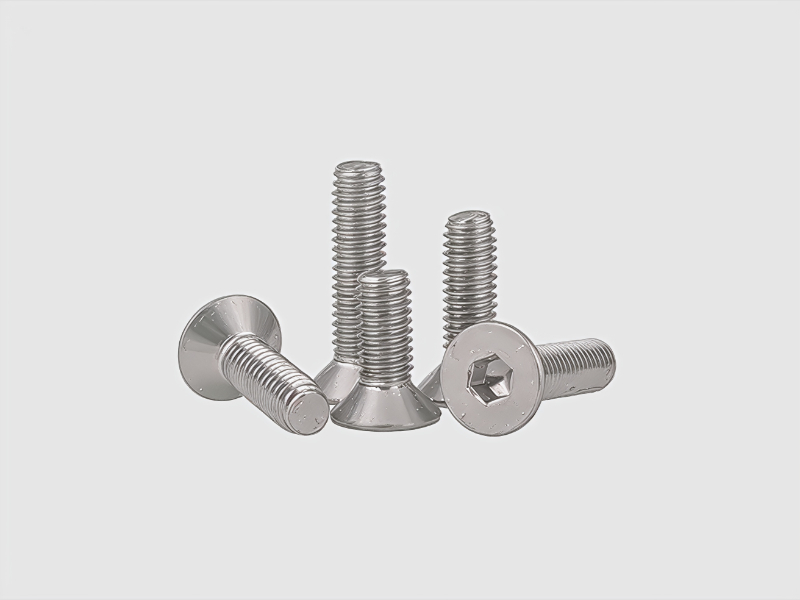
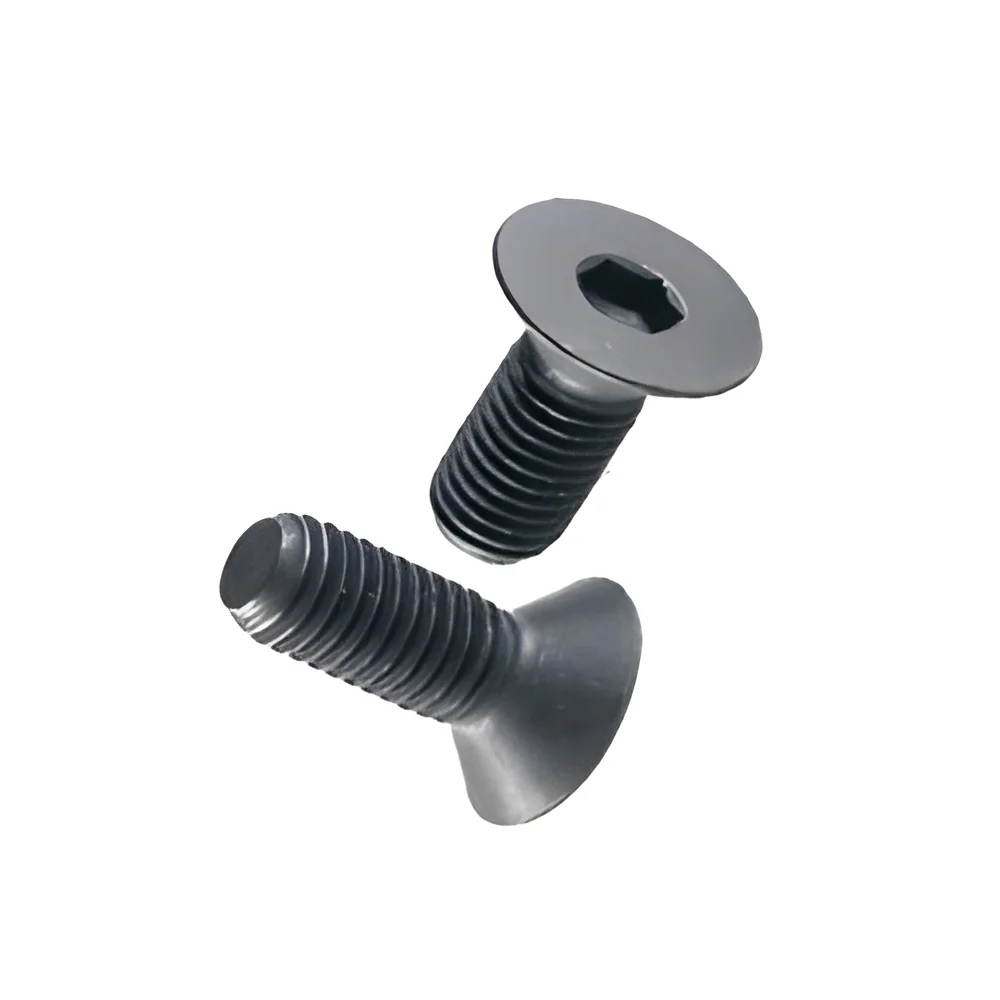
Countersunk screws are a type of fastener designed with a flat or slightly conical head that allows them to sit flush with the surface of the material they are fastened into. This design feature provides a smooth finish and reduces the risk of snagging or injury, making these screws ideal for applications where aesthetics and safety are considerations. Countersunk screws can be made from various materials, including steel, stainless steel, and brass, providing options for different environments and load requirements.
These screws are commonly used in woodworking, metalworking, and construction applications. They serve as essential components in assembling furniture, securing metal sheets, and fastening components in machinery. Their ability to create a clean finish while providing robust holding power makes them widely accepted in industries such as automotive, aerospace, and consumer electronics. As markets evolve, the demand for high-quality countersunk screws continues to grow, driven by the need for reliable and durable fastening solutions.
Key Features and Specifications
Countersunk screws come with several key features and specifications that make them suitable for various applications. Understanding these specifications helps in selecting the right screws for specific needs.
Key specifications include:
1. Material Type
- Common materials include steel, stainless steel, and brass.
- Each material offers different levels of corrosion resistance and strength.
2. Head Style
- Flat or conical heads allow for flush mounting.
- Specific designs may include Phillips, slotted, or Torx drive types.
3. Thread Type
- Available in coarse and fine thread options.
- Fine threads are suited for precise applications, while coarse threads provide better grip in softer materials.
4. Length Options
- Varies from short screws (1 inch) to long screws (several inches).
- Length should be chosen based on the combined thickness of the materials being joined.
5. Diameter
- Typically ranges from #2 to #14, with metric sizes also available.
- Diameter selection affects the screw's strength and load capacity.
6. Finish
- Options include zinc plating, black oxide, and natural finishes.
- Finishes enhance corrosion resistance and aesthetic appeal.
7. Load Capacity
- Depends on material, diameter, and length.
- Critical for ensuring the screw can handle the intended load without failure.
8. Compliance and Standards
- Adheres to industry standards such as CE for safety and performance.
- Ensures screws meet specific quality benchmarks.
In summary, the selection of countersunk screws should consider material, head style, thread type, and compliance to ensure functionality and longevity in various applications.
Common Applications and Use Cases
Countersunk screws find utility in a range of industries due to their design and performance characteristics.
1. Construction: Used for securing drywall, wood framing, and roofing materials, countersunk screws help create stable and durable structures.
2. Automotive: Essential for fastening body panels and components, these screws offer both strength and a clean finish, vital for vehicle aesthetics.
3. Aerospace: In aircraft manufacturing, countersunk screws are used to reduce drag and improve aerodynamic performance while ensuring secure fastening.
4. Electronics: Common in assembling electronic devices, they provide a flush surface for cases and panels, enhancing the overall design integrity.
5. Furniture: Widely used in furniture assembly, countersunk screws allow for seamless connections and a polished appearance in finished products.
6. Marine: Ideal for boat building, they resist corrosion and provide secure fastening in harsh environments.
7. HVAC: Utilized in ductwork and system assembly, these screws ensure reliable performance in heating and cooling applications.
Product Variants and Subcategories
Countersunk screws are available in various types to meet different needs and preferences in industrial applications.
Steel Countersunk Screws: These screws offer high strength and durability, making them suitable for heavy-duty applications in construction and machinery assembly.
Stainless Steel Countersunk Screws: Known for their corrosion resistance, these screws are ideal for outdoor and marine applications where exposure to moisture is a concern.
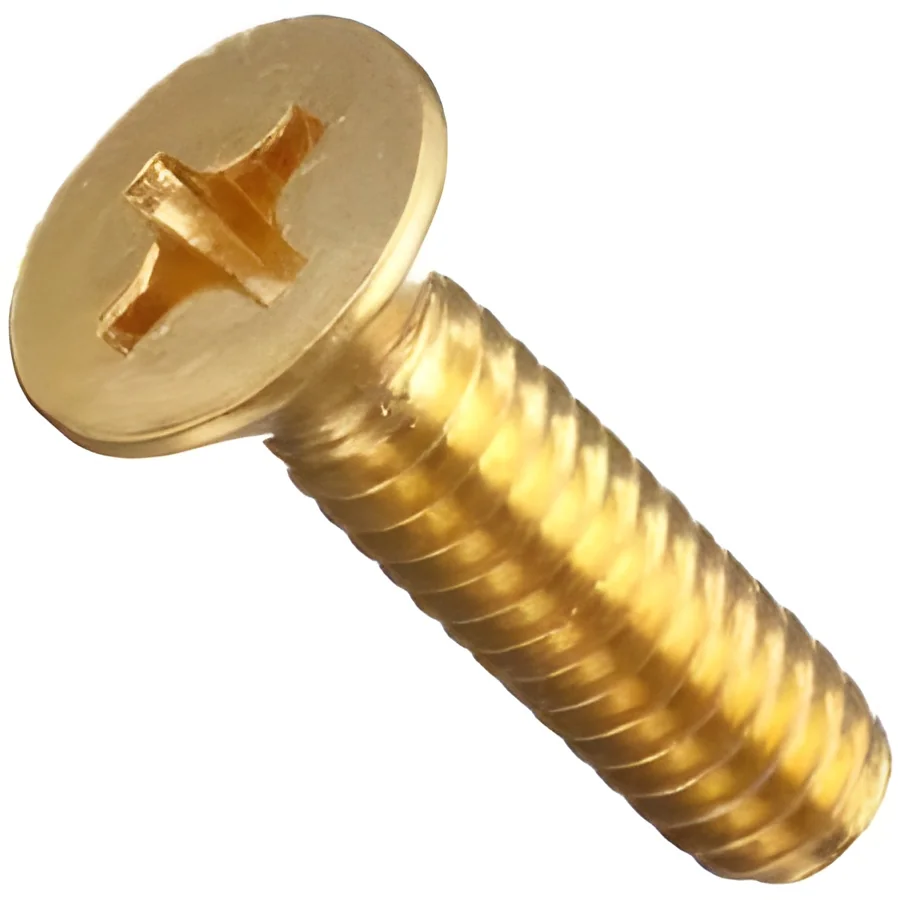
Brass Countersunk Screws: Featuring a distinct aesthetic appeal, brass screws are often used in decorative applications and furniture.
Coated Countersunk Screws: Available with various coatings for enhanced protection against corrosion and wear, these screws are tailored for specific environments.
Benefits and Advantages
Countersunk screws provide several advantages that make them a preferred choice in many applications.
1. Aesthetic Appeal: Their flush design creates a clean and professional appearance, especially in visible areas.
2. Safety: The smooth surface reduces the risk of snagging, making them safer for handling and use.
3. Versatility: They can be used in a variety of materials, including wood, metal, and plastic, making them suitable for diverse applications.
4. Strong Holding Power: Designed to provide excellent grip and stability, they can securely fasten components under load.
5. Easy Installation: The design allows for straightforward installation with standard tools, enhancing efficiency in assembly processes.
6. Corrosion Resistance: Available in various materials and finishes, they can withstand environmental challenges, ensuring longevity.
Buying Guide for B2B Buyers
When sourcing countersunk screws, B2B buyers should consider several critical factors to ensure they make informed purchasing decisions.
1. Quality Assessment: Evaluate the quality of screws based on material specifications and compliance with relevant standards. Look for certifications that verify the product's reliability and performance.
2. Supplier Verification: Conduct thorough background checks on potential suppliers to ensure they have a track record of delivering quality products and services. Request samples to assess quality firsthand.
3. Pricing and MOQ: Understand the pricing structure and minimum order quantities. Compare quotes from different suppliers to find the best value without compromising on quality.
4. Delivery and Lead Times: Inquire about the supplier’s logistics capabilities, including lead times and shipping options. Timely delivery is crucial for maintaining production schedules.
5. Compliance Requirements: Ensure that the screws meet all necessary regulatory and safety standards for your industry. This is particularly important in sectors such as aerospace and automotive.
Compliance and Certifications
Compliance with industry standards and certifications is vital for countersunk screws to ensure safety and performance. Relevant quality standards may include ISO 9001, which outlines requirements for quality management systems. This certification ensures that the manufacturing process meets established quality benchmarks.
Additionally, compliance with CE marking is important for products sold in the European market, indicating they meet health, safety, and environmental protection standards.
Safety and testing requirements may vary by industry, so it is essential to verify that the screws are tested for their specific applications. Regional compliance considerations should also be taken into account, as different markets may have varying regulations concerning fasteners and materials.
Why Source Countersunk Screws from Pepagora?
Pepagora offers a reliable platform for sourcing countersunk screws, providing several key advantages for B2B buyers.
Verified Supplier Network: We connect buyers with a network of verified suppliers, ensuring that they can source high-quality screws from reputable manufacturers. Our rigorous vetting process helps maintain high standards.
Streamlined RFQ Process: Our quotation system simplifies the process of requesting prices and specifications from multiple suppliers. Buyers can easily compare options to find the best fit for their needs.
Trade Assurance and Support: Pepagora provides trade assurance to protect buyers, ensuring that they receive their orders as promised. Our dedicated support team is available to assist buyers throughout the sourcing process.
Regional Coverage: With a strong presence in India, GCC, and Southeast Asia, Pepagora offers extensive geographic reach. This allows us to cater to a diverse range of industries and requirements across different regions.




Frequently Asked Questions
What are Countersunk Screws?
Countersunk screws are fasteners designed with a flat or conical head that allows them to sit flush with the surface of the material they are driven into. This design minimizes protrusion, providing a smooth finish and making them ideal for applications where a flat surface is required.
What are the different types of Countersunk Screws?
Countersunk screws come in various types, including Phillips, slotted, and hex head screws. Each type has a different drive style, catering to specific applications and tools used during installation.
How do I choose the right Countersunk Screws?
To choose the right countersunk screws, consider the material you are working with, the required length and diameter, and the specific application. Additionally, assess whether you need a particular head style or drive type for optimal installation.
What are the standard specifications for Countersunk Screws?
Standard specifications for countersunk screws include dimensions such as diameter, length, and thread pitch, as well as material composition like stainless steel, carbon steel, or brass. Compliance with industry standards like ISO, ANSI, or ASTM may also be important depending on the application.
What is the price range for Countersunk Screws?
The price range for countersunk screws varies based on factors such as material, size, and quantity ordered. Generally, prices can start from a few rupees per screw for basic models and can go up depending on customization and material specifications.
What quality standards apply to Countersunk Screws?
Countersunk screws should adhere to quality standards such as ISO 9001 for quality management systems and ASTM standards for materials. These standards ensure the screws are manufactured to reliable specifications and can withstand the intended load and environmental conditions.
Where can I find Countersunk Screws suppliers in India?
You can find countersunk screws suppliers in India through B2B marketplaces like Pepagora.com, industry trade shows, or local hardware distributors. It's advisable to compare suppliers based on quality, pricing, and customer reviews to find suitable options.
Can Countersunk Screws be customized?
Yes, countersunk screws can often be customized in terms of size, material, and coating based on specific project requirements. Customization options may vary among manufacturers, so it is essential to communicate your needs clearly.
What is the typical minimum order quantity for Countersunk Screws?
The typical minimum order quantity (MOQ) for countersunk screws can vary by supplier, but it generally ranges from 100 to 1000 pieces. Larger orders may often be required for custom specifications or bulk pricing.
What is the typical lead time for Countersunk Screws?
The typical lead time for countersunk screws can vary depending on the supplier and whether the screws are standard or customized. Generally, lead times can range from a few days for standard stock to several weeks for custom orders.
Why Businesses Trust Pepagora
Thousands of companies trust Pepagora to source smarter and sell faster
Expand Your Sales Globally

Source Smarter,Grow Faster
