IN
IN₹
Apparel & Fashion
Loading subcategories...
View More
Description
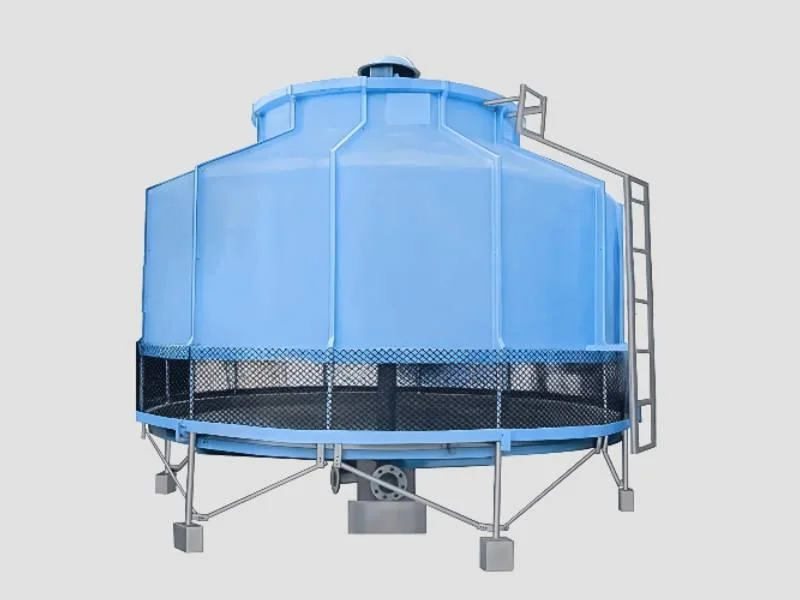
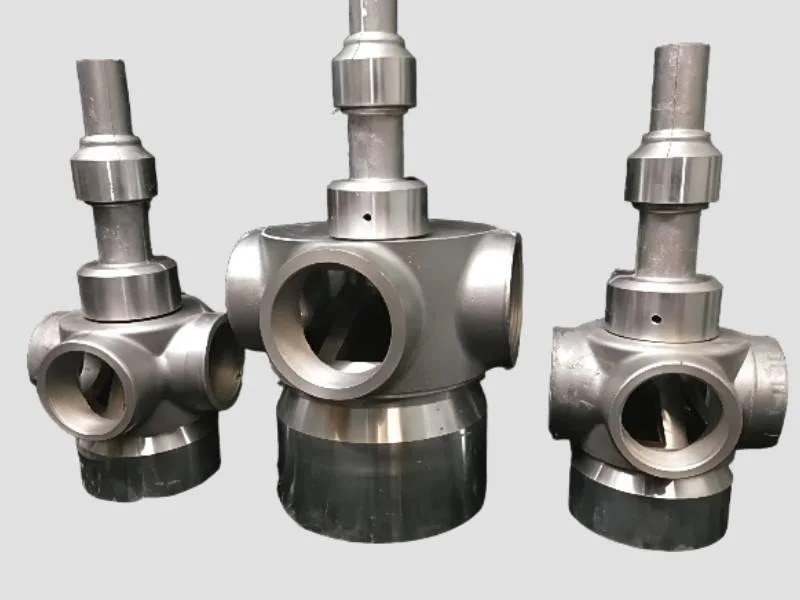
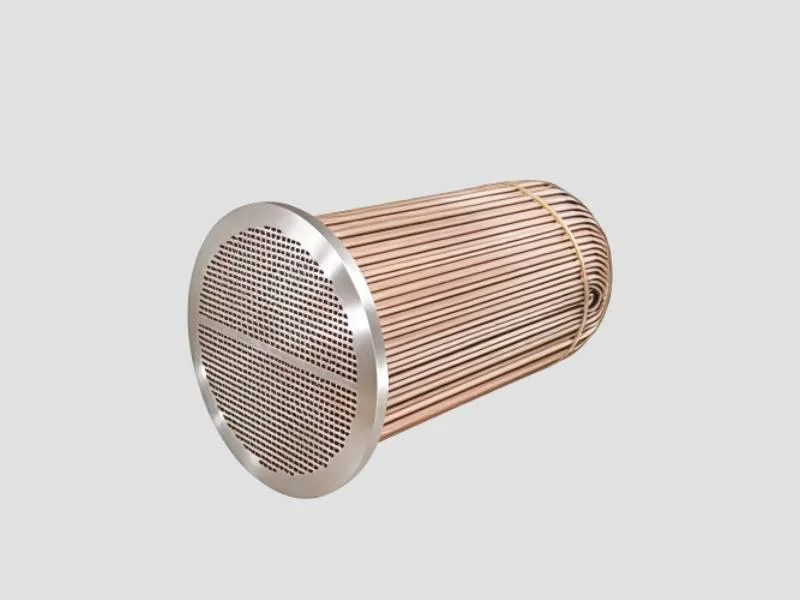
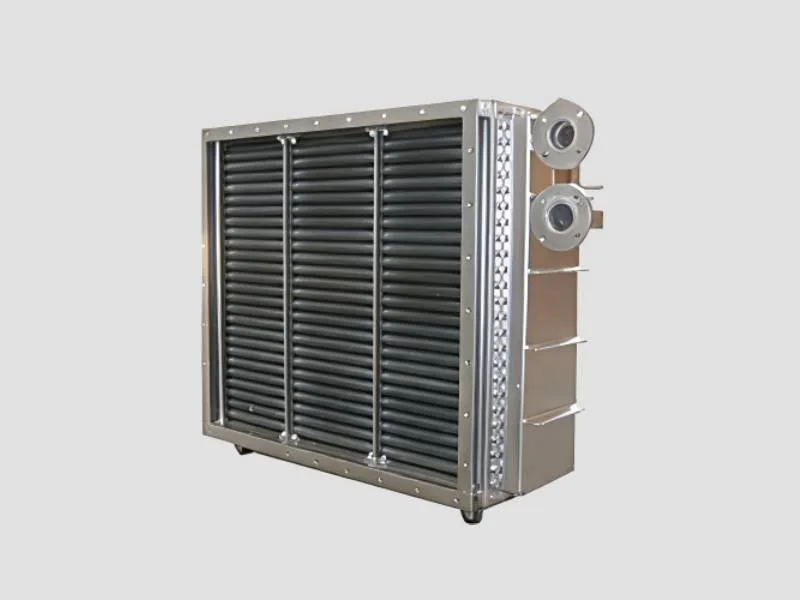
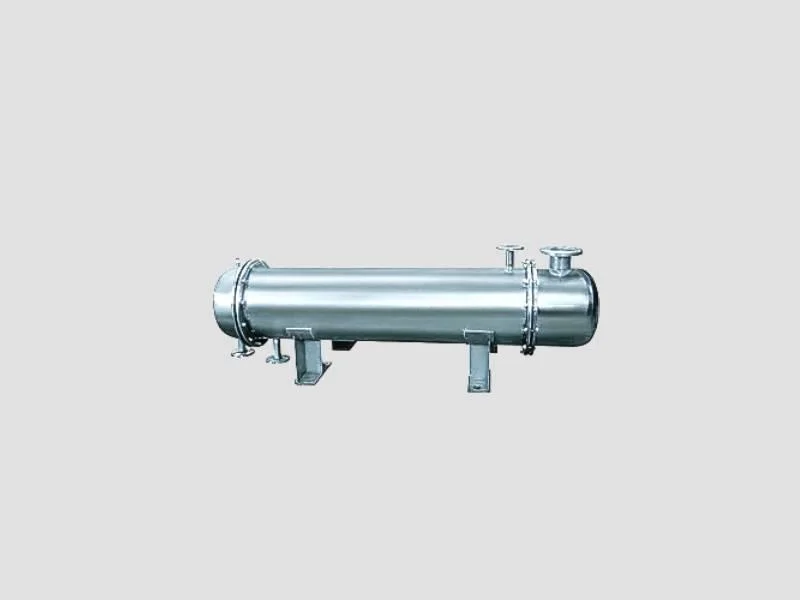
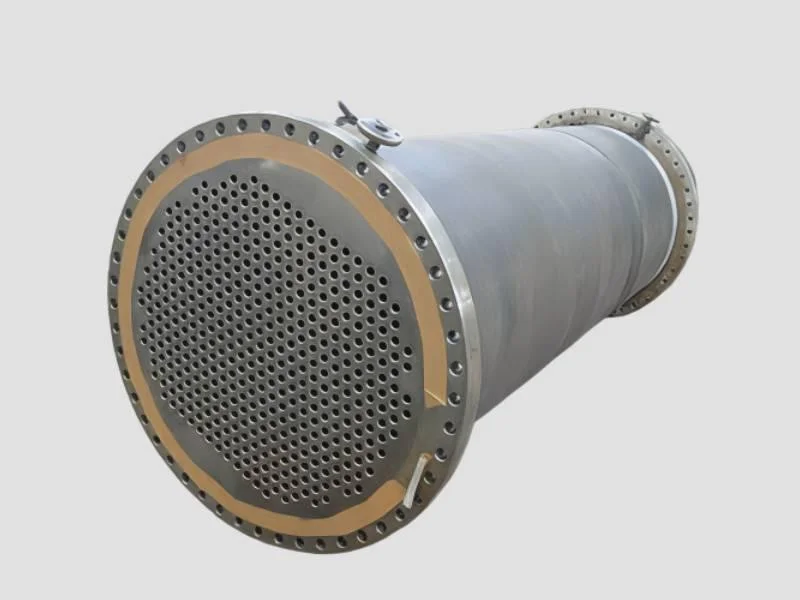
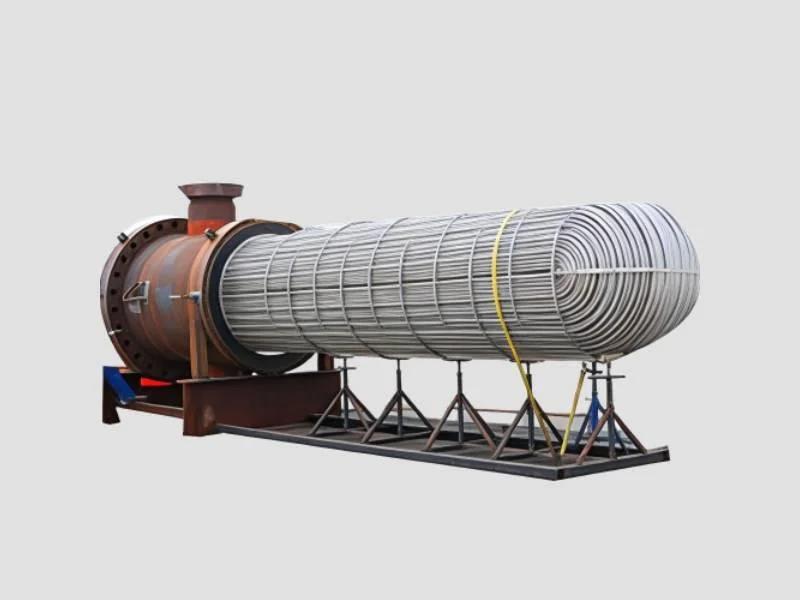
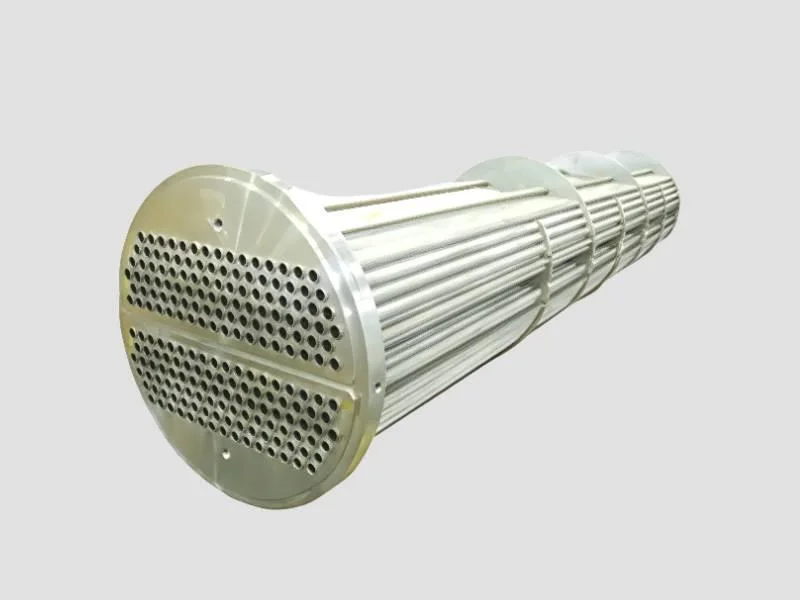
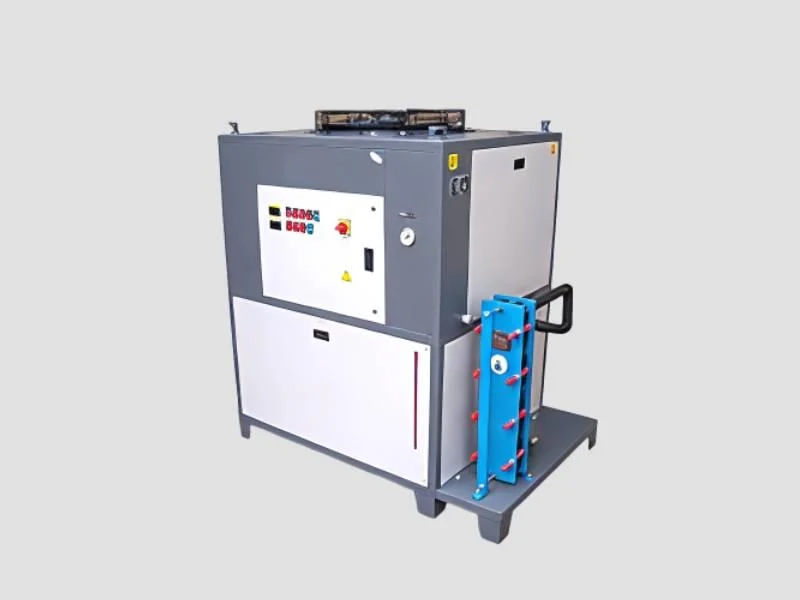
Industrial Hydraulic Oil Chillers are precision-engineered cooling systems designed specifically for hydraulic applications in demanding manufacturing environments. These units actively regulate the temperature of hydraulic oil circulating through industrial machinery, removing excess heat generated during continuous operation. By maintaining oil within optimal temperature ranges, these chillers ensure consistent viscosity, which is critical for hydraulic system responsiveness and efficiency. The systems are built with industrial-grade components that withstand harsh operating conditions while providing reliable performance. Proper temperature management extends the service life of hydraulic components including pumps, valves, seals, and hoses by reducing thermal stress and preventing premature wear.

These hydraulic oil cooling systems find extensive application across multiple industrial sectors where precision and reliability are paramount. In injection molding operations, they main...
Industrial Hydraulic Oil Chillers are precision-engineered cooling systems designed specifically for hydraulic applications in demanding manufacturing environments. These units actively regulate the temperature of hydraulic oil circulating through industrial machinery, removing excess heat generated during continuous operation. By maintaining oil within optimal temperature ranges, these chillers ensure consistent viscosity, which is critical for hydraulic system responsiveness and efficiency. The systems are built with industrial-grade components that withstand harsh operating conditions while providing reliable performance. Proper temperature management extends the service life of hydraulic components including pumps, valves, seals, and hoses by reducing thermal stress and preventing premature wear.

These hydraulic oil cooling systems find extensive application across multiple industrial sectors where precision and reliability are paramount. In injection molding operations, they maintain consistent mold temperatures for uniform product quality and reduced cycle times. Machine tool industries utilize these chillers to cool hydraulic systems powering spindles, tool changers, and clamping mechanisms in CNC equipment. Metal processing plants employ them for hydraulic systems in rolling mills, extrusion presses, and forging equipment. The automotive manufacturing sector relies on these units for hydraulic systems in assembly lines and testing equipment. General industrial applications include hydraulic power packs, material handling systems, and industrial automation where stable hydraulic performance is essential.

Industrial Hydraulic Oil Chillers deliver significant business value through improved operational efficiency and reduced maintenance costs. By maintaining optimal oil temperature, these systems enhance hydraulic responsiveness and precision, leading to better product quality and reduced scrap rates. The protection they provide against overheating extends component life, minimizing unplanned downtime and replacement expenses. Their reliable performance under variable load conditions ensures consistent production output and supports just-in-time manufacturing requirements. The compact design allows for easy integration with existing hydraulic systems without requiring extensive floor space modifications.

Key Features:
- Precision temperature control maintains optimal hydraulic oil viscosity for consistent system performance
- Industrial-grade construction with durable components designed for continuous operation in demanding environments
- Compact design enables easy integration with existing hydraulic power packs and machinery
- Efficient heat removal capacity that adjusts to variable load conditions without performance degradation
- Maintenance-friendly access points designed for industrial servicing requirements

Benefits:
- Extends service life of hydraulic components including pumps, valves, and seals by reducing thermal stress
- Improves hydraulic system efficiency and responsiveness through stable oil temperature maintenance
- Reduces downtime and maintenance costs by preventing overheating-related component failures
- Enhances production consistency and product quality in precision manufacturing applications
- Provides reliable performance under continuous operation with minimal noise and vibration
Specifications
| Additional Information | |
|---|---|
| Country of Origin | India |
| Customisable | No |
Application
Industrial Hydraulic Oil Chillers serve as essential temperature management solutions for hydraulic systems across manufacturing sectors. These units actively remove excess heat from circulating hydraulic oil, maintaining optimal viscosity and preventing thermal degradation that can compromise system performance and component longevity.
These chillers are specifically engineered for demanding industrial environments where hydraulic systems operate continuously under heavy loads. By providing consistent cooling performance, they enable machinery to maintain precision and efficiency while reducing downtime caused by overheating issues and component failures.
Real-world applications:
- Injection molding machines requiring precise temperature control for consistent product quality and cycle times
- CNC machine tools and machining centers where hydraulic systems power spindles, tool changers, and clamping mechanisms
- Hydraulic power packs in manufacturing facilities that need reliable temperature regulation for continuous operation
- Metal forming and stamping presses that generate significant heat during high-pressure hydraulic operations
- Industrial automation systems with hydraulic actuators and controls that demand stable oil temperature for accuracy
Trade Details
| Available Stock | In Stock |
| Sample Availability | No |
Payment Terms
| Payment Terms |
|
| Payment Methods |
|
Company Profile

Janani Enterprises, Tamil Nadu
 Tamil Nadu, India
Tamil Nadu, IndiaManufacturer
Factory Details
Factory Size1000-5000 sqm
Industrial Hydraulic Oil Chiller For Injection Molding And Machine Tools
Industrial Hydraulic Oil Chillers from reliable manufacturers maintain precise oil temperature for injection molding and machine tools, ensuring stable viscosity and protecting components from overheating during continuous operation.
Min. Order Quantity: 1 piece
Shipping
Shipping fee and delivery date to be negotiated. Contact supplier now for more details.
Janani Enterprises
 Tamil Nadu, India
Tamil Nadu, IndiaManufacturer