
 IN
Check Valves & Foot Valves
4 products available
What are Check Valves & Foot Valves?
Check valves and foot valves are essential components in fluid control systems. A check valve is a device that allows fluid to flow in one direction while preventing backflow. This function is critical in maintaining system pressure and ensuring safe operation. Foot valves, on the other hand, are a specific type of check valve installed at the bottom of a suction line. They prevent backflow and allow for consistent fluid intake, making them crucial for pumps and other equipment.
These valves find extensive application in various industries such as water treatment, oil and gas, and manufacturing. In water systems, check valves help maintain pressure and prevent contamination. Foot valves are commonly used in pumping applications to ensure that water remains in the suction line when the pump is not in operation. The relevance of these valves in industrial contexts cannot be overstated, as they are vital for operational efficiency and safety in fluid management.
Key Features and Specifications
Check valves and foot valves are designed with specific features to ensure reliable operation in various conditions. Understanding these specifications is crucial for selecting the right valve for your application.
Key specifications include:
1. Flow Direction
- Allows one-way flow to prevent backflow.
- Essential for maintaining pressure in fluid systems.
2. Pressure Rating
- Indicates the maximum pressure the valve can handle.
- Typical ranges vary based on valve design and materials.
3. Material Construction
- Common materials include brass, stainless steel, and plastic.
- Selection depends on the application and fluid compatibility.
4. Size Options
- Available in various diameters to accommodate different piping systems.
- Standard sizes typically range from ½ inch to 12 inches.
5. Temperature Range
- Suitable for various operating temperatures.
- Data not available on specific temperature limits.
6. End Connections
- Options for threaded, flanged, or welded connections.
- Ensures compatibility with existing piping systems.
7. Certification
- Many valves are certified to industry standards such as CE.
- Certification ensures quality and performance assurance.
8. Maintenance Requirements
- Some models are designed for easy maintenance and servicing.
- Consideration for maintenance can extend the lifespan of the valve.
In summary, knowing the key features and specifications of check valves and foot valves is essential for making informed purchasing decisions.
Common Applications and Use Cases
Check valves and foot valves are utilized across various industries to ensure fluid control and safety.
1. Water Treatment: In municipal water systems, check valves prevent backflow, ensuring clean water supply and system integrity.
2. Oil and Gas: Check valves are crucial in pipelines to maintain pressure and prevent spills, while foot valves ensure effective pumping in extraction processes.
3. Manufacturing: Many manufacturing processes use these valves to control fluid flow in hydraulic systems, ensuring reliable operation.
4. Agriculture: Foot valves are often used in irrigation systems to maintain suction in pumping applications.
5. HVAC Systems: Check valves are employed in heating, ventilation, and air conditioning systems to prevent reverse flow and maintain system efficiency.
6. Chemical Processing: Check valves are essential for preventing backflow in chemical transfer processes, safeguarding against contamination.
7. Fire Protection: In fire suppression systems, check valves play a crucial role in maintaining pressure and ensuring effective operation.
Product Variants and Subcategories
Check valves and foot valves come in various designs to meet specific application needs.
Swing Check Valves: These valves feature a swinging door that opens with forward flow and closes against backflow. They are often used in high-flow applications due to their low-pressure drop characteristics.
Lift Check Valves: Utilizing a vertical lift mechanism, these valves open with flow pressure and close when flow ceases. They are ideal for applications with fluctuating pressure.
Spring-Loaded Check Valves: These valves incorporate a spring mechanism to ensure quick closure, providing enhanced protection against backflow. They are used in critical applications where immediate response is necessary.
Ball Check Valves: Featuring a ball that moves with fluid flow, these valves offer minimal resistance. They are commonly used in low-pressure systems.
Benefits and Advantages
Using check valves and foot valves provides numerous advantages for fluid control systems.
1. Prevents Backflow: These valves effectively stop reverse flow, protecting equipment and maintaining system integrity.
2. Enhances Safety: By preventing backflow, they reduce the risk of contamination and ensure safe operations.
3. Improves Efficiency: Check valves maintain pressure, ensuring optimal performance of pumps and other devices in the system.
4. Durable Construction: Most check valves are built from robust materials, ensuring long-term reliability in various environments.
5. Easy Installation: Many models offer simple installation options, reducing downtime and labor costs.
6. Versatile Applications: Their adaptability makes them suitable for diverse industrial applications.
Buying Guide for B2B Buyers
When sourcing check valves and foot valves, several factors should be considered to ensure the right choice for your needs.
1. Quality Assessment: Look for valves that meet industry standards and certifications. Quality materials and construction are vital for long-lasting performance.
2. Supplier Verification: Vetting suppliers is essential to ensure reliability and quality. Check for reviews, certifications, and their history in the industry.
3. Pricing and MOQ: Understand the pricing structure and minimum order quantities. Compare options to find a balance between cost and quality.
4. Delivery and Lead Times: Consider the logistics involved in delivery. Ensure that suppliers can meet your timeline requirements.
5. Compliance Requirements: Familiarize yourself with any regulatory compliance needed for your application. This may include industry-specific standards or local regulations.
Compliance and Certifications
Compliance with industry standards is crucial for ensuring the reliability and safety of check valves and foot valves. Common standards include ISO 9001, which emphasizes quality management systems, and CE marking, indicating conformity with European safety standards.
These valves may also need to comply with specific safety and testing requirements, depending on the industry. Additionally, regional compliance can vary, so it is essential to consider local regulations when sourcing these products.
Manufacturers should provide certification and documentation to confirm compliance with relevant standards, ensuring that products meet safety and performance expectations.
Why Source Check Valves & Foot Valves from Pepagora?
Pepagora offers a trusted platform for sourcing check valves and foot valves, providing several key advantages for B2B buyers.
Verified Supplier Network: Pepagora connects buyers with a network of verified suppliers. This ensures that customers have access to high-quality products from reputable manufacturers.
Streamlined RFQ Process: The platform simplifies the request for quotation process, allowing buyers to easily compare offers from multiple suppliers, saving time and enhancing decision-making.
Trade Assurance and Support: Buyers are protected through trade assurance policies, ensuring safe transactions and support throughout the purchasing process.
Regional Coverage: Pepagora has a broad geographic reach, serving markets in India, the GCC, and Southeast Asia. This allows buyers to access local suppliers as well as international options, meeting diverse needs effectively.
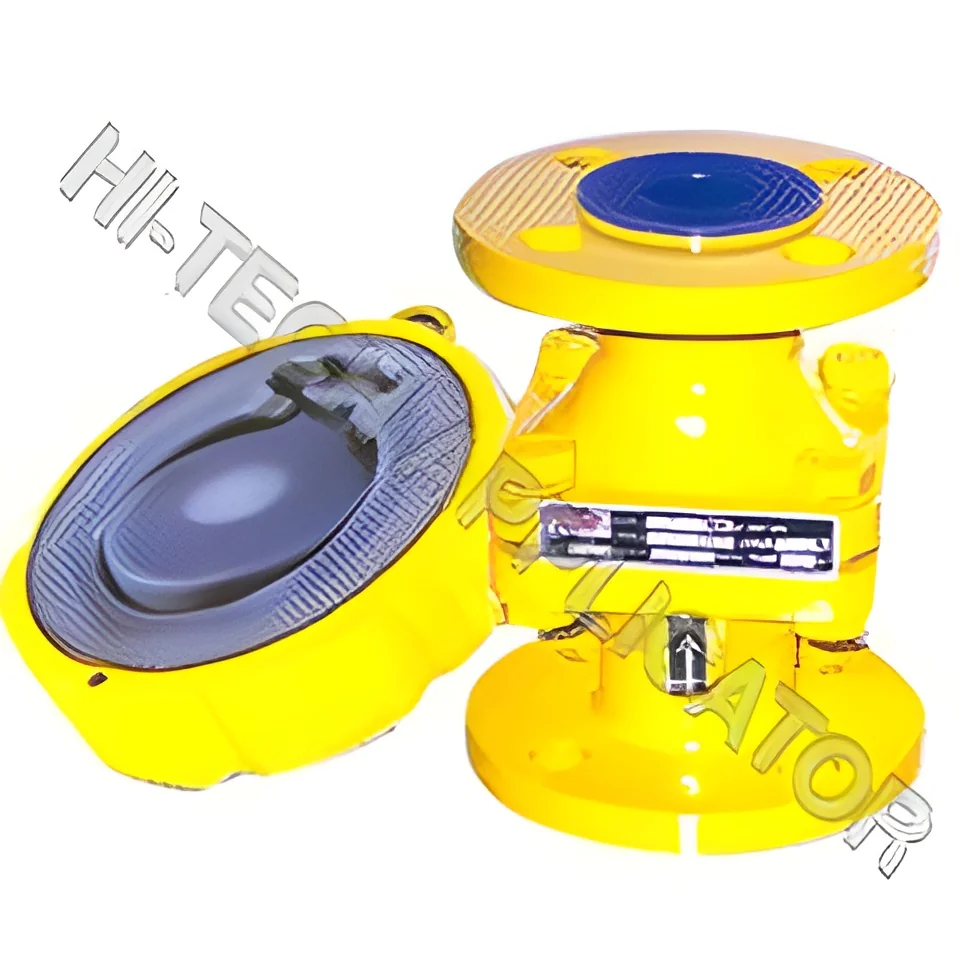

 India
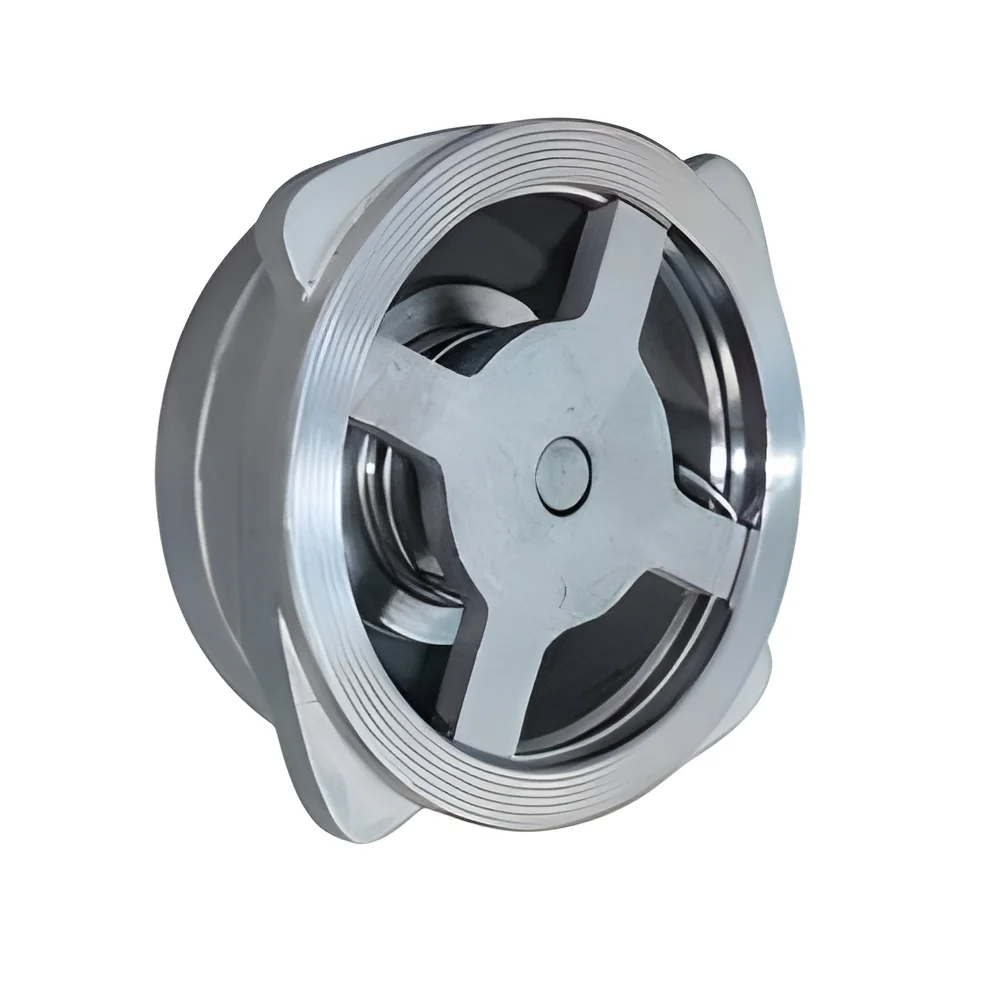 India
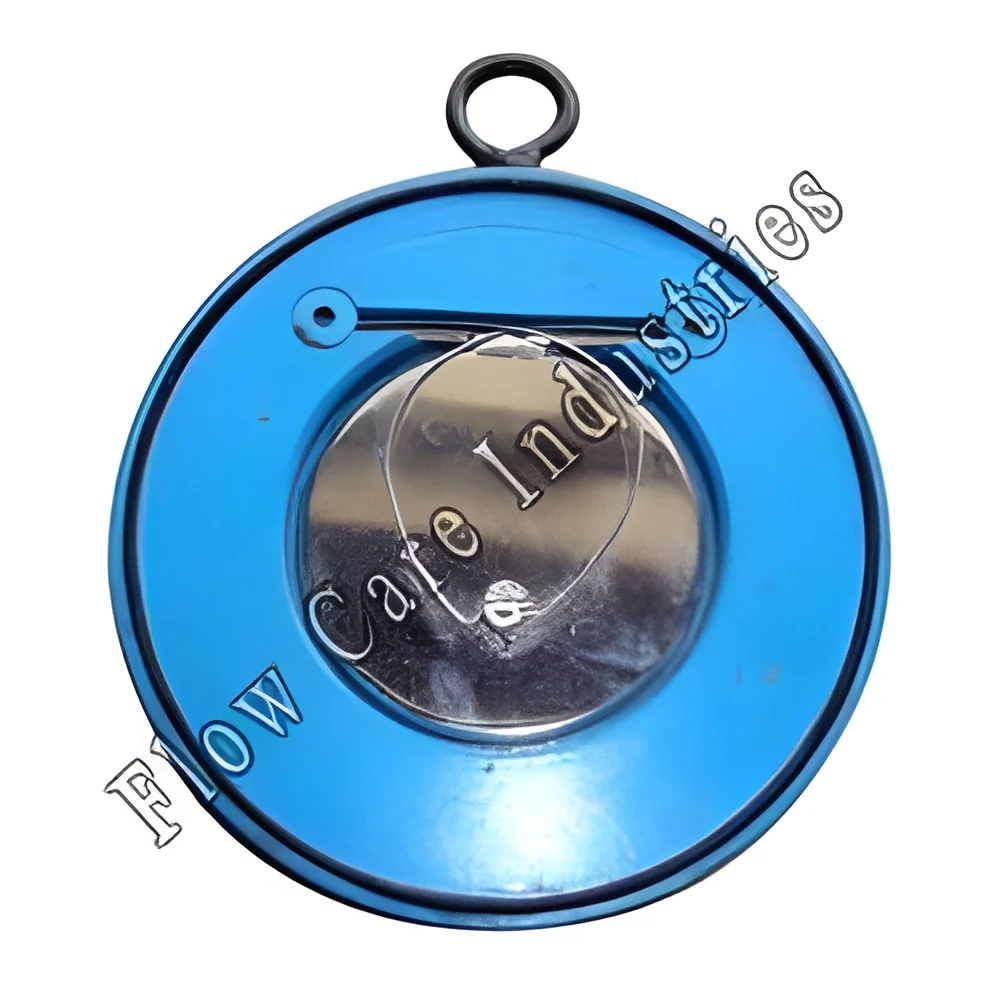
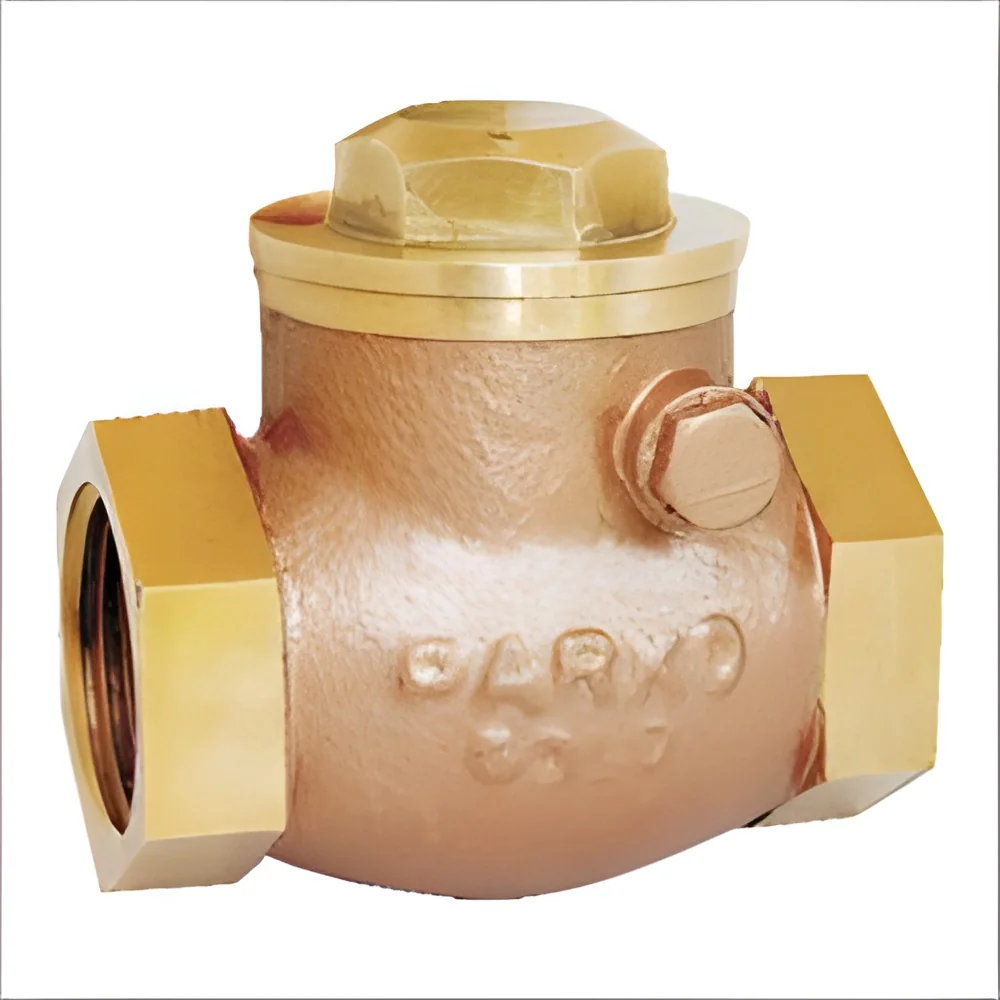
Frequently Asked Questions
What are Check Valves & Foot Valves?
Check Valves are mechanical devices that allow fluid to flow in one direction, preventing backflow. Foot Valves, on the other hand, are a type of check valve installed at the bottom of a suction line to maintain the prime in a pump. Both are essential components in various fluid systems.
What are the different types of Check Valves & Foot Valves?
There are several types of Check Valves, including ball check valves, swing check valves, and lift check valves. Foot Valves typically come in two main types: strainer foot valves and non-strainer foot valves. Each type is designed for specific applications based on pressure, flow rate, and space constraints.
How do I choose the right Check Valves & Foot Valves?
Choosing the right Check Valves & Foot Valves involves considering factors such as the fluid type, pressure, temperature, and flow rate. Additionally, the installation space and the specific requirements of your application should be evaluated. Consulting with suppliers can also help in selecting the most suitable option.
What are the standard specifications for Check Valves & Foot Valves?
Standard specifications for Check Valves & Foot Valves include materials like brass, stainless steel, and PVC, as well as pressure ratings and temperature limits. Common dimensions, connection types, and flow characteristics are also important specifications to consider. Each manufacturer may have specific standards that should be reviewed.
What is the price range for Check Valves & Foot Valves?
The price range for Check Valves & Foot Valves can vary significantly based on type, size, and material. Generally, prices can start from a few hundred rupees for basic models and can go up to several thousand rupees for specialized or high-pressure versions. It's advisable to compare quotes from multiple suppliers.
What quality standards apply to Check Valves & Foot Valves?
Quality standards for Check Valves & Foot Valves often include ISO 9001 certification, which ensures consistent quality management processes. Other relevant standards may include ASTM, ANSI, and API, depending on the application. It's important to verify that the products meet industry-specific requirements.
Where can I find Check Valves & Foot Valves suppliers in India?
You can find Check Valves & Foot Valves suppliers in India through online B2B marketplaces like Pepagora, industrial trade shows, and manufacturer directories. Additionally, conducting online research and networking within industry groups can help identify reputable suppliers. Always check their credentials and customer reviews.
Can Check Valves & Foot Valves be customized?
Yes, many manufacturers offer customization options for Check Valves & Foot Valves to meet specific operational requirements. Customization may include size, materials, and connection types. It is recommended to discuss your needs directly with suppliers for tailored solutions.
What is the typical minimum order quantity for Check Valves & Foot Valves?
The typical minimum order quantity (MOQ) for Check Valves & Foot Valves can vary by supplier, but it often ranges from 10 to 100 pieces. Some manufacturers may offer flexibility on MOQs for larger orders or specific customer needs. Always confirm the MOQ with the supplier before placing an order.
What is the typical lead time for Check Valves & Foot Valves?
The typical lead time for Check Valves & Foot Valves can vary based on the supplier and the complexity of the order. Generally, standard products may take 2 to 4 weeks for delivery, while customized orders can take longer. It is advisable to communicate with suppliers for precise timelines.
Why Businesses Trust Pepagora
Thousands of companies trust Pepagora to source smarter and sell faster
Expand Your Sales Globally

Source Smarter,Grow Faster
