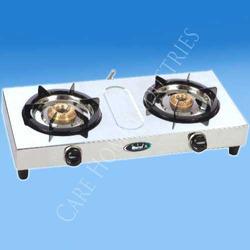
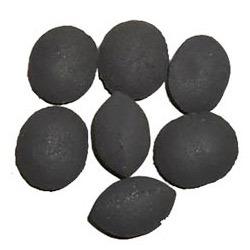
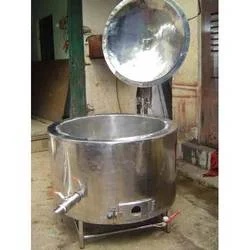
𝗪𝗵𝗮𝘁 𝗮𝗿𝗲 𝗖𝗮𝗿𝗯𝗼𝗻𝗶𝘇𝗮𝘁𝗶𝗼𝗻 𝗦𝘁𝗼𝘃𝗲?
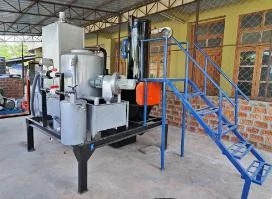
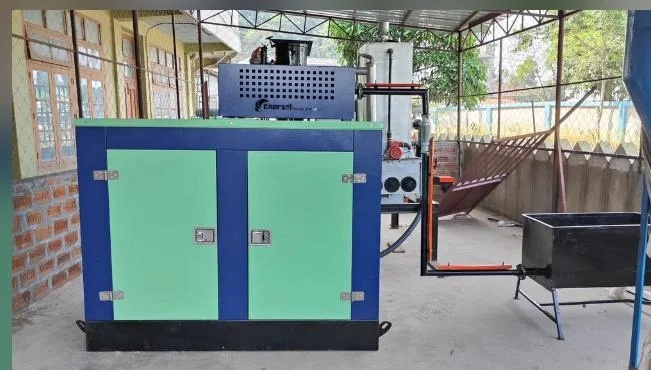
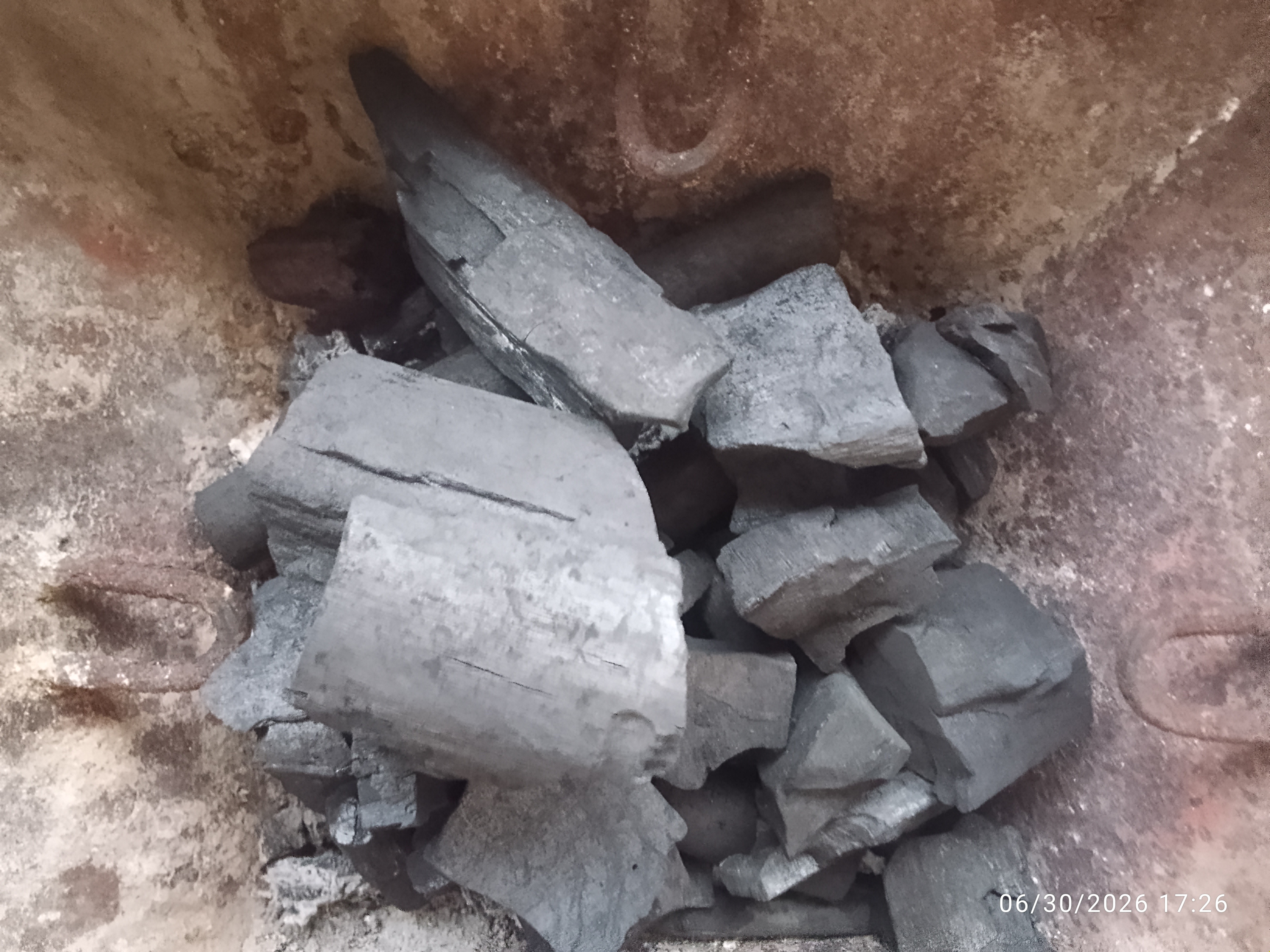
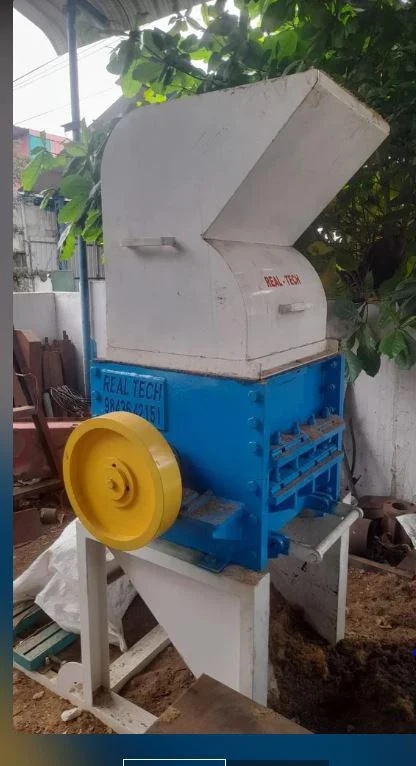
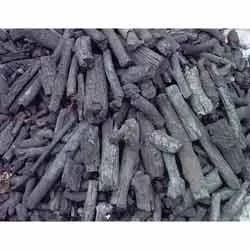
Carbonization stoves are industrial devices designed to convert biomass materials into carbon-rich char through a process called pyrolysis. This process takes place in an oxygen-limited environment, enabling the transformation of organic materials such as wood, agricultural residues, and other biomass into a solid form of carbon. Carbonization stoves are essential for producing biochar, which is a valuable product for soil enhancement and carbon sequestration.
These stoves find primary use in various industries, including agriculture, waste management, and energy production. By turning waste materials into useful products, they help in reducing environmental impacts and promoting sustainable practices. Businesses utilize carbonization stoves for producing biochar, generating energy, and managing organic waste more efficiently. The rising demand for eco-friendly products and renewable energy solutions has increased the relevance of carbonization stoves in today’s market.
As industries move towards greener practices, carbonization stoves play a vital role in meeting sustainability goals. Their ability to process waste into valuable resources aligns with global efforts to reduce carbon footprints and enhance environmental health. The market for carbonization technology is expanding, driven by innovations and a growing awareness of environmental issues.
𝗞𝗲𝘆 𝗙𝗲𝗮𝘁𝘂𝗿𝗲𝘀 𝗮𝗻𝗱 𝗦𝗽𝗲𝗰𝗶𝗳𝗶𝗰𝗮𝘁𝗶𝗼𝗻𝘀
Carbonization stoves come equipped with several key features that enhance their efficiency and functionality. Understanding these specifications is crucial for businesses looking to invest in such equipment.
Key specifications include:
1. Fuel Type
- Designed to utilize various biomass materials such as wood chips, agricultural waste, and forestry residues.
- Capable of accommodating different moisture levels in feedstock.
2. Operating Temperature
- Typically operates at high temperatures necessary for effective carbonization.
- Exact temperature ranges are not specified but are essential for optimal performance.
3. Capacity
- Available in different sizes to accommodate varying production needs.
- Capacity may range from small units for local uses to large-scale industrial systems.
4. Carbonization Time
- The time required for complete carbonization can vary based on the materials and technology used.
- Efficient models aim to minimize this time while maximizing output.
5. Emission Control
- Equipped with features to manage and reduce emissions during the carbonization process.
- Compliance with environmental regulations is crucial.
6. Durability
- Constructed from high-quality materials to withstand extreme conditions.
- Long-lasting performance is a key consideration for industrial applications.
In summary, the specifications of carbonization stoves are tailored to meet the diverse needs of businesses, ensuring optimal performance and efficiency in carbonization processes.
𝗖𝗼𝗺𝗺𝗼𝗻 𝗔𝗽𝗽𝗹𝗶𝗰𝗮𝘁𝗶𝗼𝗻𝘀 𝗮𝗻𝗱 𝗨𝘀𝗲 𝗖𝗮𝘀𝗲𝘀
Carbonization stoves serve various industries, making them versatile tools for waste management and resource recovery.
1. Agriculture: Farmers use carbonization stoves to convert agricultural waste into biochar, which improves soil health and increases crop yields.
2. Waste Management: Municipalities and waste management companies utilize these stoves to process organic waste, reducing landfill use and producing energy.
3. Energy Production: Industries harness the carbonization process to generate bioenergy, providing a renewable source of power while minimizing waste.
4. Forestry: Forestry operations employ carbonization stoves to process wood residues, turning them into valuable products while managing by-products sustainably.
5. Chemical Production: Industries use carbonized biomass as a feedstock for producing various chemicals, enhancing resource efficiency.
6. Environmental Remediation: Carbonization stoves aid in soil remediation efforts by providing biochar that helps restore contaminated land.
Through these applications, carbonization stoves contribute significantly to sustainability across multiple sectors.
𝗣𝗿𝗼𝗱𝘂𝗰𝘁 𝗩𝗮𝗿𝗶𝗮𝗻𝘁𝘀 𝗮𝗻𝗱 𝗦𝘂𝗯𝗰𝗮𝘁𝗲𝗴𝗼𝗿𝗶𝗲𝘀
Carbonization stoves come in various models tailored to meet specific industrial requirements.
Small-Scale Carbonization Stoves
These units are designed for local farmers or small businesses. They offer a compact solution for converting biomass into biochar, making them ideal for communities focused on sustainable agriculture.
Medium-Scale Carbonization Stoves
Suitable for mid-sized operations, these stoves have a higher capacity and efficiency. They are often used by small manufacturers or cooperatives looking to manage waste while producing biochar.
Large-Scale Carbonization Systems
These industrial-grade systems are built for large operations and facilities. They can process significant volumes of biomass, making them suitable for waste management companies and large agricultural enterprises.
𝗕𝗲𝗻𝗲𝗳𝗶𝘁𝘀 𝗮𝗻𝗱 𝗔𝗱𝘃𝗮𝗻𝘁𝗮𝗴𝗲𝘀
Investing in carbonization stoves provides numerous advantages for businesses.
1. Eco-Friendly Solution: These stoves contribute to sustainability by converting waste into valuable products, reducing landfill dependence.
2. Soil Improvement: The biochar produced enhances soil fertility, leading to improved agricultural productivity and sustainable farming practices.
3. Energy Generation: Carbonization processes can generate renewable energy, helping businesses reduce their energy costs and carbon footprints.
4. Waste Reduction: By processing organic waste, carbonization stoves significantly lower waste volumes, promoting effective waste management.
5. Versatility: These stoves can handle various biomass types, making them adaptable to different industries and applications.
6. Enhanced Profitability: By converting waste into marketable products, businesses can create additional revenue streams while supporting sustainability initiatives.
𝗕𝘂𝘆𝗶𝗻𝗴 𝗚𝘂𝗶𝗱𝗲 𝗳𝗼𝗿 𝗕𝟮𝗕 𝗕𝘂𝘆𝗲𝗿𝘀
When sourcing a carbonization stove, several key factors must be considered to ensure a suitable investment.
1. Quality Assessment: Examine the build quality and materials used in the stove. High-quality construction ensures durability and reliable performance.
2. Supplier Verification: Vet potential suppliers thoroughly. Look for established manufacturers with a good reputation to ensure product reliability and support.
3. Pricing and MOQ: Understand the pricing structure and minimum order quantities. This will help in budgeting and planning for procurement.
4. Delivery and Lead Times: Evaluate the logistics involved, including delivery times and shipping options. Timely delivery is crucial for operational planning.
5. Compliance Requirements: Ensure the stove meets relevant industry regulations and safety standards. Compliance with certifications like CE is important for industrial applications.
𝗖𝗼𝗺𝗽𝗹𝗶𝗮𝗻𝗰𝗲 𝗮𝗻𝗱 𝗖𝗲𝗿𝘁𝗶𝗳𝗶𝗰𝗮𝘁𝗶𝗼𝗻𝘀
Carbonization stoves must adhere to various quality standards and certifications to ensure safety and effectiveness in industrial applications.
ISO 9001 is a key standard that emphasizes quality management systems. Manufacturers must demonstrate consistent quality in their processes and products to achieve this certification.
The CE mark is essential for carbonization stoves sold in European markets. It indicates compliance with health, safety, and environmental protection standards.
Safety requirements are critical in the design of these stoves. Manufacturers must conduct thorough testing to ensure that their products meet necessary safety criteria.
Regional compliance considerations vary based on local regulations. Businesses should be aware of any specific requirements that apply in their operational areas.
𝗪𝗵𝘆 𝗦𝗼𝘂𝗿𝗰𝗲 𝗖𝗮𝗿𝗯𝗼𝗻𝗶𝘇𝗮𝘁𝗶𝗼𝗻 𝗦𝘁𝗼𝘃𝗲 𝗳𝗿𝗼𝗺 𝗣𝗲𝗽𝗮𝗴𝗼𝗿𝗮?
Pepagora provides a trusted platform for sourcing carbonization stoves, offering several key advantages to B2B buyers.
Verified Supplier Network: Pepagora connects buyers with a network of verified suppliers. This ensures that businesses can source high-quality products from established manufacturers.
Streamlined RFQ Process: The platform simplifies the request for quotation process, making it easier for buyers to obtain competitive pricing and specifications from multiple suppliers.
Trade Assurance and Support: Pepagora offers buyer protection through trade assurance, providing peace of mind during transactions. Buyers can feel confident in their purchases with support throughout the process.
Regional Coverage: With a focus on markets such as India, GCC, and Southeast Asia, Pepagora ensures that buyers have access to a diverse range of suppliers to meet their specific needs.
By choosing Pepagora, businesses can confidently invest in carbonization stoves that align with their operational goals and sustainability initiatives.

 IN
IN
 India
India