
 IN
Cable Ties & Straps
12 products available
What are Cable Ties & Straps?
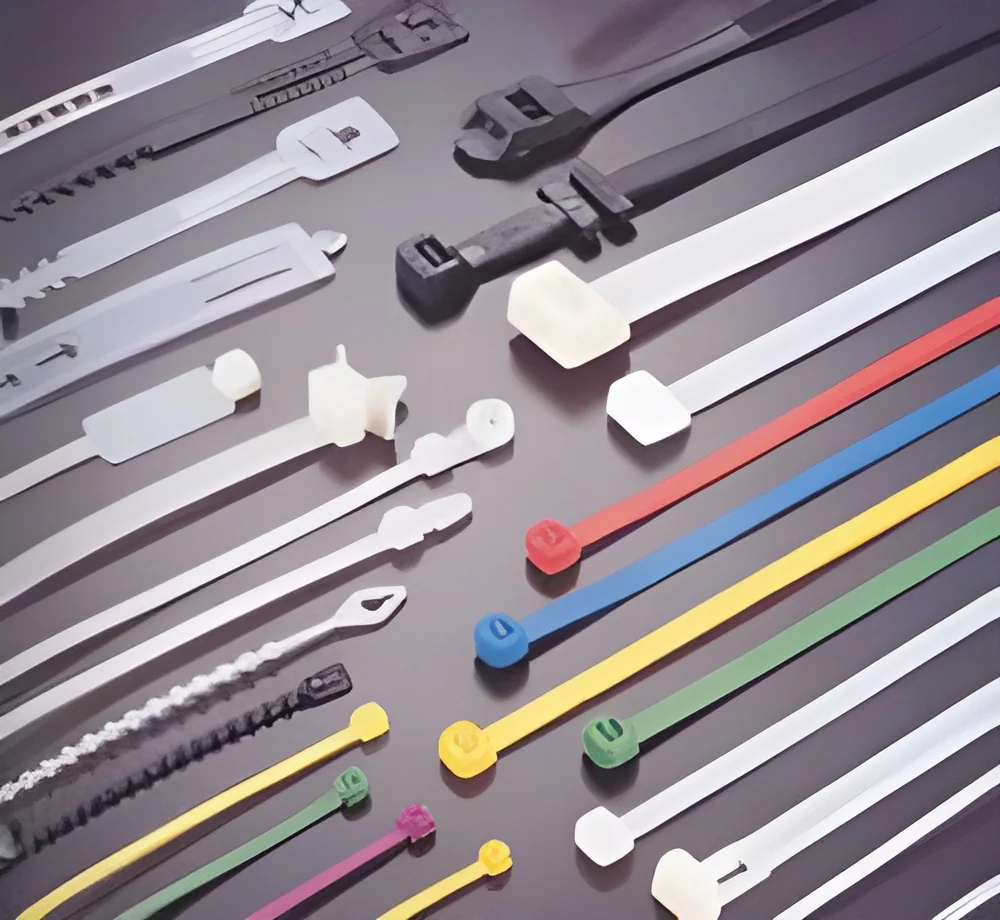
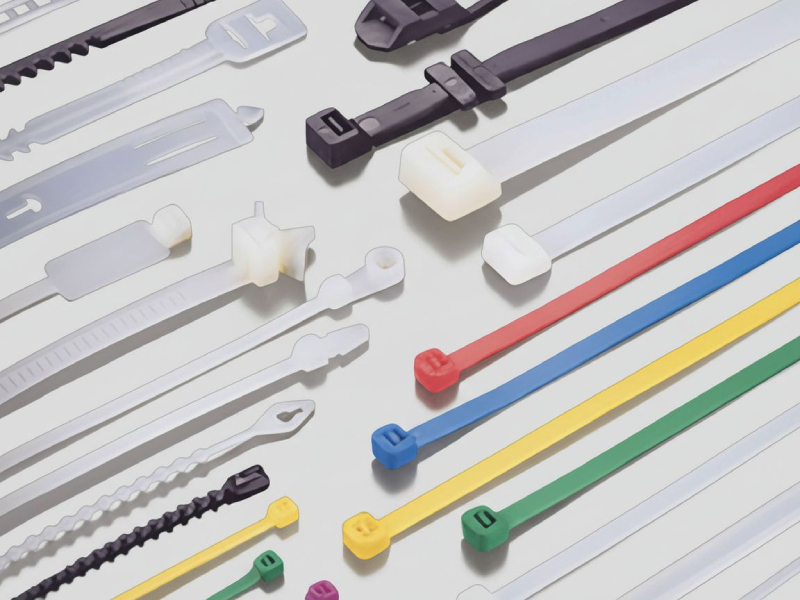
Cable ties and straps are versatile fastening solutions used primarily to bundle, secure, and organize cables, wires, and various other items. Made from materials such as nylon, plastic, and metal, these products come in various sizes and strengths to accommodate a wide range of applications. Their design typically features a ratchet mechanism that allows for easy tightening and a secure hold, making them indispensable in industrial and commercial settings.
These fastening solutions are commonly used in electrical, telecommunications, and construction industries. They serve to manage wiring in buildings, organize cables in data centers, and secure items during transportation. Their ability to offer a clean and organized solution to cable management not only enhances safety but also improves efficiency in various operational processes. The relevance of cable ties and straps in today's market is significant, as businesses increasingly seek efficient ways to manage and maintain their equipment and installations.
Key Features and Specifications
Cable ties and straps are engineered to provide secure fastening with a range of features that cater to different needs. Understanding their specifications is essential for selecting the right product for your application.
Key specifications include:
1. Material
- Common materials include nylon, polyester, and stainless steel.
- Each material offers different levels of strength and resistance to environmental factors.
2. Length
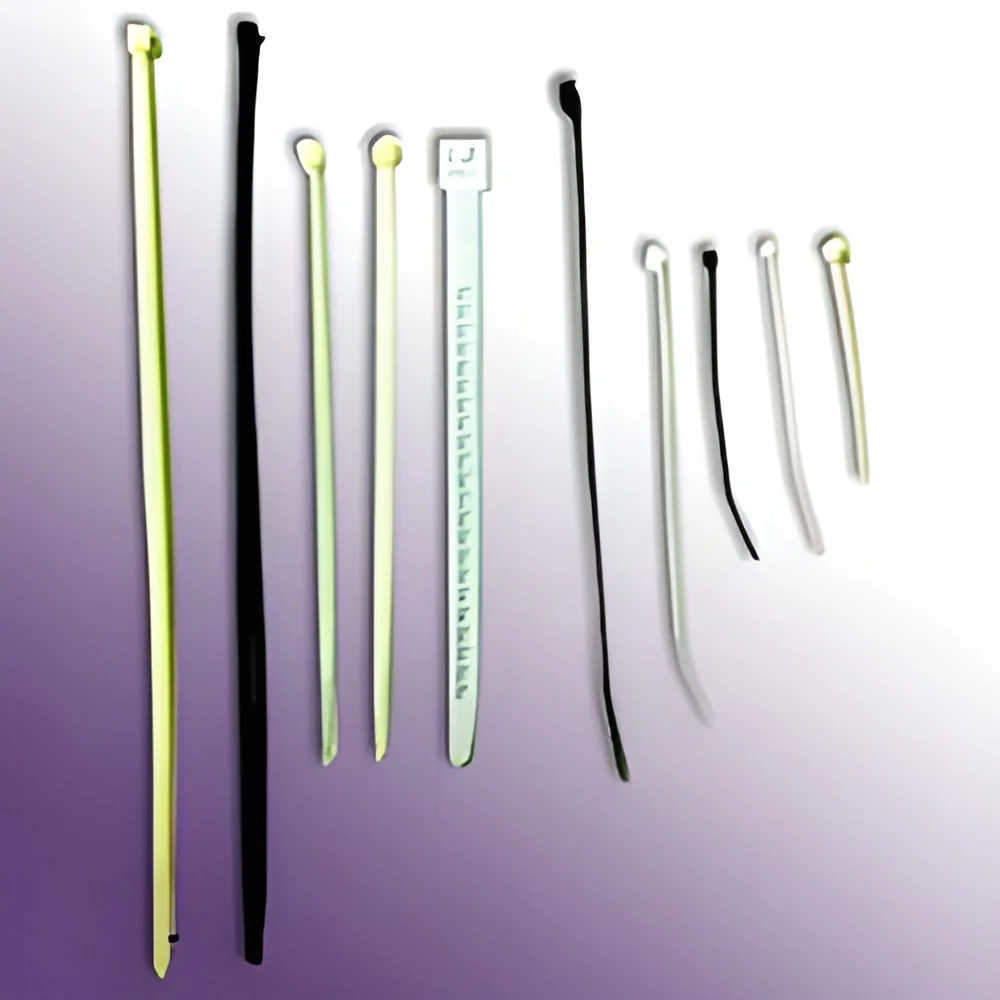
- Available in various lengths, typically ranging from 4 inches to 48 inches.
- Longer ties are suitable for larger bundles or applications.
3. Width
- Widths can vary from 2.5 mm to 12 mm or more.
- Wider ties provide greater strength for heavy-duty applications.
4. Temperature Resistance
- Many ties can withstand temperatures ranging from -40°C to 85°C.
- Special variants are available for extreme conditions.
5. UV Resistance
- Certain cable ties are treated for UV resistance to be used outdoors.
- Essential for applications exposed to sunlight.
6. Load Capacity
- Load capacities can range from 8 lbs to over 300 lbs.
- Important for heavy-duty applications where secure fastening is critical.
7. Color Options
- Available in various colors for easy identification and organization.
- Common colors include black, white, and green.
8. Reusability
- Some models are designed for multiple uses, often featuring releasable mechanisms.
- Ideal for temporary applications or adjustments.
In summary, understanding these features and specifications allows buyers to select the most appropriate cable ties and straps for their specific needs.
Common Applications and Use Cases
Cable ties and straps find utility across various industries, each with specific application requirements.
1. Electrical: Often used to bundle and secure electrical cables in residential and commercial installations, ensuring organization and safety.
2. Telecommunications: Essential for managing and securing wires in data centers and telecommunications infrastructure, facilitating efficient operation and maintenance.
3. Automotive: Used in automotive manufacturing for securing wiring harnesses and components, ensuring reliability and safety in vehicle operation.
4. Construction: Useful for securing materials and tools on construction sites, helping maintain order and safety during projects.
5. Packaging: Employed in packaging processes to secure items, prevent shifting during transportation, and enhance presentation.
6. Aerospace: Critical for managing and securing cables within aircraft, contributing to safety and compliance with stringent regulations.
7. Medical: Used in hospitals and laboratories for organizing equipment and supplies, ensuring a clean and efficient working environment.
Product Variants and Subcategories
Cable ties and straps come in various types and sizes to meet different needs and applications.
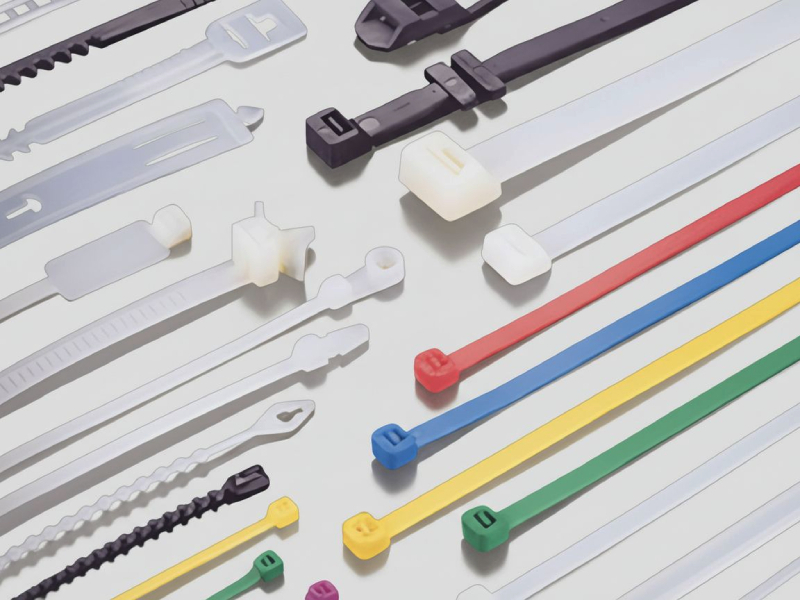
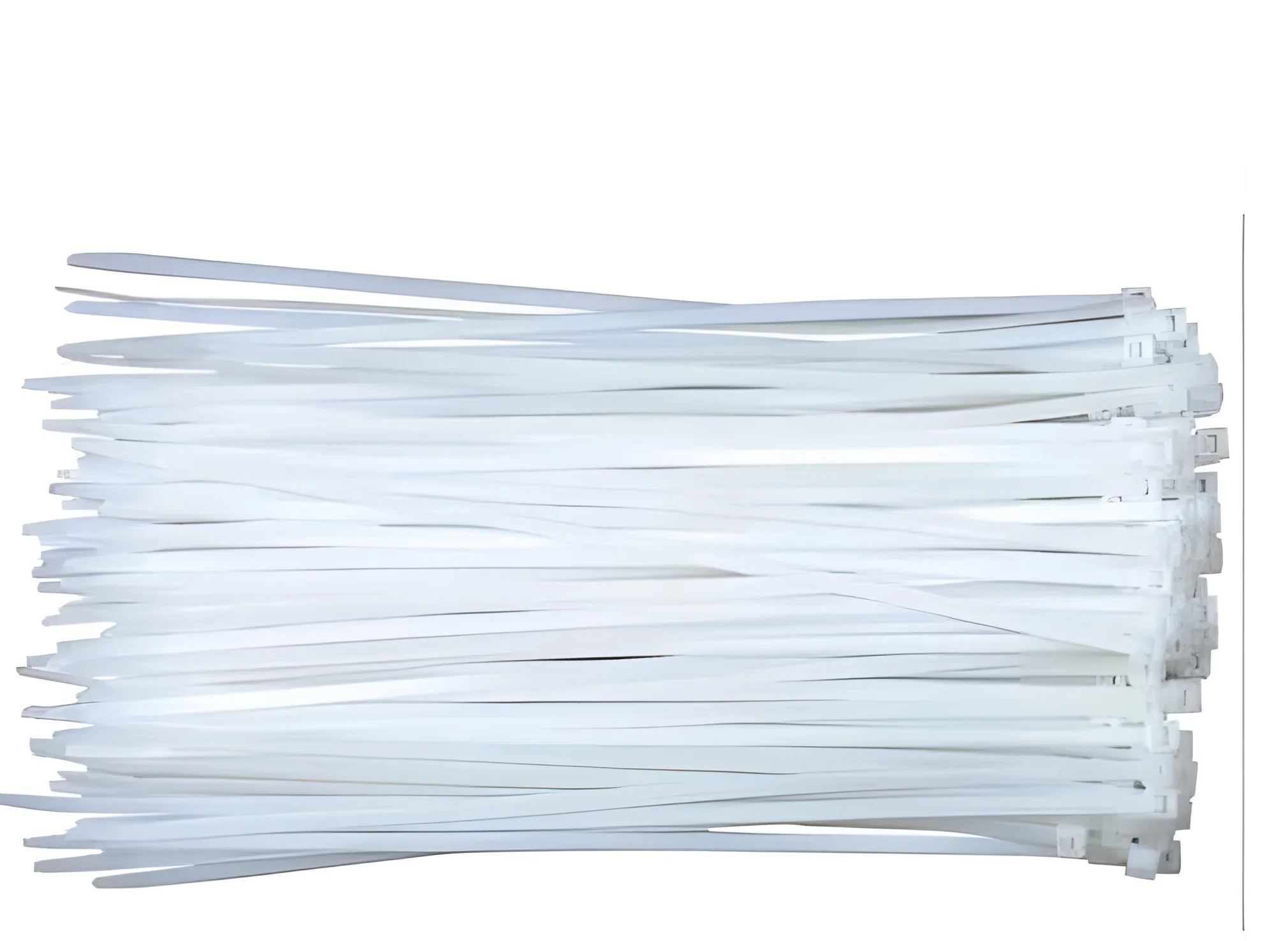
Standard Cable Ties: These are the most common type, made from nylon, and feature a simple locking mechanism. They are ideal for general bundling and securing tasks in various industries.
Heavy-Duty Cable Ties: Designed for high-stress applications, these ties are made from reinforced materials and can handle heavier loads. They are ideal for industrial settings where durability is critical.
Releasable Cable Ties: These ties feature a mechanism that allows for easy release and reuse, making them perfect for temporary applications or adjustments in cable management.
Colored Cable Ties: Available in various colors, these ties are used for color-coding and organization, making it easier to identify different cables and connections.
Benefits and Advantages
Cable ties and straps offer a range of benefits that enhance their utility in various applications.
1. Cost-Effectiveness: These fasteners are inexpensive, making them a budget-friendly solution for cable management and organization.
2. Versatility: Suitable for a wide array of applications across multiple industries, providing flexibility to users.
3. Ease of Use: Simple to install and adjust, allowing for quick and efficient bundling of cables and items.
4. Durability: Made from robust materials, they can withstand various environmental conditions, ensuring long-term performance.
5. Improved Safety: By keeping cables organized, they reduce the risk of tripping hazards and equipment damage.
6. Customization: Available in various sizes, colors, and materials, allowing users to choose options tailored to their specific requirements.
Buying Guide for B2B Buyers
When sourcing cable ties and straps, several factors should be considered to ensure the right selection and purchase.
1. Quality Assessment: Evaluate the material quality and durability of cable ties. Look for products that meet industry standards and have reliable performance metrics.
2. Supplier Verification: Vet suppliers carefully to ensure they provide high-quality products and have a good reputation in the industry.
3. Pricing and MOQ: Understand the price range for different types of cable ties and the minimum order quantities, as these can vary significantly between suppliers.
4. Delivery and Lead Times: Consider logistics and shipping times, especially if you require the products urgently for ongoing projects.
5. Compliance Requirements: Ensure that the cable ties and straps meet relevant regulatory standards, which may vary by region or application.
Compliance and Certifications
Compliance and certifications are essential aspects of cable ties and straps, ensuring they meet industry standards for safety and quality.
Relevant quality standards include ISO 9001, which outlines criteria for quality management systems, ensuring consistent product quality.
Industry certifications such as CE indicate that products comply with European safety standards.
Additionally, safety and testing requirements must be met to ensure the reliability of these products in various environments.
Regional compliance considerations may also come into play, as different markets may have specific regulations regarding materials and performance.
Why Source Cable Ties & Straps from Pepagora?
Pepagora provides a trusted platform for sourcing cable ties and straps, offering several key advantages for B2B buyers.
Verified Supplier Network: Pepagora connects buyers with a network of verified suppliers, ensuring quality products and reliable service.
Streamlined RFQ Process: The request for quotation system simplifies the purchasing process, allowing buyers to quickly obtain quotes and compare options.
Trade Assurance and Support: Pepagora offers buyer protection, ensuring that transactions are secure and that buyers receive the products as promised.
Regional Coverage: With a presence in India, the GCC, and Southeast Asia, Pepagora provides access to a broad market, making it easier for businesses to source the products they need efficiently.


 India
 India
 India

 India

 India
 India


Frequently Asked Questions
What are Cable Ties & Straps?
Cable ties and straps are versatile fastening tools used to bundle and secure cables, wires, and various items. They are typically made from nylon or plastic and come in various sizes and colors to meet different needs.
What are the different types of Cable Ties & Straps?
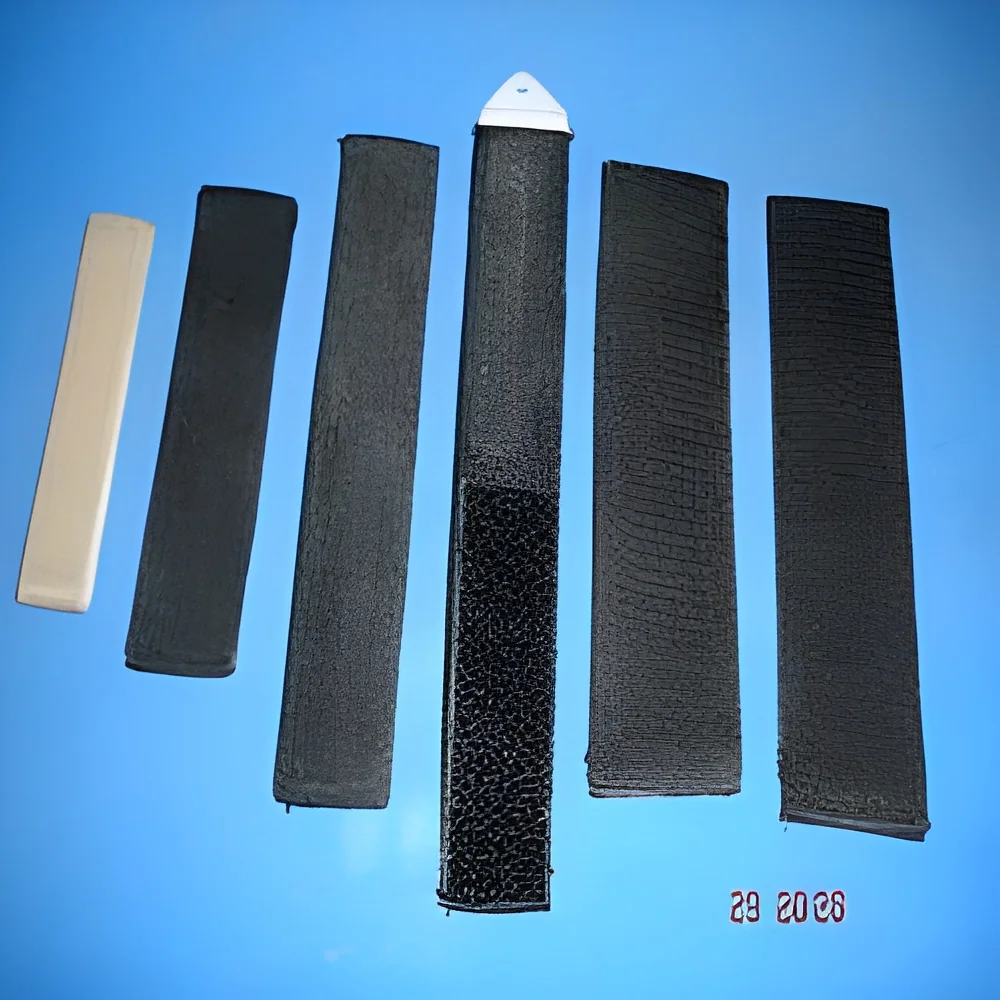
There are several types of cable ties and straps, including standard cable ties, reusable cable ties, heavy-duty cable ties, and Velcro straps. Each type serves different applications, such as temporary bundling or permanent securing of items.
How do I choose the right Cable Ties & Straps?
When selecting cable ties and straps, consider factors such as material, size, tensile strength, and the specific application. Assess whether you need a reusable option or a heavy-duty tie for more demanding tasks.
What are the standard specifications for Cable Ties & Straps?
Standard specifications for cable ties and straps include dimensions, tensile strength, material composition, and temperature resistance. These specifications ensure that the ties are appropriate for their intended use.
What is the price range for Cable Ties & Straps?
The price of cable ties and straps can vary widely based on type, size, and material. Generally, you can expect prices to range from a few rupees for standard ties to higher amounts for specialized or heavy-duty options.
What quality standards apply to Cable Ties & Straps?
Quality standards for cable ties and straps often include compliance with ISO and ASTM specifications. These standards address factors like material integrity, performance under stress, and environmental resistance.
Where can I find Cable Ties & Straps suppliers in India?
You can find cable ties and straps suppliers in India through online B2B marketplaces like Pepagora, trade shows, and industry directories. It's advisable to compare various suppliers based on their product offerings and customer reviews.
Can Cable Ties & Straps be customized?
Yes, many manufacturers offer customization options for cable ties and straps. This can include specific colors, sizes, or even printed logos to meet the branding needs of businesses.
What is the typical minimum order quantity for Cable Ties & Straps?
The minimum order quantity (MOQ) for cable ties and straps can vary by supplier, but it typically ranges from 100 to 1,000 pieces. It's important to check with individual suppliers for their specific MOQs.
What is the typical lead time for Cable Ties & Straps?
The typical lead time for cable ties and straps can range from a few days to several weeks, depending on the supplier and the complexity of the order. Custom orders may require longer lead times than standard products.
Why Businesses Trust Pepagora
Thousands of companies trust Pepagora to source smarter and sell faster
Expand Your Sales Globally

Source Smarter,Grow Faster
