IN
IN₹
Apparel & Fashion
Loading subcategories...
View More
Description
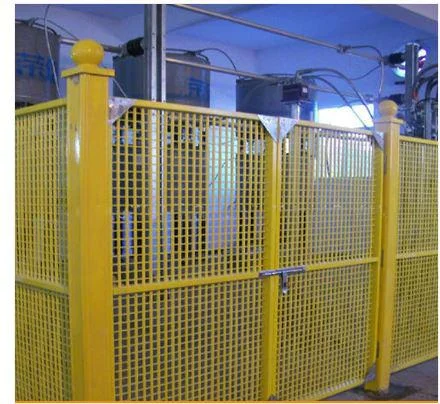
FRP fencing represents the modern standard in safety barriers, combining fiberglass reinforced plastic technology with practical design for demanding industrial environments. Unlike conventional metal fencing that corrodes and conducts electricity, FRP fencing maintains its structural integrity while providing essential electrical insulation. The composite material construction ensures exceptional durability against weather extremes, chemical exposure, and physical impact while remaining remarkably lightweight for easier handling and installation. This innovative approach to perimeter security delivers reliable performance year after year with minimal maintenance requirements, making it a smart investment for safety-conscious organizations.

Across industries, FRP fencing has become the preferred choice for electrical utilities, renewable energy projects, and industrial facilities where safety and durability are paramount. Electrical substations and power generation facilities rely on ...
FRP fencing represents the modern standard in safety barriers, combining fiberglass reinforced plastic technology with practical design for demanding industrial environments. Unlike conventional metal fencing that corrodes and conducts electricity, FRP fencing maintains its structural integrity while providing essential electrical insulation. The composite material construction ensures exceptional durability against weather extremes, chemical exposure, and physical impact while remaining remarkably lightweight for easier handling and installation. This innovative approach to perimeter security delivers reliable performance year after year with minimal maintenance requirements, making it a smart investment for safety-conscious organizations.

Across industries, FRP fencing has become the preferred choice for electrical utilities, renewable energy projects, and industrial facilities where safety and durability are paramount. Electrical substations and power generation facilities rely on its non-conductive properties to protect workers and equipment from high-voltage hazards. Chemical plants and marine environments benefit from its corrosion resistance in aggressive conditions. Transportation infrastructure including railways and airports utilize FRP fencing for long-lasting perimeter security that withstands environmental challenges without deteriorating like traditional materials.

The business value of FRP fencing extends beyond initial installation to long-term operational benefits and cost savings. Its maintenance-free characteristics eliminate the recurring expenses associated with painting, rust treatment, and frequent replacements common with metal fencing. The lightweight nature reduces installation time and labor costs while the modular design allows for flexible configurations and future expansions. Reliability is built into every component, with UV-stabilized formulations ensuring color retention and structural performance even in direct sunlight. These differentiators combine to deliver a safety solution that protects your investment while enhancing operational safety standards.

Key Features:
- Non-conductive fiberglass construction for electrical safety
- Corrosion-resistant material suitable for harsh environments
- Lightweight design for easy transport and installation
- UV-stabilized formulation for long-term color retention
- Modular system allowing customizable configurations

Benefits:
- Eliminates electrical conductivity risks in high-voltage areas
- Reduces maintenance costs with corrosion-resistant properties
- Lowers installation expenses through lightweight handling
- Ensures long service life with UV and weather resistance
- Provides flexible solutions with customizable design options
Specifications
| Additional Information | |
|---|---|
| Country of Origin | India |
| Customisable | No |
Application
FRP fencing serves as a critical safety solution across multiple industries where electrical hazards and environmental challenges exist. Its non-conductive properties make it essential for protecting personnel and equipment in high-risk areas while maintaining structural integrity over time.
This versatile fencing system finds applications in power generation facilities, industrial plants, and infrastructure projects requiring durable perimeter protection. From electrical substations to chemical processing plants, FRP fencing provides long-lasting security without the maintenance concerns of traditional metal alternatives. Real-world applications:
Real-world applications:
- Electrical substations and transformer yards for safe perimeter protection
- Solar farms and wind power installations in corrosive environments
- Chemical processing plants requiring corrosion-resistant barriers
- Railway infrastructure and utility substations for public safety
- High-voltage equipment enclosures in industrial facilities
Trade Details
| Available Stock | In Stock |
| Sample Availability | No |
Payment Terms
| Payment Terms |
|
Company Profile

Padam Cables, New Delhi
 New Delhi, India
New Delhi, IndiaElectronics & Electrical•Manufacturer•Distributor / Wholesaler•Retailer
Factory Details
Factory SizeBelow 1000 sqm
Industrial FRP Fencing Durable Non Conductive Safety Barrier
FRP fencing offers durable, non-conductive safety barriers for electrical and industrial applications. It resists corrosion, is lightweight, and ideal for high-voltage areas and harsh environments where reliability matters.
Min. Order Quantity: 1
Shipping
Shipping fee and delivery date to be negotiated. Contact supplier now for more details.
Padam Cables
 New Delhi, India
New Delhi, IndiaElectronics & ElectricalManufacturer