What are Anti-corrosive Materials?
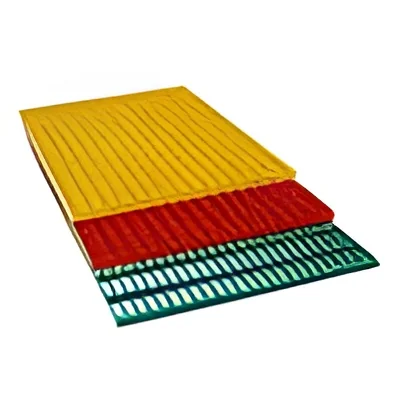
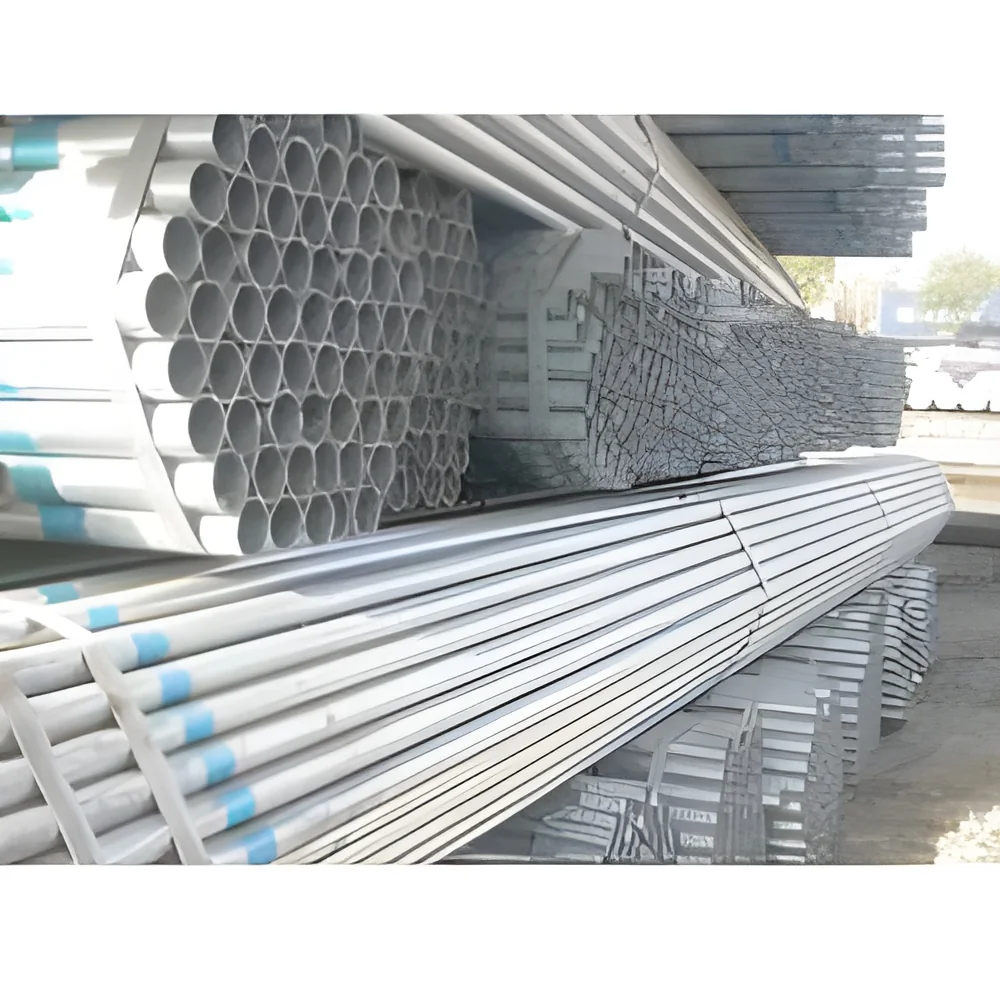
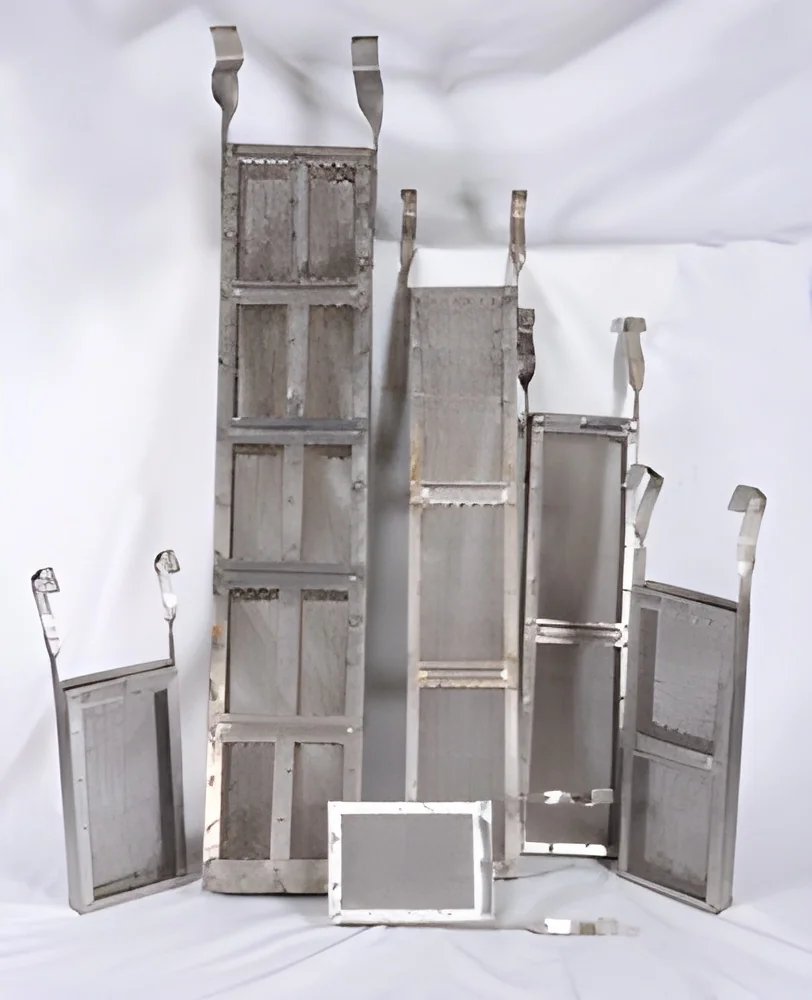
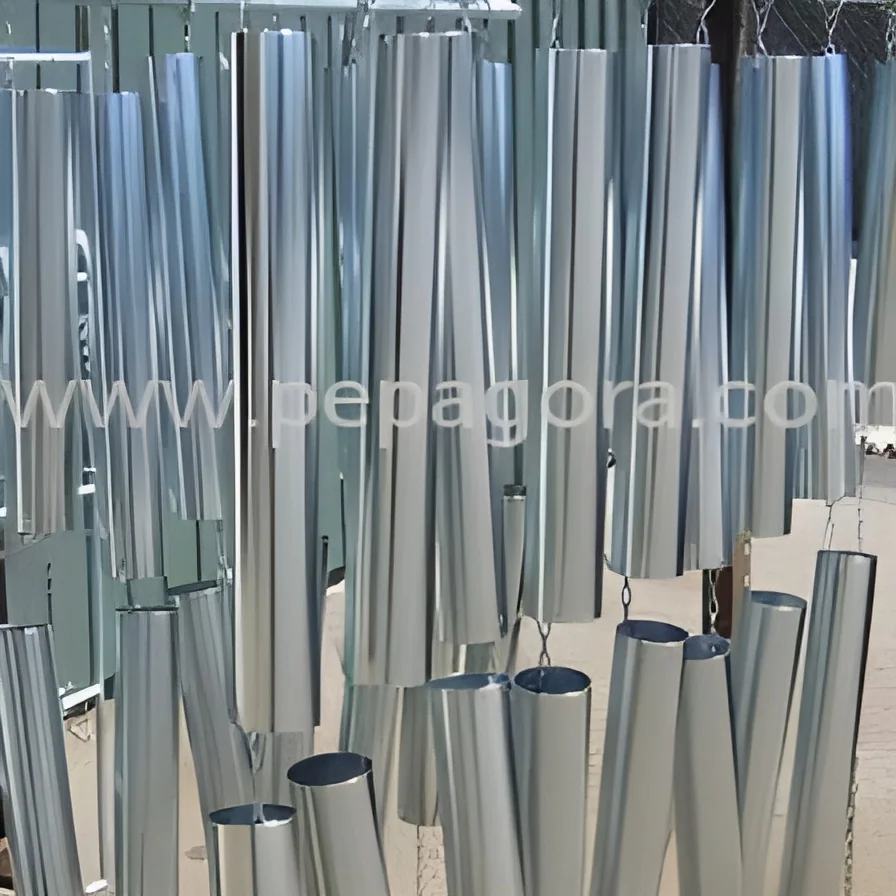
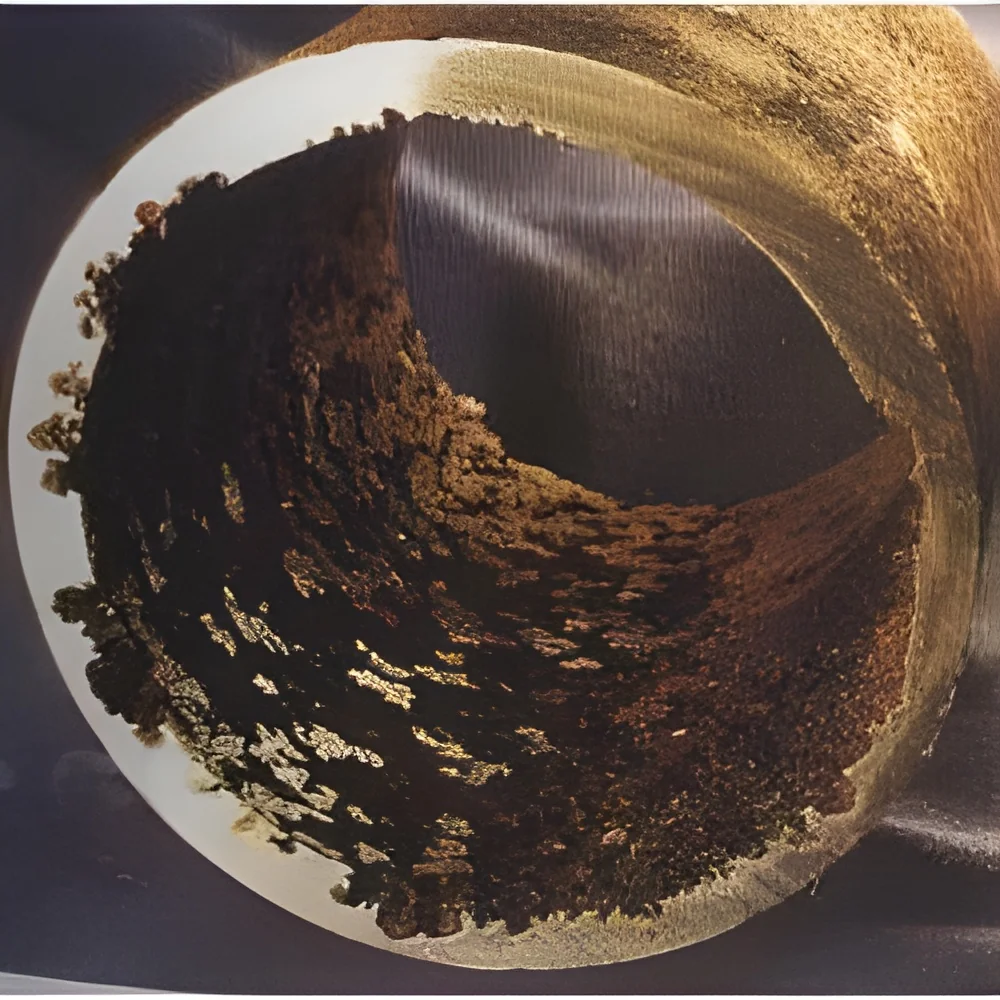
Anti-corrosive materials are specialized substances designed to protect surfaces from corrosion, which is the deterioration of materials due to chemical reactions with their environment. These materials act as a barrier between the substrate and corrosive elements, such as moisture, salt, and various chemicals. By preventing these elements from interacting with the substrate, anti-corrosive materials extend the lifespan and functionality of equipment and structures.
These materials are widely used across various industries, including manufacturing, construction, and marine applications. For example, they are commonly applied to metal surfaces, pipelines, and industrial equipment to prevent rust and degradation. In the context of business applications, anti-corrosive materials are essential for maintaining operational efficiency and ensuring safety in environments where corrosion is a significant risk. The demand for these materials has been steadily increasing due to heightened awareness of maintenance costs and the need for sustainable practices.
As industries evolve, the relevance of anti-corrosive materials continues to grow. Market trends indicate a shift towards more advanced formulations that offer superior protection and environmental compliance. In this context, businesses must stay informed about innovations in anti-corrosive technology to remain competitive and meet regulatory standards.
Key Features and Specifications
Anti-corrosive materials come equipped with several key features and specifications that enhance their performance. Understanding these characteristics is essential for selecting the right material for specific applications.
Key specifications include:
1. Chemical Resistance
- Ability to withstand exposure to various chemicals without degrading
- Typically ranges from mild to severe chemical resistance depending on the formulation
2. Temperature Stability
- Capacity to maintain performance under varying temperature conditions
- Often designed to operate in high-temperature environments
3. Adhesion Strength
- The ability of the material to bond effectively with the substrate
- Measured in terms of tensile strength and surface energy
4. Cure Time
- Time required for the material to fully cure and reach optimal performance
- Generally ranges from a few hours to several days depending on the type
5. Application Method
- Common methods include spraying, brushing, or dipping
- Each method may vary in efficiency and suitability based on the material type
6. Environmental Compliance
- Adherence to environmental regulations regarding VOC emissions
- Important for industries that prioritize sustainability
7. Durability
- Longevity of the material when exposed to harsh conditions
- Typically measured in years under specific environmental conditions
8. Aesthetic Qualities
- Options for color and finish that can enhance the appearance of surfaces
- Important for applications where visual appeal is a consideration
In summary, the features and specifications of anti-corrosive materials play a crucial role in their effectiveness and suitability for various applications. Understanding these aspects helps businesses make informed decisions when selecting materials.
Common Applications and Use Cases
Anti-corrosive materials find their application across a wide range of industries, each requiring specific solutions to combat corrosion.
1. Manufacturing: In manufacturing settings, anti-corrosive coatings are applied to machinery and equipment to prevent rust and extend their operational life. This helps reduce downtime and maintenance costs.
2. Construction: In construction, these materials are used on steel structures and reinforcements to protect against environmental factors that can lead to corrosion, ensuring safety and structural integrity.
3. Marine: The marine industry relies heavily on anti-corrosive materials for ships and offshore structures. These coatings protect against saltwater and harsh marine conditions that can rapidly degrade metal surfaces.
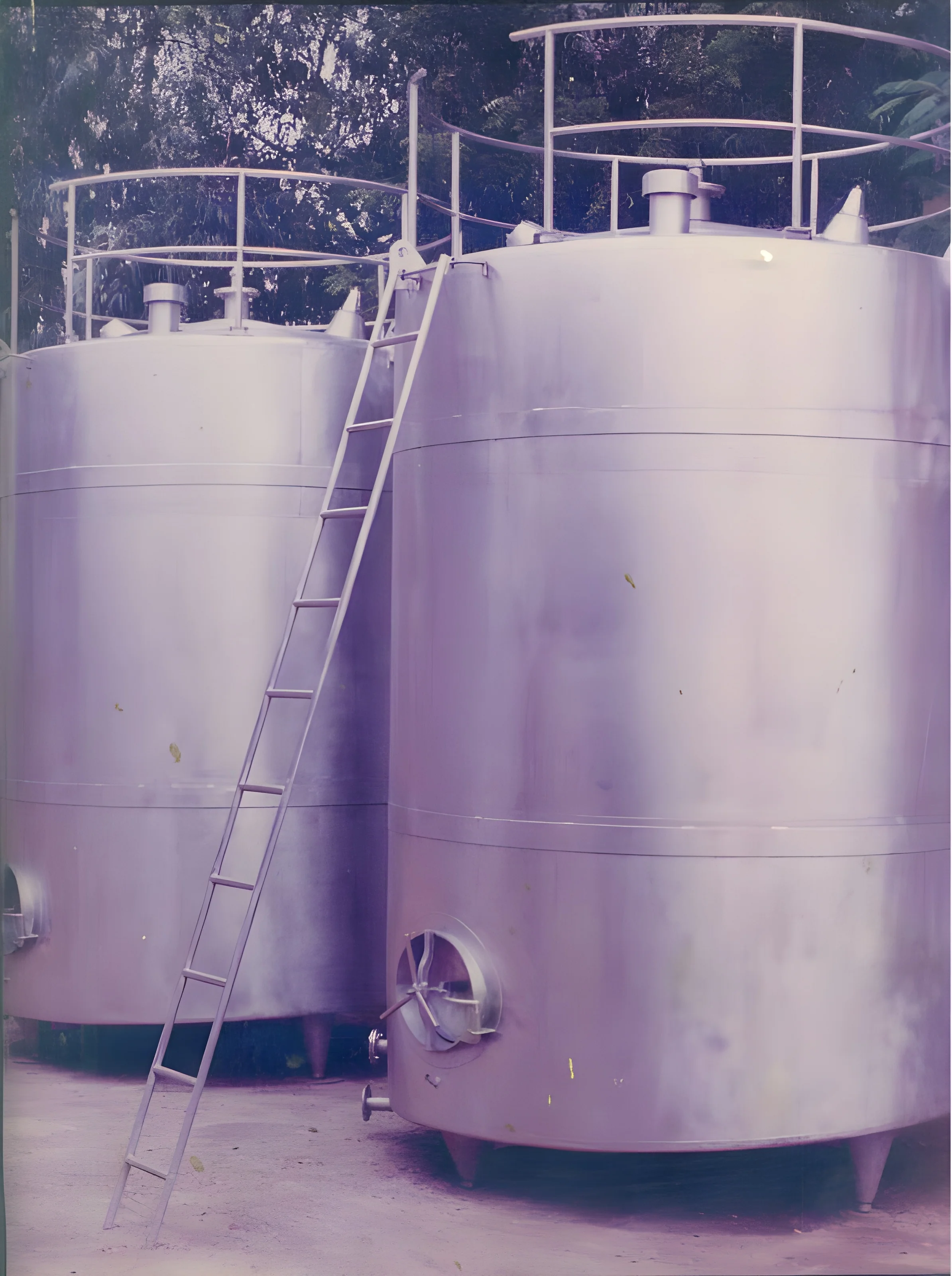
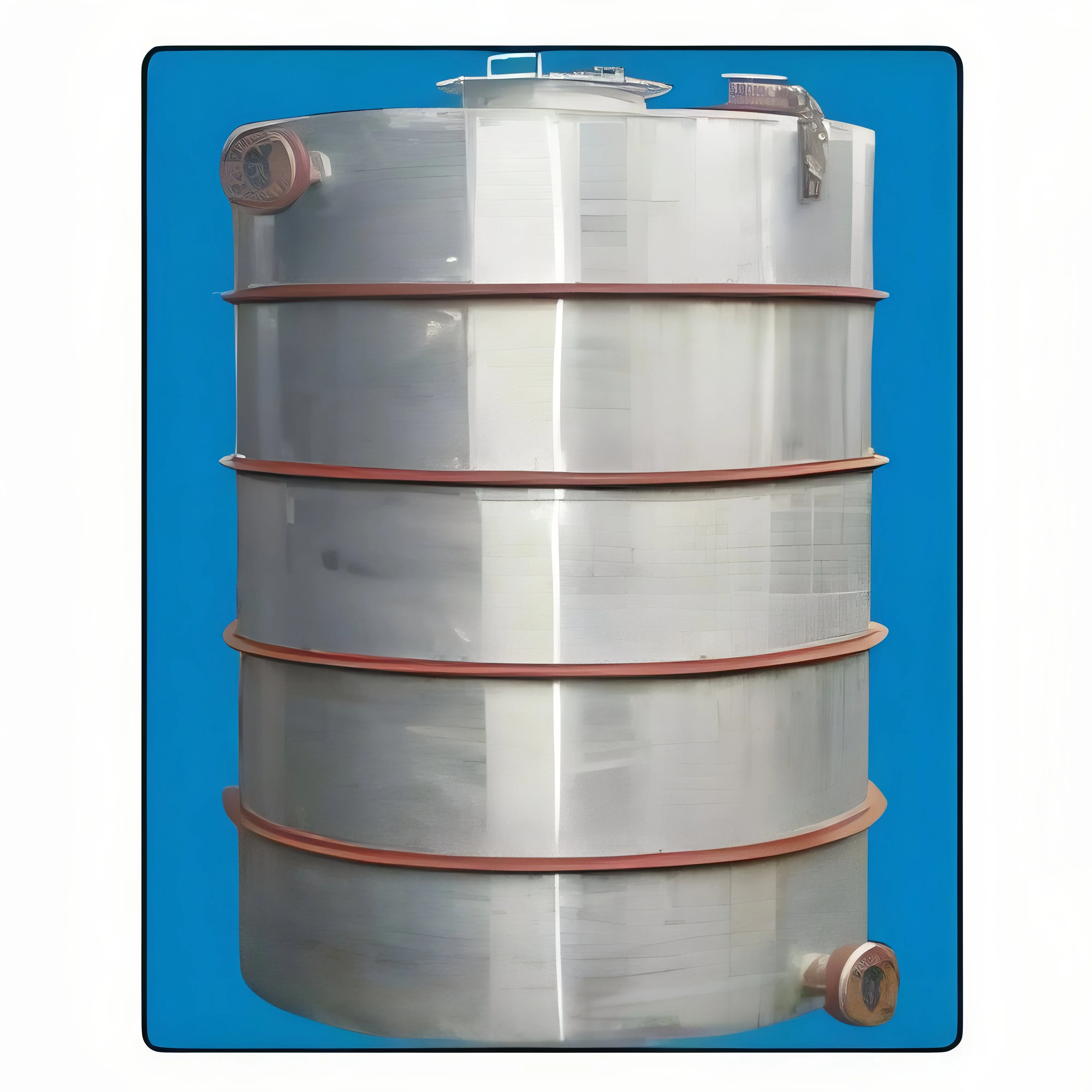
4. Oil and Gas: In the oil and gas sector, anti-corrosive coatings are essential for pipelines and storage tanks. They protect infrastructure from corrosive substances and environmental conditions.
5. Automotive: Automotive manufacturers use anti-corrosive treatments on vehicle chassis and components to prevent rust, enhancing longevity and safety for consumers.
6. Aerospace: In aerospace applications, anti-corrosive materials are critical for protecting aircraft components from environmental exposure, ensuring safety and performance.
7. Electrical: Anti-corrosive coatings are used in electrical components to prevent corrosion that could lead to failure or safety hazards.
Product Variants and Subcategories
Anti-corrosive materials come in various forms, each tailored for specific applications and needs. This diversity allows businesses to select the most suitable option for their requirements.
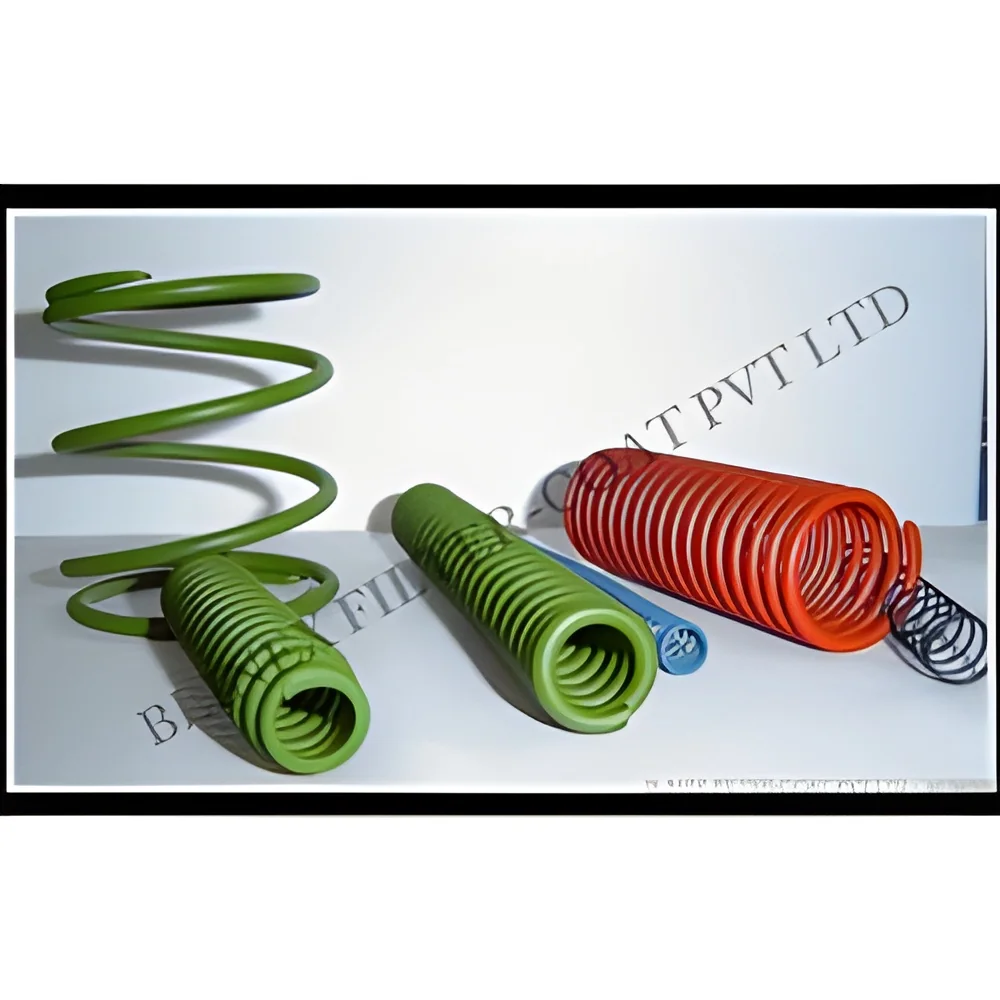
Epoxy Coatings: Epoxy-based anti-corrosive materials are known for their strong adhesion and chemical resistance. They are ideal for industrial applications, providing long-lasting protection for metal surfaces.
Polyurethane Coatings: These coatings offer excellent flexibility and abrasion resistance. They are often used in environments exposed to fluctuating temperatures and mechanical stress.
Zinc-Rich Coatings: Zinc-rich formulations provide cathodic protection, making them ideal for outdoor applications where exposure to moisture and salts is prevalent.
Alkyd Coatings: Alkyd-based anti-corrosive materials are typically used in moderate environments. They are cost-effective and provide decent protection for various substrates.
Fluoropolymer Coatings: These coatings offer exceptional chemical resistance and are suitable for harsh environments. They are often used in the chemical processing and manufacturing industries.
Benefits and Advantages
Choosing anti-corrosive materials provides numerous advantages to businesses in various sectors.
Key benefits include:
1. Extended Asset Life: Anti-corrosive materials significantly increase the lifespan of equipment and structures, reducing the frequency of replacements.
2. Cost Savings: By preventing corrosion, businesses can lower maintenance costs and avoid expensive repairs associated with corrosion damage.
3. Enhanced Safety: Protecting surfaces from corrosion reduces the risk of failures that can lead to safety hazards, ensuring a safer working environment.
4. Environmental Compliance: Many anti-corrosive materials are designed to meet environmental regulations, helping companies reduce their ecological footprint.
5. Improved Performance: Anti-corrosive coatings can enhance the performance of equipment by maintaining optimal functionality in challenging environments.
6. Aesthetic Appeal: Many formulations offer various finishes, allowing businesses to improve the appearance of their products while protecting them.
Buying Guide for B2B Buyers
When sourcing anti-corrosive materials, several factors should be taken into account to ensure the right choice is made.
1. Quality Assessment: It is essential to evaluate the quality of the materials based on performance metrics and previous project outcomes. Look for certifications that validate quality.
2. Supplier Verification: Vetting suppliers is crucial to ensure they adhere to industry standards and can provide reliable products. Check references and past client reviews.
3. Pricing and MOQ: Understand the pricing structure and minimum order quantities (MOQ) before making a purchase. This helps in budgeting and planning for projects.
4. Delivery and Lead Times: Discuss logistics and delivery timelines with suppliers to ensure materials arrive when needed. Delays can impact project schedules.
5. Compliance Requirements: Ensure that the materials comply with relevant industry regulations and standards, as this can affect project approval and operational integrity.
Compliance and Certifications
Compliance with quality standards and certifications is vital for anti-corrosive materials to ensure performance and safety. Relevant standards include ISO 9001, which outlines quality management systems, ensuring that products meet customer and regulatory requirements.
Industry certifications, such as CE marking, indicate that a product meets European safety and health standards. This certification is particularly important for businesses operating in regulated markets.
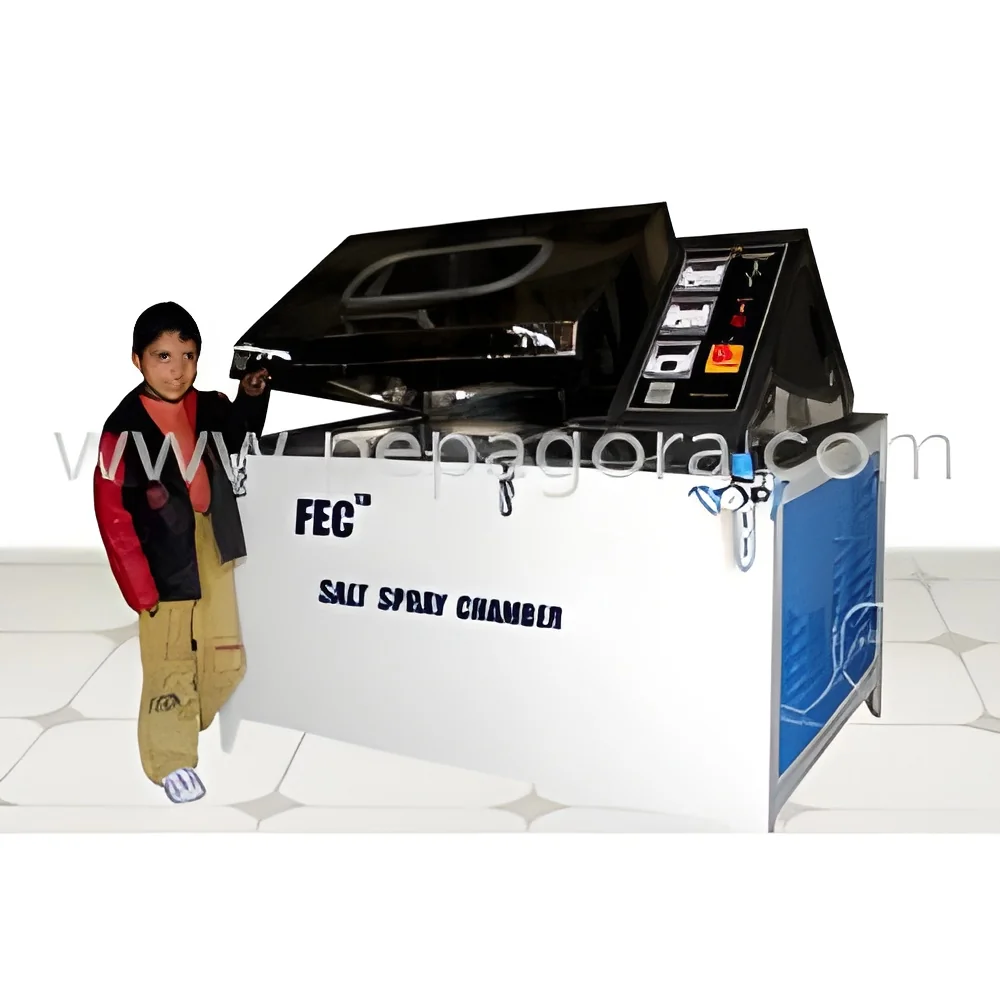
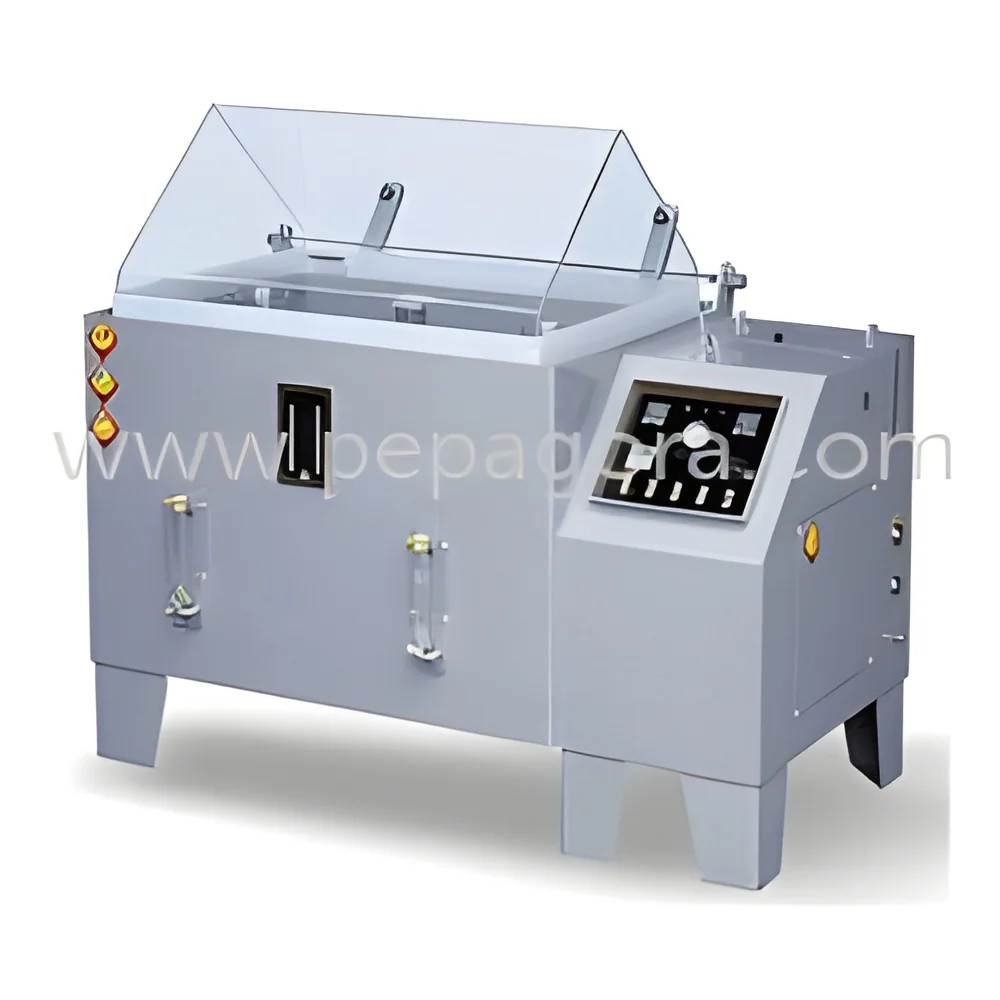
Safety and testing requirements are also critical. Anti-corrosive materials must undergo rigorous testing to assess their performance under various environmental conditions. This includes evaluating their resistance to chemicals, temperature stability, and durability.
Regional compliance considerations can vary, so businesses must be aware of local regulations governing the use of anti-corrosive materials. Staying informed about these regulations helps businesses avoid potential penalties and ensures successful project execution.
Why Source Anti-corrosive Materials from Pepagora?
Pepagora offers a trusted platform for sourcing anti-corrosive materials, driven by several key advantages that cater to the needs of B2B buyers.
Verified Supplier Network: Pepagora connects buyers with a network of verified suppliers, ensuring that only high-quality materials are offered. This verification process helps reduce risks associated with sourcing.
Streamlined RFQ Process: The platform features an efficient request for quotation (RFQ) process that simplifies the procurement of anti-corrosive materials. Buyers can easily compare offers and select the best option.
Trade Assurance and Support: Pepagora provides trade assurance, protecting buyers from potential risks. This support includes assistance with negotiations and resolution of disputes, ensuring a smooth purchasing experience.
Regional Coverage: With a strong presence in India, the GCC, and Southeast Asia, Pepagora offers extensive regional coverage. This allows businesses to access local suppliers and maintain a competitive edge in their respective markets.

 IN
IN

 India
India