
 IN
Lime Powder & Quicklime
13 products available
What are Lime Powder & Quicklime?
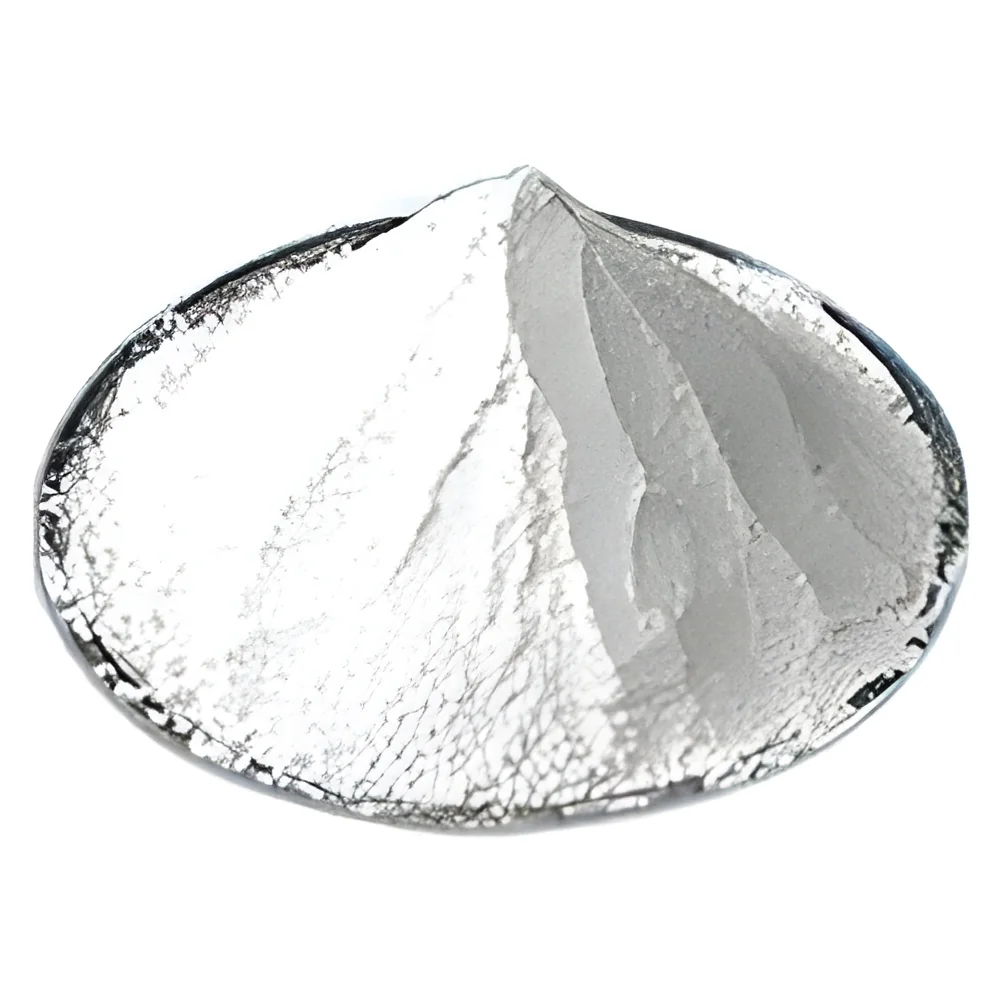
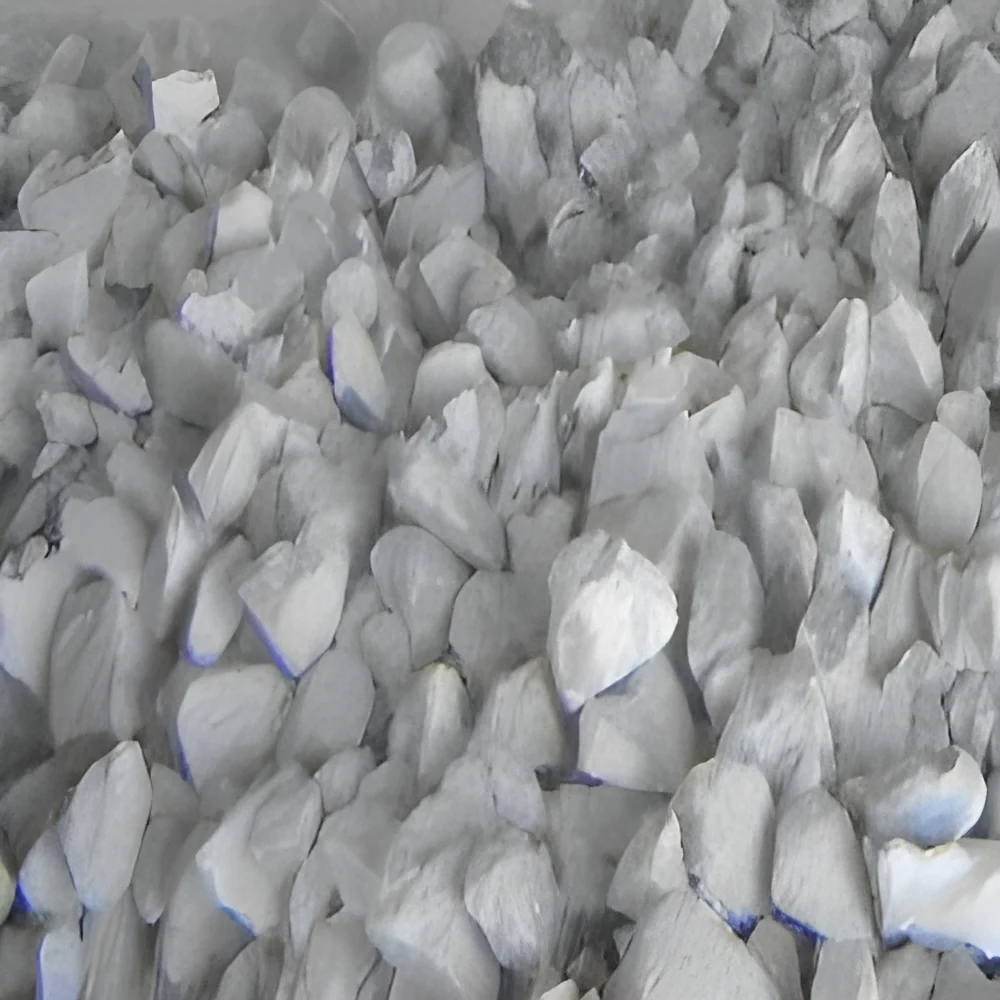
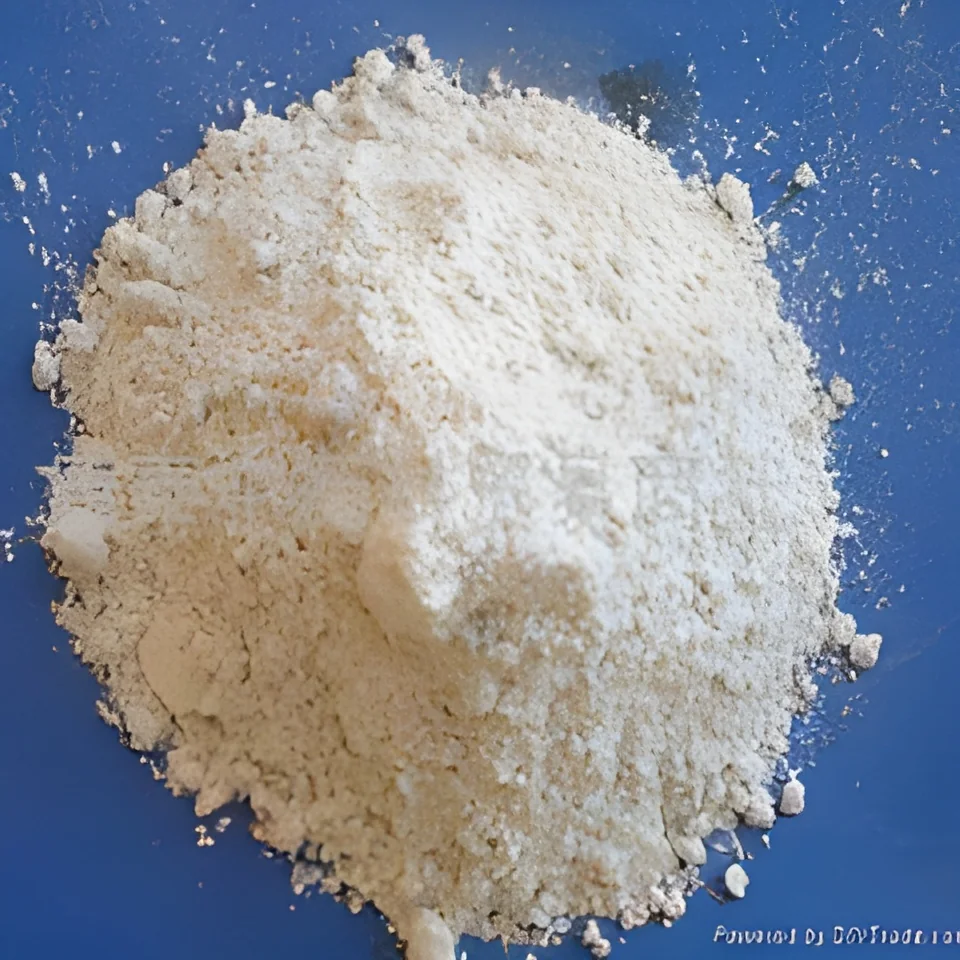
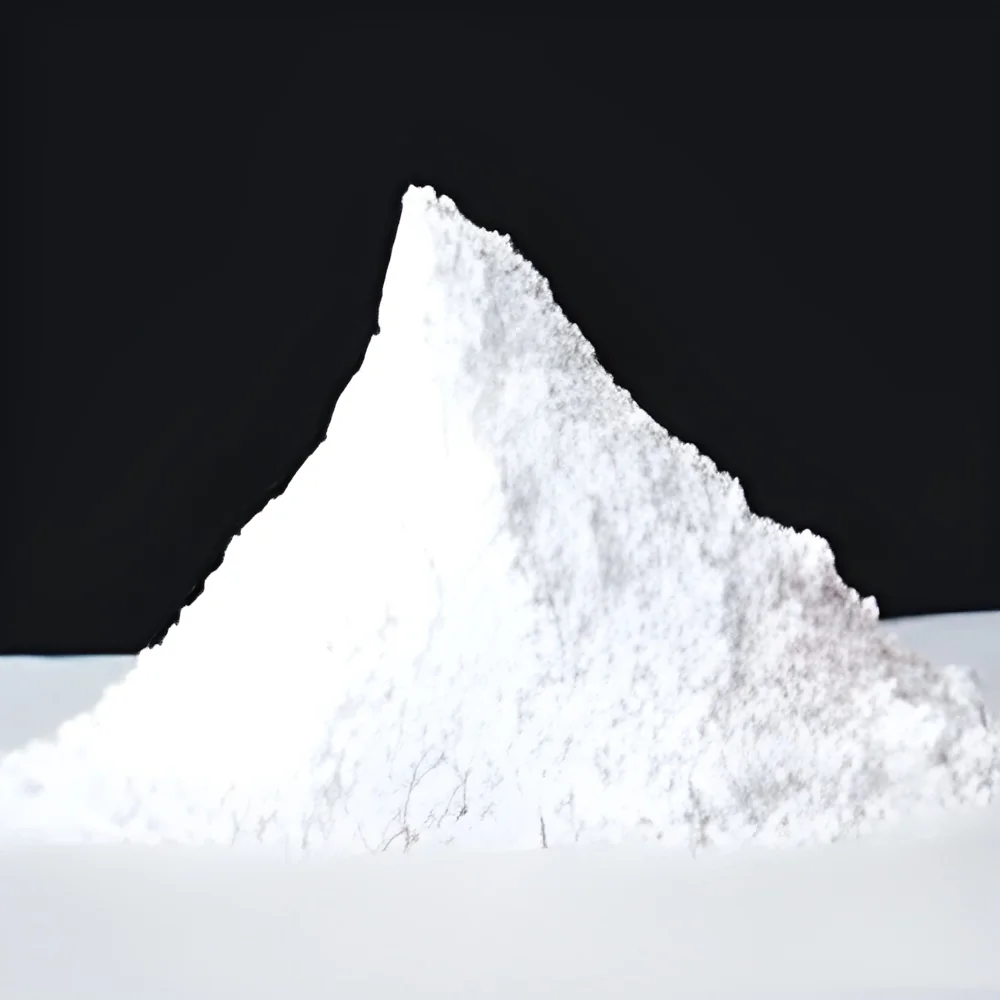
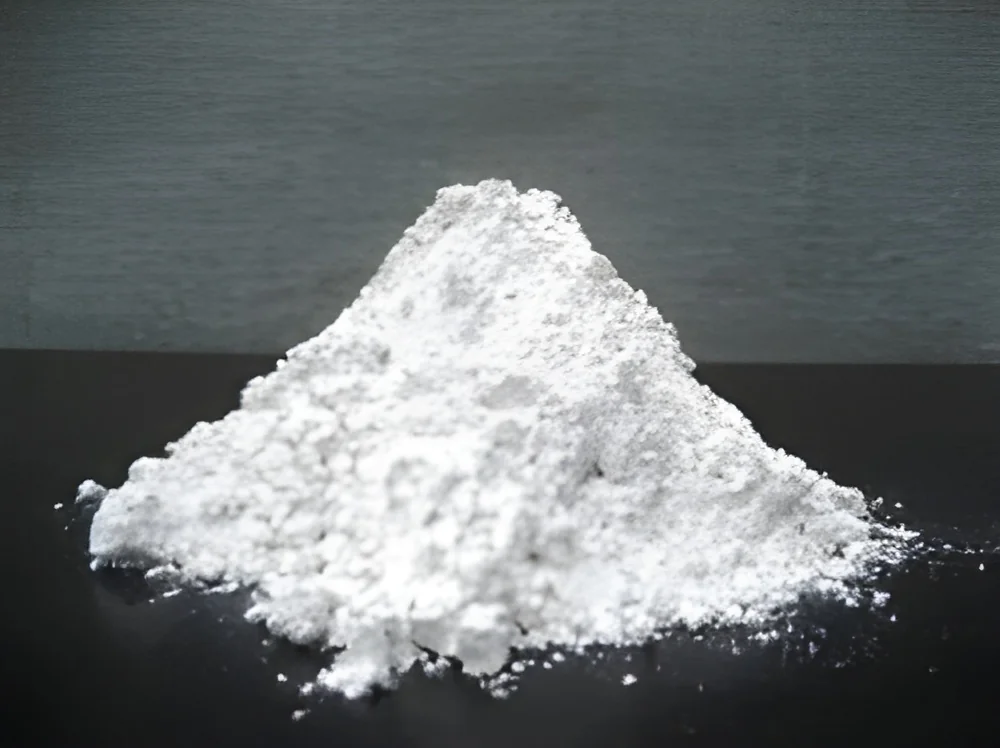
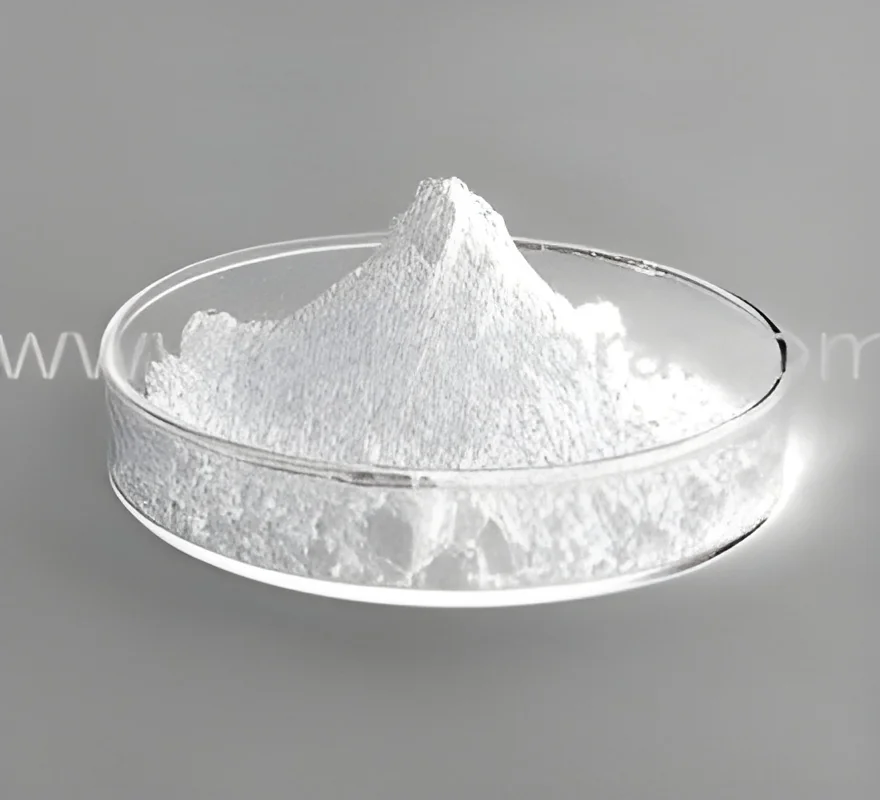
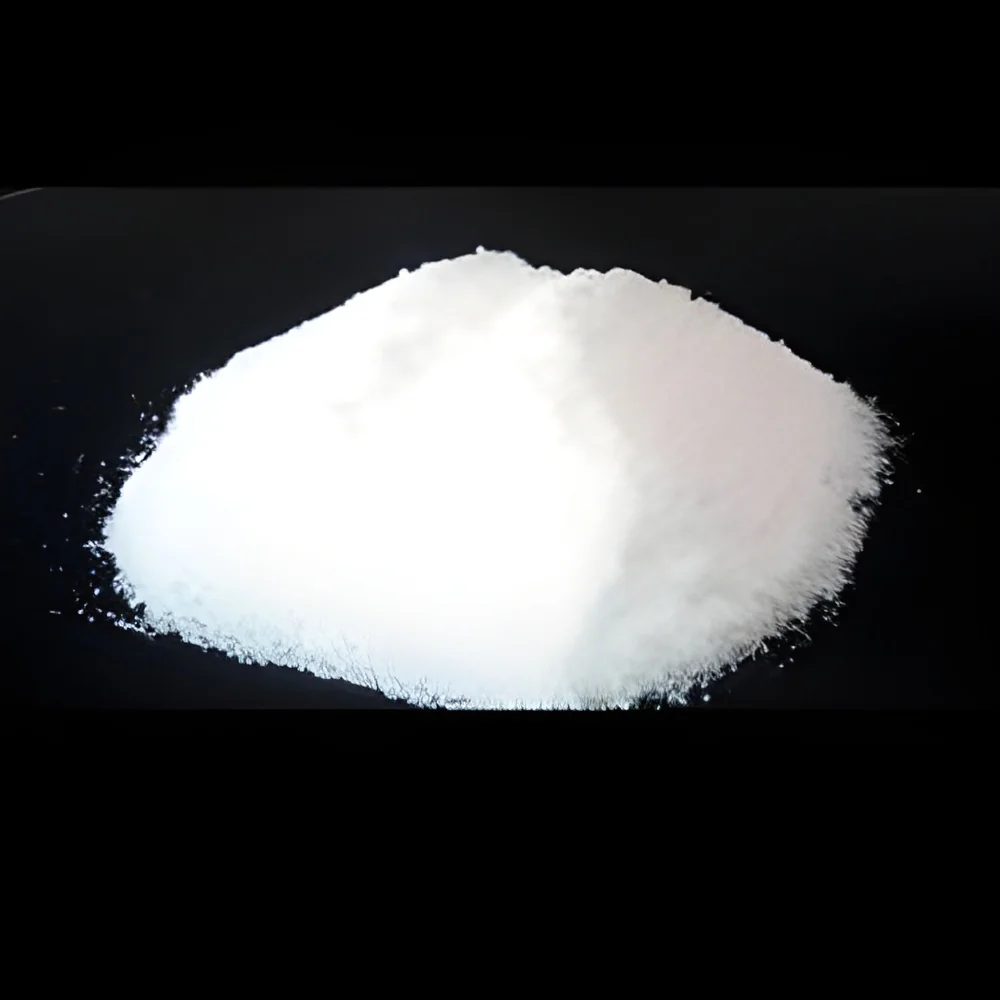
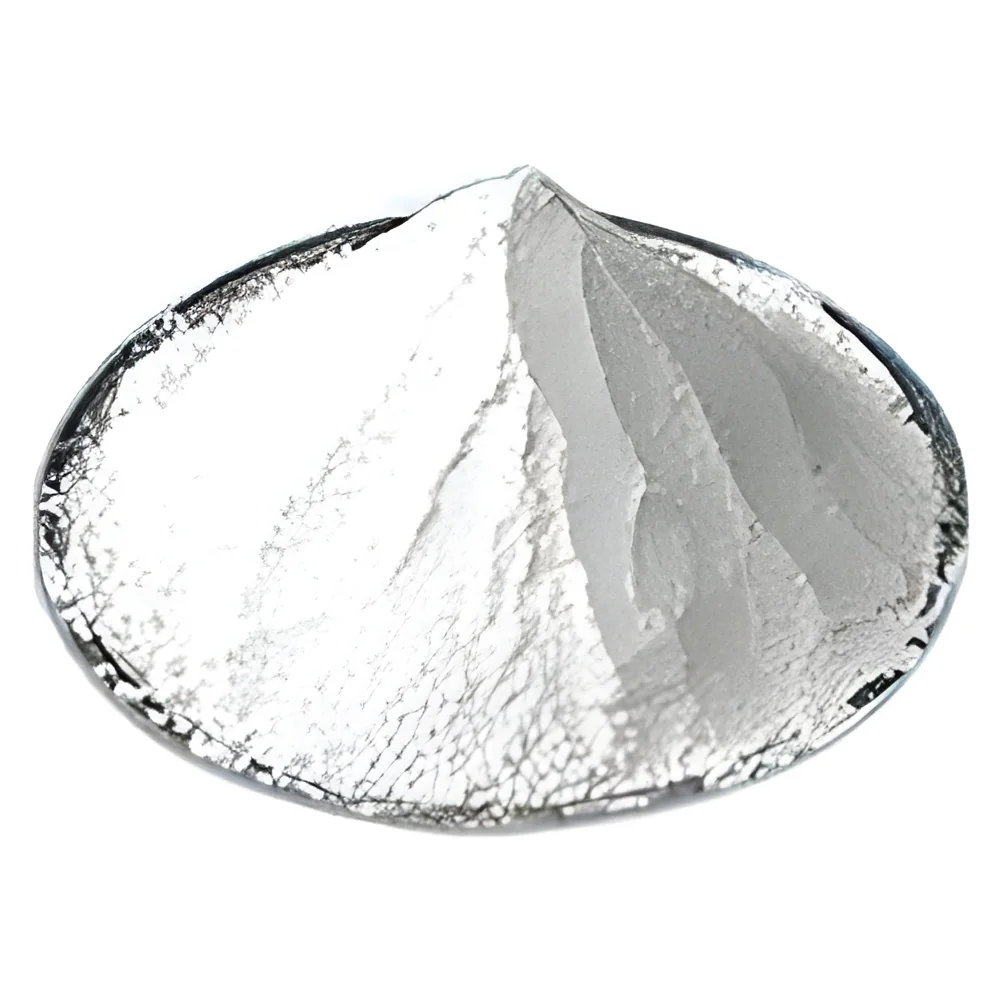
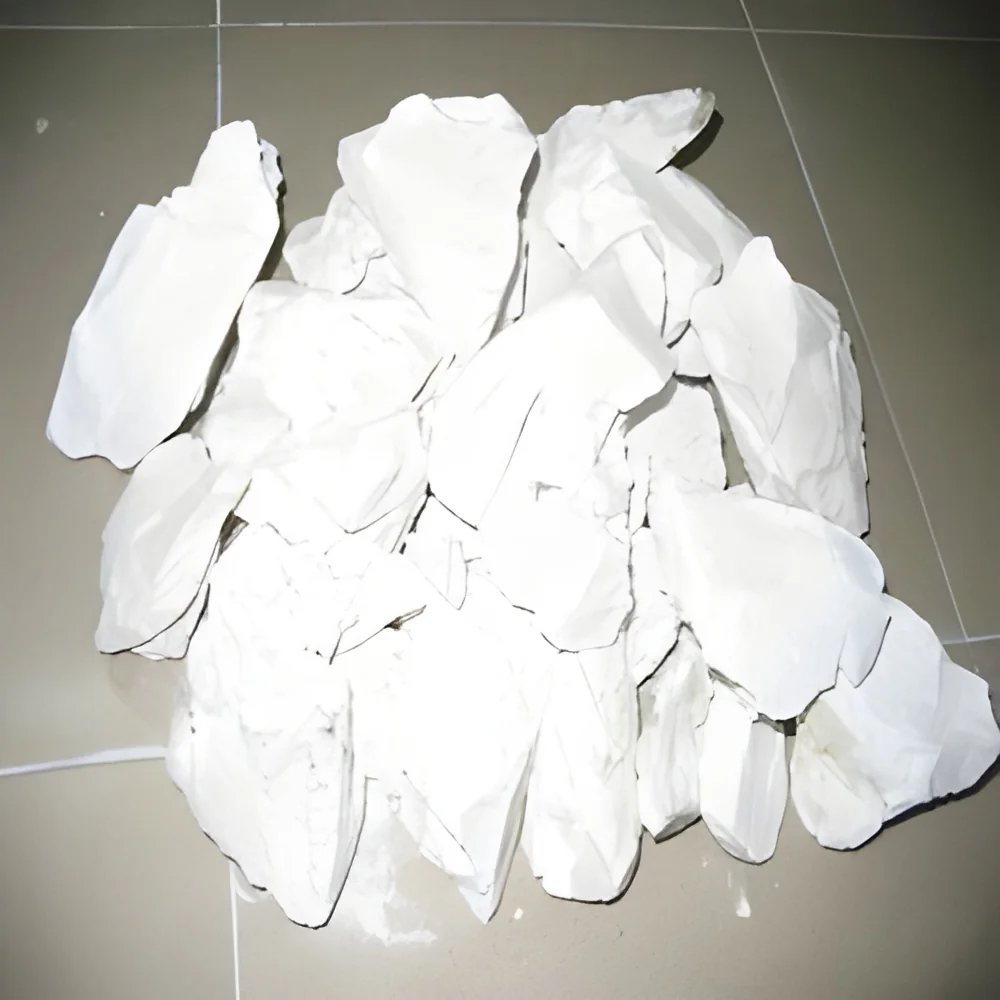
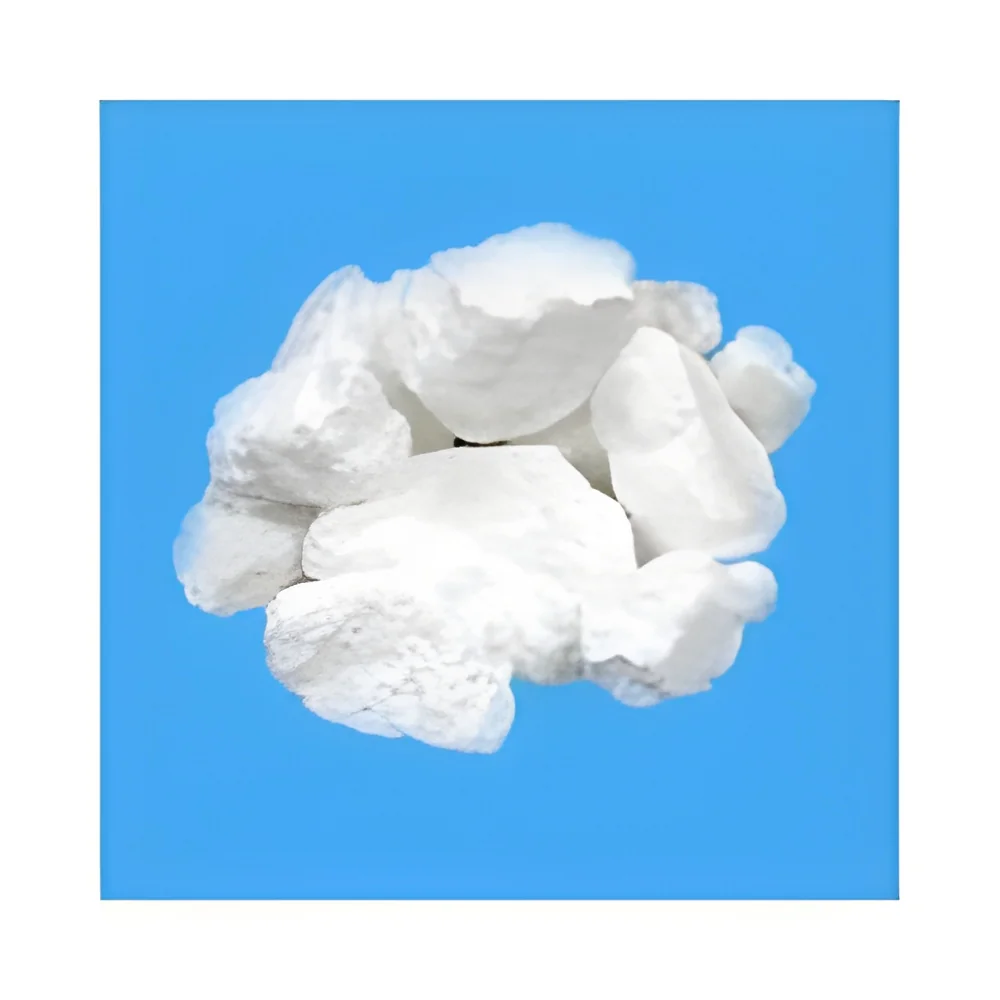
Lime powder and quicklime are essential industrial materials derived from limestone. Lime powder, also known as calcium carbonate, is produced by grinding limestone into a fine powder. Quicklime, or calcium oxide, is obtained by heating limestone in a process called calcination. This process removes carbon dioxide, resulting in a highly reactive compound. Both forms of lime are crucial in various industrial applications due to their alkaline properties.
These materials find extensive use in industries such as construction, agriculture, and water treatment. Lime powder is commonly used as a filler, pH regulator, and in the production of building materials. Quicklime is predominantly utilized in metal production, wastewater treatment, and as a chemical reagent. The versatility and effectiveness of lime products make them vital in numerous applications within the manufacturing sector.
The lime market continues to evolve, driven by increasing demand for sustainable construction practices and environmental regulations. As industries seek innovative solutions to enhance efficiency and reduce waste, lime products remain relevant and necessary for various applications. Companies investing in lime products are likely to benefit from their enduring market significance.
Key Features and Specifications
Lime powder and quicklime have distinct features that cater to various industrial needs. Understanding these specifications is essential for selecting the right product for specific applications.
Key specifications include:
1. Chemical Composition
- Lime powder typically contains over 95% calcium carbonate.
- Quicklime consists of approximately 90% calcium oxide.
2. Particle Size
- Lime powder can range from 100 mesh to 325 mesh, depending on the application.
- Quicklime can vary in size from fine powder to larger granules.
3. Purity Level
- High-purity lime powder is preferred for food and pharmaceutical applications.
- Quicklime purity levels are crucial in metallurgical processes.
4. Reactivity
- Quicklime exhibits high reactivity with water, producing heat.
- Lime powder is less reactive and often used in stable applications.
5. Moisture Content
- Lime powder should have moisture levels below 1% for optimal performance.
- Quicklime needs to be stored in airtight conditions to prevent hydration.
6. pH Level
- Lime powder typically has a pH of around 9 to 11 when mixed with water.
- Quicklime can reach a pH of up to 12.4 when slaked.
7. Packaging
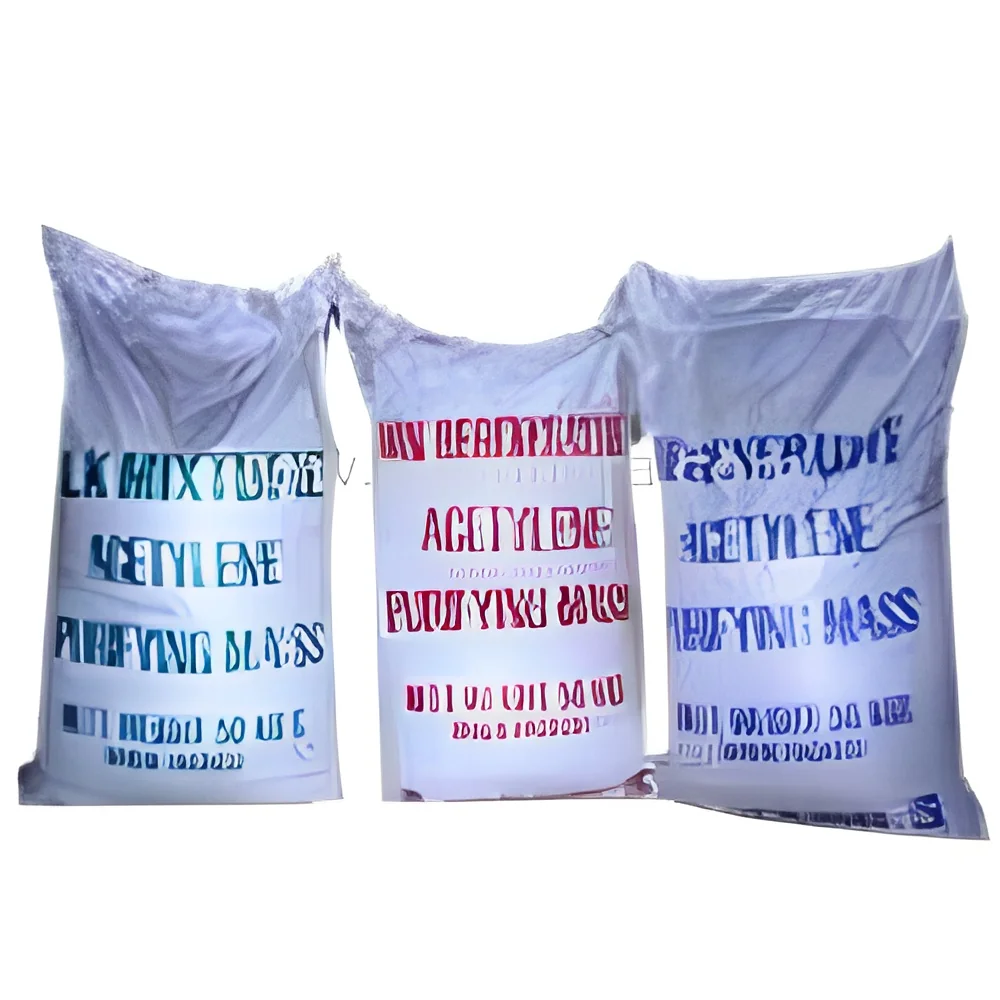
- Lime powder is often available in bulk bags or smaller packaging for convenience.
- Quicklime is typically packaged in moisture-proof bags to prevent deterioration.
In summary, understanding these specifications helps businesses make informed decisions based on the intended application of lime products.
Common Applications and Use Cases
Lime powder and quicklime are utilized across various industries due to their versatile properties.
1. Construction: Lime powder is essential in the production of mortar and plaster, improving workability and durability.
2. Agriculture: Farmers use lime to adjust soil pH, enhance nutrient availability, and promote healthy crop growth.
3. Water Treatment: Quicklime is widely applied in water treatment processes to remove impurities and improve water clarity.
4. Steel Manufacturing: Quicklime acts as a flux in the steel-making process, aiding in the removal of impurities.
5. Environmental Remediation: Lime products are used in soil stabilization and remediation of contaminated sites.
6. Chemical Production: Quicklime serves as a key ingredient in the production of various chemicals, including calcium hydroxide.
7. Glass Manufacturing: Lime powder is a critical component in glass production, enhancing strength and clarity.
By understanding these applications, businesses can better assess how lime products can meet their specific operational needs.
Product Variants and Subcategories
Lime powder and quicklime come in various forms to cater to different industrial requirements.
Hydrated Lime
Hydrated lime, produced by adding water to quicklime, is used in a range of applications, including agriculture and water treatment. It is known for its finer particle size and increased reactivity.
High-Calcium Lime
This variant of quicklime contains a higher percentage of calcium oxide, making it suitable for industries such as steel manufacturing and construction. Its purity levels enhance its effectiveness as a fluxing agent.
Dolomitic Lime
Dolomitic lime is composed of both calcium and magnesium carbonates. It is often used in agriculture to improve soil quality and in industrial applications where both calcium and magnesium are required.
Benefits and Advantages
Using lime powder and quicklime offers numerous advantages for businesses across industries.
1. Versatility: Lime products can be used in a wide range of applications, making them valuable for various sectors.
2. Cost-Effectiveness: Lime is generally affordable, providing a cost-efficient solution for many industrial processes.
3. Environmental Benefits: Lime helps in neutralizing acidity and improving soil health, contributing to sustainable practices.
4. Enhanced Performance: Lime products enhance the properties of construction materials, leading to stronger and more durable structures.
5. Improved Water Quality: In water treatment, lime effectively removes contaminants, leading to clearer and safer water.
6. Regulatory Compliance: Using lime products can help companies meet environmental regulations and standards.
By leveraging these benefits, businesses can enhance their operational efficiency while promoting sustainability.
Buying Guide for B2B Buyers
When sourcing lime powder and quicklime, it is crucial to consider various factors to ensure the best purchasing decision.
1. Quality Assessment: Evaluate the purity and chemical composition of the lime products to ensure they meet your specific application needs.
2. Supplier Verification: Research suppliers to verify their credibility, certifications, and history in the industry to ensure reliability.
3. Pricing and MOQ: Understand the pricing structure and minimum order quantities to align with your budget and demand.
4. Delivery and Lead Times: Assess the supplier's logistics capabilities, including delivery times and shipping options.
5. Compliance Requirements: Ensure that the products meet local and international compliance standards relevant to your industry.
By carefully considering these factors, buyers can make informed decisions that align with their operational needs.
Compliance and Certifications
Lime powder and quicklime must adhere to various quality standards and certifications to ensure safety and effectiveness.
Relevant quality standards include ISO 9001, which ensures consistent quality management systems in production. Additionally, HACCP principles may apply in food-related applications, focusing on food safety.
Industry certifications like CE mark ensure that the products meet European safety and environmental requirements.
Safety and testing requirements are crucial, as lime products can pose hazards if not handled correctly. Proper training in handling and storage is essential for workers in industries using lime.
Regional compliance considerations also play a role, as different regions may have specific regulations governing the use of lime products. Businesses must stay informed about these requirements to ensure compliance.
Why Source Lime Powder & Quicklime from Pepagora?
Pepagora offers a reliable platform for sourcing lime powder and quicklime, providing several key advantages to buyers.
Verified Supplier Network: We maintain a network of verified suppliers committed to quality and reliability. This ensures that buyers can source products that meet their stringent requirements.
Streamlined RFQ Process: Our Request for Quotation (RFQ) process simplifies the procurement journey. Buyers can quickly receive competitive quotes from multiple suppliers, saving time and effort.
Trade Assurance and Support: Pepagora provides trade assurance and support, protecting buyers’ interests. This includes assistance with transactions and dispute resolution, ensuring a secure buying experience.
Regional Coverage: With a focus on India, the GCC, and Southeast Asia, Pepagora enables buyers to access a wide range of lime products from trusted suppliers in these regions. This geographic reach ensures that businesses can find the right products to meet their needs efficiently.
By choosing Pepagora, businesses can confidently source lime powder and quicklime, backed by a trusted platform and a commitment to quality and service.

Frequently Asked Questions
What are Lime Powder & Quicklime?
Lime Powder, also known as calcium carbonate, is a fine white powder produced from limestone. Quicklime, or calcium oxide, is created by heating limestone in a kiln, resulting in a highly reactive compound used in various industrial applications.
What are the different types of Lime Powder & Quicklime?
The primary types of Lime Powder include hydrated lime, which is calcium hydroxide, and quicklime, which is calcium oxide. Each type has distinct properties and uses, with hydrated lime being commonly used for soil stabilization and quicklime for steel manufacturing and chemical processes.
How do I choose the right Lime Powder & Quicklime?
Selecting the appropriate Lime Powder or Quicklime depends on your specific application requirements. Consider factors such as purity, reactivity, and the intended use in construction, agriculture, or chemical processes.
What are the standard specifications for Lime Powder & Quicklime?
Standard specifications for Lime Powder and Quicklime include purity levels, fineness, and reactivity rates. For industrial applications, lime products should meet the relevant ASTM or IS standards, ensuring consistent quality and performance.
What is the price range for Lime Powder & Quicklime?
The price of Lime Powder and Quicklime can vary based on factors such as quality, quantity, and supplier. Generally, the price range can start from a few hundred to several thousand Indian Rupees per ton, depending on market conditions.
What quality standards apply to Lime Powder & Quicklime?
Quality standards for Lime Powder and Quicklime typically include compliance with IS (Indian Standards) and ASTM (American Society for Testing and Materials) specifications. These standards ensure that the products meet safety and performance criteria for industrial use.
Where can I find Lime Powder & Quicklime suppliers in India?
You can find Lime Powder and Quicklime suppliers in India through online B2B marketplaces like Pepagora.com, trade directories, and industry-specific exhibitions. These platforms connect buyers with reputable manufacturers and suppliers throughout the country.
Can Lime Powder & Quicklime be customized?
Yes, Lime Powder and Quicklime can often be customized based on specific customer requirements, such as particle size, purity levels, and packaging. It is advisable to discuss your needs with suppliers to receive tailored solutions.
What is the typical minimum order quantity for Lime Powder & Quicklime?
The typical minimum order quantity (MOQ) for Lime Powder and Quicklime varies by supplier but generally ranges from one ton to several tons. It is important to check with the supplier for their specific MOQ requirements.
What is the typical lead time for Lime Powder & Quicklime?
The typical lead time for Lime Powder and Quicklime orders can range from a few days to several weeks, depending on the supplier's stock availability and order size. It is advisable to confirm the lead time with the supplier before placing an order.
Why Businesses Trust Pepagora
Thousands of companies trust Pepagora to source smarter and sell faster
Expand Your Sales Globally

Source Smarter,Grow Faster
